








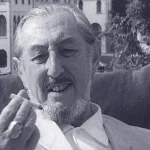

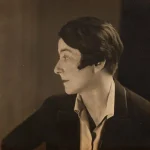

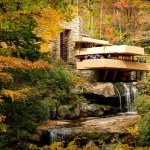
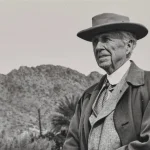









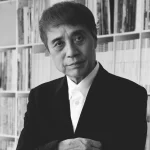

Those who wish to pursue a career in architecture usually follow a path that begins with earning a degree from a university’s architecture program. However, throughout architectural education, from history courses to studio work, we frequently encounter the names of renowned architects who became icons of their eras and sources of inspiration, despite not holding a formal architecture degree. Some of these renowned architects, due to financial constraints or dissatisfaction with the educational system, never began or completed their architectural education.
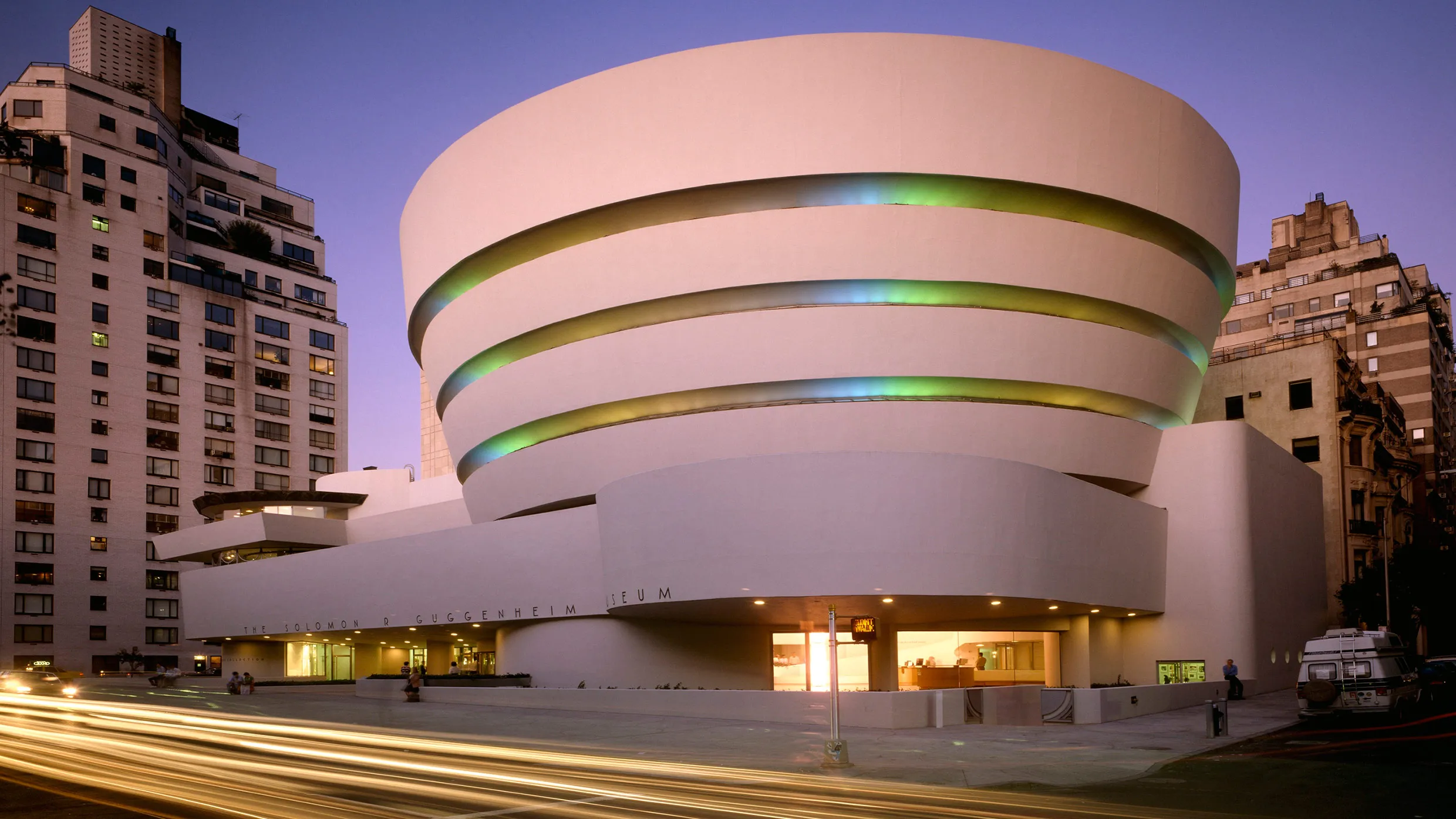
By cultivating their own skills and developing distinctive design languages, they became some of the most celebrated architects in history. Traveling around the world or apprenticing to master architects, these renowned architects eventually developed their own architectural styles and created many of the masterpieces currently taught in architecture schools.
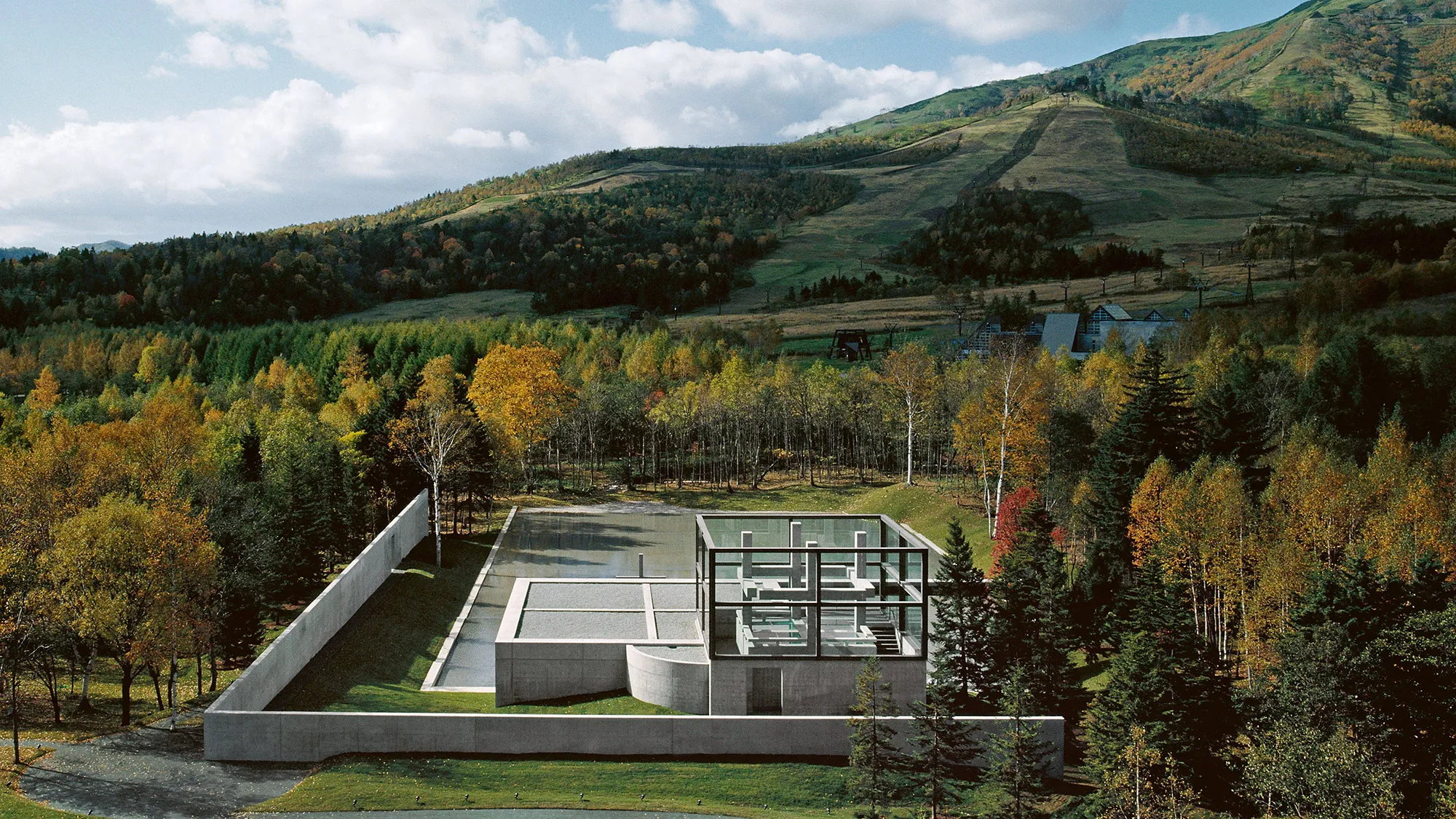
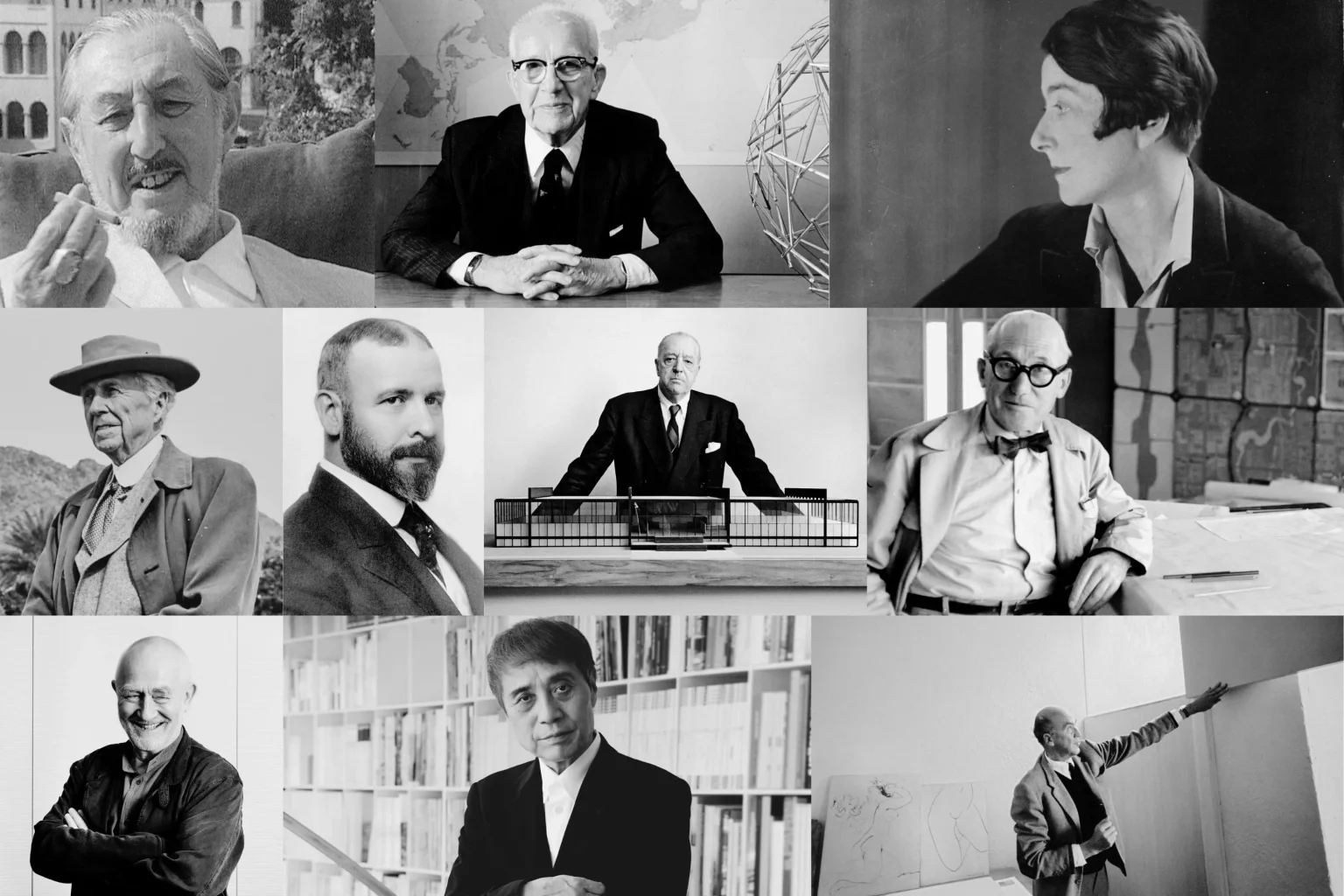
Here are the 10 famous architects who didn’t possess an architecture degree:
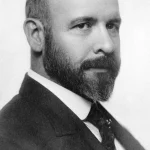
1. Louis Henri Sullivan (3 September 1856 – 14 April 1924)
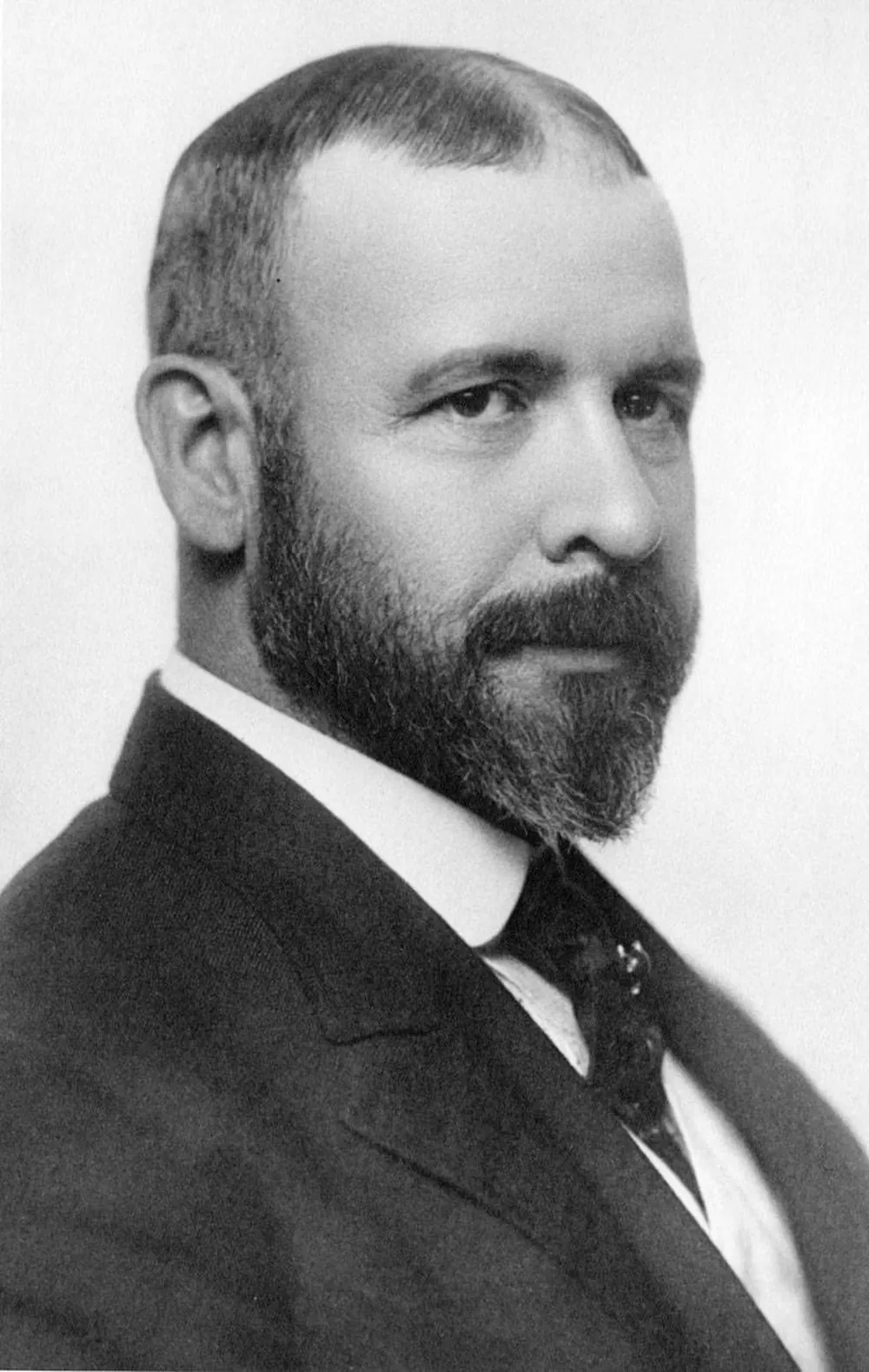
Known as Chicago’s “Father of Skyscrapers,” Louis Sullivan was one of the most influential architects of the modernist era. After graduating from high school, Sullivan began studying at MIT at the age of 16. However, he left after one year and never obtained a formal degree in architecture. In Philadelphia, Sullivan apprenticed with architect Frank Furness and architect-engineer William Le Baron Jenney. In 1874, he enrolled at the École des Beaux-Arts in Paris.
After spending only a year there, Sullivan traveled through Florence and Rome before moving to Chicago in 1875, where he worked as a draftsman. At the age of 24, he formed a partnership with Dankmar Adler, producing dozens of works characterized by a simultaneously modern yet ornate aesthetic.
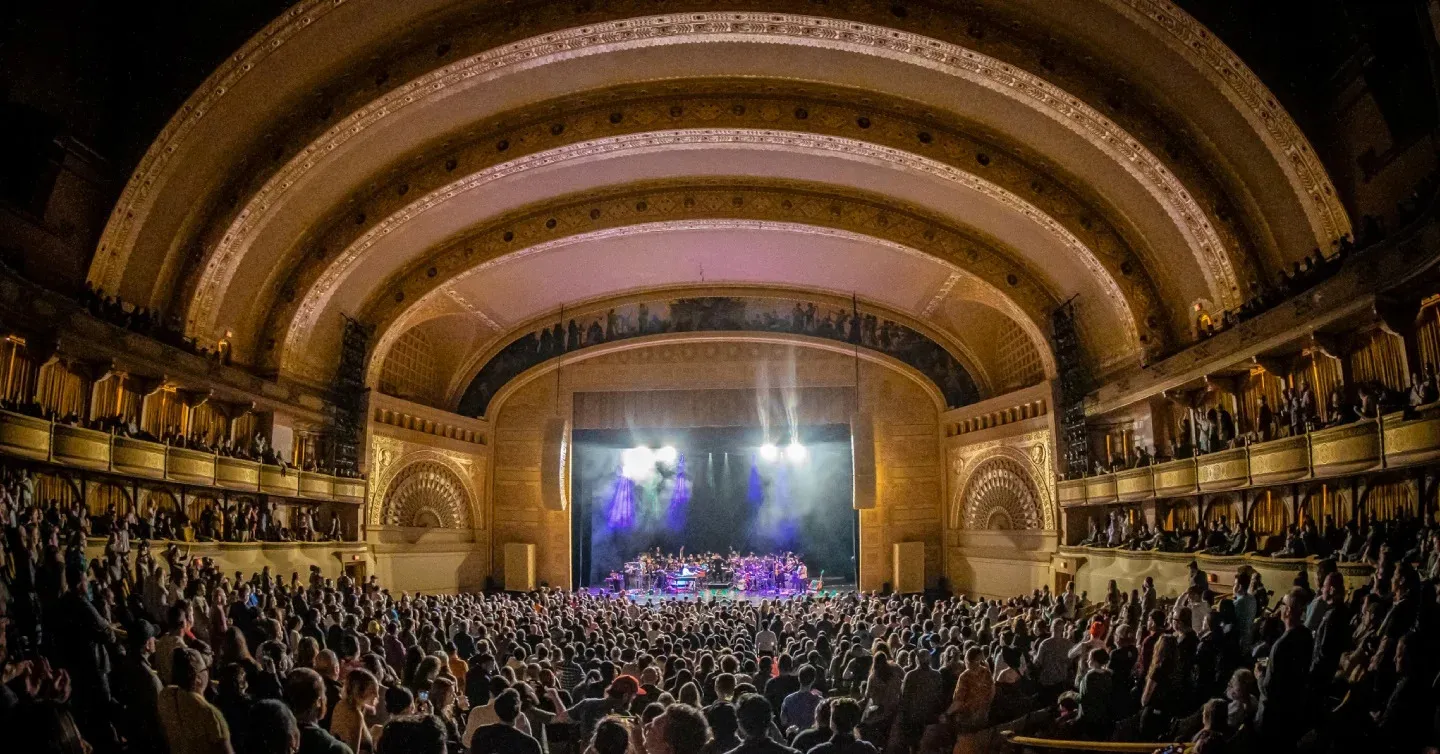
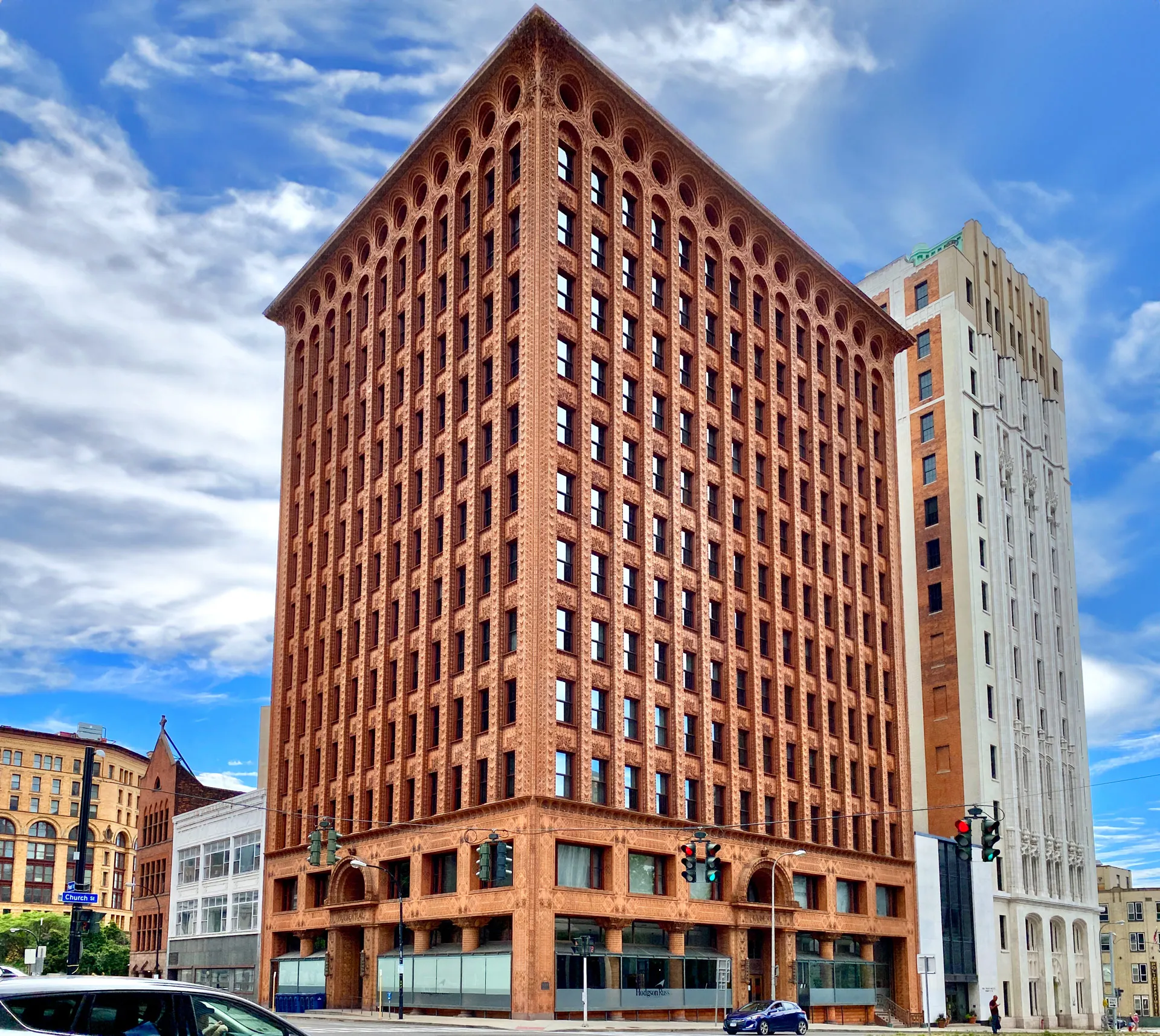
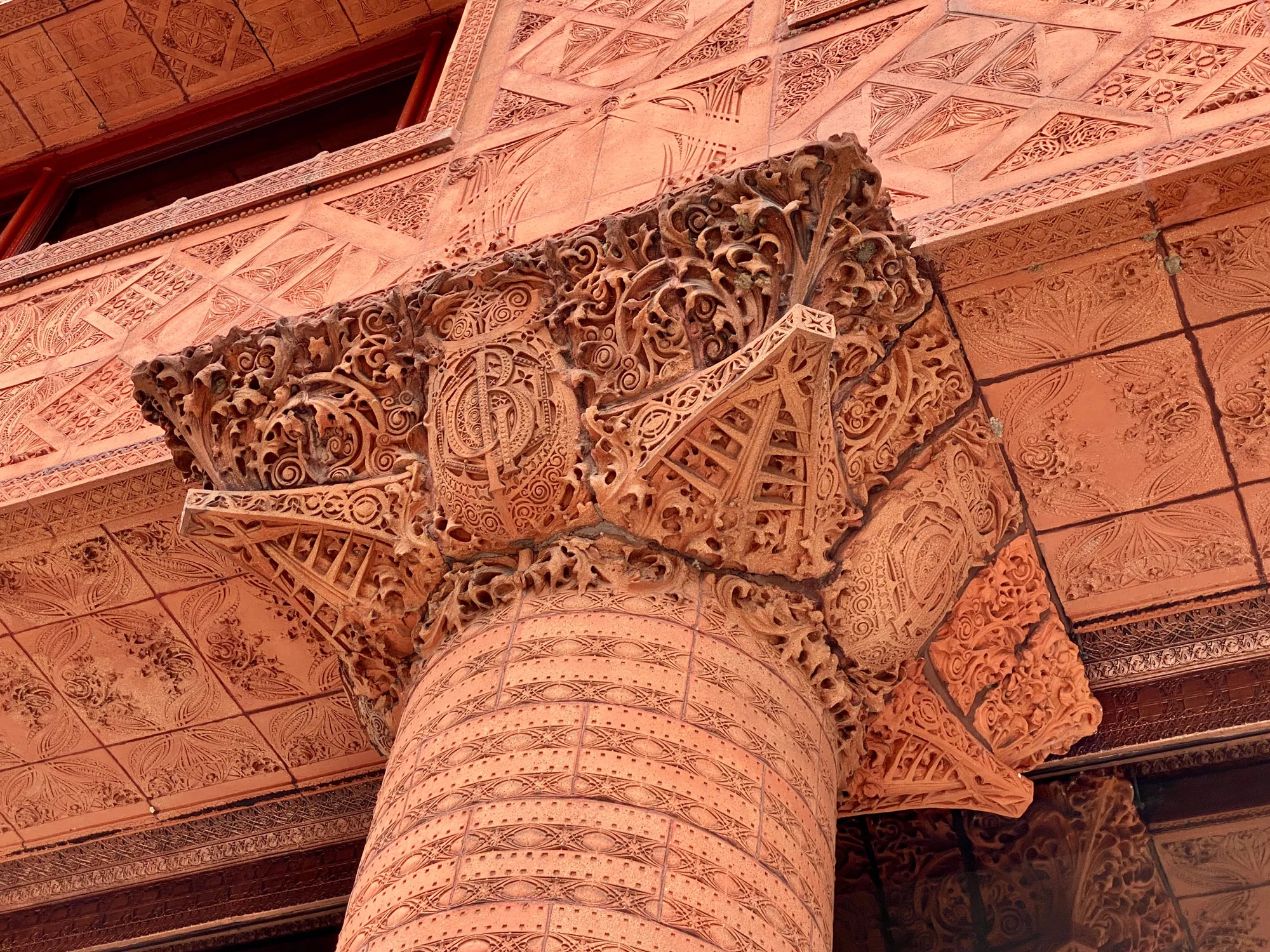
Advocating for a distinctly American architectural style, Sullivan’s design philosophy gave rise to the famous phrase “Form follows function.” Famous for grand commercial projects such as the 1889 Auditorium Theatre and the 1899 Schlesinger & Mayer Department Store, which combined bold volumes of stone and terracotta with original, botanical-inspired ornamentation, Sullivan employed new technology (steel frames and elevators) to reach unprecedented heights, such as the Schiller Building in Chicago and the Guaranty Building in Buffalo, New York.
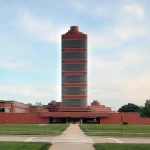
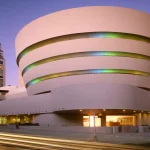
2. Frank Lloyd Wright (8 June 1867 – 9 April 1959)
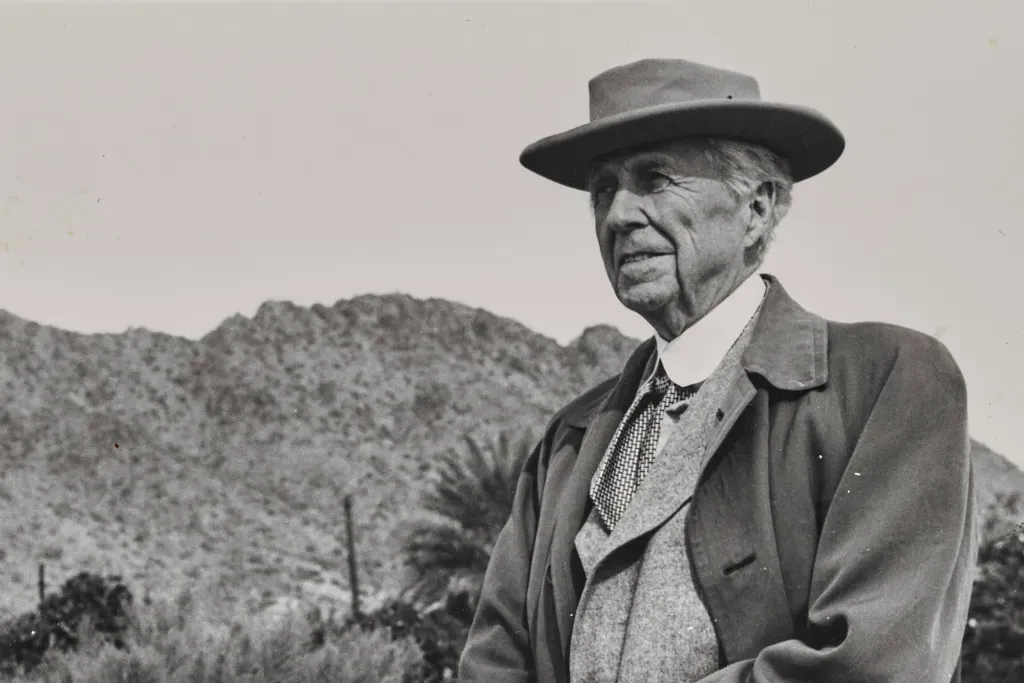
Frank Lloyd Wright, one of the most renowned architects of the 20th century, who profoundly influenced contemporary architecture worldwide, never received a formal architectural education. Due to family circumstances and disillusionment with the educational system, Wright retired from his studies and moved to Chicago to gain real-world experience, working as an assistant to architect J.L. Silsbee.
He later joined Adler & Sullivan before establishing his own practice in 1893. Under the guidance of Louis Sullivan, whom he called his “Lieber Master,” Wright embraced the principle of “form follows function,” leading him to blend art and craft, ultimately developing a distinctive style in his designs.
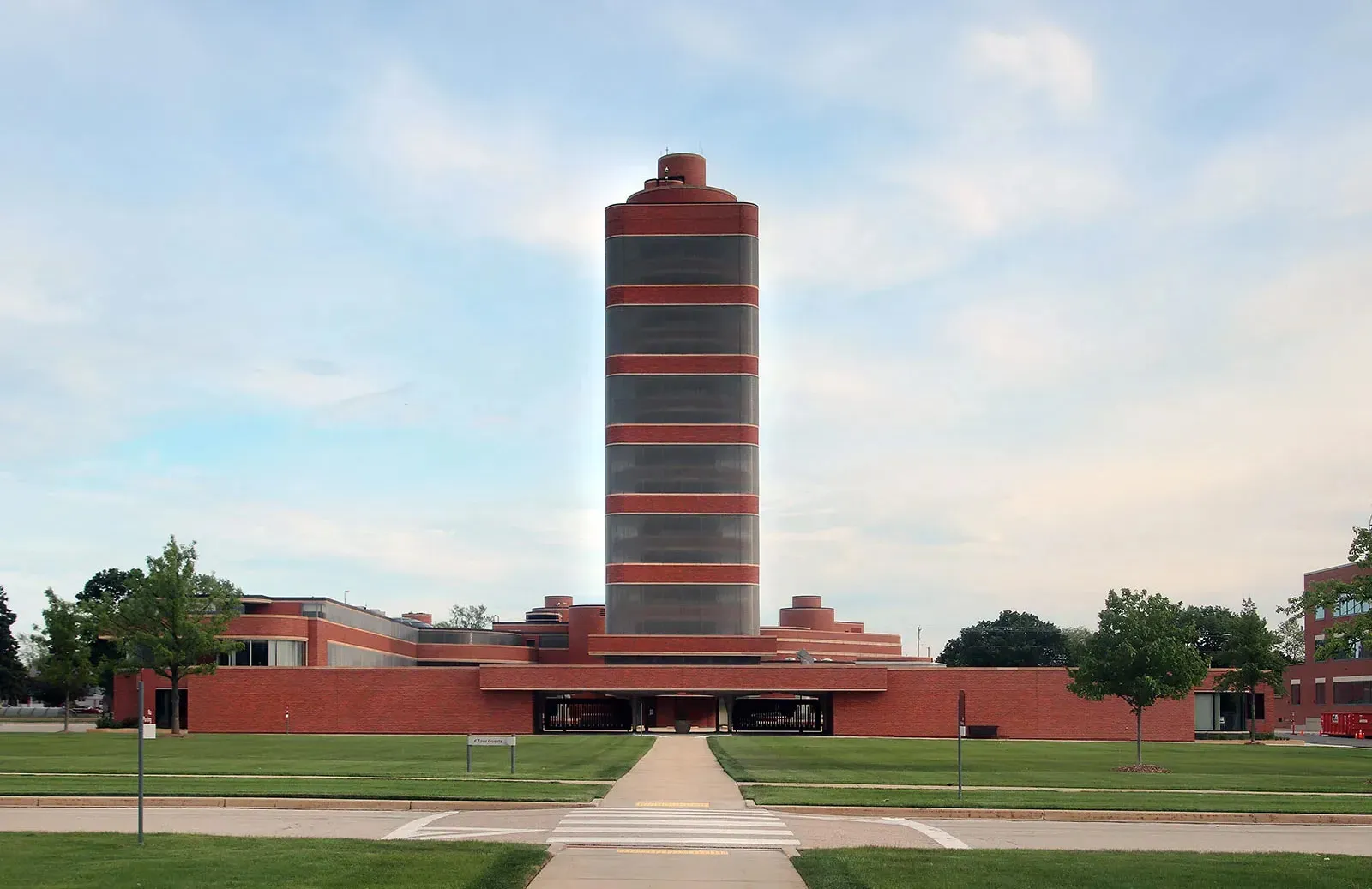
“Education, of course, is always based on what was. Education shows you what has been and leaves you to draw the deduction as to what may be. Education, as we pursue it, cannot prophesy and does not.” Frank Lloyd Wright.”
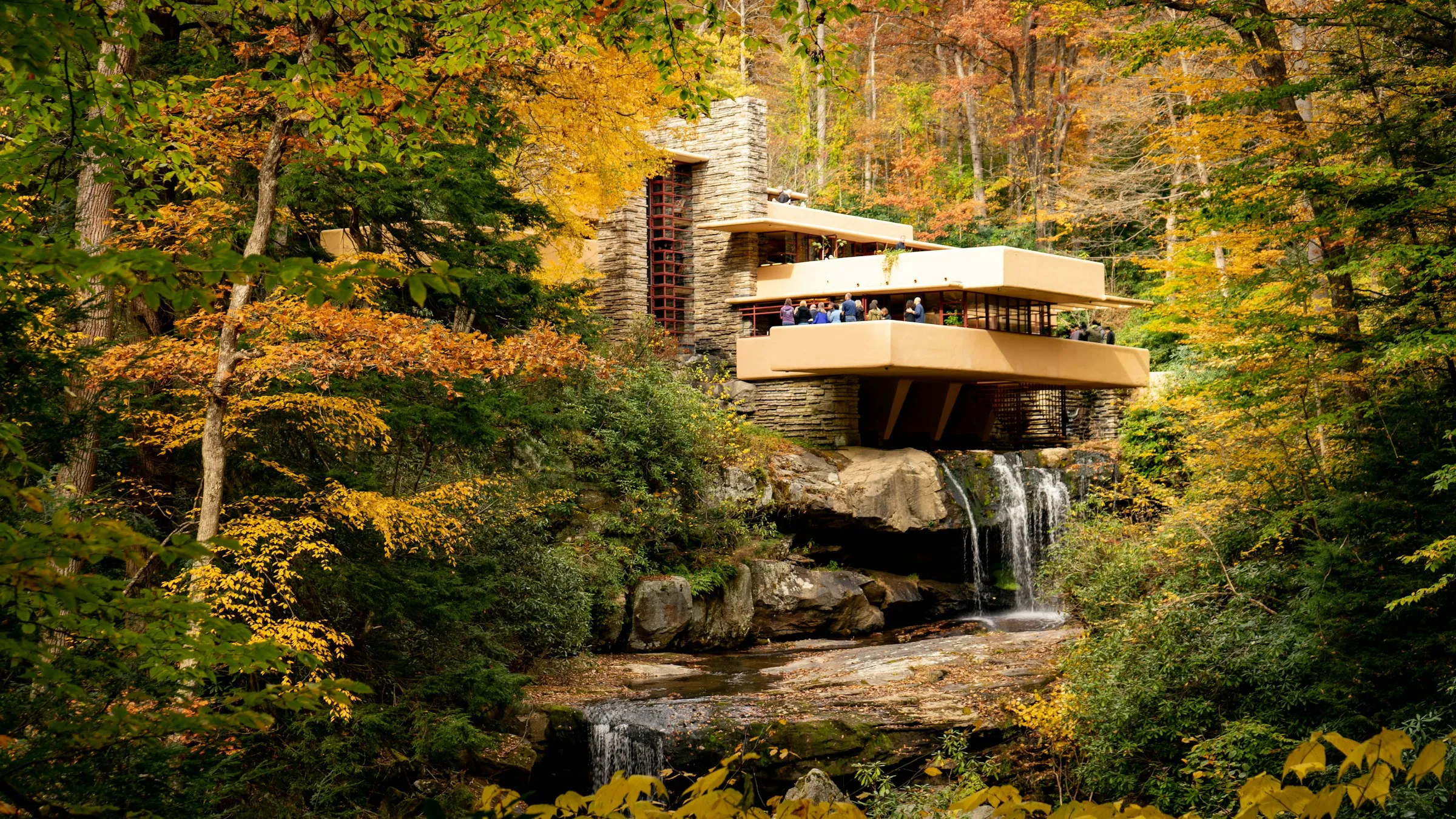
Named “the greatest American architect of all time” by the American Institute of Architects in 1991, Frank Lloyd Wright designed more than 500 architectural masterpieces throughout his life. Opposing ornate and detailed architecture, Wright laid the foundations of “Organic Architecture,” which emphasized the harmony between nature and structure. Wright conceived his designs holistically, including interiors, fixtures, and equipment, fostering a fluid transition between interior and exterior spaces, thus strengthening the relationship between space and natureç
3. Ludwig Mies van der Rohe (27 March 1886 – 17 August 1969)
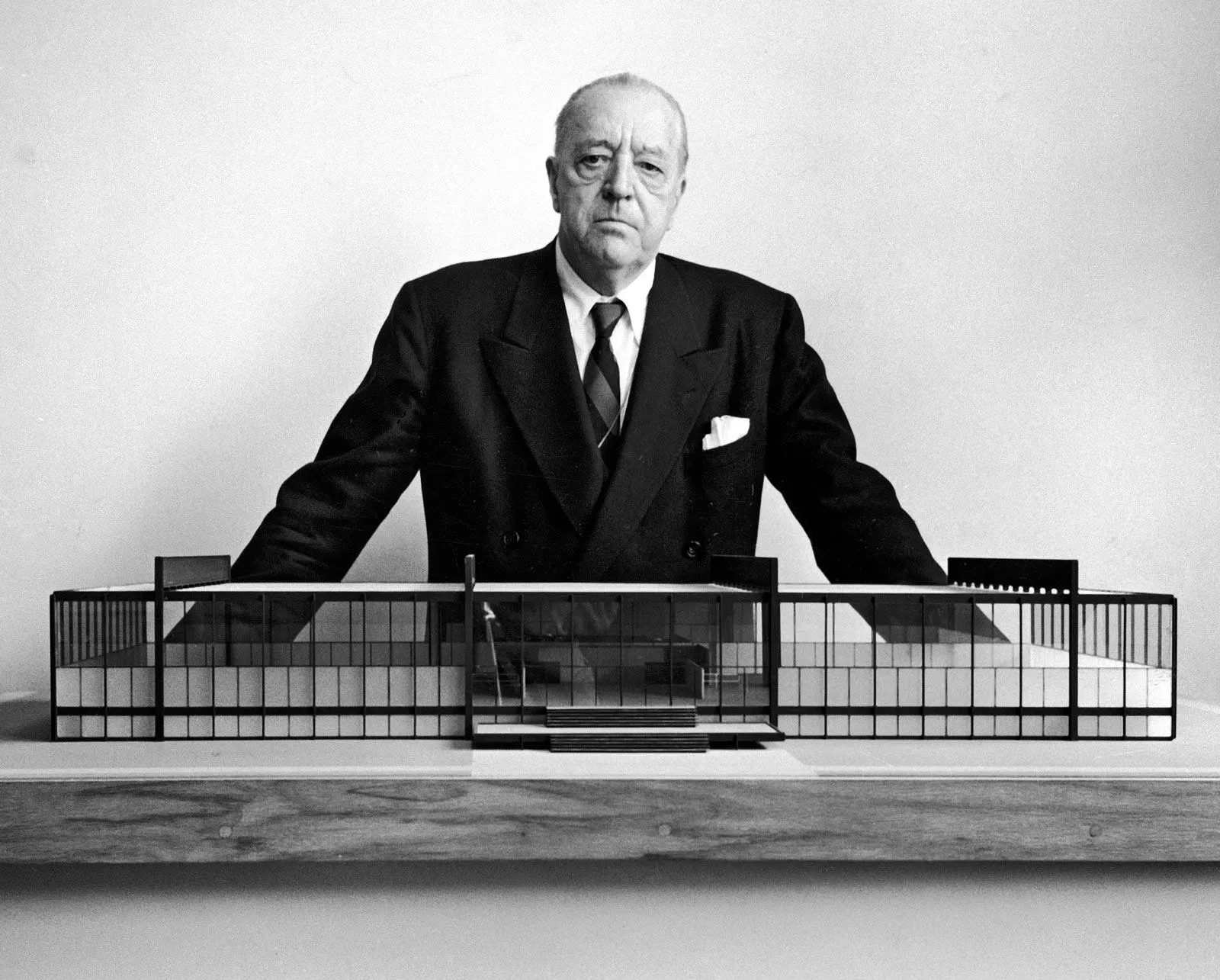
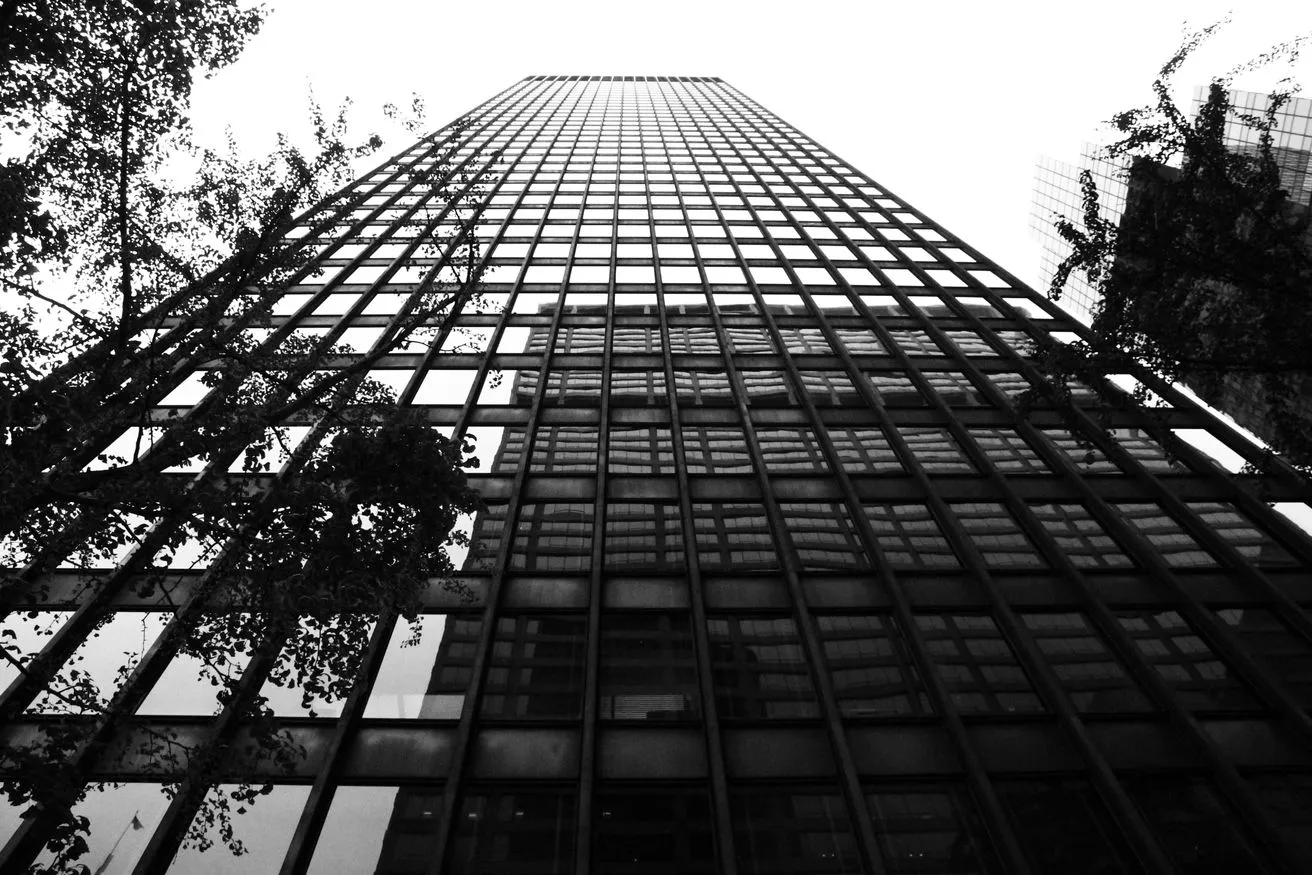
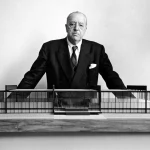
Ludwig Mies van der Rohe, a pioneer of modernist architecture, never trained as an architect but became one of the most important figures of the 20th century with his unique design style. The architect, who designed many impressive structures such as the Barcelona Pavilion, the Farnsworth House, the Seagram Building, and the Neue Nationalgalerie, is known for his philosophy of “less is more.”

While attending trade school, Mies van der Rohe apprenticed as a bricklayer, honing his drawing skills by outlining architectural ornaments for many architects in Aachen. After designing his first independent commission, the Riehl House, in 1907, he began his architectural career by apprenticing in Peter Behrens’s studio from 1908 to 1912.
After four years, Mies van der Rohe left Behrens and established his own business, constantly practicing or working alone to perfect his craft. In 1933, he became the third and final director of the Bauhaus, serving until its closure.
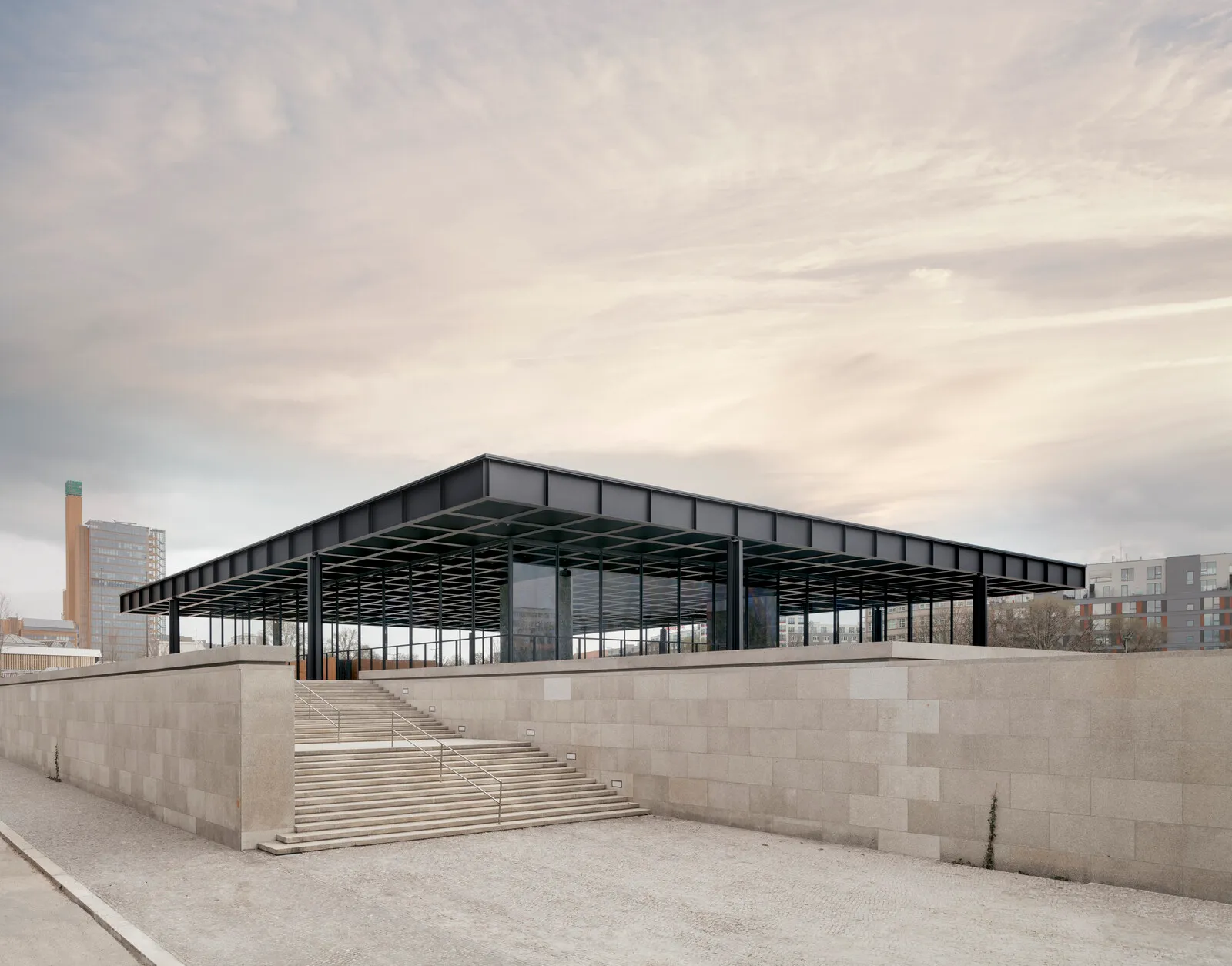
Mies van der Rohe’s buildings, designed with innovative materials such as industrial steel and glass panels, clearly reflect concepts of openness, transparency, and flexibility. The renowned architect avoided unnecessary details and focused on the essence of the structures.
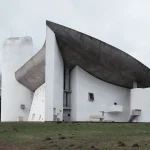
4. Le Corbusier (17 October 1887 – 27 August 1965)
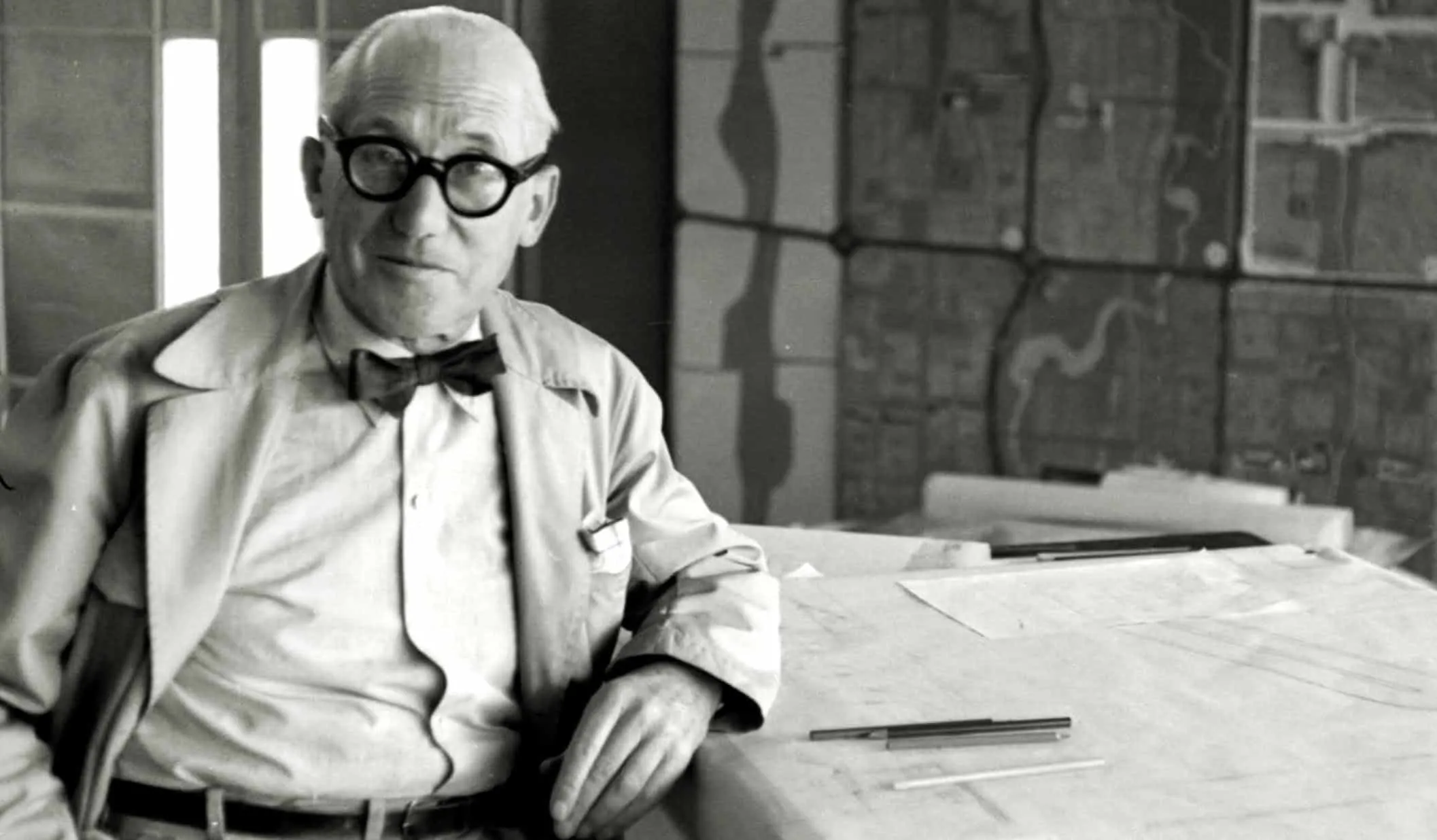
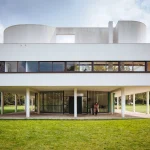
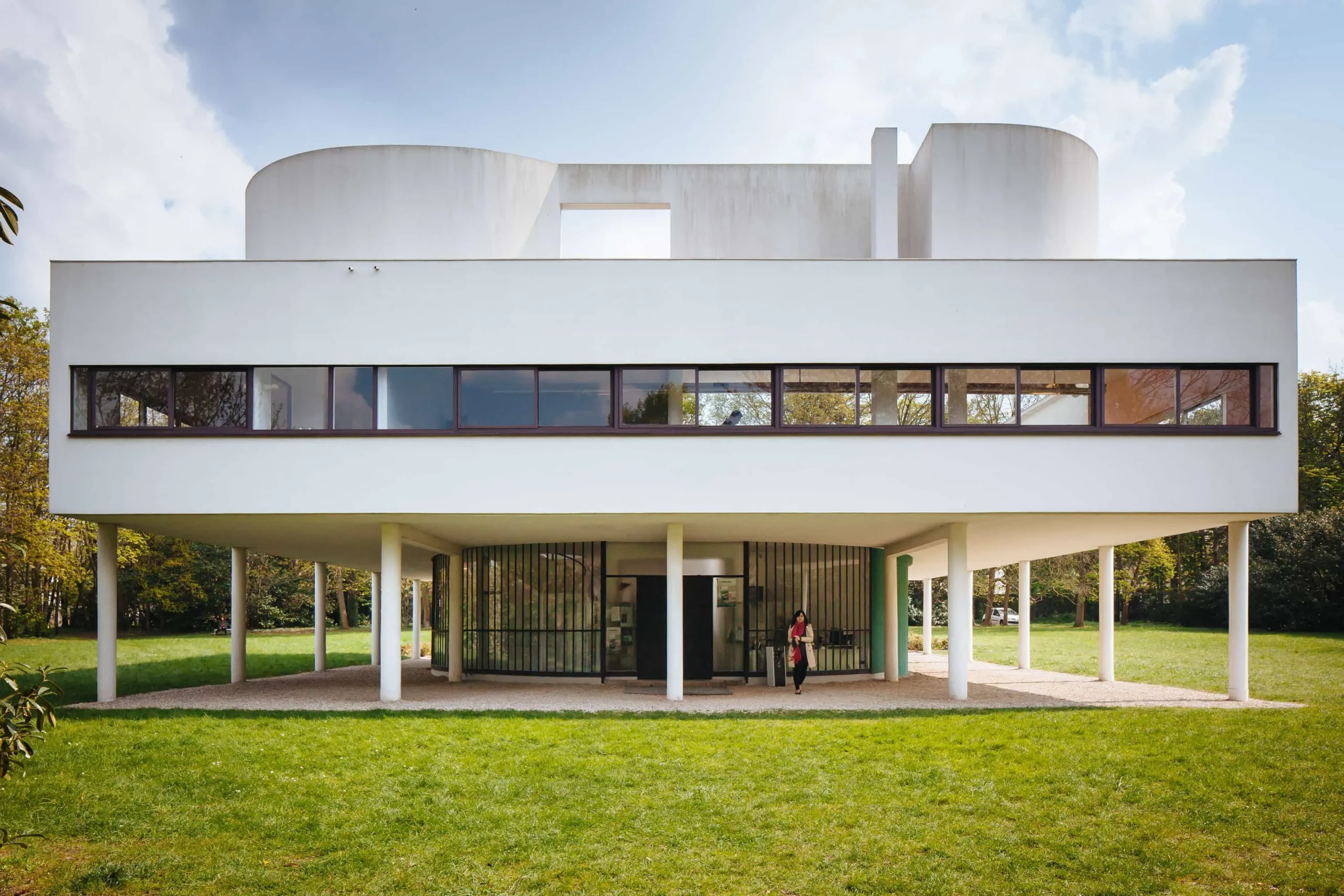
Le Corbusier (born Charles-Édouard Jenneret), the designer of significant architectural works such as the Villa Savoye, the Notre Dame du Haut Chapel, and the Chandigarh town plan, is an influential figure in modern architecture. Despite not holding a formal degree in architecture, he owed much of his architectural development to the teachers and mentors who guided and inspired him. Le Corbusier, who studied at La-Chaux-de-Fonds due to his interest in the visual arts, turned to architecture at the urging of his art history teacher, Charles L’Eplattenier.
“I had a horror of architecture and architects,” he wrote. “…I was sixteen, I accepted the verdict, and I obeyed. I moved into architecture.”
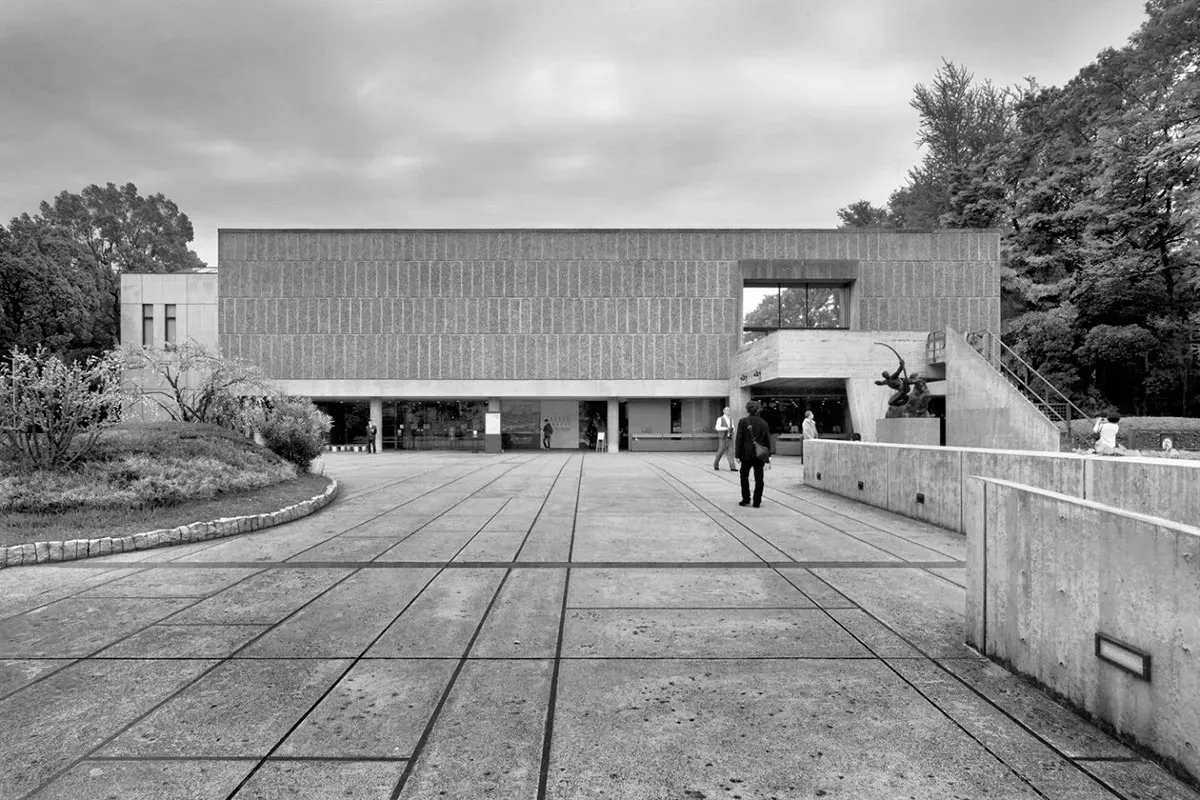
Between 1907 and 1911, Le Corbusier traveled to cities such as Athens, Venice, Vienna, and Munich, working as an apprentice in several architectural offices. During this period, he trained under masters like Auguste Perret and Peter Behrens. In 1917, he moved to Paris and established his own architectural practice.
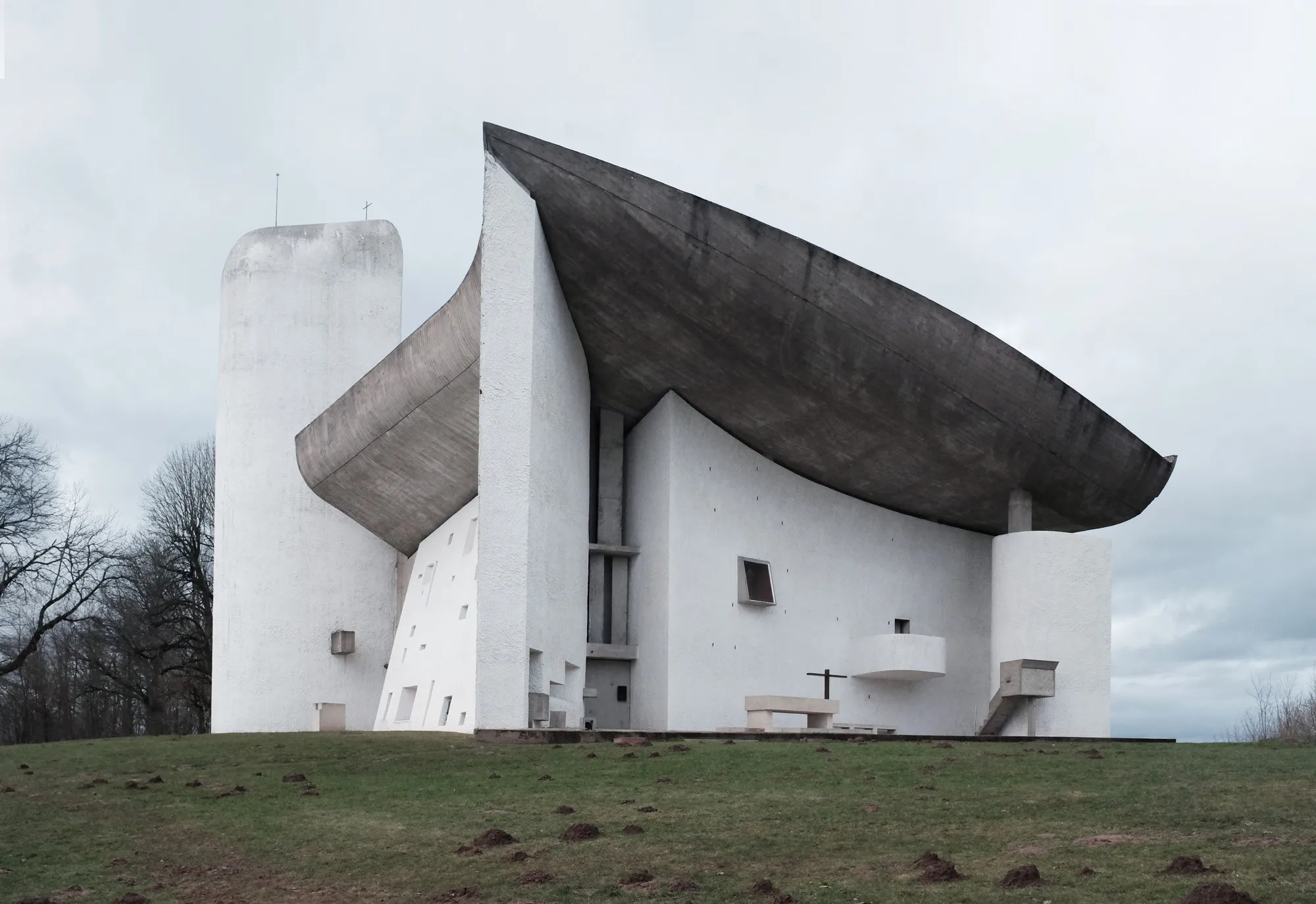
Le Corbusier embraced the principles outlined in his manifesto “Towards a New Architecture: The Five Points of Architecture,” which included pilotis (supports), horizontal windows, free façades, open floor plans, and roof gardens. He frequently employed concrete, glass, and steel in his works.
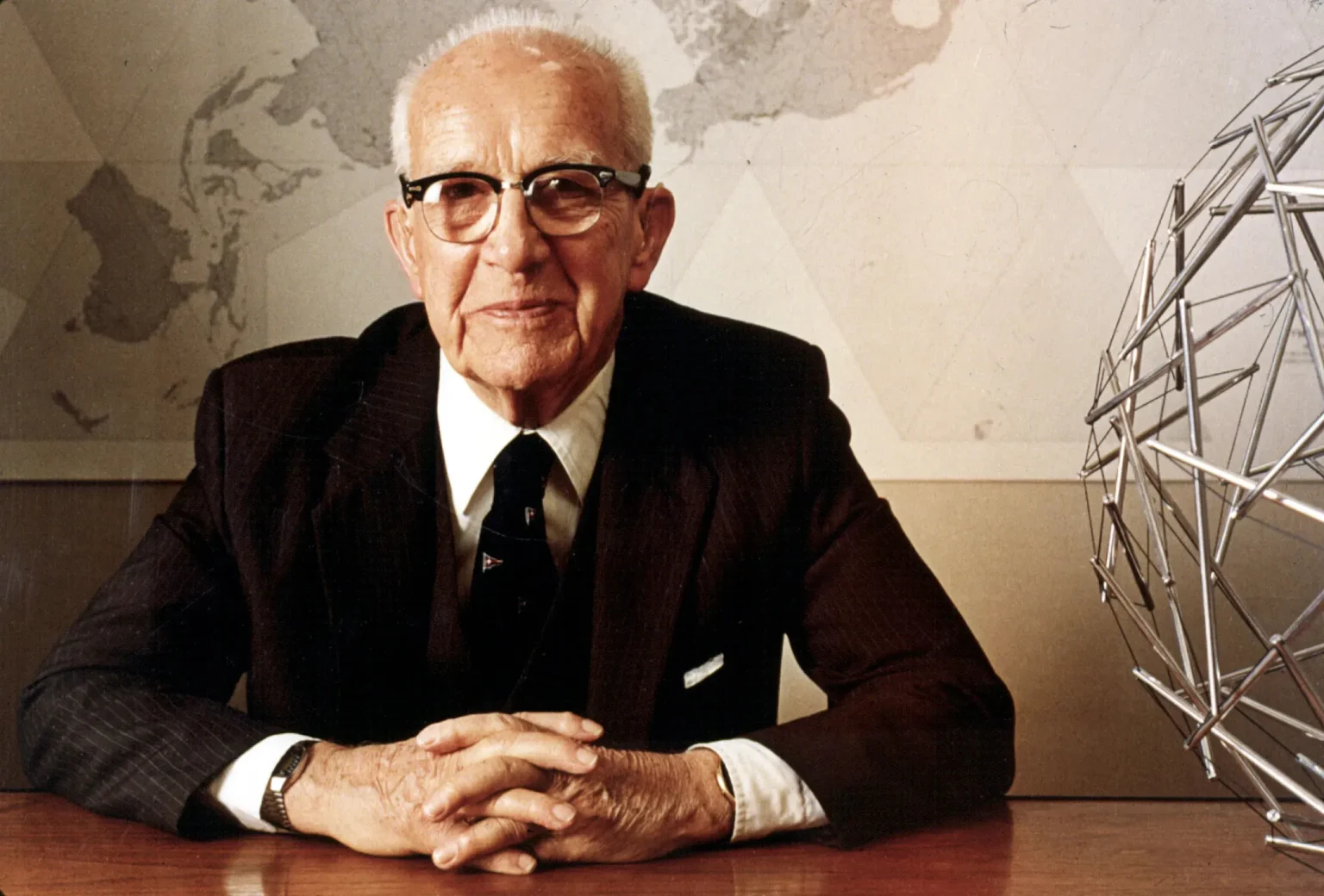
5. Buckminster Fuller (12 July 1895 – 1 July 1983)
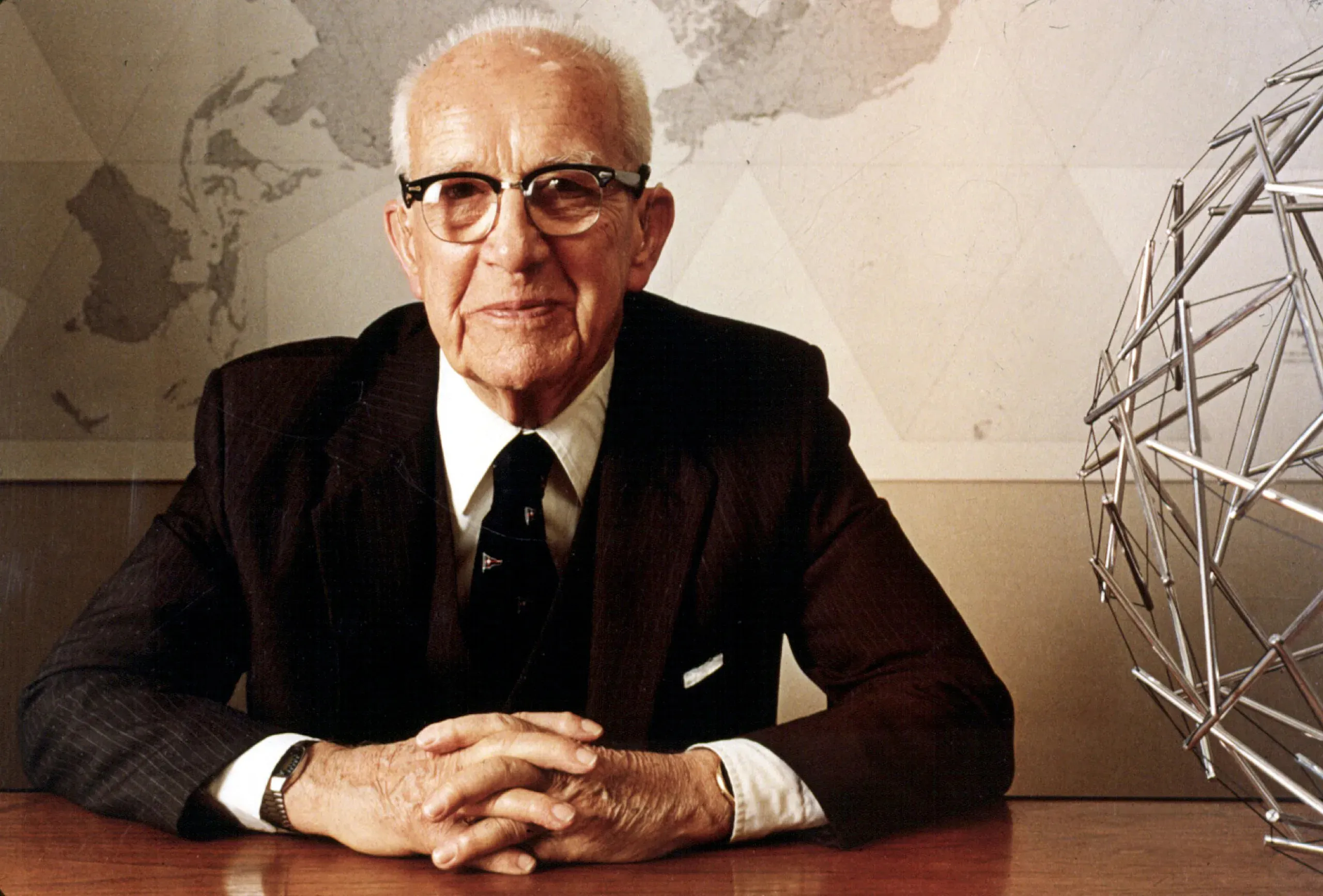
Buckminster Fuller, a famous inventor and visionary of the 20th century, never obtained a degree in architecture, having been expelled twice from Harvard University. Fuller, who believed the university was less an educational institution than a world filled with gnawing anxieties, operated as a practical philosopher who manifested his ideas as inventions he called “artifacts”.

Not confining himself to a single field, Buckminster Fuller worked as a “comprehensive visionary design scientist” to solve global problems such as housing, shelter, transportation, education, energy, ecological destruction, and poverty. Over his lifetime, he held 28 patents, authored 28 books, and received 47 honorary doctorates. His most famous creation, the geodesic dome, has been produced more than 300,000 times worldwide.
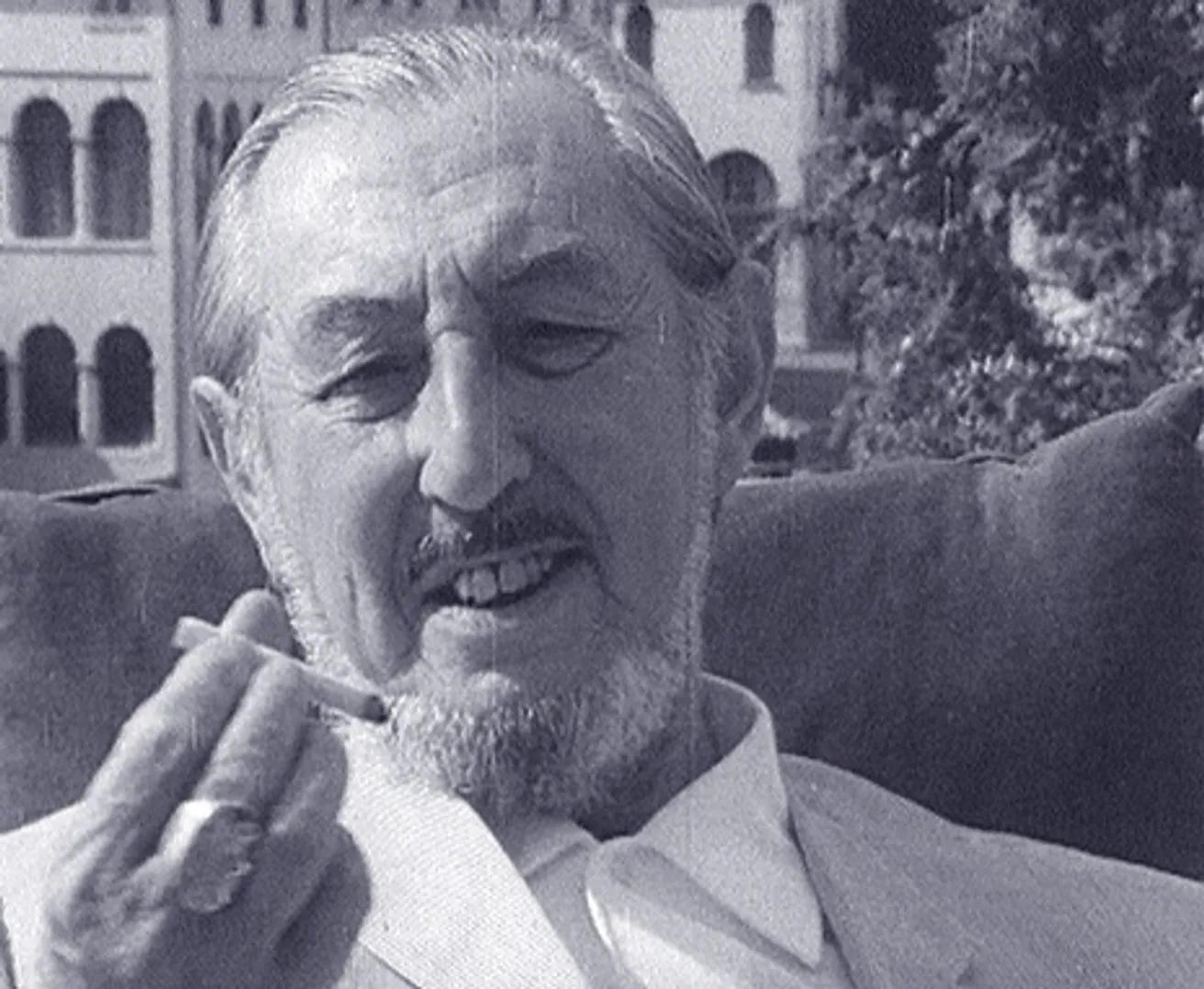
6. Carlo Scarpa (2 June 1906 – 28 November 1978)
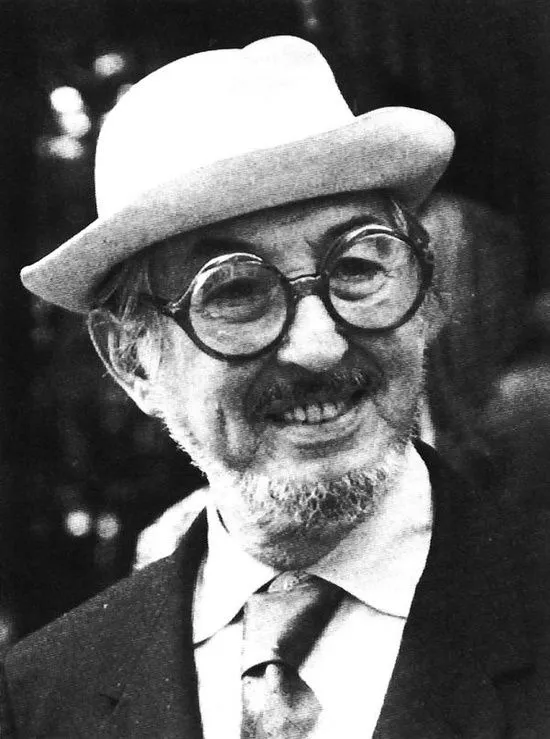
Carlo Scarpa, one of the last master craftsmen of 20th-century architecture, is renowned for combining traditional craftsmanship with modern production techniques and for his meticulous choice of materials. After attending the Royal Academy of Fine Arts in Venice, he graduated in 1926 with a non-professional professorship in architectural drawing.
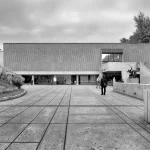
Scarpa never obtained an official architecture diploma after refusing to take the Italian government’s architectural examination, which also prohibited him from practicing independently without collaborating with another licensed architect. However, after World War II, he gained recognition as an architect, particularly following the 1964 renovation of Museo Castelvecchio in Verona, Italy.
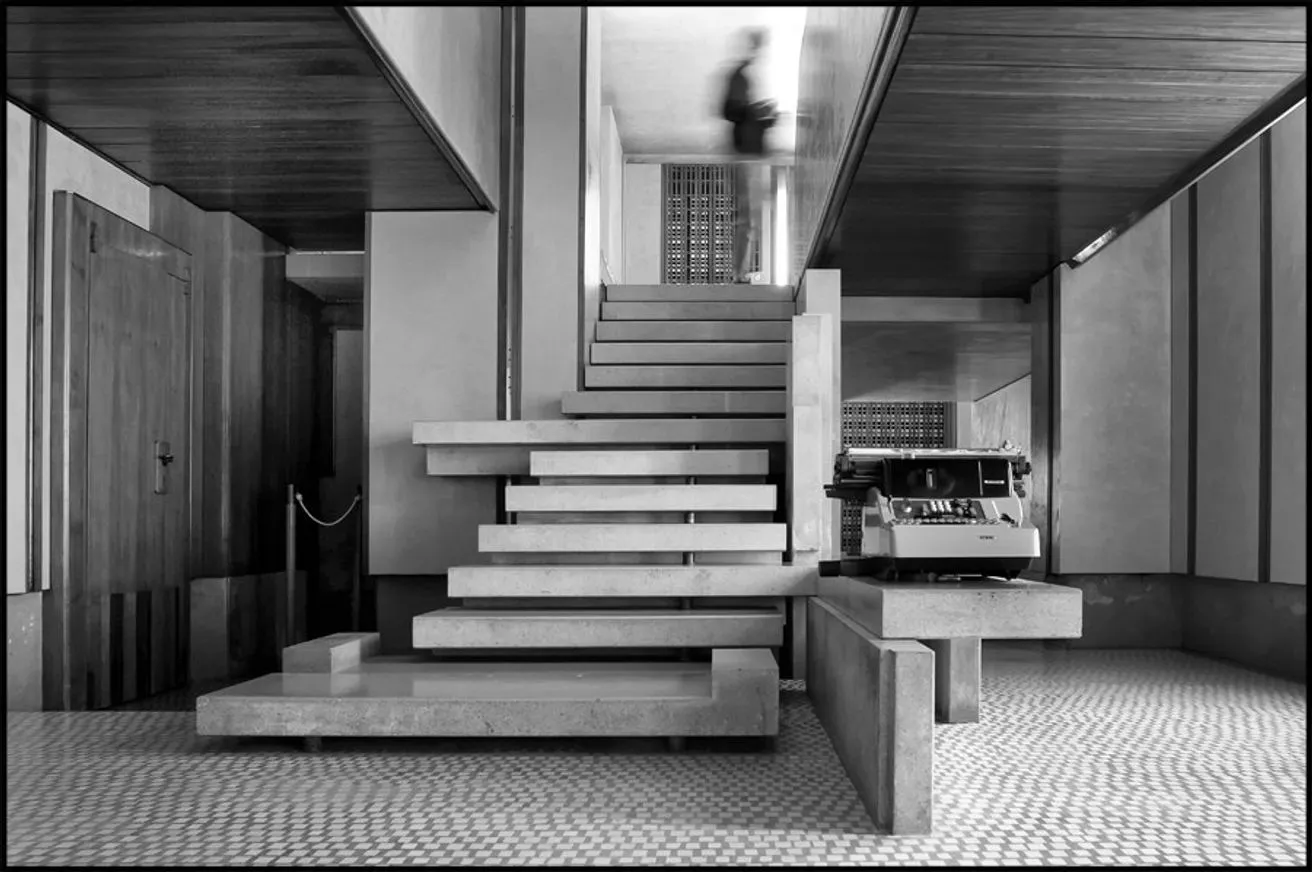
Carla Scarpa, the architect of renowned structures such as the Olivetti Showroom, the Museo di Castelvecciho, and the Palazzo Attabelis, is also a glass and furniture designer. Approaching architecture with the precision of a craftsman, he elevated it to an artistic dimension.
His work is characterized by themes of boundary, perception, detail, proportion, and ornamentation. Using layering as a design principle, Carlo Scarpa creates distinctive spaces by layering walls, floors, and ceilings with various materials, particularly in exhibition spaces and some restoration projects.
7. Tadao Ando (13 September 1941 )
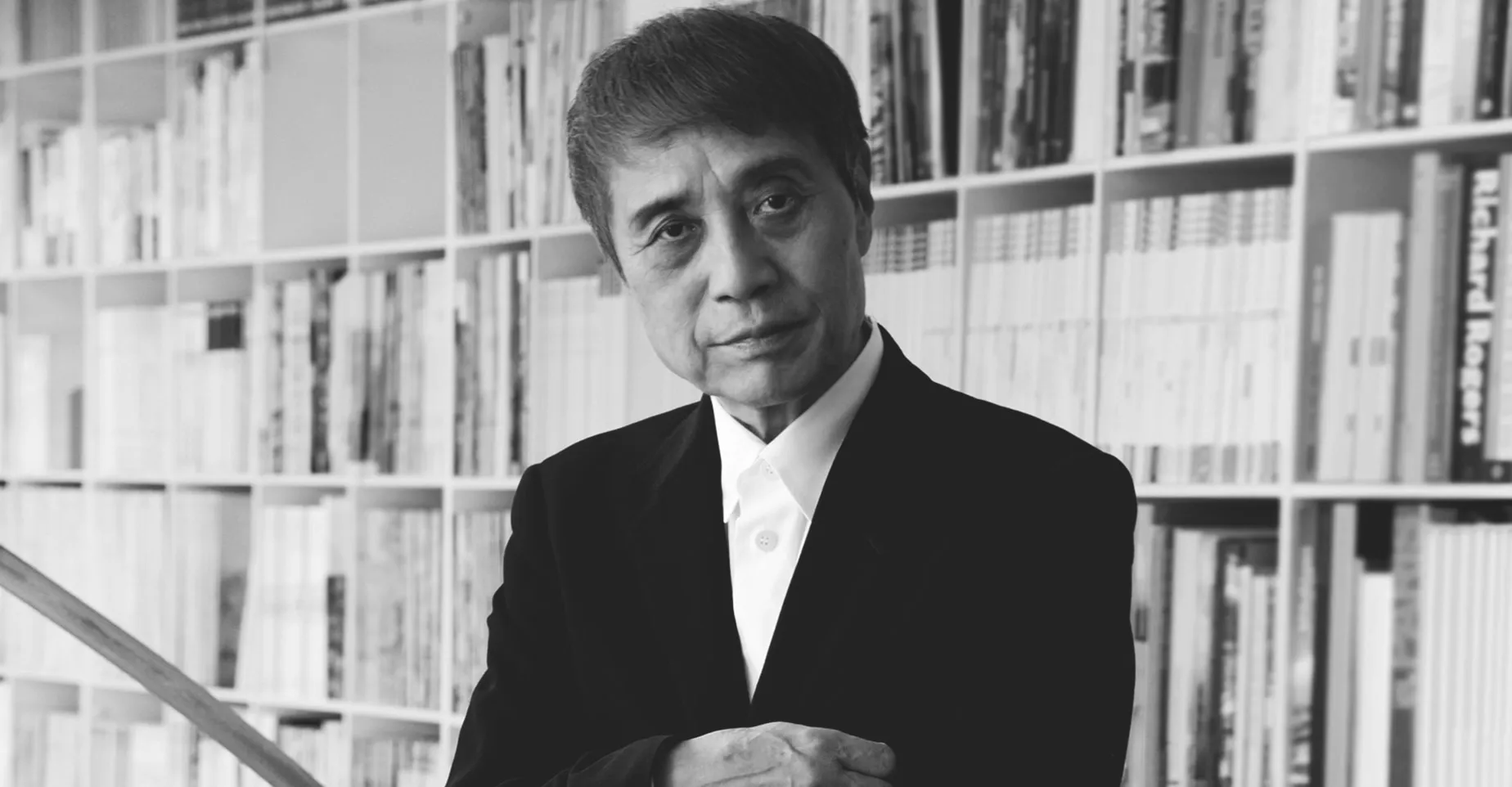
Pritzker Prize-winning Japanese architect Tadao Ando began his career as a professional boxer in Osaka before discovering his passion for architecture. Unable to afford formal architectural education, Ando taught himself and developed an independent and unique approach to design. Through extensive reading, night classes, and visits and studies in Japan and abroad, he created buildings that established him as one of the most recognized and influential architects of the 20th century. In 1969, he founded his own architectural firm.
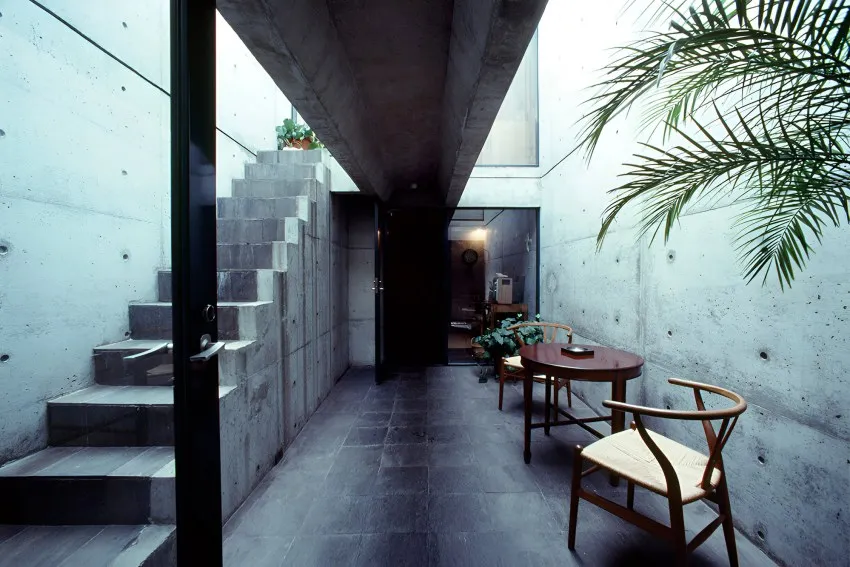
“I had to think and act by myself. I’m from Osaka, which is located about half an hour from Kyoto and Nara. Every Sunday, I made a point to go out and look at and study the old buildings in the region,” Tadao Ando.
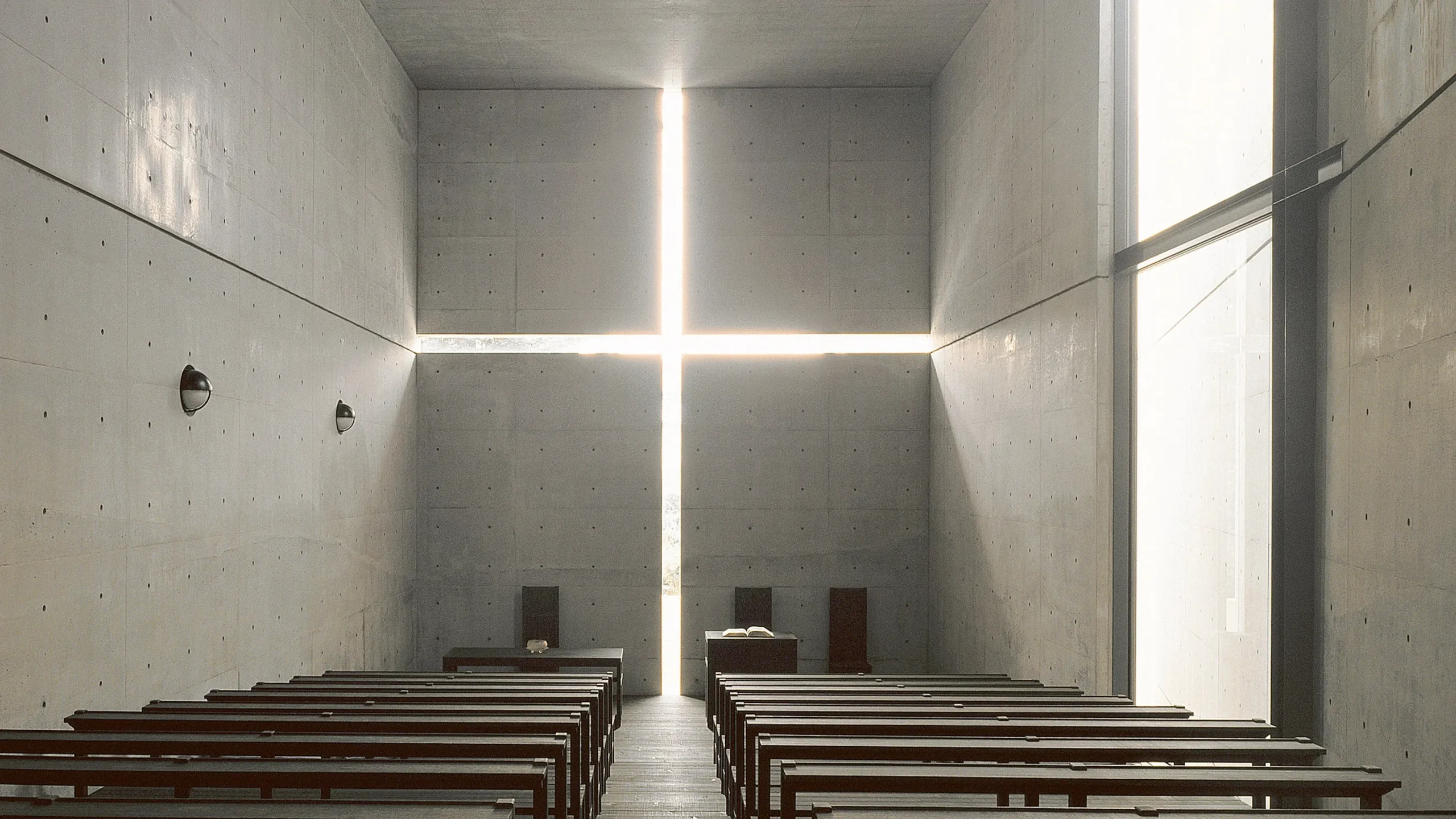
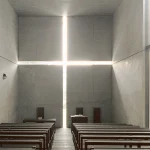
Renowned for his minimalist, simple, yet profound designs, Tadao Ando utilizes concrete, light, and ventilation as fundamental design tools. Revisiting the concept of “Emotional Simplicity,” his works often feature clean geometric forms. The exposed concrete he employs interacts harmoniously with natural elements such as light, water, and wind. Some of his most recognizable works include the Church of the Light, the Azuma House, and the Wood Museum.
8. Peter Zumthor (26 April 1943)
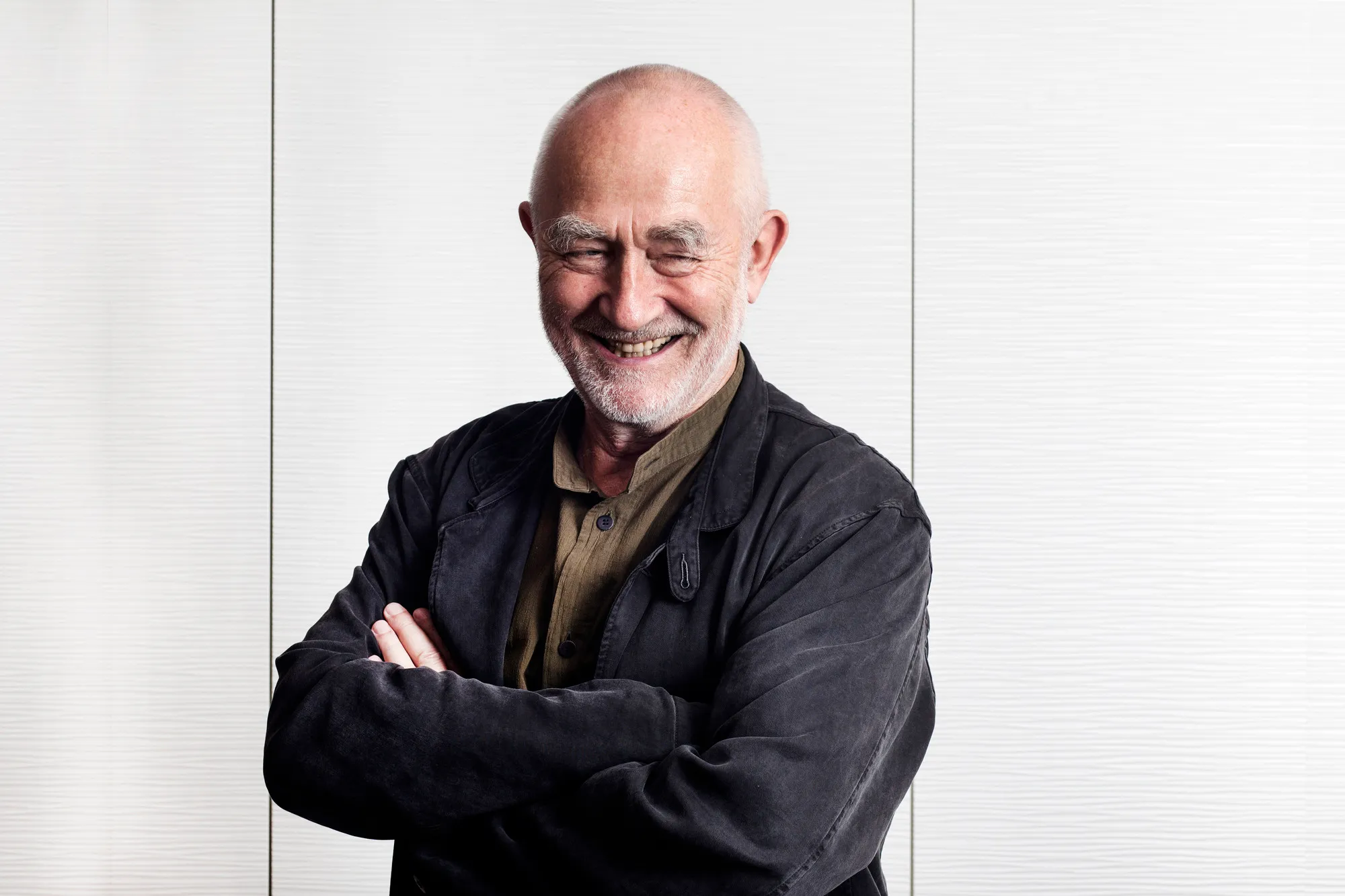
Peter Zumthor, one of the most important figures in 21st-century architecture and the 2009 Pritzker Prize winner, was born in Switzerland as the son of a cabinetmaker. Following in his father’s footsteps, Zumhtor apprenticed to a local cabinetmaker from an early age and continued his design education at the Basel School of Arts and Crafts.
Peter Zuhmtor, who completed his studies in fine arts, does not hold an architecture degree. Returning to Switzerland in 1967 and working at the Office for the Protection of Monuments in Graubünden, the renowned architect founded his own architectural office 12 years later.
“Mies van der Rohe and Le Corbusier came from a tradition in which architects still knew how things were made, how to make things well. We should force universities to train carpenters and woodworkers, and leather workers. Architects all want to be philosophers or artists now. I’m lucky to have had my education, because in the States, especially, you’ve lost contact with the real business of building.” Peter Zumthor, 2011 interview with New York Times Magazine.
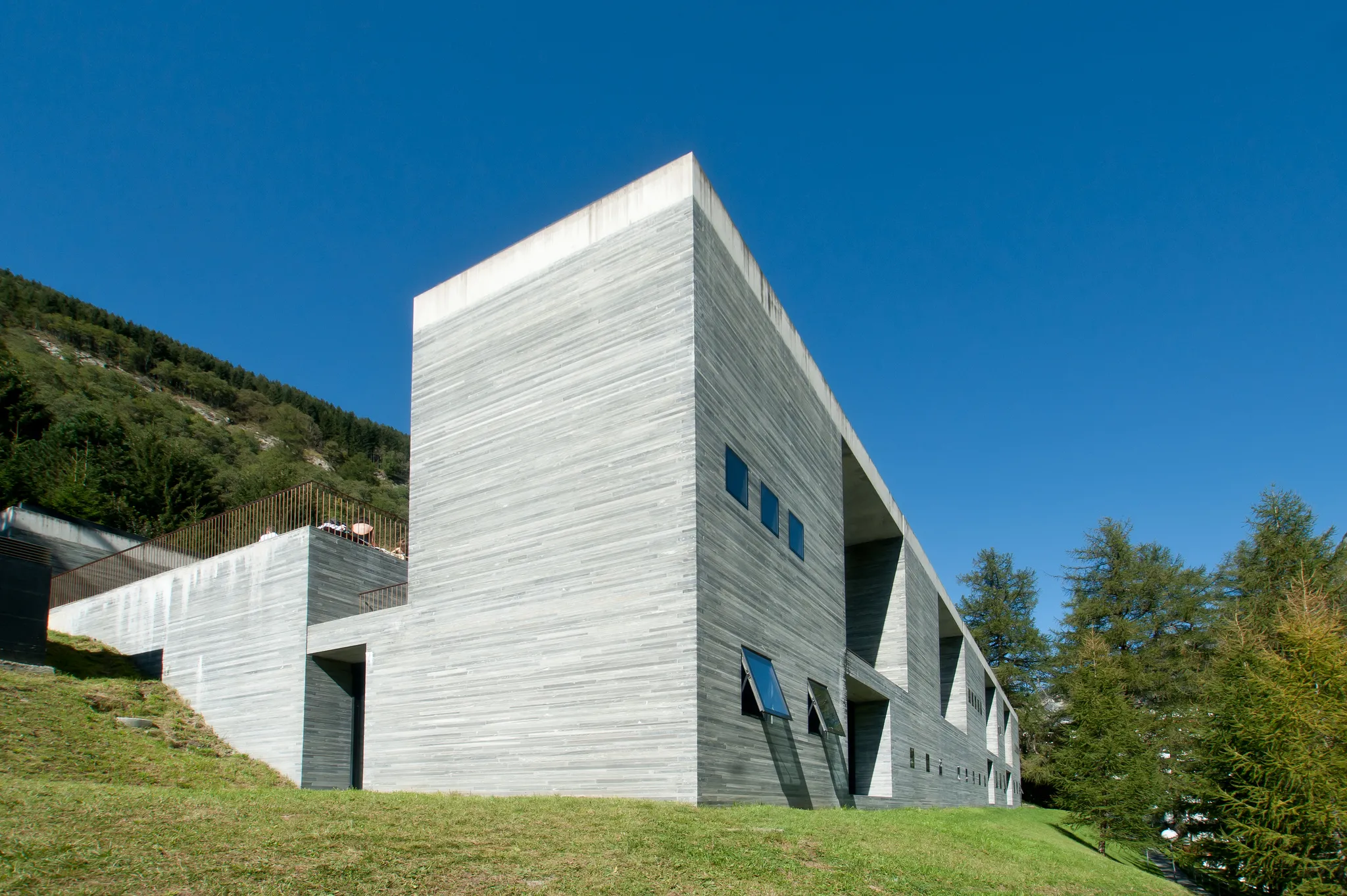
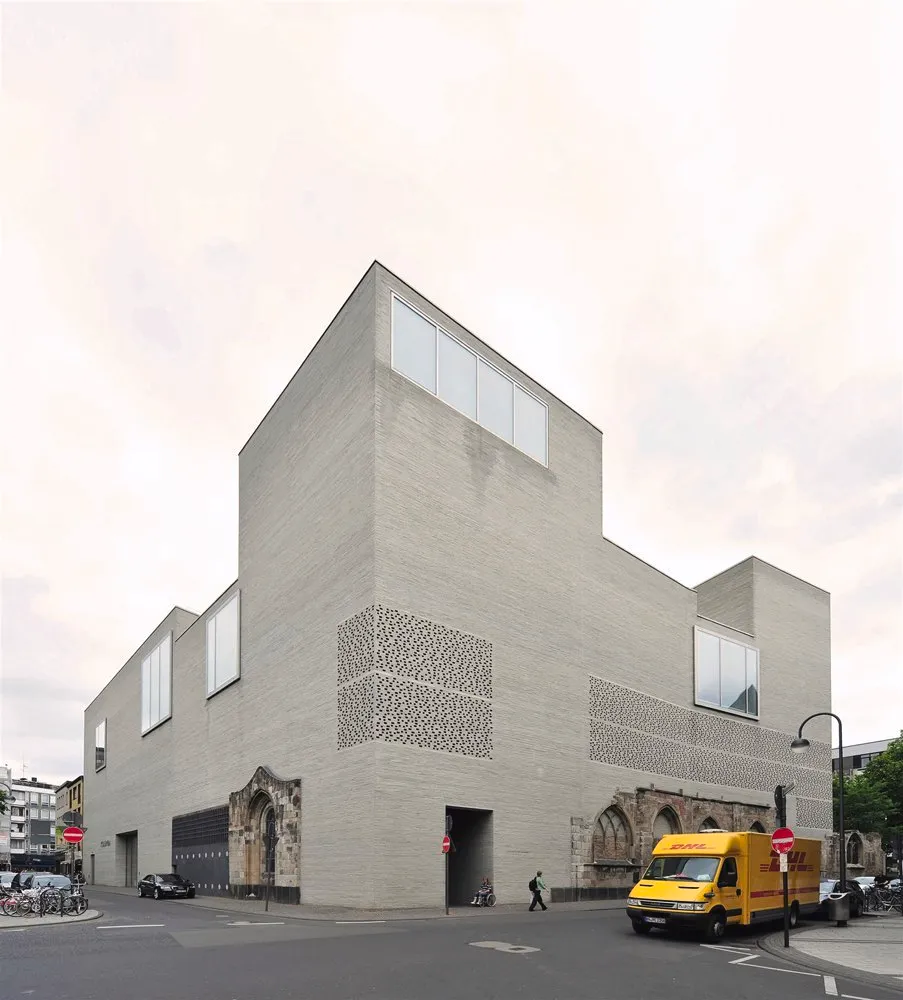
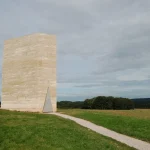
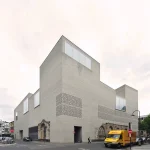
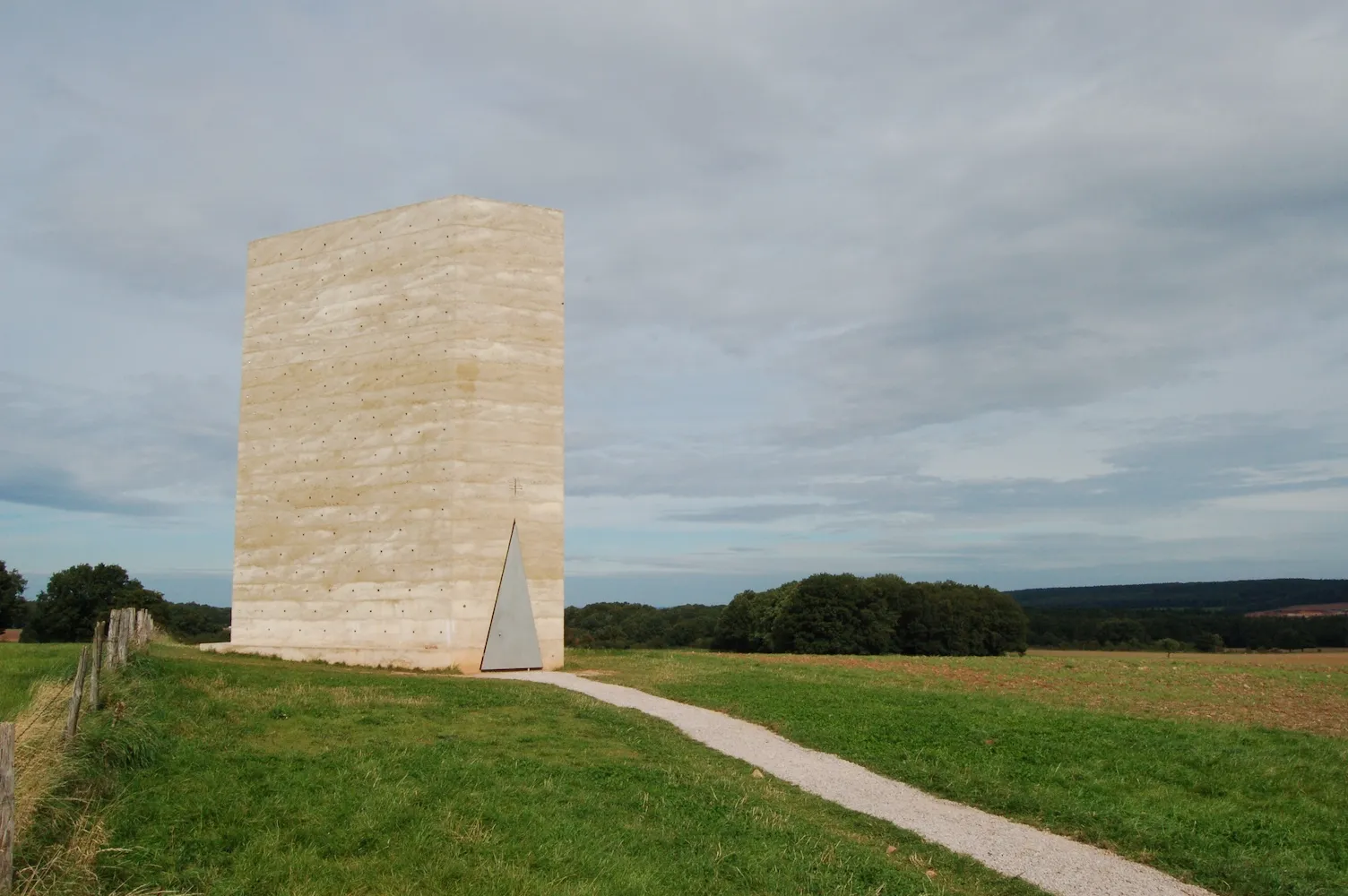
Zumthor is known for his minimalist approach, with a focus on materiality, light, and spatial experience. His notable works include the Kunsthaus Bregenz (1997), a luminous glass-and-concrete cube overlooking Lake Constance in Austria; the thermal baths in Vals, Switzerland (1999), resembling natural caves; the Swiss Pavilion for Expo 2000 in Hanover, a fully wooden structure intended for post-event recycling; the Kolumba Diocesan Museum in Cologne (2007); and the Bruder Klaus Field Chapel on a farm near Wachendorf.
9. Luis Barragan (9 March 1902 – 22 November 1988)
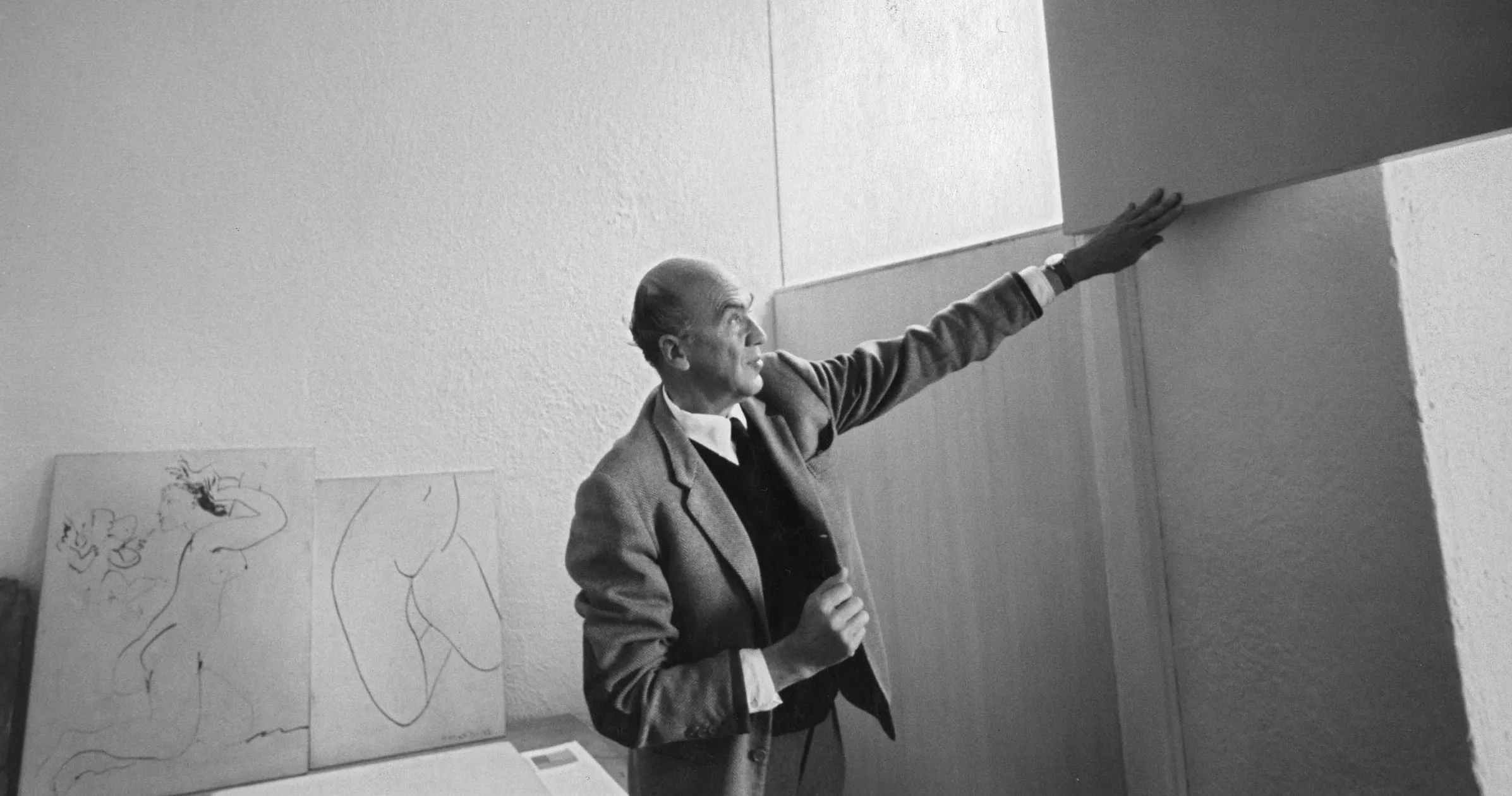
Luis Barragán, a prominent figure in architecture and landscape architecture in Latin America and around the world, is one of the most renowned architects without an architecture degree. The Pritzker Prize-winning Mexican architect enrolled at the Escuela Libre de Ingenieros in 1923 and graduated with a degree in civil engineering. Although he also pursued an architectural diploma, Barragán was unsuccessful and instead developed his architectural skills through self-education.
In 1931, Barragán spent time in Paris, attending courses by Le Corbusier, and later in Morocco, where he became deeply interested in the local architecture of North Africa and the Mediterranean, integrating these influences with the construction practices of his native country.
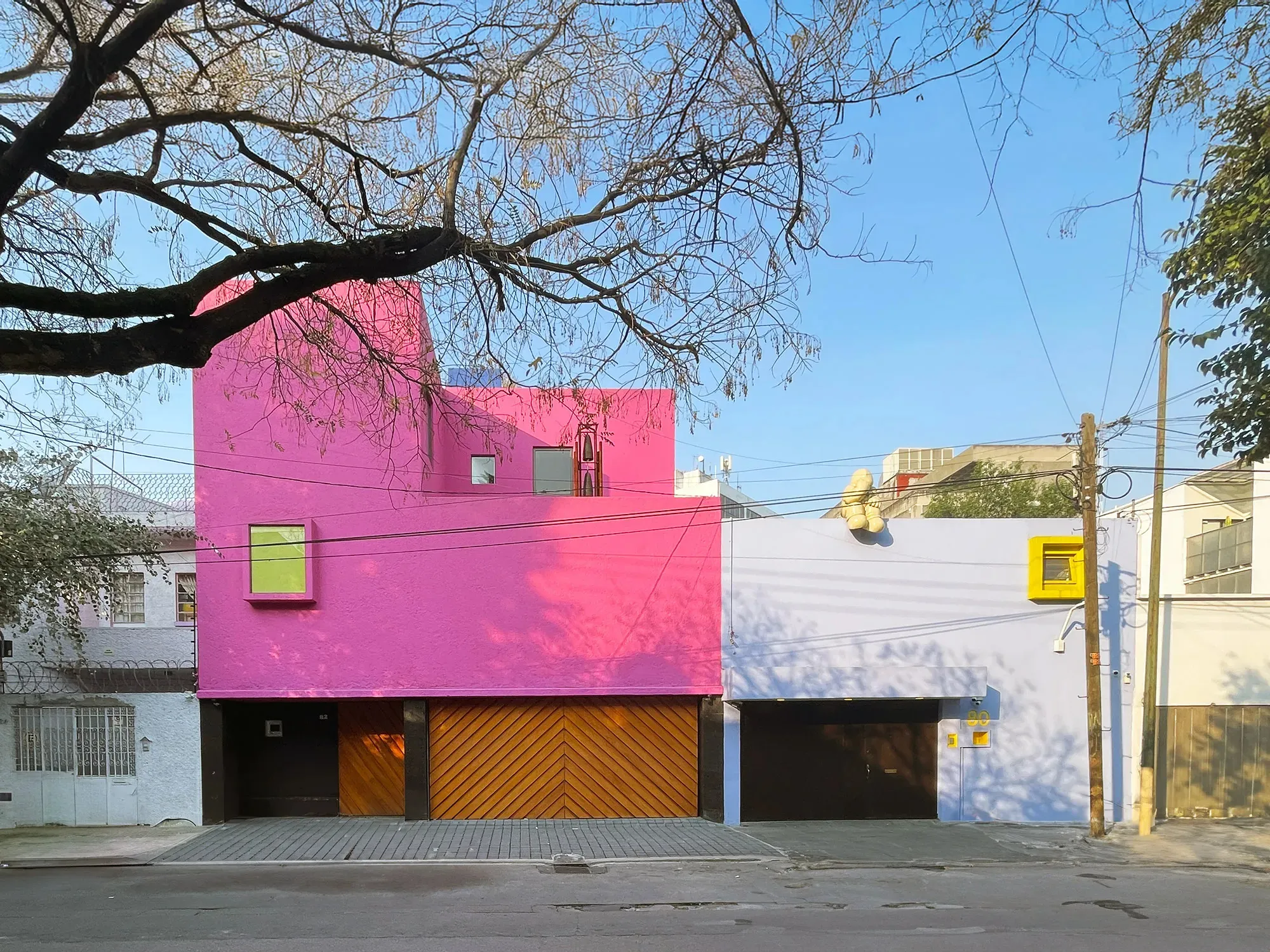
Barragán’s designs are characterized by an aesthetic that places emotion at the center. He used color boldly to emphasize harmony within spaces. His works, filled with simple straight lines, are often labeled minimalist, yet are magnificent in color and texture.
10. Eileen Gray (9 August 1878 – 31 October 1976)
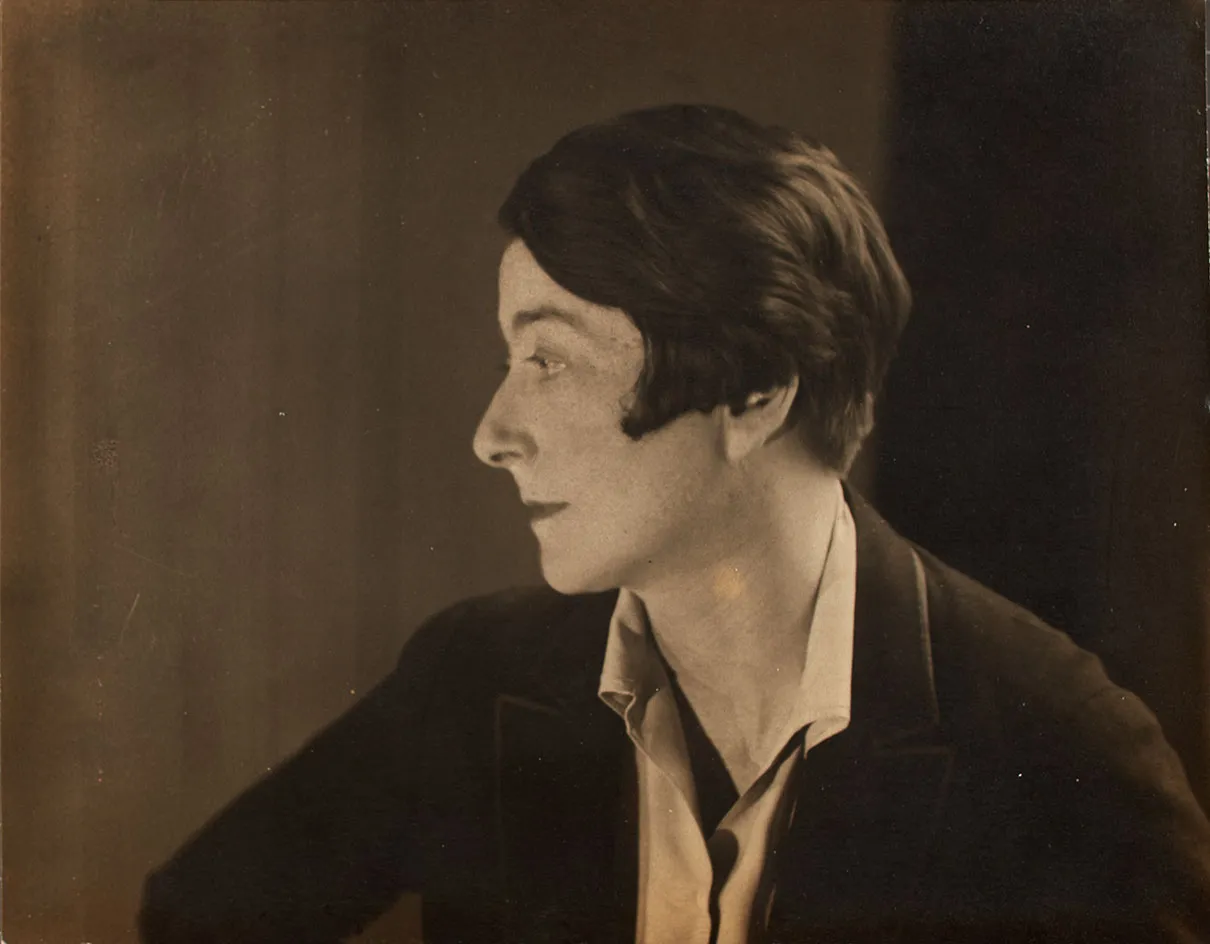
Irish furniture designer and architect Eileen Gray, though educated at the Slade School of Art, never held a formal architectural degree. Following her studies, Gray settled in Paris and began designing furniture in the Art Deco style, becoming the first Westerner to practice Japanese lacquerware. As Art Deco gave way to modernism, Gray turned her attention to architecture, designing iconic works such as Villa E-1027 and Tempe à Pailla. With its clean lines and radical reinterpretation of modern living, Villa E-1027 became one of the most significant early works of the emerging modernist movement.
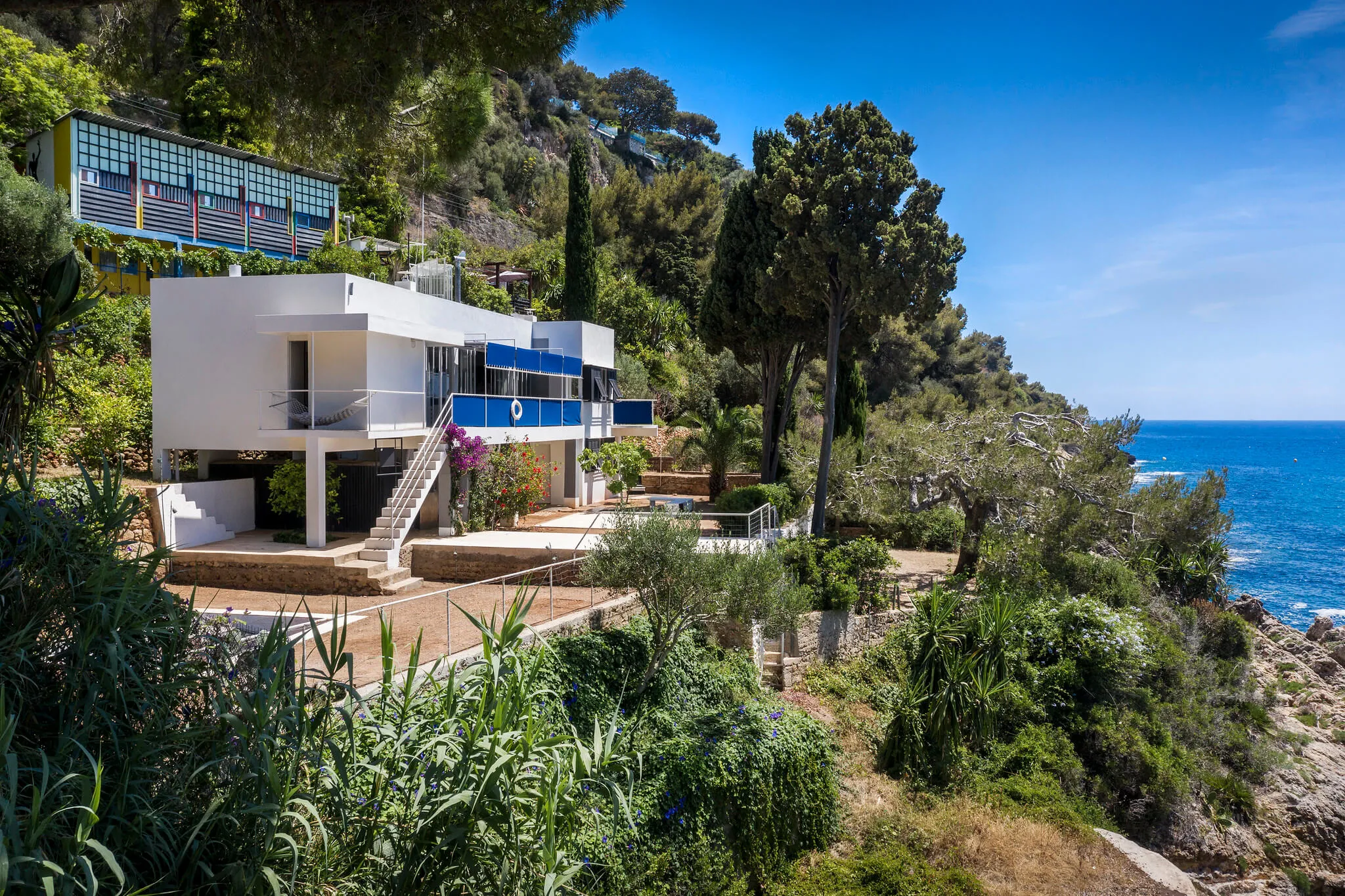

Gray’s designs combine elegance with playfulness, blending new forms and materials such as chrome, tubular steel, glass, and lacquer. Her work influenced modernist giants like Charlotte Perriand, Le Corbusier, Marcel Breuer, and Mies van der Rohe. One notable piece, the 1926 Bibendum Chair, with its leather upholstery and stacked circular form, was inspired by the tire company mascot, the “Michelin Man.”