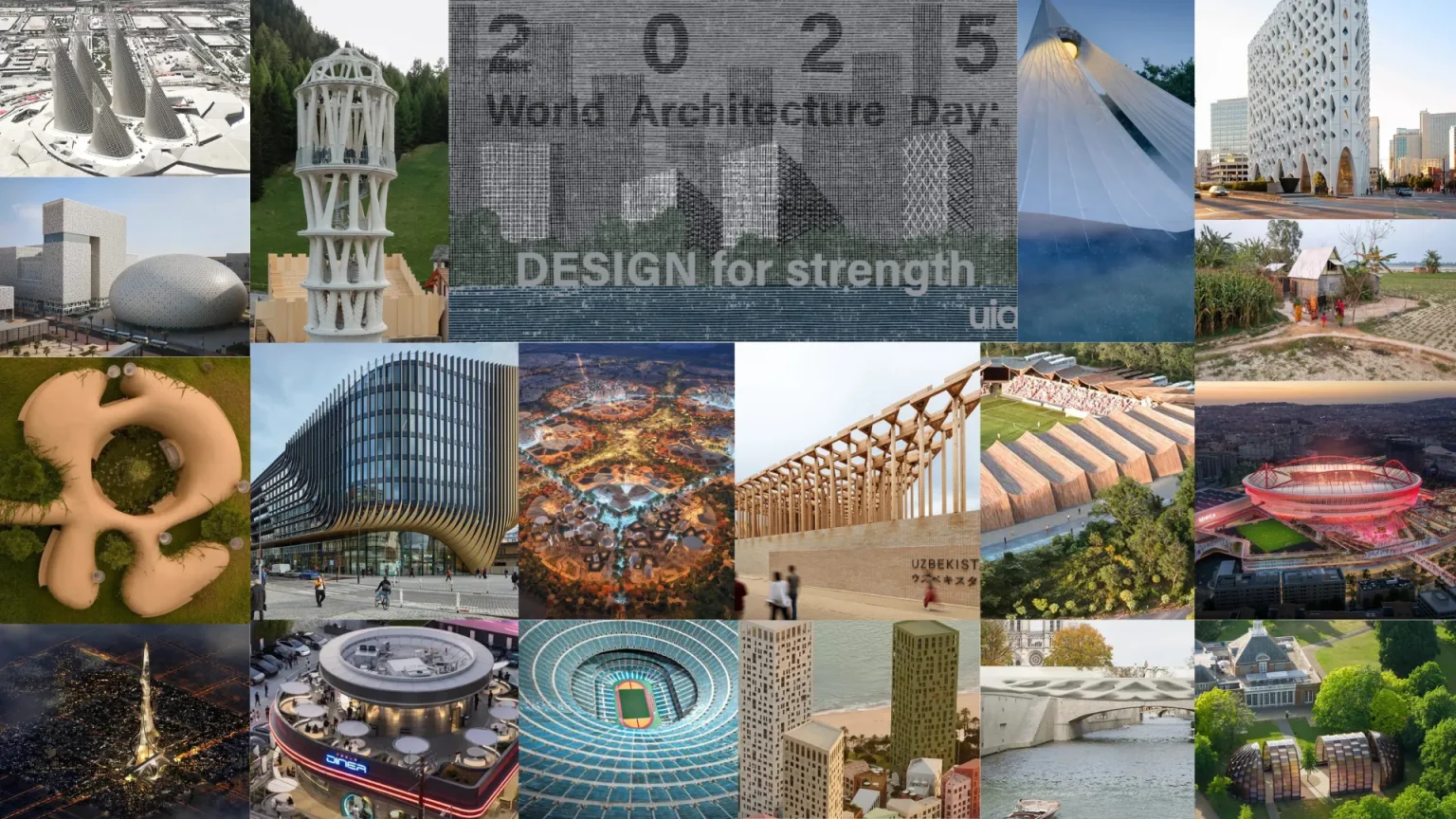








On 6 October 2025, as part of World Architecture Day 2025, the International Union of Architects (UIA) called on architects, designers, and communities worldwide to centre their thinking on “Design for Strength — A Platform for Resilience and Sustainable Rebuilding.”
According to the International Union of Architects (UIA), “Design for Strength” extends far beyond the notion of structural endurance. Strength, in this context, signifies the capacity to repair and reconstruct, enabling buildings and communities to recover and evolve rather than merely resist damage. It also embodies the continuity of identity and culture, ensuring that architecture preserves the life, memory, and dignity of communities even amid disruption or change.
Strength encompasses equity, resilience, and responsibility, urging architects to design environments that uphold social justice, withstand crises, and integrate ecological, material, and social strategies that promote renewal instead of temporary solutions.
Expanding the Vision of World Architecture Day 2025: Interpreting “Design for Strength” Through Global Projects
The theme is expanded through a series of concise project overviews, organized under five key dimension, cultural identity, future-readiness, ecological sustainability, community adaptability, and material or technological innovation. Each entry is followed by a focused reflection on how the project embodies the ethos of “Design for Strength.”
I. Strength Through Culture & Identity
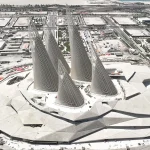
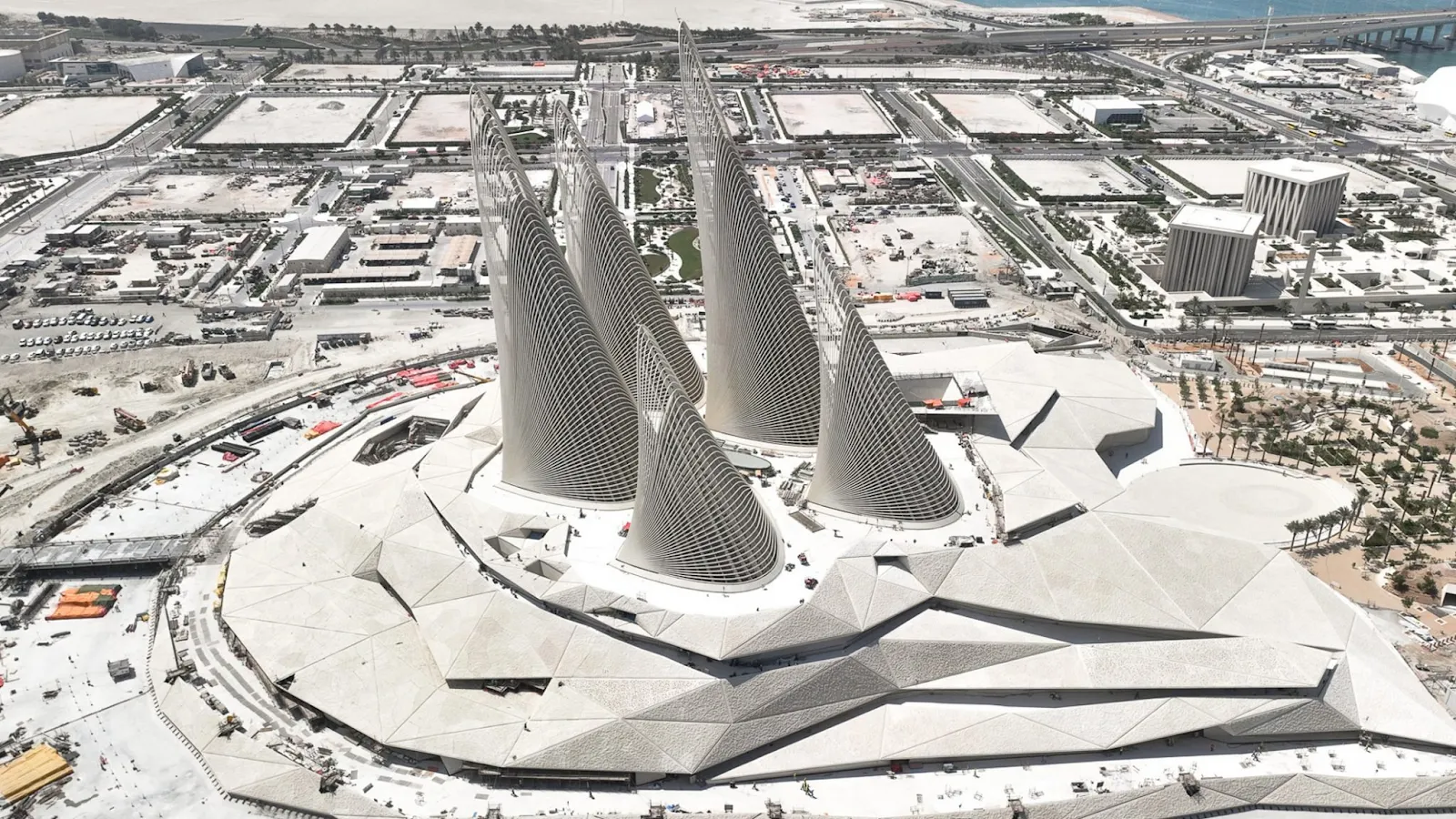
Zayed National Museum — Saadiyat Island, Abu Dhabi, UAE
- Architect: Foster + Partners
- Year (as reported): 2025 — opening scheduled December 2025 (reported).
- Location: Saadiyat Cultural District, Abu Dhabi.
Foster + Partners’ Zayed National Museum reframes resilience as cultural conservation, a museum that performs climatic functions (the five wing-like towers act as solar-thermal chimneys) while explicitly narrating national identity and long arcs of human habitation. The project insists that cultural institutions themselves can be systems of environmental resilience, using architecture’s symbolic reach to embed conservation, education, and passive performance in a single institution. The museum’s combined programmatic and environmental role is a model for culturally rooted, climate-aware civic architecture.
Uzbekistan — “Garden of Knowledge” Pavilion (Expo Osaka 2025) — Osaka, Japan
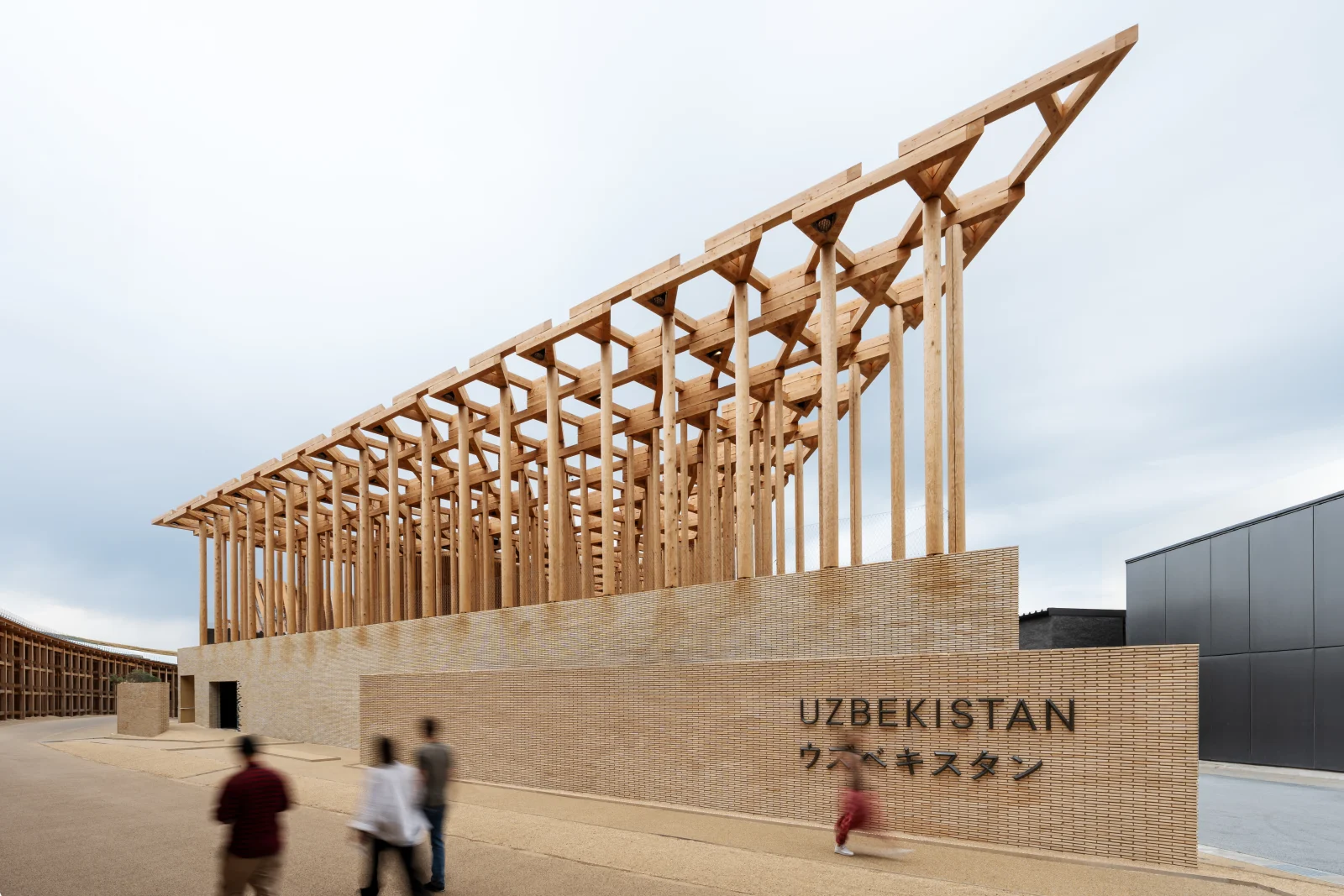
- Architect / Designer: ATELIER BRÜCKNER
- Year (as reported): 2025 (Expo pavilion).
- Location: Expo 2025, Osaka (Uzbekistan Pavilion).
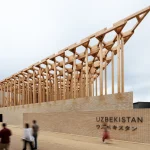
ATELIER BRÜCKNER’s Garden of Knowledge pairs craftsmanship and circularity with local materials, dismantlable assemblies, and an explicit after-life strategy, positioning the pavilion as a short-term object with a long-term responsibility. Its design reframes temporary architecture as a cultural infrastructure that can be reintegrated into local economies and ecosystems. Civic identity and reuse strategies can coexist at large public events. The pavilion highlights the moralistic program and its material traceability as key strengths.
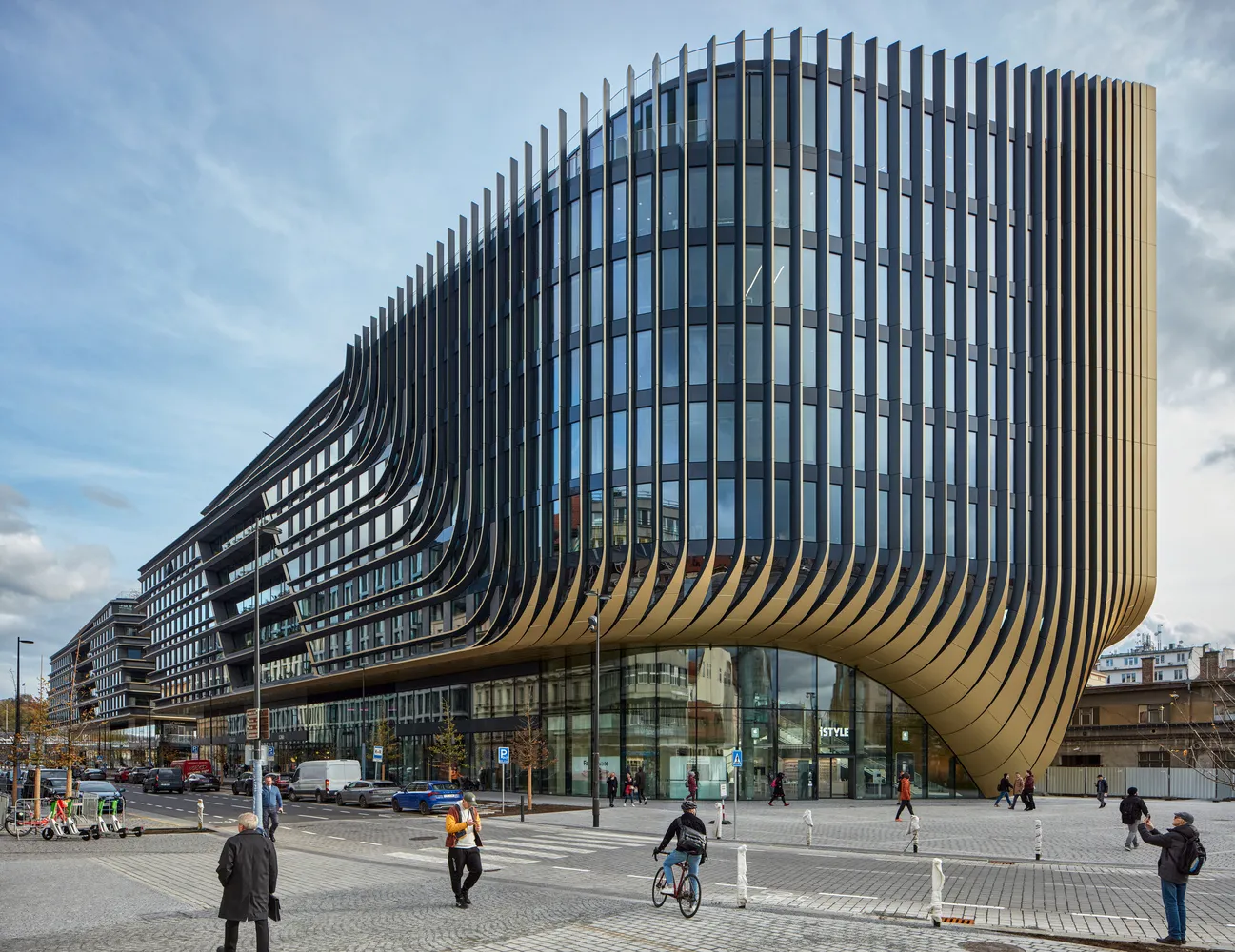
Masarycka Building — Prague, Czech Republic
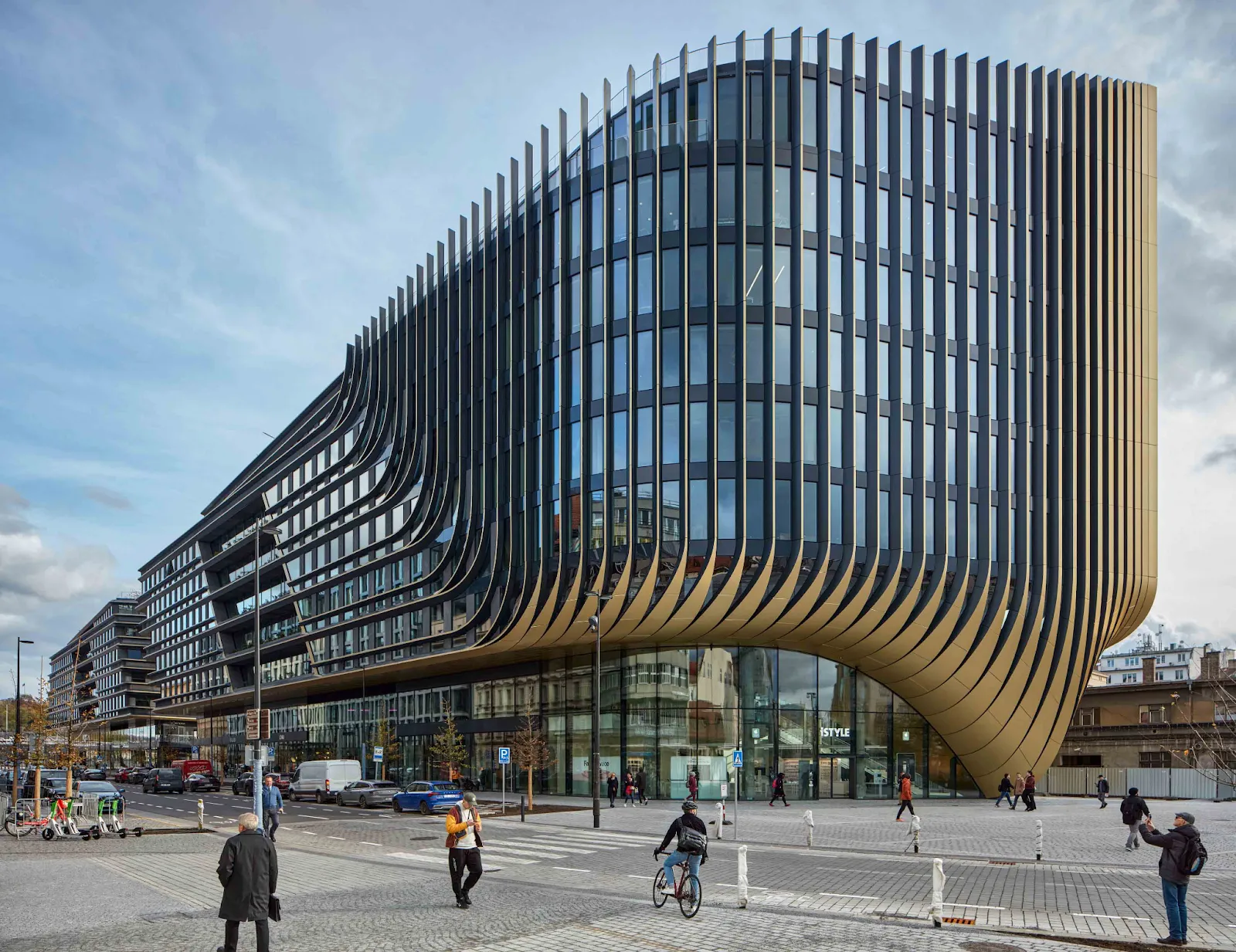
- Architect: Zaha Hadid Architects
- Year: 2023
- Location: Masaryk Station precinct, Prague.
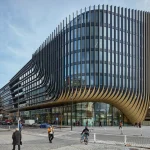
Zaha Hadid Architects’ Masarycka project shows that an urban infill can stitch infrastructure, public space, and contemporary corporate life into a single expression. Built over and around rail infrastructure, its sculpted fin-façade and terrace strategy make the building a new civic gateway demonstrating that strength in the city can be achieved by design that reconnects disjointed parts of the urban fabric and improves access rather than simply erecting another monolith. The Masarycka Building emphasizes integration with rail networks and the building’s intent to create new public space.
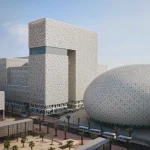
Kuwait University — Convocation Hall “The Pearl” — Sabah Al-Salem University City, Kuwait
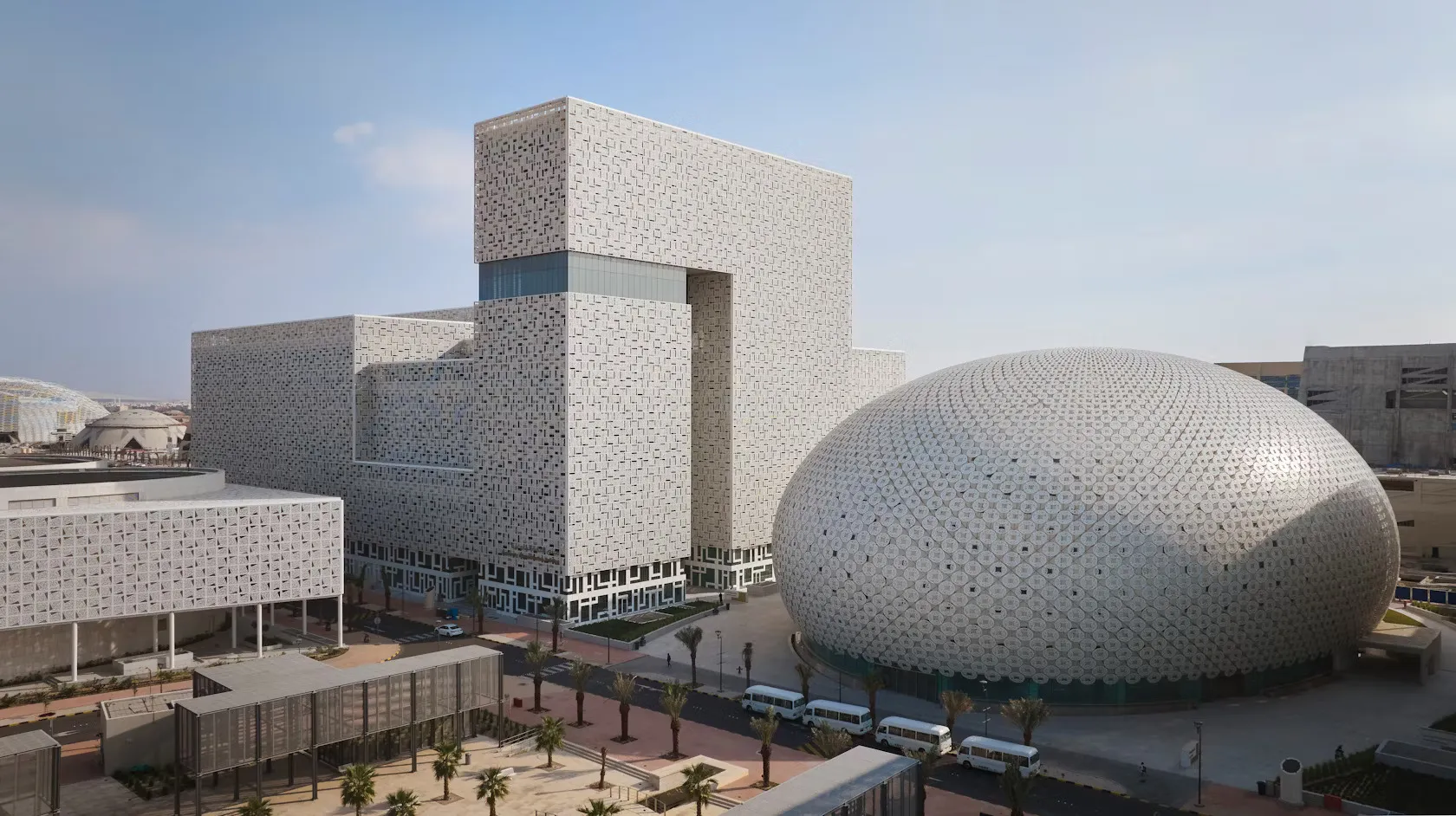
- Architect: Skidmore, Owings & Merrill (SOM)
- Year (as reported): 2025 (project featured in 2025 coverage)
- Location: Sabah Al-Salem University City, Kuwait.
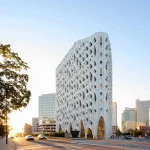
SOM’s Kuwait University Convocation Hall (known as “The Pearl”) illustrates cultural resilience through climate-attuned symbolism. Its vast perforated mashrabiya skin reinterprets a regional typology to provide robust solar control and passive cooling, a clear example of how cultural forms can be recast as performance strategies. The design balances tradition and environmental function, showing that regional identity can be an active tool in strengthening buildings against climatic extremes.
II. Strength in Innovation & Future-Readiness
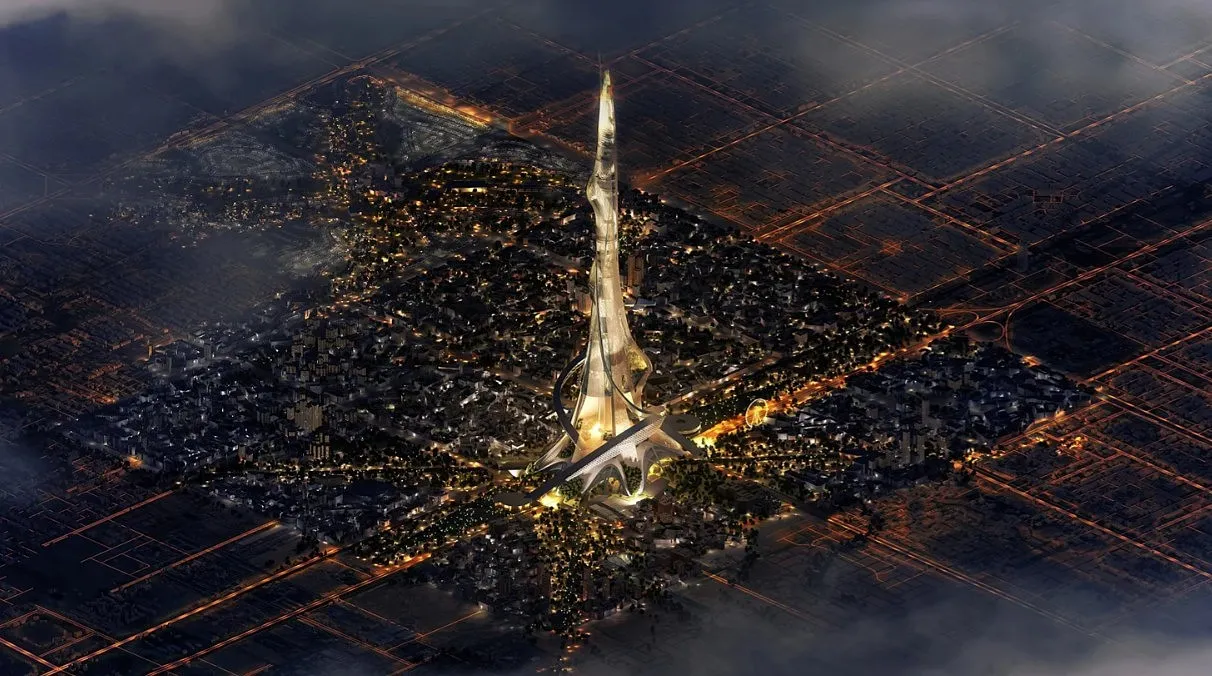
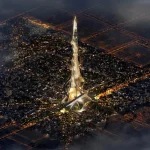
Rise Tower (Project Rise / Lumenis) — Riyadh, Saudi Arabia

- Architect: HKS Architects
- Year (as reported): 2025 (project described in 2025; associated with Vision 2030)
- Status: Ambitious proposed vertical city (concept/proposal).
Rise Tower is a proposal that treats the skyscraper as a vertical city and explores new systems for wind, foundation, circulation, and energy generation at an extreme scale. Its value to Design for Strength is wandering it stretches engineering imagination and forces the profession to consider resilience strategies at unprecedented scales (e.g., aerodynamic shapes, distributed energy, unconventional vertical transport).
LAVA — Expo 2030 Riyadh Masterplan (Five Petals of Change) — Riyadh, Saudi Arabia
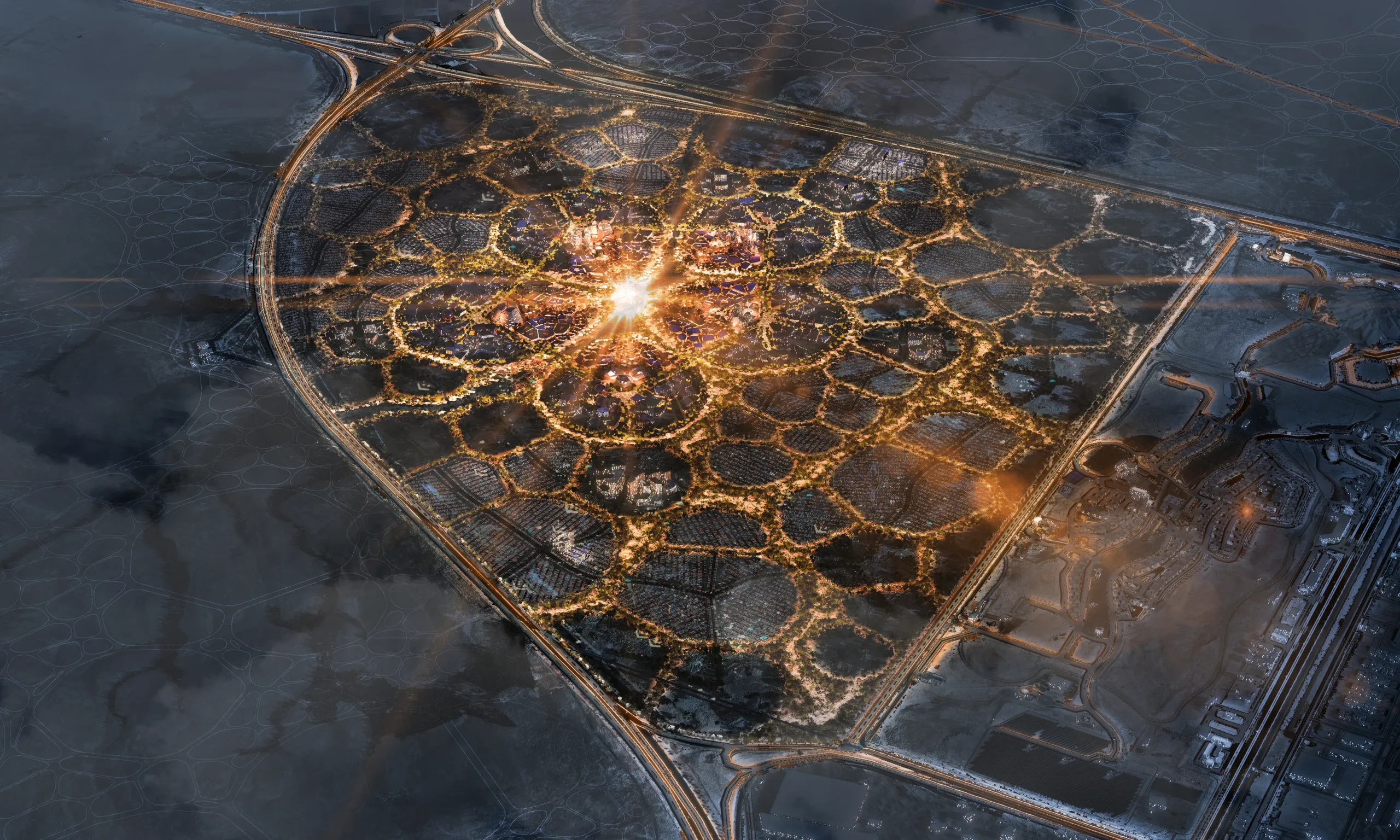
- Architect / Studio: Laboratory for Visionary Architecture (LAVA)
- Year (as reported): 2025 (masterplan published 2025; Expo scheduled 2030)
- Status: Masterplan/concept for Expo 2030 Riyadh.
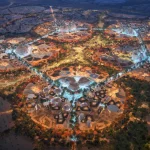
LAVA’s masterplan reframes an expo as a long-term urban legacy through the concept of five petals-based topography, hydrology-inspired circulation, and designed reusability, making the fair coherent as a future district. The project LAVA demonstrates the strategic masterplanning not only of individual buildings, but can also lock in resilience, enabling a temporary program to seed lasting mixed-use neighbourhoods. The deliberate linkage between temporary programming and permanent legacy.
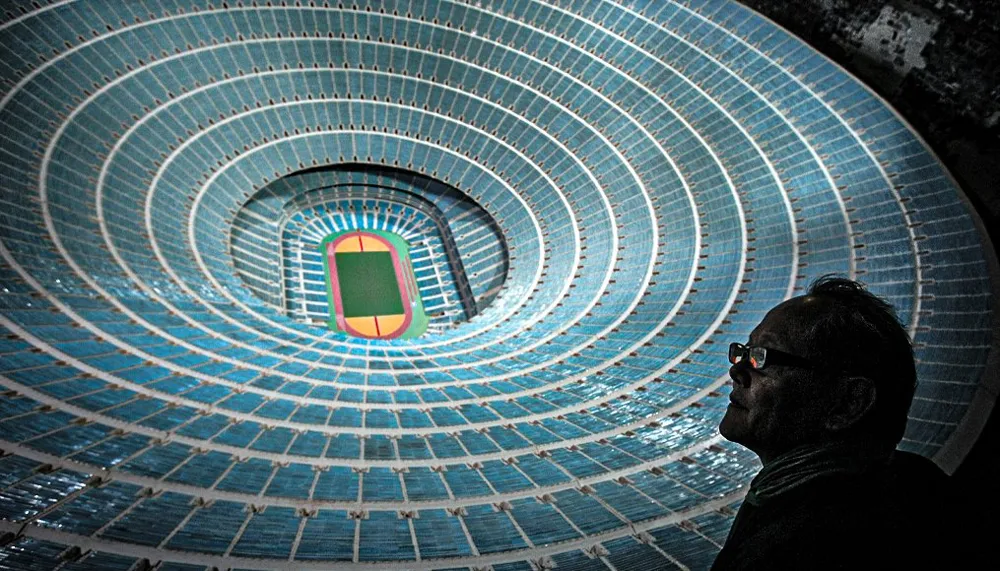
1-Million-Seat Stadium Concept — Paul Pfeiffer (conceptual work)
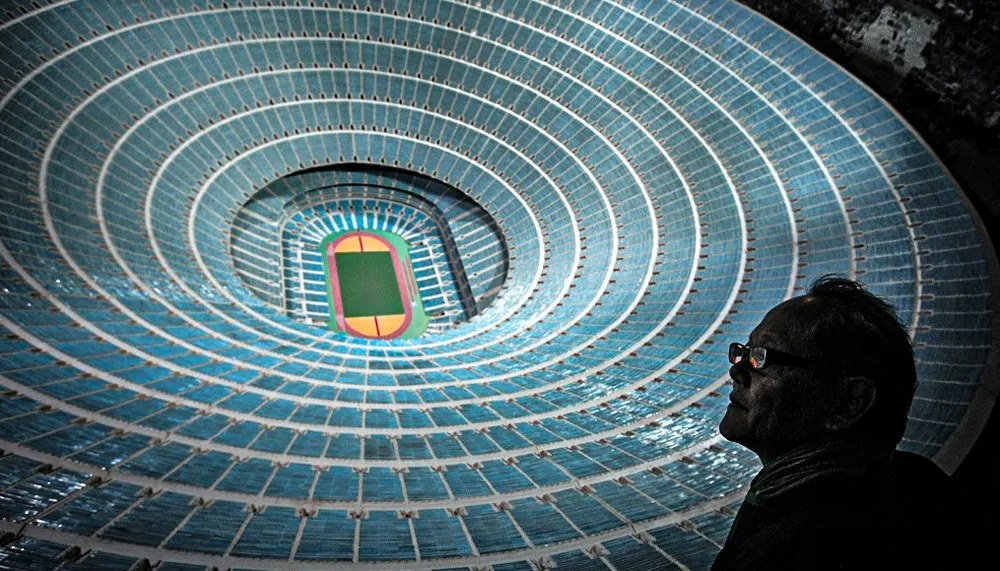
- Designer / Artist: Paul Pfeiffer (artist)
- Year (as reported): 2025 (concept circulated/featured)
- Status: Concept / artistic commentary.
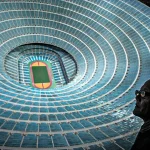
Though not a built work, Pfeiffer’s viral million-seat stadium is an instructive inspiration by imagining extreme scale; it forces architects and publics to reconsider the limits of infrastructure, crowd dynamics, and what “capacity” means socially and economically. As an artwork, it functions as a critical design, a reminder that conceptual thinking can surface hard questions about resource use and the social sustainability of mega-projects.
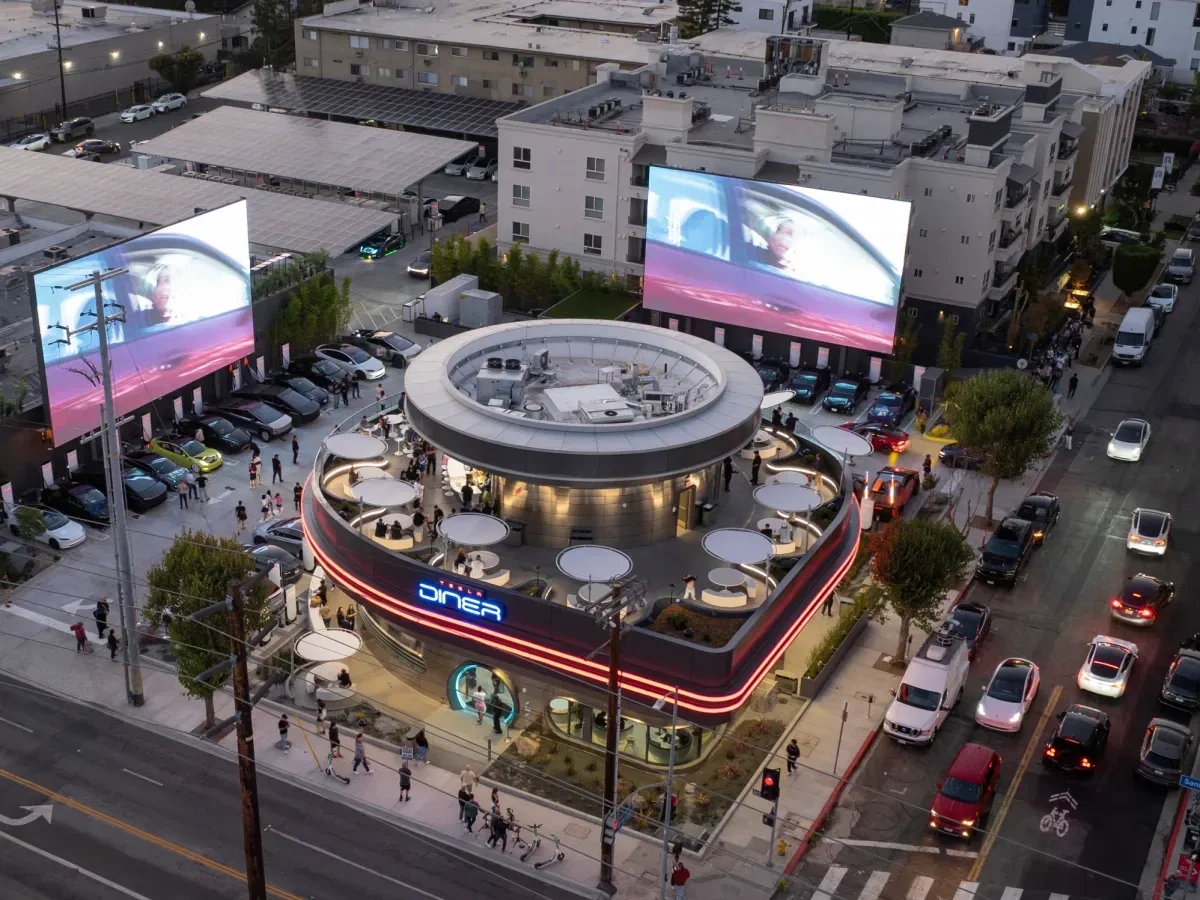
Tesla Diner & Drive-In with Superchargers — Los Angeles, USA
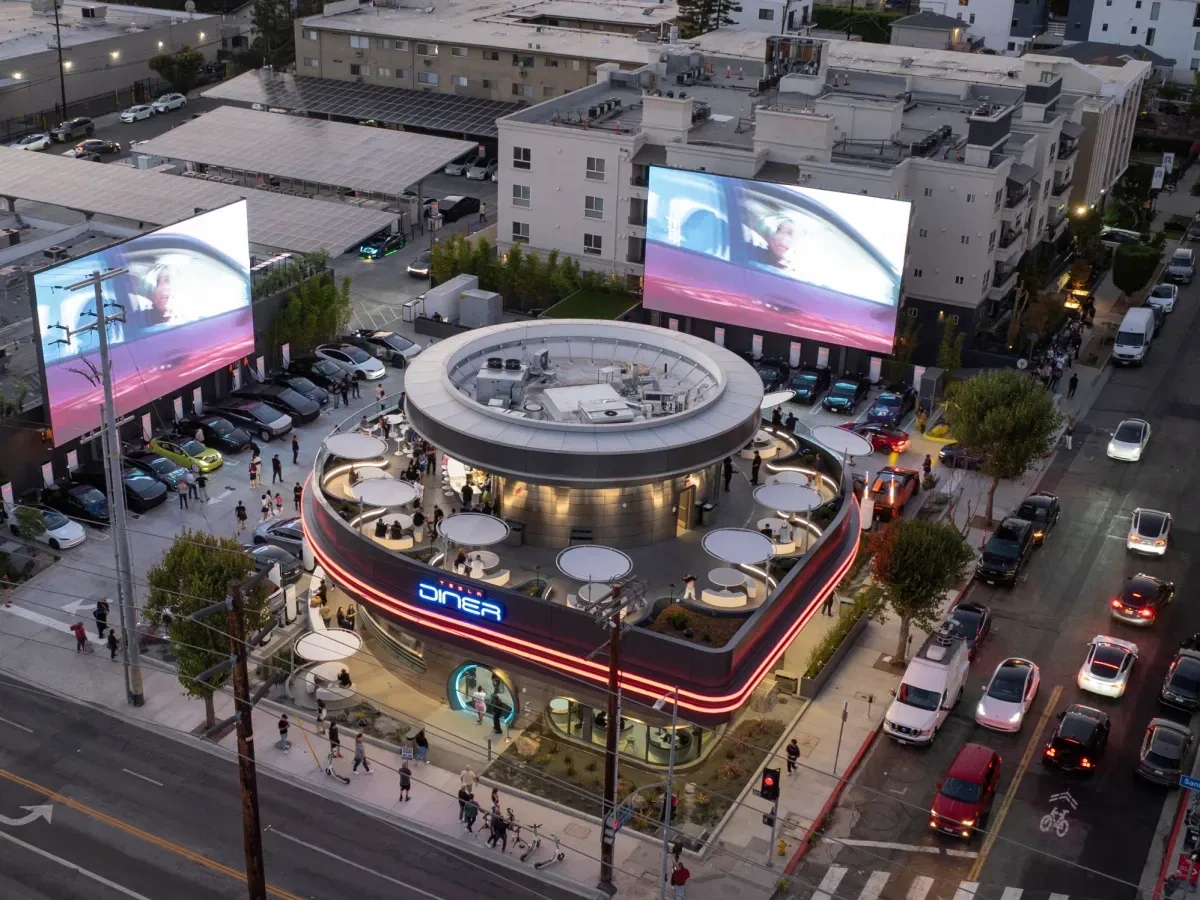
- Architect / Firm: Stantec
- Year (as reported): 2025 (opened July 21, 2025)
- Location: Los Angeles, CA.
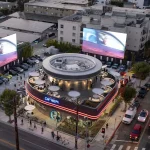
Stantec’s Tesla Diner reframes infrastructure as a place of a charging hub that becomes a cultural amenity, blending with high-tech services (robot servers, Superchargers, in-car ordering). The Tesla diner shows adaptive programming, making utilitarian infrastructure social and economically productive, and suggests a model for resilient urban amenities that can generate local value and care for users while performing essential services.
III. Strength Through Sustainability & Ecology
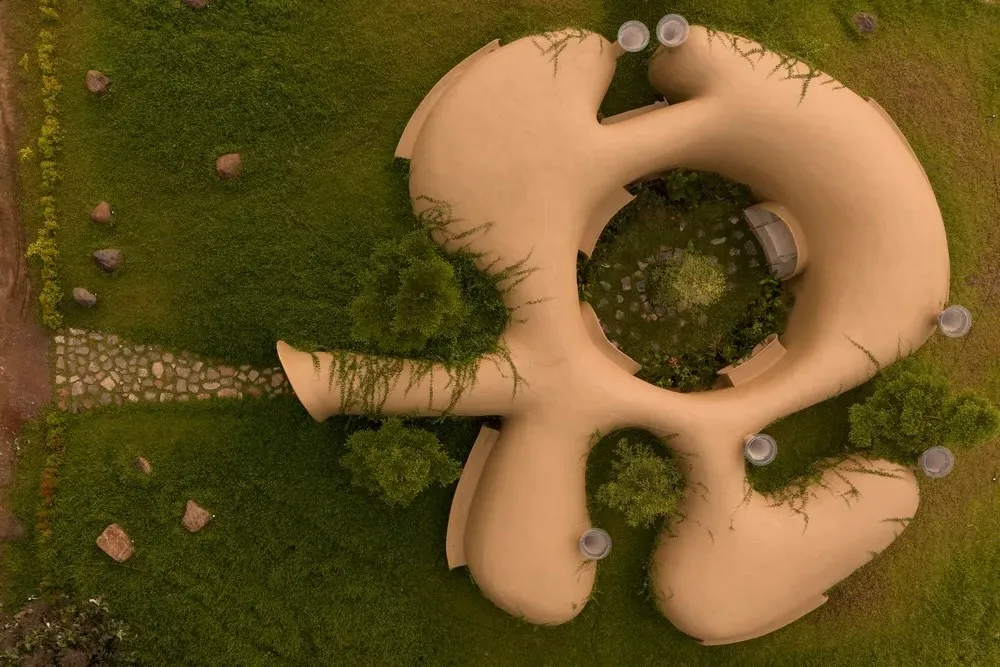
Into the Wild — Column-Free Mud House, Mettupalayam, India
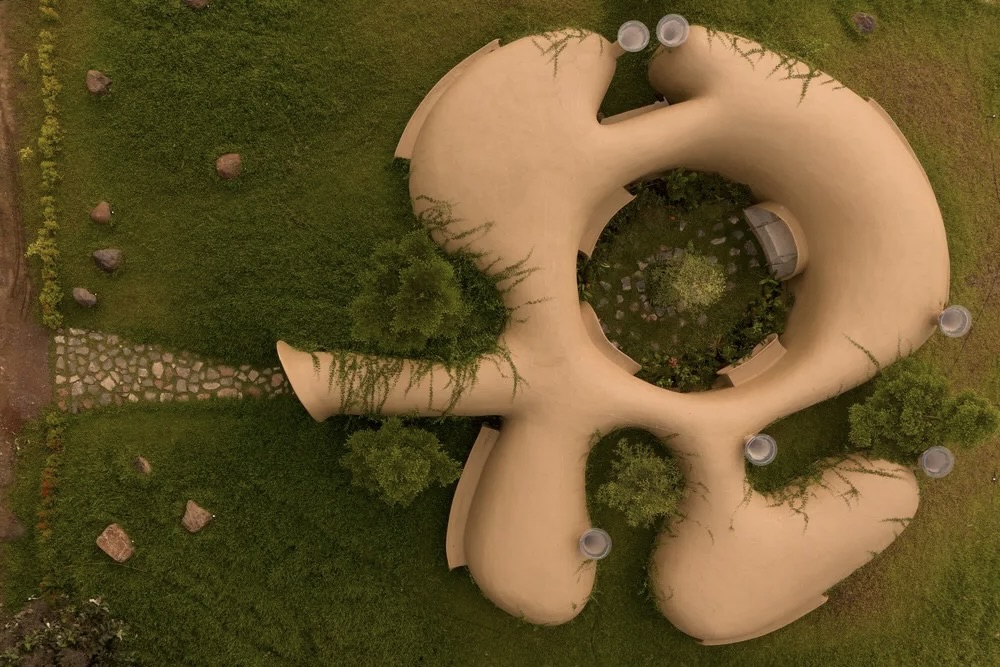
- Architect: Earthscape Studio
- Year (as reported): 2025 (featured in 2025 coverage)
- Location: Mettupalayam, India.
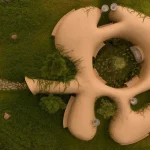
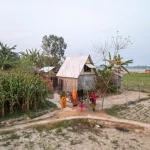
Earthscape Studio’s mud house reframes strength as ecological brilliance, a column-free, earth-based structure that prioritises passive behaviour, low embodied energy, and local craft. By showing that earthen materials can produce both spatial generosity and durability when carefully detailed, the project pushes back against the notion that “strong” means industrial; instead, it demonstrates regenerative strategies compatible with climate-sensitive resilience.
Fukushima United FC Stadium — Japan (Timber Stadium)
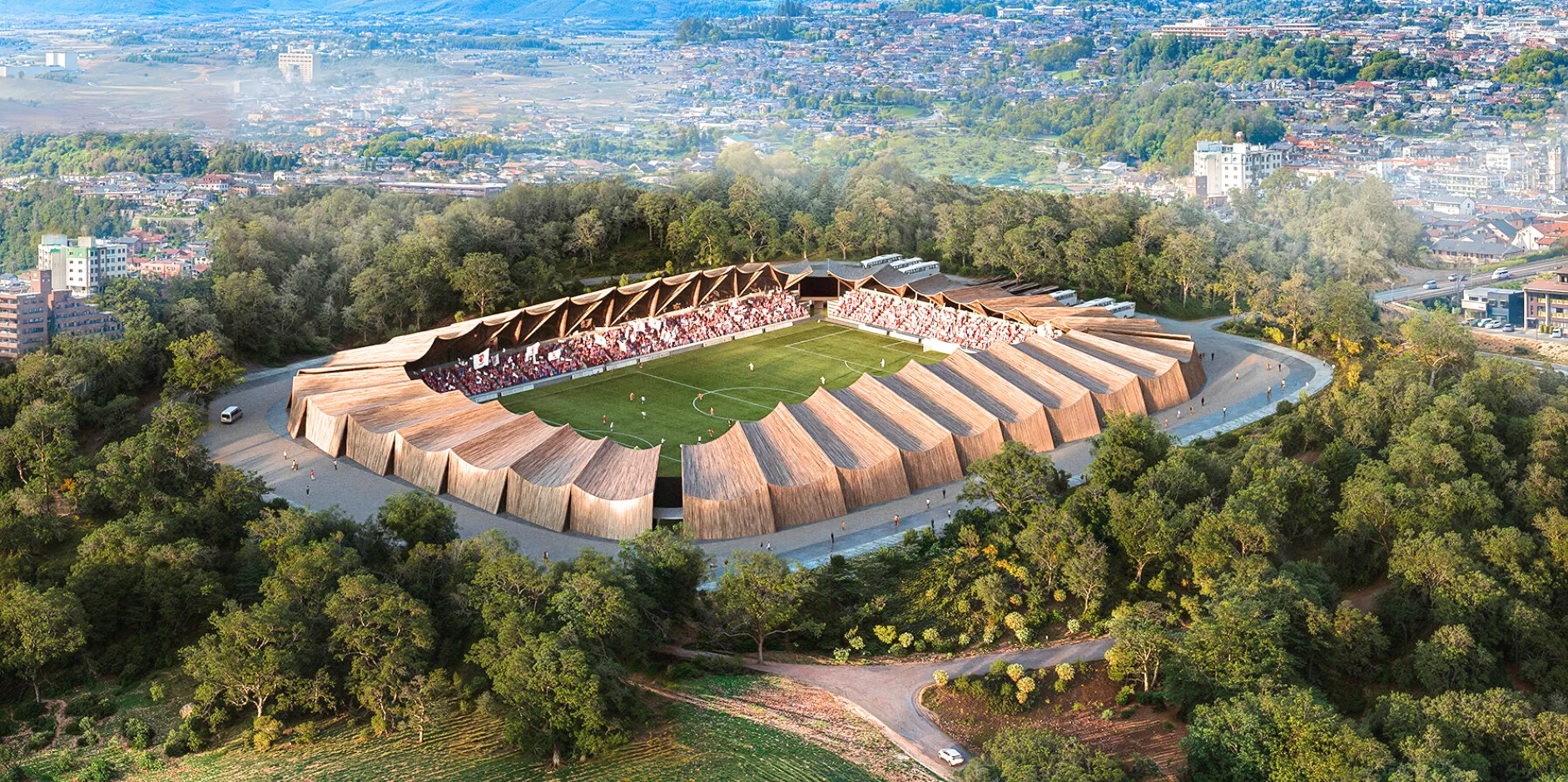
- Architect: VUILD (Koki Akiyoshi / VUILD Architects)
- Year / Status: Yet to build (project reported 2025)
- Location: Fukushima, Japan.
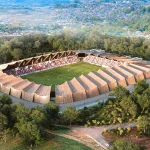
VUILD’s timber stadium is important because it treats disassembly and reuse as built-in features of a stadium designed to be taken apart and its elements reused, reframing large sports typologies into cyclical assemblies. The Fukushima United FC Stadium directly responds to Design for Strength by prioritising long-term materials stewardship over single-life mega-projects, a pragmatic model for large-scale public facilities in an era of constrained resources.
Chinese Paper Umbrella — MAD Architects (China Pavilion, Venice Biennale 2025)
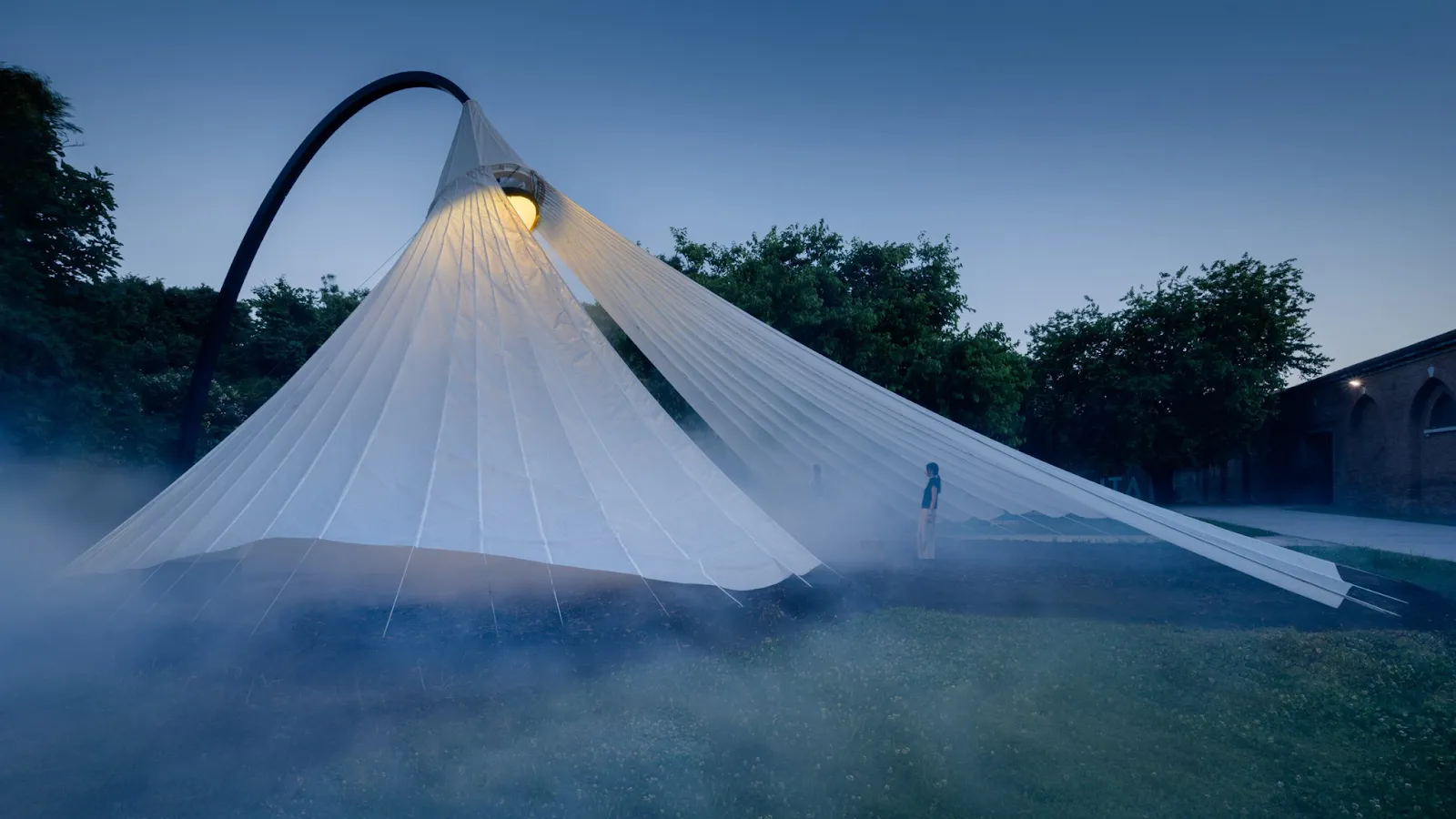
- Architect: MAD Architects
- Year (as reported): 2025 (Venice Biennale installation)
- Location: China Pavilion, Venice Architecture Biennale 2025.
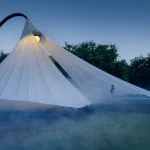
MAD’s installation reimagines the traditional Chinese paper umbrella as a symbol of memory and craftsmanship, turning a familiar cultural object into an expressive piece of resilient design. It shows that ecological thinking is not only about materials or energy but also about preserving cultural memory and emotional connection within architectural expression.
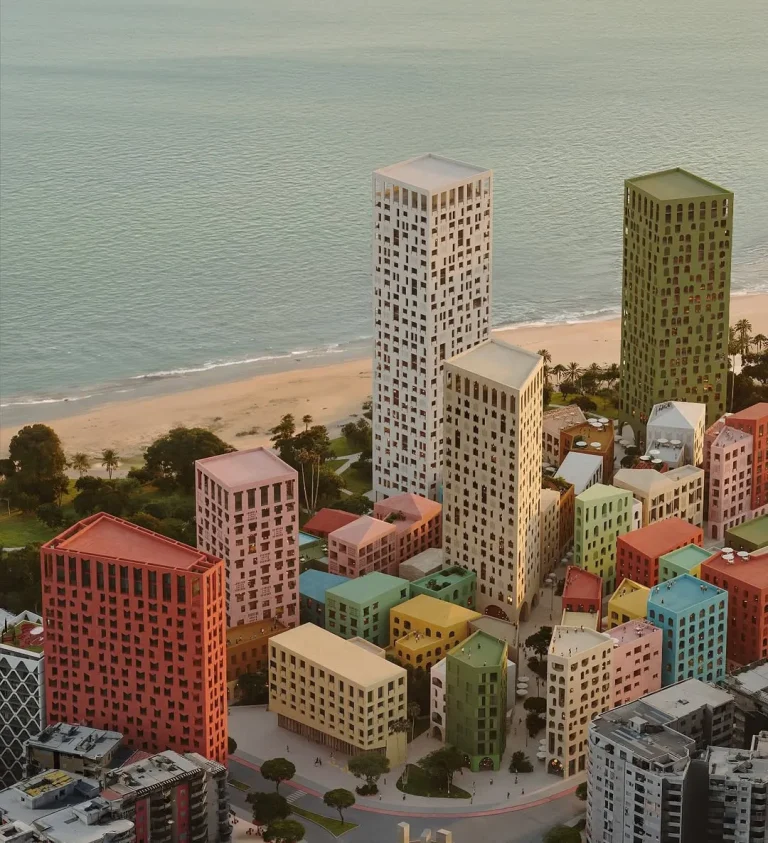
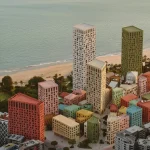
Vlore Beach Tower — Vlore, Albania
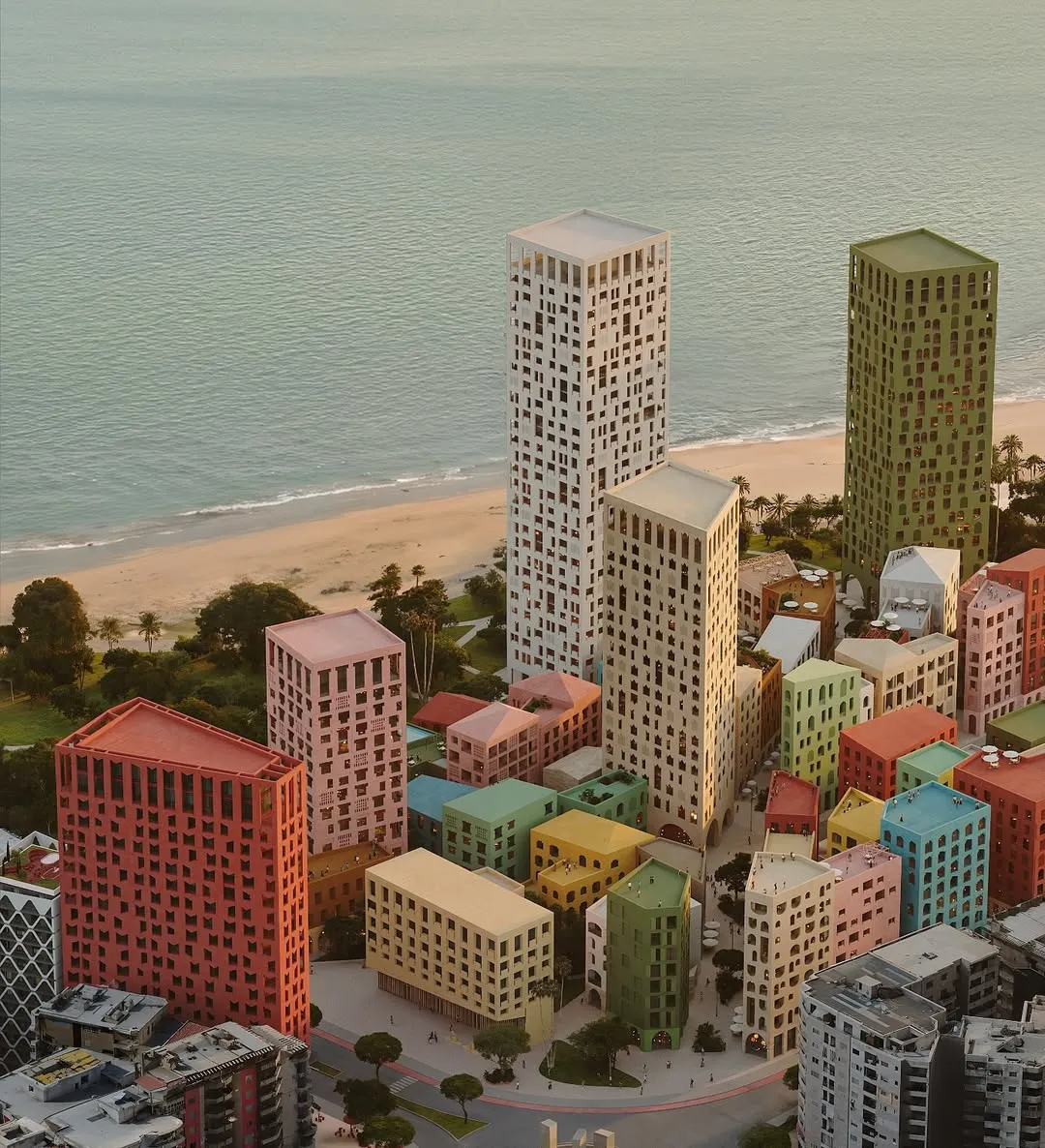
- Architect: Oppenheim Architecture
- Year (as reported): 2025 (design revealed)
- Location: Vlore waterfront, Albania.
Oppenheim’s Vlore Beach Tower contends that coastal development can be a civic instrument rather than a privatizing force by foregrounding a porous podium, public passage, and landscape connections. The design proposes resilience through social accessibility and shoreline integration. It is a reminder that ecological resilience on coasts combines design that resists privatization with strategies for natural ventilation and daylighting noted in the feature.
IV. Strength in Community & Adaptability
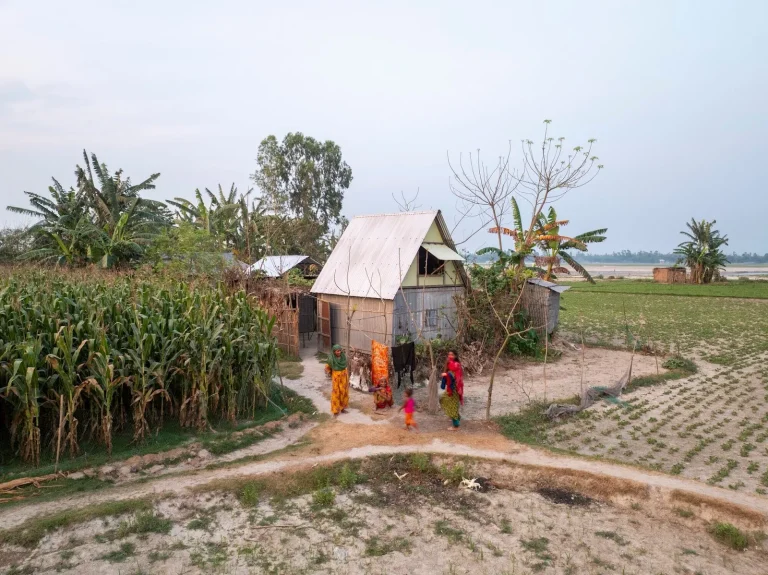
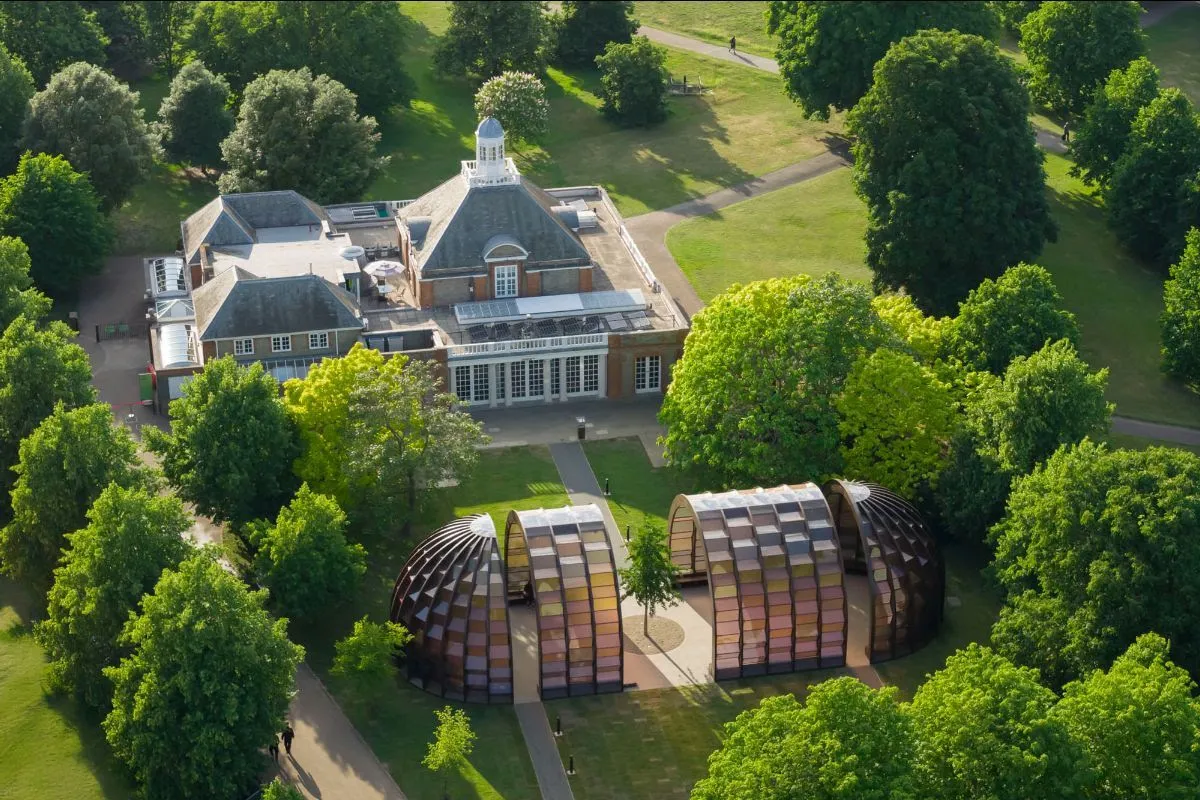
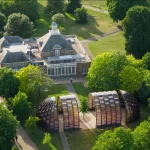
Marina Tabassum — A Capsule in Time (Serpentine Pavilion 2025) & Khudi Bari (Aga Khan Award winner) — Bangladesh / London

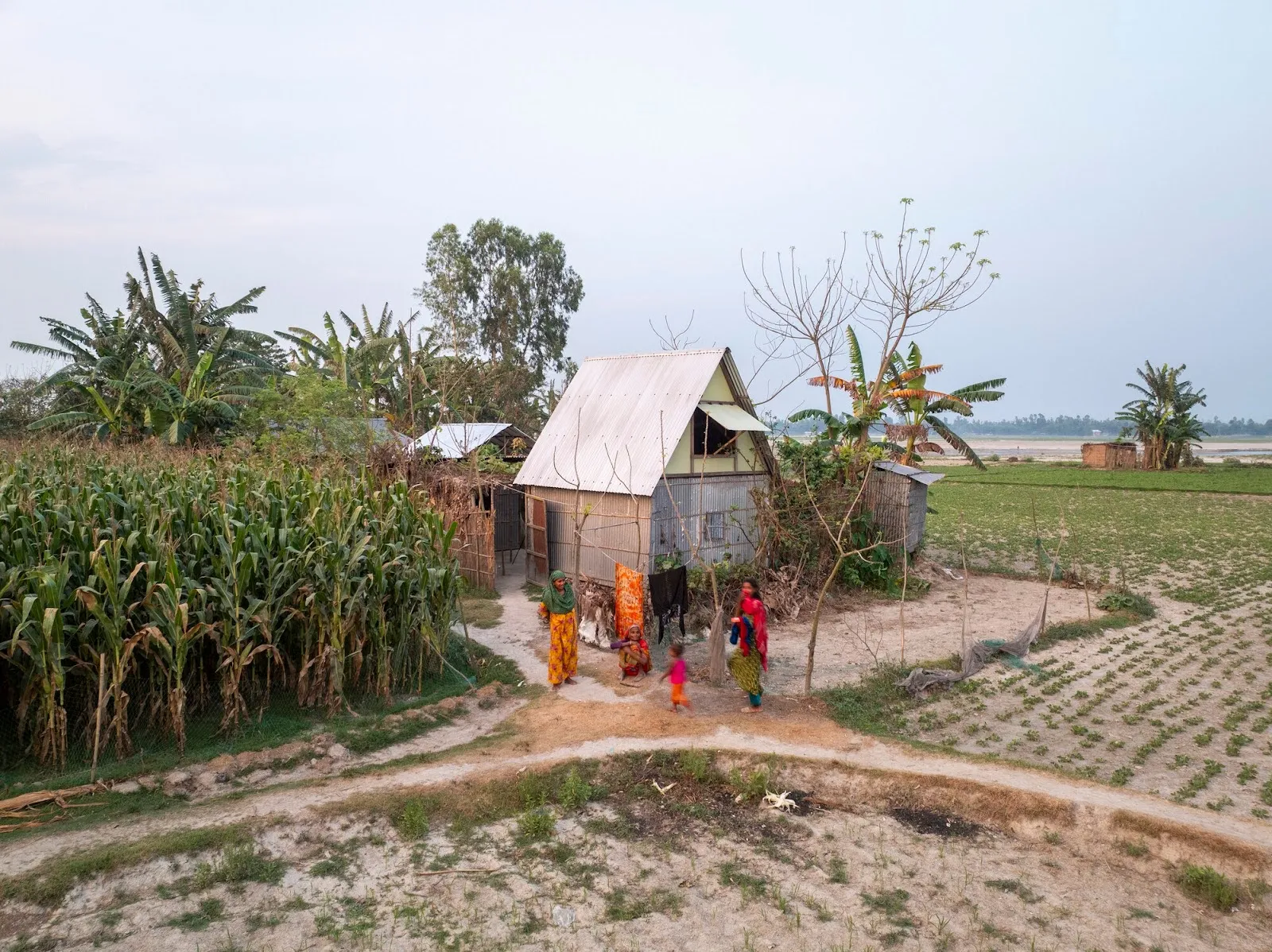
- Architect: Marina Tabassum
- Year: 2025 (Serpentine Pavilion) / 2025 (Khudi Bari — Aga Khan Award coverage)
- Location: Serpentine Pavilion (London), Khudi Bari (Bangladesh).
Marina Tabassum’s work epitomises community-centred resilience: the Serpentine Pavilion “A Capsule in Time” and the Khudi Bari project both prioritise craft and programmatic adaptability. Her projects show how modest, carefully made architecture strengthens civic life by amplifying local practices and by producing spaces that communities can inhabit, repair, and repurpose. Both projects emphasize their social agency, and the Aga Khan recognition for Khudi Bari underlines the model’s wider relevance.
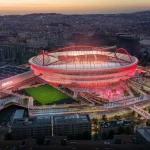
Estádio da Luz Redevelopment & Benfica District (Lisbon) — Portugal
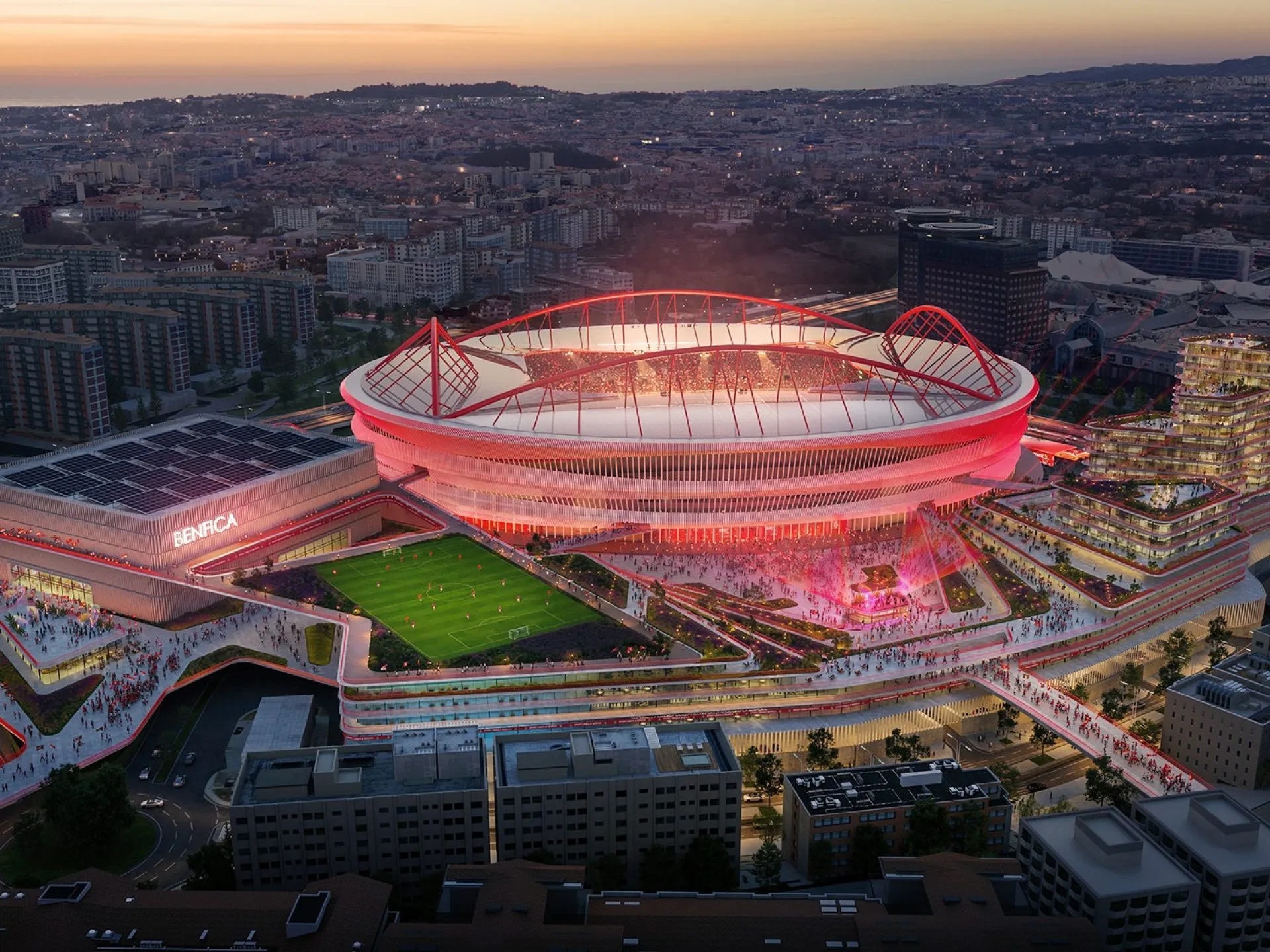
- Lead Architect / Masterplanner: Populous (lead); partner Saraiva + Associados
- Year (as reported/planned: Masterplan work reported 2025; district ambitions expressed up to 2030 (legacy by 2030).
- Location: Lisbon, Portugal.
The Estádio da Luz redevelopment reframes stadium projects as Populous’ masterplan embeds mixed uses, local amenities, and cultural programming to turn a stadium precinct into a lasting urban district. The approach supports social and economic resilience by distributing uses and creating year-round activity, rather than letting large venues become single-purpose islands.
V. Strength in Technology & Material Innovation
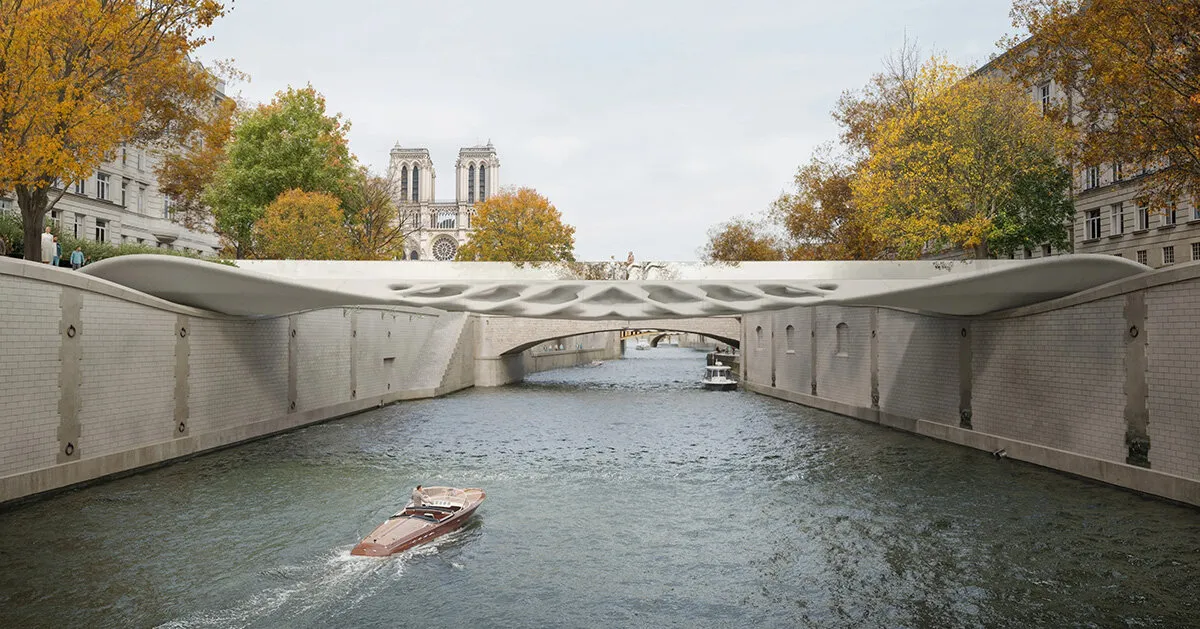
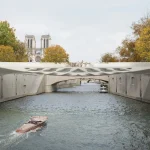
Diamanti Bridge — 3D-printed, Venice (Venice Biennale/prototype)
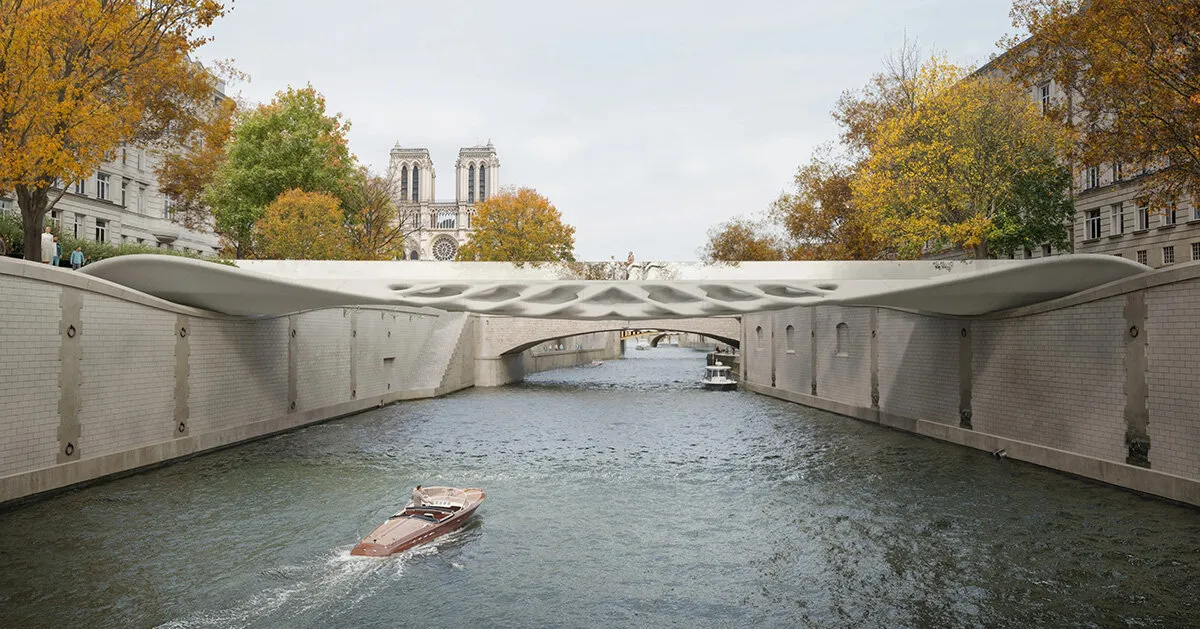
- Project: Diamanti Bridge (modular, post-tensioned, 3D-printed bridge)
- Collaborators: Vertico (3D printing partner) and a network of research partners (material collaborations cited)
- Year (as reported): 2025 (Venice Biennale prototype; full-scale tests reported)
- Location: Giardini della Marinaressa, Venice (exhibition).
The Diamanti Bridge shows that additive fabrication can be scaled into low-carbon infrastructure, modular, post-tensioned 3D printed spans, combined with carbon-absorbing concrete and multi-partner testing, point to a new class of repairable, lower-impact infrastructural elements. By moving 3D printing from novelty to demonstrable structural testing, the project pushes material innovation into the domain of civic durability, exactly the kind of technological readiness Design for Strength seeks.
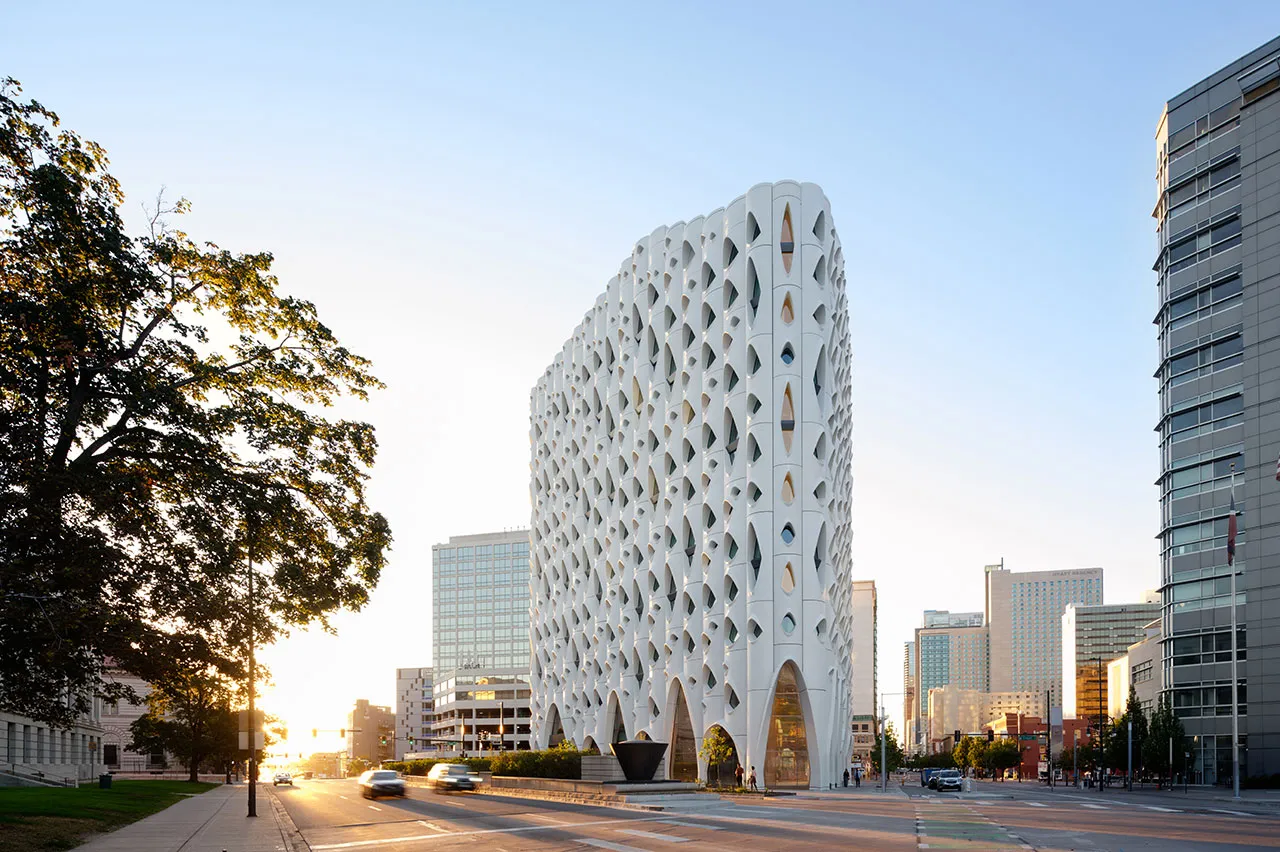
Populus Hotel — Studio Gang — Denver, Colorado, USA
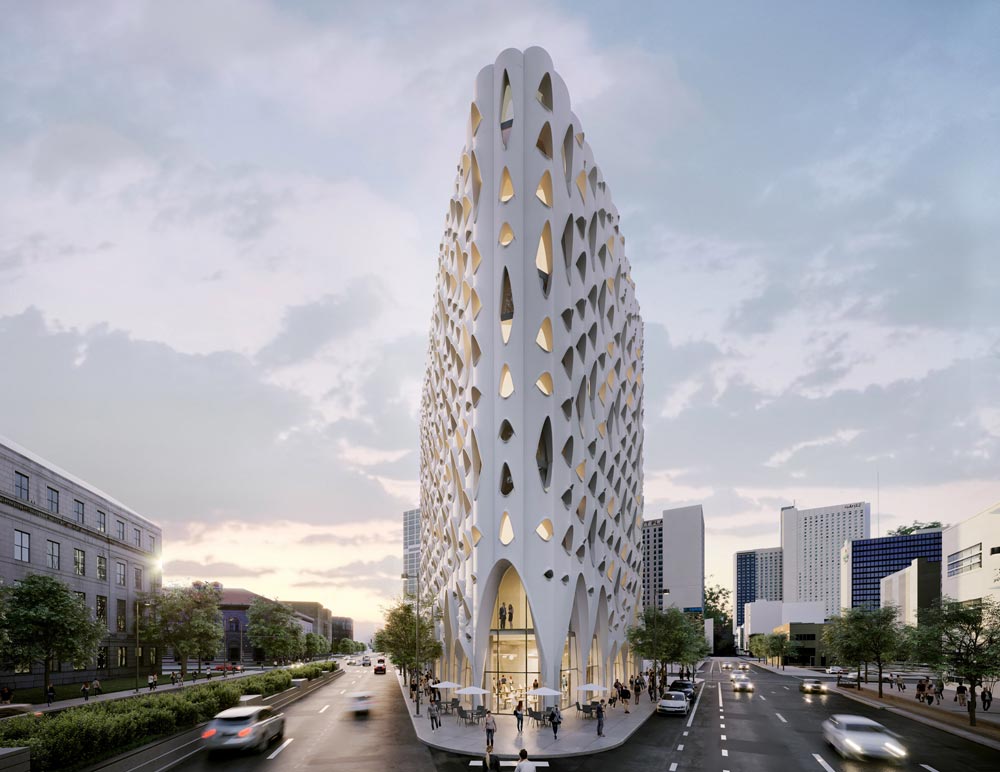
- Architect: Studio Gang
- Year (completion, as reported): 2024
- Location: Downtown Denver, Colorado.
Studio Gang’s Populus Hotel is a practical example of nature-based strength. Completed in 2024, it aims for LEED Gold and uses materials such as low-carbon concrete, GFRC panels, and reclaimed finishes, demonstrating how large urban-scale hospitality projects can deliver lower embodied carbon and abundant natural light. It serves as a strong precedent for architects seeking immediate, viable paths toward resilient, lower-impact urban design.
Tor Alva — World’s Tallest 3D-Printed Tower — Mulegns, Switzerland
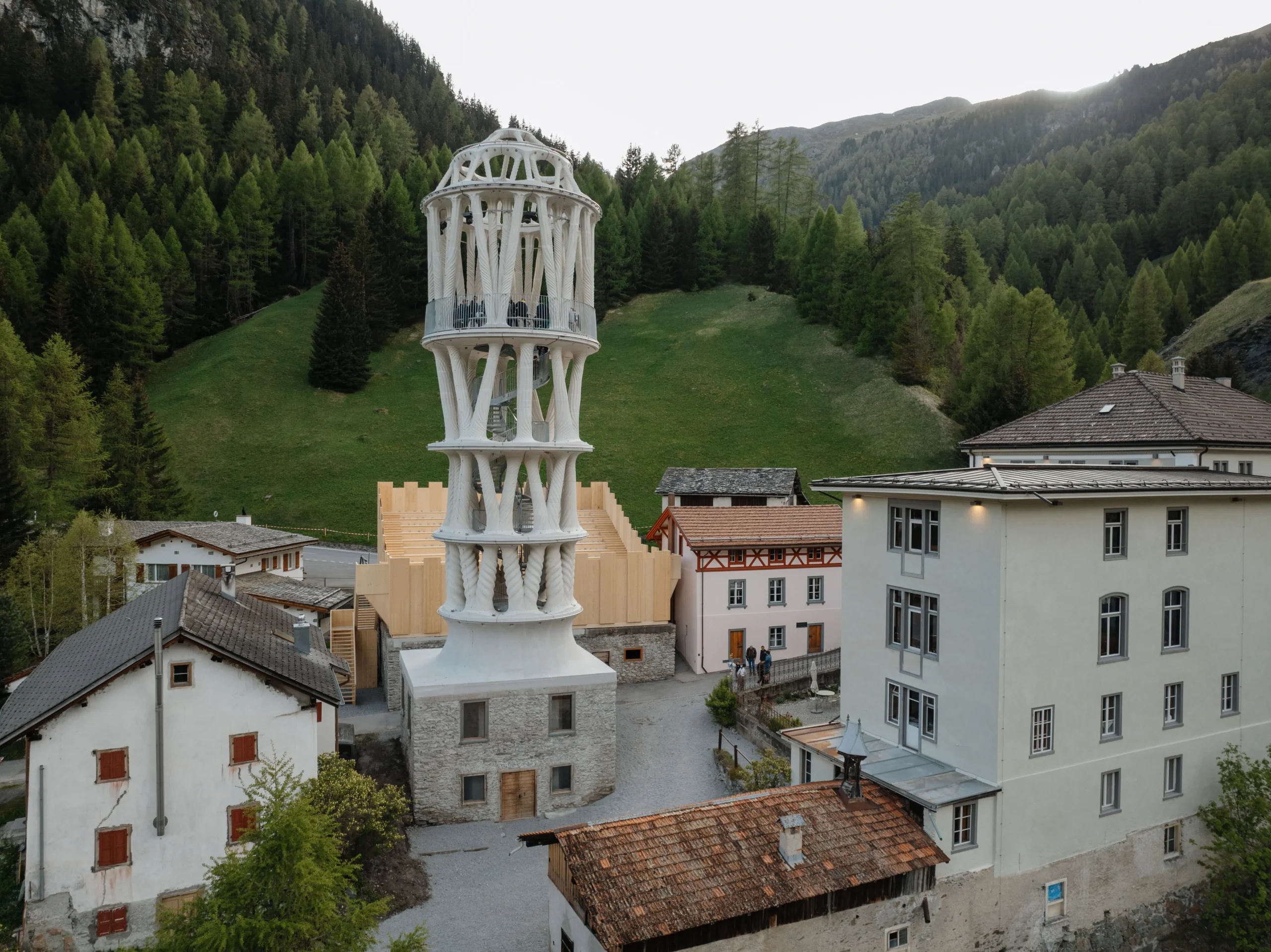
- Architects / Team: Prof Dr Benjamin Dillenburger & Michael Hansmeyer (ETH Zurich collaborators)
- Year (as reported): 2025 (project opening / reported)
- Location: Mulegns, Southeastern Switzerland.
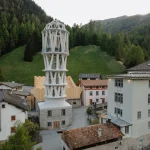
Tor Alva, the world’s tallest 3D tower, is significant because it converts computational complexity and digital fabrication into a built, vertical form of a 3D-printed tower that explores geometric complexity and material experimentation at scale. As an operational building (reported in 2025), it signals that advanced fabrication technologies can now contribute to permanent architecture, not just prototypes, and that such methods can be integrated into broader conversations about repairability and material cycles.
The UIA’s “Design for Strength” theme reframes strength as a multi-dimensional initiative, cultural, ecological, technical, and social. The projects above represent that strength is rarely a single material property; it is an outcome of purposeful program, context-sensitive detailing, community participation, and forward-looking material choices.
From museums that act as passive-climate devices to pavilions designed for disassembly, and from timber stadia planned for reuse to large-scale experiments in 3D-printing and timber, the recent architectural discourse shows a profession shifting toward repairable, adaptive, and place-rooted practices.