
Autodesk is reshaping the future of digital design and manufacturing with the announcement of its upcoming neural CAD foundation models, which will be integrated into Fusion and Forma. Revealed at AU 2025, this breakthrough marks a pivotal step in advancing generative AI from research labs into the hands of architects, engineers, and manufacturers.
From sketches to intelligent CAD generation
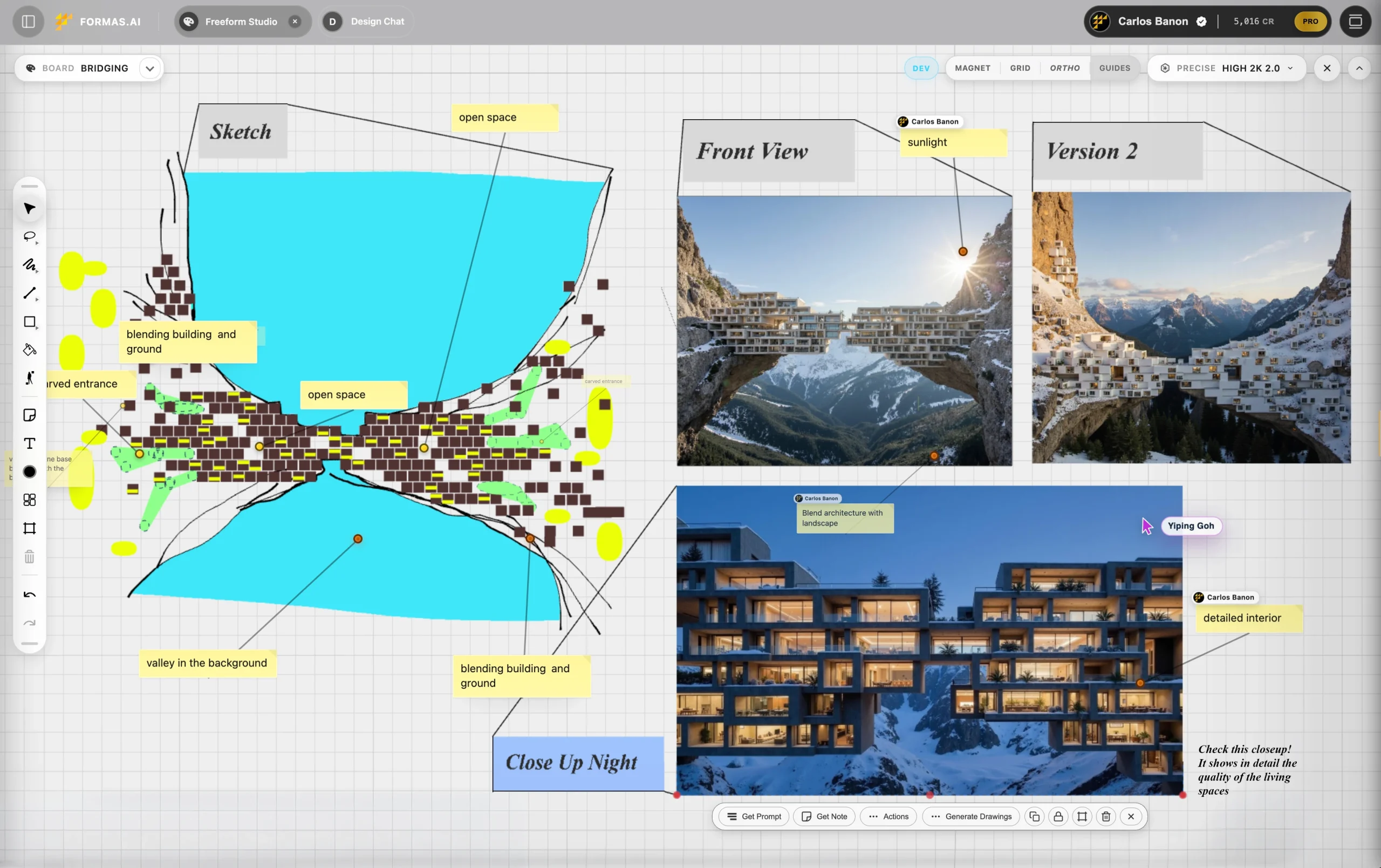
For decades, early-stage design has been constrained by rigid software tools that often lag behind the fluidity of human creativity. Architects and engineers begin with sketches, outlines, or photos, yet translating these raw concepts into detailed models has remained a bottleneck. Autodesk’s new AI models directly address this gap, enabling designers to generate and refine usable CAD objects from natural inputs such as text prompts, drawings, or even spoken descriptions.
Unlike traditional parametric CAD engines that have defined the industry for over 40 years, neural CAD relies on machine learning to reason about geometry and system-level design. This means users can shift seamlessly between rough ideation and detailed engineering without losing fidelity or context.
A new category of generative AI for design
Autodesk describes neural CAD as another AI add-on. It represents a reimagined software engine built to reason about both physical systems and digital geometry. By embedding decades of project knowledge and workflows into its training, the model can automate repetitive tasks and propose unexplored design alternatives that strike a balance between efficiency, sustainability, and constructability.
Two initial applications are set to roll out:
- Neural CAD for Buildings (AEC-focused): Helps architects transition from concept sketches to full building layouts and system designs.
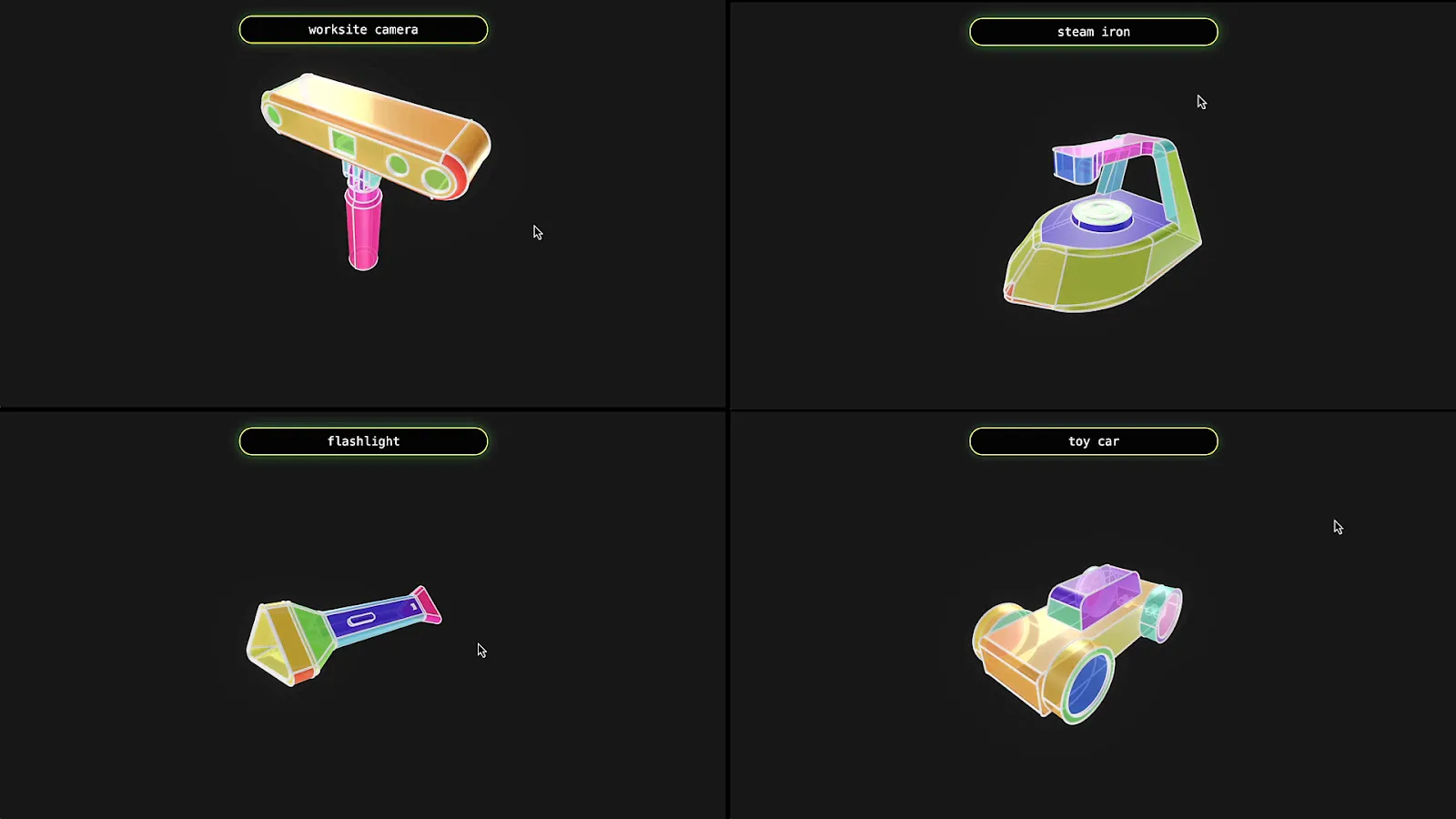
- Neural CAD for Geometry: Generates spontaneous 3D objects from text descriptions, opening a new frontier for design exploration.
From research vision to real-world integration
Autodesk’s AI Lab, established in 2018, laid the groundwork for this innovation by pursuing a distinct class of AI tuned to the physical world of design and manufacturing. Unlike large language models, these neural foundation models are trained specifically to interpret geometry, floor plans, and industrial processes, making them uniquely suited to engineering workflows.
Looking forward, Autodesk plans to enable enterprises to fine-tune these models with proprietary data, creating custom AI engines that are aligned with their design standards and processes. This opens the door to unprecedented personalization in CAD tools, where a company’s own design language and engineering methods can be embedded into everyday workflows.
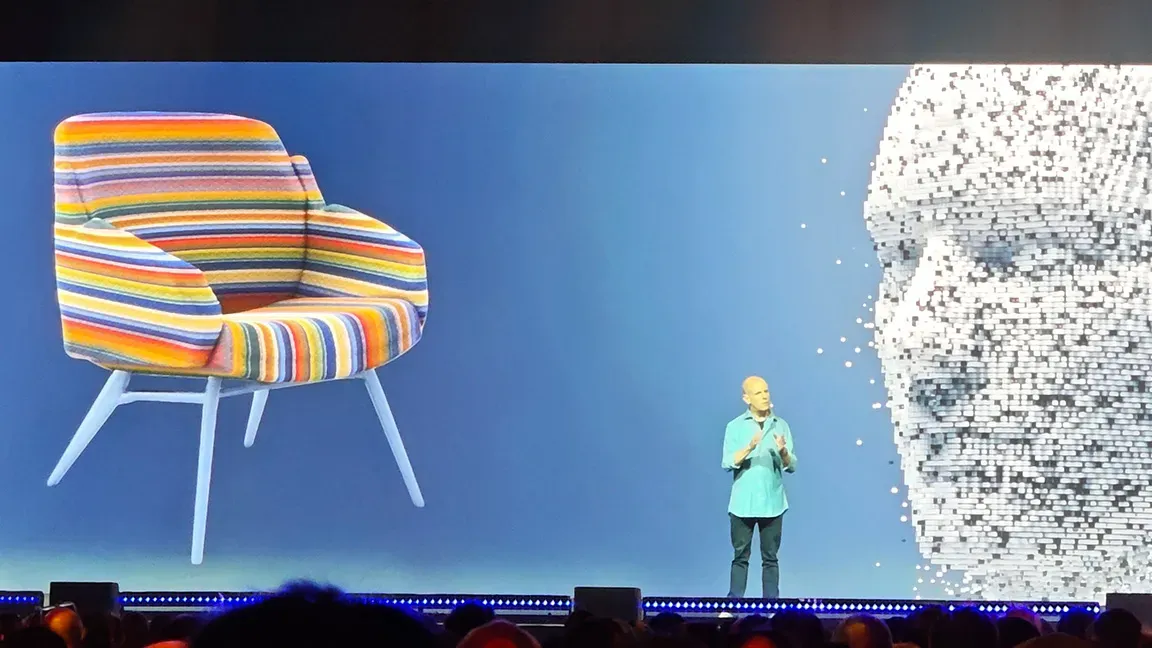
The announcement comes at a moment when the CAD industry is poised for disruption. Despite incremental improvements, parametric CAD has remained fundamentally unchanged for decades. By contrast, Autodesk’s recent AutoConstrain feature in Fusion, introduced just months ago, showcased how generative AI can dramatically accelerate routine tasks. Neural CAD builds on this momentum, promising a faster, more adaptive, and more collaborative design experience.
Building the future of design and manufacturing
Autodesk’s vision extends beyond productivity gains. By merging language models with neural CAD, the company aims to make design tools more intuitive, collaborative, and accessible. The purpose is clear: to empower professionals to move from imagination to execution without technological friction.
As Autodesk’s Mike Haley noted, the rapid evolution of neural CAD signals a transformative shift in how we design and make a future where boundaries between ideation, development, and production continue to blur.

Discover how generative AI is transforming design and manufacturing—join Paacemy’s specialized courses to gain the skills shaping tomorrow’s industry.