

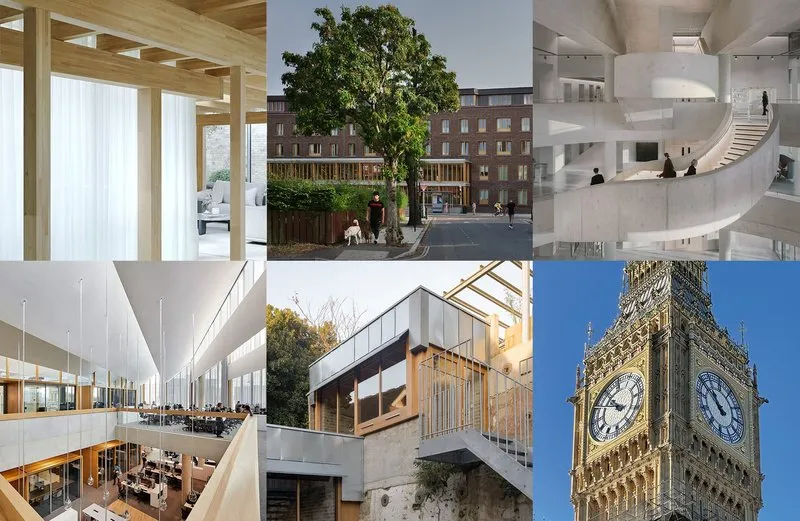







The Royal Institute of British Architects (RIBA) has announced the shortlist for the 2025 Stirling Prize, the UK’s most prestigious architecture award. Since its establishment in 1996, the prize has celebrated buildings that go beyond striking design to shape communities, landscapes, and cultural life.
This year’s six finalists vary widely in scale and function, from scientific research hubs and higher education campuses to domestic dwellings and heritage restorations. Despite their diversity, they share an emphasis on inclusivity, sustainability, and sensitive design. The winner will be announced on 16 October 2025 at the Roundhouse in London.
Shortlisted Projects for the RIBA Stirling Prize 2025
1. Appleby Blue Almshouse—Witherford Watson Mann Architects (London, Bermondsey)
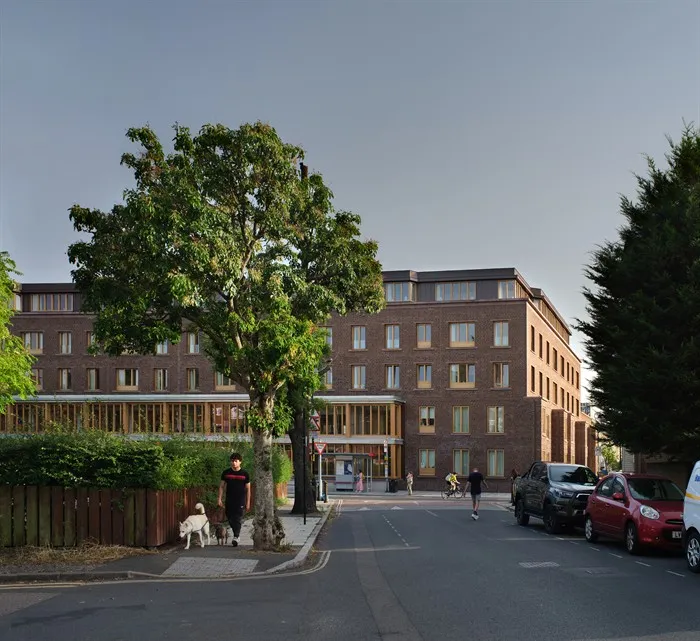
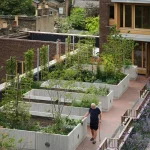
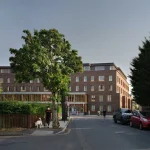
Designed for United St Saviour’s Charity, this almshouse replaces a former care home in Bermondsey with 59 apartments and shared communal facilities. The architects reinterpreted the traditional almshouse model, and communal spaces are placed centrally, promoting interaction. Bay windows at street level reconnect residents to the street; the rents are capped at social housing levels.
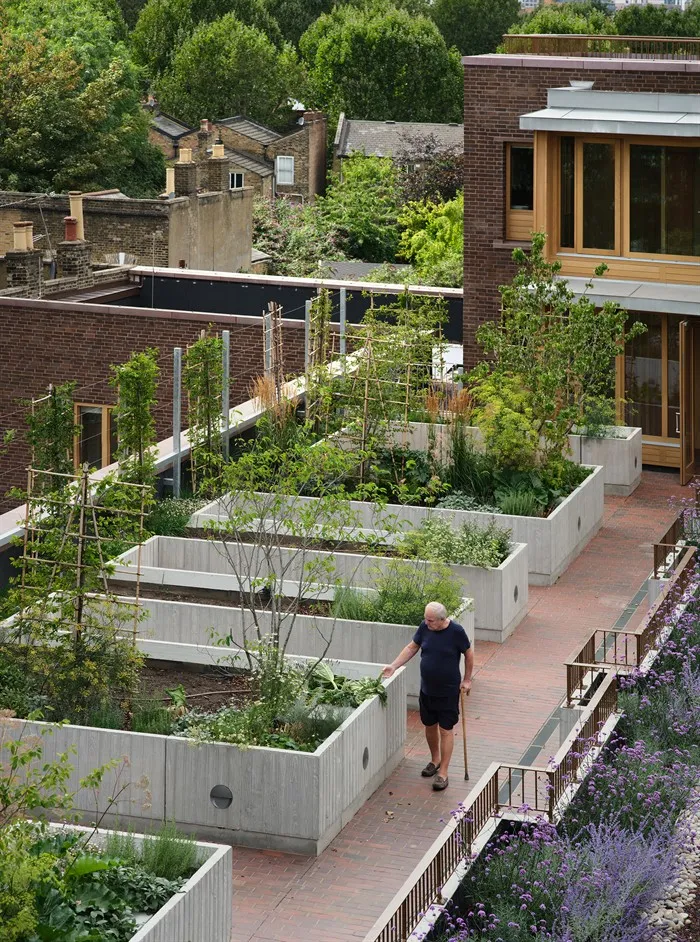
Appleby Blue Almshouse is as much about social infrastructure as architecture, reducing isolation, fostering community in later life, and embedding accessibility throughout.
2. The Discovery Centre (DISC)—Herzog & de Meuron / BDP (Cambridge)

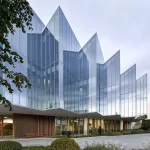
The Discovery Centre (DISC) in Cambridge is a biomedical research facility commissioned by AstraZeneca. Its form is striking, a triangular glass disc with softly curved edges, topped by an east–west “sawtooth” roof, which optimizes daylight in labs and offices. Inside, full-height glazing allows the science to be visible; corridors interconnect the spaces.
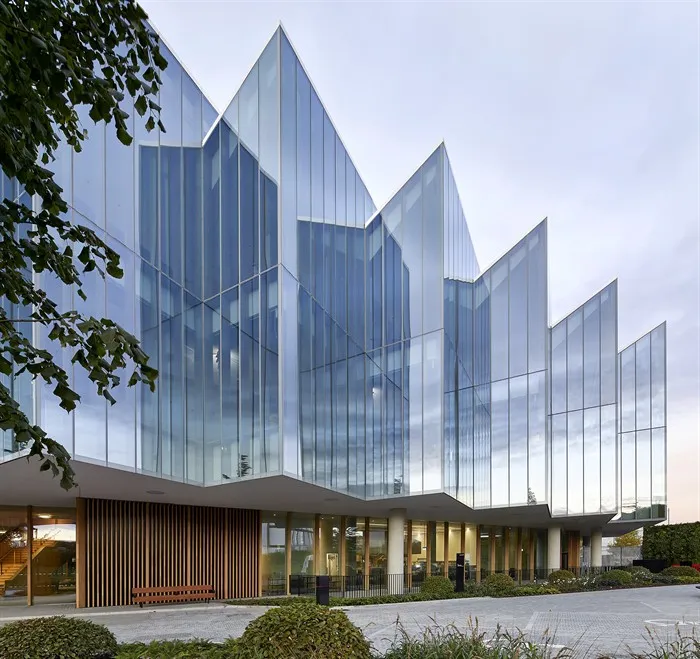
Under the ground, there are large basements and sustainable systems, including one of Europe’s largest ground-source heat pumps, which are integral to the design. The project is trying to show that high-tech, high-security research need not be isolated.
3. Elizabeth Tower Restoration—Purcell (London)

A conservation project of deep national resonance, Elizabeth Tower (often called “Big Ben”) has undergone its most thorough restoration in its 160-year history. Led by Purcell, the works address long-neglected structure and material repairs, reverse previous missteps, and aim to prolong the life of the building by about 50 years.
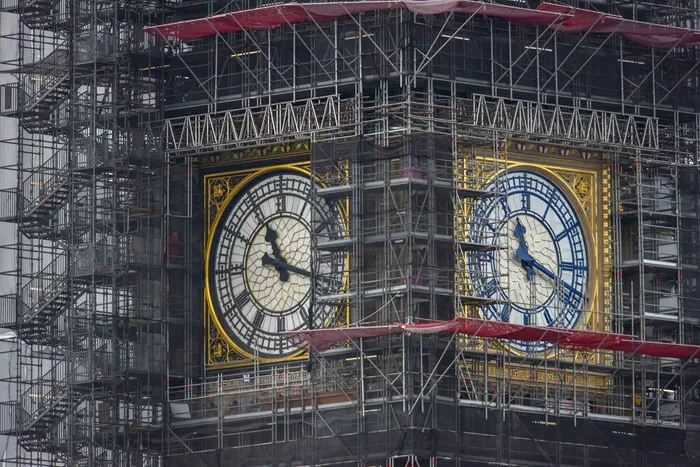
The restoration balances fidelity to heritage stone masonry, clock faces, and craftsmanship with subtle modernization. Visitor facilities, exhibitions, and improved accessibility (including a lift) have been added in doses that respect the original.
4. Hastings House—Hugh Strange Architects (Hastings)
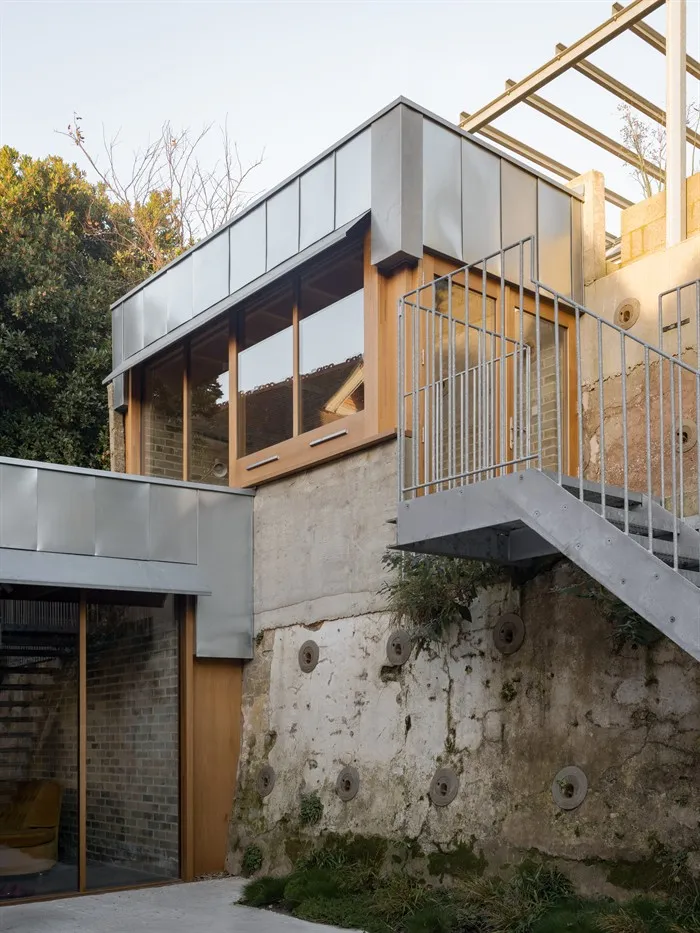
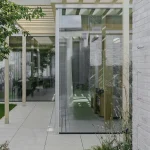
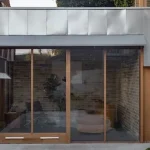
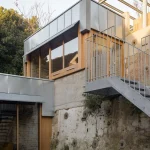
Hastings House is a private residence to engage with its landscape, its history, and its decay rather than erase them. A Victorian house perched on a steep garden in Hastings is refurbished. Rather than wholesale demolition, the approach is about repair and addition (the architect refers to “darning”). The rear garden’s concrete terraces, which were in disrepair, are stabilized by lightweight timber extensions that create new space and daylight, and views are pulled into formerly dim parts of the house.
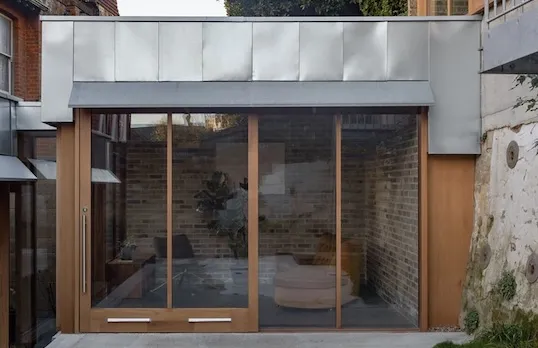
Hastings House becomes a model for how modest domestic architecture can practice sustainability, reuse, and delight in detail.
5. London College of Fashion—Allies and Morrison (London, Stratford)
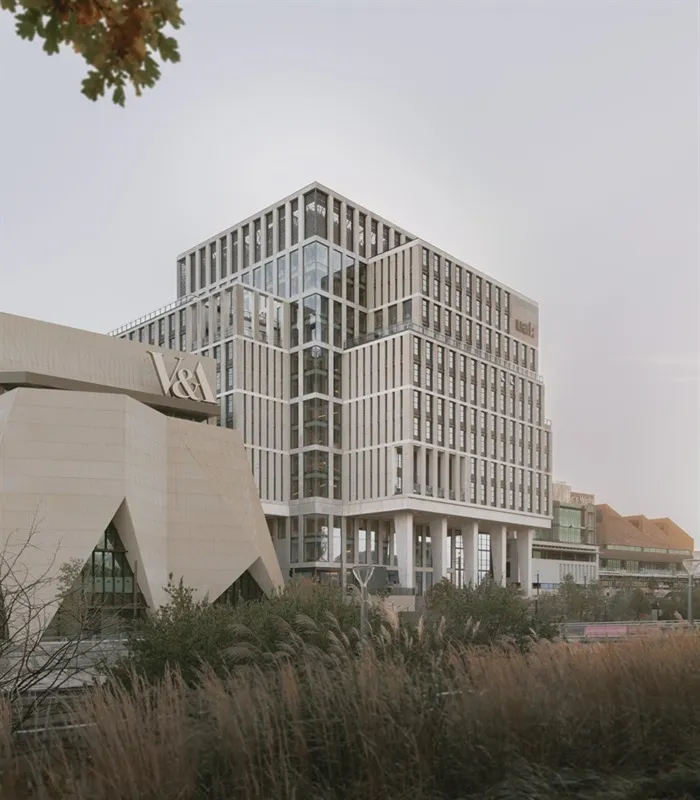
London College of Fashion is a large-scale educational project combining many different creative disciplines under one roof, including journalism, marketing, fashion design, footwear, etc. The building is 40,000 sqm, 17 stories tall, and built on a constrained site in Stratford within Queen Elizabeth Olympic Park.
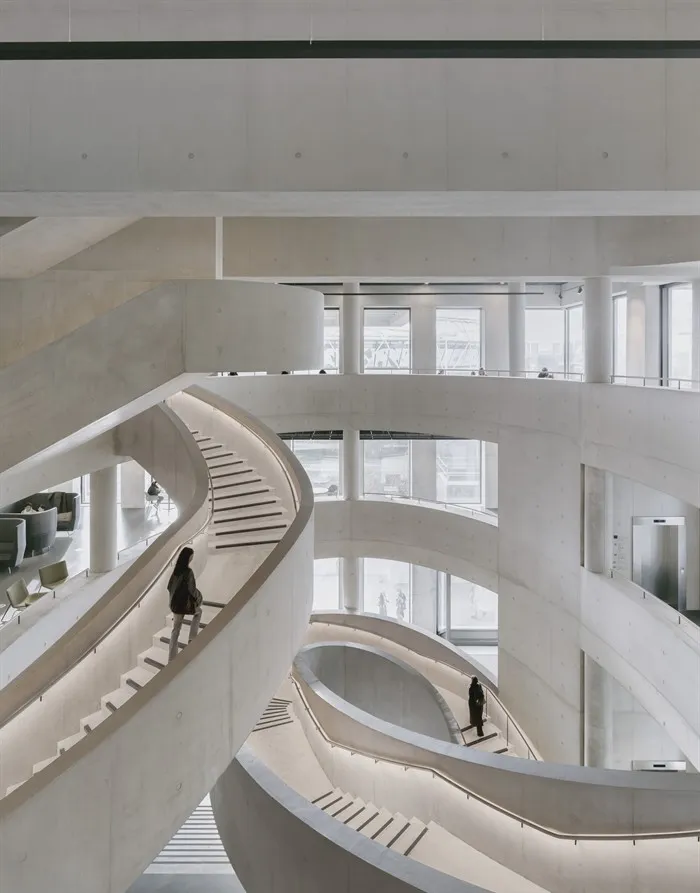
A vertical campus, with clear circulation, generous “heart spaces” (gathering zones), and flexibility built in to accommodate the differing needs of theory classes, workshops, and studios. It also engages with the public realm: its base is accessible, facilitating interaction between the institution and the city around it.
6. Niwa House—Takero Shimazaki Architects (London, South London)
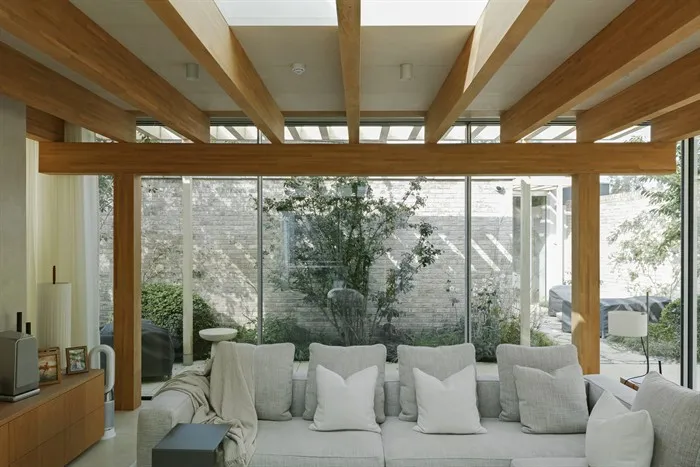
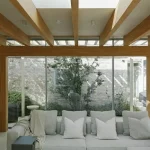
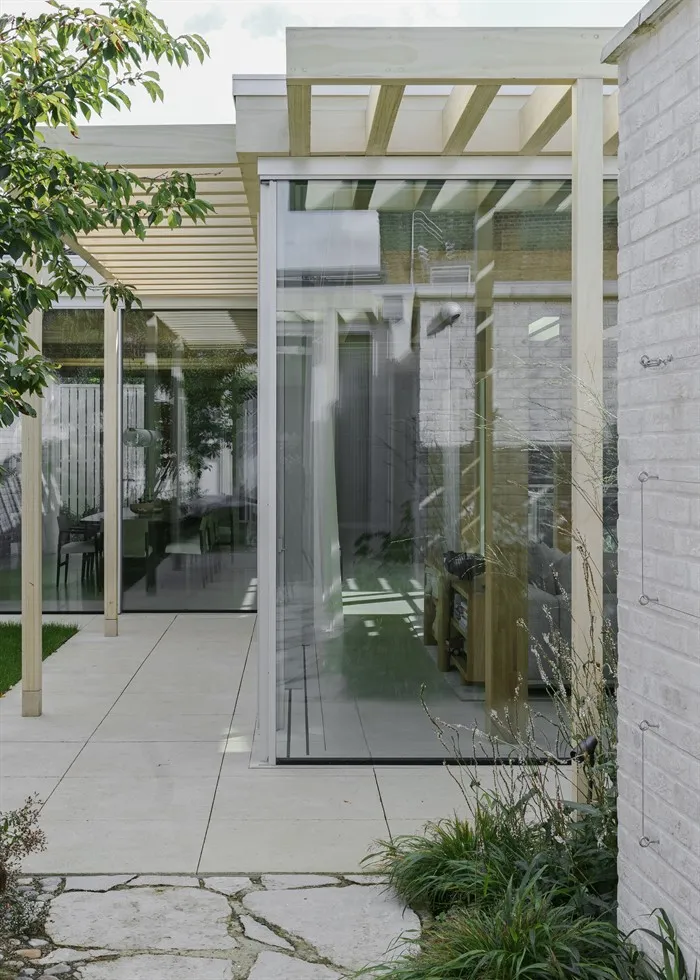
“Niwa” means garden in Japanese, and that sense of calm and enclosure suffuses the project. Built as a home for a family including a wheelchair user, it turns a derelict plot into an oasis of light, gardens, and courtyards. Niwa House is designed as a lightweight pavilion that blurs indoors and outdoors, using a hybrid stone-and-timber structure: oak glulam columns & beams combined with a thicker limestone ceiling, which adds thermal mass. Its sensitivity to aging in place (and disability) is embedded rather than grafted on, and the house balances openness with quiet retreat.
The RIBA Stirling Prize 2025 shortlist highlights six very different yet equally compelling projects, each reflecting how architecture can enrich lives, protect heritage, and respond to today’s challenges.