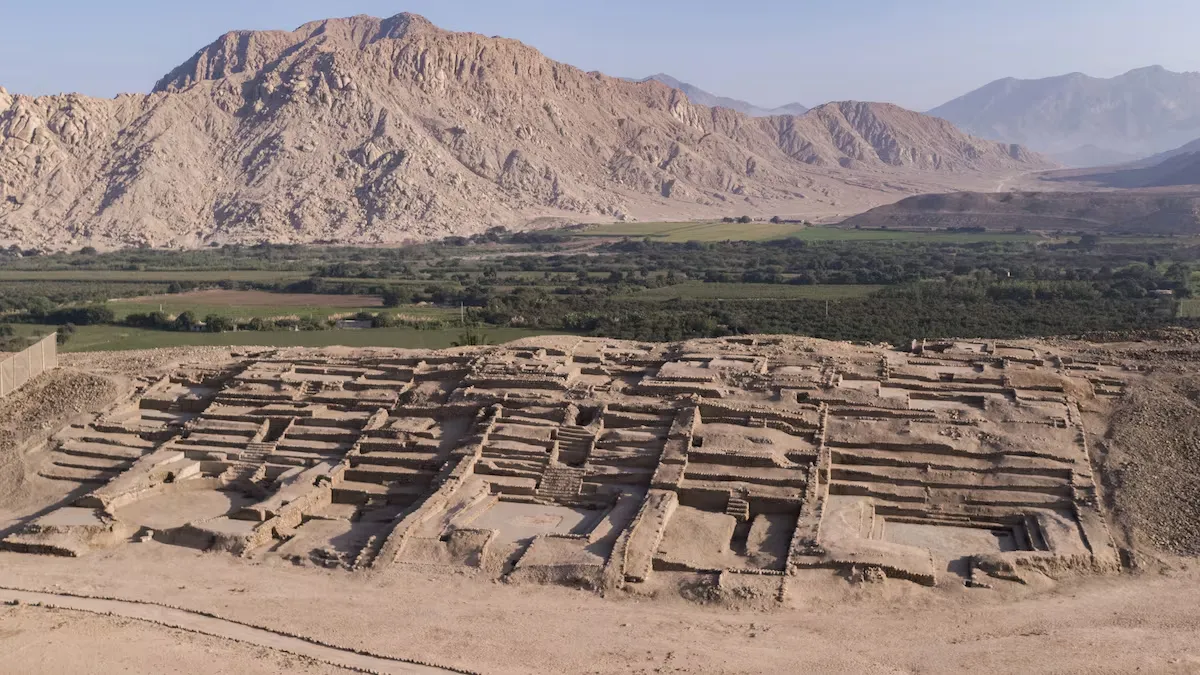
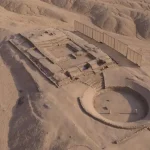
Barranca Province, Peru – Peru’s Ministry of Culture and researchers revealed Peñico, a city founded between 1800 BCE and 1500 BCE, perched on a hillside terrace at 600 m (1,970 ft) above sea level in the northern Barranca province.
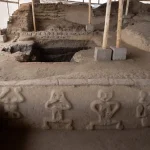
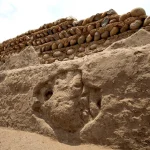
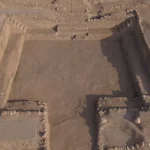
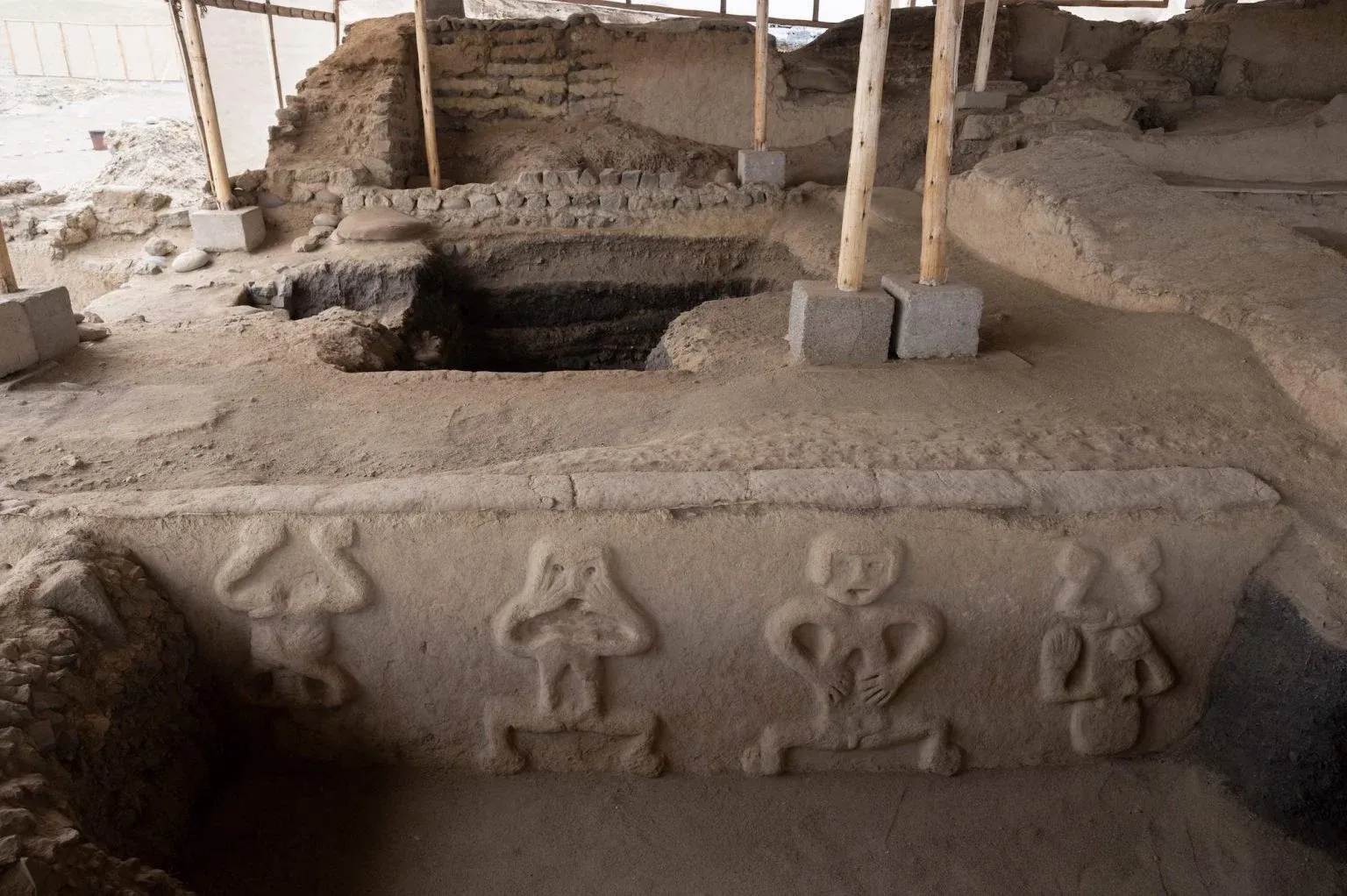
A circular main plaza at the heart of the city, surrounded by eighteen uncovered buildings. These include ceremonial spaces, homes, and administrative areas, all built using local stone and mud bricks. Along the walls of the plaza, archaeologists found carved designs showing the pututu, a conch shell trumpet that was probably used to send signals across distances or during rituals.
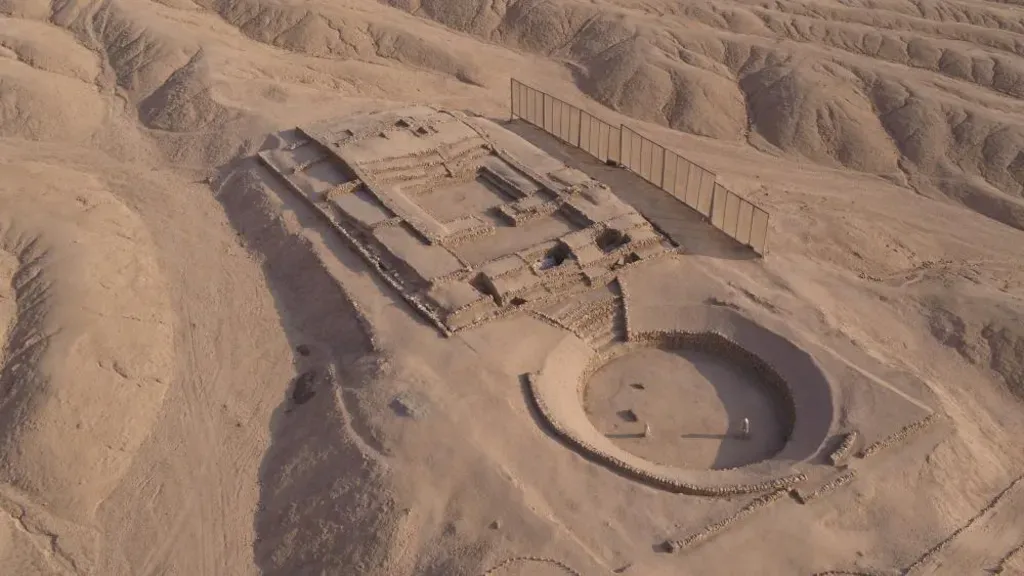
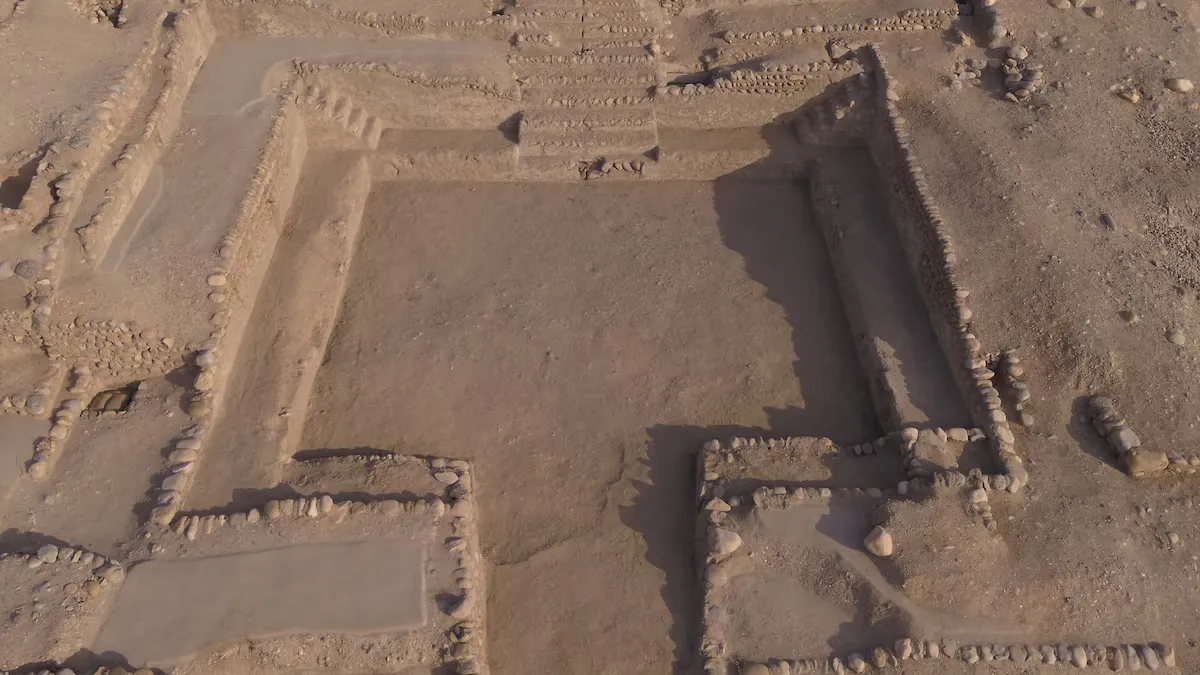
Among the items uncovered at the site were handmade clay figures shaped like people and animals, along with ritual tools and jewelry crafted from seashells and small beads. Traces of hematite, a reddish mineral often used as pigment, were also found in multiple areas, hinting that it may have held cultural or trade value for the people who lived there. One standout building, identified as structure B2, is interpreted as the urban ideological core, housing significant relief work and ritual paraphernalia.
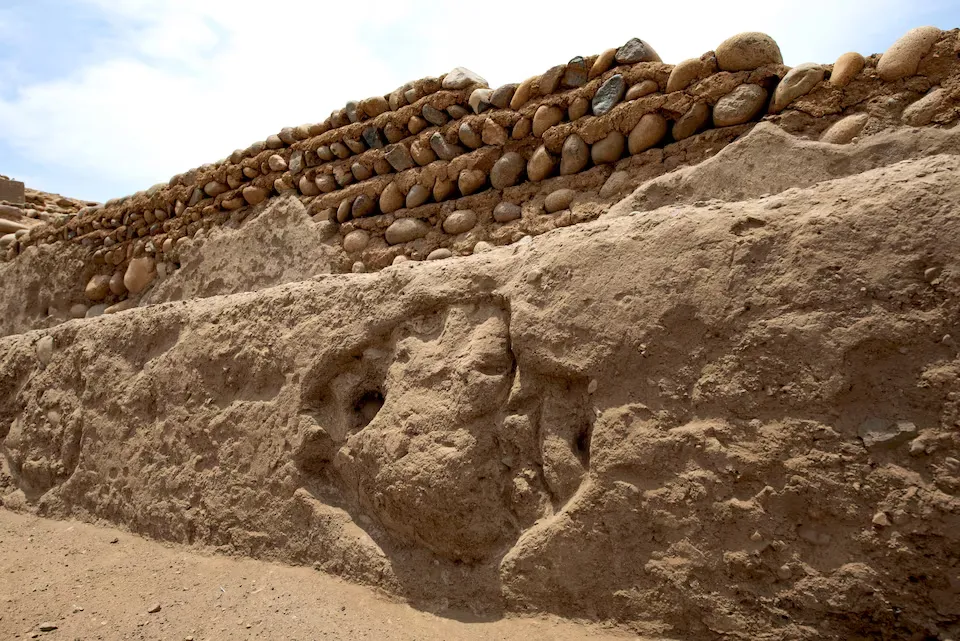
Peñico appears to have functioned as a trading nexus linking coastal communities, the Andean highlands, and even the Amazon basin. Its elevation and location suggest a deliberate choice to mitigate flooding and enhance visibility, perhaps a civic strategy to foster regional unity.
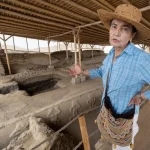
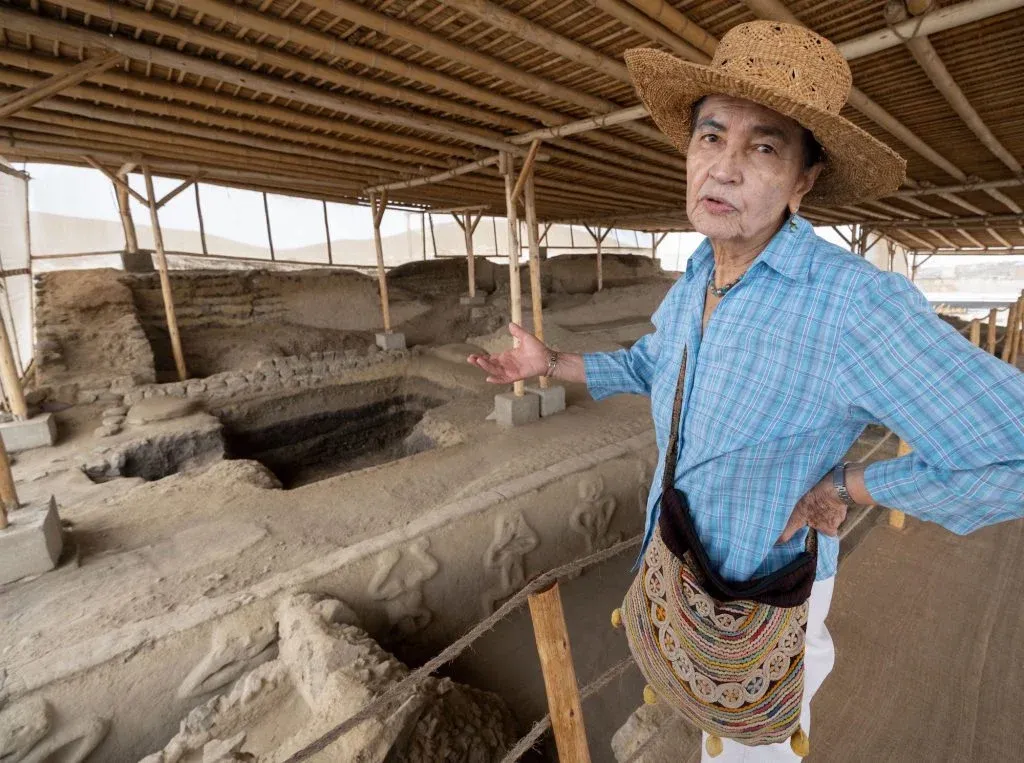
Led by renowned archaeologist Dr. Ruth Shady, whose earlier work on Caral‑Supe reshaped understanding of early American civilization, researchers note that Peñico emerges soon after Caral’s decline around 1800 BCE, potentially representing a migration or cultural transition of Caral survivors, reshaping society in a new locale.
According to Marco Machacuay of the Ministry, Peñico reflects a broader legacy of Civilizational continuity rather than cultural rupture.
Peñico’s timeline places it concurrently with early civilizations in Egypt, Sumer, India, and China. While Caral–Supe is credited as the oldest-known civilization in the Americas (emerging as early as 3500 BCE), Peñico represents a later chapter, an urban echo that carried tradition forward after Caral’s collapse.
The discovery of Peñico is a crucial missing link in Peru’s ancient history, helping to fill a century-long chronological and cultural gap between the collapse of the Caral civilization (around 1800 BCE) and the rise of the Chavín culture centuries later. Its architectural layout, featuring elevated terraces, a centrally planned public plaza, and intricate relief sculptures, demonstrates a high degree of urban planning and environmental adaptation. These elements, along with ritual and symbolic continuities, suggest that Peñico’s inhabitants inherited and evolved aspects of Caral’s societal model, pointing to a resilient and integrated cultural identity.
Moreover, the site’s strategic position between the coast, the Andes, and the Amazon highlights its likely role as a major node in early interregional trade and cultural exchange networks, underscoring its broader significance in the development of complex societies in ancient South America.
After eight years of meticulous excavation and research, which began in 2017, Peñico is now officially open to the public under the management of the Caral Archaeological Zone. The site was formally inaugurated with a traditional Andean sun festival, known as Peñico Raymi, held on July 12, 2025, welcoming both tourists and scholars.