



XIV BIAU returns to Latin America this November, bringing the region’s most closely watched architecture biennial to Brasília under the theme Caring for Life. Over four days the event will examine how architecture can support water systems, vegetation, housing and communities across the Ibero-American world.
The XIV Ibero-American Biennial of Architecture and Urbanism will take place in Brasília from 3 to 6 November 2026 under the theme Caring for Life. Organized by Spain’s Ministry of Housing and Urban Agenda in collaboration with the Consejo Superior de los Colegios de Arquitectos de España and Fundación Arquia, the biennial continues a series that began in 1998 and rotates across the Iberian Peninsula and Latin America.
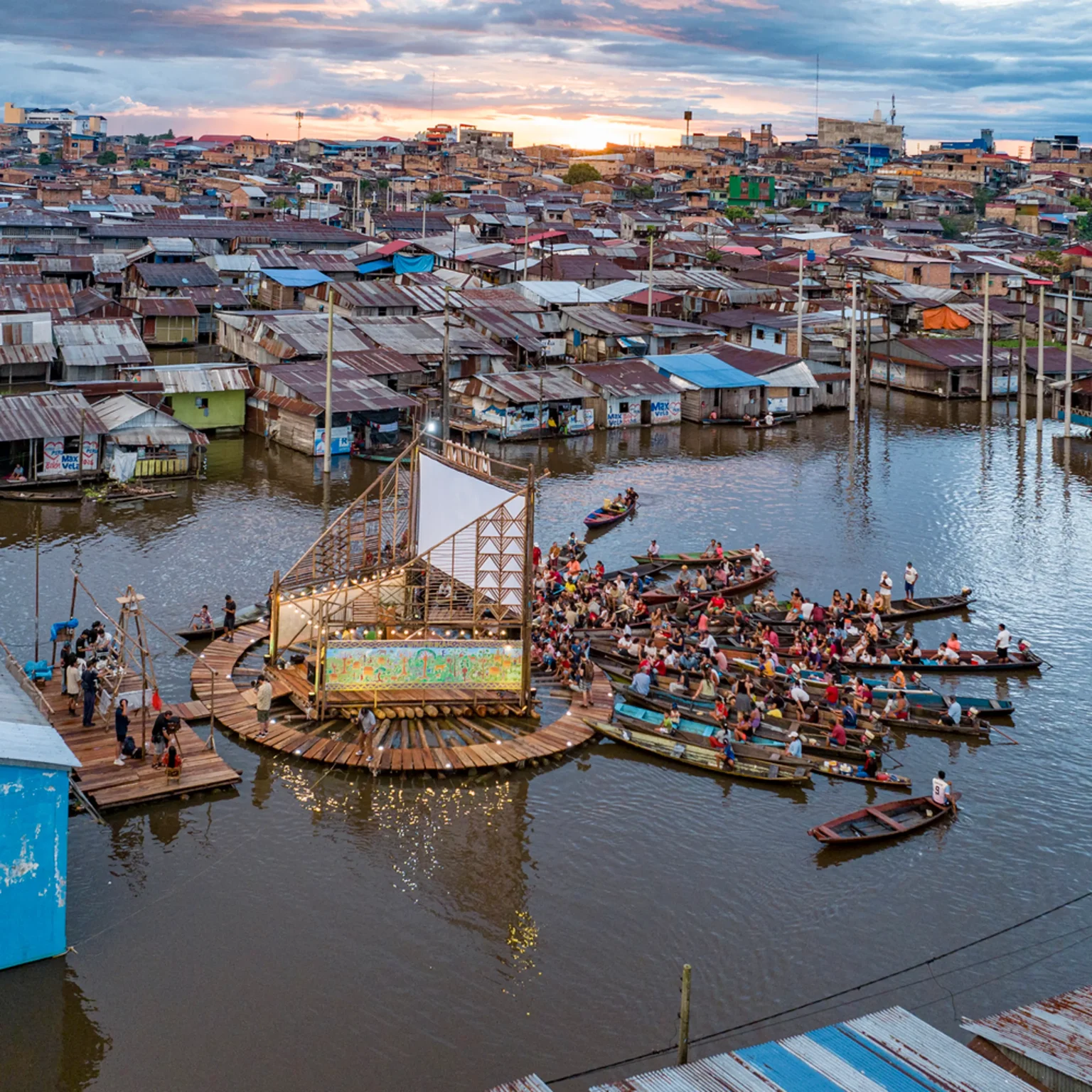
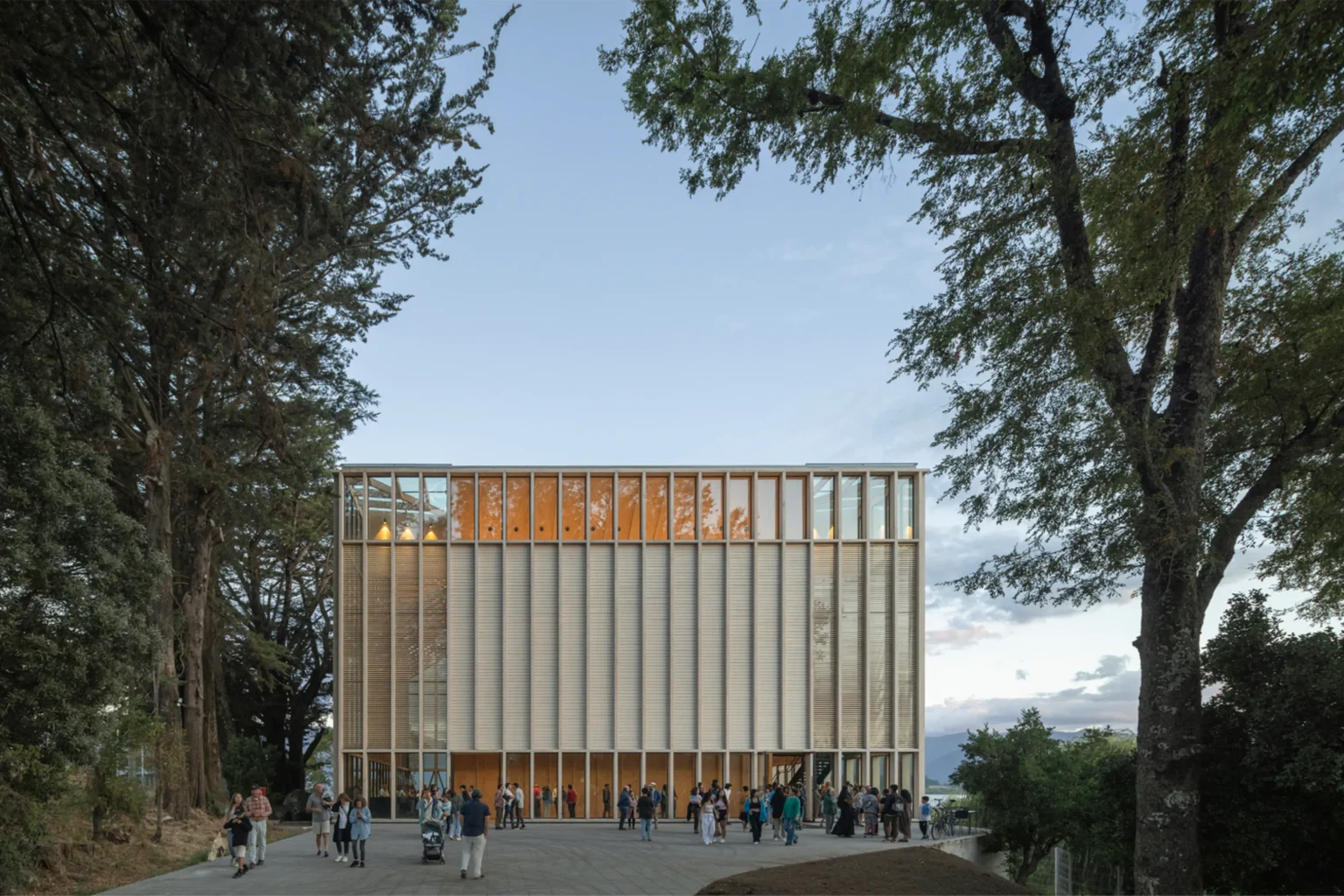
This edition structures its program around four themes: water, vegetation, housing and communities. The curatorial team of Nuno Sampaio, Carlos Quintáns Eiras, Fernando Serapião, Matheus Seco Ferreira, Daniel Mangabeira da Vinha and Luciana Saboia has selected works that treat architecture as a practice capable of sustaining life rather than simply occupying space.
From Selection to Finalists
In July 2026 the organizers announced 174 selected proposals from more than 700 submissions. By late September the list had been refined to 46 finalists: 34 works and 12 publications. The jury emphasised projects that engage natural systems as active infrastructures, that incorporate community participation, and that address housing beyond the individual unit to include streets, neighborhoods and climate-responsive construction.
The choice of Brasília is deliberate. Founded in 1960 as a bold experiment in modern planning, the city now stands as both achievement and cautionary example. The biennial uses that dual legacy as a backdrop for examining current territorial transformations across the Ibero-American region.
Programme and Venues
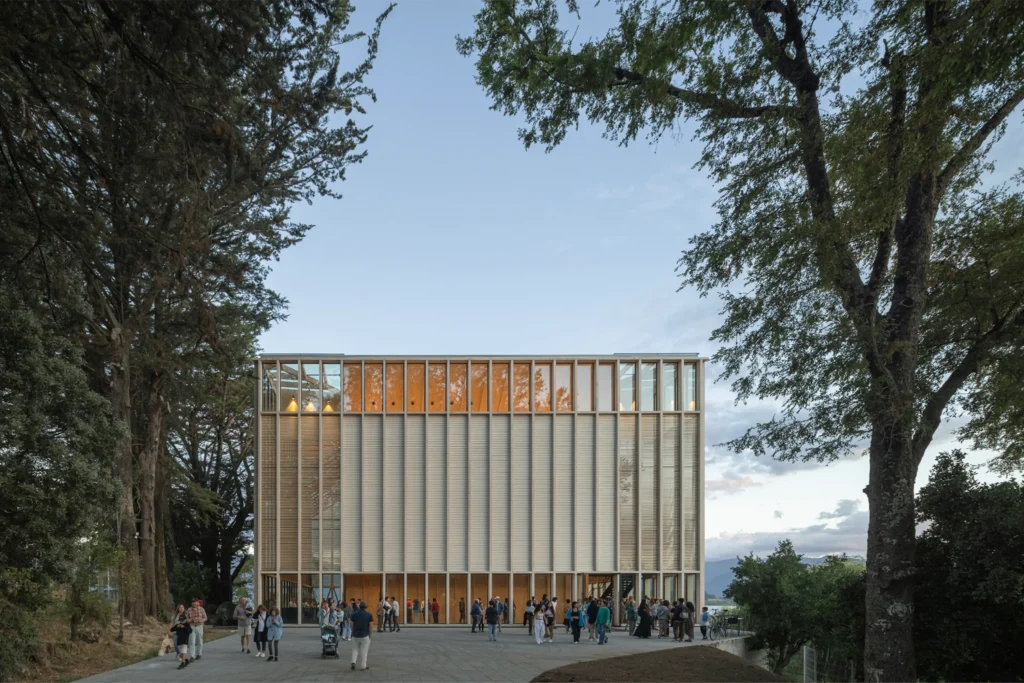
Activities will unfold at the Teatro Nacional Cláudio Santoro, SESI Lab, the Universidade de Brasília, Cine Brasília and Index SCS. The opening on 3 November includes institutional ceremonies, Lifetime Achievement Awards for Gonçalo Byrne, Erminia Maricato and Frederick Cooper Llosa, an exhibition opening and a concert by the Brasília Symphony Orchestra.
Subsequent days feature parallel debates on the four core themes, a session on new territories coordinated by Solano Benítez with Angelo Bucci and others, lectures, and the final awards ceremony. The program mixes professional exchange with public cultural events, including a concert by Ellen Oléria.
Architecture as Care
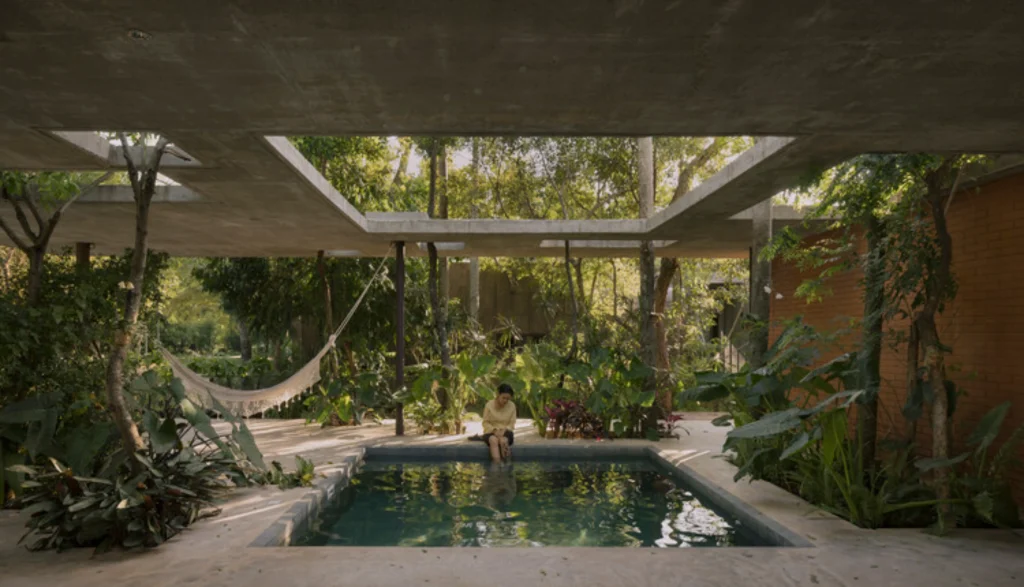
The theme Caring for Life reframes architectural quality. Finalist projects treat water and vegetation not as resources to be managed but as systems that regenerate landscapes. Housing proposals consider collective life and climate adaptation. Publications explore education, memory and inequality as legitimate architectural concerns. Computational design appears in several selected works as a tool for analyzing complex territories and testing modest, context-specific interventions rather than as a generator of iconic form.
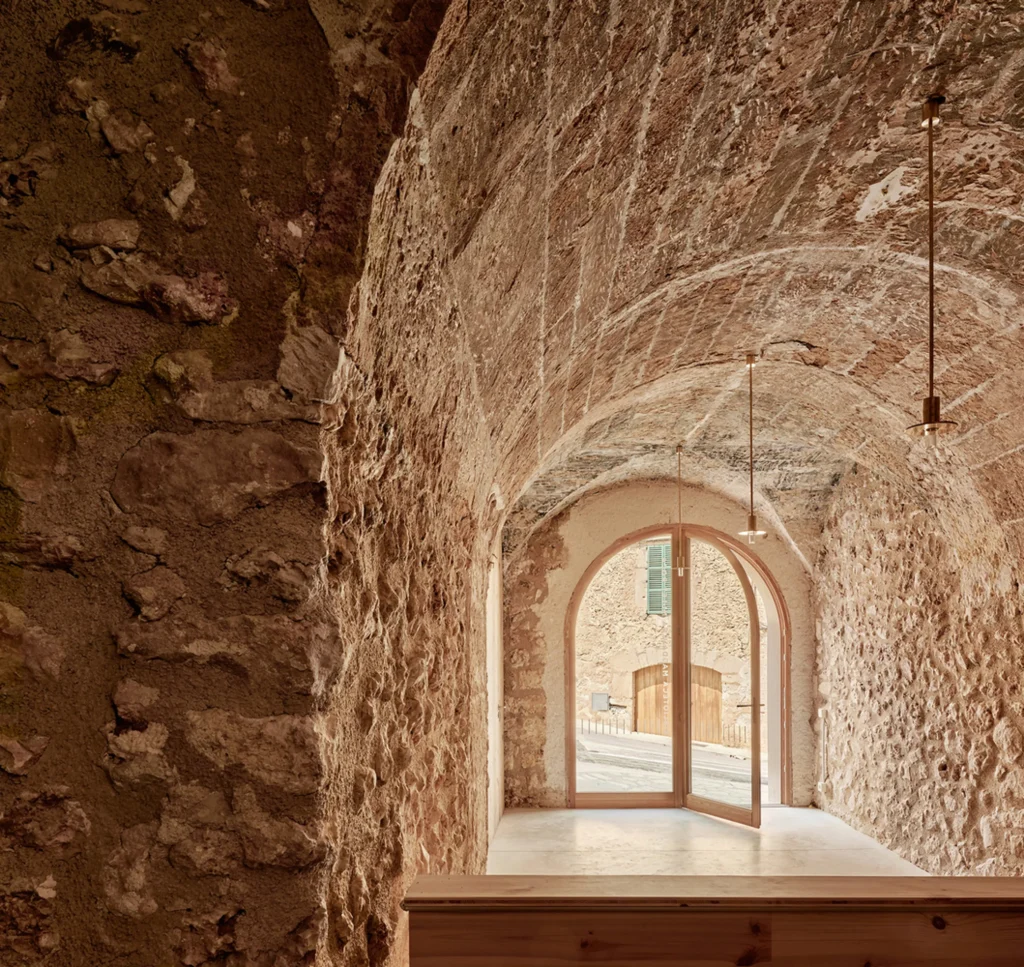
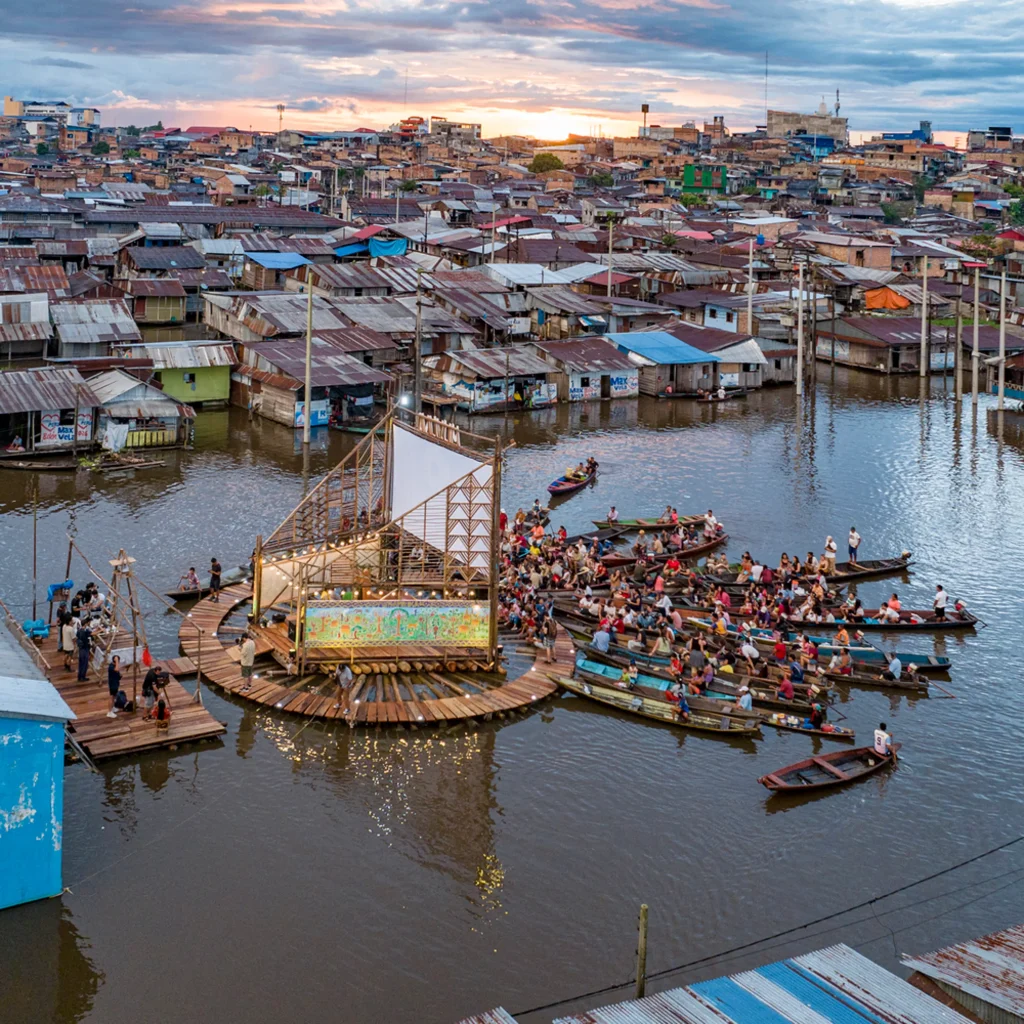
Across the selected projects, the emphasis falls on relationships rather than objects. Water is treated as a living infrastructure that can cool, clean and connect. Vegetation is understood as structure as much as scenery. Housing is examined at the scale of the street and the neighborhood, not only the individual unit. Communities are approached as active partners in the design process rather than passive recipients of finished buildings.
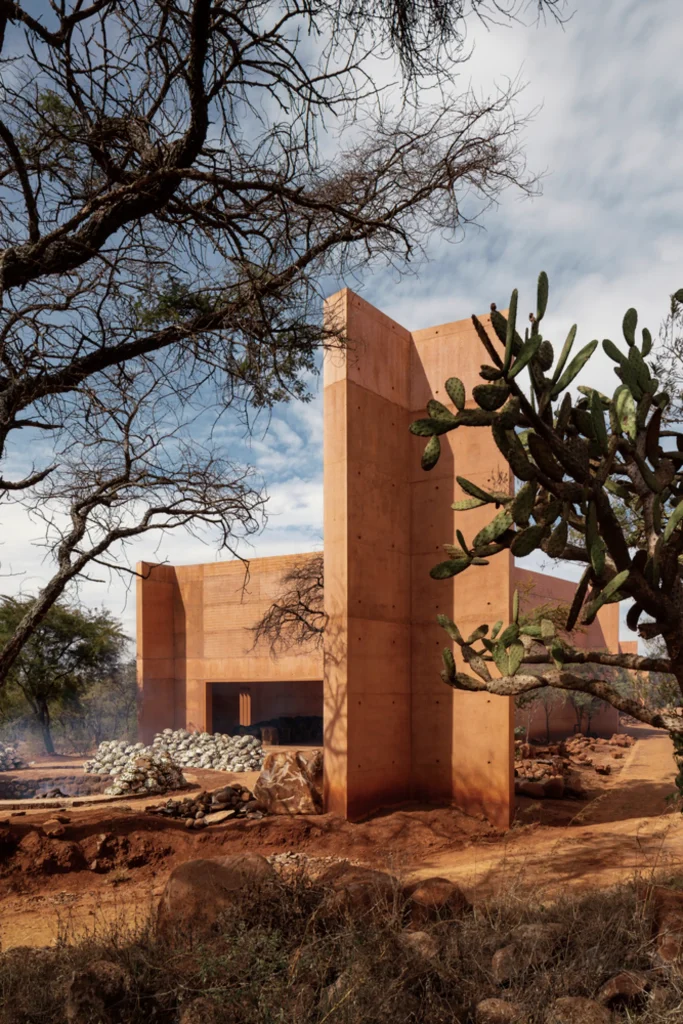
This orientation carries implications for how architects work. It rewards careful reading of existing conditions, modest construction methods suited to local climates and economies, and long-term stewardship over short-term spectacle. It also places publishing and research on equal footing with built work, recognizing that ideas about care need to circulate if they are to influence practice.
A Biennial That Looks Outward
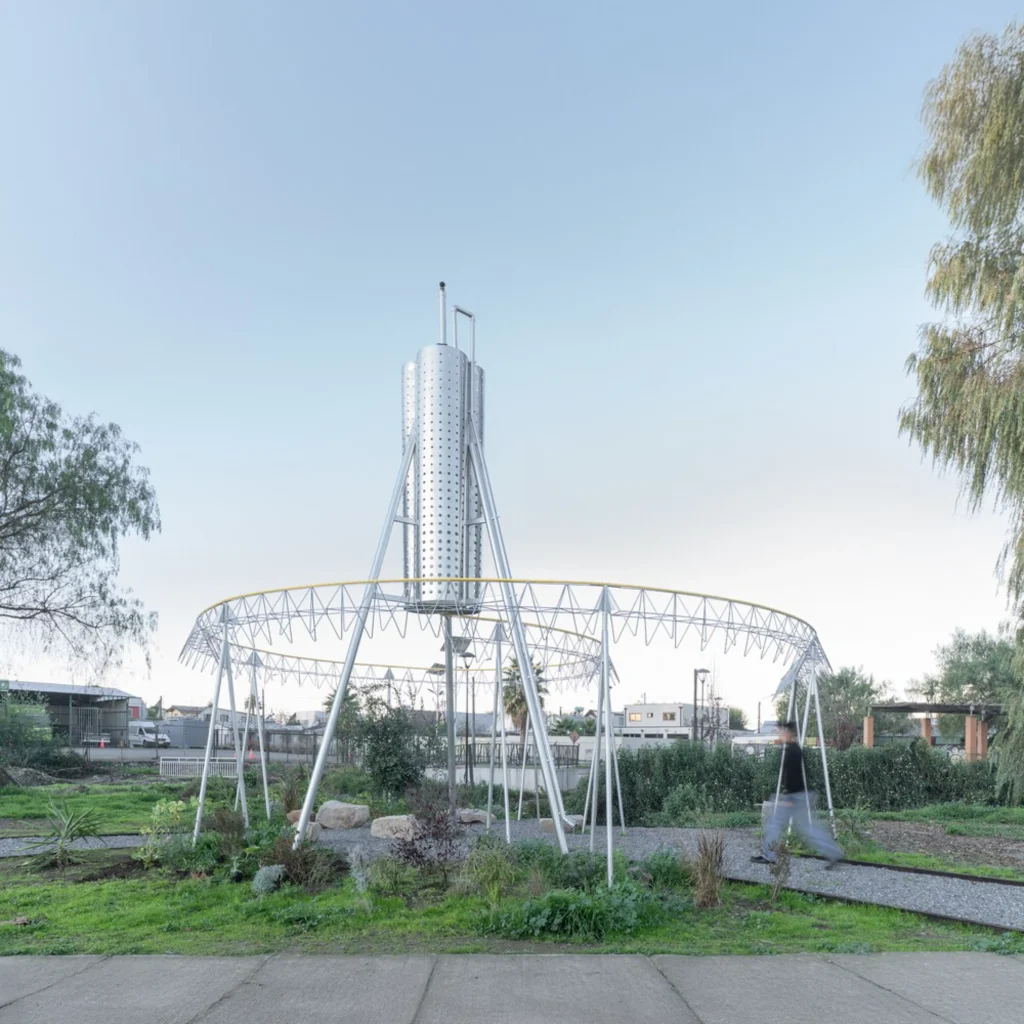
The XIV BIAU arrives at a moment when many cities face the limits of earlier growth models. By locating the conversation in Brasília and organizing it around the conditions that sustain life, the biennial asks architecture to measure itself against outcomes that extend beyond the building. Whether the selected works and the debates that surround them can influence practice remains to be seen. The gathering itself already marks a shift in emphasis: from formal innovation alone toward the quieter, more demanding work of care.
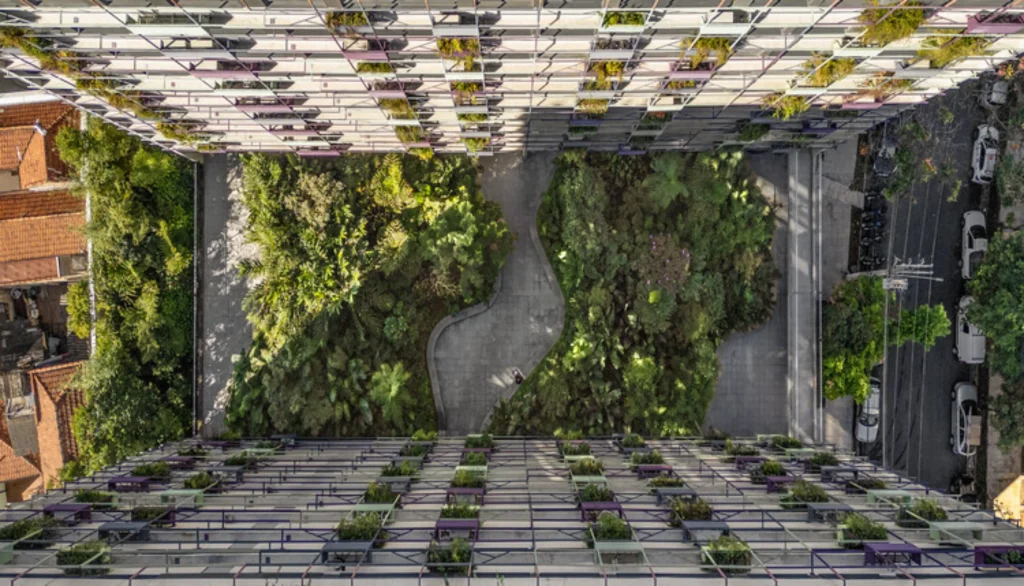
In a city designed as a complete statement about the future, the biennial opens space for unfinished questions. How can architecture support the systems that keep places liveable? How can it respond to water, plants, housing shortages and social bonds without reducing them to technical problems? The four days in November will not answer those questions, but they will place them at the center of the conversation.
What the Theme Holds
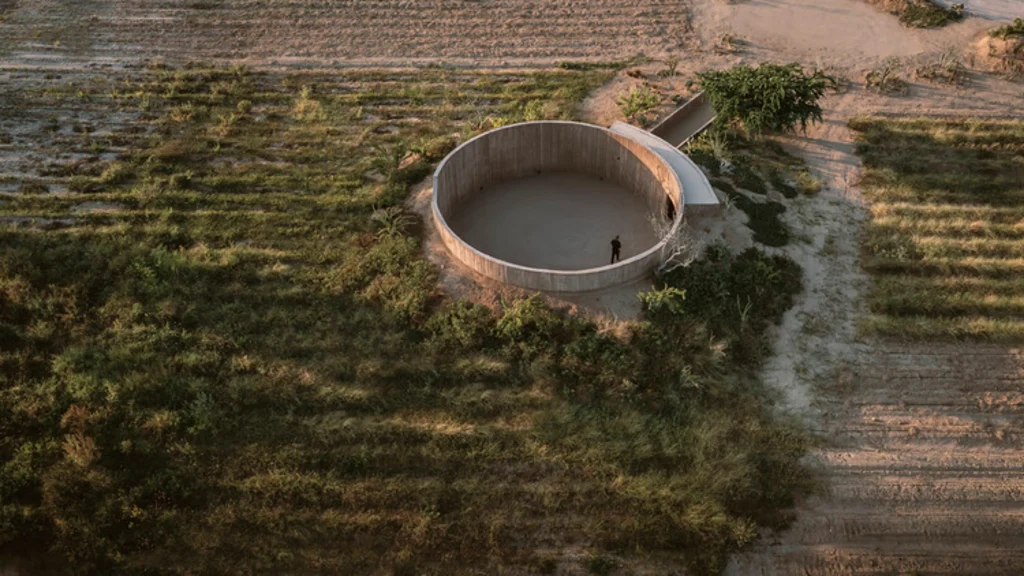
Caring for Life is not a soft slogan. It is a demand that architecture account for the conditions that allow people, landscapes and communities to continue. The XIV BIAU stages that demand in a city that once promised a new way of living. The real test will be whether the ideas presented in Brasília travel outward into the territories that need them most.