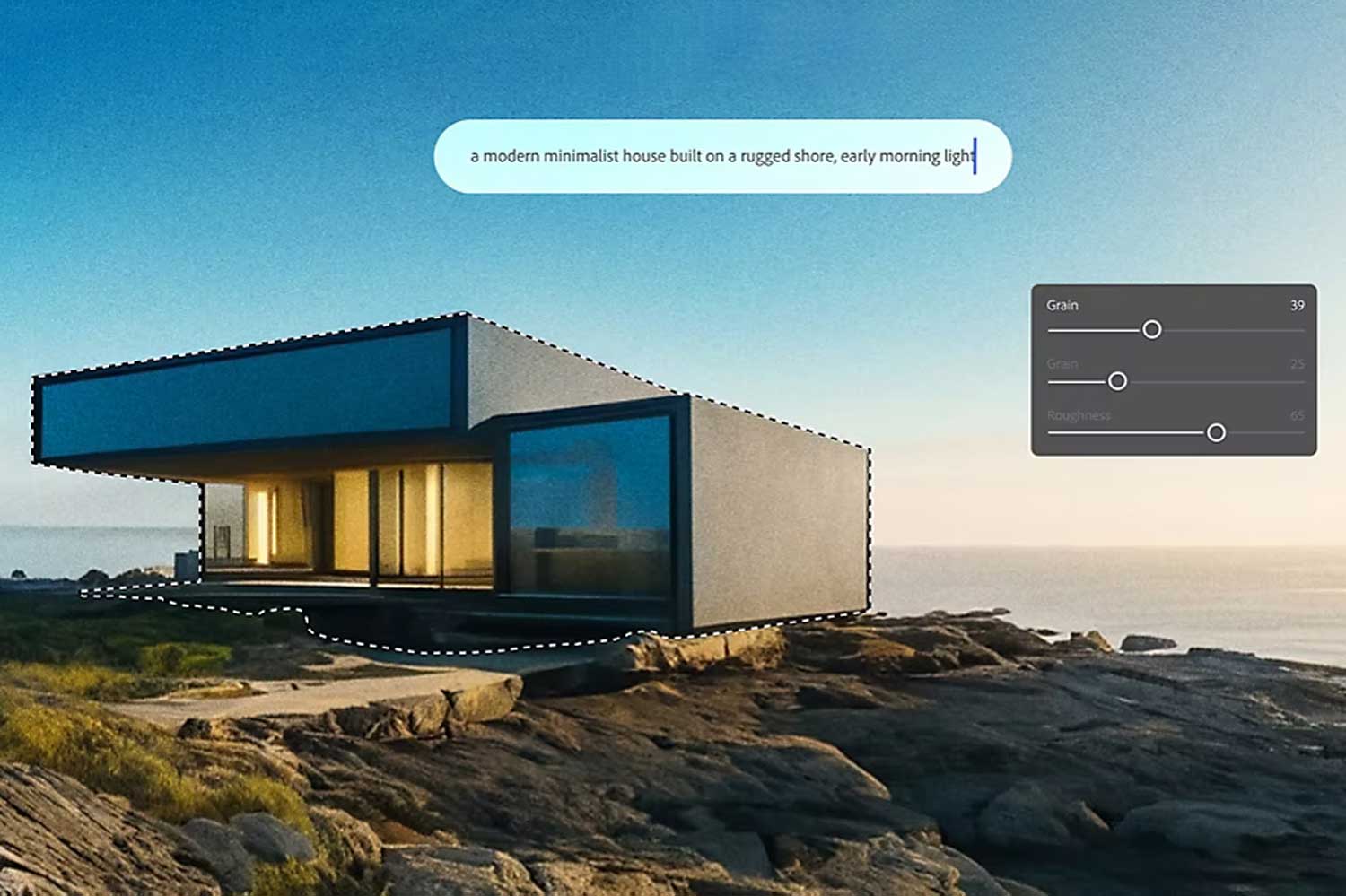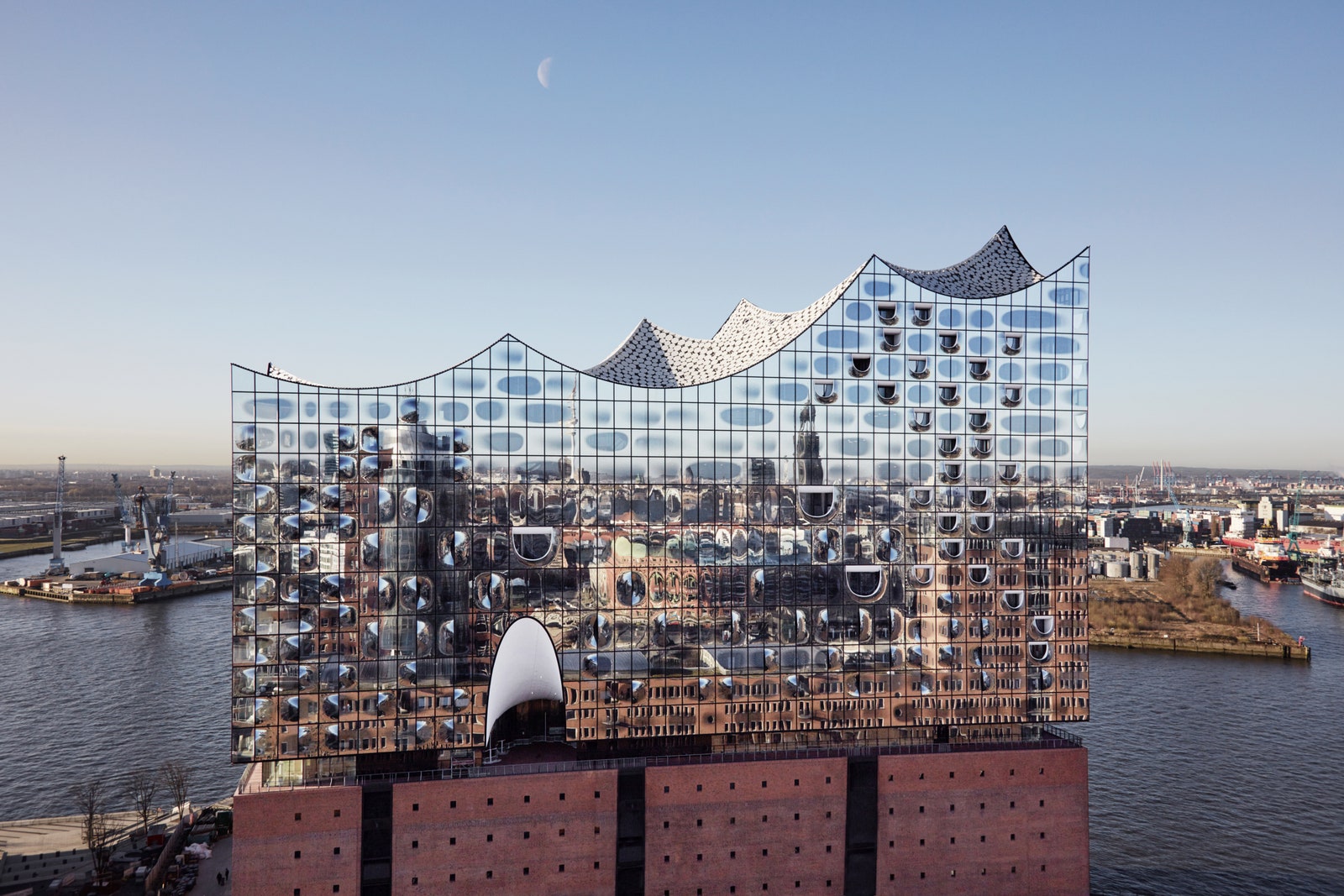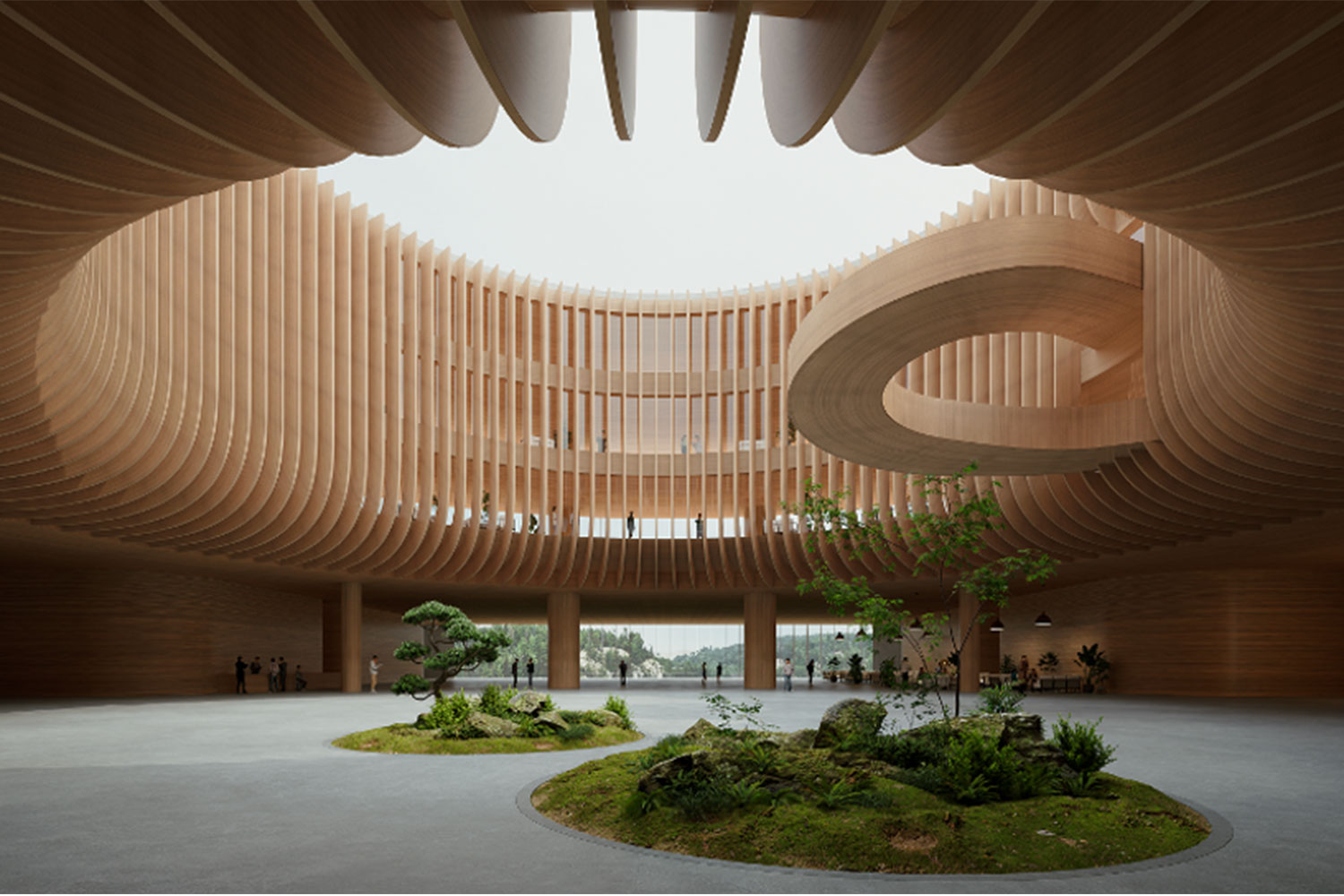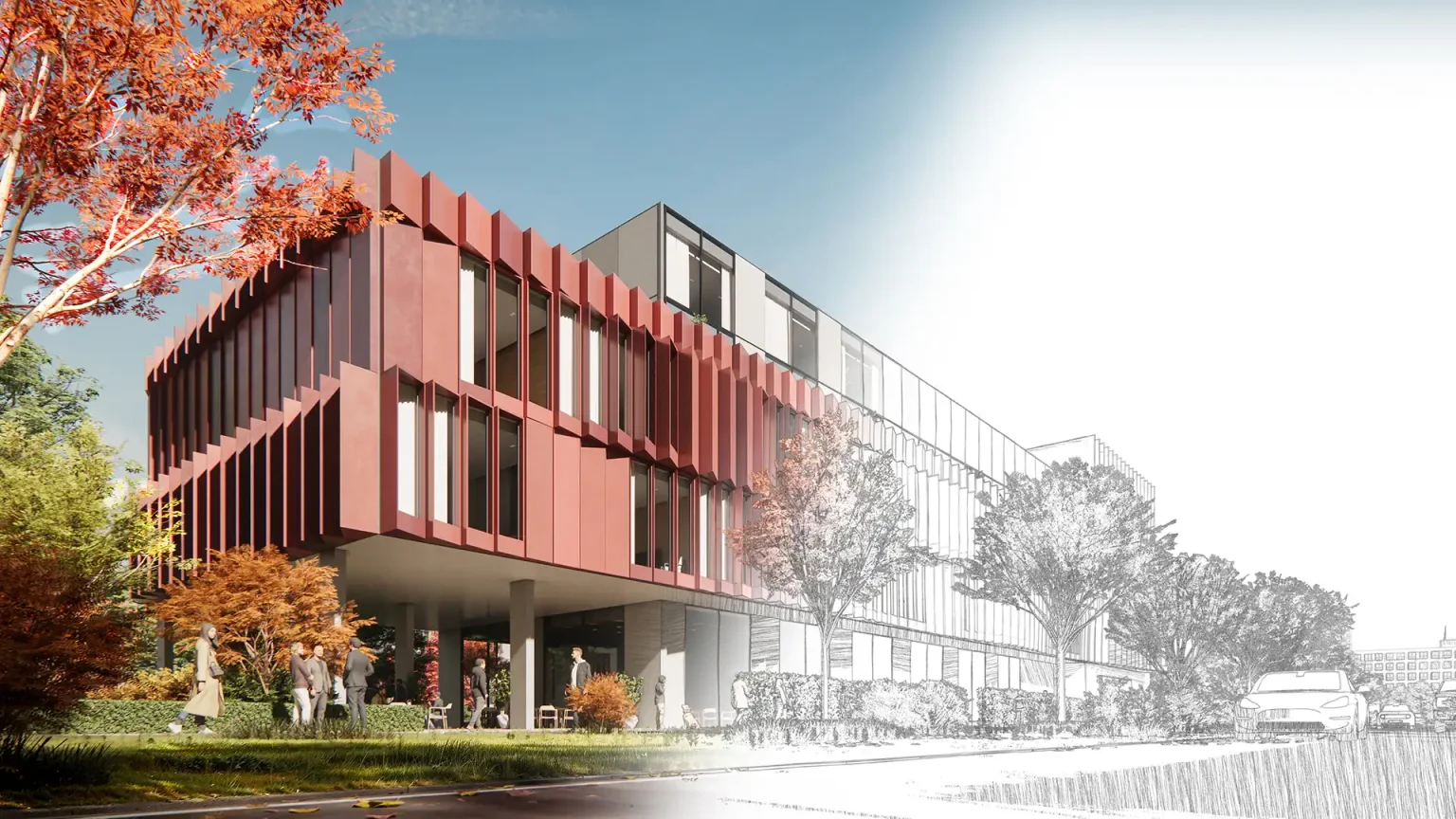






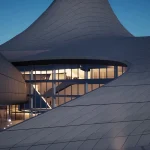



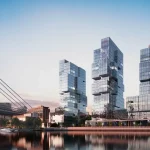
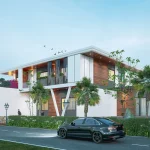
The brain processes visuals in as little as 13 milliseconds, making them the fastest form of information intake (Potter et al., 2014). Ideas become steps to take when they are communicated accurately. Visualizing the ideas correctly is the most important step of the road ahead. Nowadays, it is getting easier with Artificial Intelligence. Here you can read all about it. But now the topic is, which tools can creators rely on while making their visions come to life?
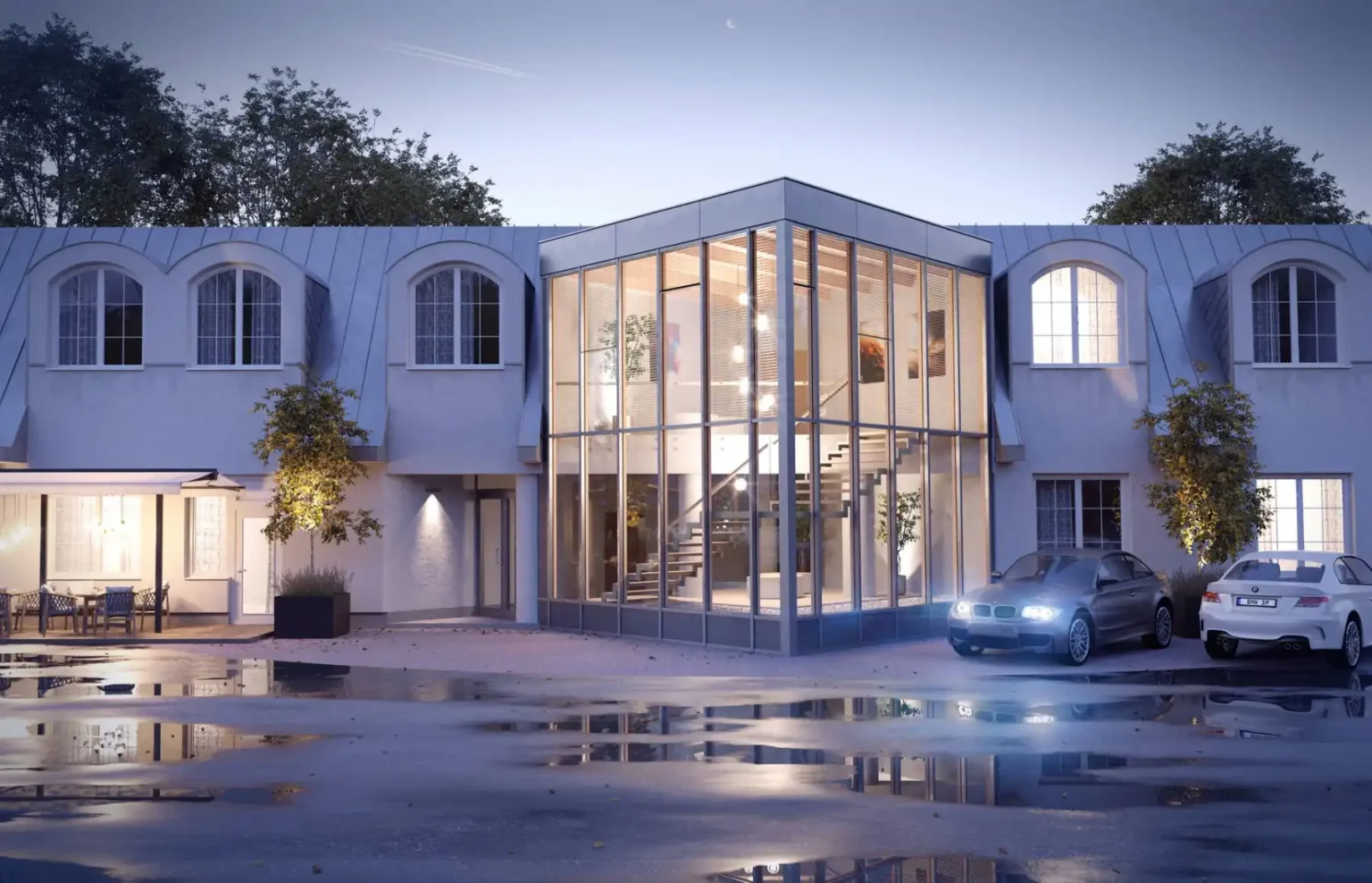
Rendering is a 2D image or a video generated by using a 3D modeling computer software. There are 2 types of rendering processes. Real-time rendering and Offline rendering. Real-time rendering is used in video games and virtual reality, while offline rendering is used in movies, architectural visualizations, and product design. Different type of renderings requires different processors, which brings us to the understanding of GPU (Graphics Processing Unit) and CPU (Central Processing Unit).
CPU is a general processor for the computer expected to complete general-purpose tasks such as running operation systems, browsing the internet, media playback etc. In terms of rendering, the CPU can be used in offline rendering, especially high-quality photorealistic renders.
GPU is a specialized processor designed to handle complex mathematical calculations for graphics rendering. It is perfectly suitable for real-time renderings and extremely fast due to its parallel processing.
GPU is a-to-go processor for real-time rendering engines like Unity and Unreal Engine. CPU-based renderers are better for offline rendering. There are rendering engines that offer both. Let’s have a look:
1. V-Ray
If you are somewhere in your 3rd or 4th semester in design or architecture-related fields, you may have already met with V-Ray. At least you may have tried to include it in your Rhino or Sketchup workflow. V-Ray is one of the most popular render engines for architecture or product design, offering photorealistic rendering and compatibility with tools like Rhino, SketchUp, Revit, and 3ds Max. It is perfect for detailed, high-quality visuals. V-Ray uses adaptive ray-tracing technology which calculates the distribution of light as well as the physical properties of materials.

2. Lumion
Lumion is a real-time rendering and animation tool specifically designed for architects to create instant visuals. It offers a wide range of objects and materials in its library. The ‘Visualize as you design’ motto gives reliability and credibility to the creators as the software allows them to make changes in real-time and receive the results directly with the LiveSync feature. Lumion is compatible with all major 3D modeling software, which helps save time and effort in the creative process. The latest version offers powerful real-time ray tracing, accelerated video rendering speeds, and new high-quality content assets. Also, Lumion’s OpenStreetMaps feature allows users to import the real-world terrains in which the project will be built. Another mentionable feature is the Precipitation effect that allows users to visualize weather effects. Enjoy!
3. Enscape
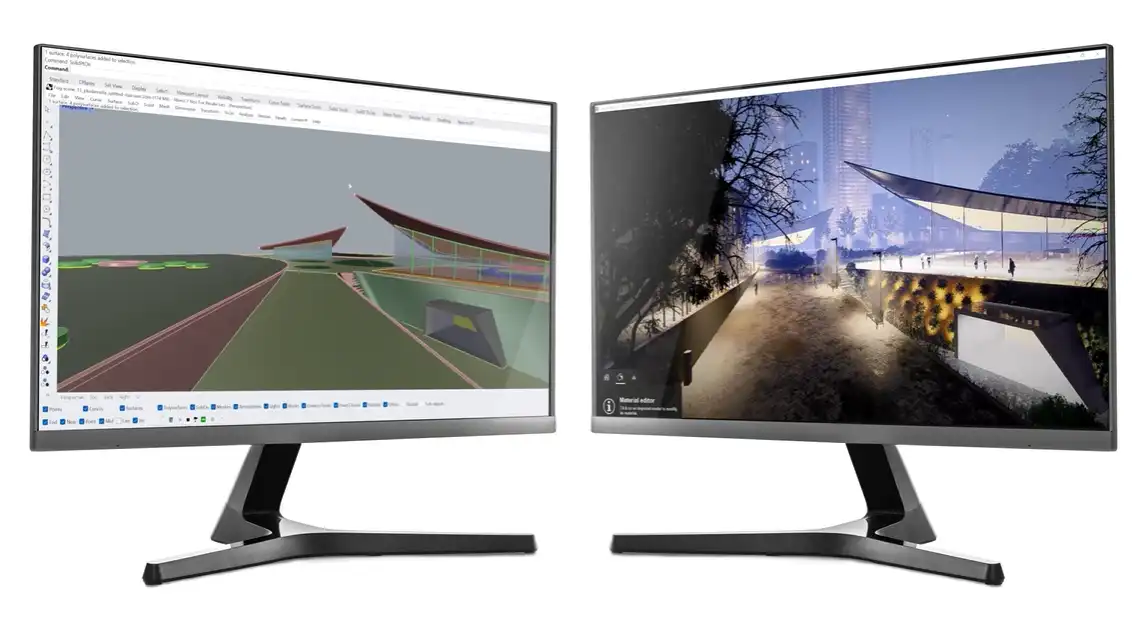
Enscape is developed by the same company, Chaos Group, as V-Ray. The key difference between those softwares is Enscape offers real-time rendering and fast iterations. High-quality assets and materials are enriching the program. It has an embedded ChatApp feature that enables users to communicate and discuss the projects with their colleagues. Enscape prioritizes fast, simple, and interactive results. Enscape is compatible with major 3D software like Revit, Rhinoceros, Archicad, Sketchup, Vectorworks, and VR sets like Oculus Quest 2, HTC Vice, Vive Pro, Valve Index, and Windows Mixed Reality Headsets. You can ‘‘WOW’’ your clients with VR presentations or visuals enhanced with AI. Also, you can share your visuals with a QR code. Smooth!
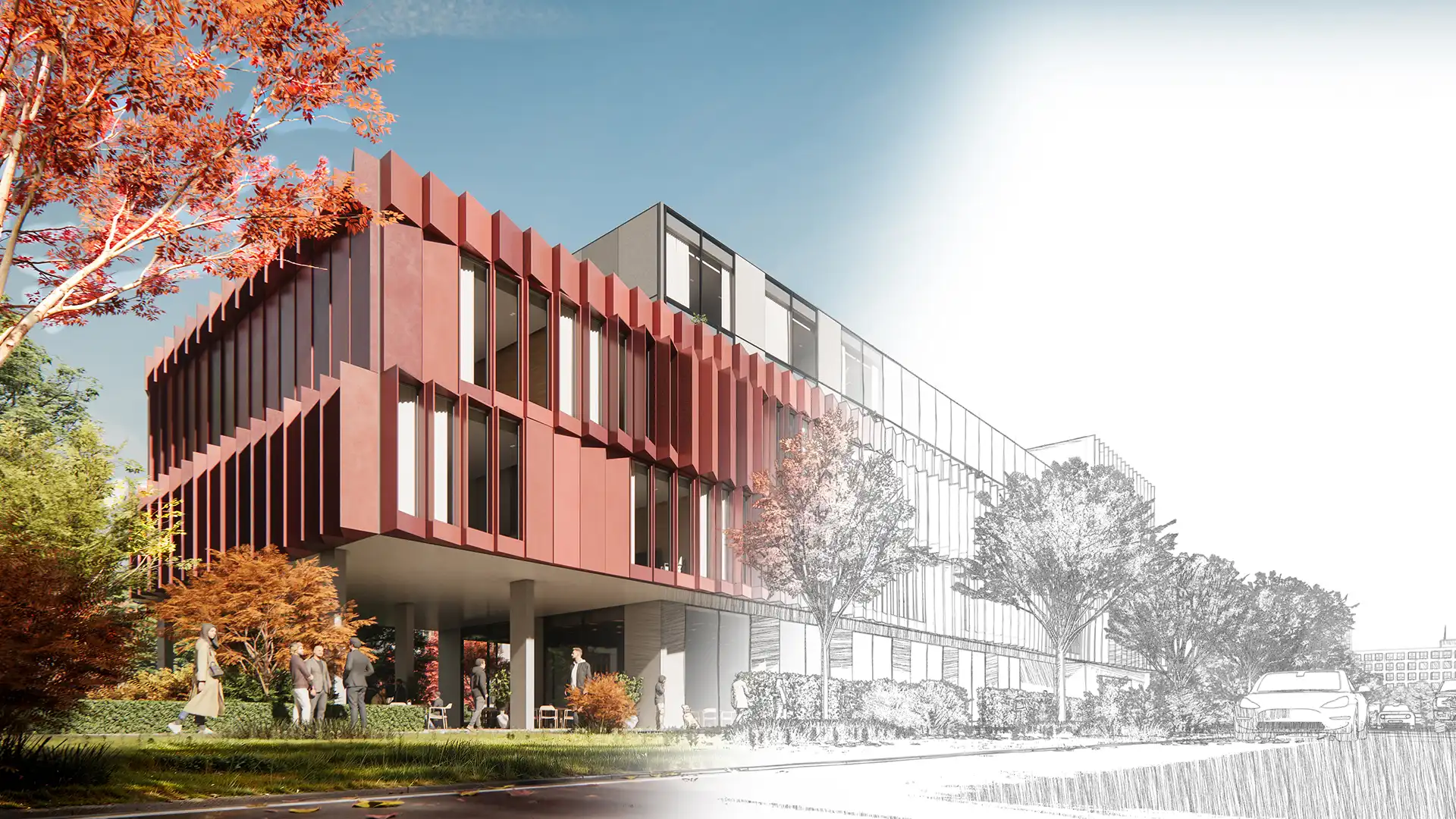
4. Keyshot Studio
One of the industry favorites, Keyshot offers hustle-free visualization with its intuitive, user-friendly interface and easily applicable drag-and-drop textures and materials. It provides fast render speed on both CPU and GPU with stunning, accurate, photorealistic image results. It supports industry-leading CAD formats, ensuring your valuable time is not spent with file compatibility concerns. It is trusted by teams at Caterpillar, Motorola, Peloton, Porsche, Sonos, Under Armour, Volvo, Nikon, etc. Also, creating animations couldn’t be simpler. I had to learn it in 3 days, and it didn’t let me down. Thanks, Keyshot!
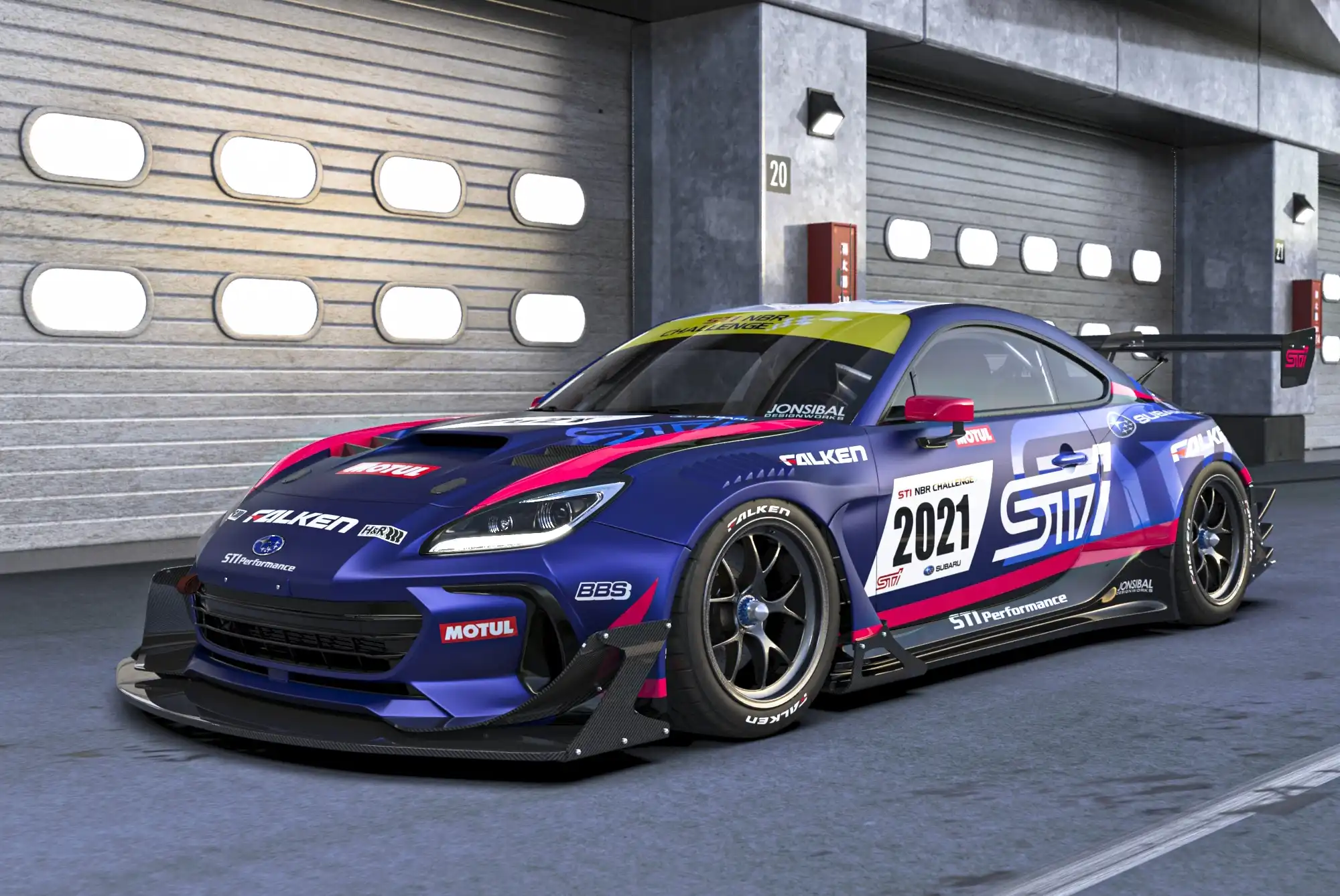
5. Blender (Cycles)
Cycles is Blender’s ray-trace-based production render engine. What is very appealing about this is Blender offers free of charge open-source usage. It is perfect for budget conscious users who want to achieve hyper realistic results. Cycles use path tracing, a rendering technique that simulates the way light naturally behaves in the real world. This method ensures realistic lighting, shadows, and reflections. It can be overwhelming to learn for beginners, but once you get used to using it, you can optimize your workflow perfectly.
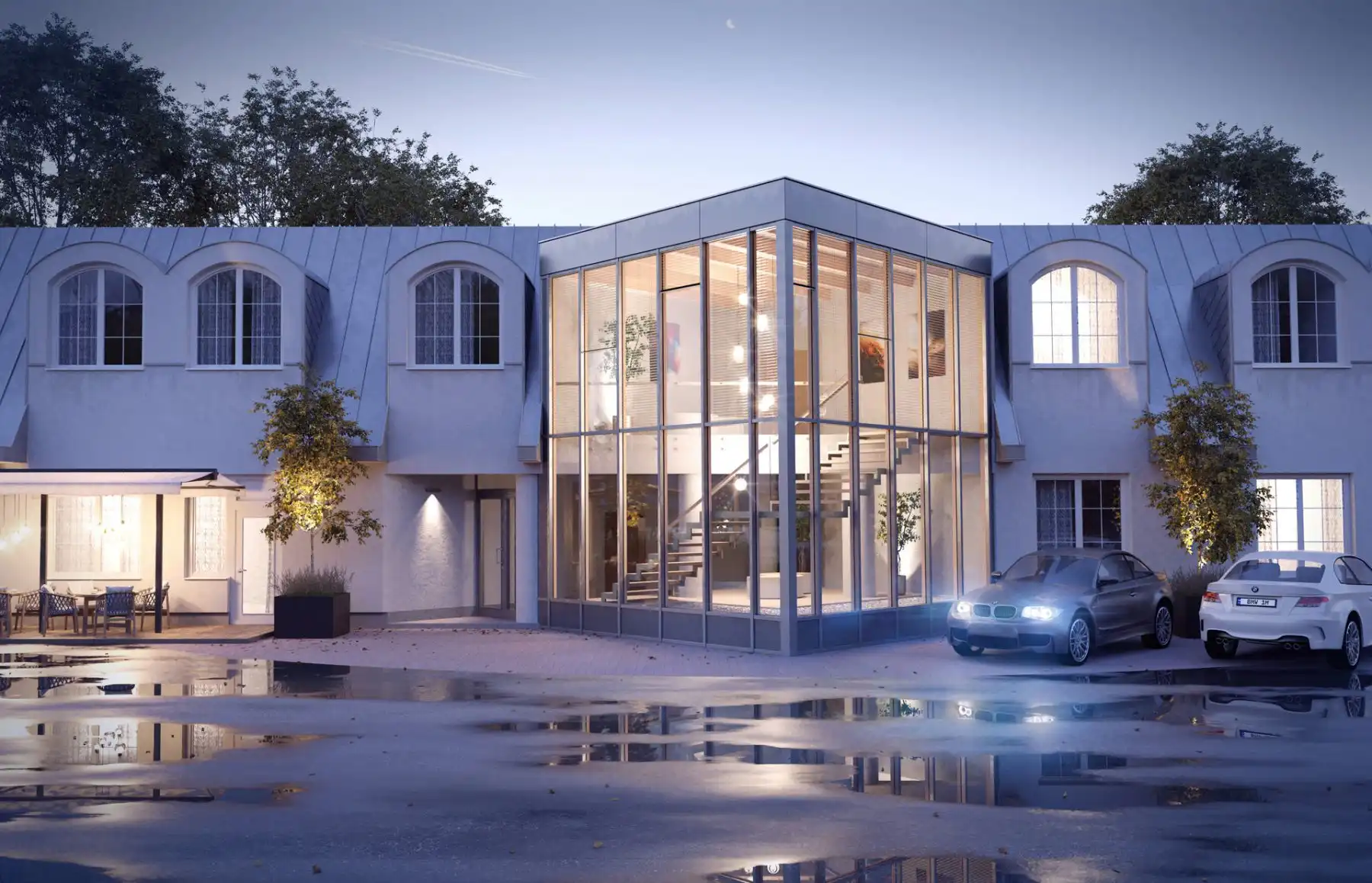
6. Twinmotion
Twinmotion is an intuitive, real-time visualization tool designed for architects and urban planners. Owned by Epic Games (the creators of Unreal Engine), Twinmotion simplifies the rendering process with drag-and-drop functionality and an expansive library of assets. It’s known for its speed, allowing users to create high-quality visuals and animations in record time. Twinmotion’s direct synchronization with design software like Revit, SketchUp, and ArchiCAD makes it an excellent choice for professionals who value time efficiency. Plus, its ability to produce VR-ready models means you can deliver cutting-edge presentations to clients.
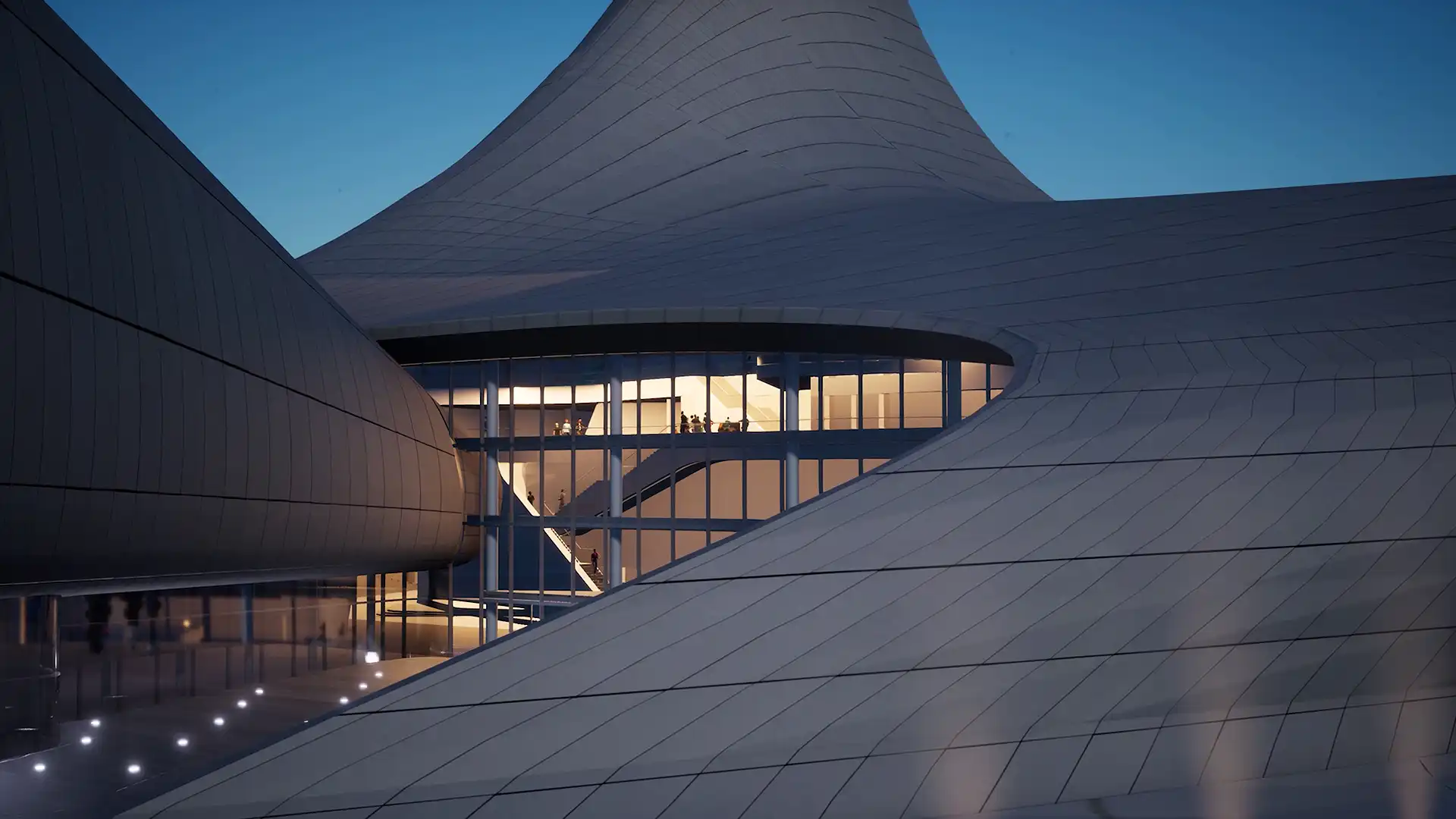
7. Unreal Engine
Unreal Engine is more created as a game engine. It’s also a real-time rendering tool that has found its way into architecture and product visualization. With its advanced rendering capabilities, Unreal Engine offers hyper-realistic visuals and interactive experiences. It uses GPU power to create real-time ray tracing, allowing for dynamic lighting and reflections. Unreal Engine’s Blueprint system also allows for customization without requiring extensive coding knowledge. An interesting fact for gamers: Fortnite is using Unreal Engine to create its virtual environment, which clearly shows the dynamic power of the rendering engine.
If you’re interested in learning more, our upcoming PAACADEMY workshop on The Unreal Engine Blueprint could be a great fit for you! The workshop aims to form a foundational understanding of Unreal Engine’s Blueprint system and explore its use for architects and other CAD designers.

8. Octane Render
Octane Render is a GPU-based rendering engine that helps create fast, accurate, high-quality rendering. It’s developed by OTOY and is compatible with major 3D modeling software such as Cinema 4D, Maya, and Blender. Octane’s strength lies in its physically accurate light simulation and material rendering, making it a favorite for photorealistic results. What sets Octane Render apart from other rendering engines is that it uses Spectral Rendering, which enables users to create photorealistic accuracy in light behavior. This feature makes the engine eligible for product and architectural visualization and cinematography.
9. D5 Render
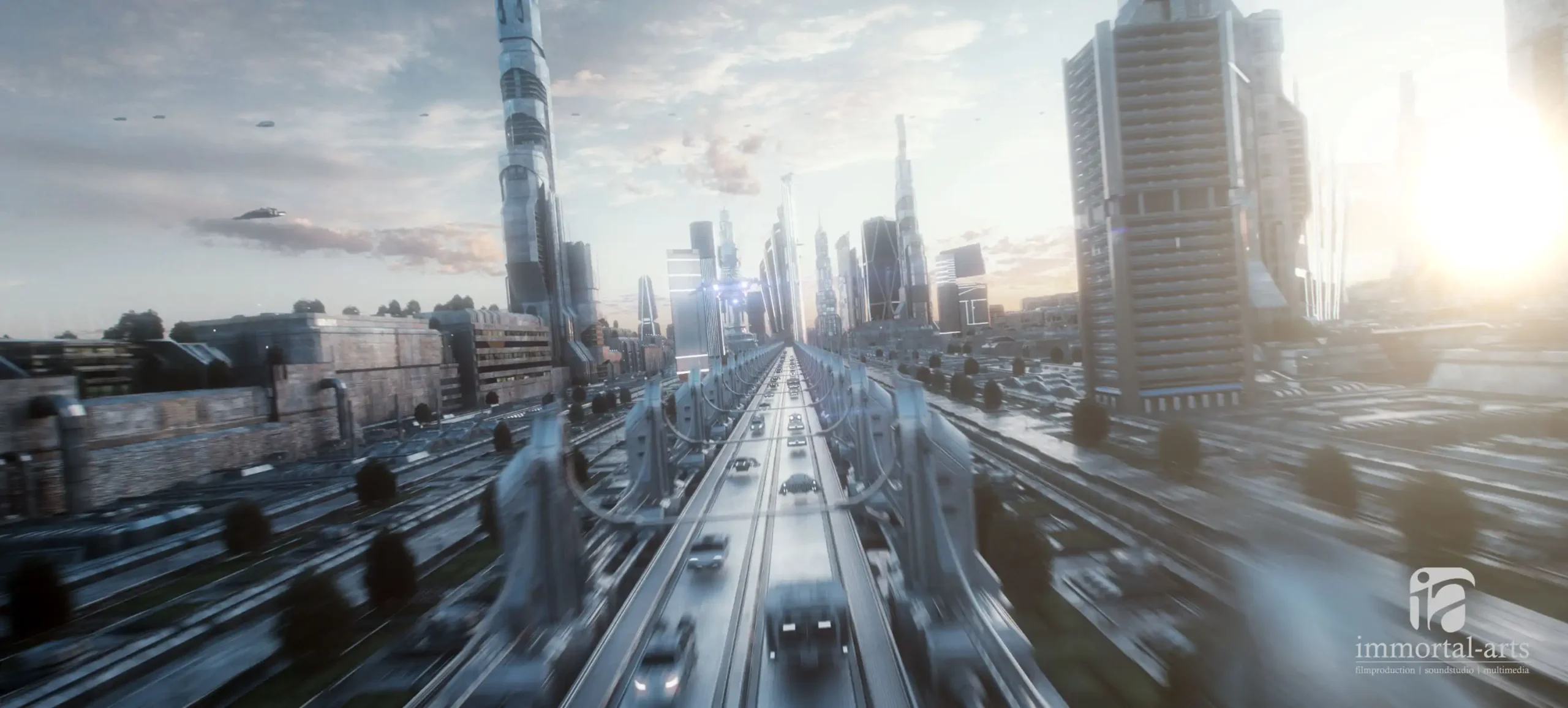
D5 Render uses Raytracing technology to create quality images. It aims to offer fast but realistic results. Global Illumination feature allows users to perfect the scene by changing the lighting in the blink of an eye. AI-generated texture maps save time and effort and help you create the best material for your designs. Its seamless configuration with VR devices like HTC Vive and Oculus Rift offers immersive experiences. Also, animation features are easily applicable to create fascinating presentations. With a growing user base of 1M+, D5 Render is a true contender for the ‘1st Easy-to-Use Architectural Rendering Software’ title.
10. Corona Renderer
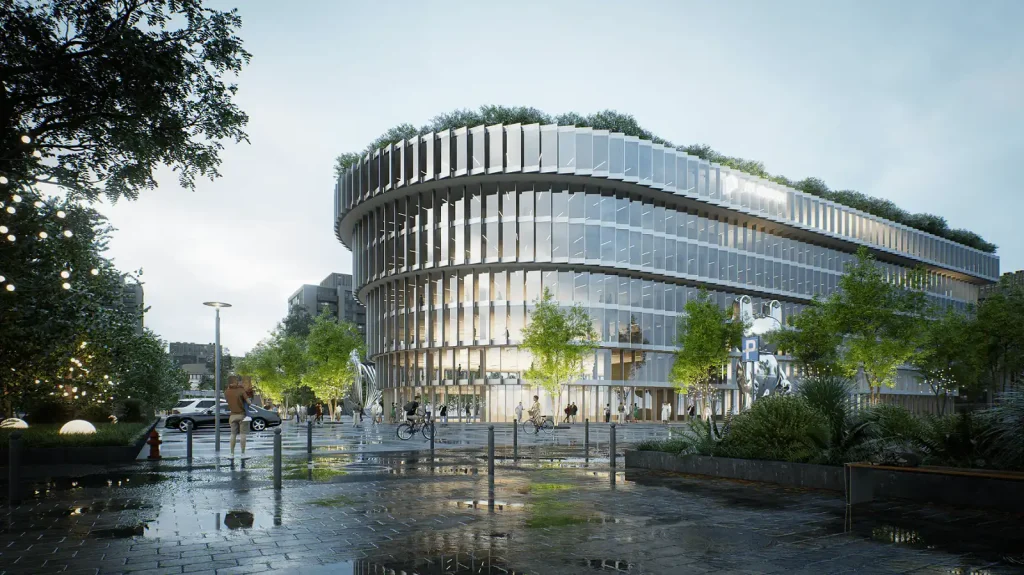
We may not want to hear the word Corona anymore, but if you’re seeking a renderer that combines simplicity with photorealistic results, Corona Renderer is the answer. Developed by Chaos Group (yes, the creators of V-Ray and Enscape), Corona is a CPU-based rendering engine known for its user-friendly interface and straightforward settings. It is very good at creating realistic lighting with its physically-based rendering (PBR) workflow. Physically based rendering (PBR) is a computer graphics technique designed to simulate the interaction of light and surfaces using principles of real-world optics. This feature allows real-time adjustments, providing instant feedback on changes. It’s particularly popular in architectural visualization, thanks to its stunning output and intuitive usability.