



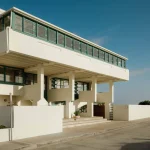
For the first time in its century-long history, Rudolph Schindler’s Lovell Beach House is on the market. The asking price is $18.8 million. The house has remained in the Lovell family since it was completed in 1926, making this listing a rare event in the world of modernist architecture.
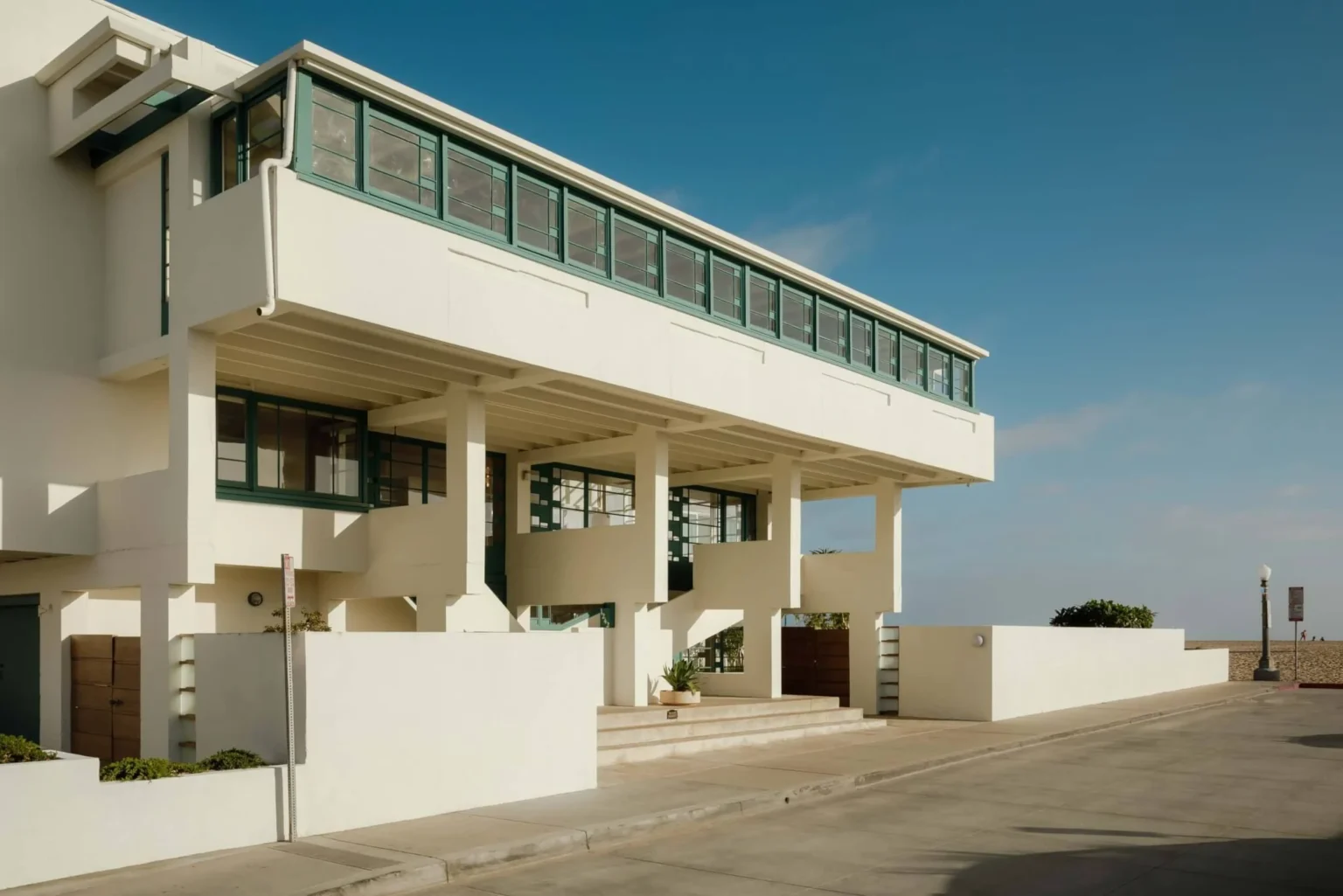
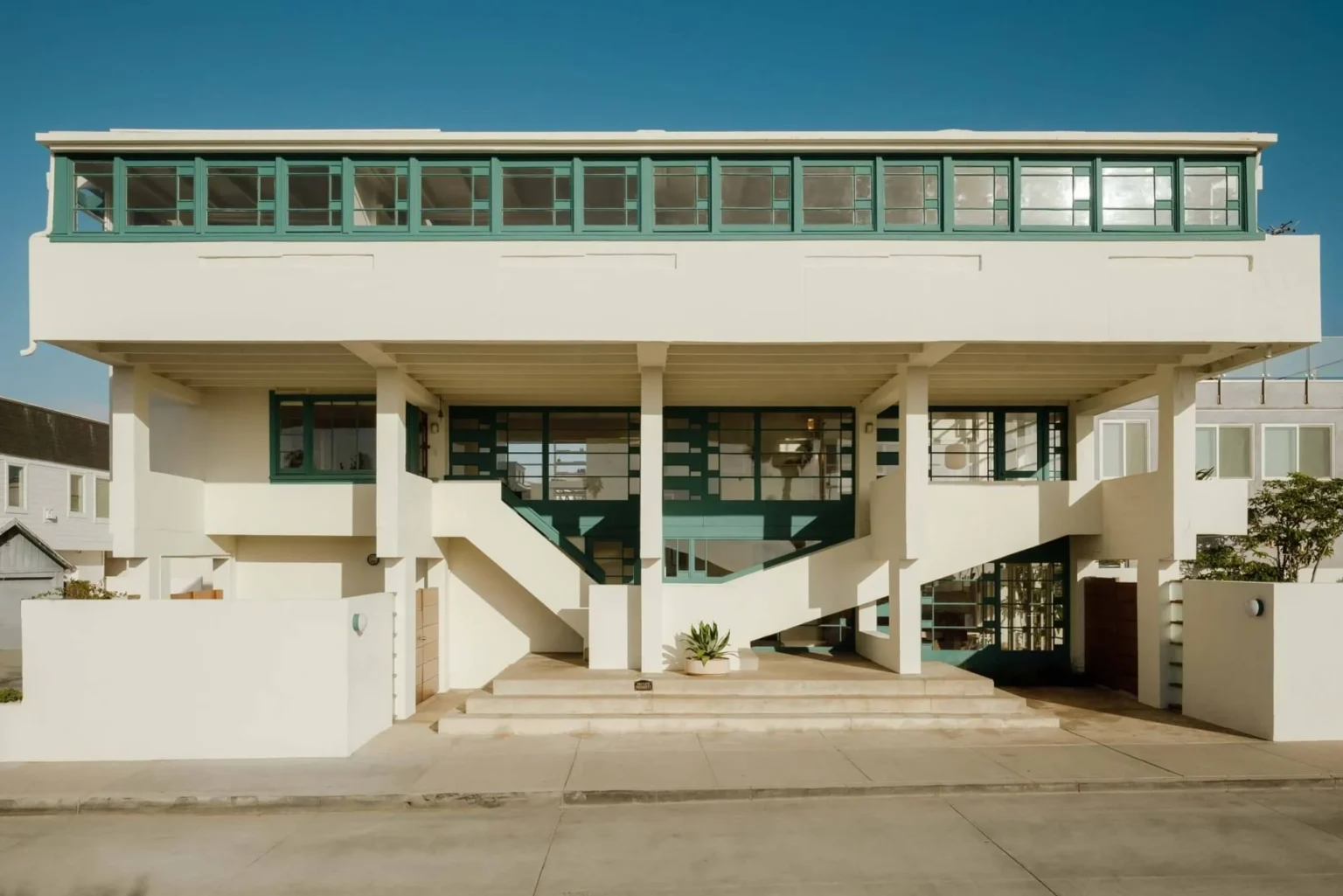
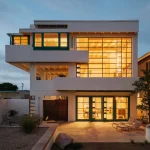
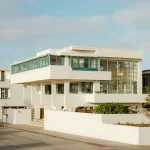
Located on a narrow peninsula in Newport Beach between the Pacific Ocean and Newport Harbor, the 2,741-square-foot house sits on a 3,734-square-foot corner lot. It was commissioned by Philip and Leah Lovell, progressive health advocates who believed in fresh air, natural light, and outdoor living. Those ideals shaped every aspect of Schindler’s design.
Concrete Frames and Open Porches
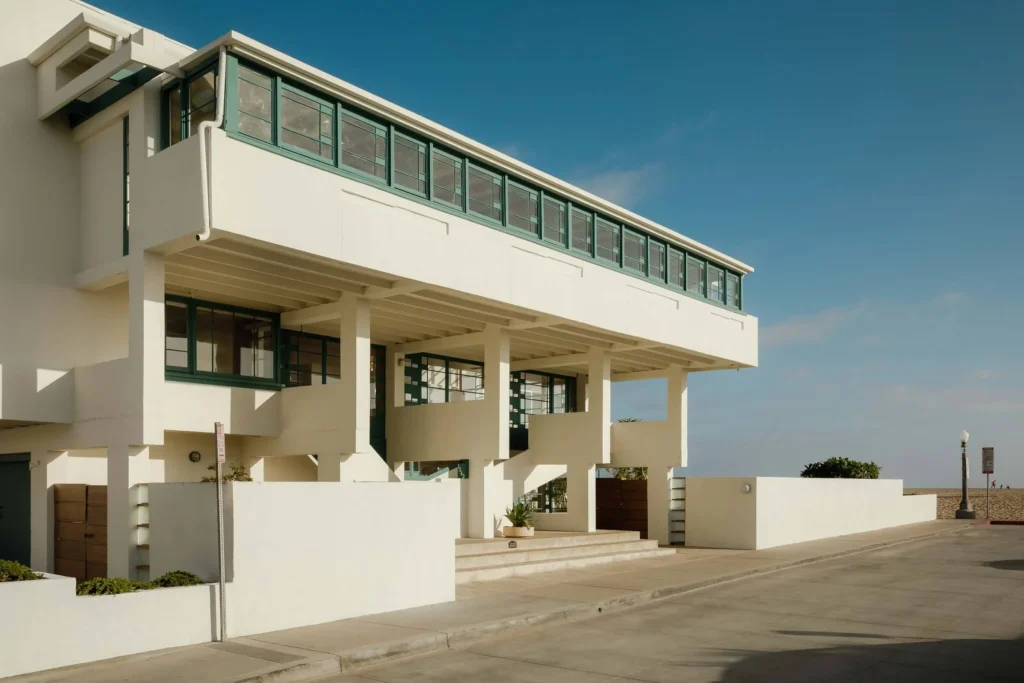
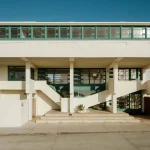
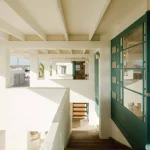
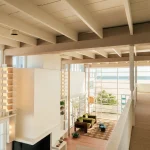
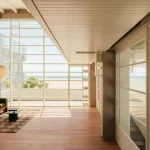
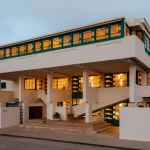
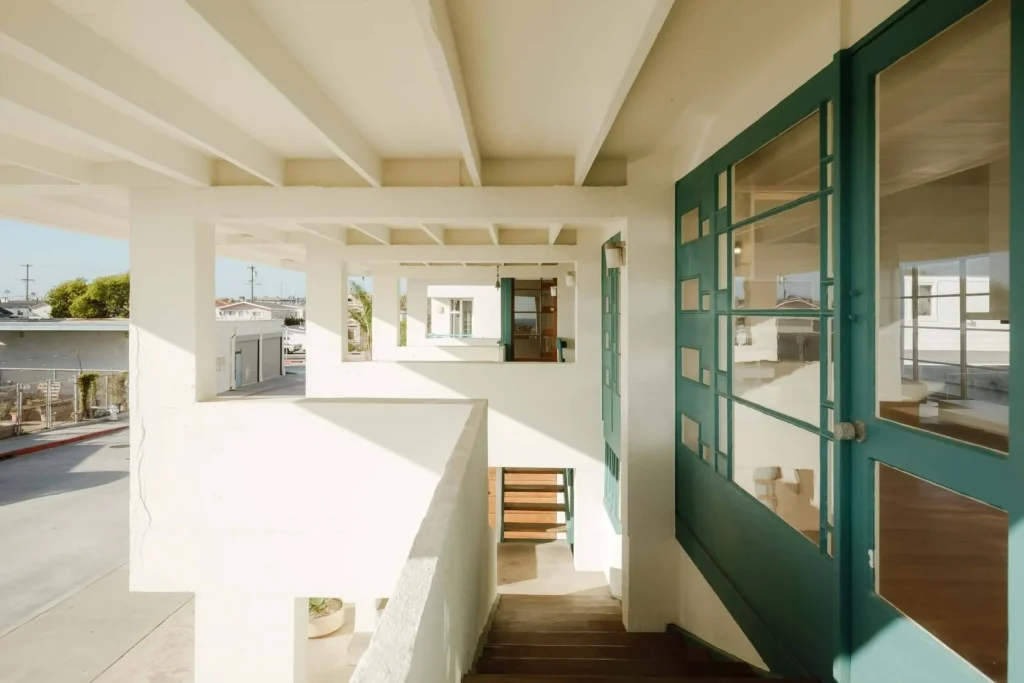
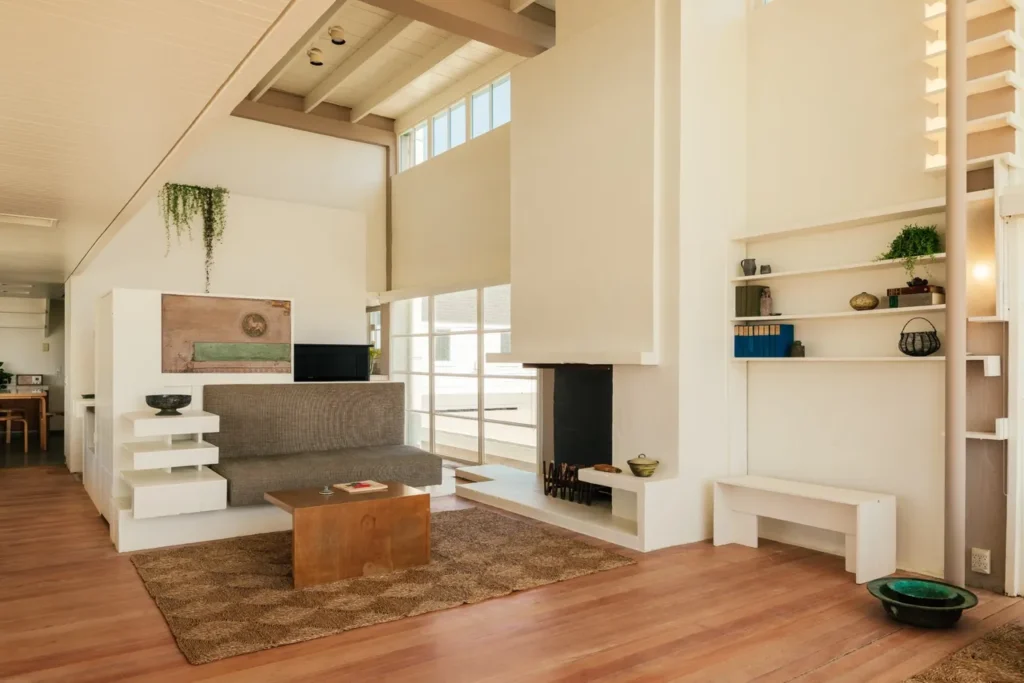
The house is lifted on five reinforced concrete frames, creating a sense of lightness unusual for its period. The upper floor is larger than the levels below and originally featured open-air sleeping porches that have since been enclosed with glass. Extensive glazing and built-in furniture designed by Schindler remain largely intact.
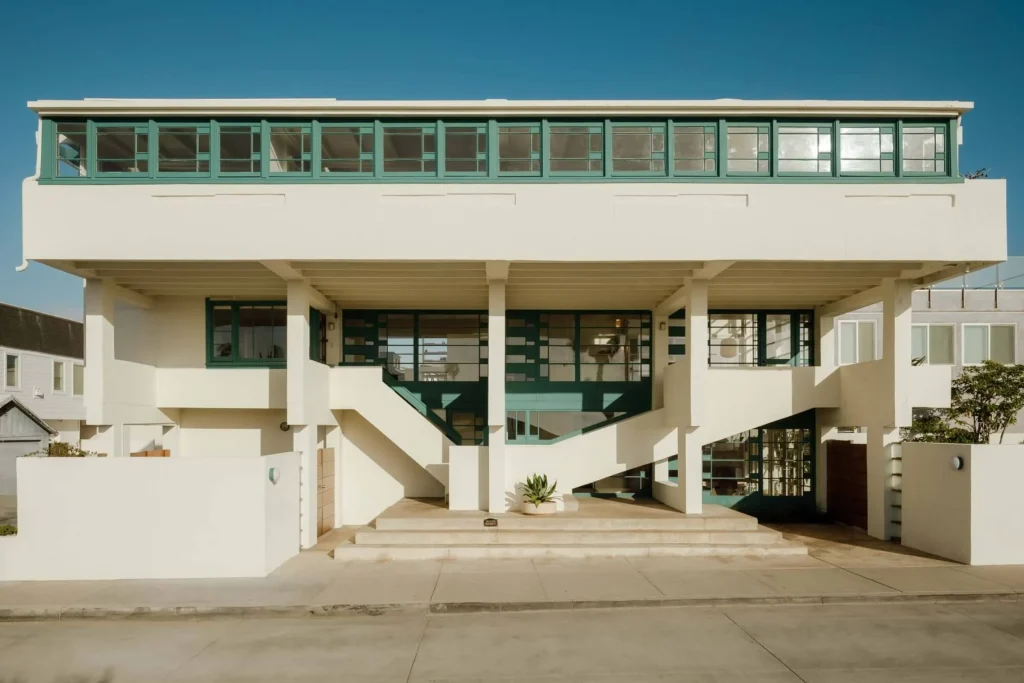
Philip Lovell was a naturopathic doctor who wrote a popular health column for the Los Angeles Times. He and his wife sought a house that would support their lifestyle of sunbathing, fresh air, and physical well-being. Schindler responded with a building that feels simultaneously solid and open, anchored by concrete yet oriented completely toward the ocean and sky.
A Landmark of Early California Modernism
The Lovell Beach House is widely regarded as one of Schindler’s most important works and an early example of what would later be called California Modernism. It was added to the National Register of Historic Places in 1974. Architectural historians often rank it just behind Schindler’s own King’s Road House in significance.
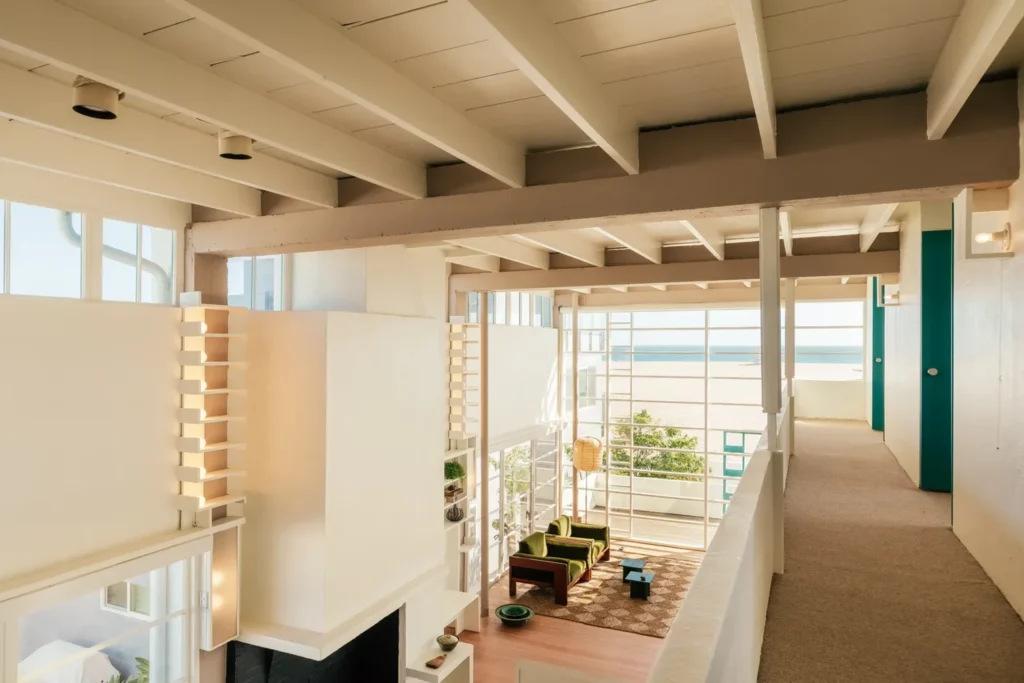
Despite minor modifications over the decades, including an opened kitchen and some changes to bathrooms, the family preserved the essential character of the design. Most of Schindler’s original built-in furniture remains in place. The house has never been treated as a speculative property; it has simply been lived in.
Why This Sale Matters
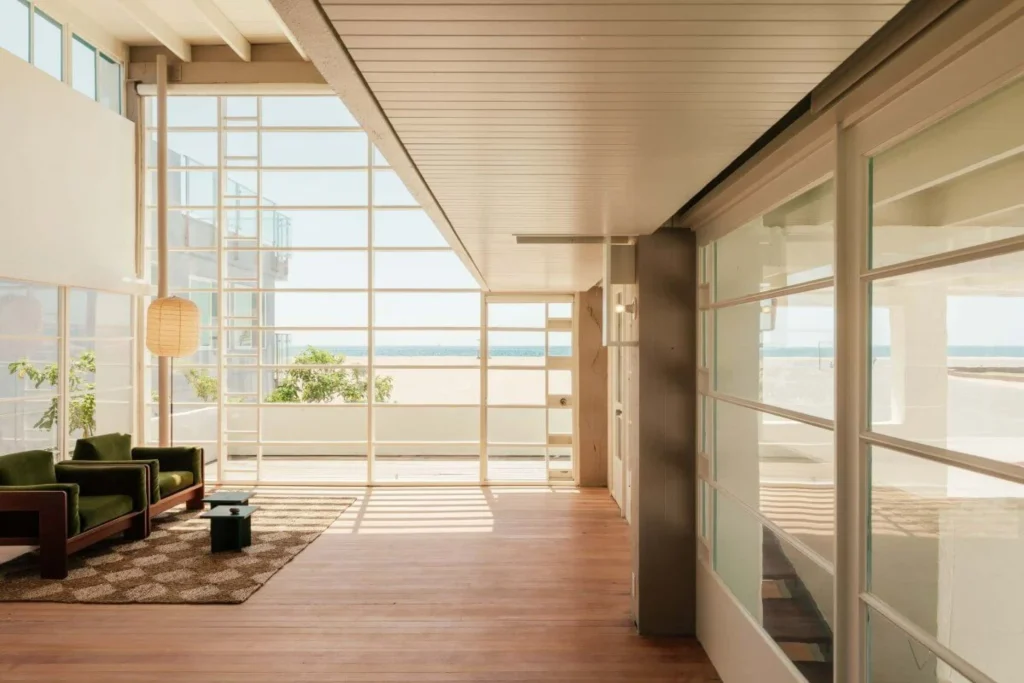
Architectural landmarks of this quality rarely come to market, especially ones that have stayed in the same family for a full century. The listing raises the familiar tension between preservation and private ownership.
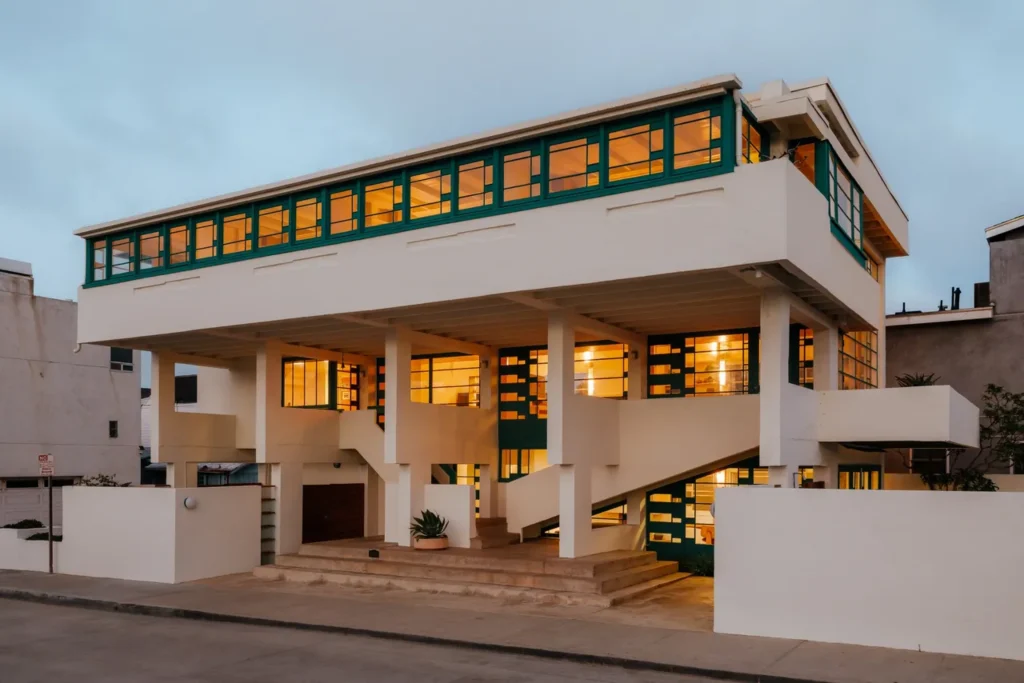
A sympathetic buyer could restore the sleeping porches to their original open condition and carefully maintain the fabric of the building. A less careful owner could alter it beyond recognition.
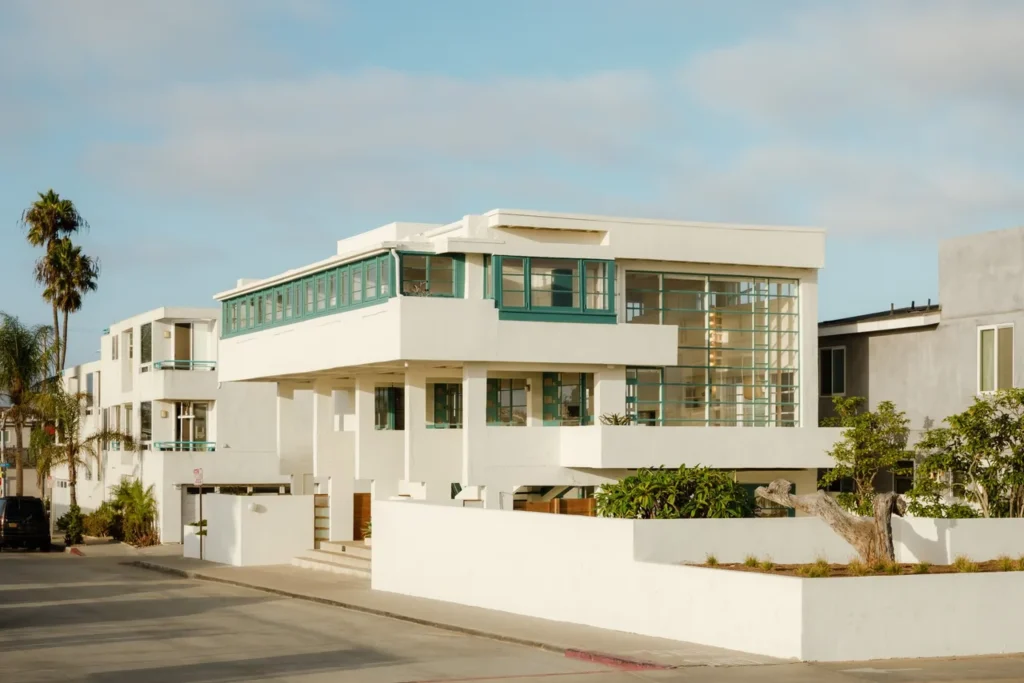
From a design history perspective, the house remains remarkably relevant. Its raised structure, flexible interior spaces, and strong indoor-outdoor connection continue to influence contemporary residential architecture. The computational tools available today would have allowed Schindler to test solar angles, structural efficiency, and airflow with greater precision, yet the fundamental intelligence of the design still holds.
The Lovell Beach House is more than a real-estate listing. It is a living document of early modernist ambition in Southern California, now entering a new chapter after one hundred years of continuous family ownership.