

Nvidia partners are racing to package the company’s OpenShell Reference Architecture into ready-made AI factories.
Yet the question of who is placing the big orders, and when those systems will move beyond early adopters, remains harder to answer.
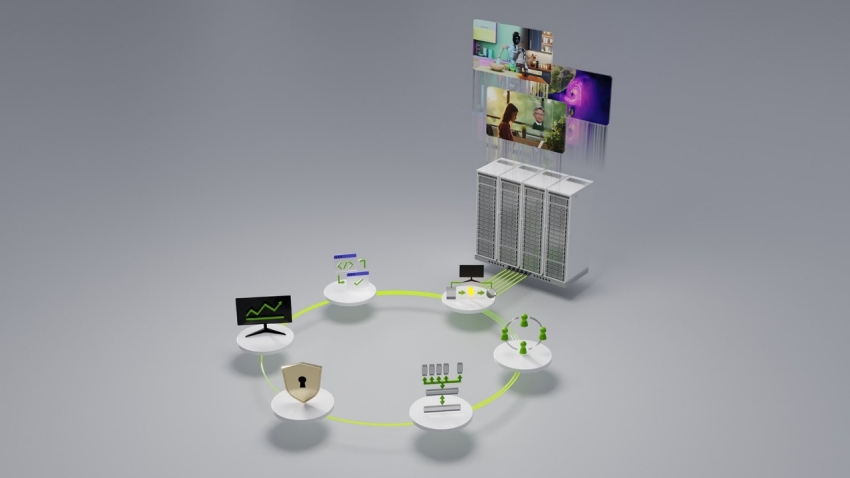
At GTC Berlin this week, Nvidia introduced infrastructure-level safeguards for agent workloads and folded them into its broader AI factory story. Partners including Red Hat, HPE and Dell quickly announced they would incorporate the OpenShell Reference Architecture into their own AI factory offerings. The pitch is straightforward: enterprises can buy a pre-integrated stack that combines Vera Rubin computing with guardrails designed to keep autonomous agents under control. The harder part is determining how many organisations are ready to write the cheques.
What an AI Factory Actually Is
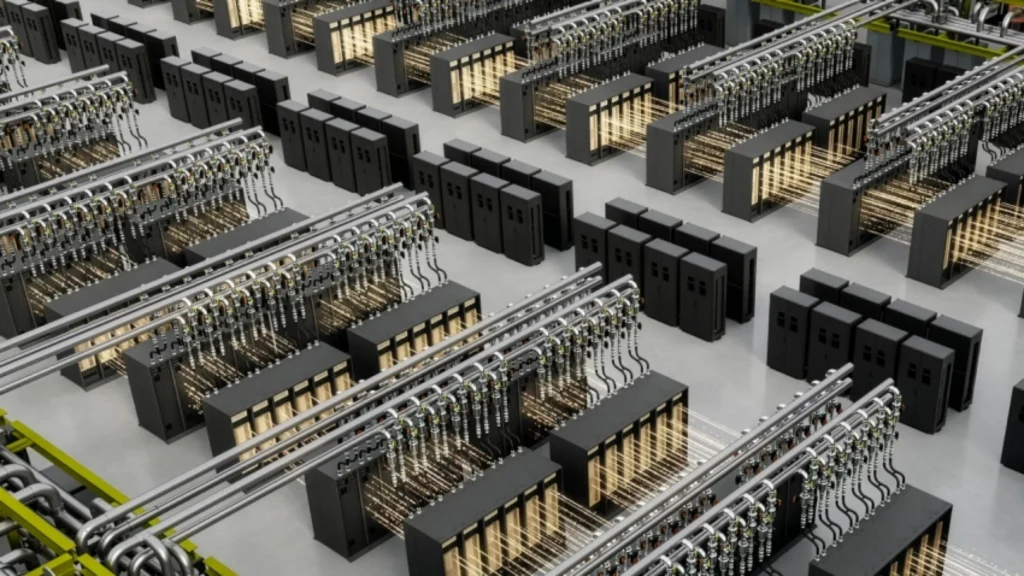
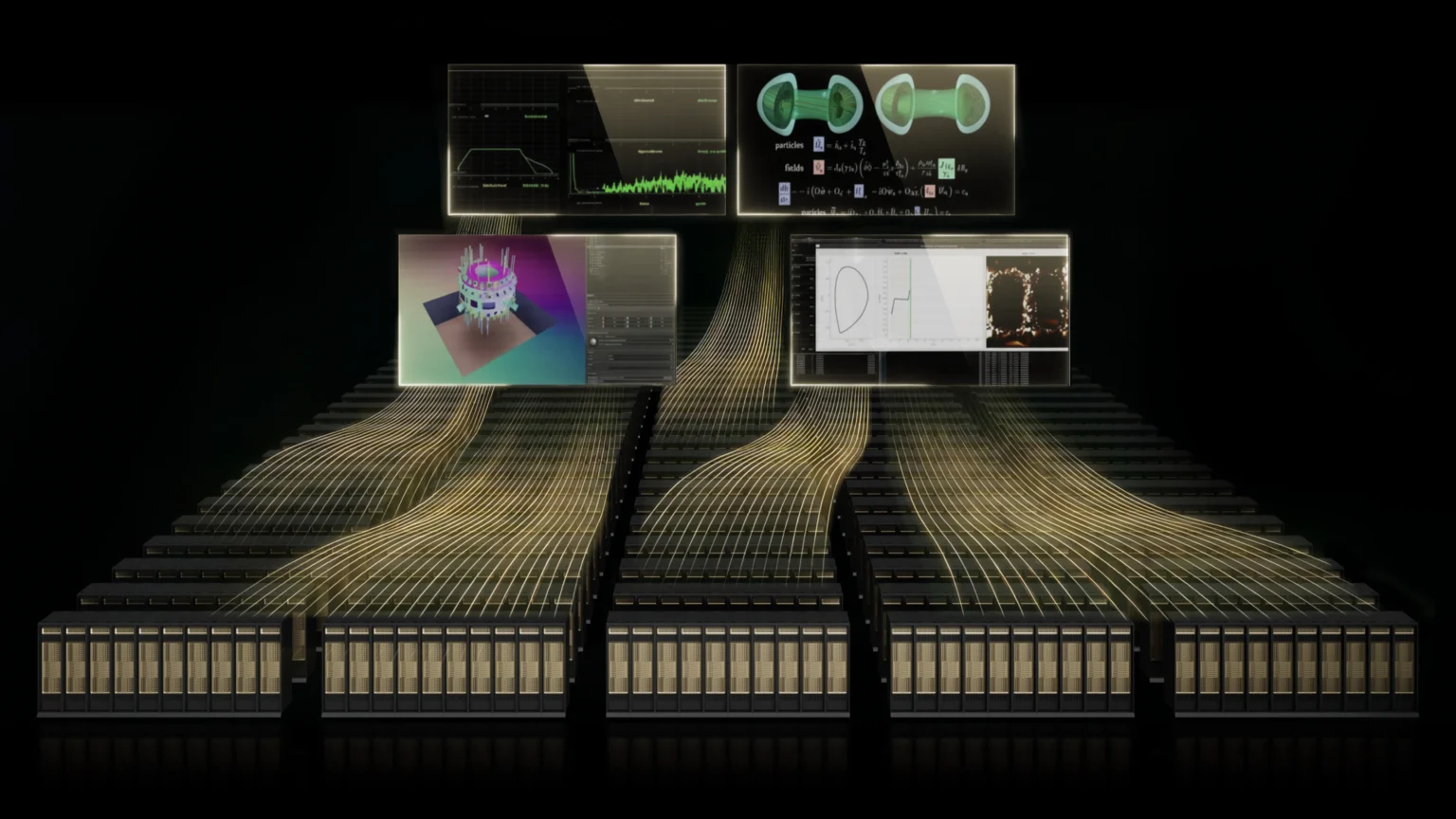
An AI factory is Nvidia’s term for a data center purpose-built to produce intelligence at industrial scale. Instead of treating GPUs as isolated accelerators, the concept treats the entire facility as a production system whose output is measured in tokens per second, tokens per watt and cost per token. Training, fine-tuning, inference and agent orchestration all run inside the same tightly integrated environment.
The OpenShell Reference Architecture adds a security layer. Monitoring and enforcement sit on a separate processor on the network card, Nvidia’s BlueField DPU, so that a compromised agent cannot simply disable the systems watching it. For companies concerned about agent security, sovereign AI requirements and shifting liability rules, that separation is attractive. It also adds another layer of infrastructure that existing data centers were not designed to host.
Vera Rubin, the next-generation platform at the heart of these systems, brings its own demands. Liquid cooling, high power density and sophisticated management are required if the hardware is to earn its keep. Analysts estimate total cost of ownership for full rack-scale deployments can reach into the hundreds of millions of dollars. That figure alone narrows the field of realistic buyers.
Who Is Buying Right Now
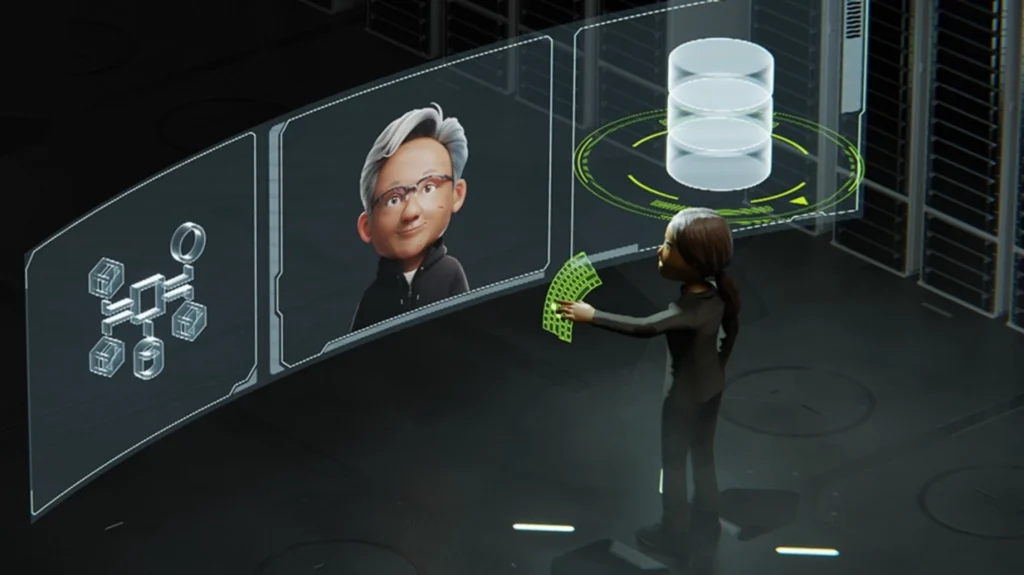
Clear purchase numbers are scarce. Analysts and vendors describe the same short list of early customers: large cloud providers, specialised “neoclouds,” frontier model laboratories and national AI programmes. Most enterprises that use Vera Rubin capacity today rent it through those providers rather than owning the hardware themselves.
CoreWeave, for example, has already put seven Vera Rubin racks into production. Scaling beyond a single rack is described as an architectural milestone that brings significant operational complexity. Red Hat reports that some enterprise customers, including banks and telecommunications companies, have placed orders for Vera Rubin systems and plan to run them with Red Hat Enterprise Linux for Nvidia and the OpenShell architecture.
Dell cites more than 6,500 customers using its AI Factory with Nvidia across multiple GPU generations, though it declines to break out Vera Rubin specifically. HPE points to more than 200 Private Cloud AI installations overall but remains quiet on new Vera Rubin orders during its pre-earnings period.
The pattern that emerges is consistent. The largest and most sophisticated organisations move first. Smaller enterprises are more likely to rent capacity or adopt smaller pieces of the stack over time. As one analyst put it, the same pressures that pulled early buyers in, rising token costs and the need for agents to touch sensitive data, will eventually reach everyone else. Most will start by renting and later bring selected components in-house.
Computational Design of Infrastructure
From a computational design perspective, the AI factory is itself a parametric system. Reference architectures define fixed relationships between compute density, networking bandwidth, power delivery, and cooling capacity. Changing one variable forces adjustments across the others. Nvidia’s DSX POD takes this logic further by packaging entire factories into modular containers that are integrated and validated before they leave the manufacturing floor. Deployment time at a prepared site is claimed to drop from six months to as little as fourteen days.
That containerized approach treats the data center the way architects treat a building system. Geometry, services and performance criteria are resolved in advance so that on-site work becomes connection rather than construction. Liquid cooling loops, high-voltage power distribution and dense interconnect fabrics are no longer experimental; they are standardized parameters. The result is infrastructure that can be iterated, manufactured and deployed with a level of predictability previously reserved for more conventional industrial products.
The same parametric mindset appears in the software layer. OpenShell separates enforcement from the agents themselves. The security boundary becomes a design variable that can be adjusted without rewriting every agent. For organizations already running complex multi-agent systems, that separation is a form of computational control over risk.
The Gap Between Interest and Deployment
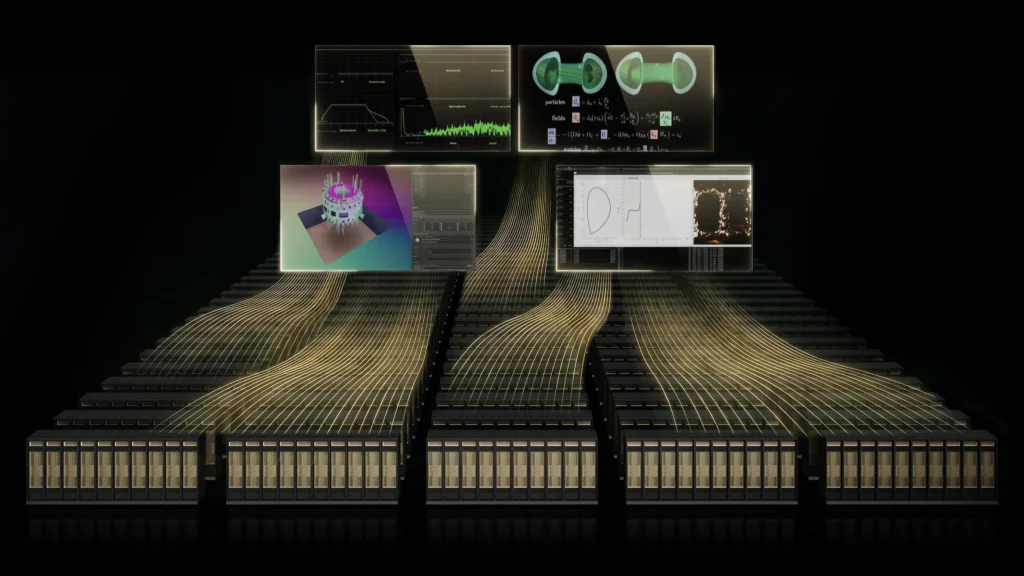
Surveys show strong preference for running AI applications on-premises. Seventy-five percent of IT professionals in one recent study said their organizations prefer local deployment. Preference, however, is not the same as readiness. Analysts note that organizations still need mature processes, well-defined use cases, and data that is structured enough to justify the cost of a full-stack system. Larger and more sophisticated organizations are expected to lead. The rest will follow more slowly, often by renting first.
Operational realities reinforce the caution. Most existing data centers lack the power and liquid-cooling capacity that Vera Rubin racks demand. Managing a fleet of agents, each with its own machine identity, adds another layer of complexity. Vendors differ in how they wrap the underlying Nvidia design. Red Hat emphasizes continuity with existing OpenShift environments. Dell allows more choice in the software stack. HPE sells a tightly integrated private cloud. The hardware underneath is largely the same; the software, tools and services wrapped around it determine which customers feel most comfortable.
Measuring Real Progress
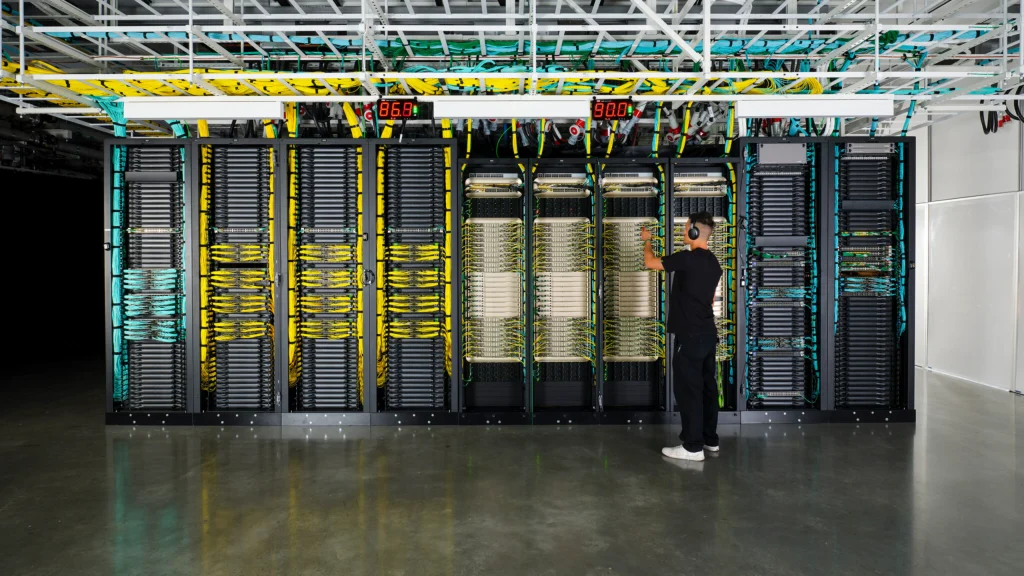
Useful signals of genuine adoption will include the number of agents moving from pilot to production, sustained high utilization of the clusters, and continued expansion by existing customers. When ordinary IT operations teams, rather than dedicated AI groups, can run these systems day-to-day, the AI factory will have become ordinary enterprise infrastructure rather than a specialized experiment.
Until then, the picture remains uneven. Partners are packaging the blueprints. Cloud providers and early enterprise buyers are placing orders. The broader market is still weighing cost, complexity, and organizational readiness. The technology is ready to scale. The question of how many organizations are ready to operate it at scale is still being answered one deployment at a time.
The Quiet Test of Scale
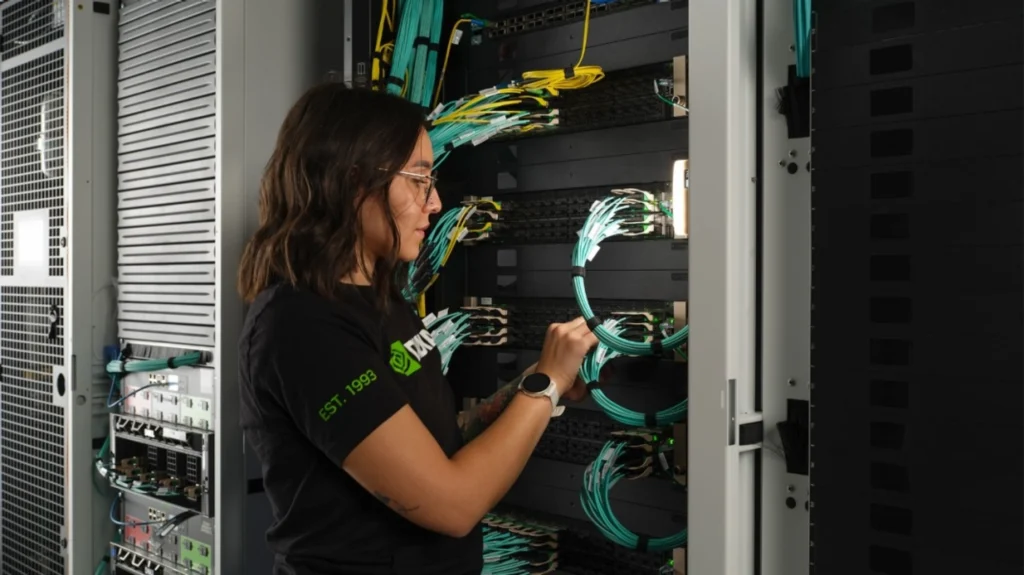
AI factories package Nvidia’s reference architecture into something that looks turnkey. The real test is not whether the packaging is elegant, but whether enough organizations can absorb the power, cooling, security, and operational demands that come with it. Early buyers are already finding out. The rest of the market is still deciding when, or whether, to follow.