


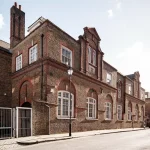


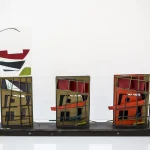



The Zaha Hadid Foundation is transforming the architect’s former headquarters at 10 Bowling Green Lane into a new cultural venue dedicated to architecture, design, exhibitions, education, and her extensive archive.
A building closely tied to Zaha Hadid’s career is about to take on a different role. The Zaha Hadid Foundation will reopen 10 Bowling Green Lane in Clerkenwell, London, as a public cultural space on November 3, 2026, following a press and private preview on October 29.
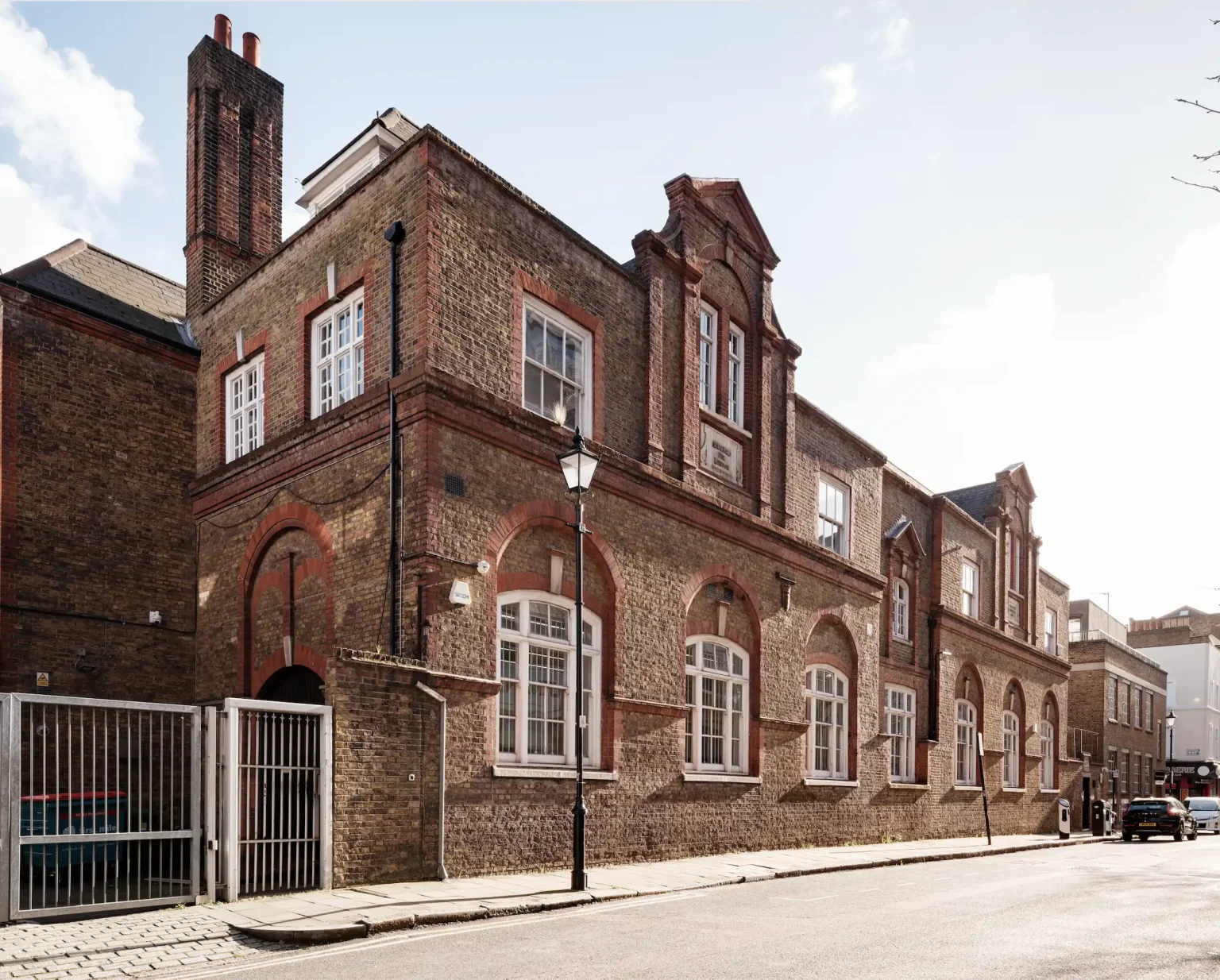
For more than three decades, the Grade II-listed Victorian schoolhouse served as the headquarters of Hadid’s architectural practice. Now refurbished by London-based Studio KA, it will become a venue for exhibitions, lectures, workshops, research, learning programs, and creative residencies.

The opening comes during the tenth anniversary of Hadid’s death and marks a significant expansion of the Foundation’s public presence. Rather than treating her work solely as a historical collection, the Foundation intends to place her archive in conversation with contemporary architecture, design, and emerging creative practices.
From Zaha Hadid’s Studio to a Public Cultural Space
Built as a schoolhouse in the early 1870s, 10 Bowling Green Lane carries several layers of architectural history. Its latest transformation focuses primarily on the ground floor, where Studio KA has reorganized the interior to improve circulation, functionality, and public access.
The refurbishment retains elements from different periods of the building’s life. Original fireplaces and doorways have been reopened, while details introduced during Hadid’s occupation of the building have been preserved, including Z-shaped door pulls and angular flooring insets.
New flooring, finishes, and interior interventions have been introduced throughout the space, with some colors derived from Hadid’s paintings. The intention is not to return the building to a single historical moment, but to allow its Victorian origins and its decades as an experimental architecture studio to remain visible together.
The renovated building will contain galleries, a learning space, a lecture hall, collection displays, and areas for public programming. It will also remain home to Zaha Hadid Design, with furniture and objects created by Hadid and her studio integrated into the building.
Bringing the Zaha Hadid Archive Into Public View
At the center of the Foundation’s work is Hadid’s extensive archive, documenting an architectural practice that moved between painting, drawing, model-making, furniture, interiors, product design, fashion, exhibition design, and architecture.
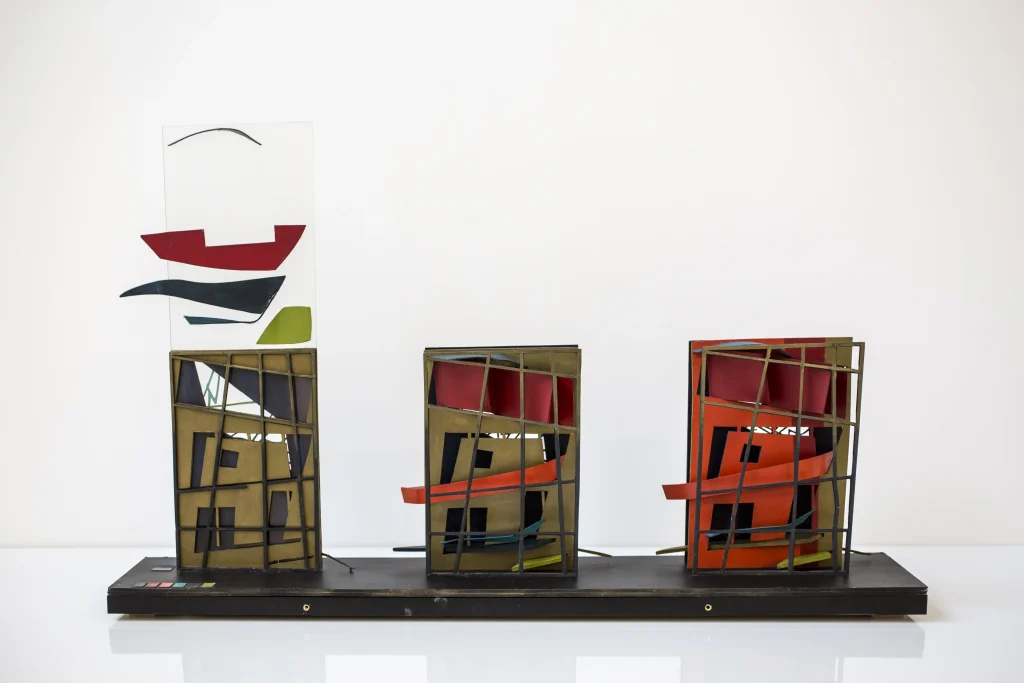
The reopening gives the Foundation a permanent setting in which parts of this material can be shown and interpreted for a broader audience.
Rana Hadid, Chair of the Trustees of the Zaha Hadid Foundation, describes the archive as a record not only of completed work but also of Hadid’s imagination and intellectual life. Opening the building to wider audiences, she explains, is intended to support education, scholarship, and new forms of creative discovery.
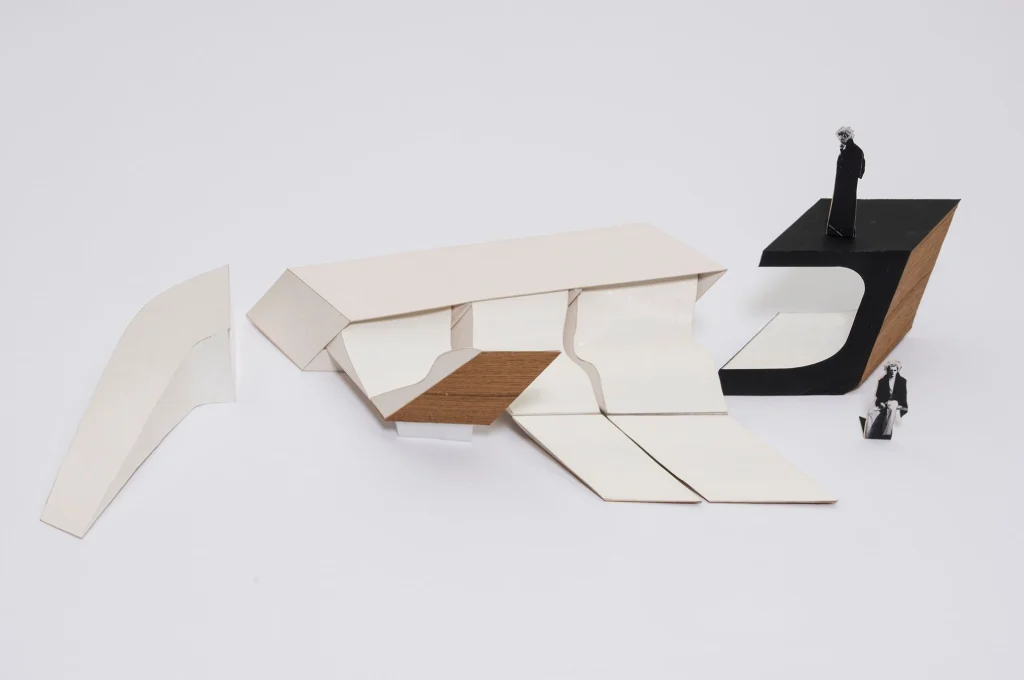
That emphasis is particularly relevant to Hadid’s legacy. Long before many of her most recognizable buildings were constructed, drawings and paintings were fundamental tools through which she investigated space. Later, digital modeling and fabrication technologies allowed increasingly complex geometries to move from speculative studies into built architecture.
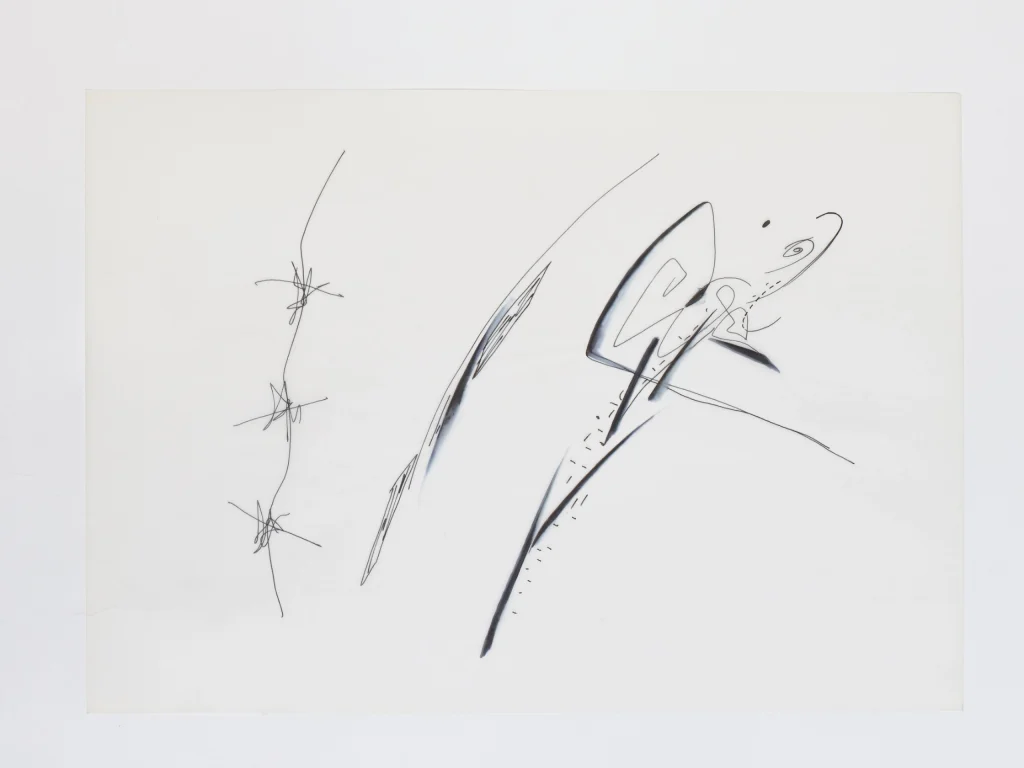
The Foundation’s new home creates an opportunity to examine that evolution through original material rather than only through finished buildings.
Zaha Hadid: Architecture of Performance
The first exhibition in Gallery 1, Zaha Hadid: Architecture of Performance, will explore a less frequently discussed part of Hadid’s practice: stage and set design.
Curated by Catherine Howe with guest curator Libby Sellers, the exhibition brings together projects spanning several decades, demonstrating how Hadid’s architectural ideas were translated into environments designed around movement, music, and performance.
Among them are her 1989 d1 collaboration with British choreographer Rosemary Butcher, the 1990 Music Video Pavilion in Groningen, stage environments for the 1999 Metapolis Ballet in Charleroi, and the set developed for the Pet Shop Boys’ Nightlife World Tour between 1999 and 2000.
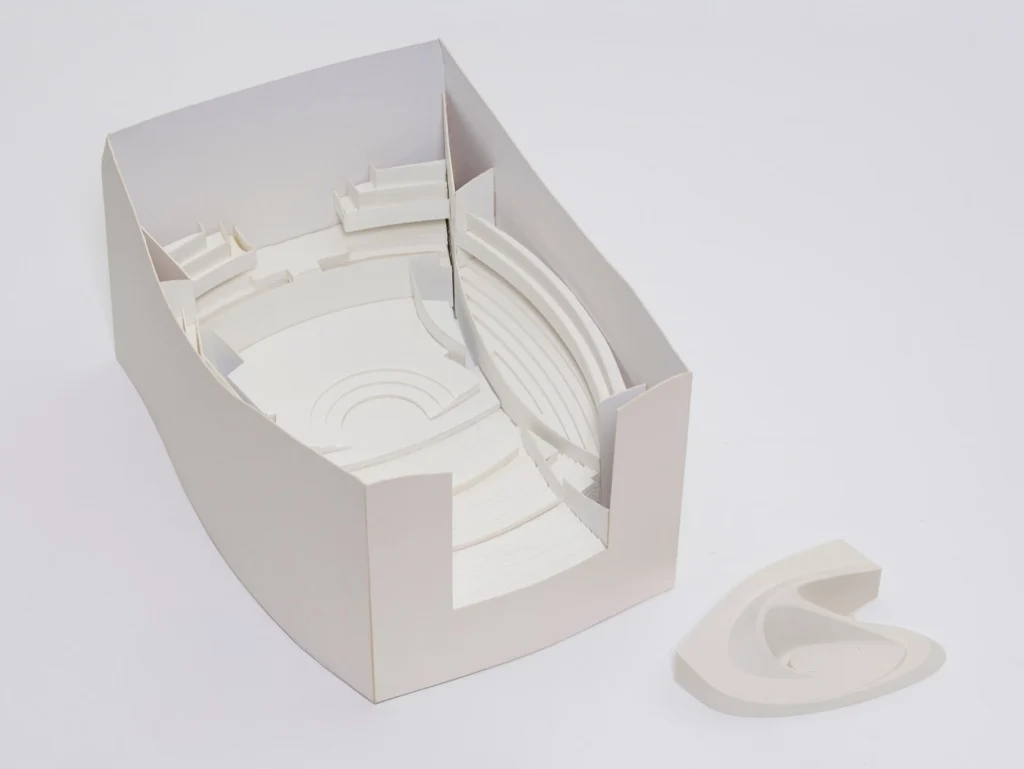
The exhibition also includes Hadid’s interpretation of Mozart’s Così fan tutte, staged at the Walt Disney Concert Hall in Los Angeles in 2014.
Together, these works reveal how themes familiar from Hadid’s architecture, fragmentation, layering, movement, and shifting geometries, could operate at the scale of performance. They also trace a period in which new digital techniques increasingly influenced the spatial complexity of her studio’s work.
Contemporary Artists Respond to Hadid’s Legacy
The opening program will not be limited to archival exhibitions.
Gallery 2 will present The Rebar Beneath, a new commission by London-based multidisciplinary artist LionHeart. Developed through engagement with Hadid’s archive, the 11-minute dual-channel video combines film, poetry, performance, projection, and spatial installation.
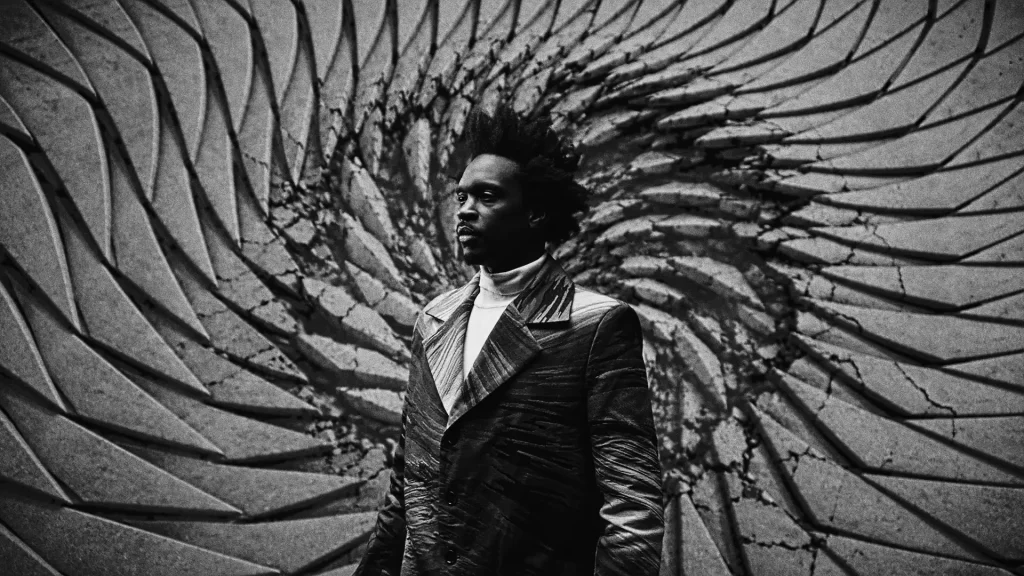
Rather than directly reproducing Hadid’s forms, the work examines the relationship between visible surfaces and the structures hidden beneath them. Folded, fragmented, and layered compositions draw from the spatial logic found throughout her work while extending the discussion into questions of perception and psychology.
Pulitzer Prize-winning illustrator Mona Chalabi has also been commissioned to create The Completely Exhausting Inexhaustibility of Zaha Hadid, a timeline visualization mapping Hadid’s life, work, collaborations, and influence.
Installed in the Foundation’s foyer, the piece will be projected onto a textile surface inspired by a multicolored sheer Issey Miyake coat once worn by Hadid and now held in the Foundation’s collection.
A New Identity for the Zaha Hadid Foundation
The physical transformation of 10 Bowling Green Lane is accompanied by a broader redesign of the Foundation’s identity.
Amsterdam-based Experimental Jetset has developed a new visual system based on transformation rather than a fixed logo. Typography is distorted through a flexible grid, producing a graphic language that can continuously change across exhibitions, publications, and other communications.
The approach reflects a recurring quality in Hadid’s work: established systems were rarely treated as fixed. They could instead be stretched, fragmented, rotated, or reconstructed to generate unexpected spatial relationships.
A new website designed by London studio Made by ON will extend this identity online while providing expanded access to information about the Foundation’s programs and archive.
Marking Ten Years Since Zaha Hadid’s Passing
The reopening will coincide with 89° of Zaha Hadid, a two-day symposium organized by the Zaha Hadid Foundation, the Architectural Association, and Serpentine.
Taking place on October 30 and 31 across the three institutions, the event will examine Hadid’s work and continuing influence. The second day falls on what would have been her 76th birthday.
The collaboration is particularly significant given Hadid’s long relationship with the Architectural Association, where she studied during the 1970s before later teaching at the school. Her early work emerged from a period of intense architectural experimentation in London, when drawing and conceptual investigation often challenged conventional assumptions about what could be built.
A Living Legacy Rather Than a Monument
Ten years after Zaha Hadid’s passing, the reopening of 10 Bowling Green Lane raises a larger question about how the legacy of an influential architect should be preserved.
The Foundation’s approach is not to turn Hadid’s former headquarters into a static memorial. Instead, the building is being used as an active platform where archival material can sit beside contemporary exhibitions, education, debate, research, and experimentation.
For Aric Chen, Director of the Zaha Hadid Foundation, the building represents a shift “from what was Zaha’s home base to a new home for architecture and design in London.”
That distinction may ultimately define the project. The building preserves traces of the practice that occupied it for more than 30 years, but its future is intended to extend beyond Hadid herself.
When the doors at 10 Bowling Green Lane reopen in November, one of the spaces where Zaha Hadid developed some of architecture’s most radical ideas will, for the first time, become a place where the public can directly encounter that history, and where another generation can begin questioning it.