



Travel has become as much an aesthetic exercise as an exploratory one, and most itineraries are built around a handful of cities that already look good before you arrive. Architecture is starting to push back against this pattern. Architects who travel for work care less about what looks good in a photo and more about how a city actually functions: how housing gets built, how public space gets used, how a political system leaves physical evidence behind. That shift is producing a different kind of travel list, one built around structural and historical value instead of curb appeal.
An underrated city rarely shows up on the most travelled rankings, but it often holds some of the most useful material an architect can study firsthand.
1. Aarhus, Denmark
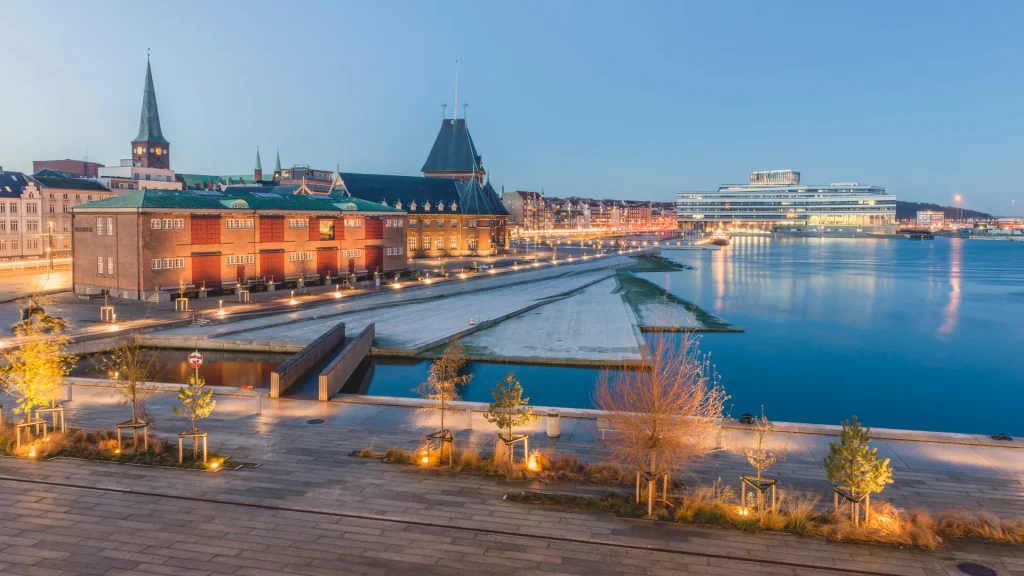
Aarhus has become one of Scandinavia’s strongest architecture destinations. Dokk1, designed by Schmidt Hammer Lassen, is one of Europe’s largest public libraries and a model for how civic buildings can double as urban living rooms. Nearby, the Iceberg housing complex uses angular white forms to reference the harbor’s shifting ice patterns, giving a straightforward residential project real visual identity. The ARoS Aarhus Art Museum, also designed by Schmidt Hammer Lassen, carries artist Olafur Eliasson’s rainbow rooftop walkway, a piece that has become the city’s most photographed landmark.
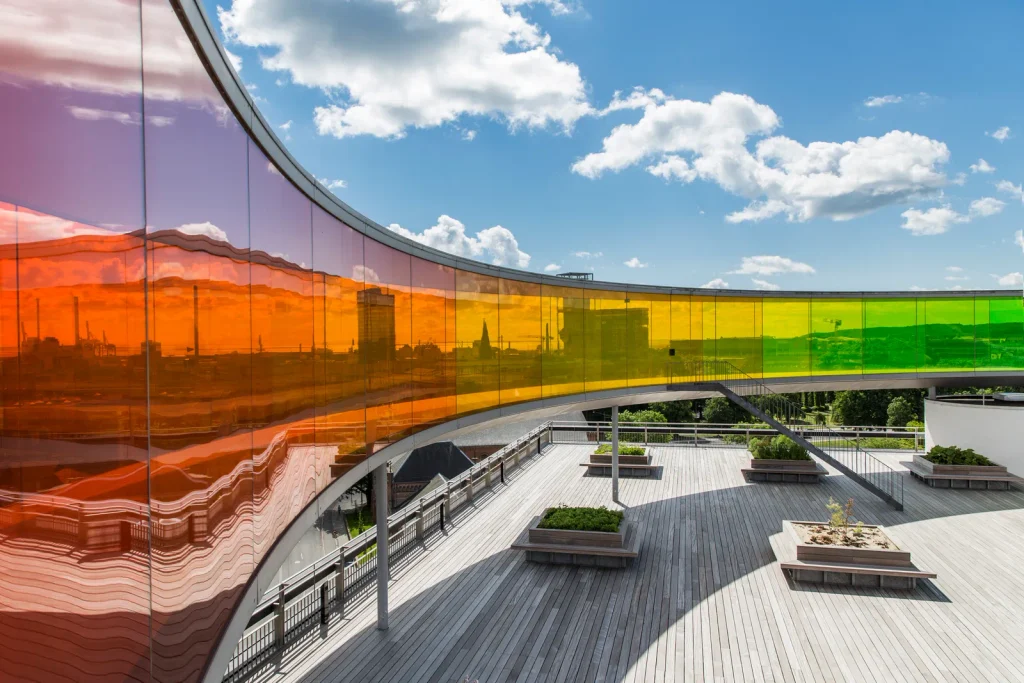
What makes Aarhus an underrated city for architects is the density of good work packed into a small, walkable city. You can cover the major sites in a single day and still have time to explore the harbor redevelopment, where old industrial land has been converted into new public space. It is a compact case study in how mid-sized cities can compete architecturally with much larger capitals.
2. Nantes, France
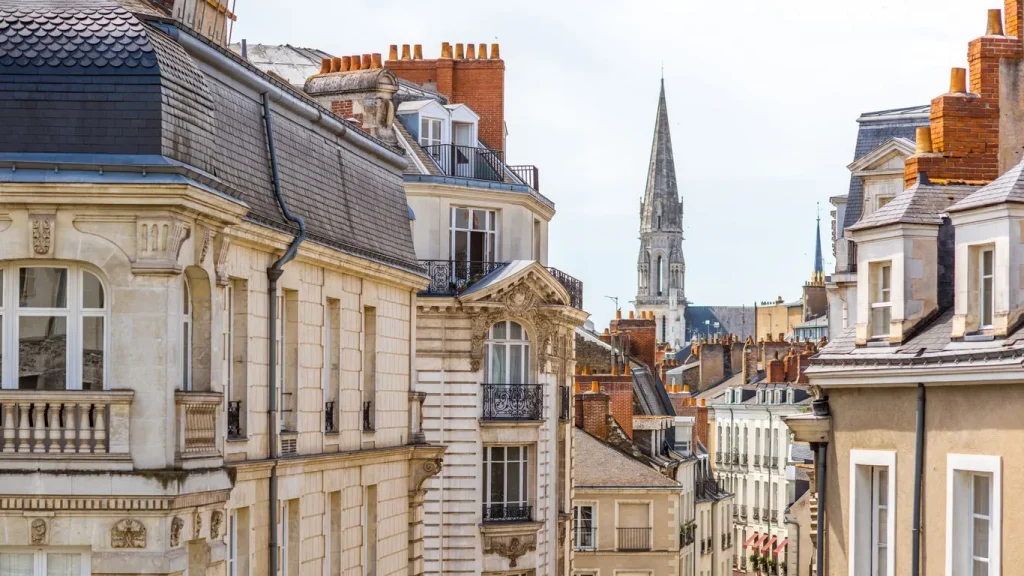
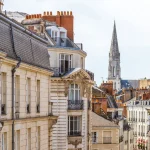
Nantes offers one of the more instructive urban regeneration stories in Europe. The Île de Nantes project took a former shipbuilding island and turned it into a mixed-use district without erasing its industrial past. Cranes, warehouses, and dry docks were preserved and repurposed rather than demolished, giving the area a layered character that feels earned instead of designed from scratch. The Machines de l’Ile installation, built inside old shipyard halls, turns industrial heritage into public art and draws visitors who might otherwise skip the city entirely.
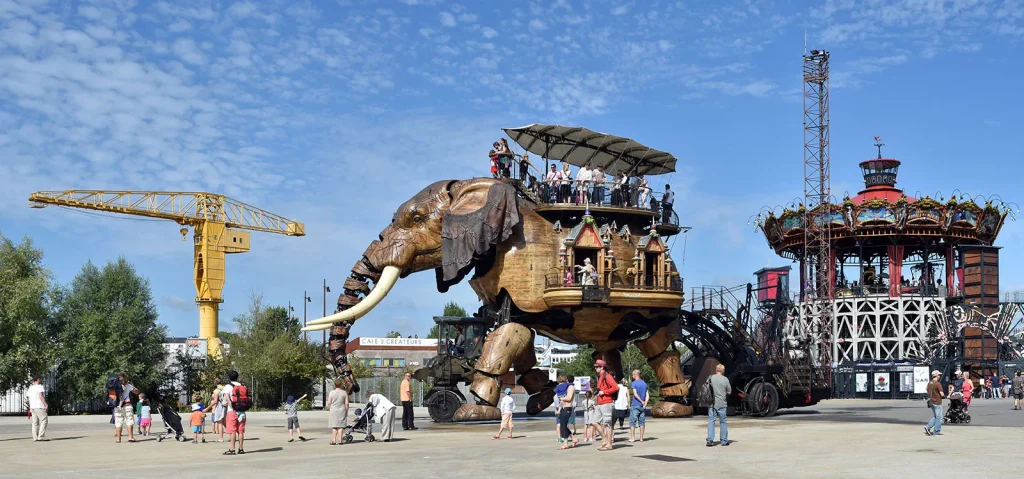
Beyond the island, Nantes has invested heavily in tram infrastructure and public space, making it a useful reference for architects interested in transit-oriented planning. The city does not rely on a single iconic building to draw attention. Instead, it demonstrates how consistent, long-term planning decisions can reshape an entire district. For anyone studying adaptive reuse or waterfront redevelopment, Nantes is a working example, not a theoretical one.
3. Riga, Latvia
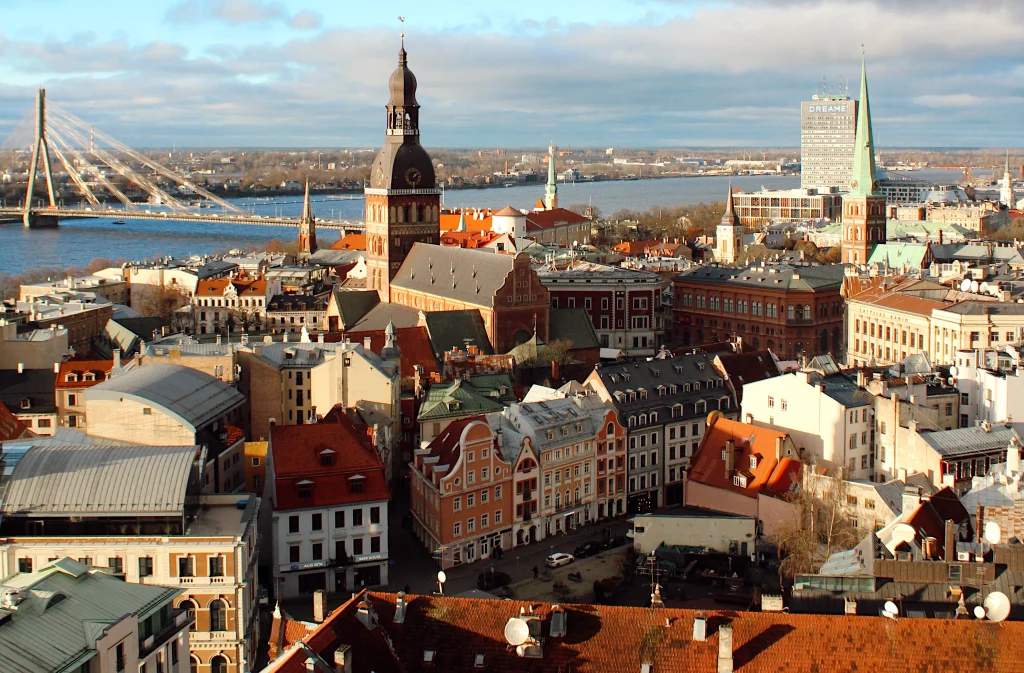
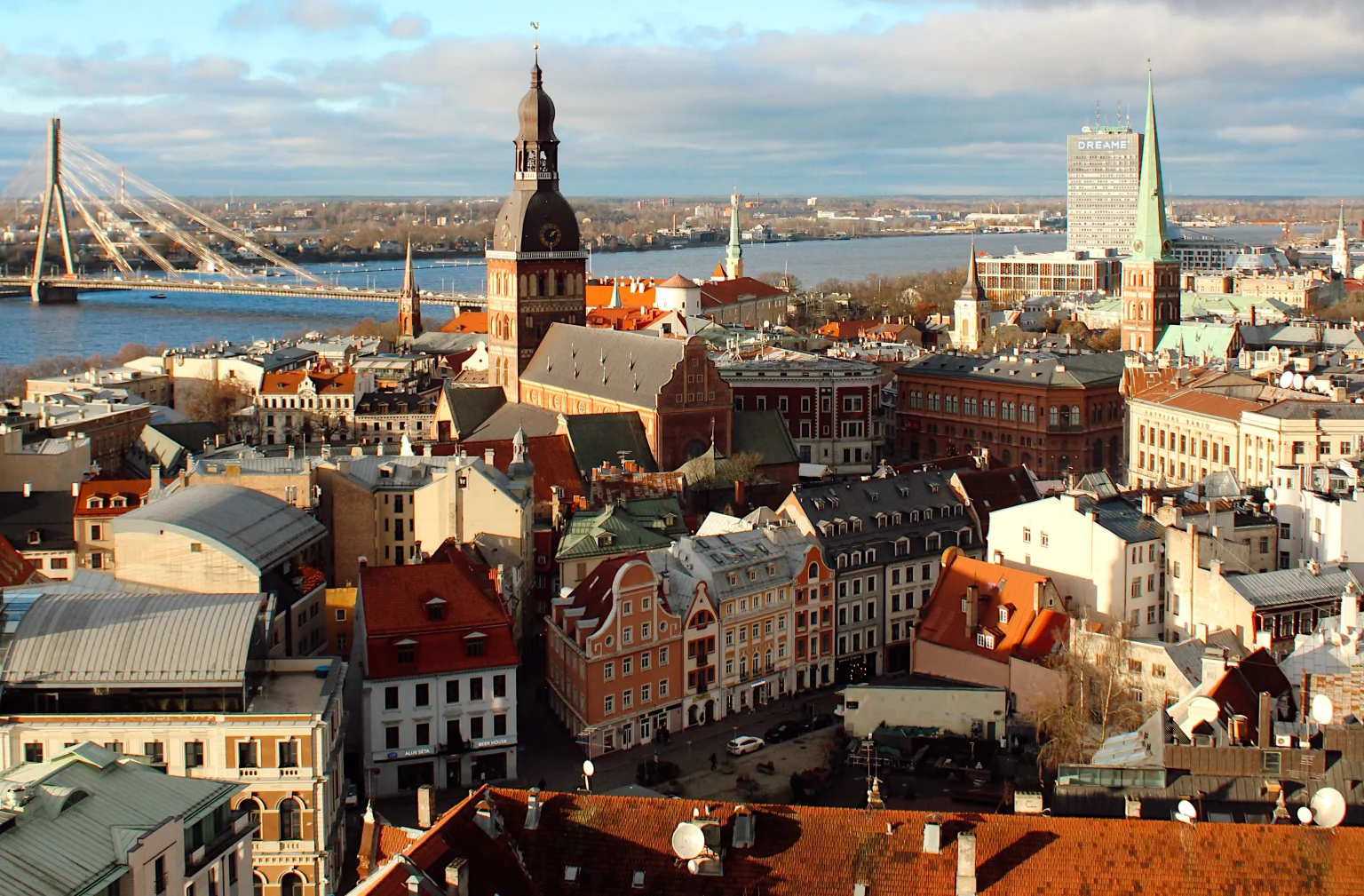
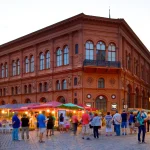
Riga is an underrated city that holds the largest concentration of Art Nouveau architecture anywhere in Europe, with more than 800 buildings in the style concentrated mainly in the Quiet Center district. Architect Mikhail Eisenstein designed some of the most elaborate facades in the city, layering sculptural faces, geometric ornament, and bold color onto otherwise standard apartment blocks. Walking these streets gives a clear sense of how widespread and commercially popular Art Nouveau became in the early 20th century, not just as a style for landmark buildings but as an everyday urban language.
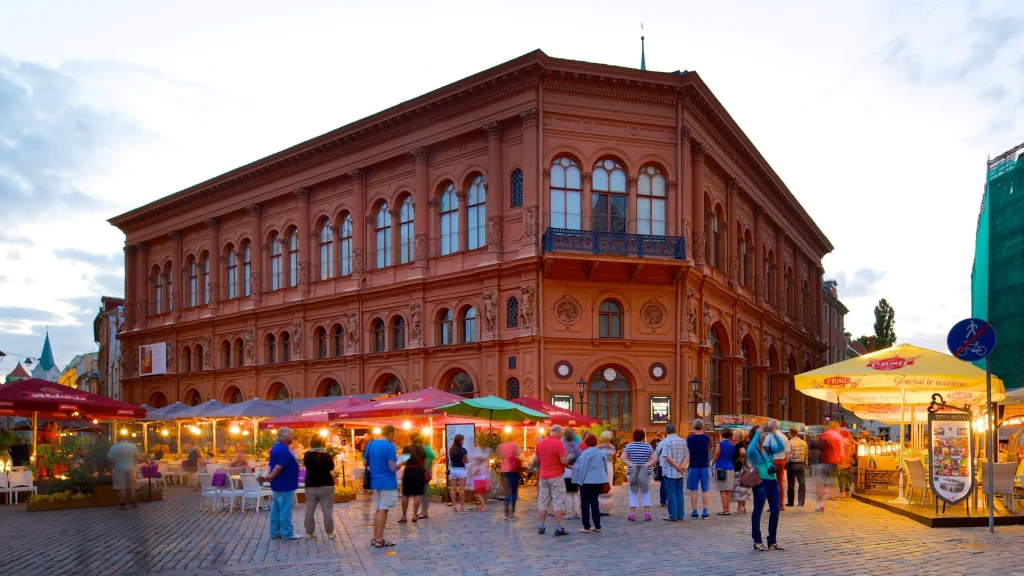
Riga’s Old Town adds a contrasting layer, with Hanseatic-era architecture and medieval street patterns still intact. The city has done a reasonable job of maintaining these buildings without over-restoring them, so the wear and detail remain visible. For architects interested in ornament, facade design, or the history of early modern movements, Riga offers more surviving Art Nouveau material in one place than any other European city.
4. Ljubljana, Slovenia
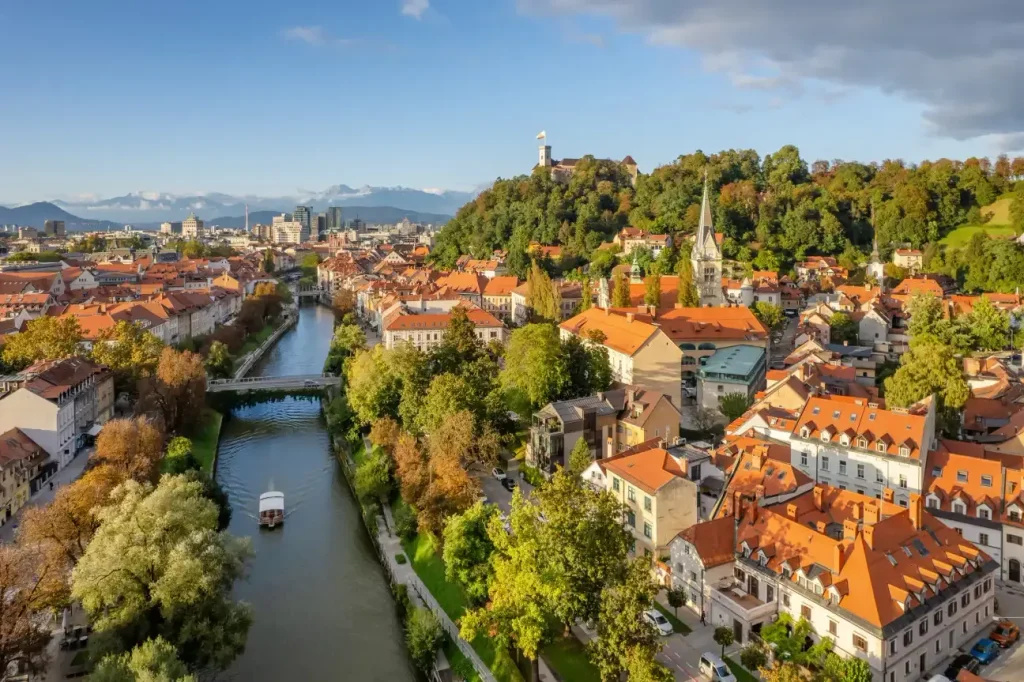
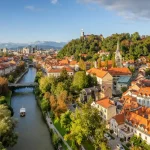
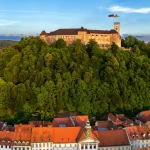
Ljubljana is essentially a citywide design project by one architect. Jože Plečnik reshaped much of the city center in the early to mid-20th century, and his work extends far beyond individual buildings into bridges, riverbanks, market halls, and public squares. The Triple Bridge and the Ljubljana Central Market are two of his best-known interventions, both of which integrate classical references with a distinctly modern sense of proportion and civic use.
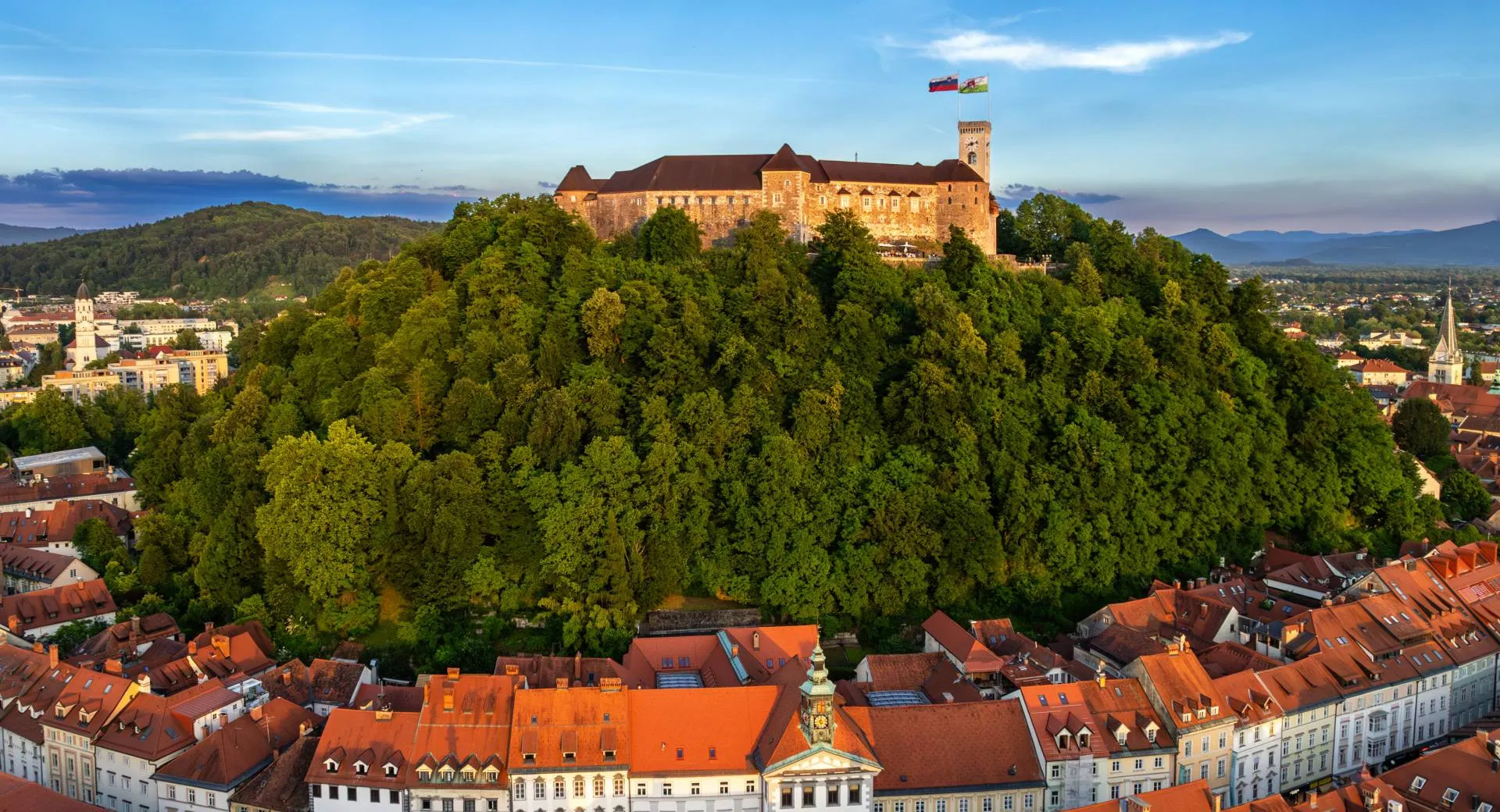
What sets Plečnik’s work apart is the consistency across scales. He treated street furniture, lighting, and public space with the same level of attention as major public buildings, giving the entire city a coherent visual language rarely seen outside of planned capitals. Ljubljana is small enough to walk through his major works in a day or two, making it an efficient study trip. For architects interested in how one person’s design philosophy can shape an entire urban environment, few cities offer as complete an example.
5. Brno, Czech Republic
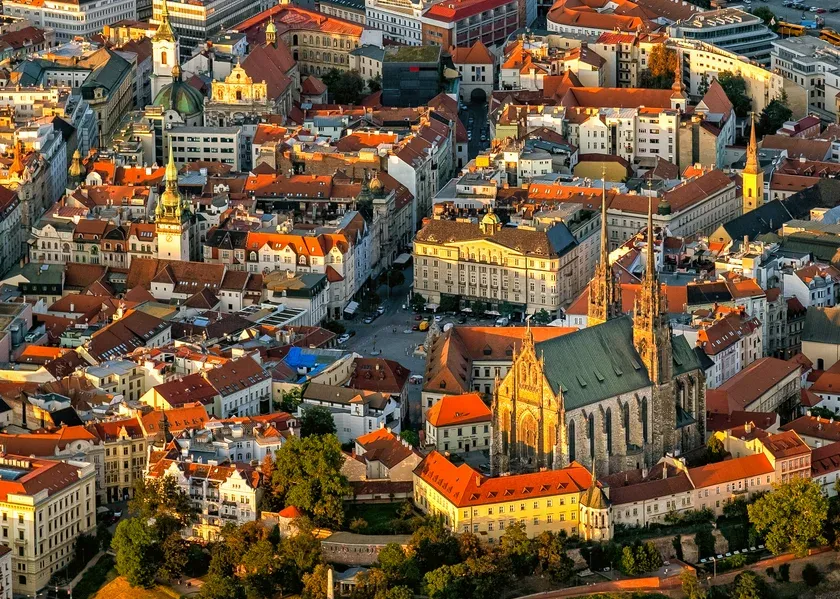
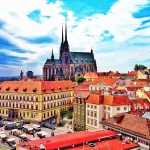
Brno is home to Villa Tugendhat, one of Mies van der Rohe’s most significant residential works and a UNESCO World Heritage Site. Completed in 1930, the house is a clear early statement of open-plan living, using a steel frame structure to remove interior load-bearing walls and create the flowing spaces that would later define modernist residential design. The onyx wall and curved macassar ebony partition remain some of the most referenced interior details in modern architecture.
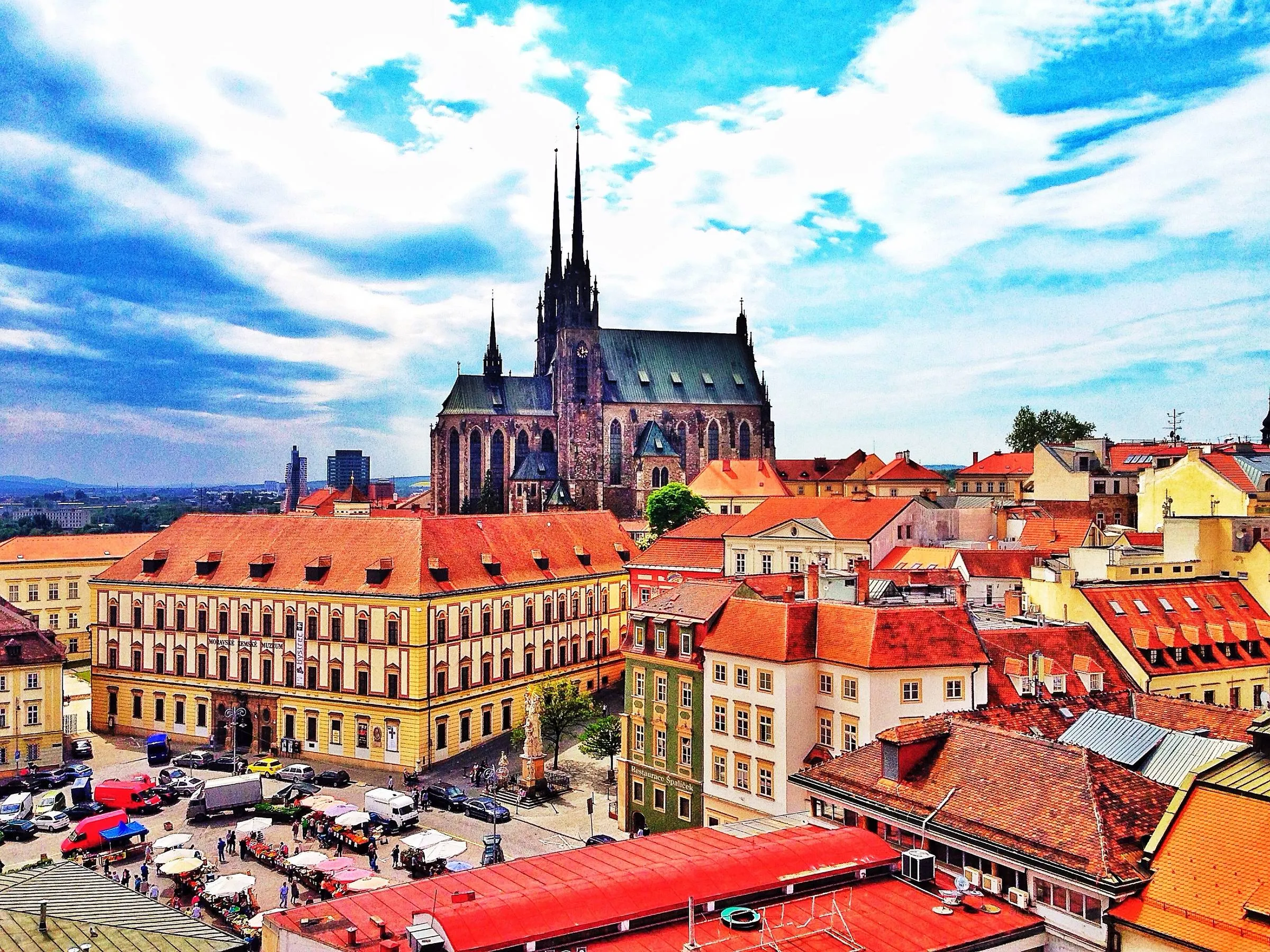
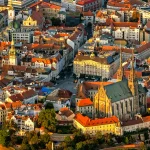
Beyond the villa, Brno has a substantial collection of functionalist buildings from the interwar period, when the city became an unofficial testing ground for modernist ideas in Czechoslovakia. Many of these buildings are less polished than Villa Tugendhat but show the same principles applied at a smaller scale. As an underrated city compared to Prague, Brno gets a fraction of the visitors, which makes it easier to actually study the buildings without crowds. For anyone focused on early modernism, this is an essential stop.
6. Sarajevo, Bosnia and Herzegovina
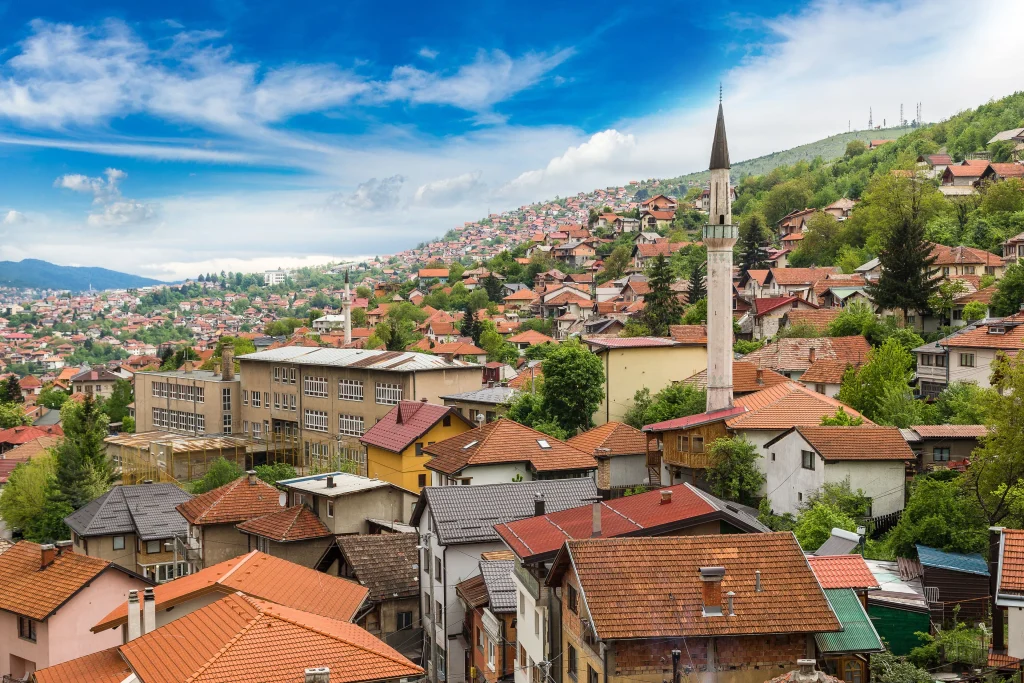
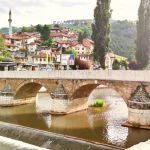
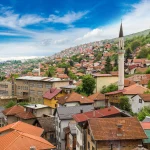
Sarajevo compresses several distinct architectural periods into a compact city center. The Ottoman-era Baščaršija district has narrow streets, wooden shopfronts, and mosque complexes dating back centuries. A few blocks away, Austro-Hungarian rule left behind grand civic buildings in a heavier European style, including the City Hall, which mixes Pseudo-Moorish details with a European institutional footprint. Socialist Yugoslav-era buildings add a third layer, with brutalist housing blocks and civic structures built during the postwar period.
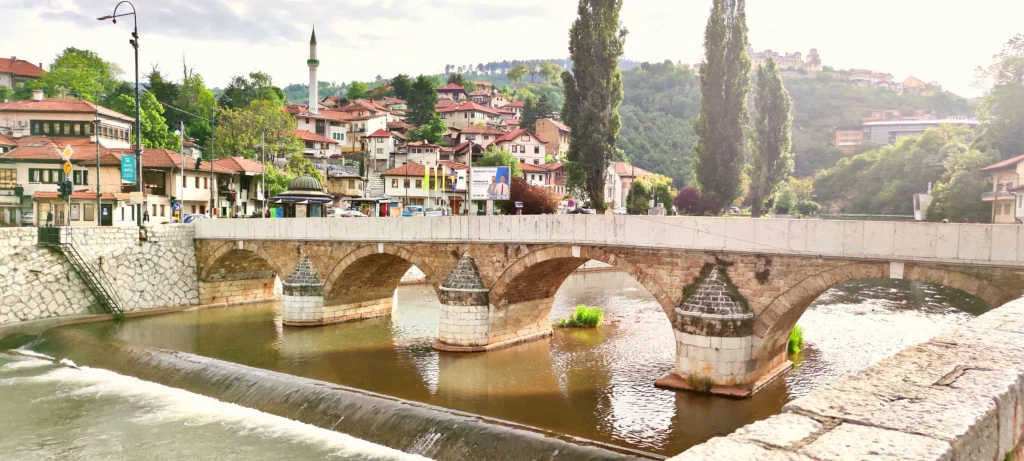
Few cities let you walk between three completely different architectural traditions in the span of a few streets. Sarajevo also carries visible marks from the 1990s siege, and some buildings still show damage from that period. This adds a layer of recent history that is impossible to separate from the built environment. For architects interested in how cities physically record political change, Sarajevo offers a dense and direct example.
7. Wrocław, Poland
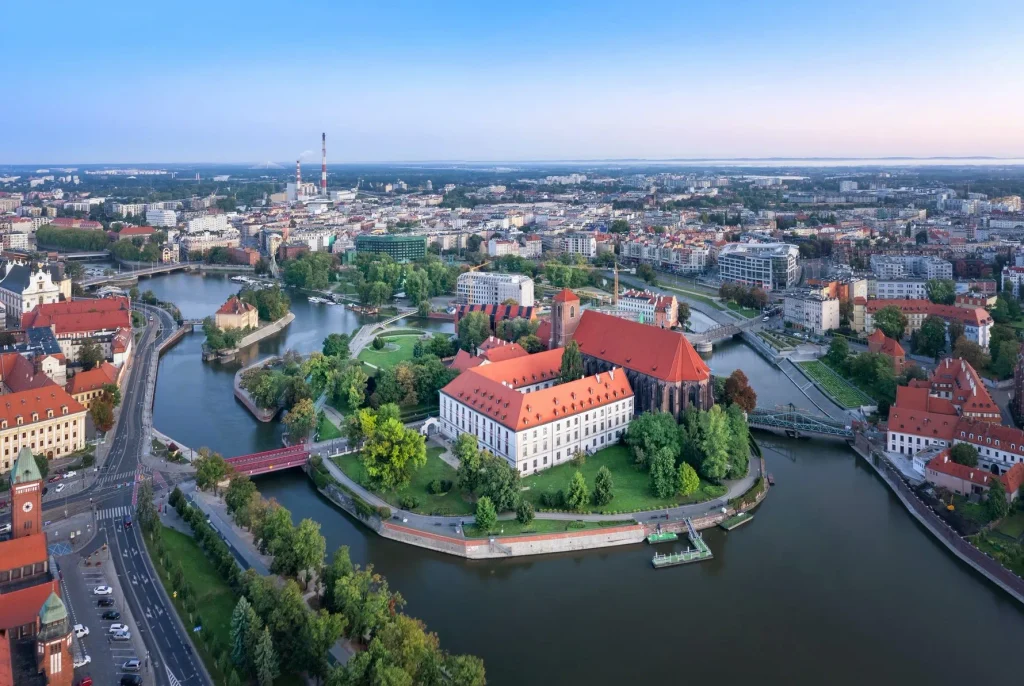
Wrocław has one of the more unusual architectural histories in Central Europe, shaped by shifting borders and multiple rebuilding efforts. The city’s Centennial Hall, designed by Max Berg in 1913, was one of the earliest large-scale reinforced concrete structures in the world and remains a landmark of early modern engineering. Its dome spans over 200 feet without internal supports, an impressive feat for the period.
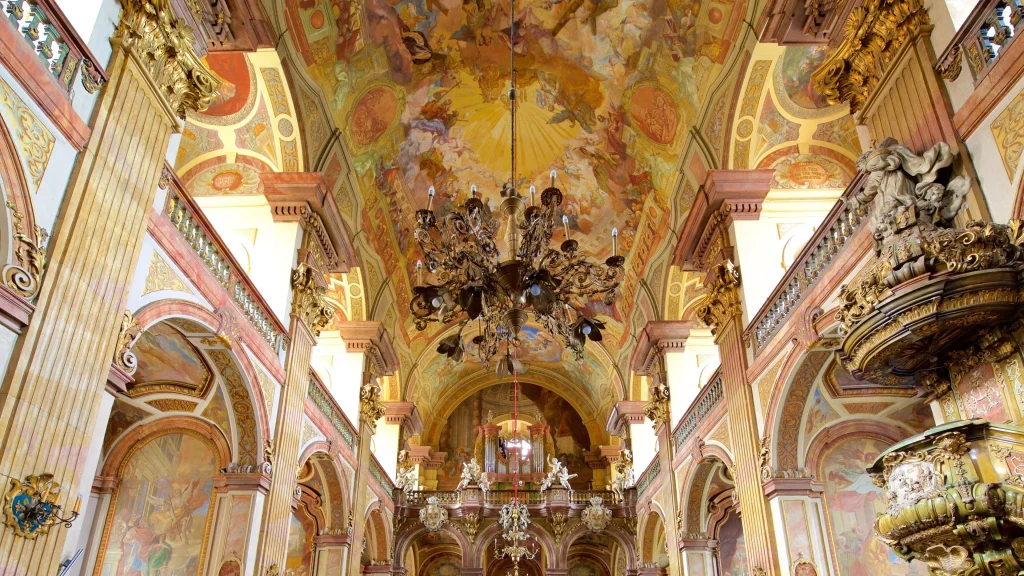
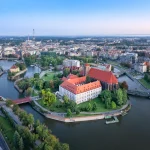
Wrocław’s Old Town was heavily damaged during World War II and rebuilt with a mix of historical reconstruction and new construction, giving the city center a slightly different texture than other restored European old towns. The result is a place where historical rebuilding sits next to genuine early modernist engineering, without one overshadowing the other. Wrocław remains an underrated city on standard European architecture itineraries, which keeps it free of the crowds found in Krakow or Warsaw. For anyone interested in structural history or postwar reconstruction, it is worth the detour.
8. Bucharest, Romania
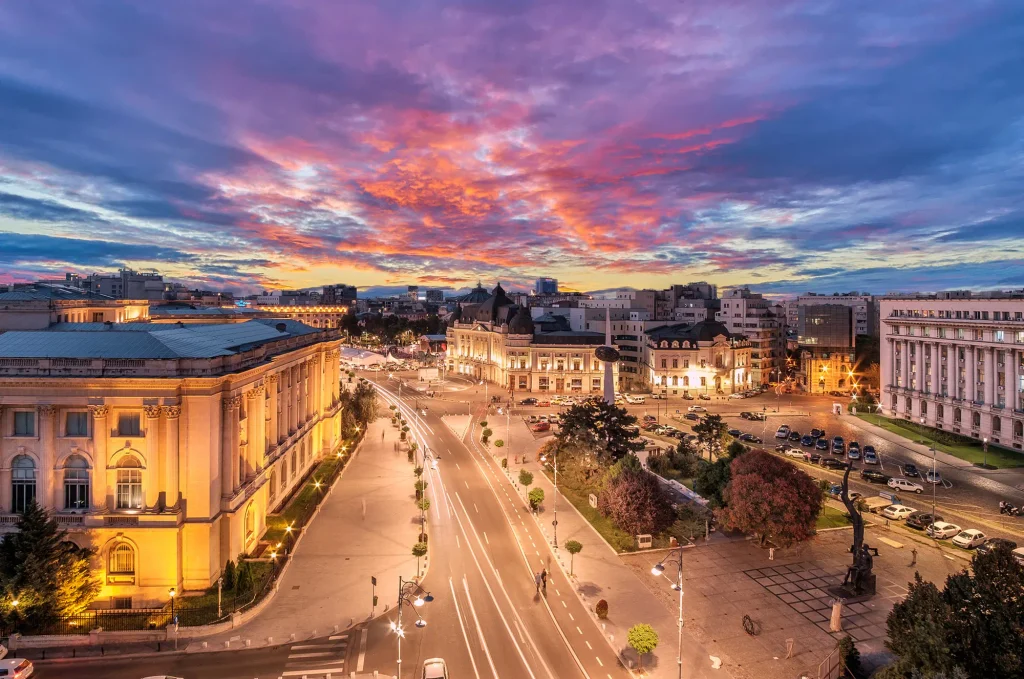
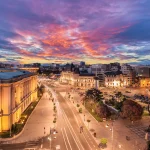
Bucharest earned the nickname “Paris of the East” for its interwar architecture, when wide boulevards and Beaux-Arts buildings gave the city a European elegance that still shows through in neighborhoods like Cotroceni and parts of the historic center. That layer sits uneasily next to the Palace of the Parliament, the second-largest administrative building in the world, built under Ceaușescu at enormous human and financial cost. The palace alone is worth studying for its scale and construction, even setting aside its political history.
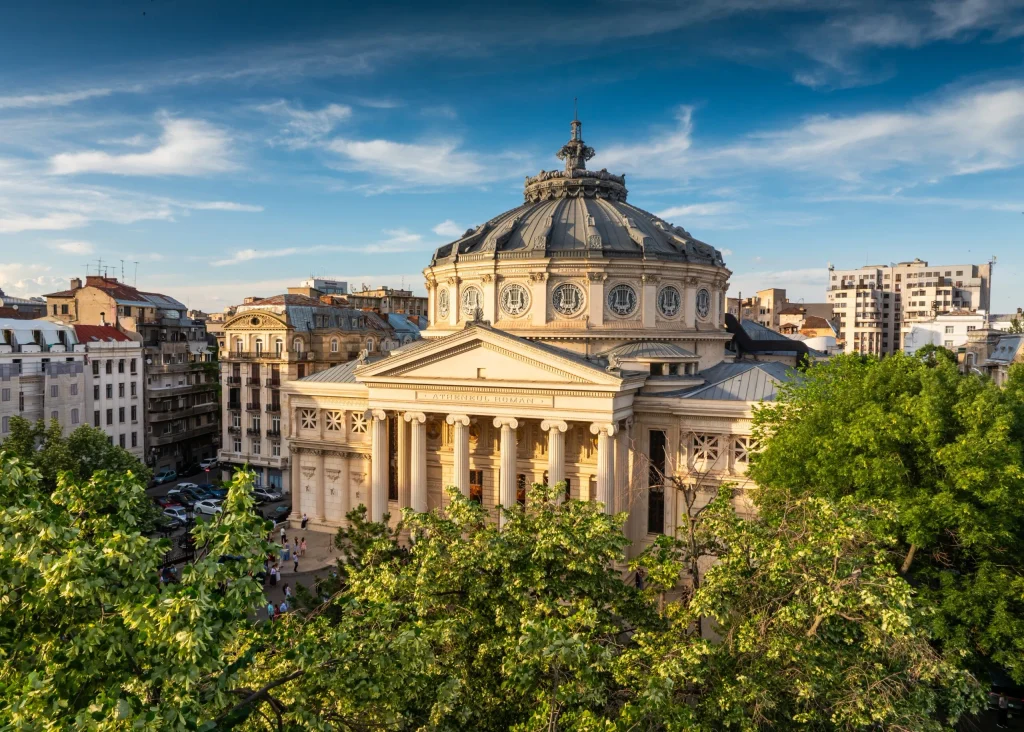
Beyond these two extremes, Bucharest has large stretches of communist-era housing blocks that show the range of Eastern Bloc residential planning, from basic prefabricated units to more ambitious civic complexes. The city does not present a unified architectural identity, and that is exactly what makes it useful to study. Bucharest shows how political upheaval gets written directly into a city’s built form, often within a single generation.
9. Kaunas, Lithuania
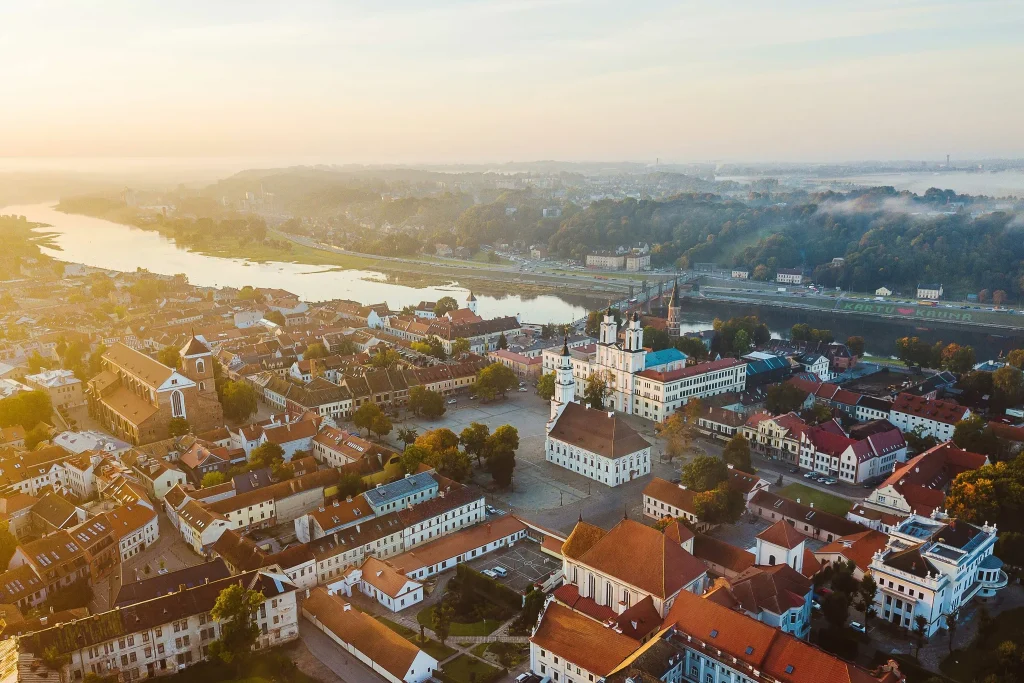
Kaunas is an underrated city that holds one of the most complete collections of interwar modernist architecture in Europe, a fact that surprises most visitors given how little international attention the city receives. When Vilnius came under Polish control between 1920 and 1939, Kaunas became Lithuania‘s provisional capital, and the government used the two decades that followed to build an entirely new city center in Art Deco and Bauhaus-influenced styles. Banks, post offices, churches, and apartment buildings from this period still stand largely intact, giving the city a rare architectural consistency.
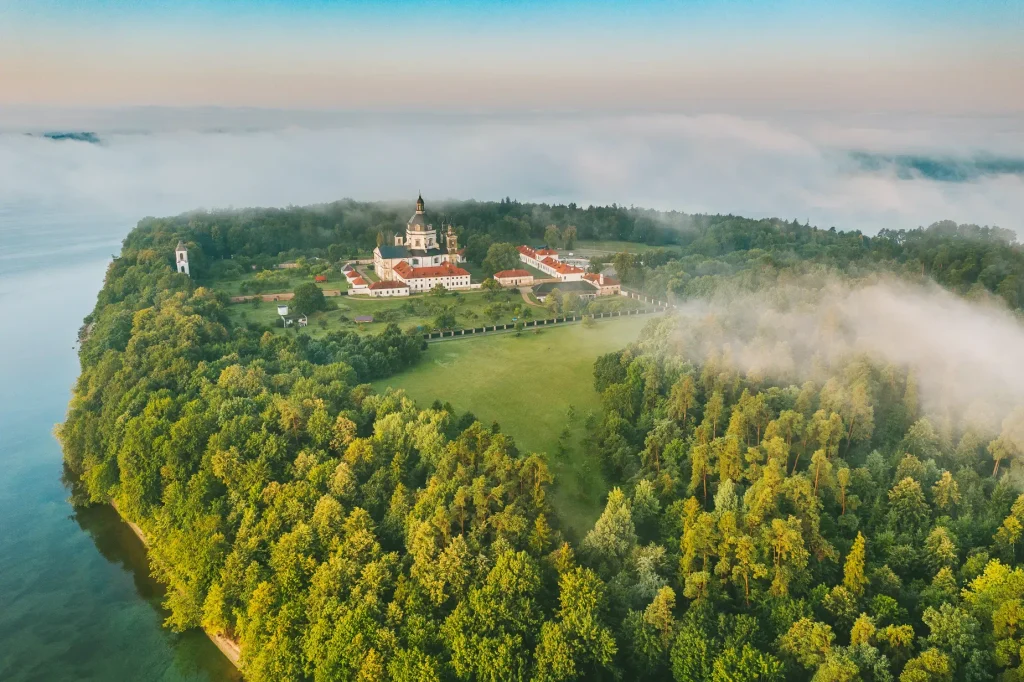
UNESCO recognized this achievement by adding Kaunas to its Creative Cities network specifically for its modernist heritage. Unlike many interwar districts elsewhere in Europe, this one was not heavily damaged during World War II or replaced during the Soviet period, so the original scale and detailing remain visible. For architects studying interwar modernism outside the usual German and French reference points, Kaunas offers an unusually well-preserved alternative.
10. Tbilisi, Georgia
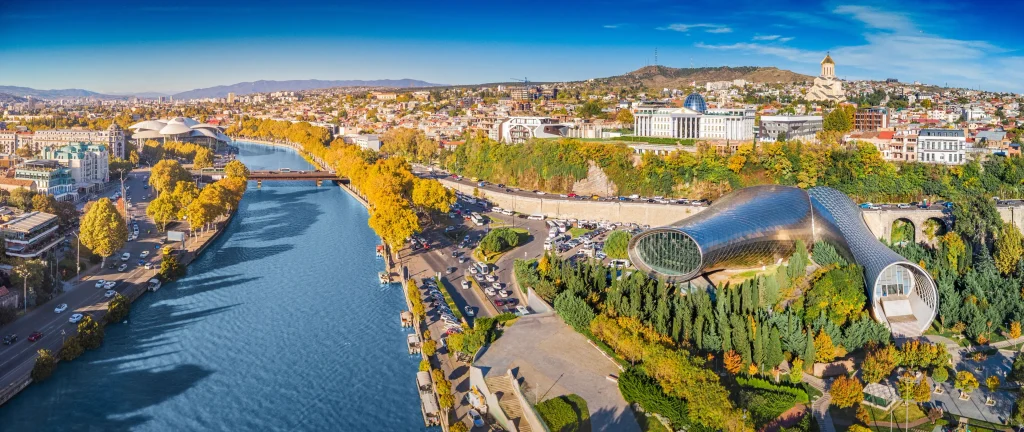
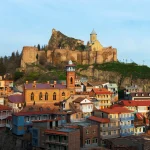
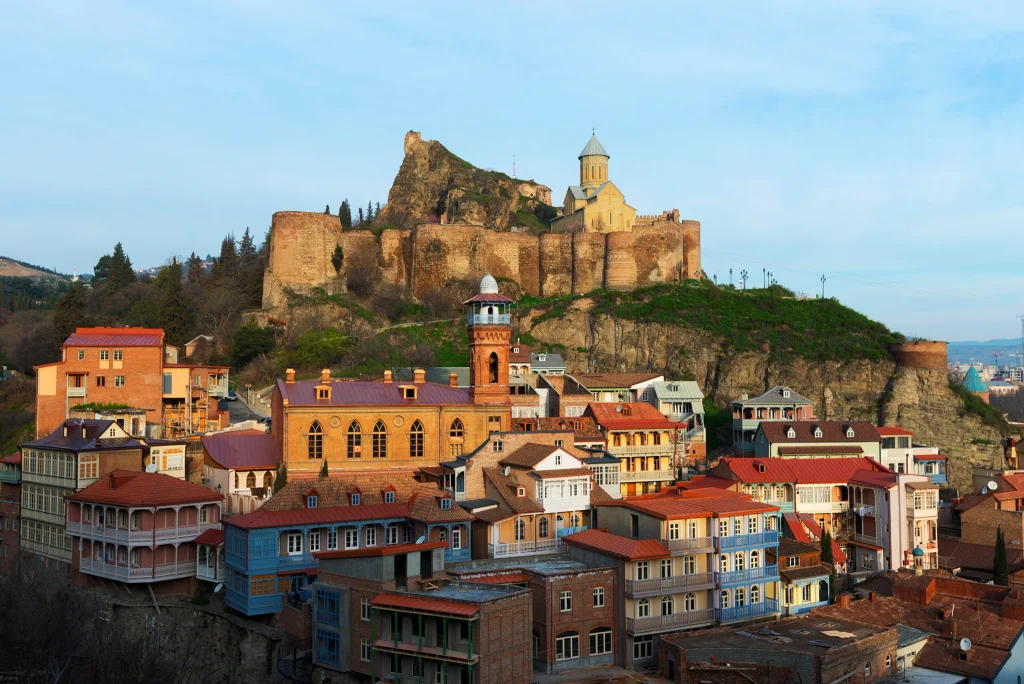
Tbilisi holds two architectural identities that rarely coexist elsewhere. The old town has narrow streets lined with 19th-century houses featuring carved wooden balconies, a style shaped by Persian and Ottoman influence during periods when Georgia sat at the edge of both empires. A short walk away, Soviet-era modernism appears in buildings like the former Ministry of Highway Construction, a stacked concrete structure built in the 1970s, and the Tbilisi Wedding Palace, known for its unusual asymmetrical form.
These buildings represent some of the more experimental work produced within Soviet architecture, often pushing further than what was typical in Moscow or other Soviet capitals. The contrast between the ornate residential old town and the raw concrete civic architecture gives Tbilisi a split character that is hard to find elsewhere. Much of the older housing stock is in poor condition, which adds urgency for anyone wanting to document it. For architects interested in Soviet modernism or vernacular residential design, Tbilisi offers both in proximity.
What connects them is substance: each underrated city on this list holds a specific, well-documented piece of architectural history that rewards close study rather than a quick photo stop. That is a useful distinction for architects planning travel. A city does not need to be conventionally attractive to be worth visiting. Some of the most instructive built environments come from an underrated city shaped by war, political upheaval, or economic constraint, conditions that rarely produce a pretty skyline but often produce honest, revealing architecture.