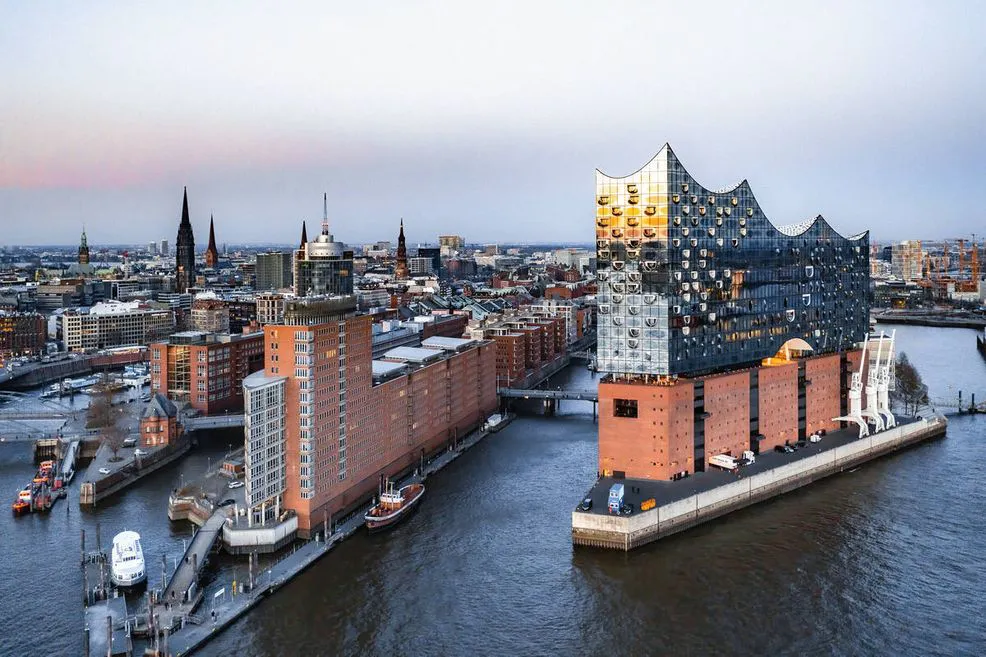


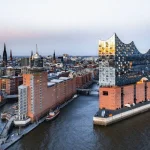
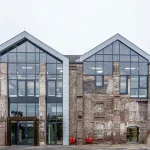
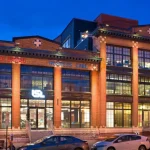
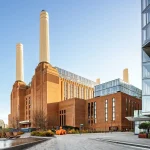
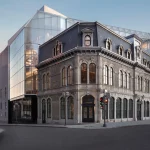
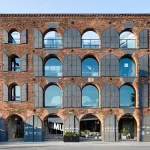
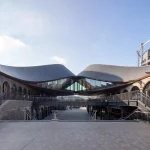
Cities are rarely built from scratch. They are layered environments in which buildings, streets, infrastructures, and public spaces accumulate traces of different periods, technologies, economies, and social practices. Yet urban development is often governed by a simpler logic: obsolete structures are removed, vacant sites are cleared, and new buildings are inserted in their place. This approach can produce efficient construction, but it also risks erasing the physical continuity that gives cities their identity.
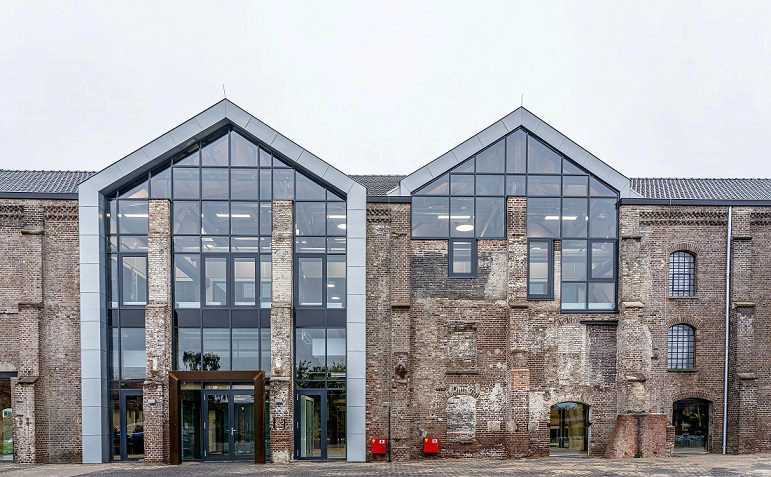
Adaptive reuse offers a different model. Rather than treating existing buildings as obstacles to development, it considers them as urban resources that can accommodate new programs, technologies, and forms of collective life. The significance of adaptive reuse, however, extends beyond architecture. When integrated into urban policy, it becomes a strategy for managing heritage, housing, environmental performance, economic development, and social change simultaneously.
The central question is therefore no longer simply how an old building can be converted into a new use. It is how cities can establish policies that allow existing structures to evolve while preserving the cultural and spatial qualities that make them valuable.
From Preservation to Adaptation
Traditional heritage policy has frequently relied on preservation (ICOMOS). A historically significant building is identified, protected, and maintained in a relatively stable condition. While this approach can safeguard important architectural assets, it may also create a tension between conservation and contemporary urban life. Buildings that cannot accommodate changing uses can gradually become underused, financially burdensome, or disconnected from the surrounding city.
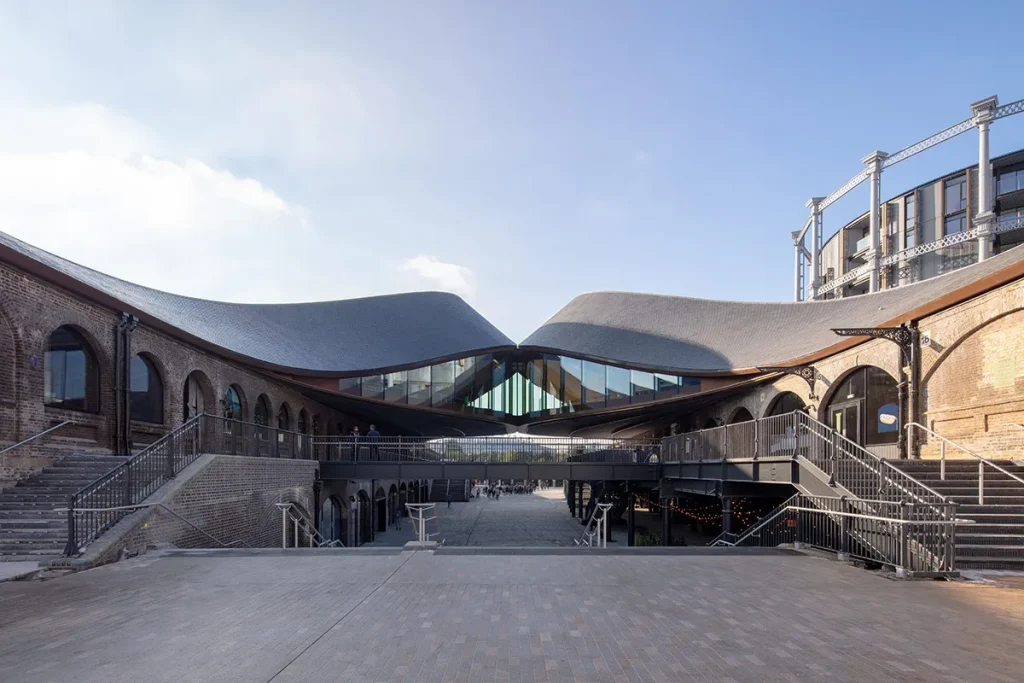
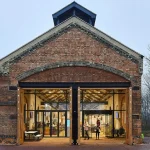
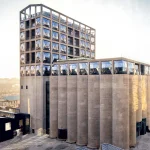
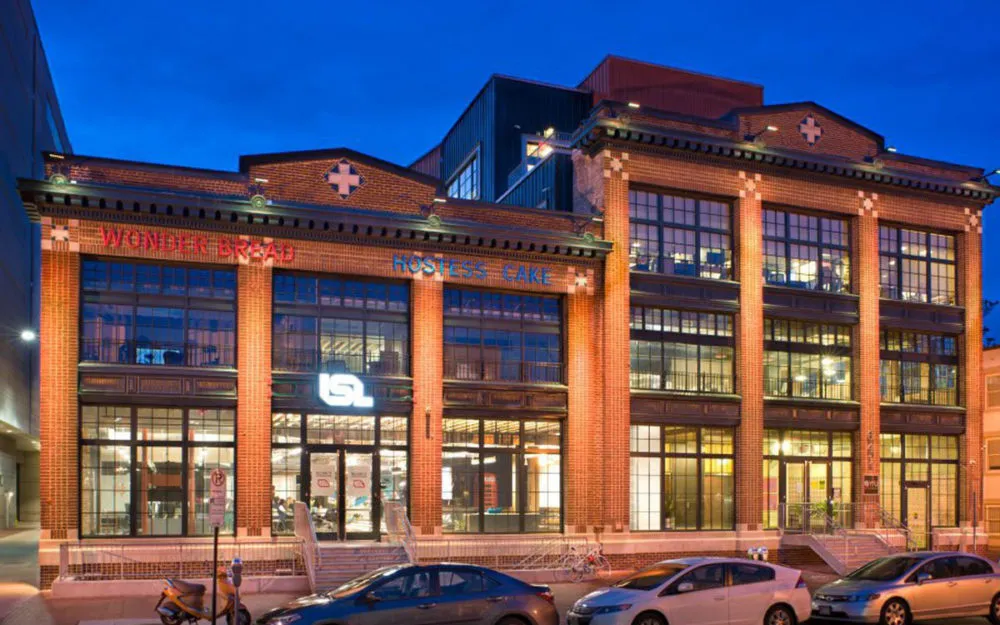
Adaptive reuse challenges the assumption that preservation requires stasis. A building can retain its architectural significance while undergoing substantial functional transformation. A warehouse can become a cultural center, an industrial structure can accommodate offices or housing, and a former institutional building can support educational, commercial, or community programs.
This shift from preservation to adaptation changes the role of heritage policy. Instead of asking only, “How can this building be protected?”, policymakers can ask, “How can this building continue to contribute to urban life?”
The distinction is important because buildings survive not simply through physical maintenance but through continued relevance. An empty building may remain technically preserved while losing its relationship with the community around it. Adaptive reuse seeks to maintain both the physical structure and its social usefulness.
Adaptive Reuse as a Policy Instrument
Treating adaptive reuse as urban policy requires moving beyond individual architectural projects. Cities need regulatory frameworks that make adaptation feasible.
One of the greatest obstacles is often the mismatch between contemporary building regulations and older structures. Existing buildings may not meet current requirements for accessibility, fire safety, energy performance, parking, seismic resistance, or mechanical systems (Historic England). Applying every contemporary standard without considering the original structure can make reuse financially or technically impossible.
Policy can address this problem through flexible regulatory frameworks. Performance-based standards, carefully defined exemptions, adaptive building codes, and specialized approval processes can allow historic structures to meet contemporary requirements without forcing unnecessary demolition.
Financial policy is equally important. Adaptive reuse often involves complex construction conditions that are difficult to predict. Existing walls, foundations, services, and structural systems may require extensive investigation and reinforcement. Governments can encourage reuse through tax incentives, grants, low-interest financing, development bonuses, or public-private partnerships (UNESCO).
The objective should not be to subsidize every old building. Instead, policy should identify buildings and areas where reuse can produce wider public value.
The Urban Value of Existing Buildings
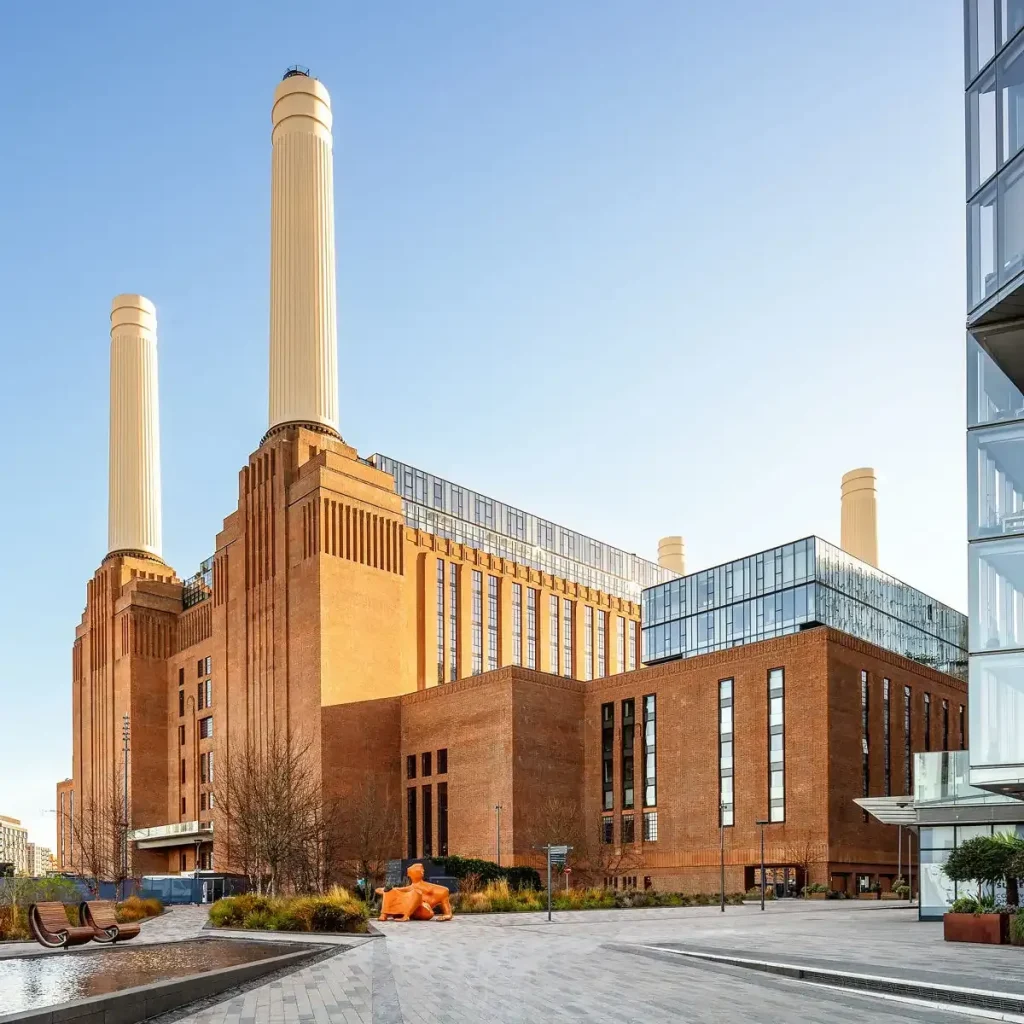
The value of adaptive reuse is not limited to architectural character. Existing buildings often carry significant urban infrastructure within them.
A mature building is connected to streets, utilities, public transportation, neighboring structures, and established patterns of movement. Reusing it can therefore preserve not only a physical object but an existing network of urban relationships.
This is particularly important in dense neighborhoods. Demolition and reconstruction can disrupt established street life, increase construction waste, and introduce buildings that are physically disconnected from their surroundings. Adaptive reuse can operate more incrementally, allowing neighborhoods to evolve without completely resetting their physical structure.
Existing buildings can also contribute to urban diversity. New developments are often optimized according to contemporary economic models, producing standardized building types. Older structures frequently offer different floor-to-floor heights, structural grids, materials, dimensions, and spatial configurations. These differences can support uses that conventional new construction may not easily accommodate. The result can be a more heterogeneous urban environment in which different generations of buildings coexist.
Heritage and the Right to Change
A major challenge is determining what should actually be preserved. Heritage is not a single material condition. A building can have value because of its architectural design, historical associations, construction techniques, social meaning, urban position, or collective memory. These values do not always require the preservation of every physical element.
Adaptive reuse therefore depends on identifying levels of significance. Some components may require strict conservation, while others can be modified, removed, or replaced. The process becomes an architectural negotiation between continuity and transformation.
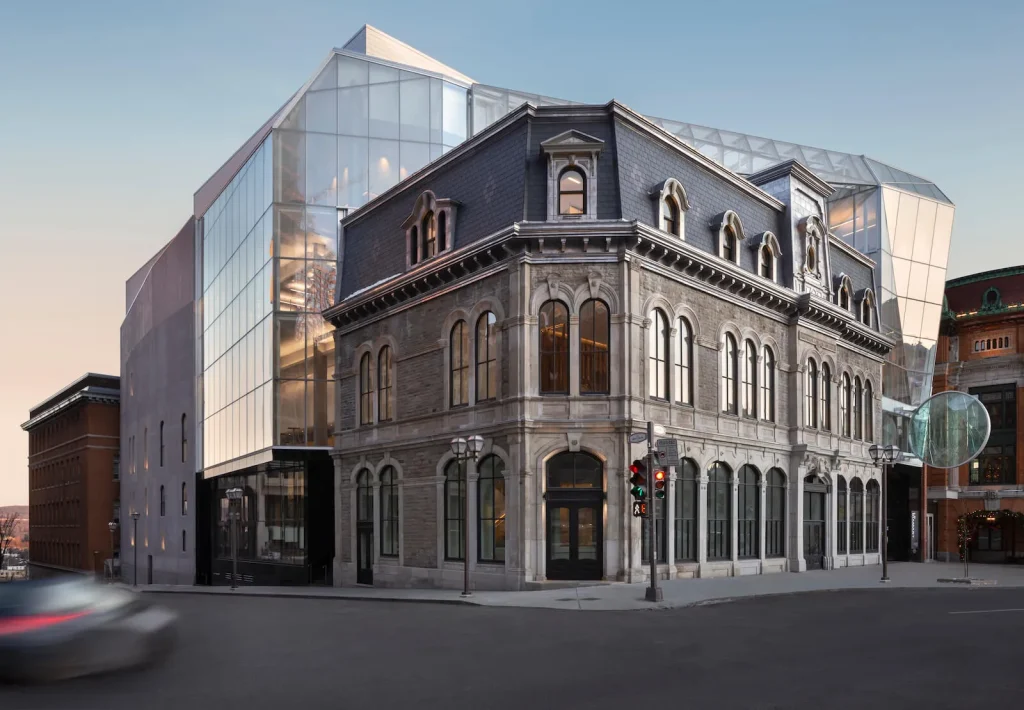
This does not mean that anything can be changed in the name of adaptation. Poorly conceived interventions can reduce heritage buildings to decorative façades, preserving an image while destroying the spatial and material qualities that made the structure significant in the first place.
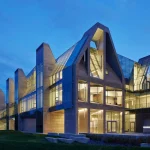
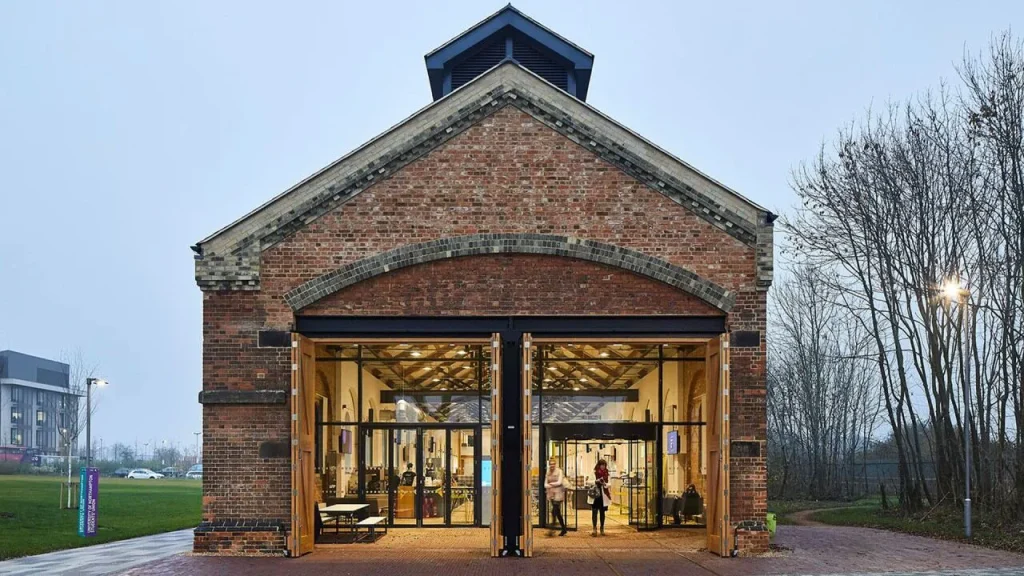
The strongest adaptive reuse projects usually distinguish between what must remain legible and what can evolve. New additions should not necessarily imitate the old. A contemporary intervention can make its own architectural language while respecting scale, proportion, material relationships, circulation, and the historical logic of the existing building.
Environmental Policy and the Carbon Question
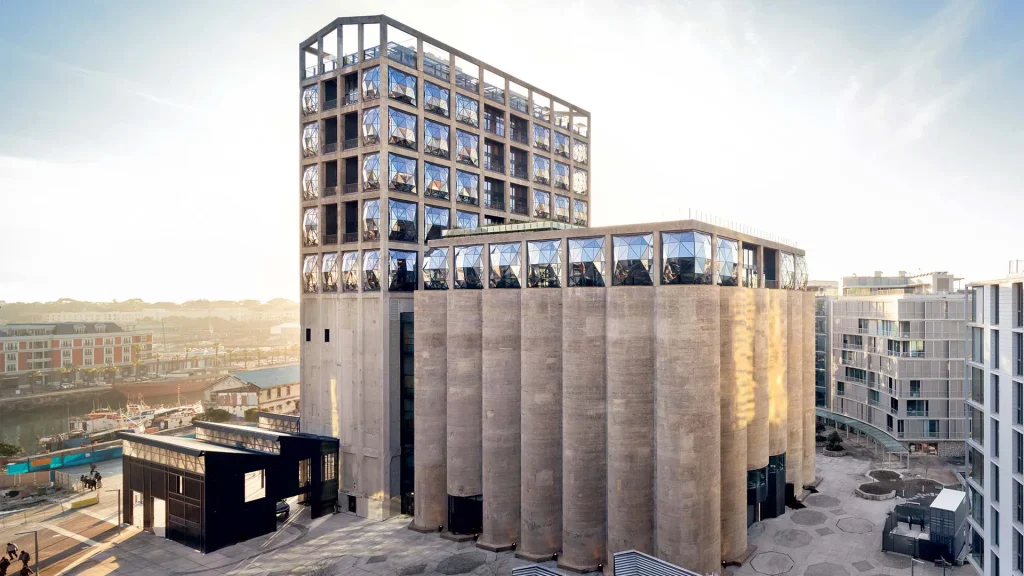
The environmental dimension makes adaptive reuse increasingly relevant to urban policy. Demolition produces substantial quantities of construction waste, while new construction requires energy and raw materials for manufacturing, transportation, and assembly. Reusing an existing structure can retain significant amounts of embodied carbon already invested in its materials.
This does not mean that every existing building is automatically more sustainable than a new one. Poorly performing buildings may require extensive upgrades, and some structures may be unsuitable for efficient adaptation. The environmental argument must therefore be based on assessment rather than ideology.
Policy can encourage this assessment by requiring life-cycle carbon analysis when demolition is proposed for significant existing buildings. Planning systems could compare demolition and reconstruction against adaptive reuse alternatives, considering embodied carbon, operational energy, material consumption, construction waste, and expected building lifespan.
Such an approach would transform the question from “Can we build something new?” into the more useful question: “What is the environmental cost of replacing what already exists?”
Housing and Social Infrastructure
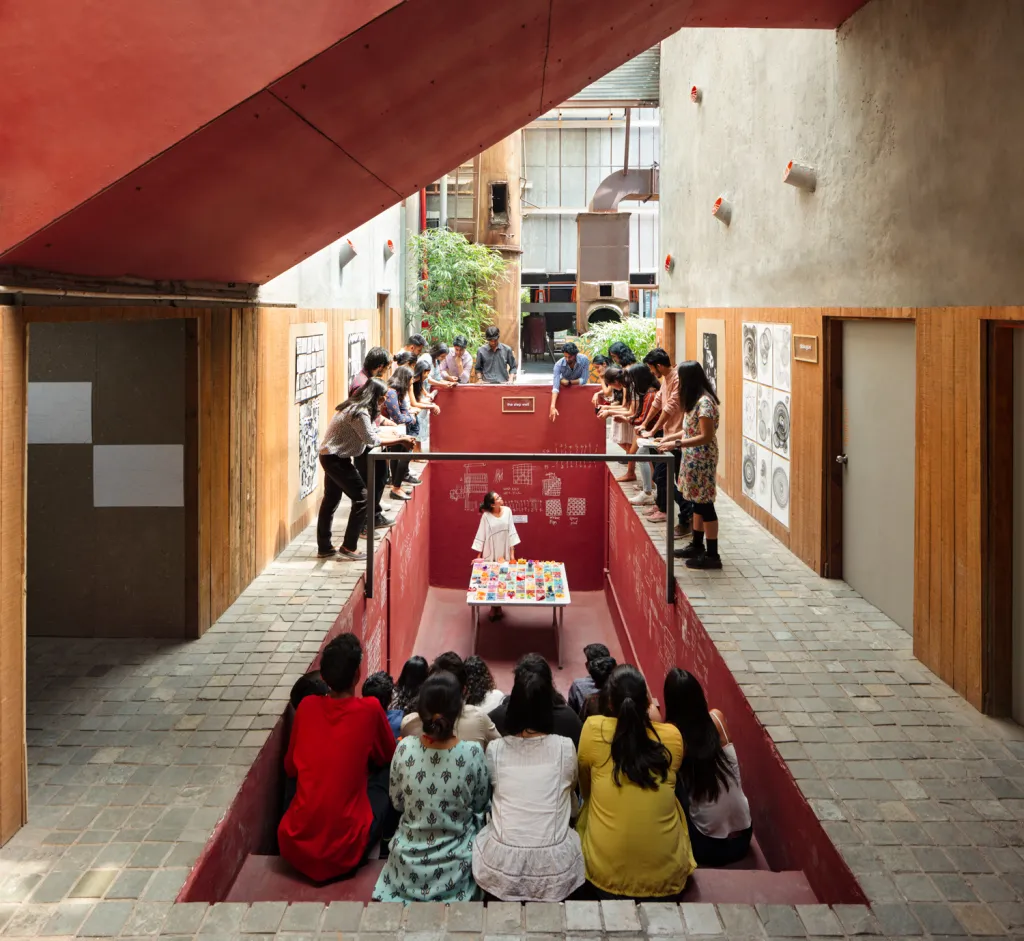
Adaptive reuse can also become a tool for addressing changing social needs. Many cities contain underused offices, institutional buildings, commercial properties, industrial structures, and public facilities. Some of these buildings may offer opportunities for housing, particularly in areas where land prices make conventional development difficult.
However, conversion into housing is not automatically beneficial. Buildings designed for offices or industrial uses may have deep floor plates, inadequate natural light, unsuitable structural grids, or poor access to services. A successful policy must therefore distinguish between buildings that can genuinely support good housing and those that cannot.
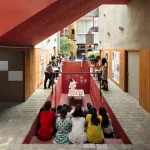
The same principle applies to social infrastructure. Existing buildings can accommodate libraries, clinics, educational facilities, community centers, cultural spaces, workshops, and local services. Reuse can therefore support not only physical conservation but the retention of essential functions within established neighborhoods.
This becomes especially important when urban redevelopment threatens to displace lower-income communities. Adaptive reuse policies can be linked to affordability requirements, community ownership models, and social infrastructure provision so that regeneration does not simply become another mechanism for increasing land values.
Adaptive Reuse and Economic Regeneration
Vacant buildings are often treated as symptoms of urban decline. Yet they can also represent opportunities for economic diversification.
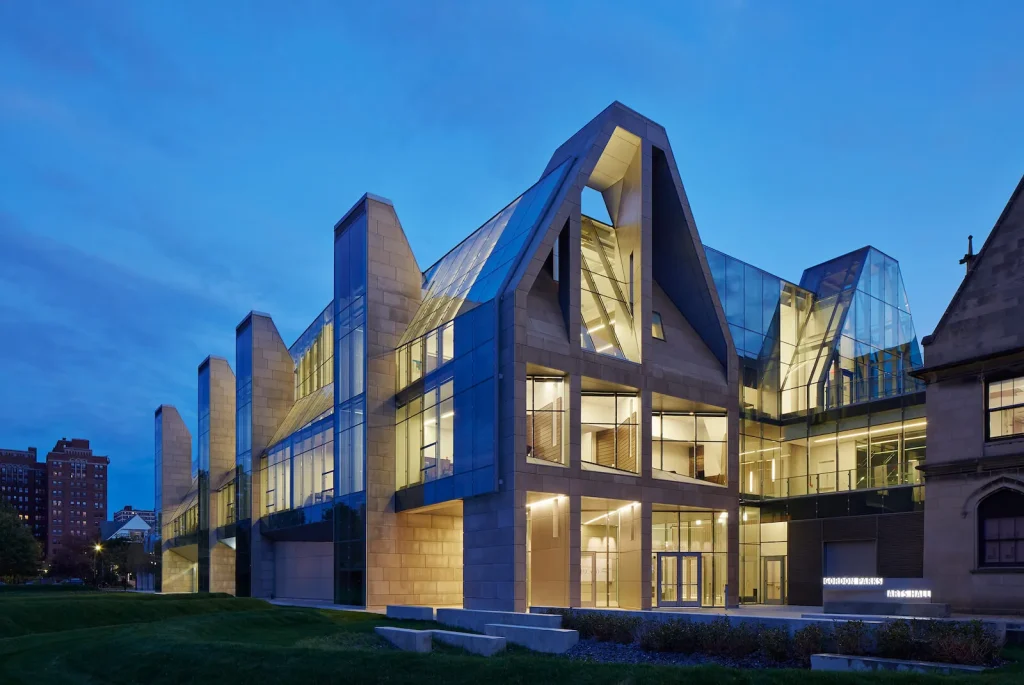
Smaller businesses, creative industries, cultural organizations, start-ups, workshops, and community enterprises may benefit from the spatial character and relatively flexible environments offered by existing buildings. Instead of concentrating economic activity in large new developments, cities can distribute investment through their existing urban fabric.
This can produce a more gradual form of regeneration. Rather than replacing an entire district, policymakers can support a network of smaller interventions that reactivate vacant properties and strengthen local economies.
Such a strategy also recognizes that urban vitality is often generated by difference. Buildings with varying sizes, rents, layouts, and degrees of finish can support a broader range of users than highly standardized new developments.
The Risk of Adaptive Reuse Becoming Gentrification
Adaptive reuse is not inherently socially progressive. A renovated industrial building can become an expensive residential development. A former public building can become a luxury hotel. A culturally significant neighborhood can be transformed into a fashionable destination whose original communities can no longer afford to remain.
This reveals a crucial distinction between architectural adaptation and socially responsible urban policy. Reusing a building does not automatically produce equitable development.
Policies must therefore consider who benefits from reuse. Affordable housing requirements, community participation, public access, local employment provisions, and protections for existing residents can help prevent adaptive reuse from becoming a mechanism for displacement.
Heritage itself should also be understood as socially distributed. The heritage value of a neighborhood does not belong exclusively to tourists, investors, or property owners. It is also embedded in everyday practices, local businesses, memories, and community relationships.
Designing for Future Change
Perhaps the most important lesson of adaptive reuse is that buildings should not be considered finished objects. Urban needs change. Technologies change. Demographics change. Economic conditions change. A building designed for a single function and a single period may struggle to survive these transitions.
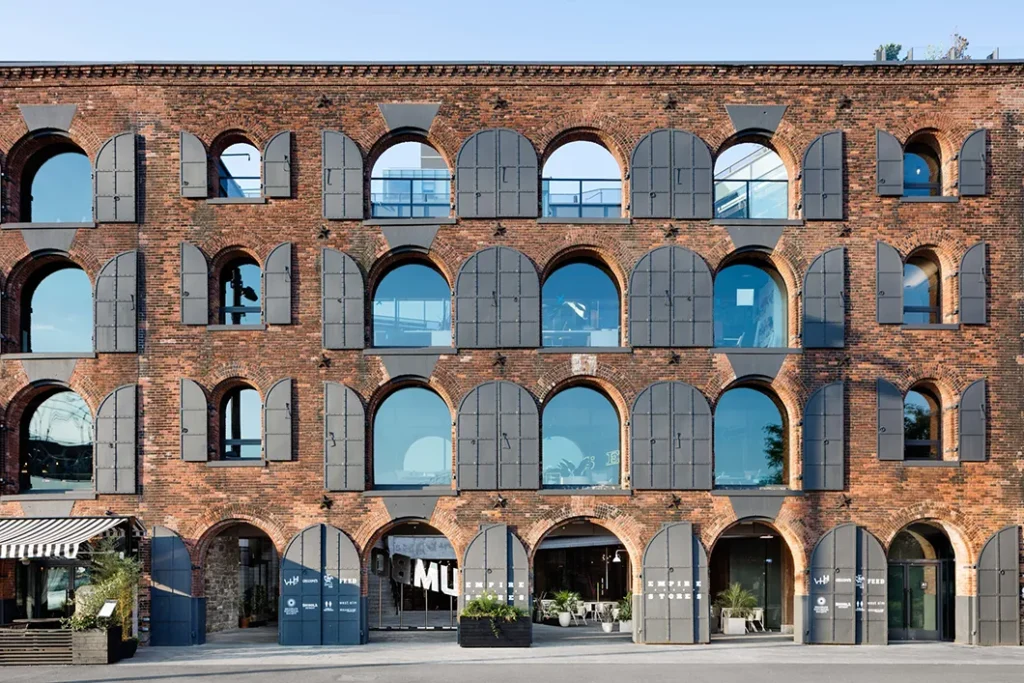
Future-oriented architecture can therefore incorporate adaptability from the beginning. Structural systems, service zones, floor heights, circulation networks, and façades can be designed to accommodate different uses over time. In this sense, adaptive reuse is not only a strategy for old buildings. It is also a lesson for new construction.
Urban policy can reinforce this principle through long-term building assessments and incentives for flexible construction. The goal is to create a built environment capable of changing without repeatedly requiring demolition and reconstruction.
A More Layered Urban Future
Adaptive reuse represents a broader shift in how cities understand their existing fabric. The question is no longer whether an old building should be preserved or replaced. Between those two extremes lies a wide spectrum of intervention: repair, conversion, extension, insertion, transformation, partial demolition, addition, and reinterpretation.
As an urban policy, adaptive reuse can connect heritage conservation with environmental responsibility, economic regeneration, housing provision, and social infrastructure. Its success depends on recognizing that buildings are not isolated architectural objects. They are components of larger systems involving communities, streets, economies, resources, and memories.
The most resilient cities may therefore be those that learn to change without constantly erasing themselves. Adaptive reuse offers a practical framework for achieving precisely that condition. It allows the past to remain physically present without forcing the city to live in it.
Ultimately, the objective is neither to freeze heritage nor to worship novelty. It is to create an urban fabric capable of accommodating change while retaining continuity. That requires architecture, planning, finance, environmental policy, and community interests to operate together rather than in their usual bureaucratic procession, where everyone arrives separately and wonders why nothing works.
Adaptive reuse becomes genuinely transformative when it is treated not as a specialized conservation technique, but as a central principle of urban development. In that framework, the existing city is not a problem waiting to be cleared. It is infrastructure, memory, material, and potential, all at once.