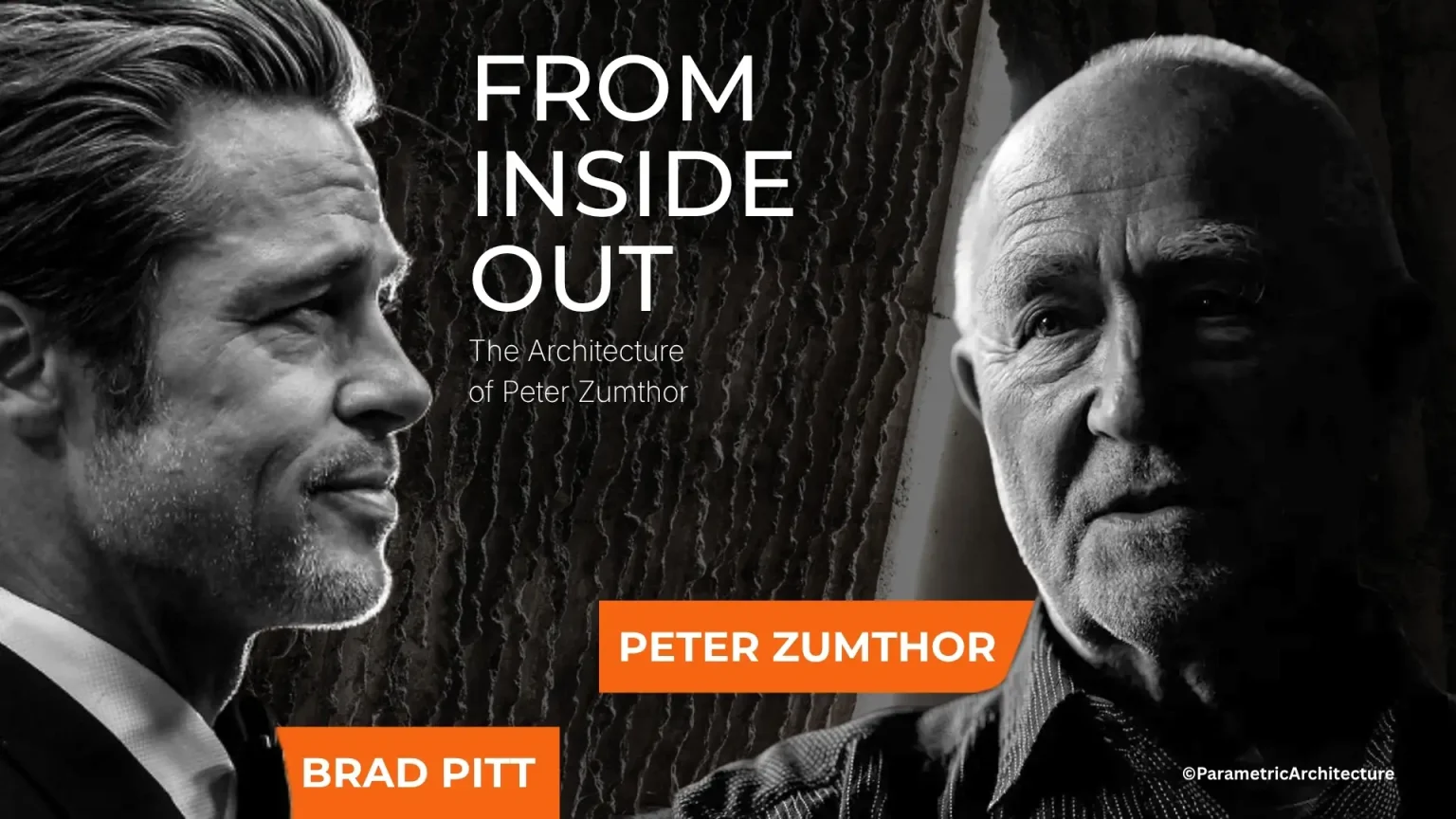

Actor and architecture enthusiast Brad Pitt has joined German filmmaker Wim Wenders as an executive producer of From Inside Out – The Architecture of Peter Zumthor, a new documentary examining the work and architectural philosophy of Swiss architect Peter Zumthor. The film is scheduled to premiere at the Venice Film Festival next month and will use 3D technology to create an immersive experience of several of Zumthor’s most significant buildings.
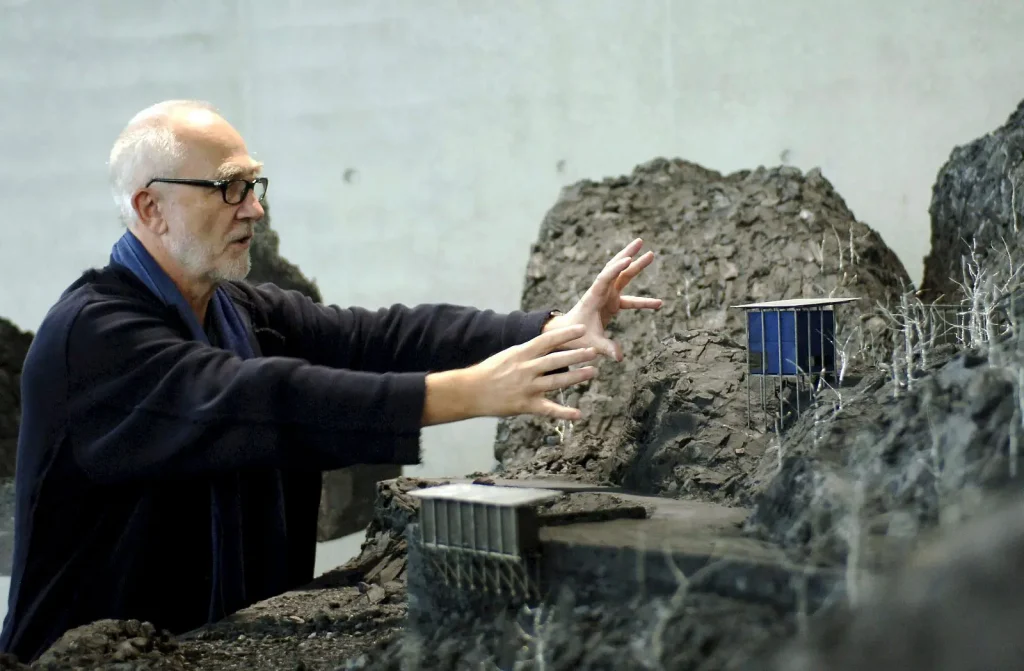
Wenders has worked on the documentary in collaboration with Zumthor for approximately 14 years, gradually developing a cinematic portrait that focuses not only on the architect’s buildings but also on the people who experience them. Rather than presenting architecture through conventional interviews and technical explanations, the film aims to communicate the atmosphere, material qualities, light, sound, and spatial sequences that define Zumthor’s approach.
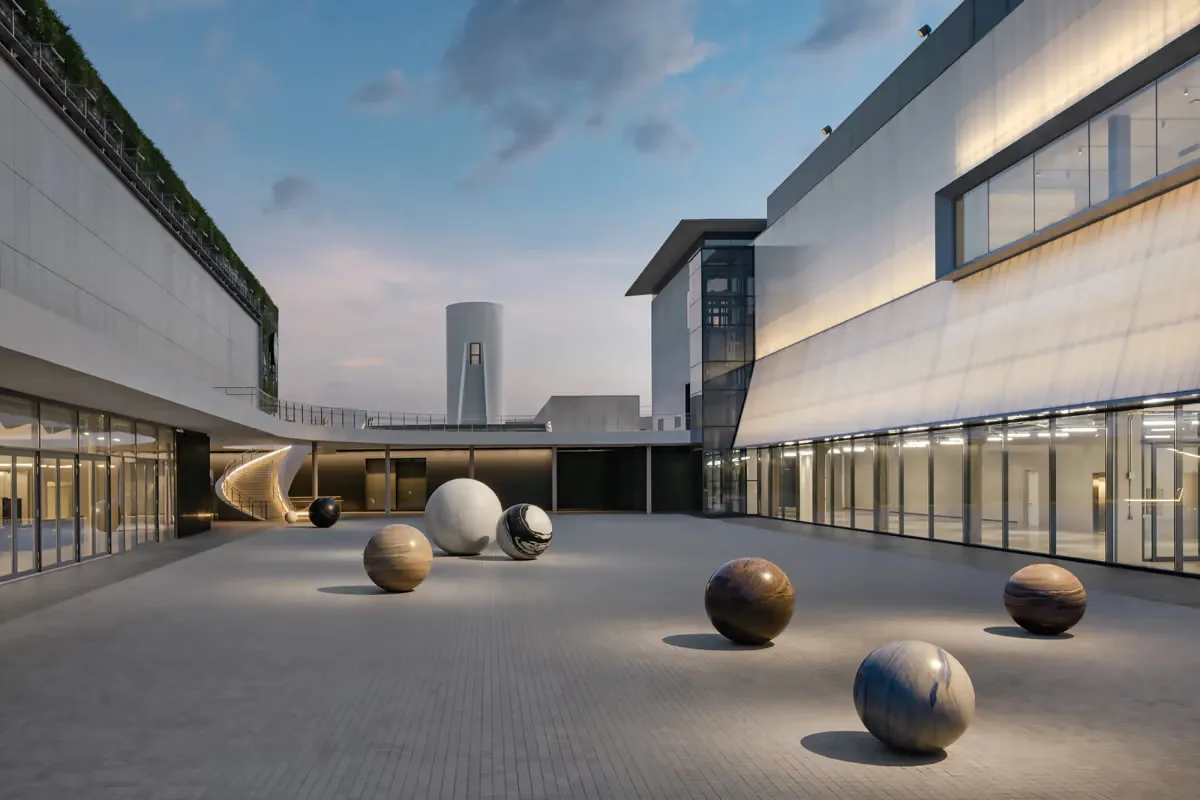
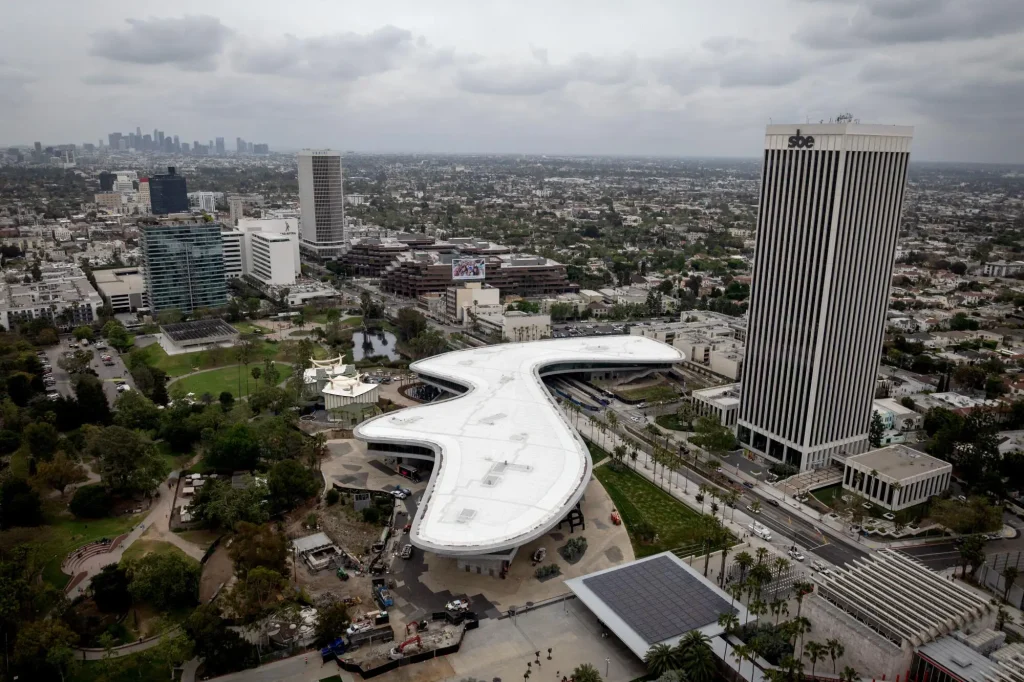
Pitt’s involvement reflects his longstanding admiration for Zumthor. In 2019, during discussions surrounding Zumthor’s design for the David Geffen Galleries at the Los Angeles County Museum of Art (LACMA), Pitt described the architect as a “master of light and shadow.” His public support reportedly played an important role during the planning process for the controversial museum expansion, which was completed in 2025.

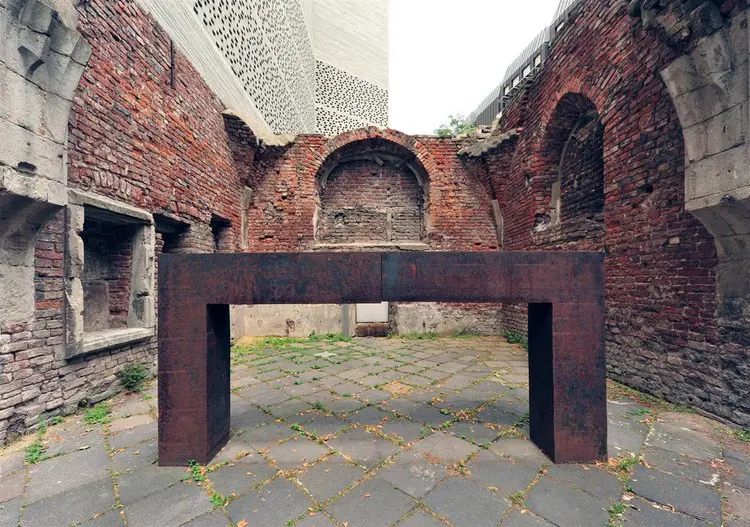
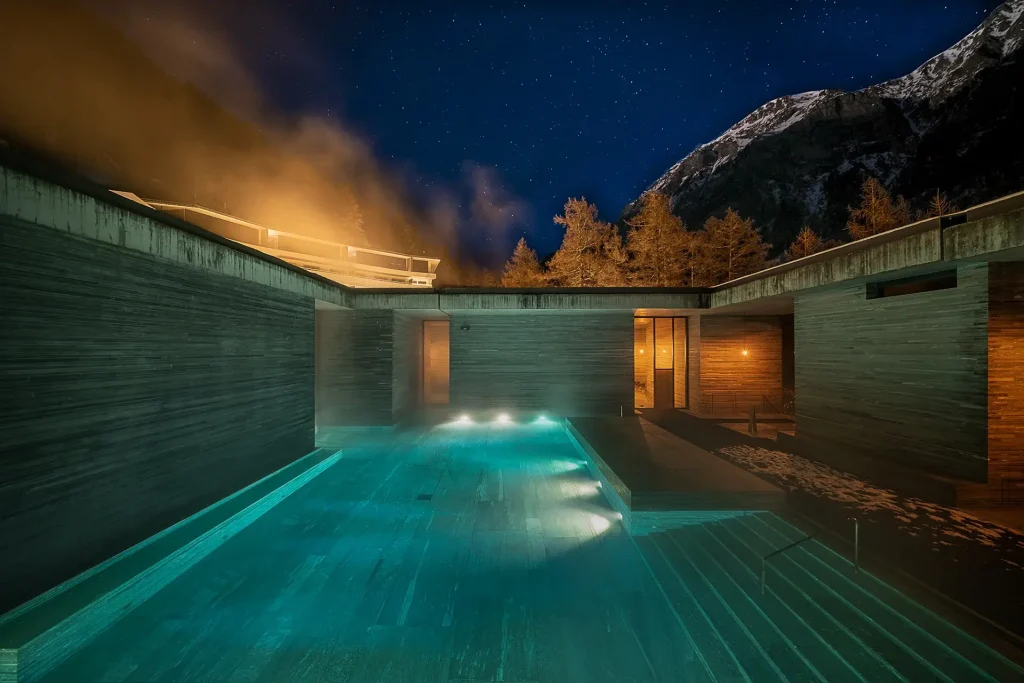
The LACMA project is among the buildings featured in From Inside Out, alongside several works that demonstrate the breadth of Zumthor’s architectural language. These include the Therme Vals spa in Switzerland, the Steilneset Memorial in Norway, the Secular Retreat house in England, the Kolumba Museum in Germany, the Bruder Klaus Chapel in Germany, and the Wyss Building for the Beyeler Foundation in Switzerland.
Together, these projects reveal Zumthor’s distinctive approach to architecture, in which atmosphere often takes precedence over visual spectacle. His buildings are frequently characterized by carefully controlled natural light, tactile materials, precise proportions, and an intense awareness of their physical and cultural settings. Stone, concrete, timber, glass, and metal are not simply construction materials in his work; they become instruments for shaping perception and memory.
The Therme Vals, for example, uses locally sourced quartzite to create a sequence of massive stone chambers, while the Bruder Klaus Chapel transforms a relatively simple structure into an intensely atmospheric interior through material and light. At Kolumba, Zumthor integrates archaeological remains with a contemporary museum, demonstrating his interest in continuity rather than historical imitation.
Wenders has said that the documentary is intended to make architecture more accessible through immersion rather than academic instruction. The director, whose 2023 film Perfect Days explored Tokyo’s public architecture through the daily life of a toilet cleaner, has repeatedly demonstrated an interest in the relationship between people and built environments.
From Inside Out therefore promises to approach Zumthor’s architecture less as a collection of iconic objects and more as a sequence of lived experiences. By combining Wenders’ cinematic language with Zumthor’s intensely sensory architecture, the documentary may offer audiences an opportunity to experience spaces that are difficult to understand through photographs alone.
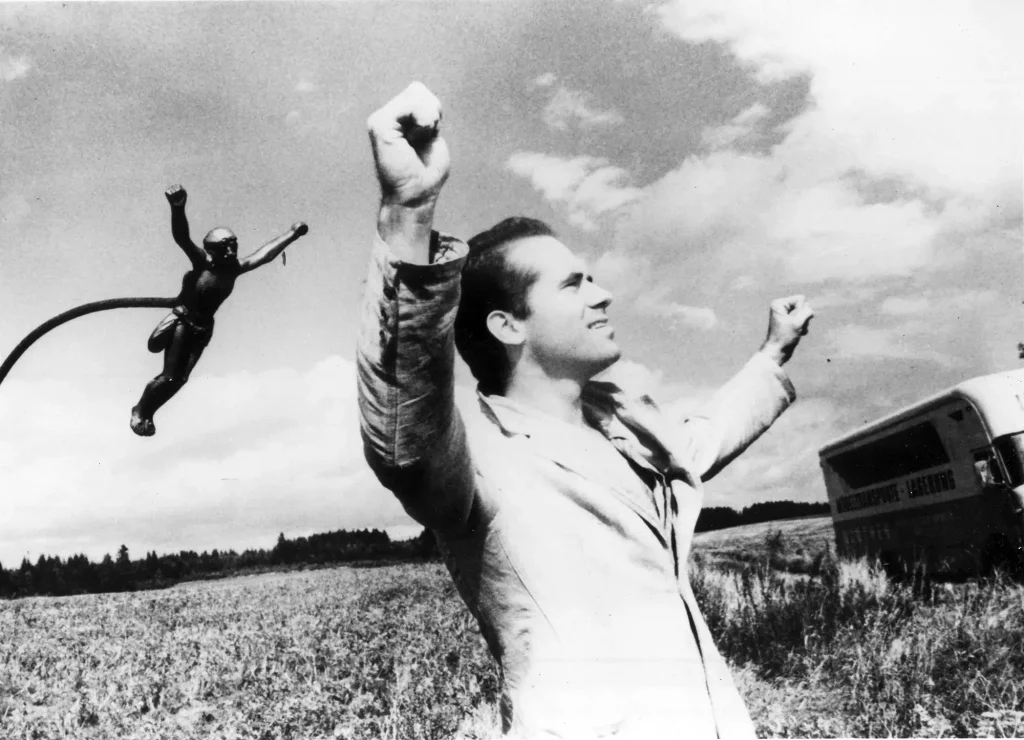
From Inside Out, A 3D Cinematography
The documentary raises a broader question about how architecture can be represented through film. Zumthor’s buildings are fundamentally experiential, relying on movement, changing daylight, acoustics, temperature, texture, and the gradual discovery of space. A conventional architectural photograph can capture only a single moment, while Wenders’ use of 3D cinematography allows the viewer to follow spatial transitions and perceive architecture as something unfolding over time. This approach is particularly relevant to Zumthor’s work, where the journey through a building is often as important as its exterior form. Rather than reducing architecture to recognizable images, the film seeks to reconstruct the sensory conditions that give each place its identity, turning cinema into another medium through which architectural atmosphere can be explored.