


From High-Tech Innovation to Human-Centered Architecture
Architecture has always moved between two opposing desires: the desire to create monuments that represent power and permanence, and the desire to create spaces that quietly improve everyday human experience. Few architects have navigated this tension as successfully as Renzo Piano. Throughout his long career, Piano has designed some of the most technologically ambitious buildings of the modern era, yet his architecture rarely feels aggressive or monumental. Instead, his buildings often appear to float, breathe, and communicate with their surroundings. His signature is not a recognizable shape but an attitude: an obsession with lightness, transparency, craftsmanship, and respect for human scale.
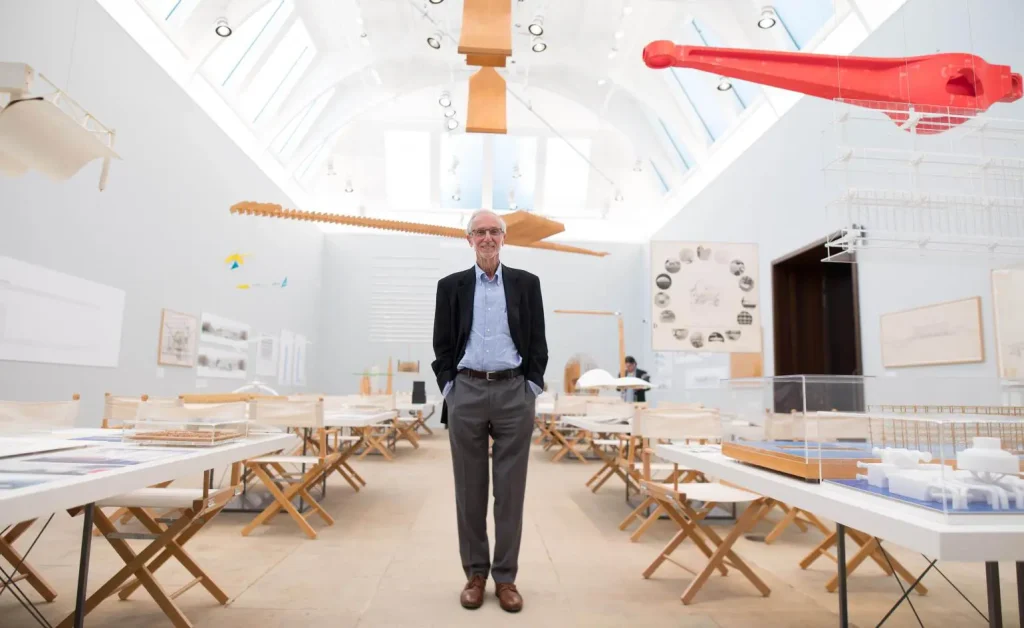
From the revolutionary technological expression of the Centre Pompidou to his recent cultural and urban projects, Piano’s architecture reveals a continuous search for balance: between technology and nature, innovation and tradition, global identity and local character. While many contemporary architects have pursued visual impact through dramatic forms, Piano has explored another possibility: that the future of architecture does not necessarily need to be louder, but more thoughtful.
The Beginning: Learning from Craft, Industry, and Technology
Born in Genoa, Italy, in 1937, Renzo Piano grew up in a family of builders. This early exposure to construction shaped one of the defining characteristics of his career: architecture as a dialogue between ideas and making. Unlike architects who approach design primarily through abstract concepts, Piano has always emphasized materials, details, and the physical process of construction.
He studied architecture at the Polytechnic University of Milan and later worked with important figures such as Franco Albini and Louis Kahn. These experiences introduced him to two important traditions: the precision of Italian modernism and the poetic power of monumental architecture.
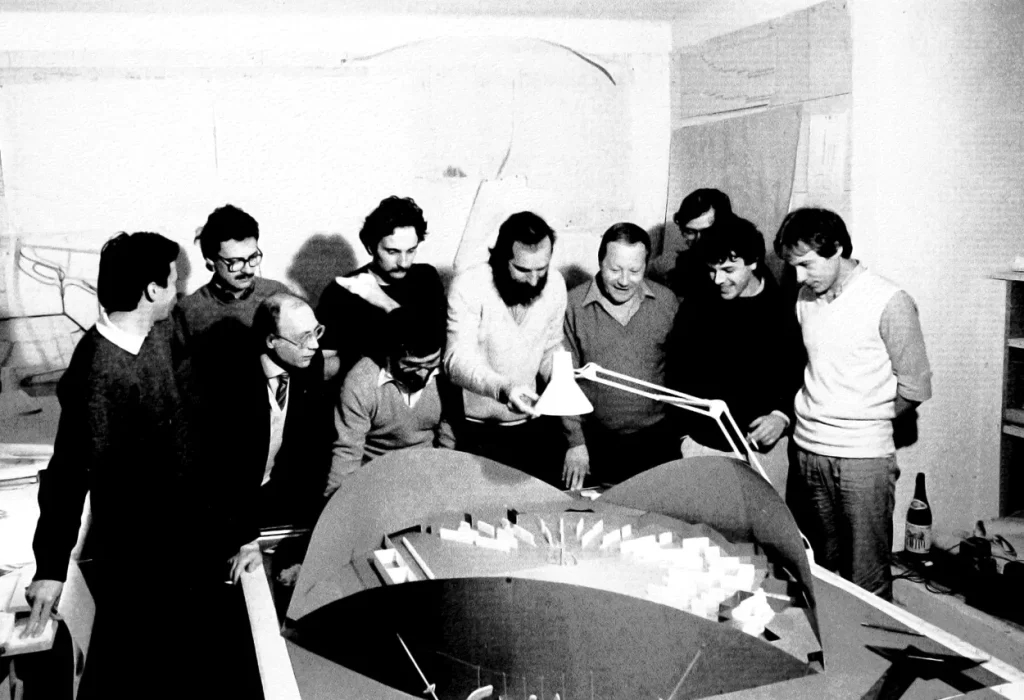
However, Piano’s international breakthrough came through collaboration with Richard Rogers in the competition-winning design for the Centre Pompidou in Paris, completed in 1977. The building challenged conventional ideas about museums by placing structural systems, mechanical services, and circulation elements on the exterior. Its colorful technological expression transformed the relationship between architecture and the city.
At the time, the project was controversial. Many Parisians criticized it as an industrial machine inserted into a historic neighborhood. Yet decades later, the Centre Pompidou has become one of the most influential cultural buildings of the twentieth century. It demonstrated a principle that would remain central to Piano’s work: architecture should not isolate itself from society but should create opportunities for interaction.
From High-Tech Architecture to Human Architecture
After the Centre Pompidou, Piano gradually moved away from the technological spectacle associated with early High-Tech architecture. While technology remained essential, it became a tool rather than the main subject. His later projects focused increasingly on atmosphere, public life, and the relationship between buildings and their environments.
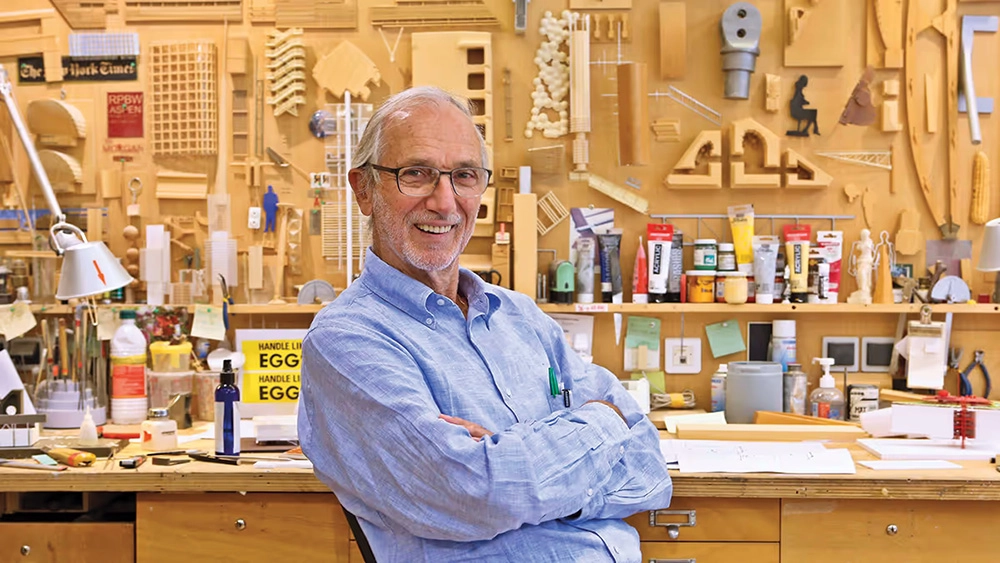
In 1981, Piano founded the Renzo Piano Building Workshop (RPBW), creating a practice based on collaboration between architects, engineers, craftsmen, and specialists. This multidisciplinary approach allowed him to investigate complex architectural problems while maintaining attention to detail.
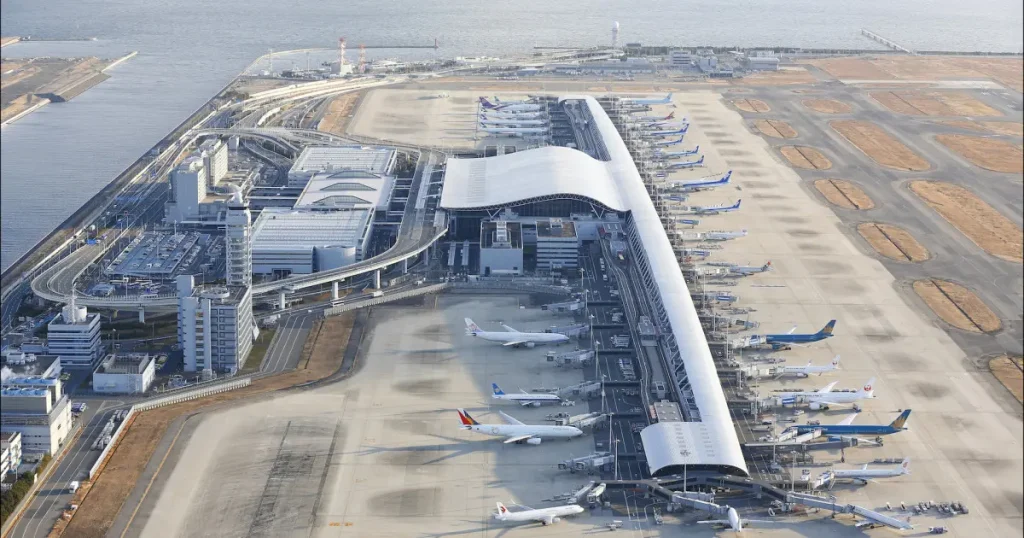
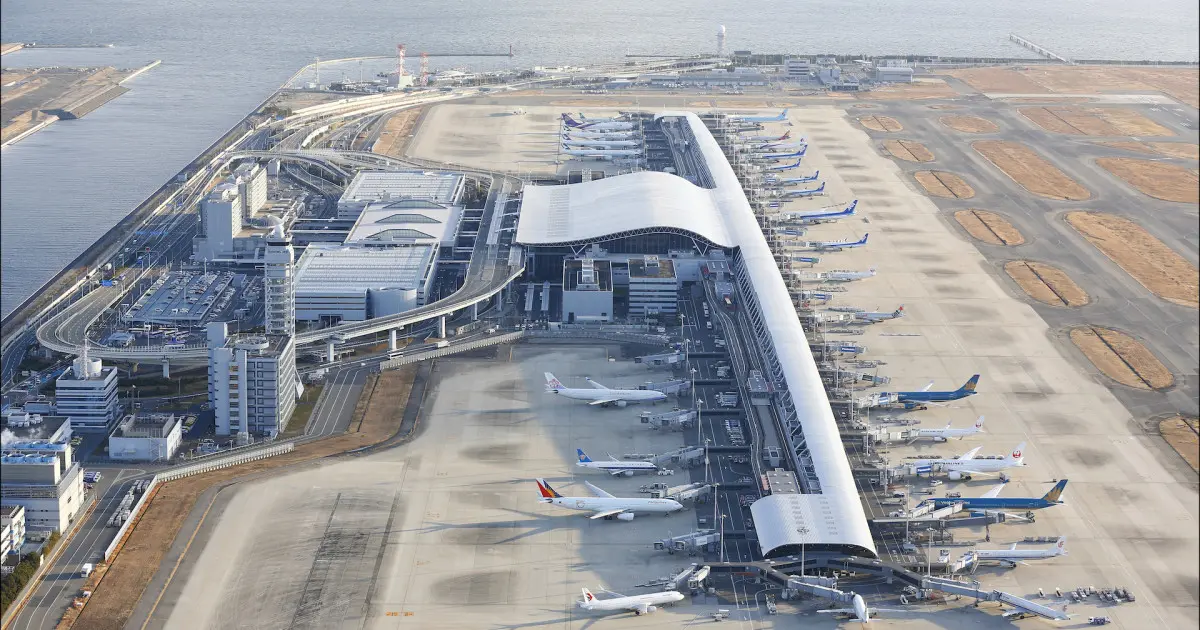
The Kansai International Airport, completed in 1994, represented a major technical achievement. Built on an artificial island, the terminal required innovative structural solutions to withstand earthquakes and environmental challenges. Yet Piano’s design was not simply a technological demonstration. The long, flowing roof structure created a calm interior environment where passengers could easily understand movement and orientation.
This combination of complexity and simplicity became one of Piano’s greatest strengths. His buildings often hide enormous technical challenges behind an appearance of natural ease, as if architecture had solved its own problems without disturbing the people inside.
Recent Architecture: The Pursuit of Lightness
In recent decades, Renzo Piano’s work has become increasingly focused on cultural buildings, public spaces, and projects that connect architecture with collective memory. Rather than competing with cities through visual dominance, many of his recent works attempt to become carefully integrated urban elements.
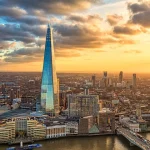
One of the most recognizable examples is The Shard, completed in 2012. Rising 310 meters above London, The Shard is Piano’s tallest building and initially appears to contradict his preference for human scale. However, the tower represents a more nuanced approach to skyscraper design.
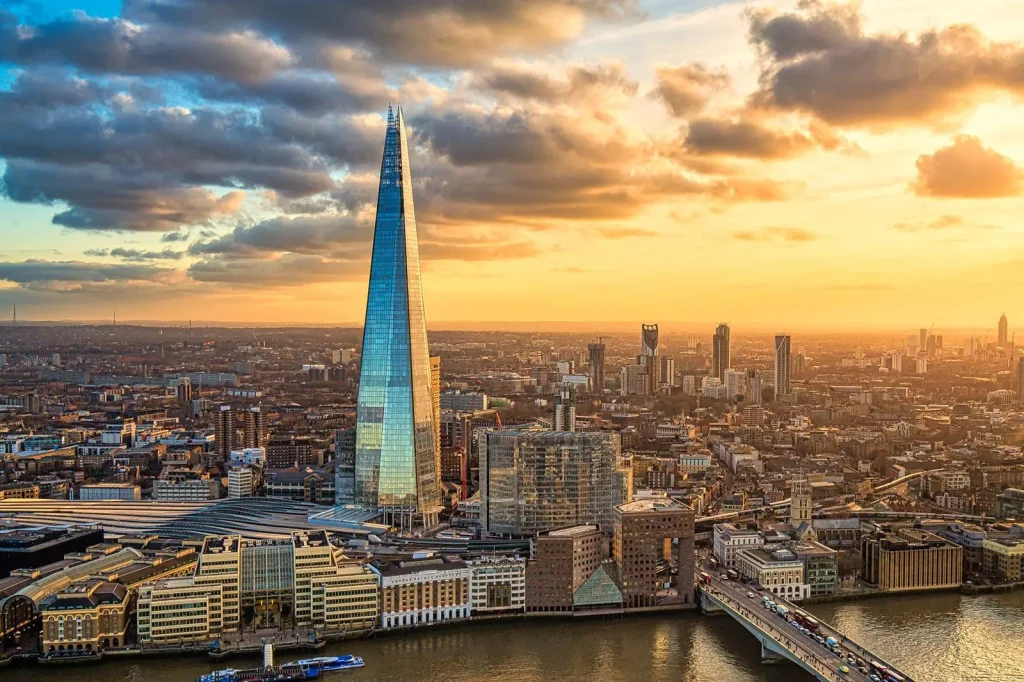
Instead of creating a massive vertical block, Piano divided the building into separate glass fragments that appear to dissolve into the sky. The tapered form allows the building to reflect changing light conditions, making it less like a solid object and more like a constantly changing presence.
The Shard also reflects Piano’s belief that tall buildings should contribute to urban life. Located above London Bridge Station, it integrates offices, restaurants, hotels, and public observation spaces. The tower is not simply an isolated corporate monument; it functions as part of a larger transportation and social network.
Nevertheless, The Shard also raises important questions about contemporary architecture. Can a skyscraper truly maintain human scale? Can a luxury tower serve the public while operating within commercial systems? Piano’s work often exists within these contradictions, attempting to find architectural solutions without pretending that social tensions disappear.
Museums as Places of Connection
Museums have been one of the most important fields in Piano’s career. For him, a museum is not simply a container for artworks but a public space where people encounter culture, nature, and each other.
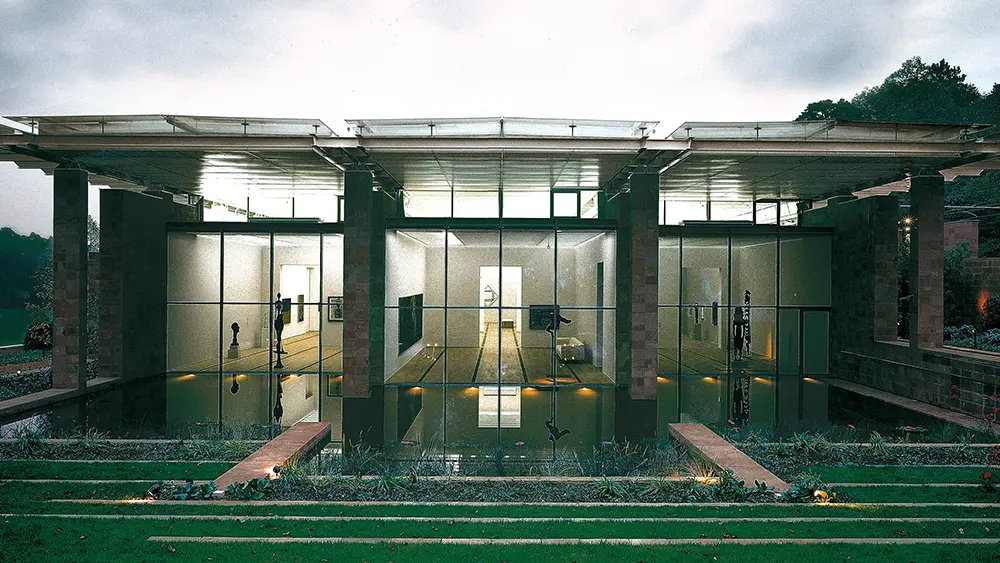
The Fondation Beyeler, completed in 1997, already demonstrated this philosophy through its relationship with landscape and natural light. But his more recent museum projects have expanded this idea further.
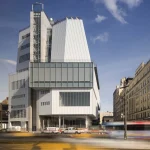
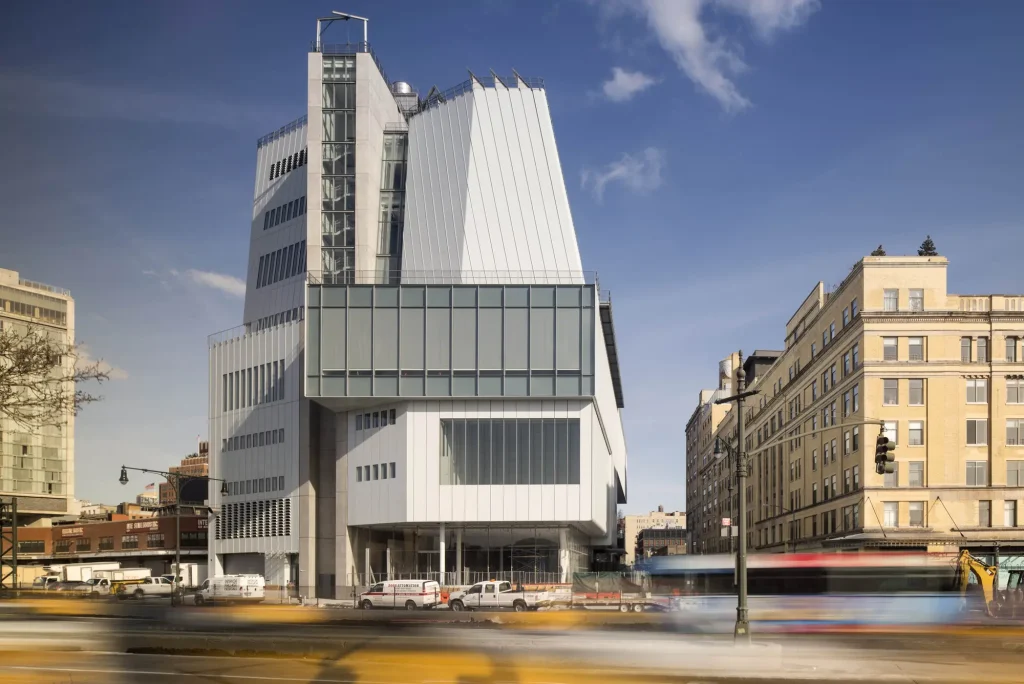
The Whitney Museum of American Art, completed in 2015, is one of Piano’s most significant recent cultural buildings. Located at the southern entrance of the High Line, the museum responds directly to Manhattan’s urban energy. Its industrial appearance references the surrounding neighborhood while its terraces and outdoor spaces connect visitors with the city. Unlike traditional museums that separate art from the outside world, the Whitney creates a continuous relationship between interior galleries, outdoor terraces, and urban views. The city becomes part of the museum experience.
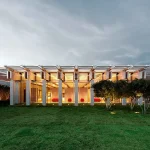
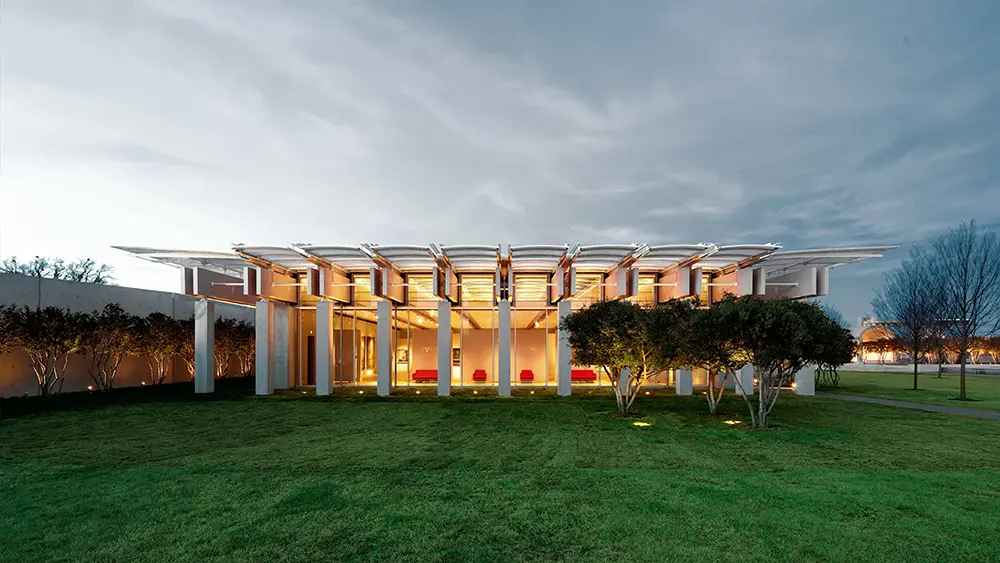
Another important recent project is the expansion of the Kimbell Art Museum, completed in 2013. Working near the original building by Louis Kahn, Piano faced the difficult task of adding new space without competing with one of modern architecture’s masterpieces. His solution was not imitation but dialogue. The new building uses natural materials, controlled daylight, and carefully proportioned spaces to create a respectful relationship with Kahn’s architecture. It demonstrates Piano’s ability to respond to history without becoming trapped by it.
Architecture After Crisis: Building for Society
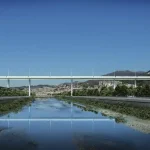
In recent years, Piano has increasingly addressed social responsibility through architecture. One of the most meaningful examples is Genoa San Giorgio Bridge, completed in 2020 after the collapse of the previous bridge caused a national tragedy. Piano designed a structure intended not only as infrastructure but also as a symbol of reconstruction and collective recovery.
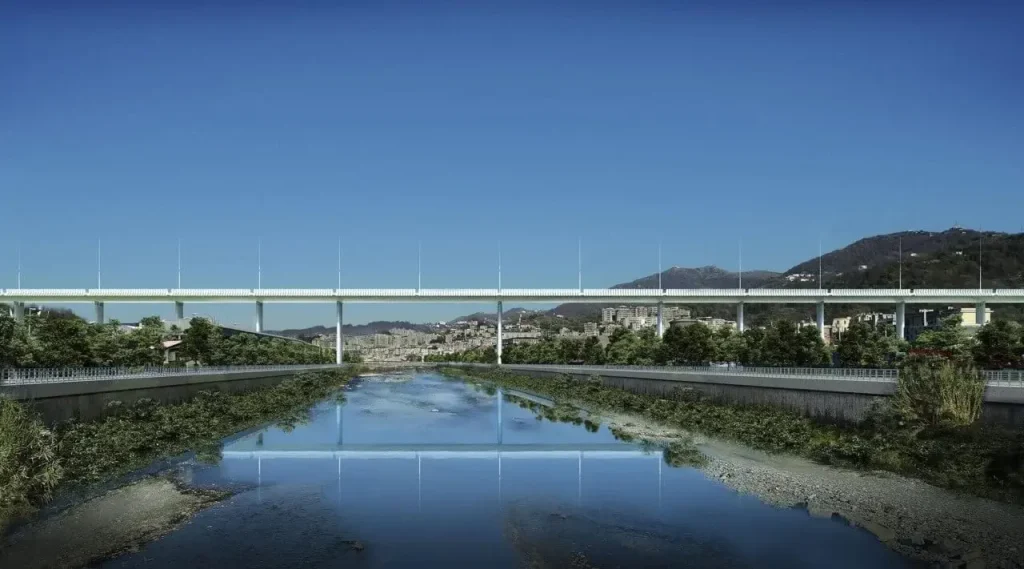
The bridge reflects many of Piano’s recurring ideas: simplicity, precision, and respect for human needs. Its white steel structure avoids unnecessary decoration, suggesting that beauty can emerge from clarity and purpose. This project also reveals an important aspect of Piano’s architectural philosophy: buildings are not only objects in space; they carry emotional and social meanings. Architecture participates in the memory of communities.
The Legacy of Lightness
After more than five decades of practice, Renzo Piano’s architecture remains difficult to categorize. He began as one of the pioneers of High-Tech architecture, yet he moved beyond technological expression toward a deeper exploration of human experience. His buildings are advanced but never cold, innovative but rarely disconnected from tradition.
The idea of “lightness” in Piano’s work is not merely physical. It is an ethical position. Lightness means reducing unnecessary complexity, respecting the environment, allowing natural forces such as light and air to shape spaces, and creating buildings that serve people rather than dominate them.
In an era when architecture often celebrates dramatic images and instant recognition, Piano represents another path. His work suggests that the future of architecture may not belong only to the most spectacular forms, but to buildings capable of creating meaningful relationships between people, cities, and nature.
Renzo Piano’s greatest achievement is perhaps not any individual building, but a consistent belief: architecture should improve the world quietly. It should not shout for attention; it should earn appreciation through experience. In a century obsessed with visibility, Piano continues to design spaces where the most important element remains almost invisible: the human being.
The Paradox of Lightness: Between Humanism and Architectural Ambition
Despite the elegance and sensitivity of Renzo Piano’s architecture, his work is not free from criticism. The very qualities that define his reputation, refinement, transparency, and technological precision, can sometimes create a distance between architecture and the social realities surrounding it. Some critics argue that Piano’s buildings, while beautifully crafted and carefully integrated, often belong to the world of cultural institutions, corporations, and global elites rather than everyday communities. Projects such as The Shard demonstrate this tension: a building that attempts to contribute to the city through public spaces and connectivity, yet remains fundamentally tied to commercial interests and the financial forces shaping contemporary urban development.
This contradiction reflects a broader challenge in contemporary architecture. The pursuit of lightness often requires enormous technical and economic resources, raising questions about accessibility, sustainability, and social responsibility. A perfectly detailed glass façade or an elegantly engineered structure may represent architectural excellence, but it also depends on complex global systems of production and consumption. Piano’s work therefore occupies an interesting position: it is not the architecture of spectacle in the manner of some iconic contemporary projects, yet it is still part of the same global architectural economy that values landmark buildings as symbols of cultural and economic power.
However, this criticism does not diminish the importance of Piano’s contribution. Instead, it reveals the complexity of practicing architecture today. His work demonstrates that even a deeply human-centered architect must negotiate between ideals and realities. Perhaps the lasting value of Piano’s architecture lies not in claiming to solve these contradictions, but in making them visible. His buildings remind us that architecture is always a balance between aspiration and limitation, between beauty and responsibility, between the desire to create extraordinary spaces and the need to serve ordinary human lives.