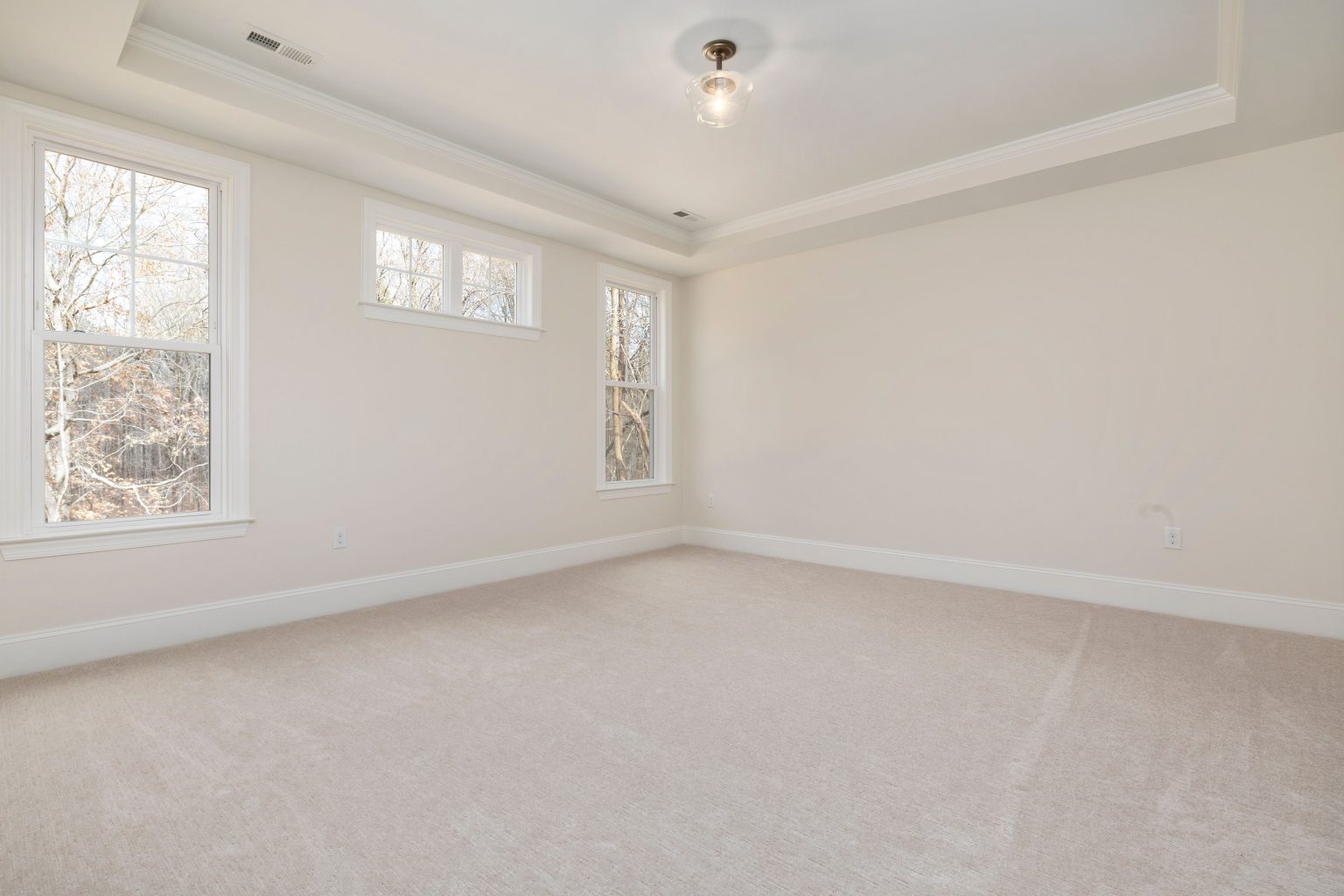

Clearing a room before you start renovating completely shifts your design perspective by forcing you to confront the raw volume, natural light, and structural boundaries of the space independently of the bias created by your old layout. When the furniture, rugs, and decor remain within the room, your mind naturally maps out a new design around the existing boundaries, limiting your potential vision.
You have been planning this renovation for ages, every minor detail perfectly mapped out in your mind. That is, until the contractor threw a monkey wrench in the works by announcing that they could not begin the renovations until the room had been completely emptied. You don’t understand what the problem is. You had already meticulously planned how each item would be relocated to a different part of the space while the renovations were underway.
But as the contractor elaborates, you begin to realize the logic behind his argument because you cannot see the bones of a room while your old life is still filling it. Trying to design a new space while the physical mass of its former layout hangs around as a specter can only impede your creative decisions. To truly recreate the space by integrating cutting-edge parametric architecture or futuristic design trends, you need to begin with a blank canvas, and unfortunately for you, this means that the contractor is right.
The Benefits of An Empty Shell
Remodeling is all about spatial problem-solving, but the truth is that human brains are highly susceptible to visual anchors. As much as you can try to convince yourself that you can picture an empty room without seeing it, when you leave a sectional sofa or massive entertainment center in the room, your mind will automatically use those objects to gauge size, distance, and space.
In the end, you’ll find yourself selecting a paint color based on what would complement the couch that you’ll probably get rid of in the next two years or positioning some recessed lighting around a furniture arrangement that truly doesn’t do the size of your space justice. The only way to strip away this visual bias is to empty a room before remodeling.
An empty room shifts your perspective from aesthetic modifications to structural possibilities. It allows you to evaluate the actual traffic patterns without furniture there to dictate where people can walk. You can also notice where the architecture naturally draws the eye and where a wall might be blocking valuable flow. Design-minded homeowners often find that their initial layout ideas completely change once they can actually see the bones of a room unencumbered by objects.
What To Move Out and What To Protect on Site
A successful renovation project requires a clear staging strategy because you’d be surprised just how much dust, debris, and fine particles are generated during construction. Even a simple drywall patch or floor sanding sends microparticles flying through the air, waiting to trigger your sinuses or settle onto your upholstery, embed themselves into your electronics, and disappear behind your wood trim.
When it’s time to establish your renovation staging space, you should divide your belongings into two distinct categories:
- Items that can be protected on-site
- Items that need to be relocated temporarily
Items to Protect On Site
Any large, built-in features or architectural elements that can’t be moved need to be wrapped tightly to safeguard them during renovations. This includes items like:
- Built-in cabinets and fireplaces that you can cover using heavy-duty builders’ paper or plastic sheeting and seal with delicate-surface painters’ tape to prevent dust from getting in.
- Light fixtures like chandeliers and sconces should be wrapped in plastic bags to shield them from paint splatters and fine dust.
- Hardwood floors outside the immediate work zone can be protected with thick ram board taped at the seams to handle foot traffic and dropped tools.
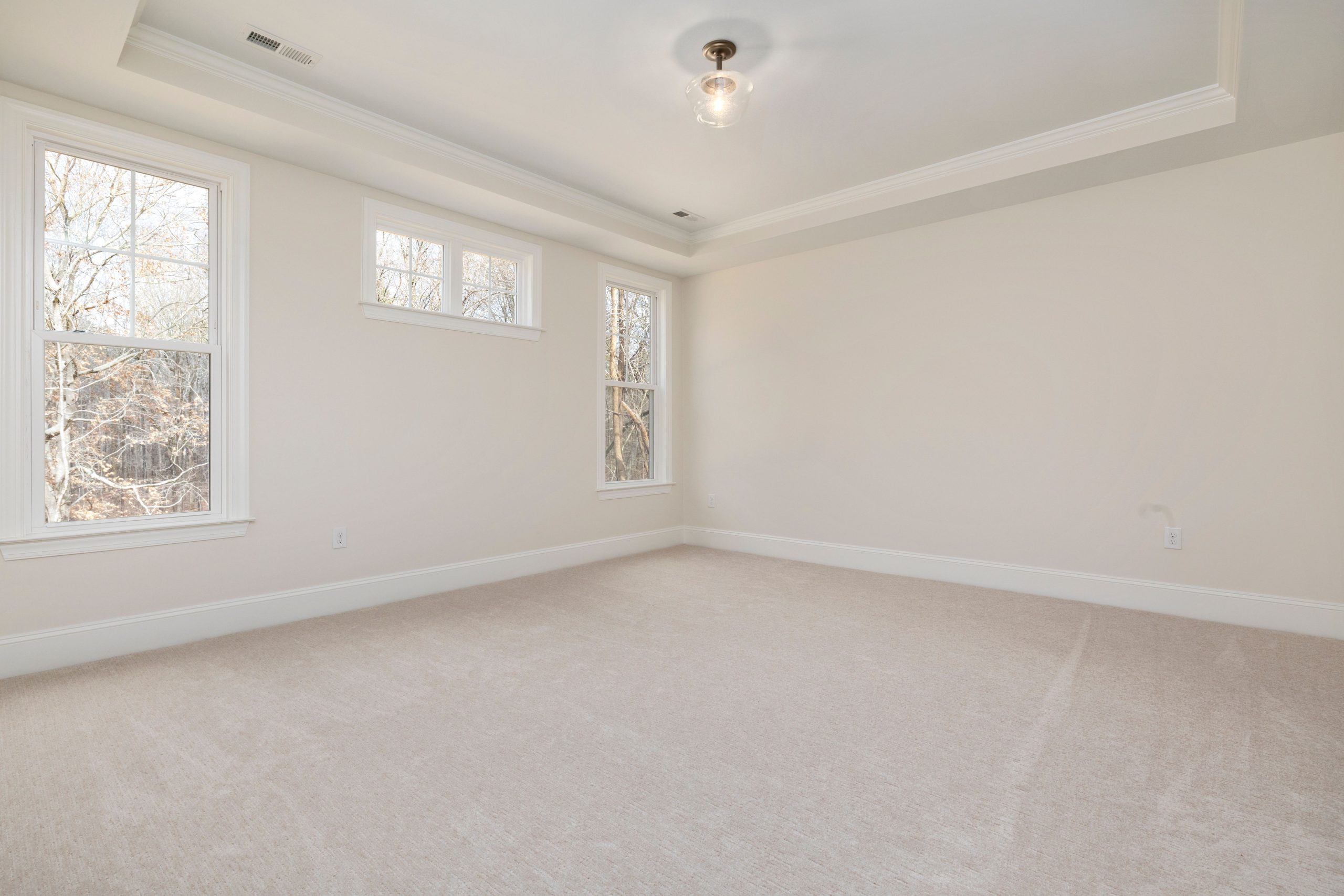
Items That Need To Be Temporarily Relocated
Anything mobile, porous, or structurally restrictive should be removed from the room entirely. Trying to keep these items in hallways or spare rooms will just create chaotic living conditions that can end up stalling the renovation project unnecessarily.
Moving your furniture into a dedicated off-site space can help keep your home functional and your items safe from impact damage. Using self-storage during a renovation provides you with a secure environment where you can protect furniture during construction by ensuring that your belongings remain completely isolated from construction hazards.
A standard 10×10 or 10×15 storage unit offers ample space that’s capable of comfortably holding the entire contents of one or two large rooms, including bulky items like:
- Dining sets
- Sectionals
- Mattress sets
This option will help you ensure that your furniture avoids both the construction dust and the constant shuffling that can lead to scratches and dents, while also leaving your home’s remaining living areas comfortable and clutter-free.
Revealing Proportion, Light and Flow
The true architecture of a room really only emerges once the walls are bare and the floors are clear. A space behaves differently than a furnished one, specifically when it comes to the three fundamental design principles of proportion, light and flow.
Furniture distorts your perception of height and width, so it’s only when the room is empty that you can accurately measure the vertical and horizontal planes. You can see where a larger window could balance the wall space or how a taller baseboard might ground the room.
Furniture also creates artificial shadows and blocks that bounce off the floors and walls, preventing you from seeing the true natural light of the room. When you empty a room before remodeling, you can observe how the sunlight moves across the bare surfaces from morning to afternoon.
A cluttered room dictates your movements according to the obstacles present, but once those obstacles are gone, you can see the natural flow of the space.
A Blank Canvas For Architectural Creativity
Your renovation staging space can significantly impact the direction you go with your remodeling decisions because it’s only once you can see the room empty that you can truly appreciate its potential. Removing everything from a room before renovating isn’t just about eliminating your visual bias; it’s also the best way to protect furniture during construction.