


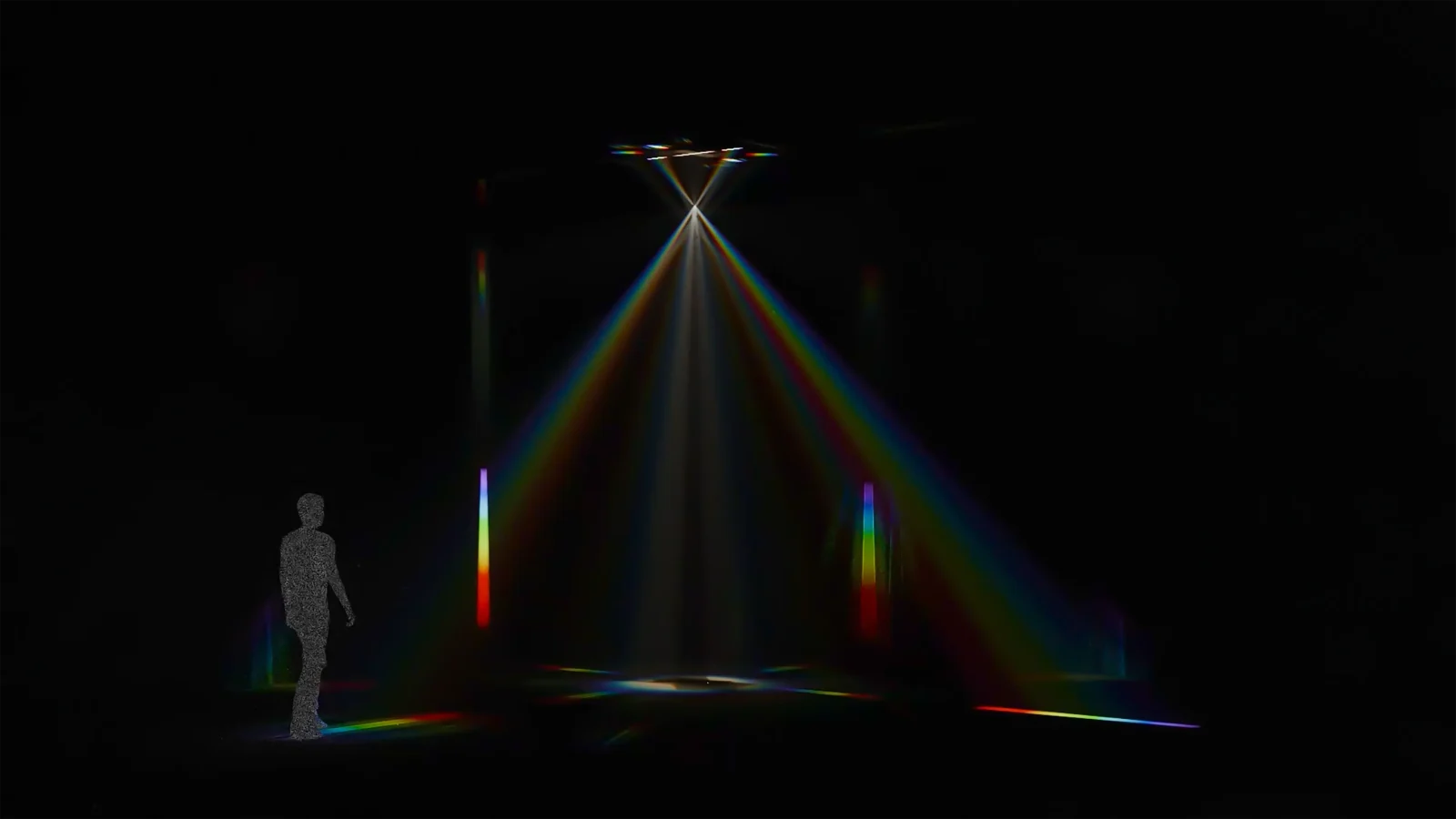

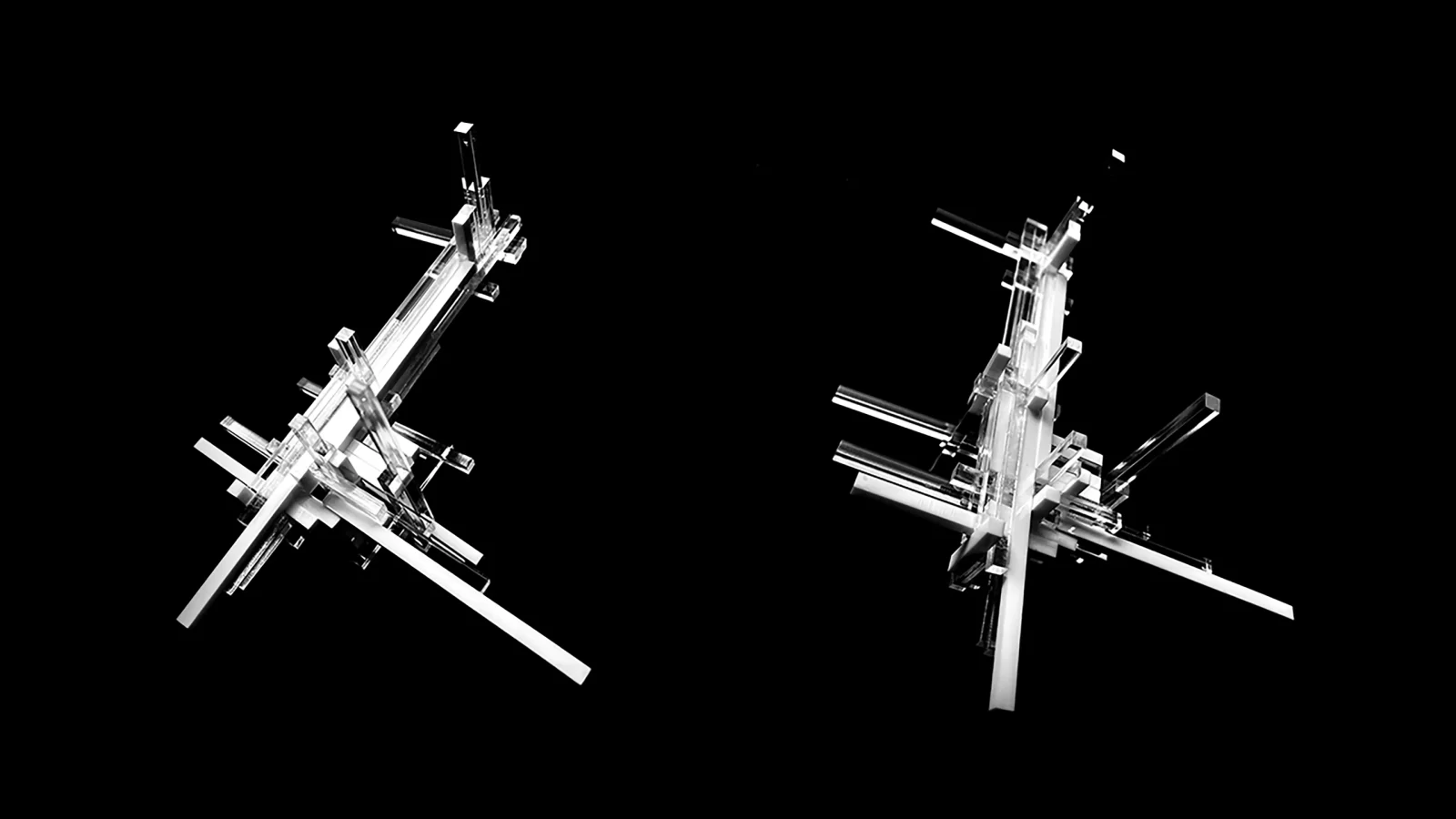


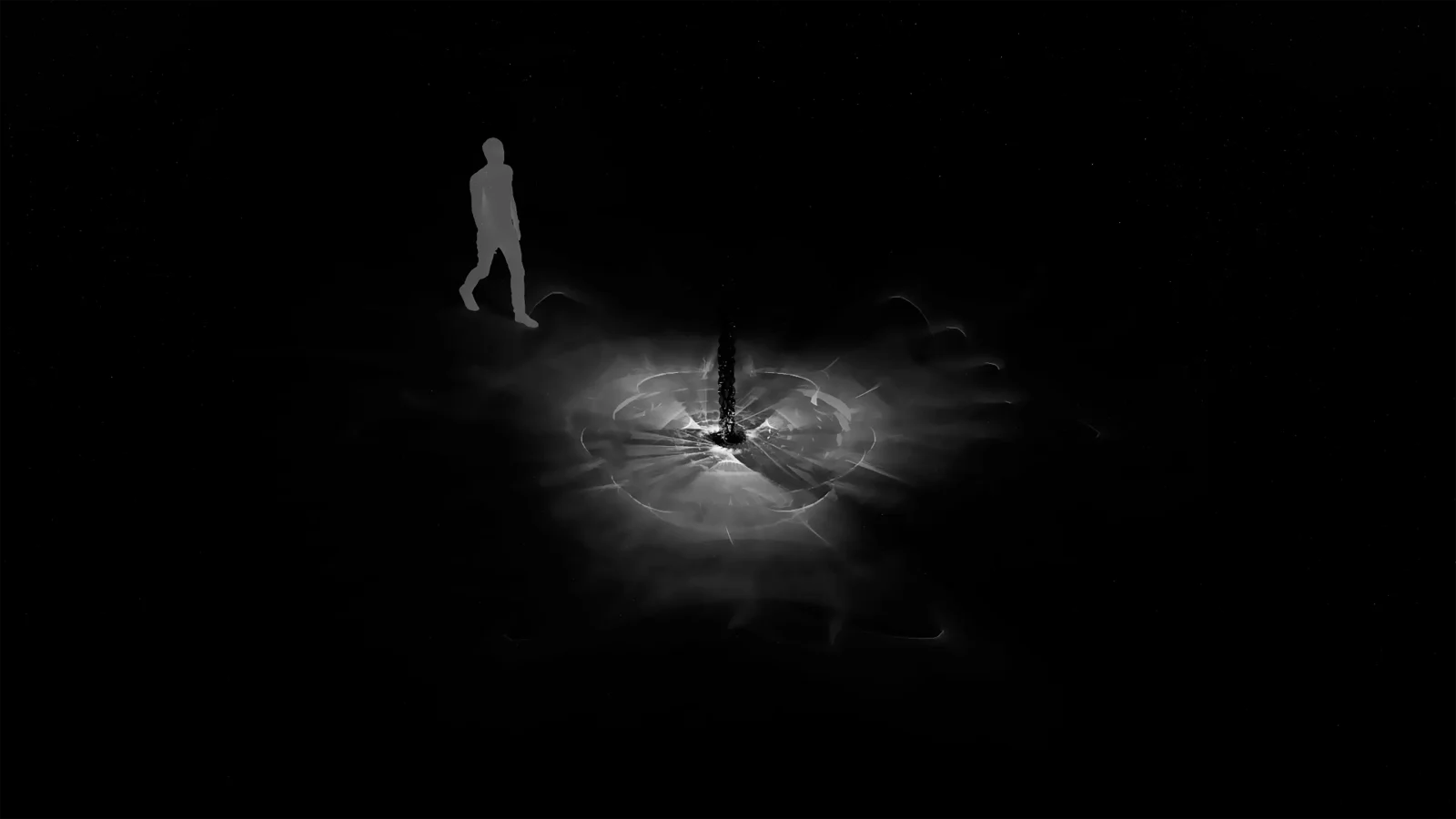
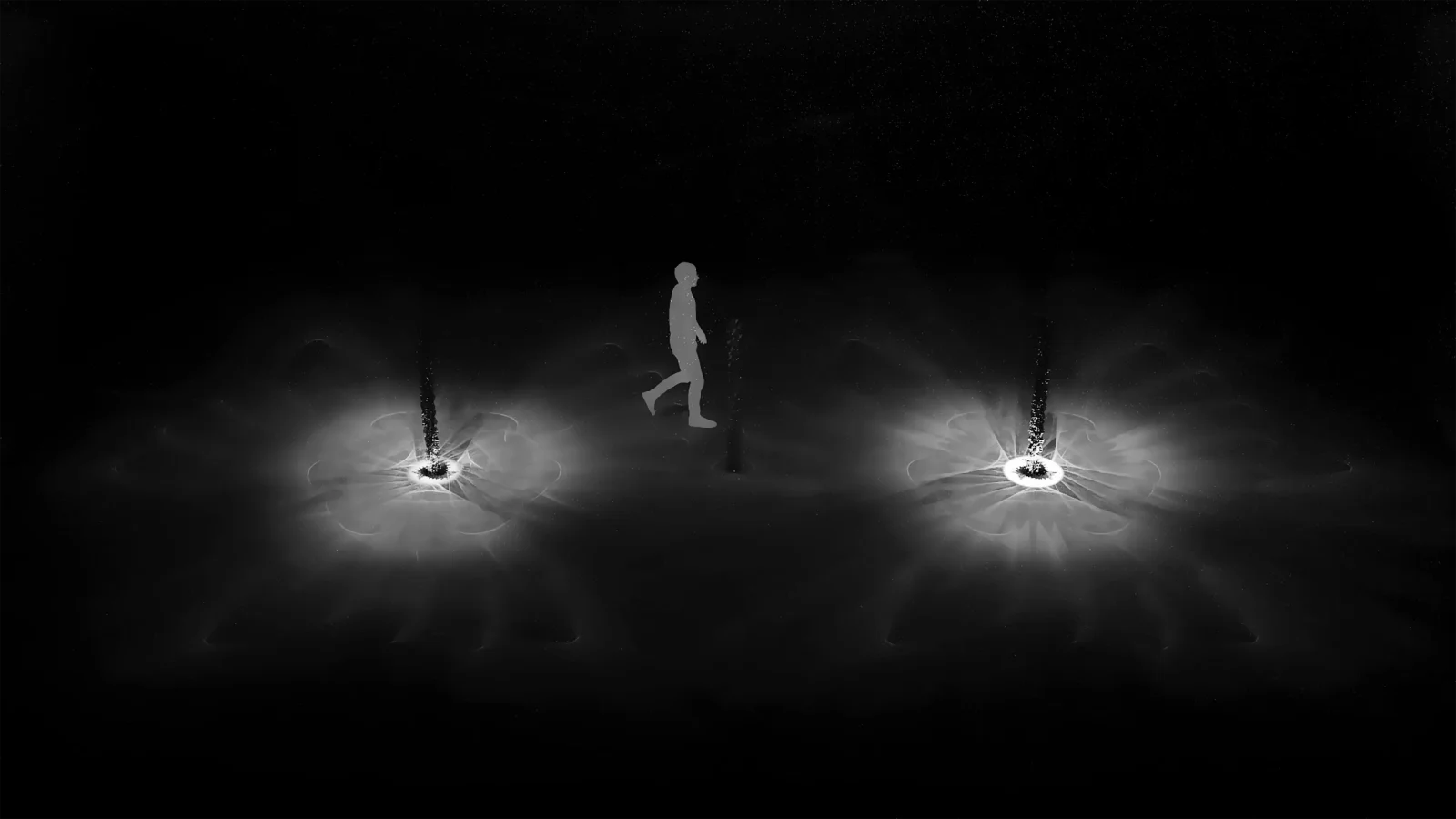
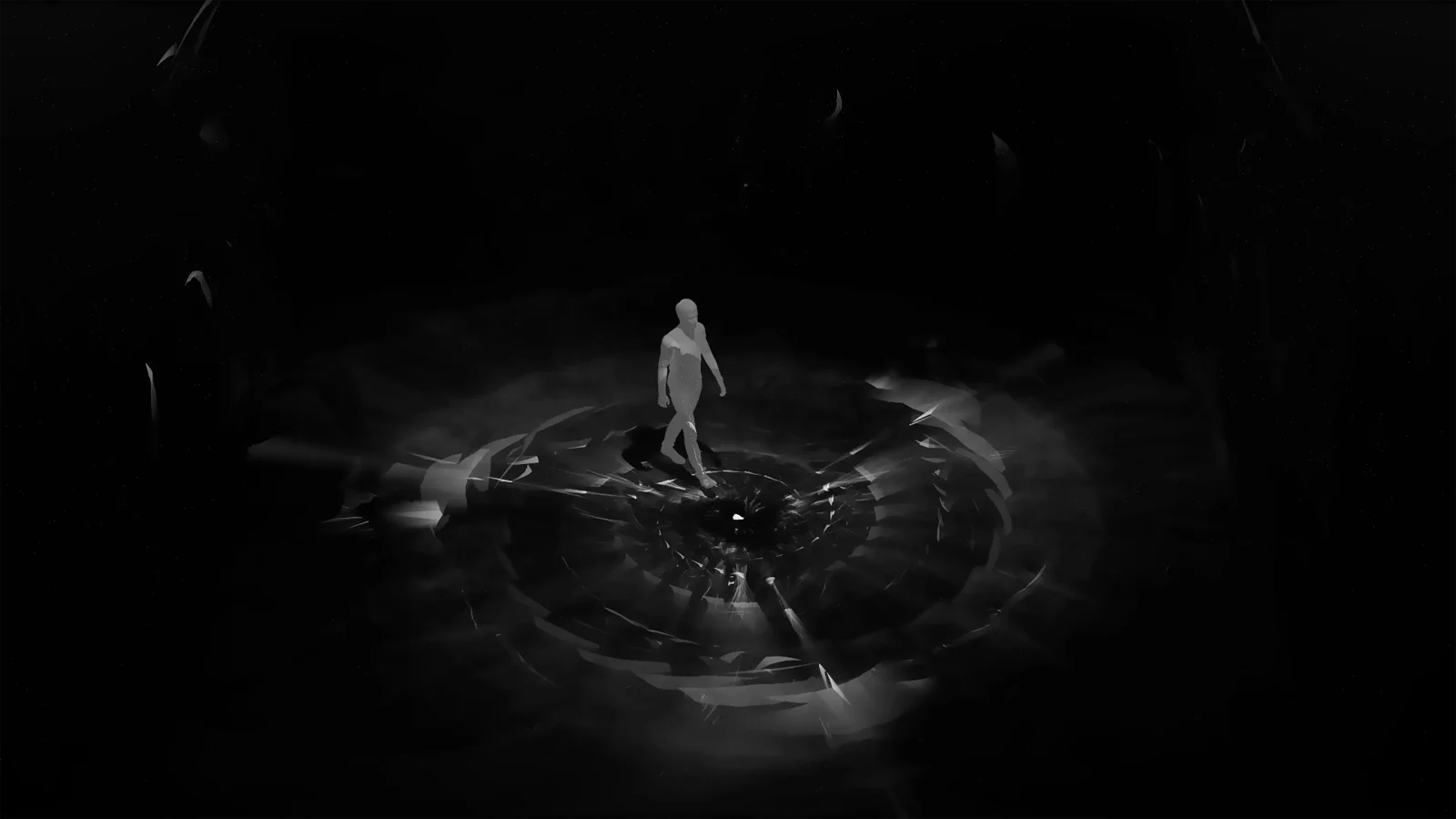
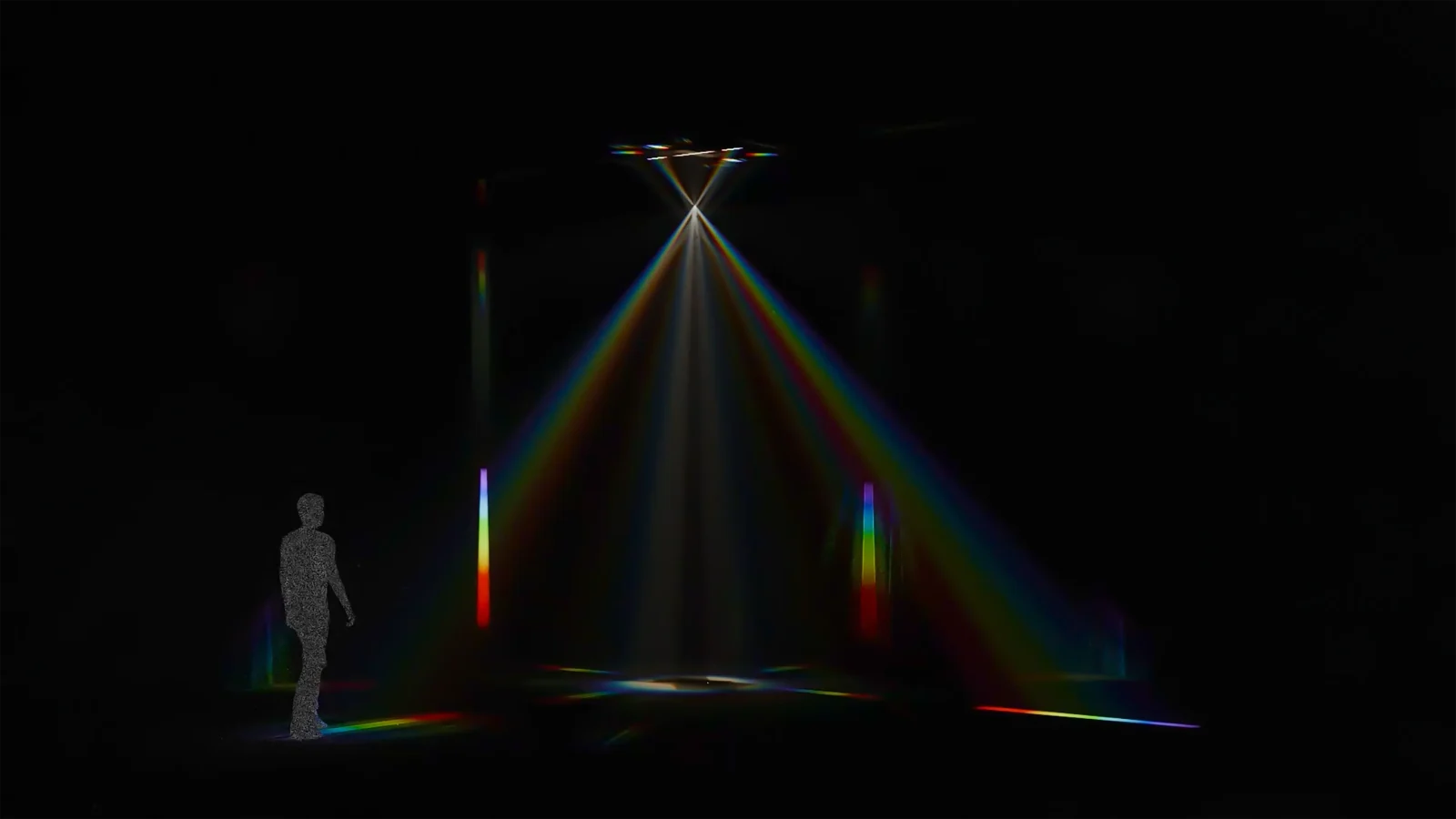
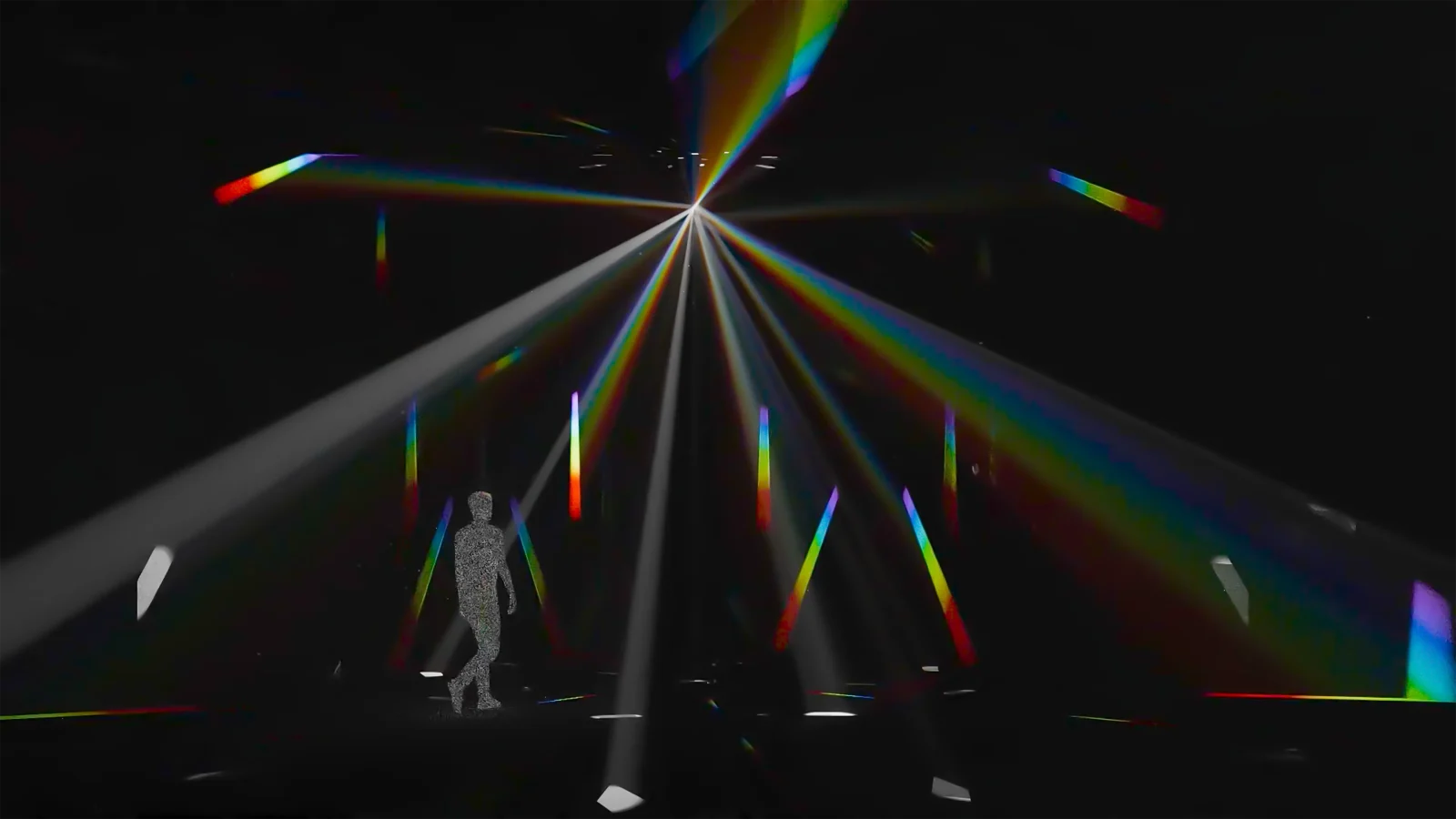
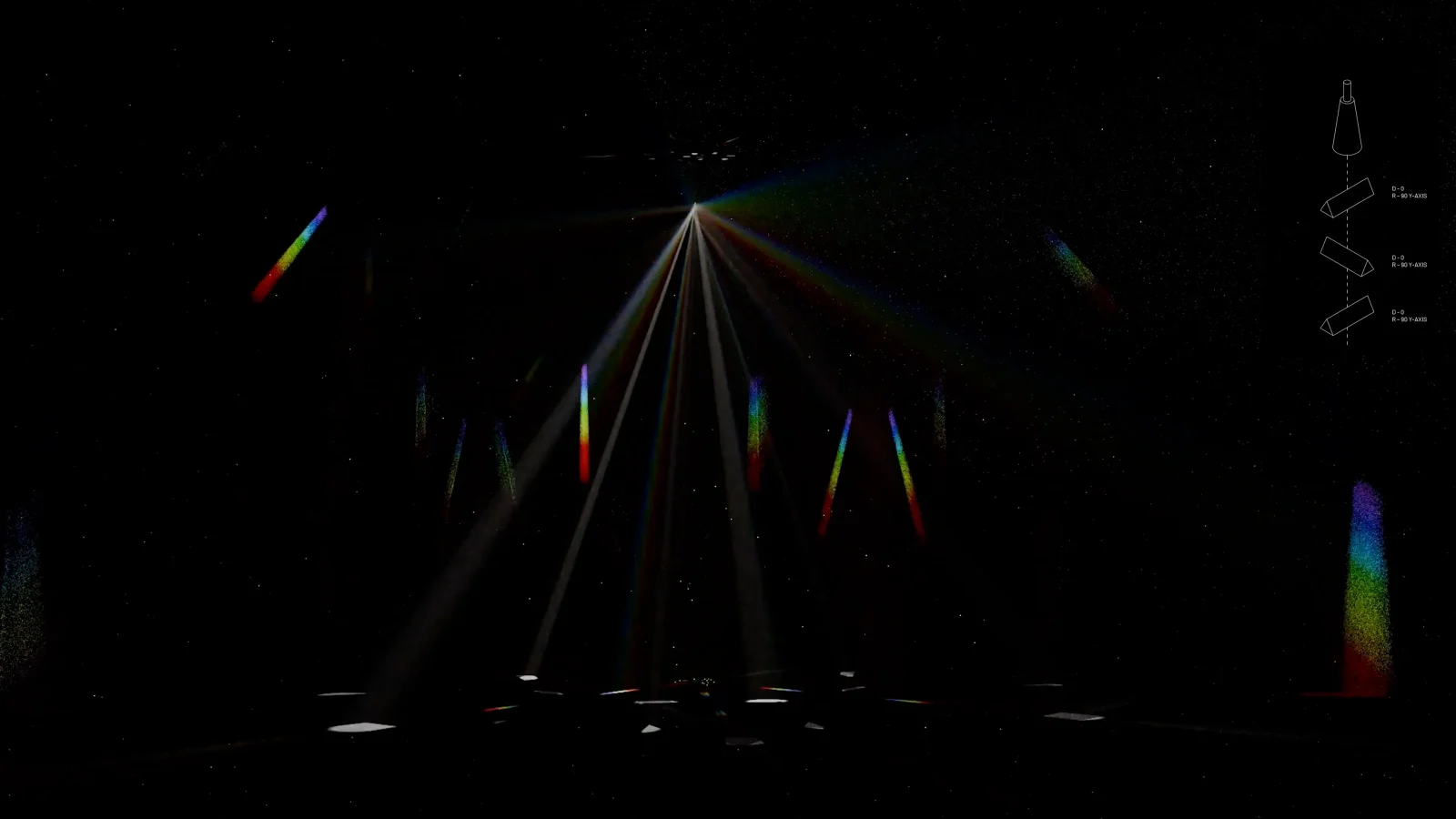
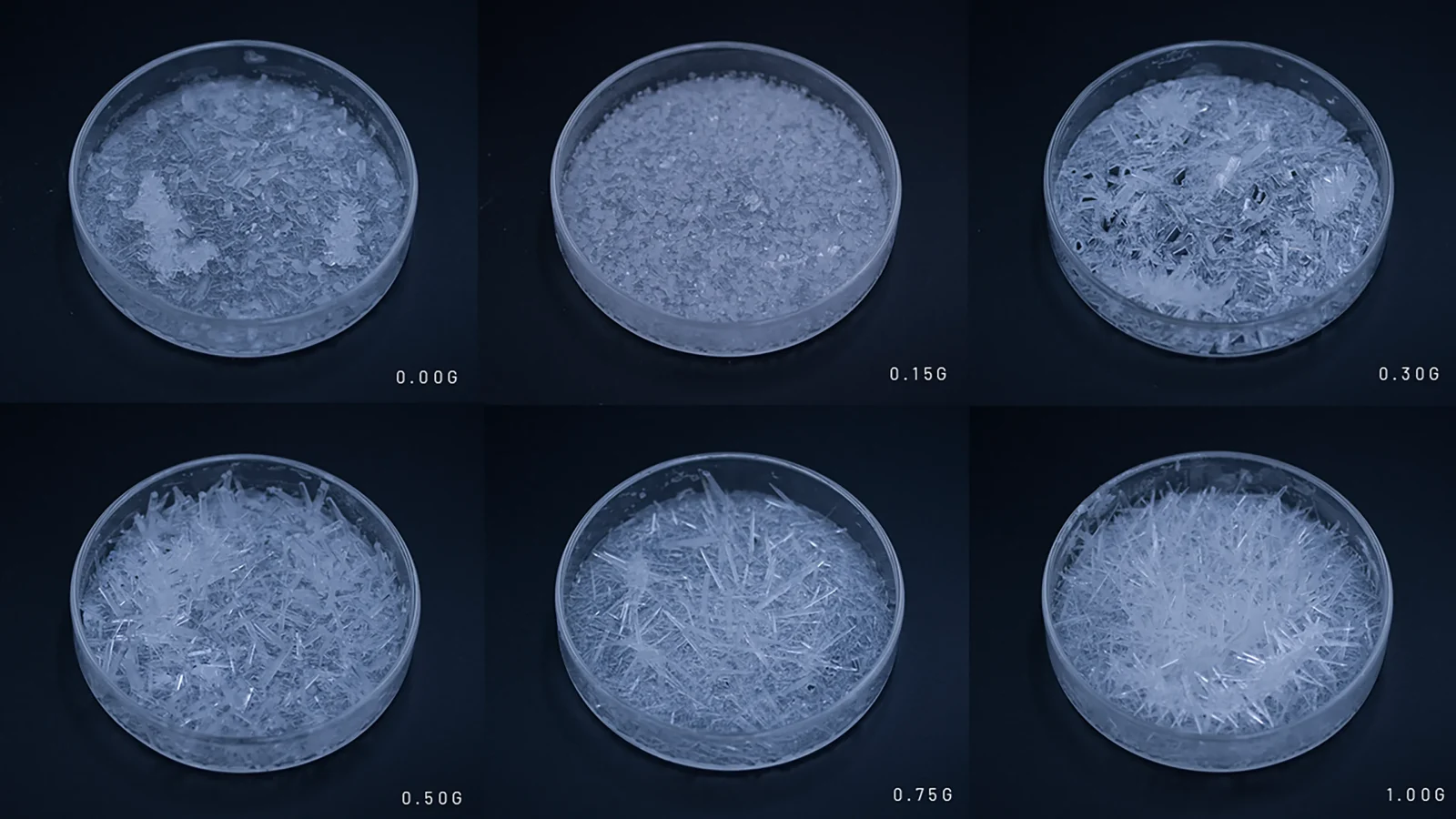
Constructed Atmosphere investigates light as the primary force in shaping space, drawing inspiration from the natural phenomenon of light pillars, where vertical beams of light are created through the interaction of illumination and atmospheric ice crystals. Rather than treating light as a tool that merely reveals surfaces, the project positions it as an active medium capable of defining atmosphere, perception, and spatial boundaries.
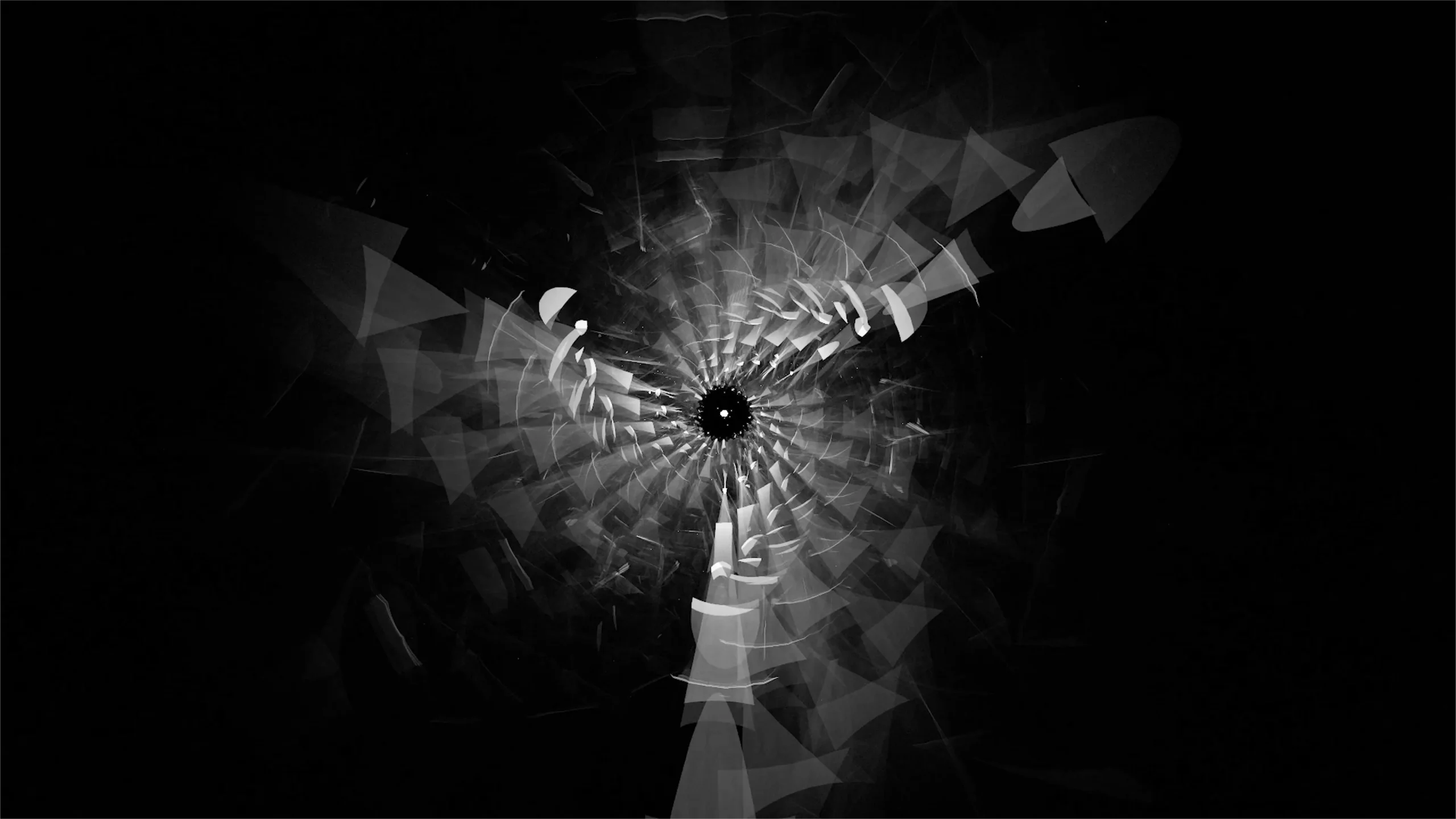
Through its ephemeral and participatory qualities, light becomes a material that constructs transient environments and transforms the way space is experienced.
Light as a Spatial Medium
Conventional architectural approaches often regard light as a functional element used to illuminate objects and surfaces. This project challenges that perspective by framing light as the very medium through which space is articulated. Through variations in brightness, shadow, diffusion, texture, color, and movement, light generates intangible boundaries that continuously reshape perception.
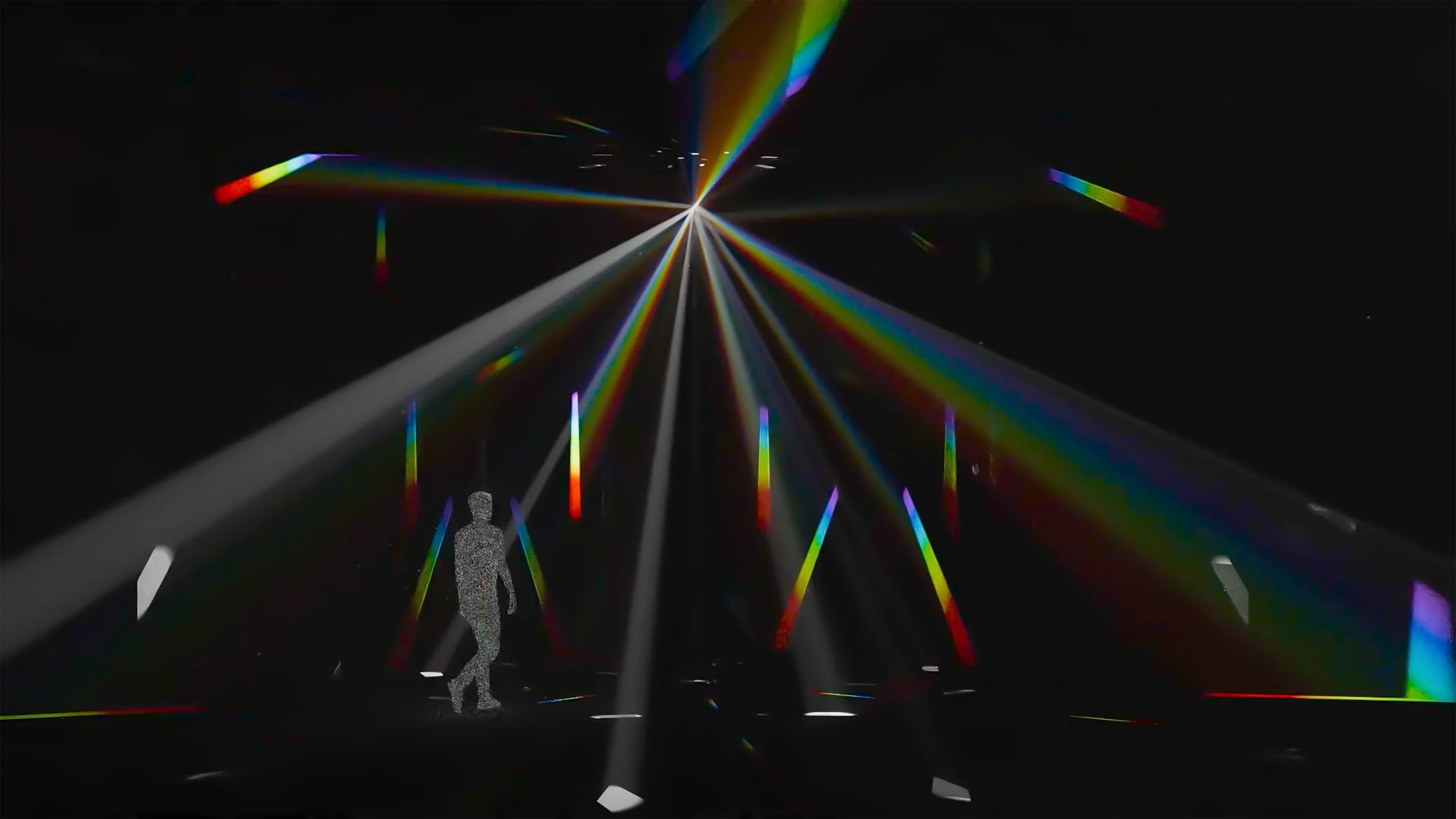
In this framework, space is understood not as a fixed physical condition but as an ever-changing relationship between light and darkness. The constructed atmosphere project proposes that all space is fundamentally defined by light, and all light, in turn, becomes space.
Material Experiments and Atmospheric Formation
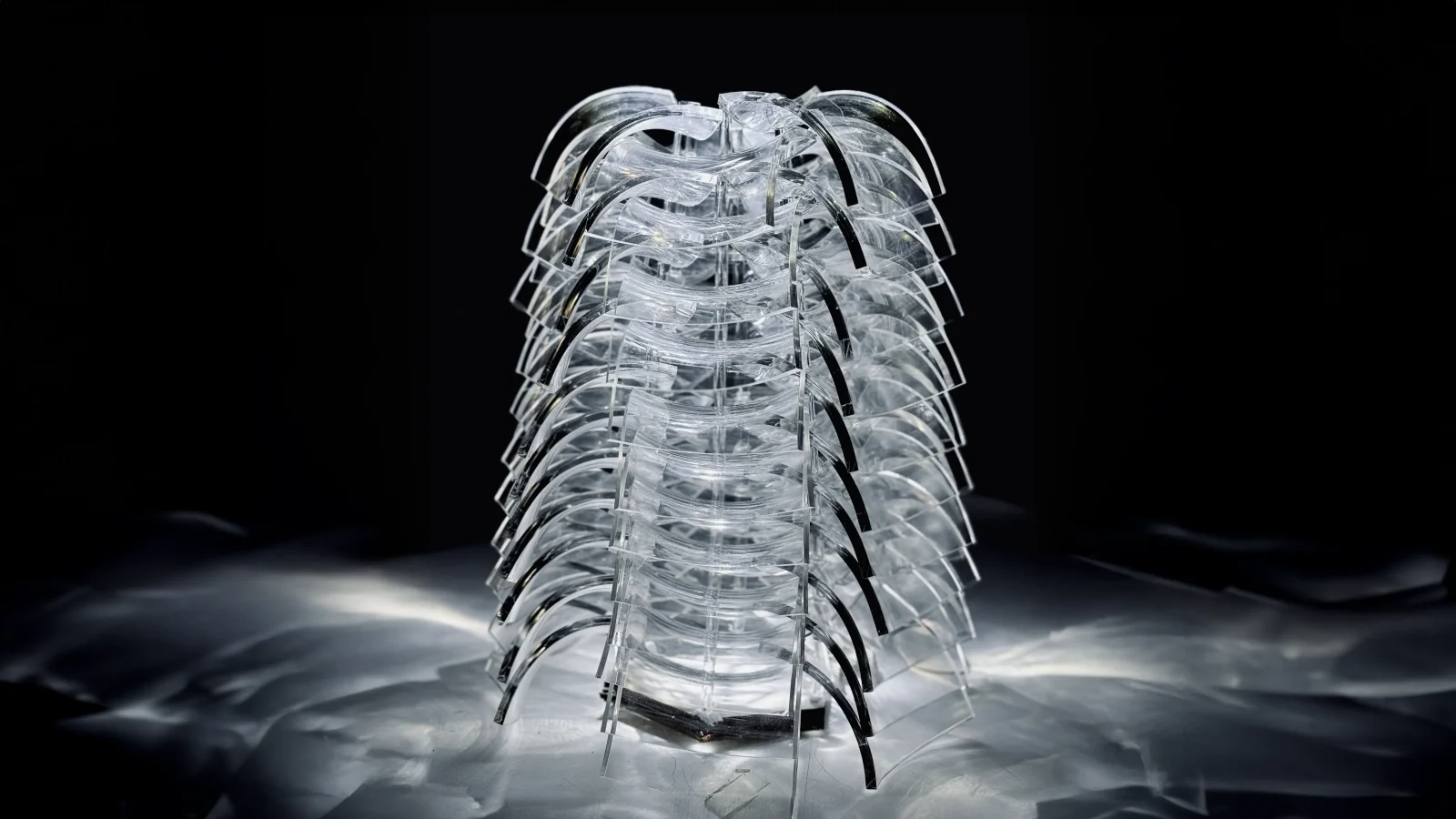
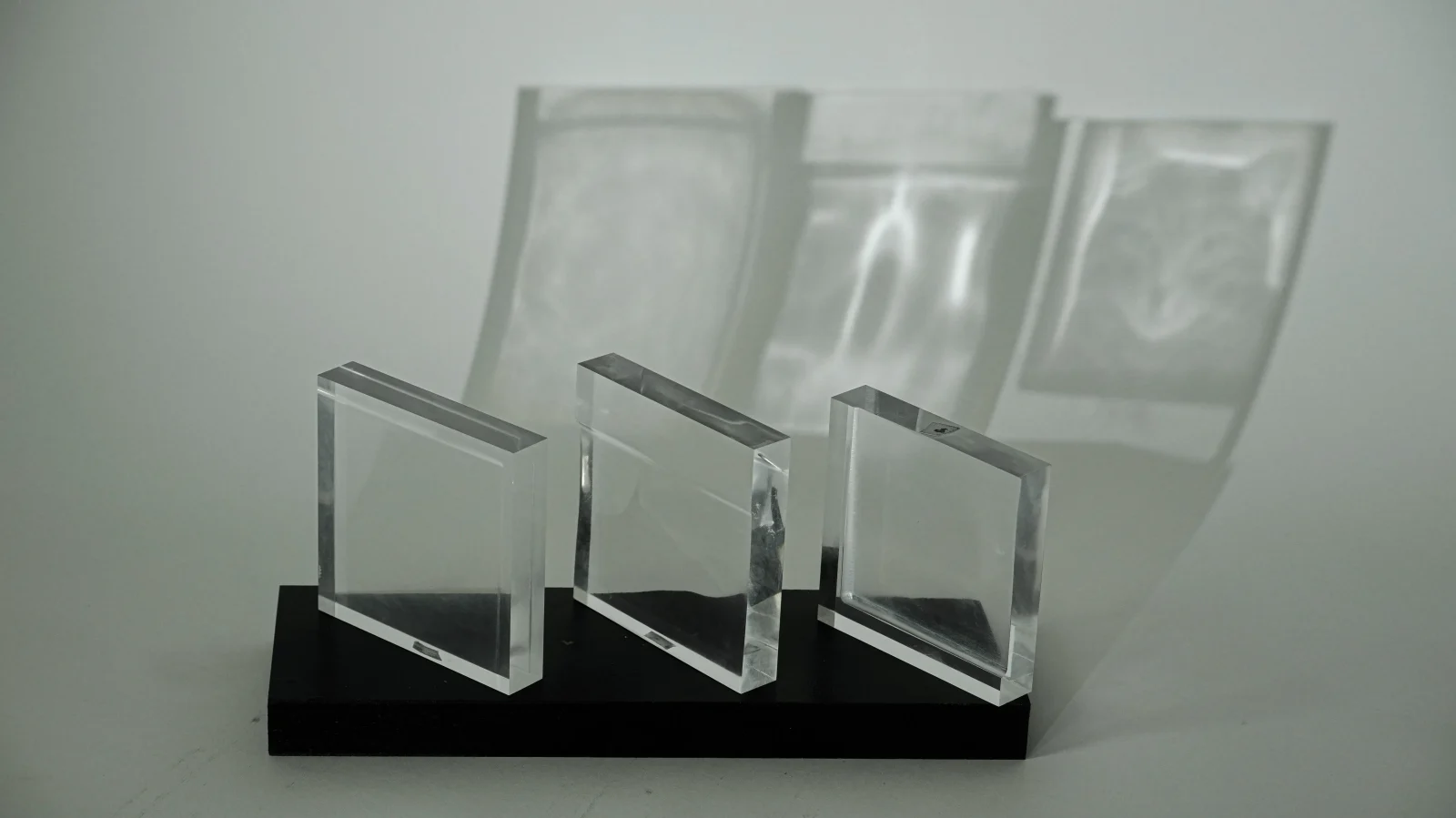
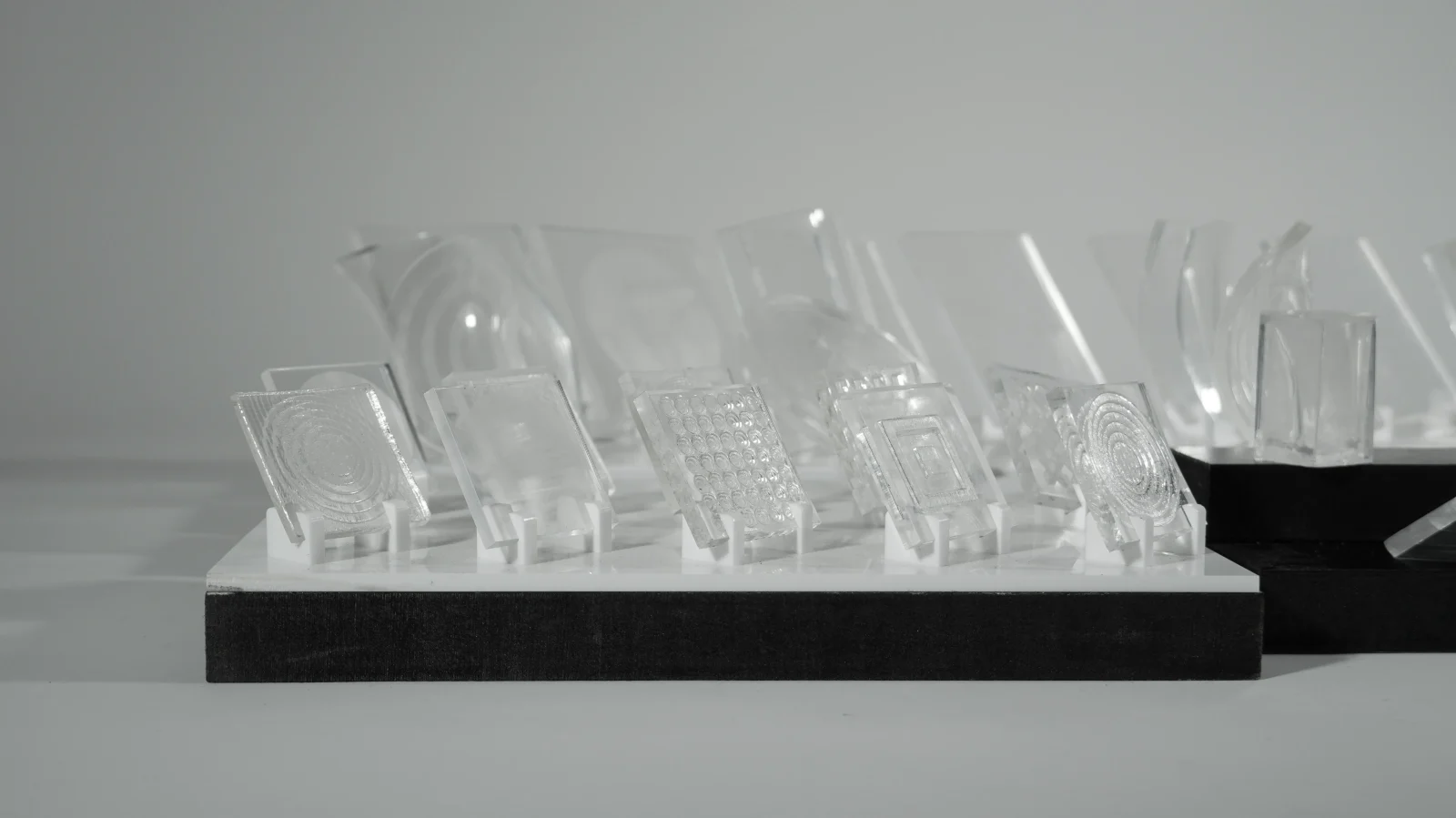
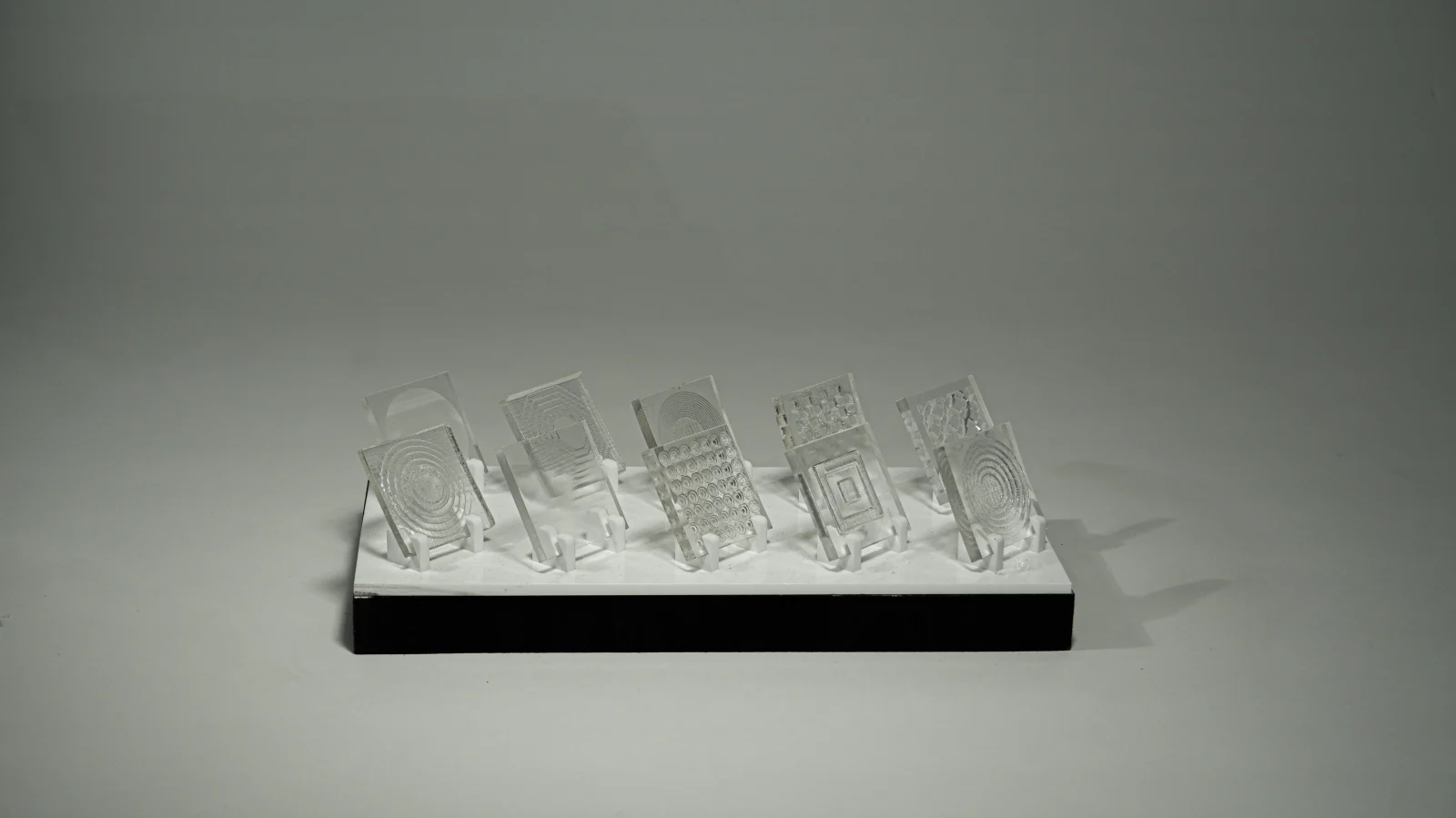
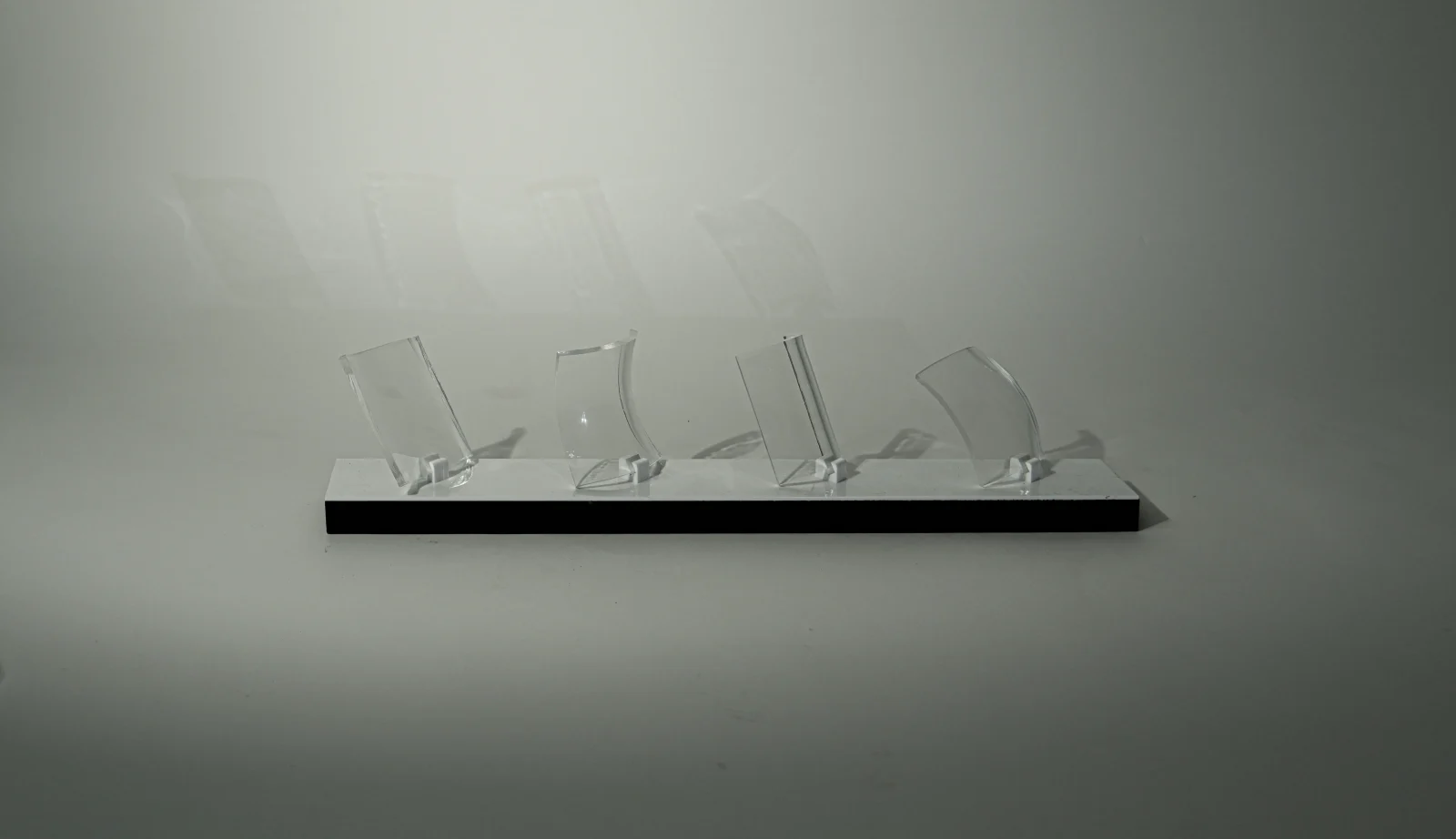
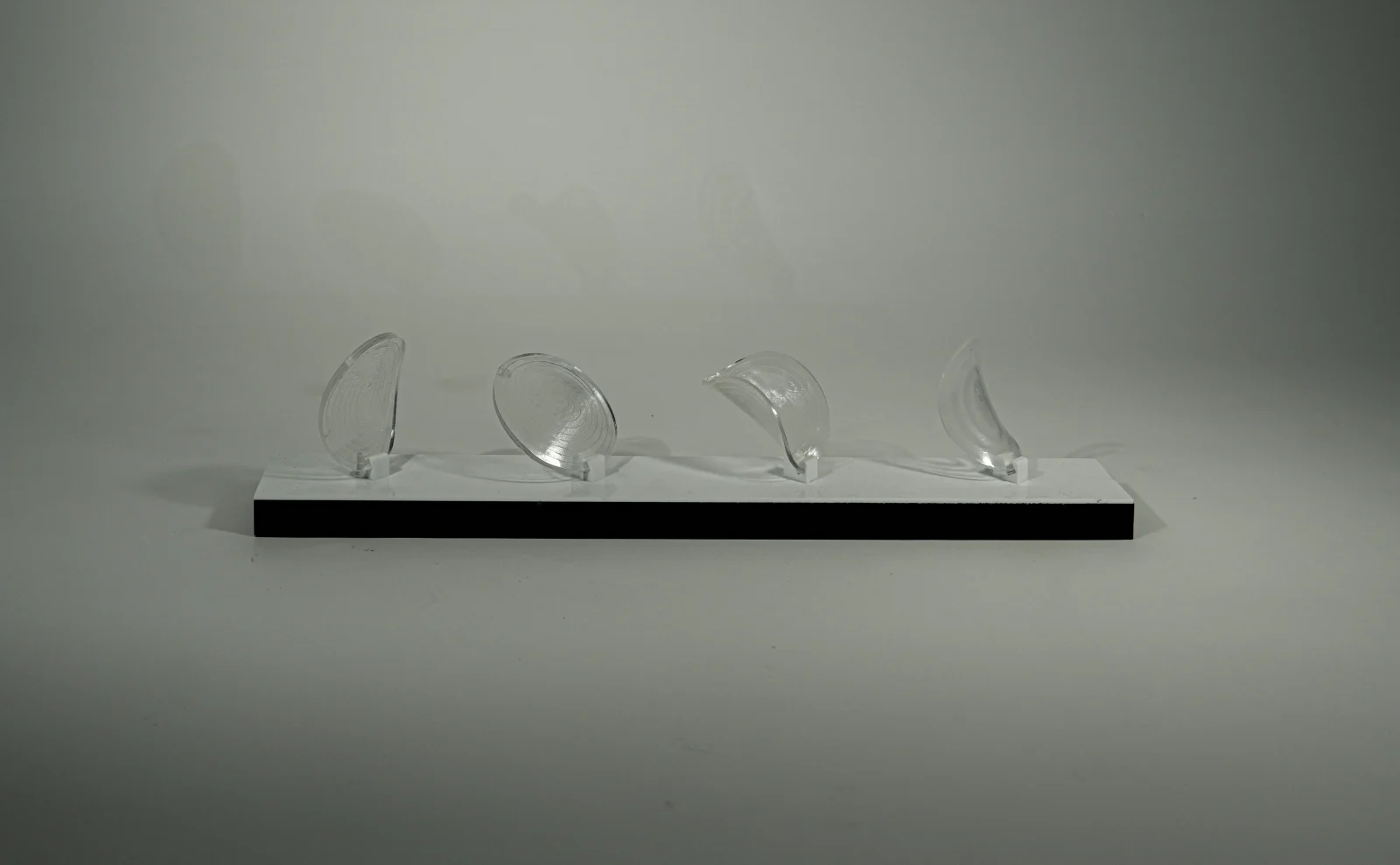
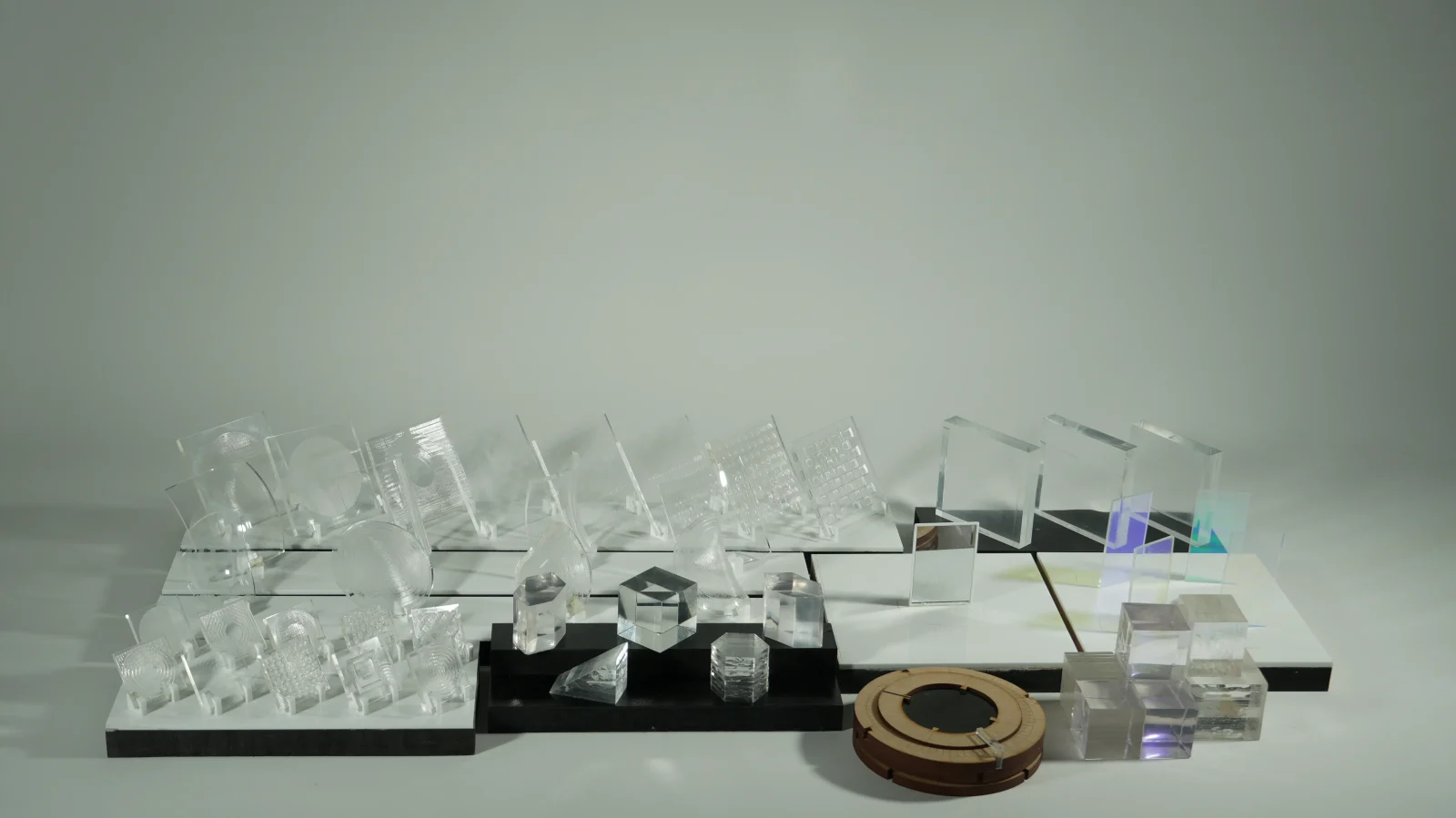
A series of material investigations explored how different formations influence the behavior of light. Techniques including prism casting, stacking, engraving, thermoforming, gradient applications, and controlled haze environments were employed to observe how light is reflected, refracted, diffused, and organized.
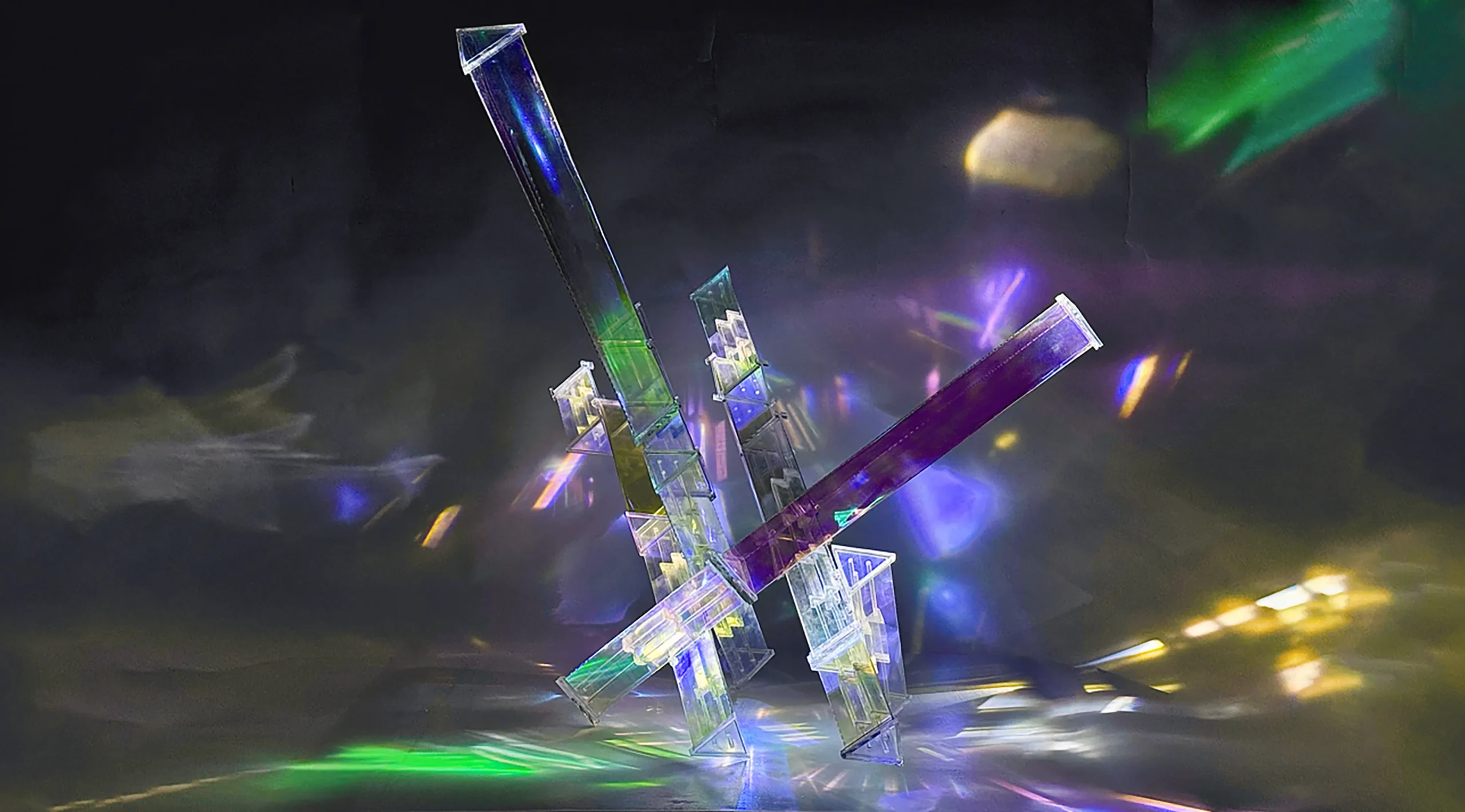
These studies reveal that material conditions actively participate in shaping atmospheric experiences, serving as instruments through which spatial effects emerge. The resulting experiments catalog diverse methods of articulating space through light across multiple media.
Artificial Nature and Parametric Light Systems
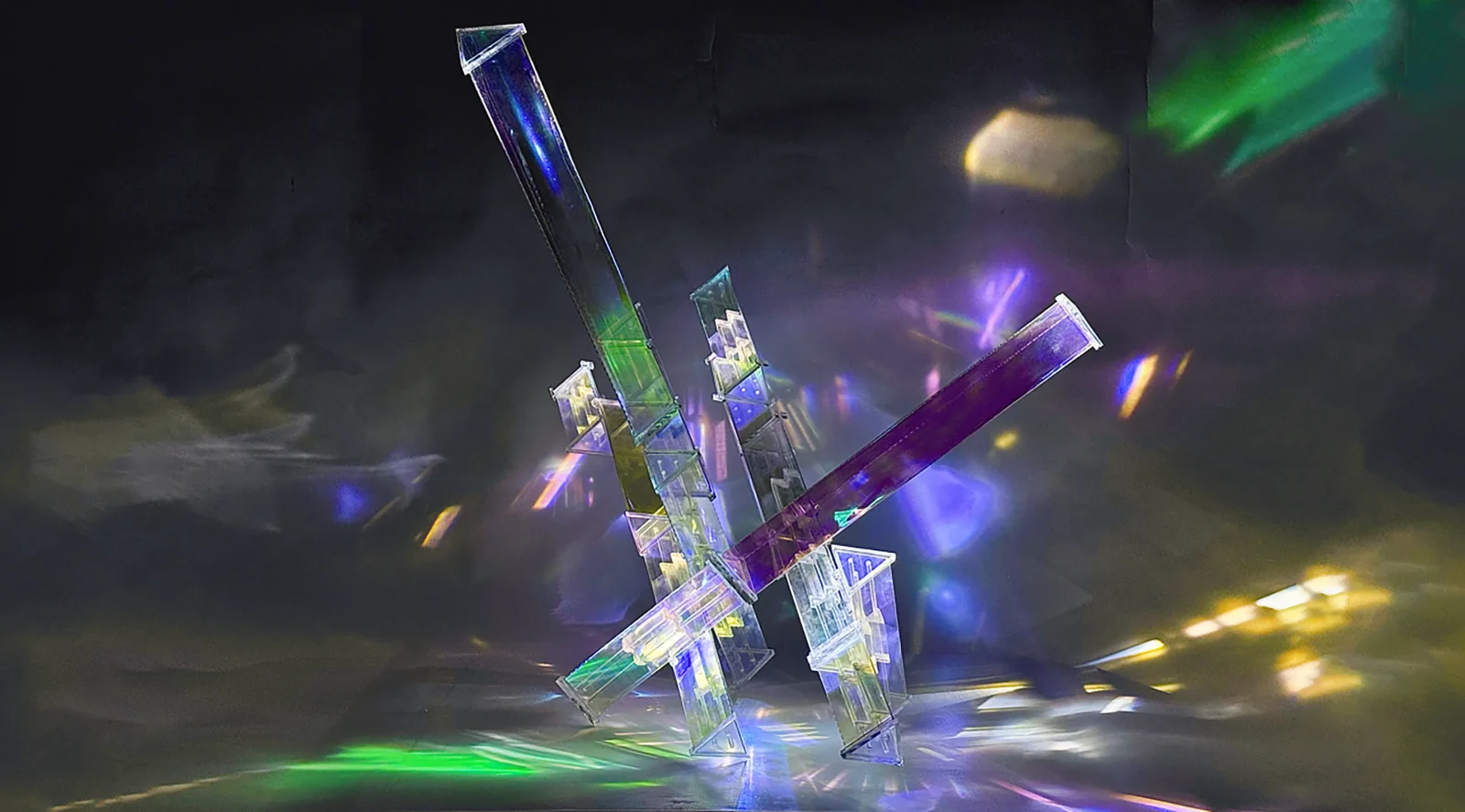
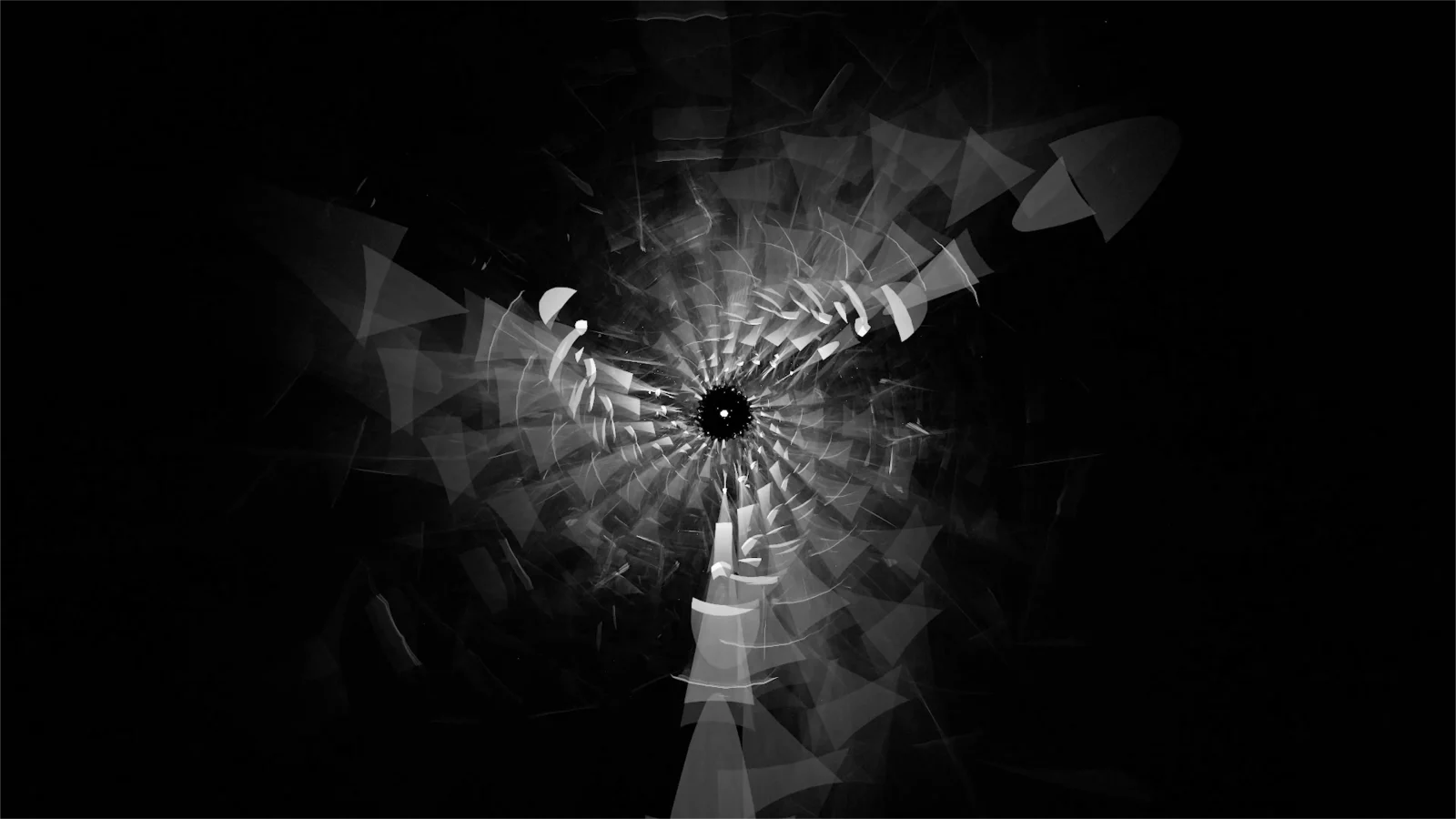
The research evolved into a systematic collection of light instruments developed through three modes of investigation: two-dimensional tiling, three-dimensional spatial arrays, and four-dimensional time-based studies. Inspired by crystalline formations and their ability to scatter light within the atmosphere, the project combines physical experimentation with computational design and simulation. By parametrically varying crystalline geometries, light is modeled as a responsive environmental system.

The outcome is a catalogue of spatial operations that proposes an “artificial nature” or a constructed atmospheric system where light becomes an active agent in generating dynamic and immersive environments.
Studio: Theodore Spyropoulos
Project Team: Oluwapelumi Johnson, Archana Prasad, Rohan Thakker
Tutors & School: Hanjun Kim, Octavian Mihai Gheorghiu, Apostolos Despotidis | AADRL
.jpg "Fran Silvestre - Rethinking Architecture")
.jpg2.jpg "Carlo Ratti - Rethinking Architecture")