



The inaugural edition of Global Design Forum Istanbul transformed Istanbul into a city-scale conversation on design, memory, and cultural exchange. Held from May 13–16, 2026, the forum moved beyond the conventional structure of exhibitions and conference halls by using the city’s historic landscape as an active participant. Developed through a collaboration between London Design Festival and People Places Ideas (PPI), the event brought together architects, designers, urban thinkers, artists, and cultural leaders to examine design’s role in a rapidly changing world.
A Forum Built Around Ideas, Cities, and Cultural Memory
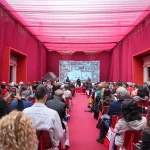
The forum adopted the theme “Worlds in Contact,” positioning design as a tool for understanding overlapping realities of culture, migration, technology, ecology, and public life. The talks and discussions unfolded within the historic setting of Hagia Irene and the Topkapi Palace Complex, allowing historical architecture to become part of the experience itself. The program was guided by artistic director Melek Zeynep Bulut and content advisor Beatrice Galilee, bringing global and local voices into a shared dialogue.
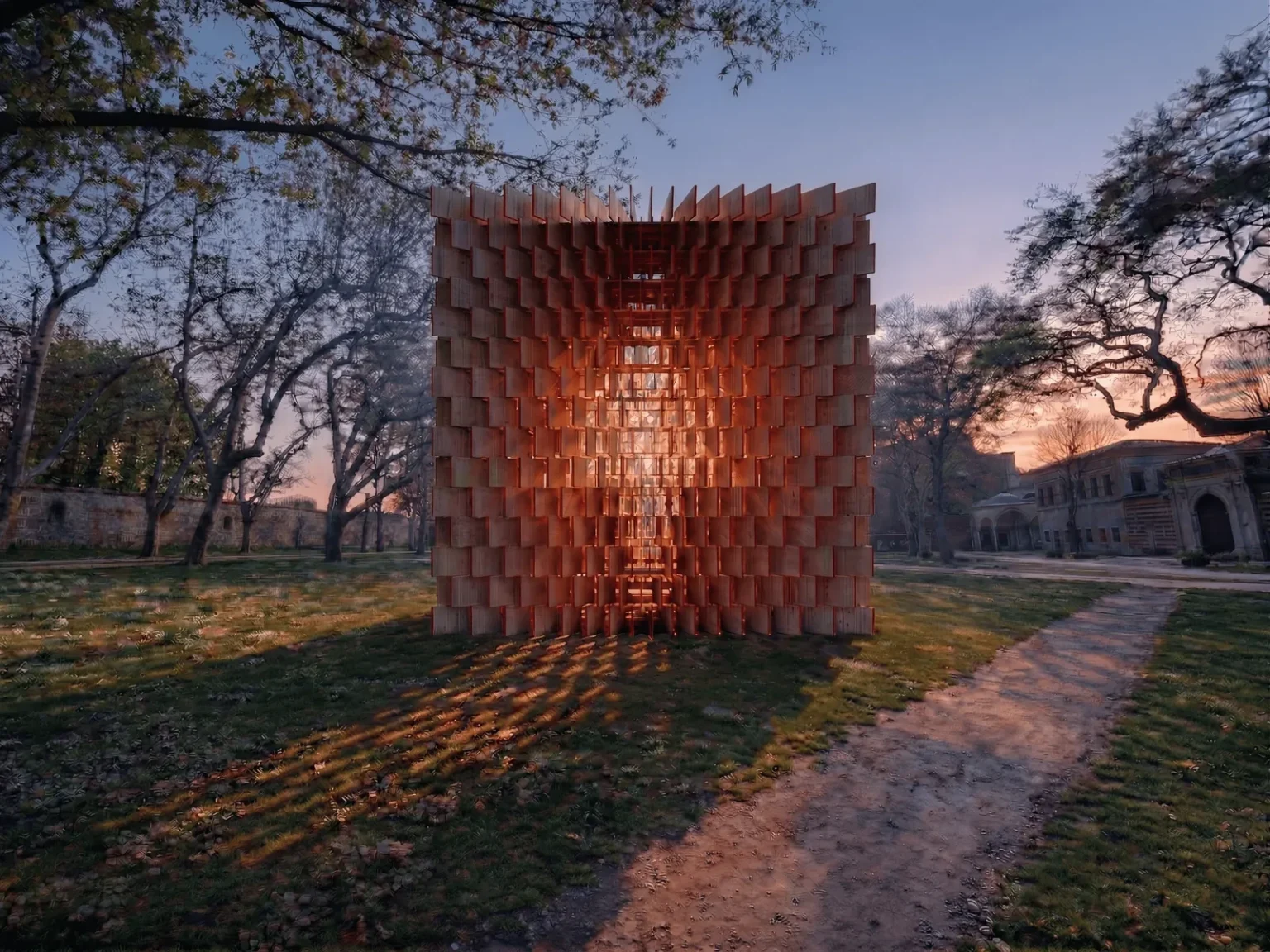
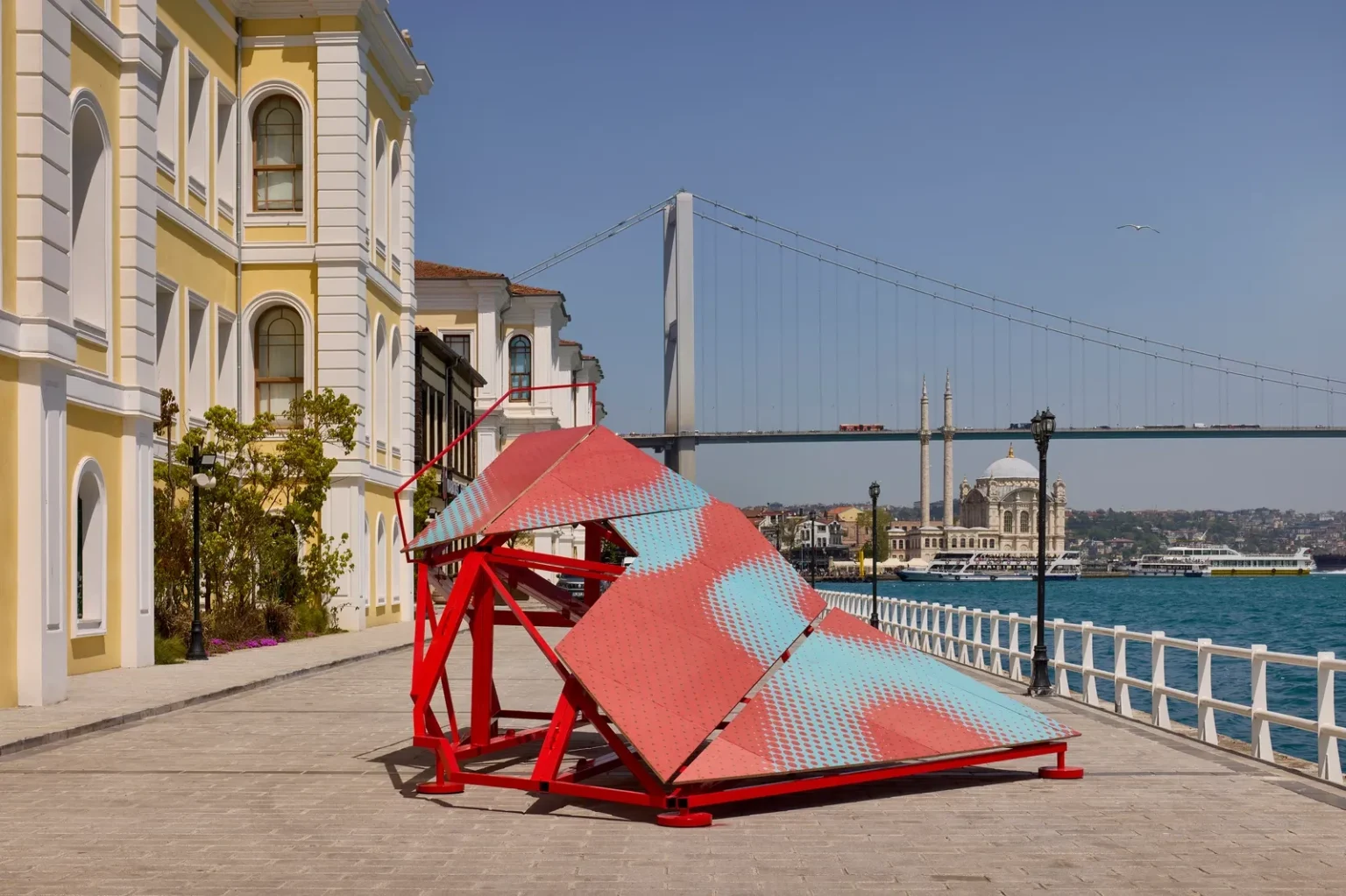
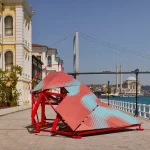
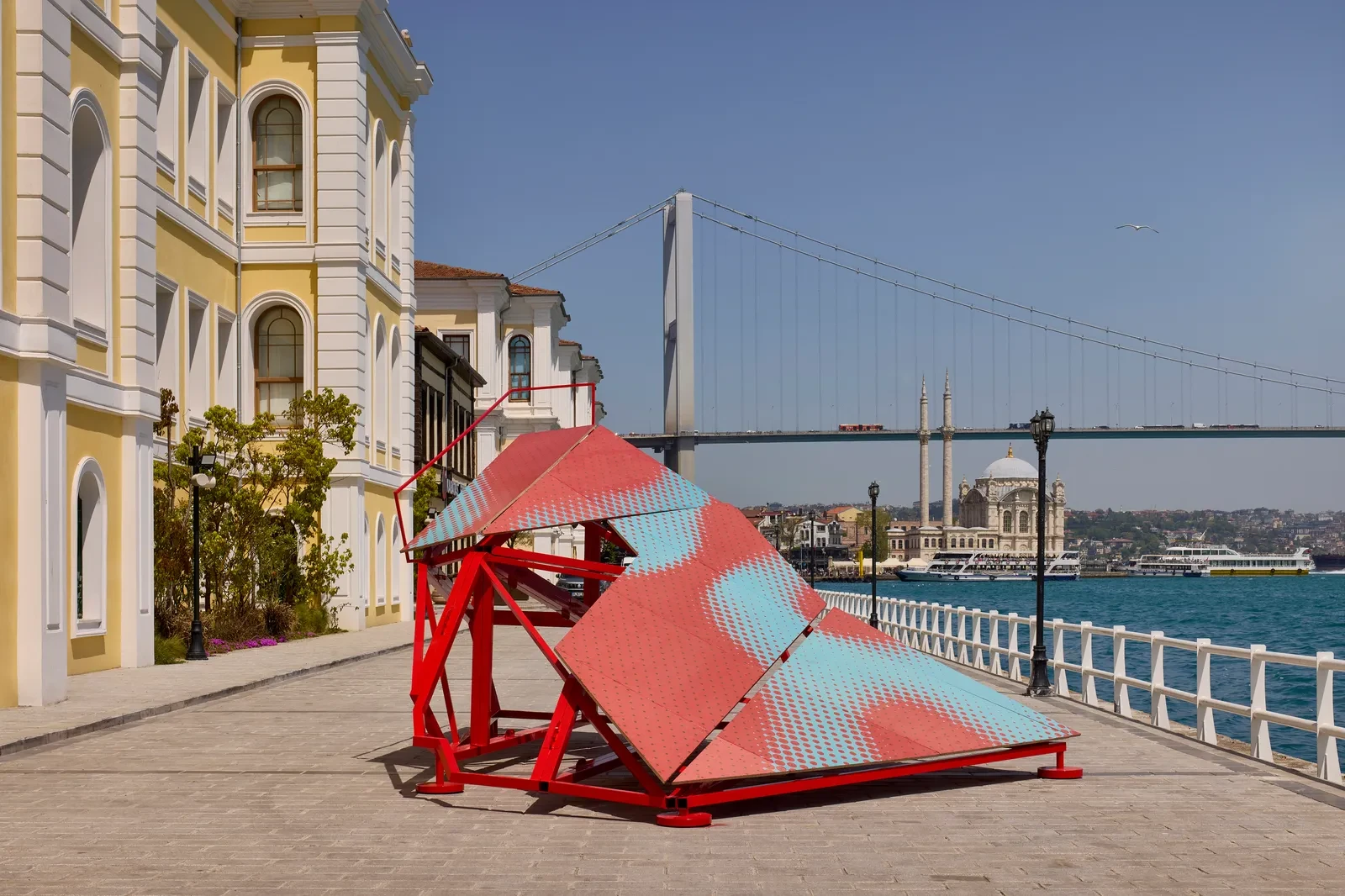
Beyond keynote sessions and panel discussions, the forum extended across Istanbul through public installations and design routes that encouraged people to experience the city differently. Rather than treating design as an object-based discipline, the event framed it as an interaction between people, places, and stories.
Pavilions and Installations Reimagining Space
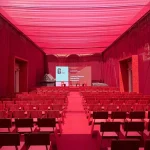
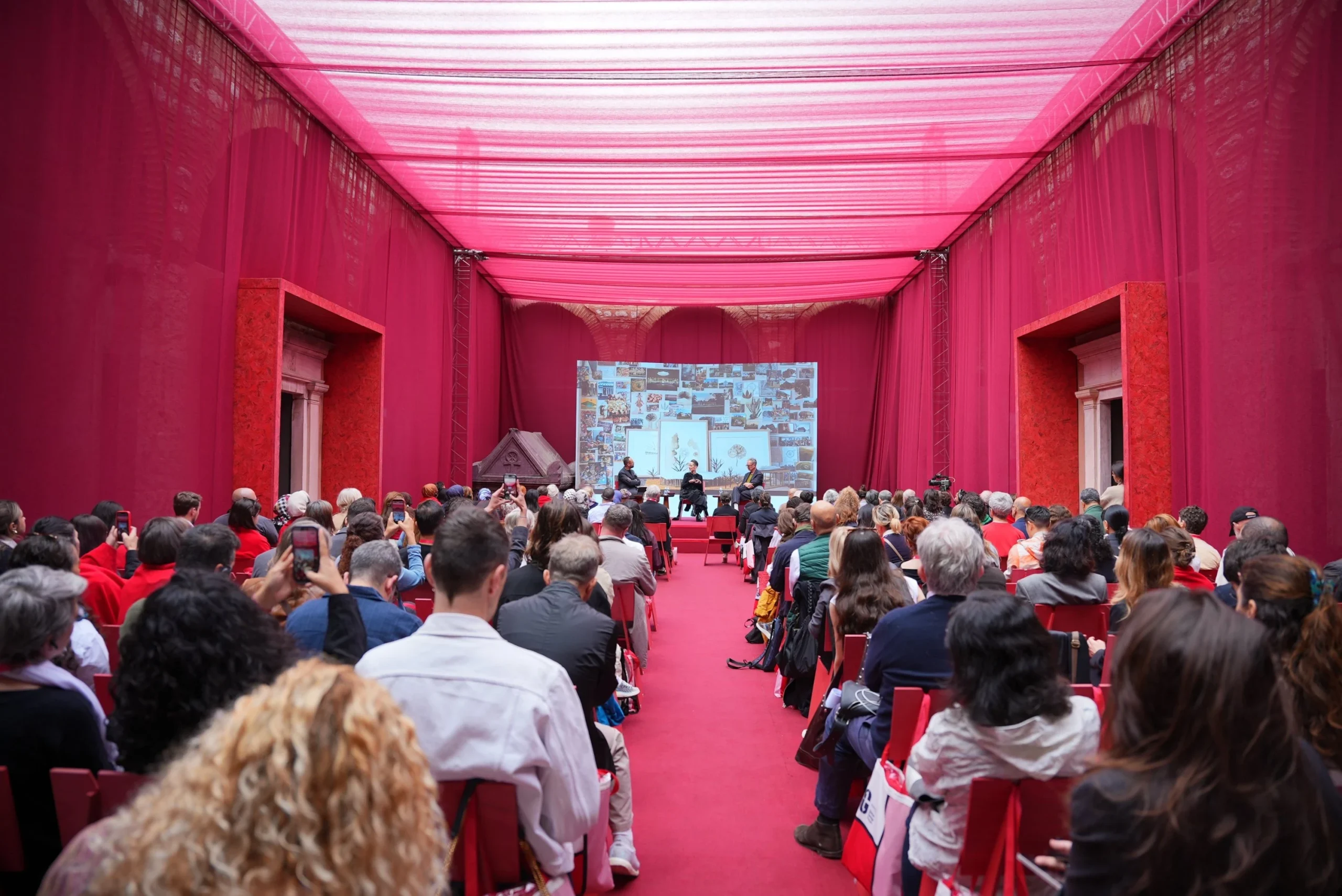
The forum’s spatial interventions became some of its strongest architectural moments. One of the most discussed installations was the “Red Room,” conceived as a temporary spatial intervention within Hagia Irene. Designed using translucent crimson fabric, the installation altered perceptions of light, scale, and movement while creating a dialogue between contemporary design language and Istanbul’s historic textures. As daylight moved through the structure, the atmosphere continuously shifted, turning the installation into a changing sensory environment.
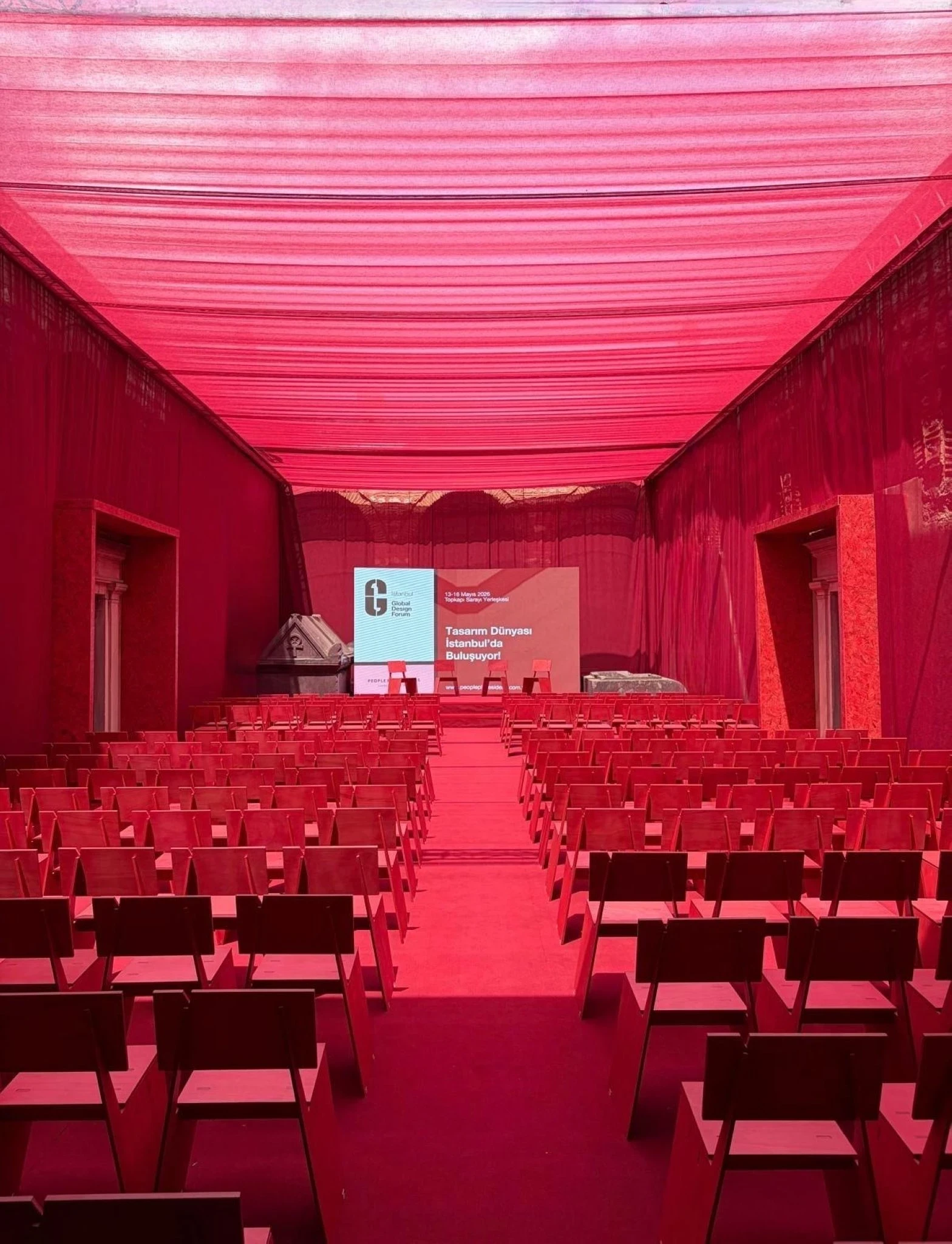
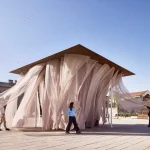
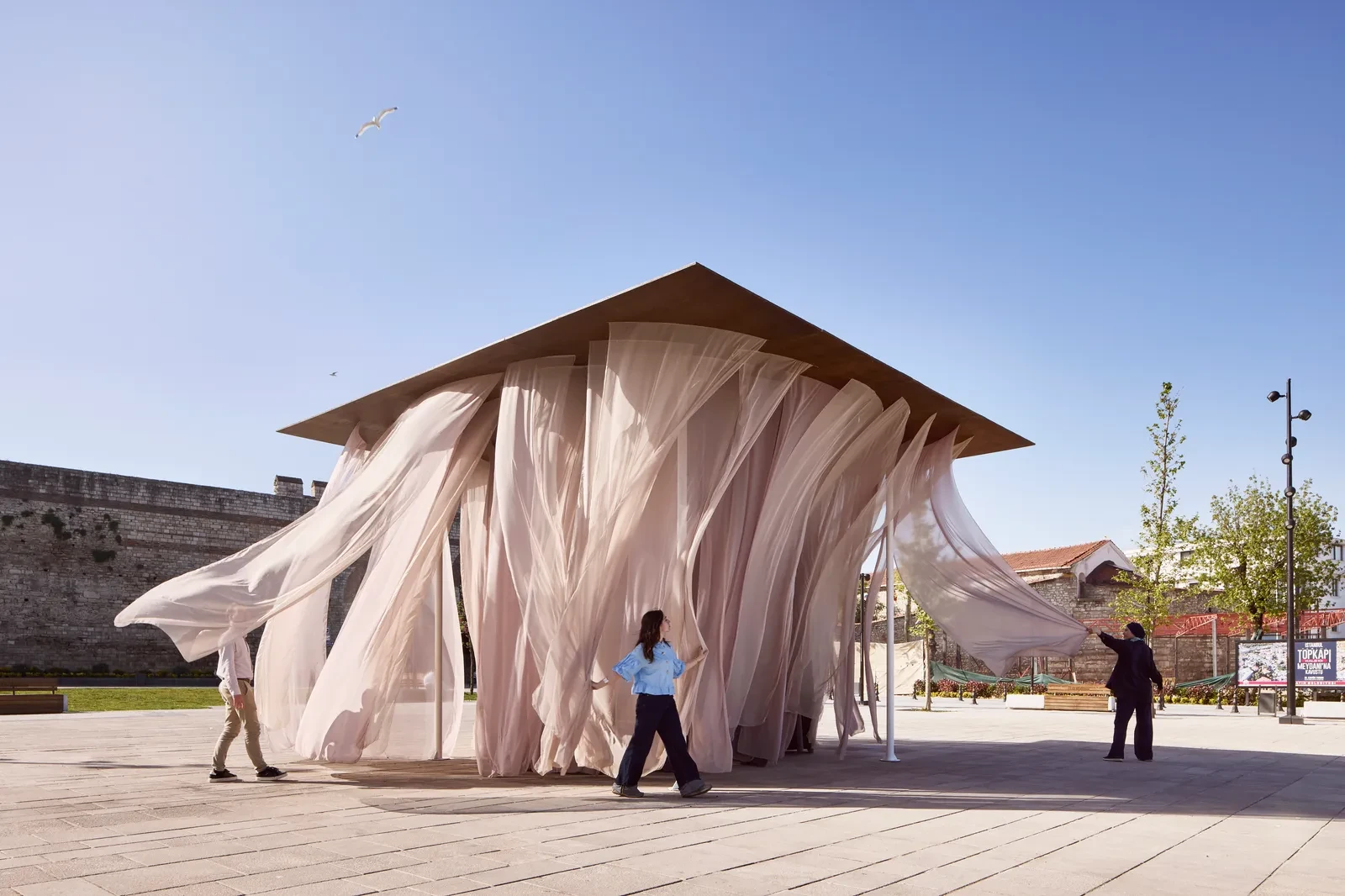
Another major highlight of the citywide program included the Pavilion of the Moment, which contributed to the broader narrative of temporary architecture and placemaking. These interventions were designed to transform public spaces into active sites of encounter.
Istanbul as a New Global Design Platform
Global Design Forum Istanbul also signaled a larger shift in the city’s cultural positioning. Istanbul has long stood at the intersection of continents, histories, and identities, and the forum leveraged that layered condition as a design asset. Through installations, conversations, and public experiences spread across the urban fabric, the event proposed that cities themselves can become archives of collective memory.
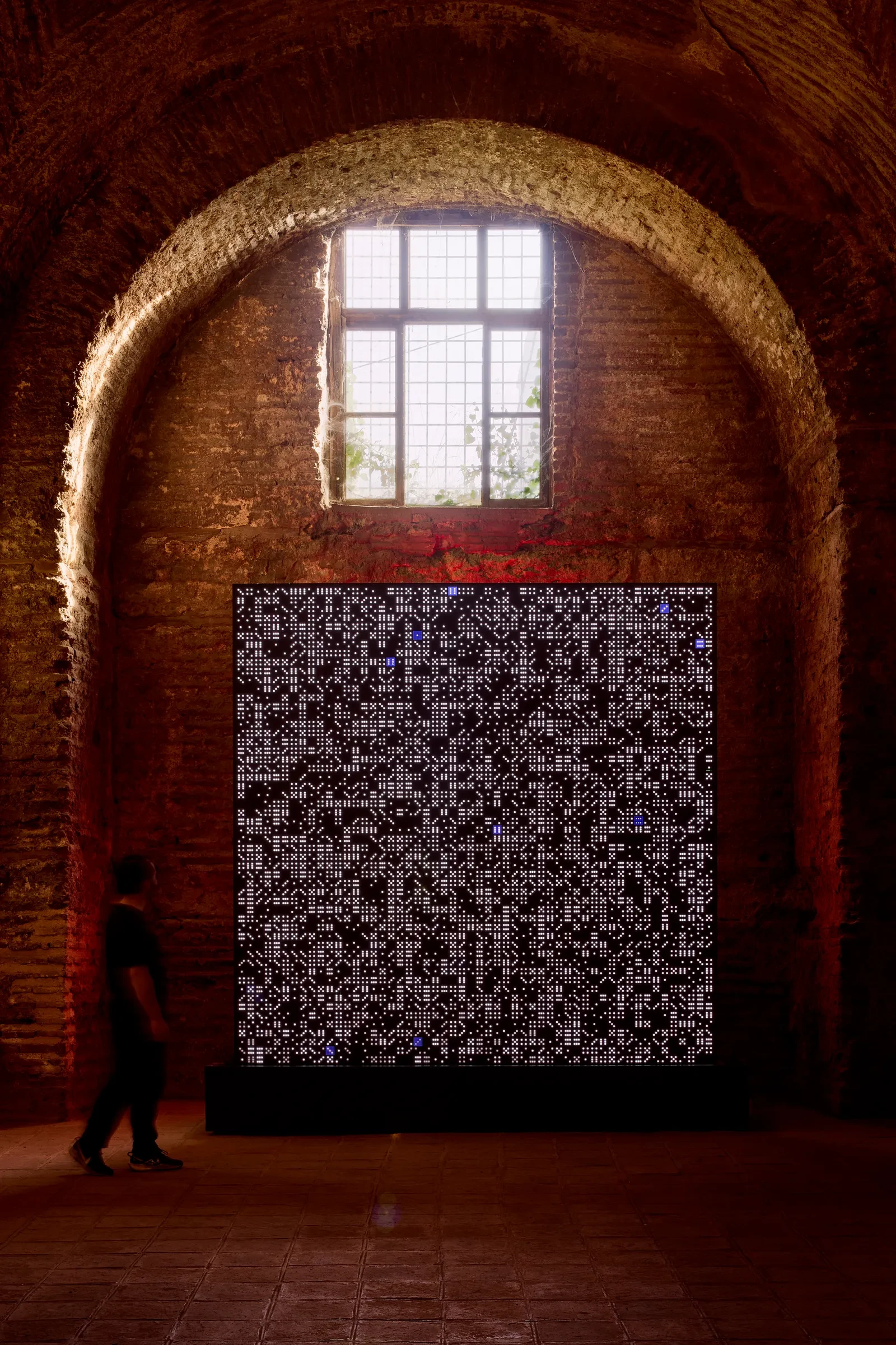
The forum presented it as a framework for understanding how people inhabit space and interact with one another. In doing so, Istanbul’s first Global Design Forum positioned itself as a new platform for international design dialogue rooted in place and cultural identity