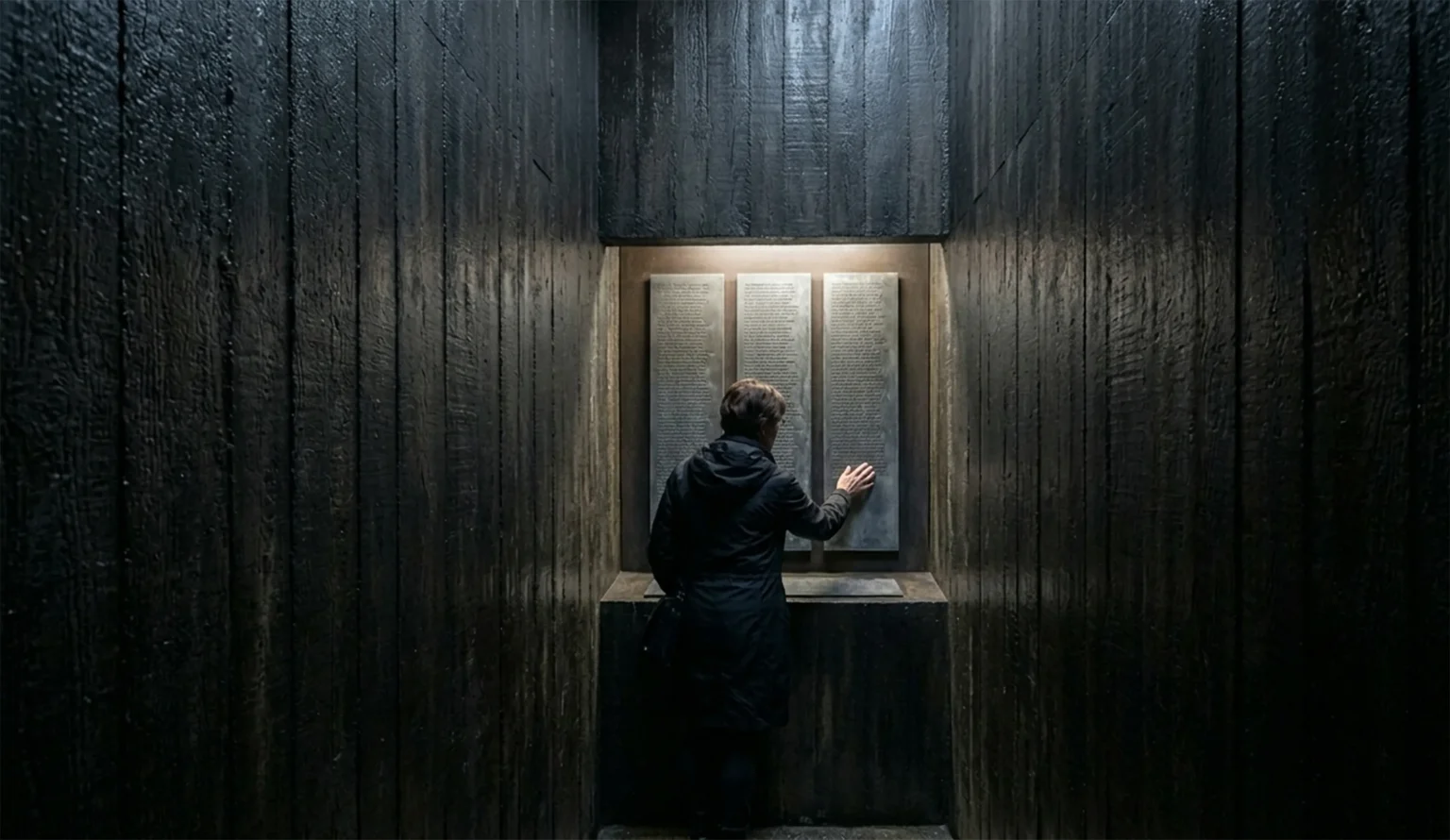


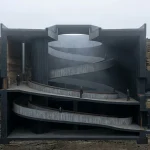
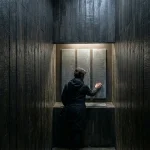
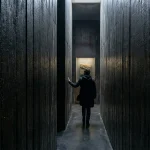
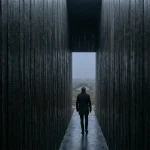
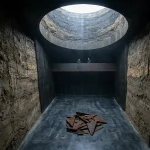
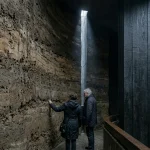
Conceived by Marc Demailly in France, Hypogeum of the Somme is a memorial that rethinks how architecture can engage with history, memory, and landscape. Located within the historic battlefields of Thiepval and Authuille in the Somme region, the project avoids conventional monumentality and instead proposes a memorial carved directly into the earth. Through excavation, spatial silence, and geological intervention, the design explores themes of absence, ritual descent, and tectonic memory while creating an emotional relationship between visitors and the scarred landscape of the First World War.
Architecture Through Excavation
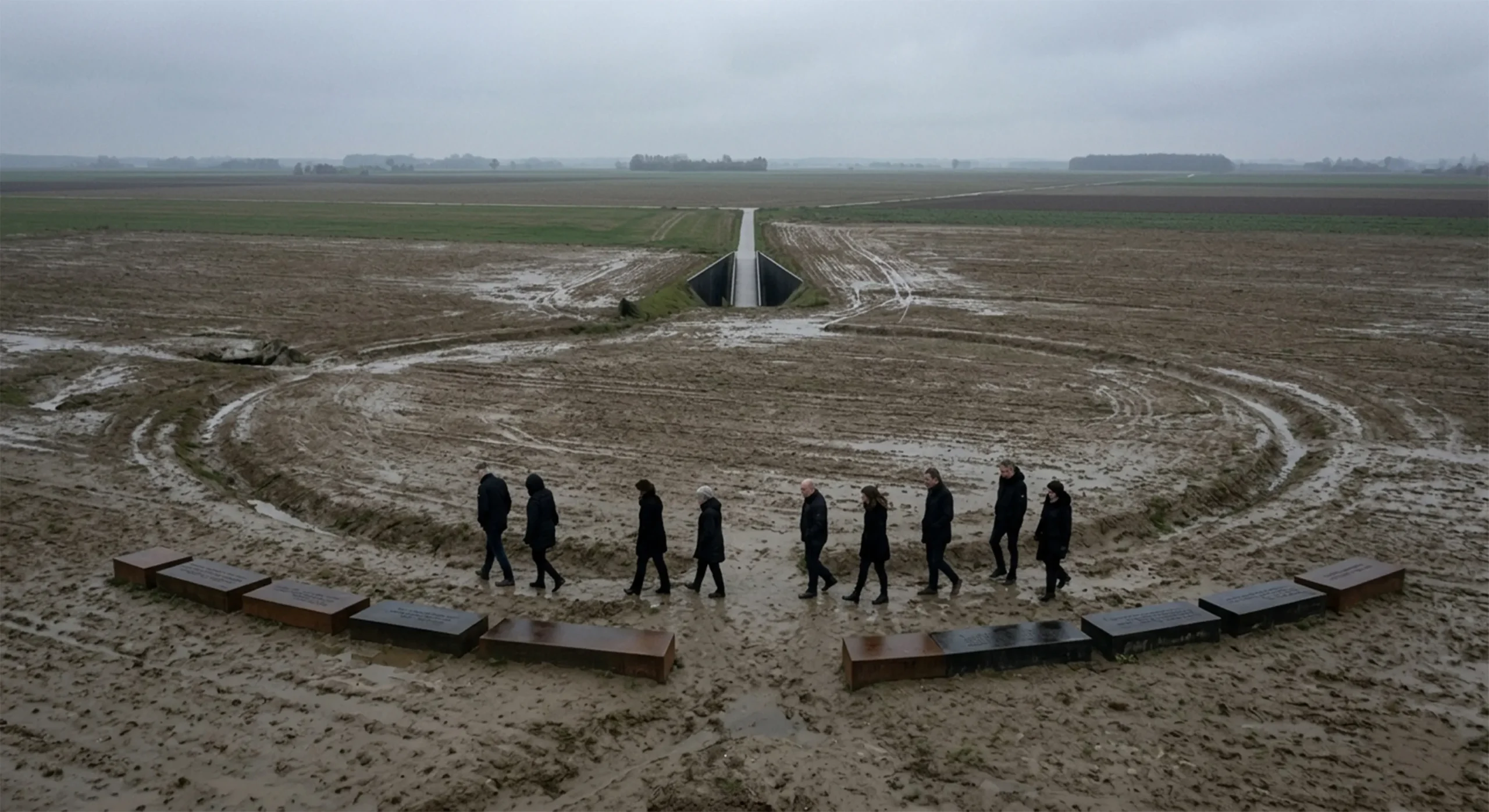
Instead of placing a visible monument within the landscape, the project is envisioned through a process of geological subtraction. No freestanding structure, heroic symbol, or monumental object dominates the site. The design imagines architecture emerging through excavation, slowly incising the historical ground while remaining embedded within the telluric depths of the Somme battlefields.
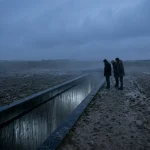
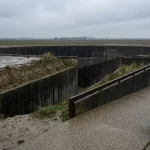
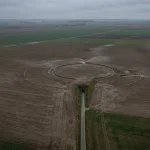
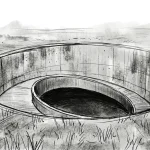
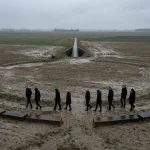
Spread across several hectares, the intervention follows a strategy of quiet dissemination. From the surface, the landscape is intended to retain its almost uninterrupted horizontality. Only subtle geometric disturbances, radial deformations, and mineral fractures in the damp earth hint at the buried memorial beneath. In this proposal, the landscape remains the primary presence while architecture operates through restraint and withdrawal.
A Material Language Rooted in Geology
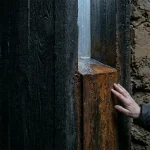
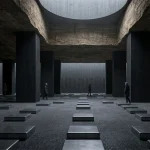
The project proposes a strong continuity between geology and construction. Materials such as monolithic black concrete, compacted earth, excavated strata, and oxidized steel are imagined as extensions of the surrounding terrain rather than separate architectural additions.
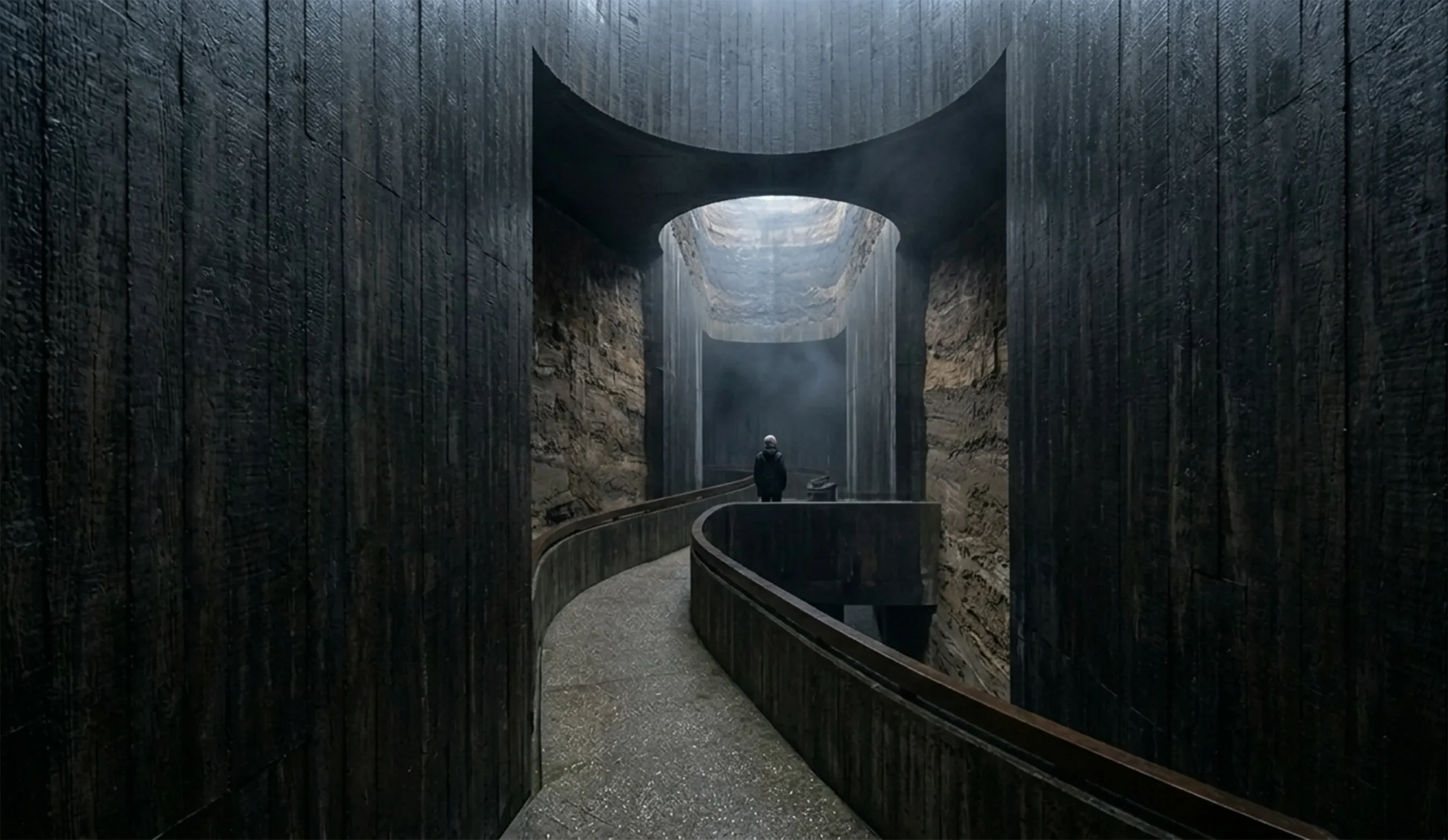
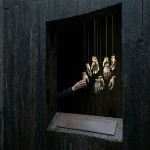
The retaining walls are designed to echo the geological layers visible within the soil itself, reinforcing the relationship between built form and natural ground. Surfaces would intentionally preserve traces of formwork, erosion, moisture, and earth pressure to create a raw and archaic atmosphere. Decorative finishes are deliberately avoided in favour of a mineral and tactile architectural language that feels extracted directly from the landscape.
Ritual Descent and Spatial Silence
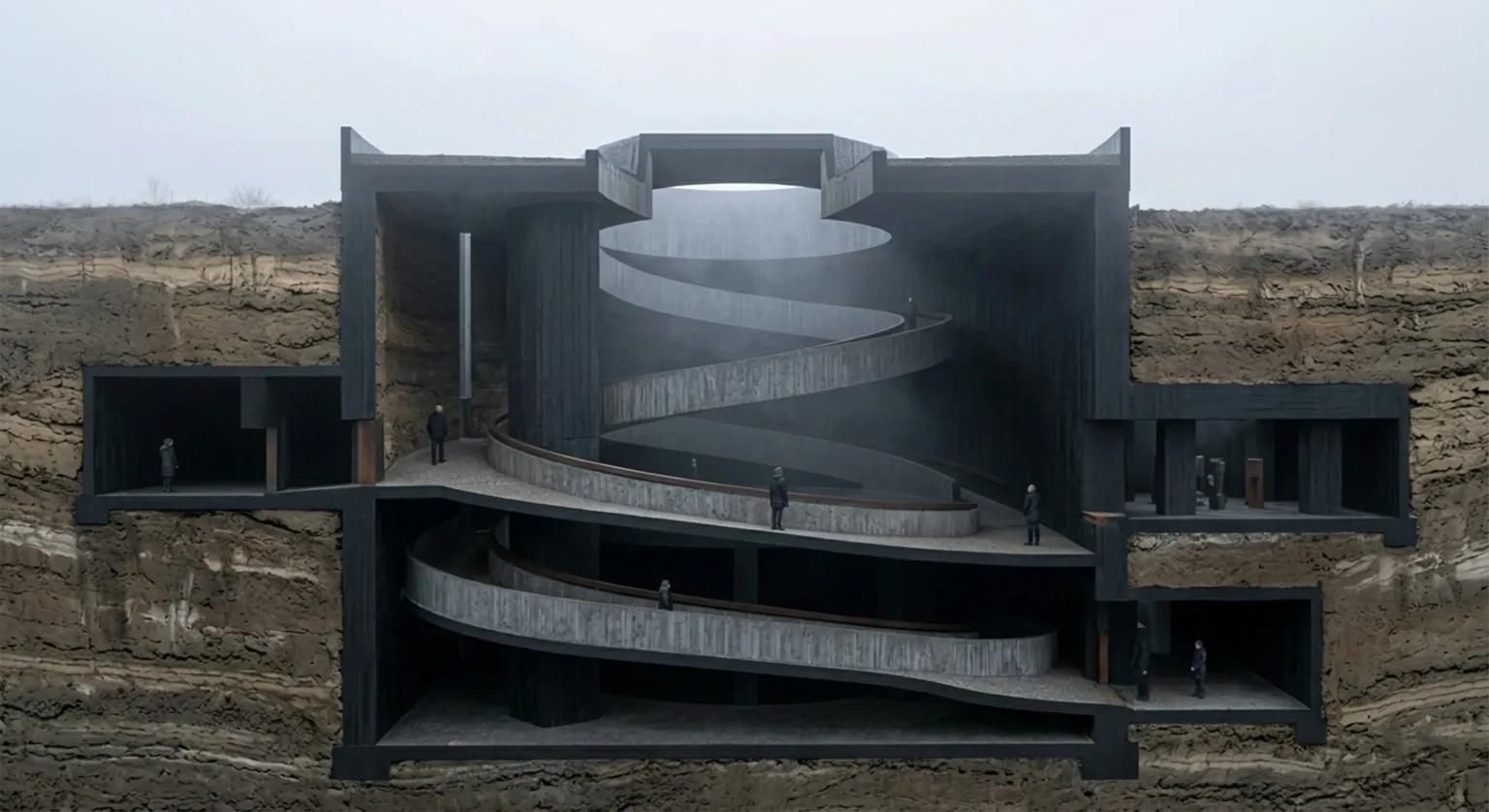
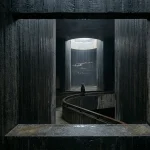
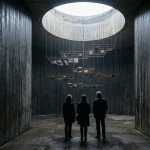
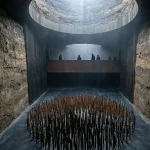
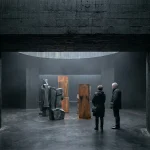
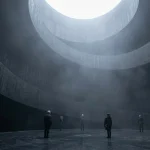
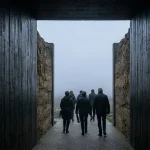
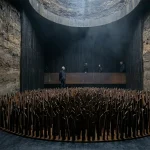
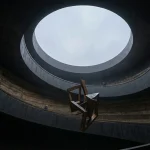
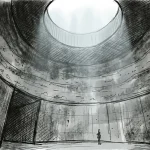
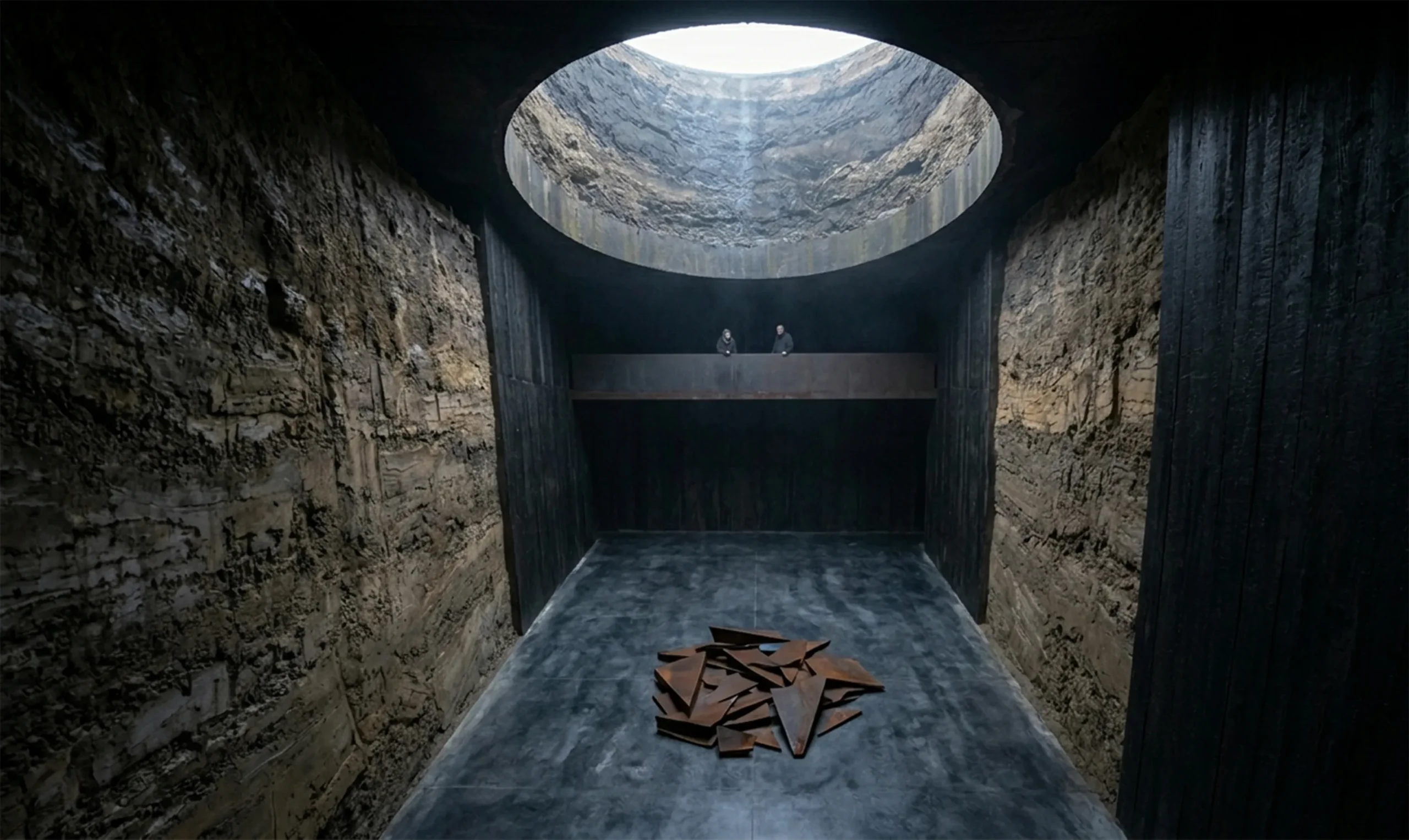
The memorial envisions a series of underground spatial sequences positioned at varying depths below the battlefield. Each entrance is designed to create a different perceptual experience. Some appear as long linear incisions absorbed into the surrounding fields, while others emerge through circular excavated depressions where cold daylight gradually penetrates the underground spaces.
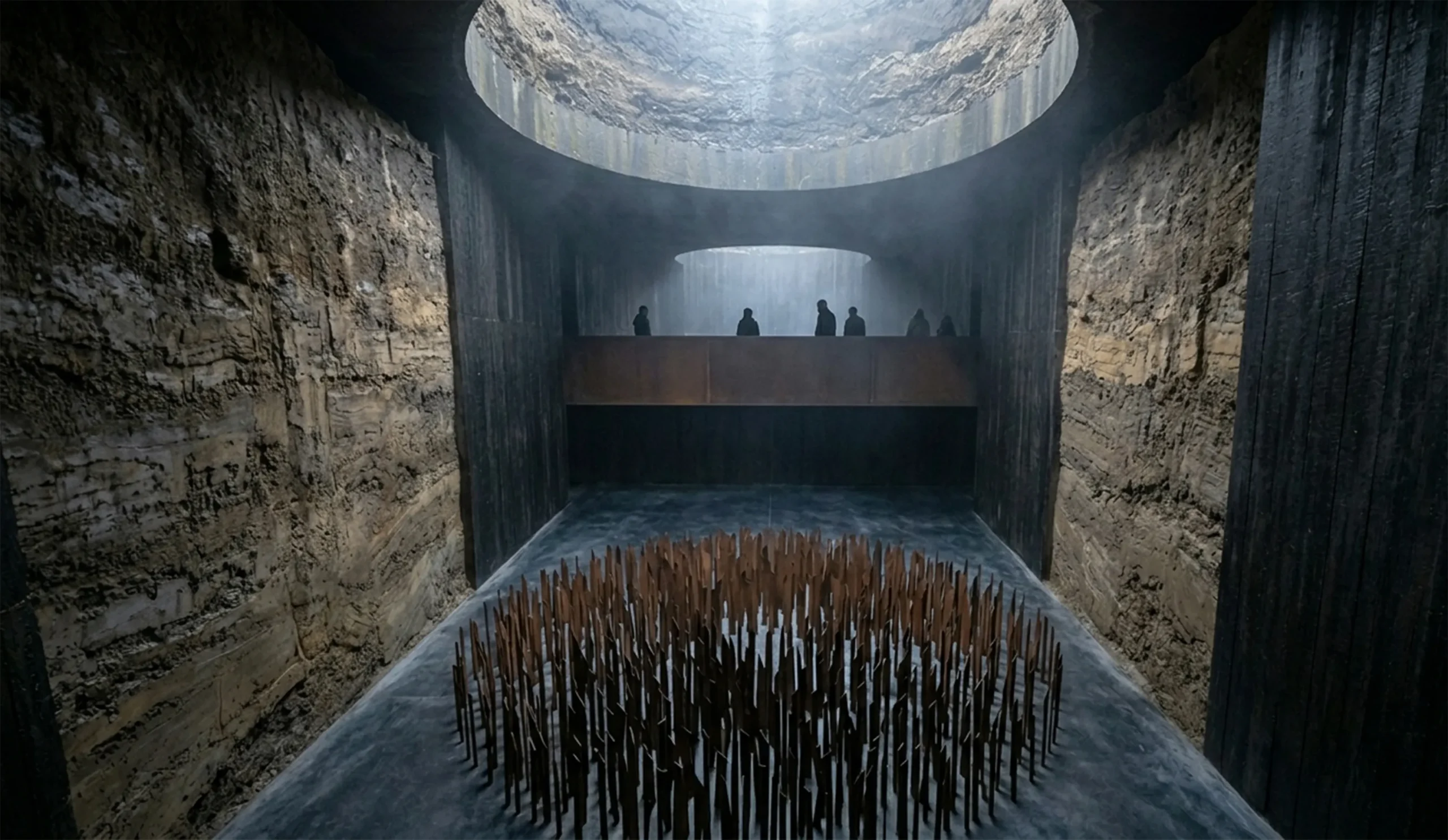
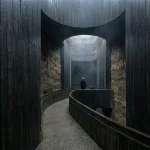
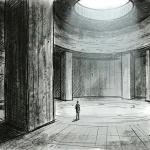
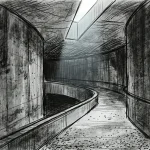
The circulation system follows a descending radial geometry, guiding visitors slowly beneath the earth through ramps and transitional spaces. As the descent deepens, natural light gradually fades into shadow and dense penumbra. The project imagines this movement as a ritualistic experience where the outside world slowly disappears, allowing visitors to engage with memory not as distant history but as physical depth and emotional weight.
States of compression, darkness, resonance, and silence are intended to shape the visitor experience throughout the journey.
Light as a Geological Presence
Within the design of the Hypogeum of the Somme, light becomes the project’s primary immaterial presence. It is designed to enter through calibrated fissures, zenithal openings, and precise cuts made within the terrain above. Rather than theatrical illumination, the memorial would rely on cold and diffuse natural light to reveal the textures of rough black concrete, compacted earth, and damp surfaces.
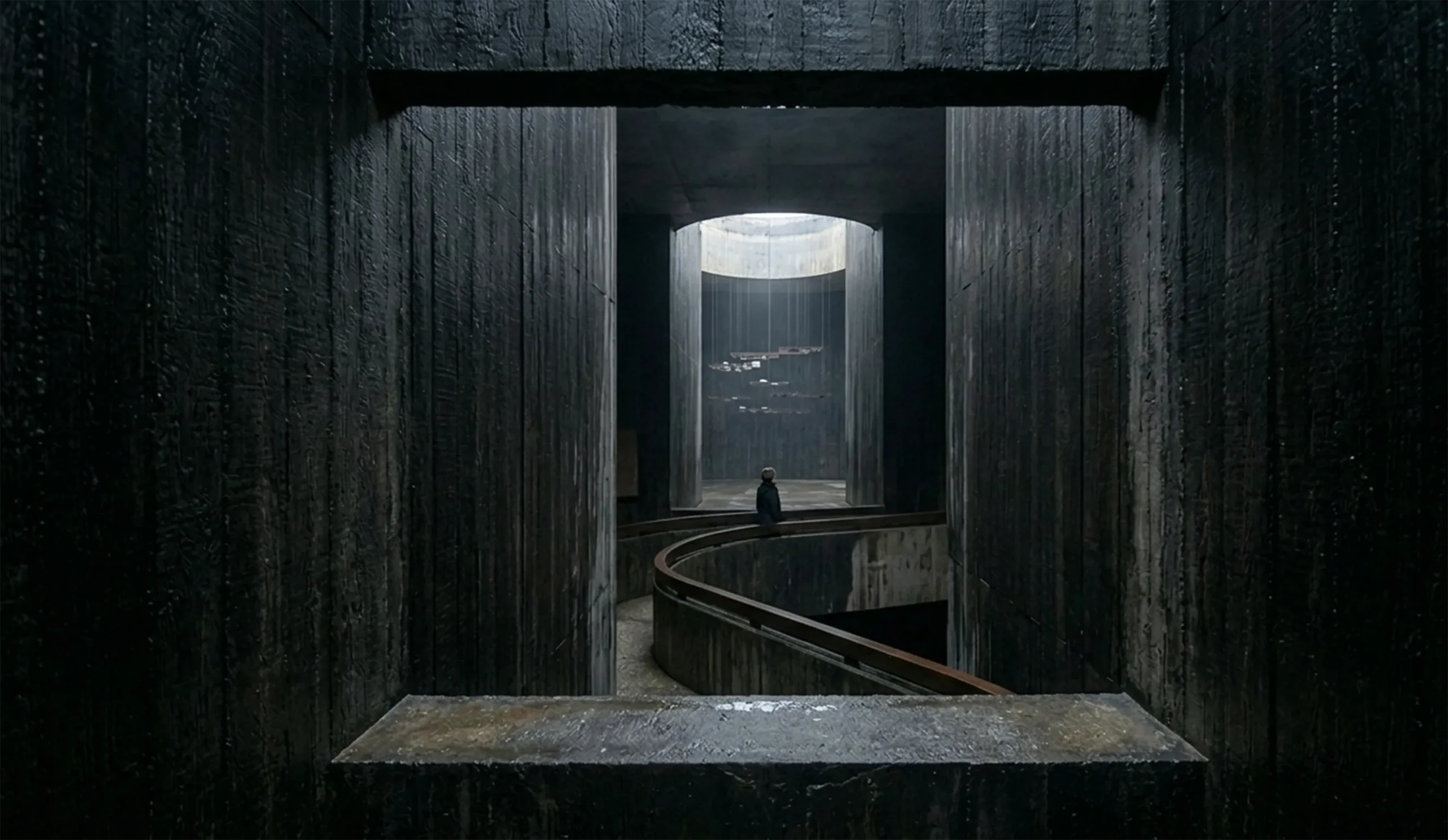
Here, light is imagined less as a visual effect and more as a geological revelation. The controlled penetrations of daylight reinforce the atmosphere of stillness, burial, and temporal depth that defines the project’s spatial character.
A Memorial Defined by Absence
At its core, Hypogeum of the Somme proposes a philosophy of absence. The memory of the First World War is intentionally left without figurative representation. There are no sculptures, military symbols, or monumental inscriptions. Instead, emptiness itself becomes the commemorative material.
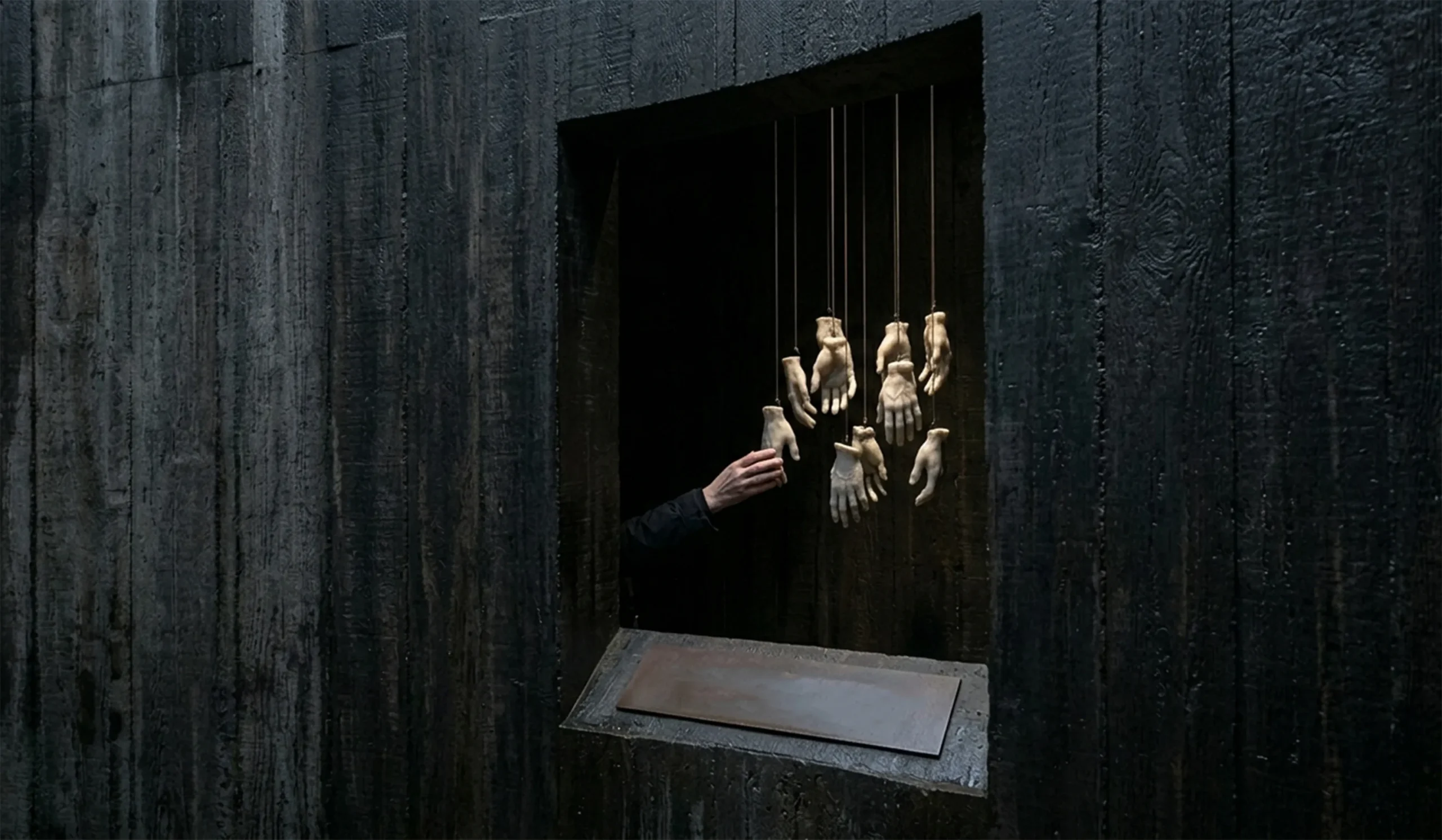
The memorial transforms excavation into a metaphysical act, using voids and depth to make the invisible weight of history physically perceptible. Silence replaces narrative, while the excavated mass becomes an architectural archive of time, memory, and loss. The atmosphere of the Somme will be mist, damp earth, low skies, and muted grey light, and will be envisioned as an essential component of the architectural composition. Rather than appearing as a constructed object, the memorial is imagined as a scar slowly revealed within the European landscape.
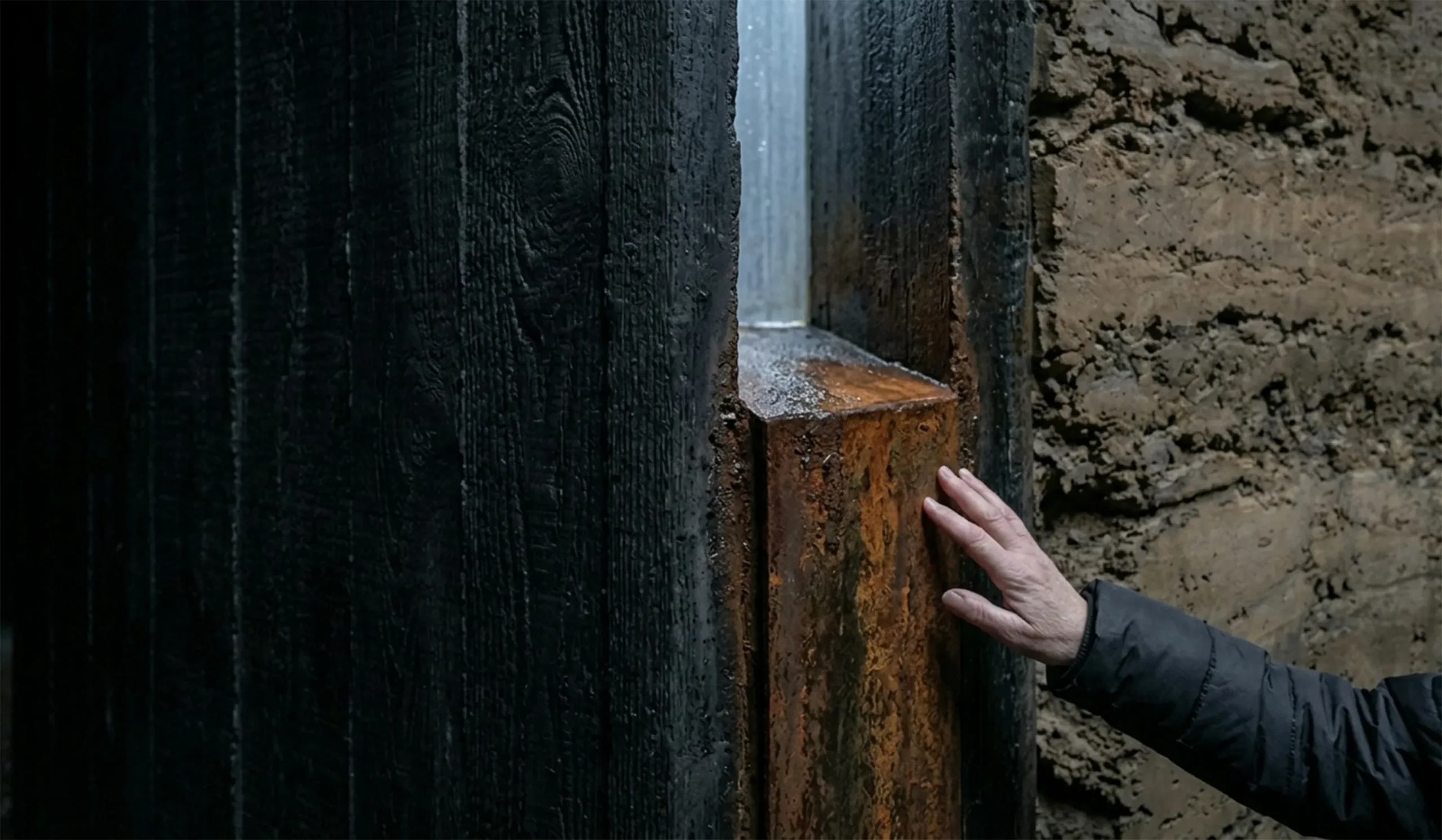
Hypogeum of the Somme presents an alternative vision for memorial architecture through excavation, silence, and geological immersion. Influenced by the spatial philosophies of Peter Eisenman, Tadao Ando, Peter Zumthor, and Louis Kahn, the proposal develops its own architectural language where matter, void, and territory exist in continuous dialogue. Instead of asking visitors to observe history from a distance, the project proposes an immersive descent into memory itself.
Project Credit: Marc Demailly