








Airports, where aircraft take off and land, are spaces that enable the transportation of people and cargo between cities and countries. Considering transportation infrastructure, airports cannot be seen merely as simple structures that allow planes to travel. They also reveal a city’s cultural value and engineering prowess. Airports form a passenger’s first impression of a city or country. In this context, the architecture of airports defines the culture of nations, and their designs provide a great deal of information about that city.
In this article, we examine 10 airports that reflect the culture of their nations:
1. Beijing Daxing International Airport
Location: Beijing, China
Architect: Zaha Hadid Architects
Year: 2006
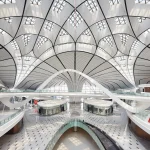
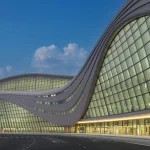
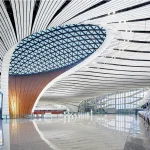
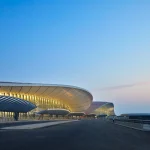
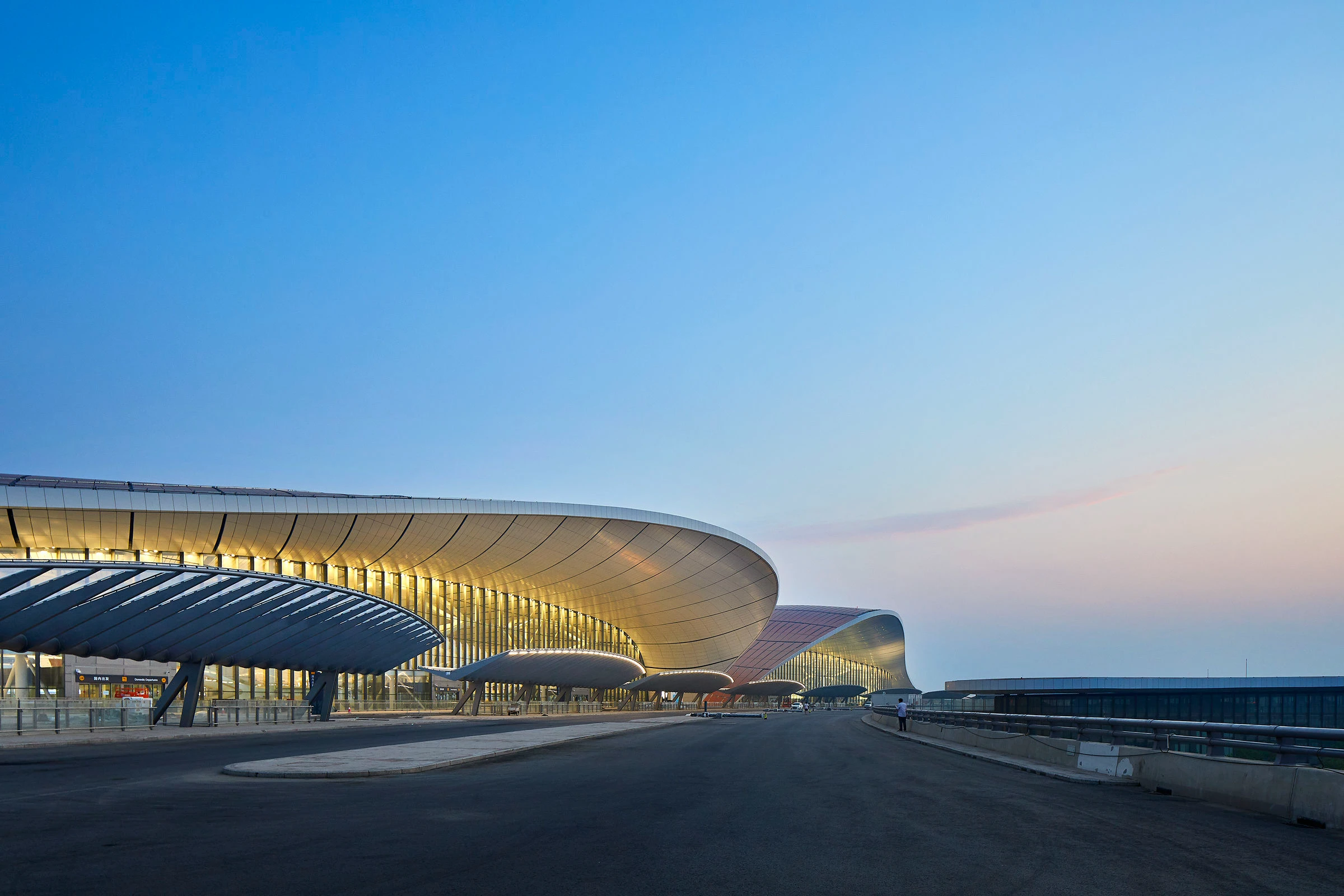
Designed by Zaha Hadid, Beijing Daxing International Airport reflects China’s technological rise and monumental architectural scale, defining the country’s culture. Developed to alleviate congestion at the existing airport in the capital, Beijing Daxing is a crucial transportation hub for the region with the world’s fastest-growing international travel demand.
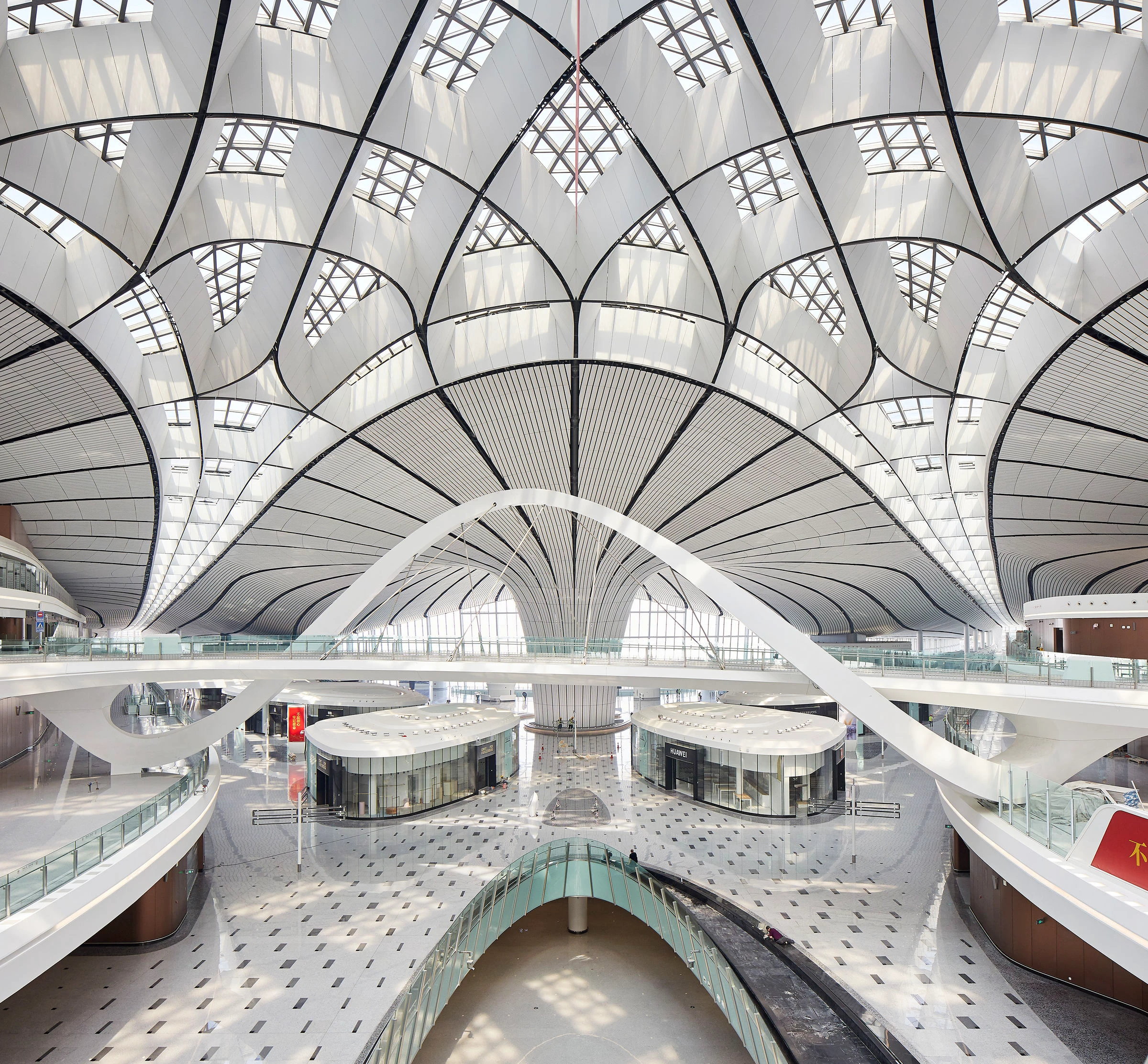
Reflecting the principles of traditional Chinese architecture, which organizes interconnected spaces around a central courtyard, the design of Beijing Daxing International Airport directs all passengers from departure, arrival, and transfer zones toward the terminal’s heart: the grand multi-layered central courtyard. The flowing form of the vaulted roof, which supports the structure and provides natural light, directs all passengers toward the central courtyard. Structural openings extending up to 100 meters, forming the terminal’s extensive public spaces, provide a high degree of flexibility for any future reconfiguration. The terminal’s compact radial design allows the maximum number of aircraft to park directly at the terminal with minimal distance to the building’s center, ensuring exceptional convenience for passengers and operational flexibility.
2. Marrakesh Menara Airport
Location: Marrakesh, Morocco
Architect: E2A Architecture, Alaoui Architects
Year: 2008
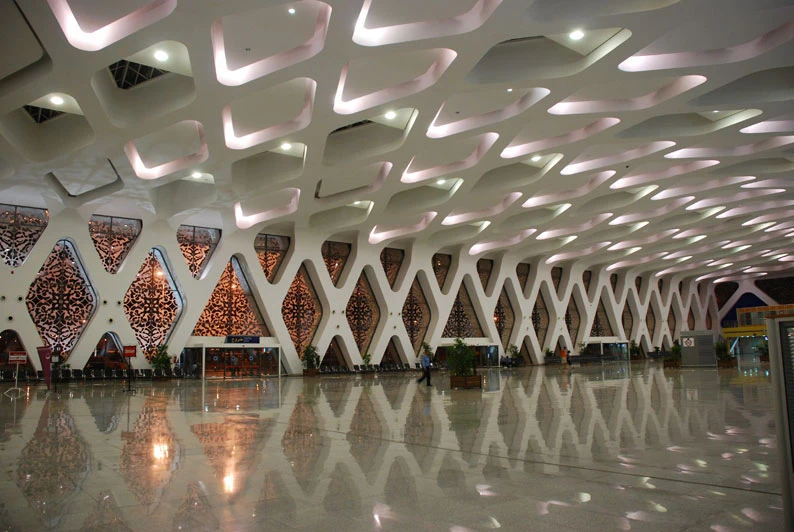
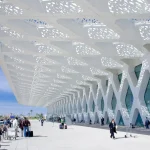
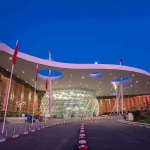
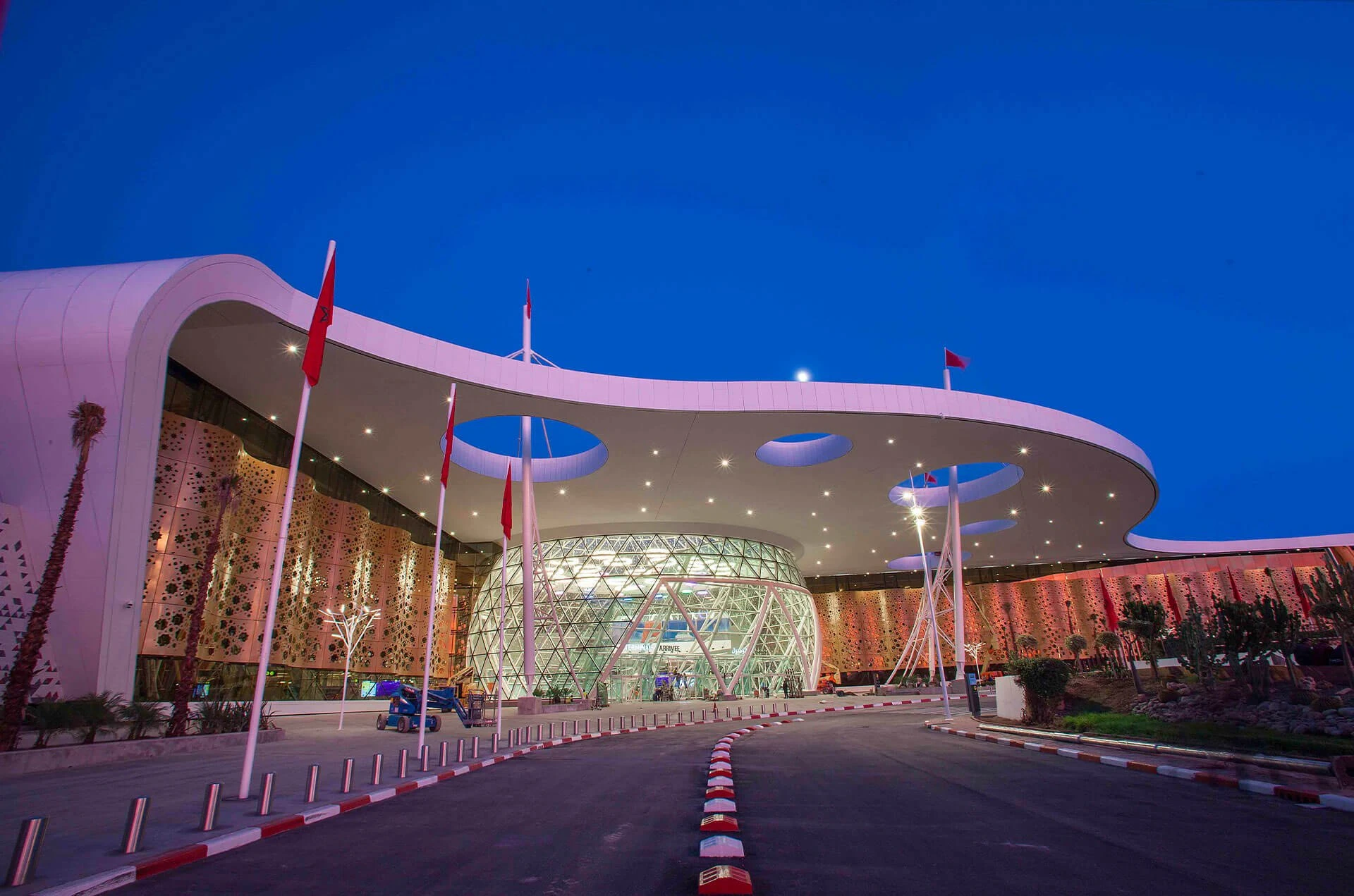
Preserving Moroccan traditions while boasting a contemporary and modern design, Marrakech Menara Airport directly translates Moroccan culture into its architecture. Accommodating two terminals, a 360-car parking area, a health center, a chapel, a small bazaar selling local handicrafts, and cafés, the airport welcomes travelers while offering a first impression of Morocco, a country that looks toward the future without forgetting its rich traditions.
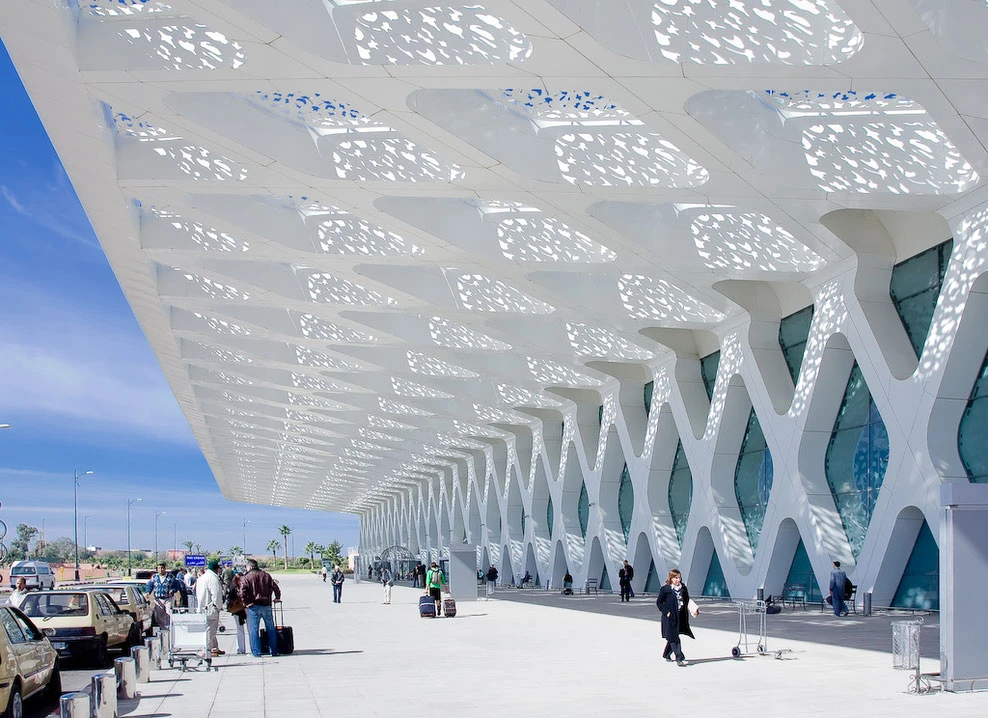
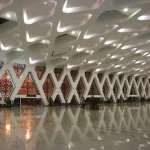
The passenger terminal, the most iconic landmark of Marrakech Menara Airport, boasts a spacious and open feel thanks to its ubiquitous white aluminum structure. The arabesque facade, composed of 24 rhombuses and 3 triangles, lets in filtered light, enriching the visual connection between the interior and exterior. The 12 m × 6 m triangles above the entrance doors are clad in white aluminum and filled with glass printed with stylized traditional Islamic ornamental motifs.
The interior fully reflects Moroccan traditions. The roof, extending outwards to form a 24-meter cantilevered shade, is constructed from a steel frame. Small panels mimicking the mosaic patterns found in traditional Islamic architecture allow light to enter through skylights. By concealing contemporary technology within these traditional motifs, the mosaic pattern appears to many visitors as a continuation of the decorative elements that enrich the building’s interior.
3. Jewel Changi Airport
Location: Singapore
Architect: Safdie Architects
Year: 2019
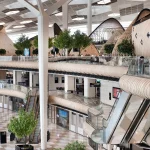
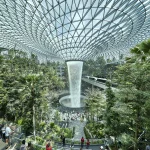
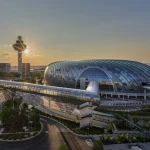
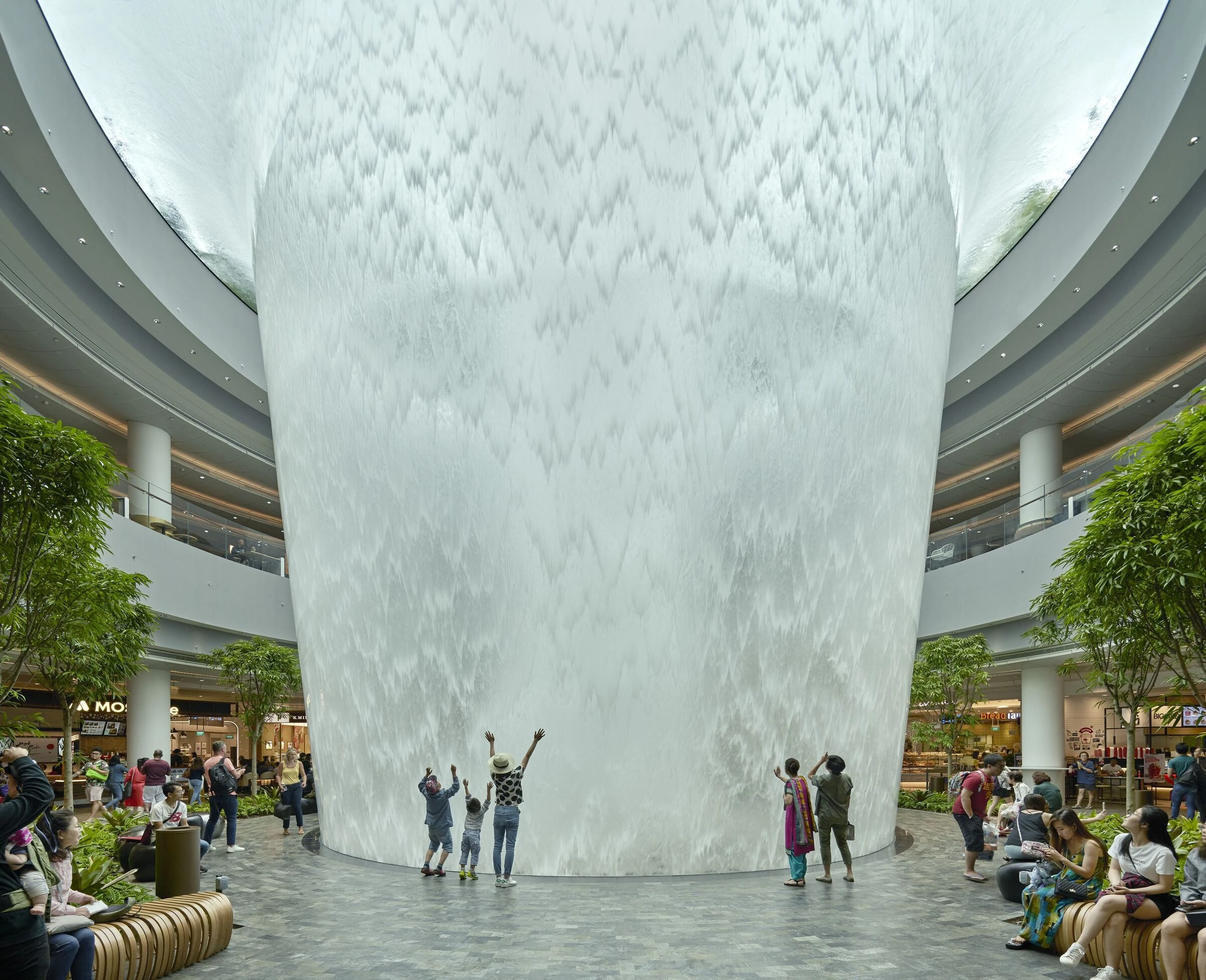
Designed by Safdie Architects, Jewel Changi Airport‘s tropical landscape reflects Singapore’s culture through a controlled blend of nature and high technology. Reimagining the center of an airport as a large-scale public attraction, Jewel accommodates landside airport operations, retail spaces, and hotel facilities under a single roof. Its distinctive dome-shaped facade, constructed of glass and steel, enhances Changi Airport’s appeal as one of the world’s leading air hubs.
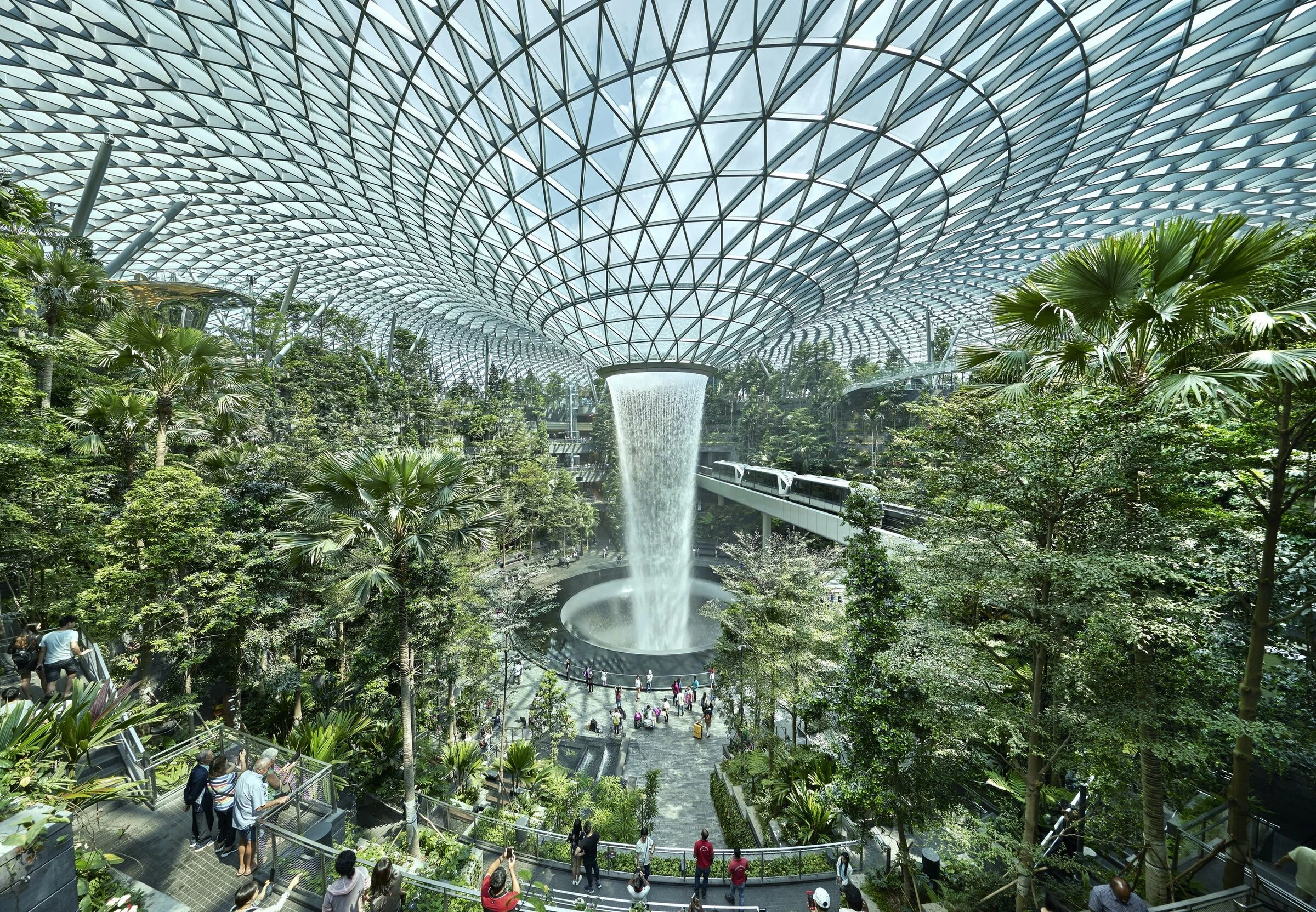
At the heart of Jewel Changi Airport’s glass roof, which is based on a toroidal geometry, lies an oculus that channels water through five stories down into the Forest Valley garden at ground level. The Rain Vortex, the world’s highest indoor waterfall, transforms into a light and sound show in the evenings. Four main axes—north, south, east, and west—guide visitors through the complex and are supported by four entrance gardens that provide visual connections to the airport’s other terminals. At night, the glass facade renders the building invisible, revealing the shimmering garden within.
4. Denver International Airport

Location: Colorado, USA
Architect: Curt Fentress, James Brandburn
Year: 1995
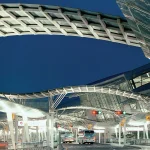
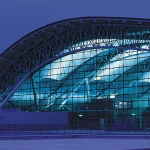
With an area of 137.7 km², Denver International Airport, one of the largest airports in the world, references the American landscape with its form inspired by the Rocky Mountains. The soaring peaked roof structures, reaching heights of 130 to 150 feet, evoke the feeling of stepping into snow-covered mountains that shaped the architectural concept. Rising from a solid, stone-like base, the terminal transforms into a vast pavilion that ignites a strong sense of belonging in both visitors and locals.
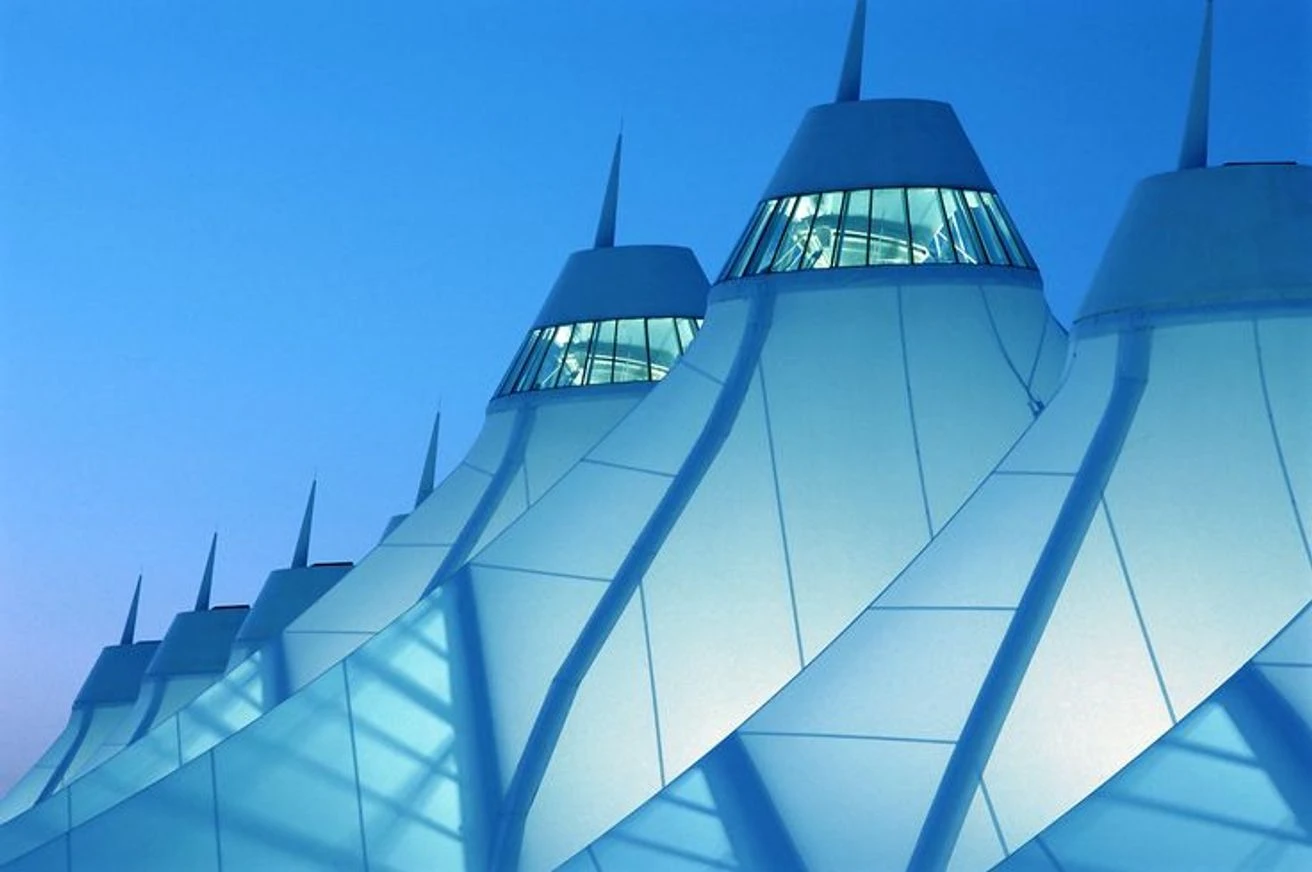
With its sculptural roof recalling the dynamic scenery of Colorado, Denver International Airport reflects American culture through architecture. Thanks to its translucent materials, daylight floods the interior and creates a highly visible natural illumination throughout the terminal. Glass skylights adorn the tops of the fabric roof’s pillars, while triangular windows on the east and west and expansive glass curtain walls on the north and south frame the Great Hall, creating a link between the interior and exterior.
5. Oslo Airport
Location: Oslo, Norway
Architect: Nordic Office of Architecture
Year: 2017
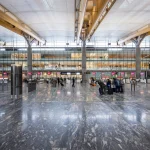
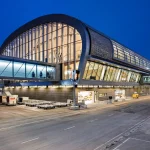
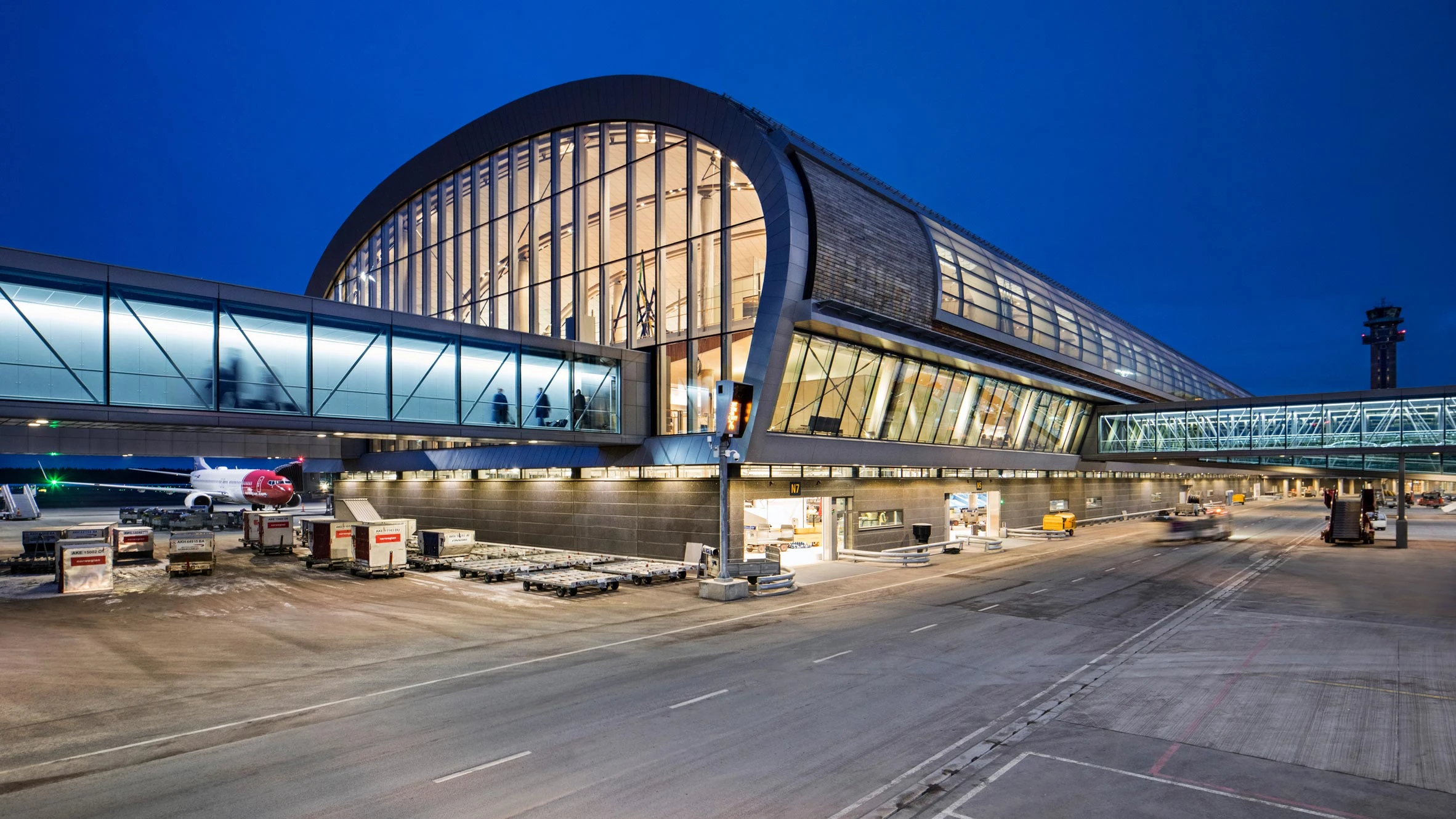
The expansion project of Oslo Airport, undertaken to increase the airport’s annual capacity to 35 million passengers, reflects the Scandinavian design philosophy through Norway’s emphasis on functionality, simplicity, and naturalness. Preserving the timeless architectural expression and rational simplicity of the original airport, designed in 1998, the expansion project enhances the passenger experience with added new design elements. A new 300-meter-long pier doubles the size of the existing terminal building.
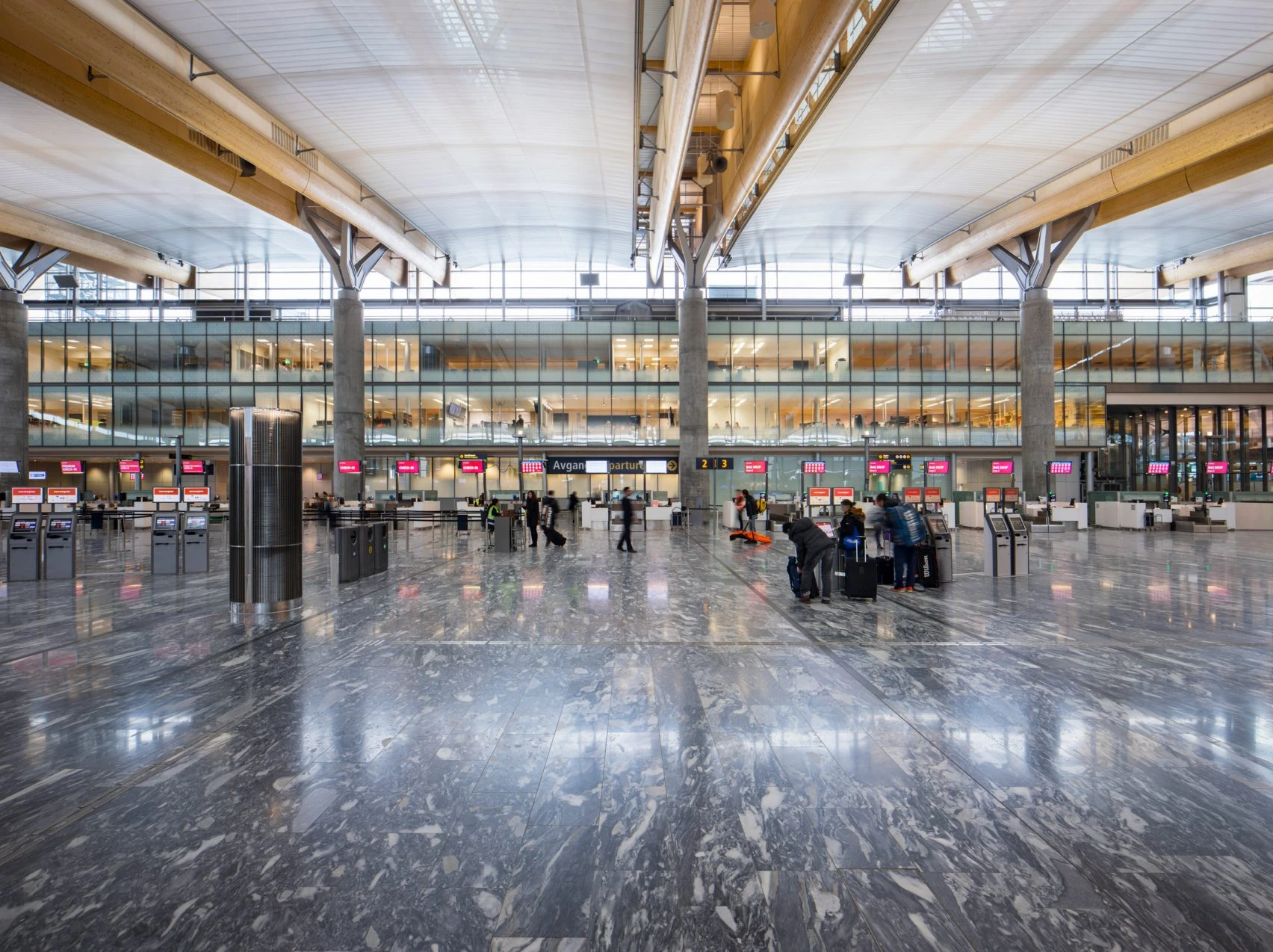
The building’s compact layout, transparency, and open spaces enhance visual readability and wayfinding, providing passengers with a sense of security and peace of mind. At the northern end of the pier, a panoramic window, a 300-meter-long skylight, and curved glass façades on both sides open up views toward the surrounding landscape and beyond. Green walls and water features reminiscent of Scandinavian forests enrich the passenger experience throughout the terminal journey.
Built using recycled steel and a special eco-friendly concrete mixed with volcanic ash, Oslo Airport is entirely clad in wood sourced from Scandinavian forests. Designed with a holistic sustainability approach that prioritizes on-site energy generation whenever possible, the terminal also incorporates an innovative snow-cooling system: snow collected from the runways is stored in an on-site facility during winter and reused as a cooling source in the summer. Thanks to improved insulation levels, the project has achieved passive house-level performance standards.
6. Heydar Aliyev International Airport
Location: Baku, Azerbaijan
Architect: Autoban
Year: 2014
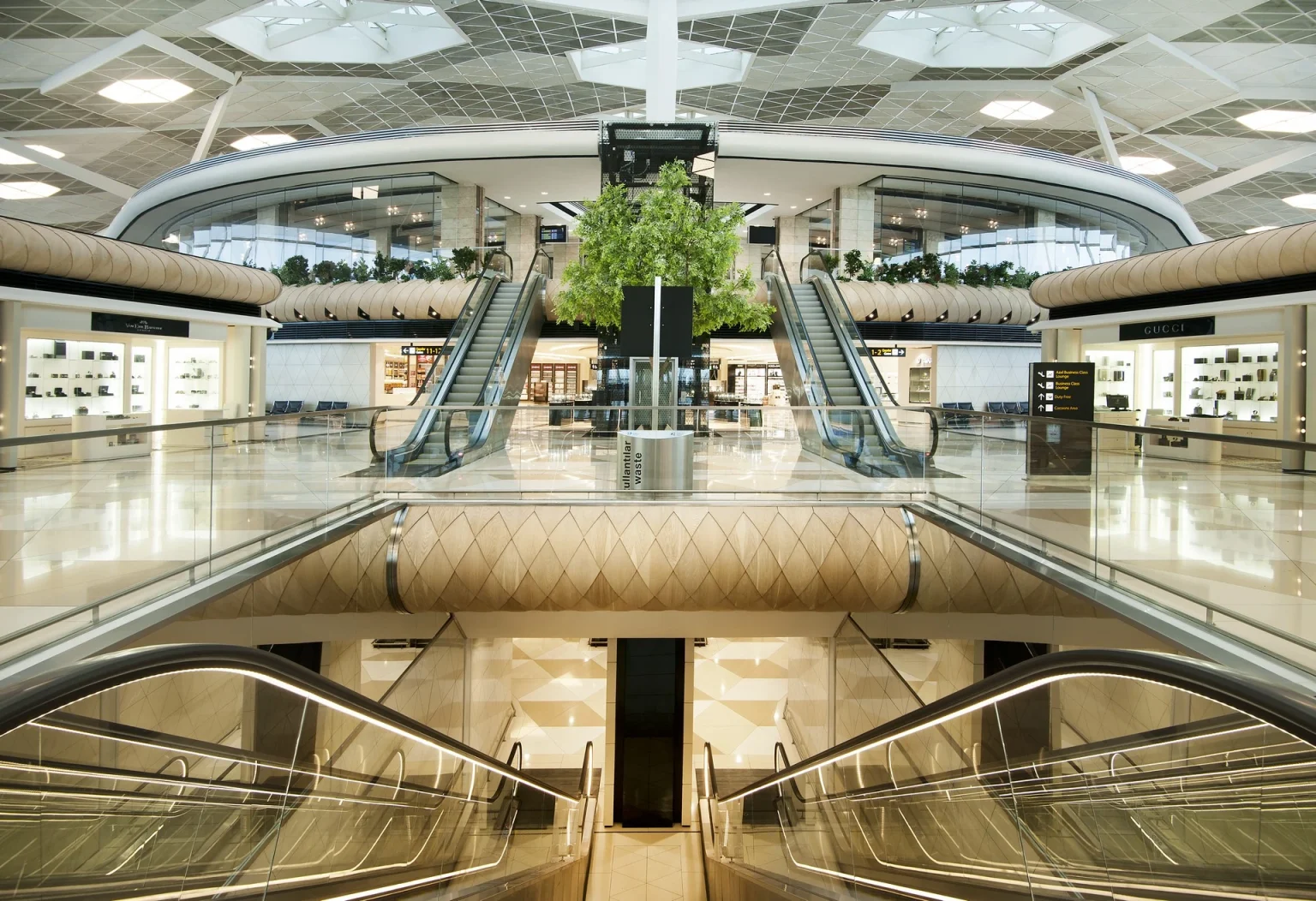
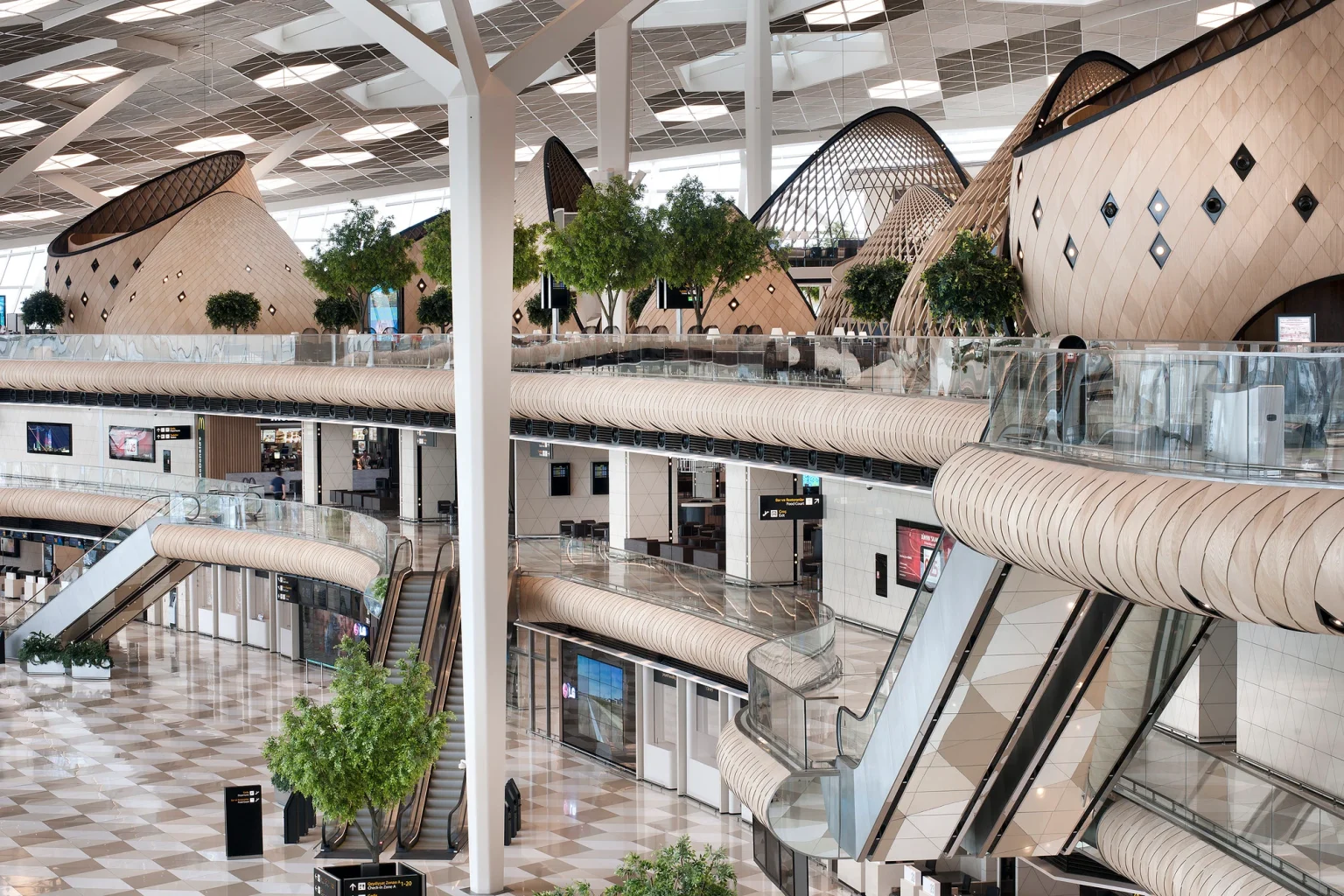
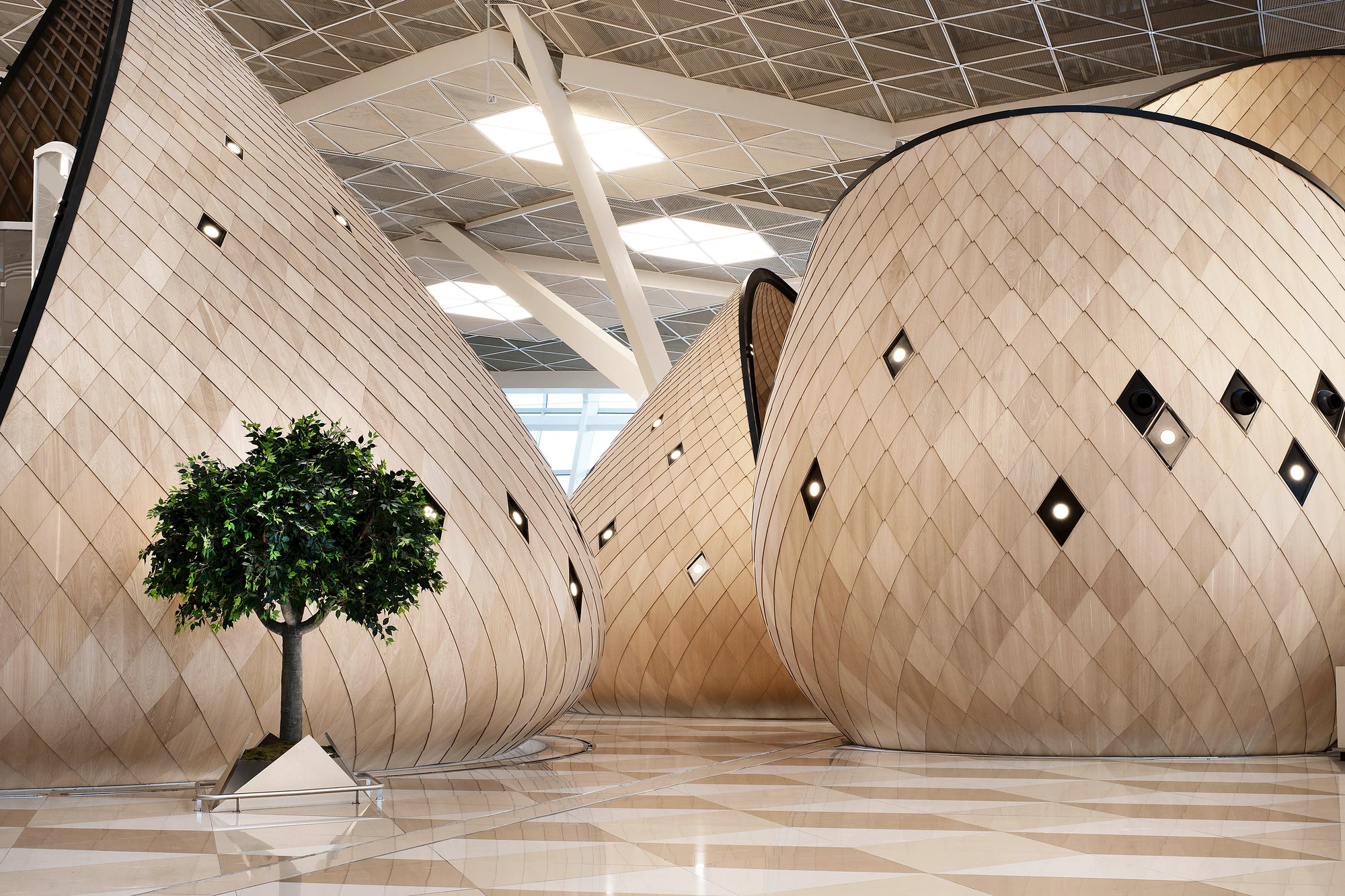
Built to increase the capacity of Heydar Aliyev International Airport, located 30 km northeast of Baku, the new terminal building is a contemporary structure designed to meet the demands of the future. Inspired by Azerbaijani hospitality, the interiors embody the experimental, genre-defying approach of designer Autoban, overturning the traditional, broad, and impersonal airport experience.
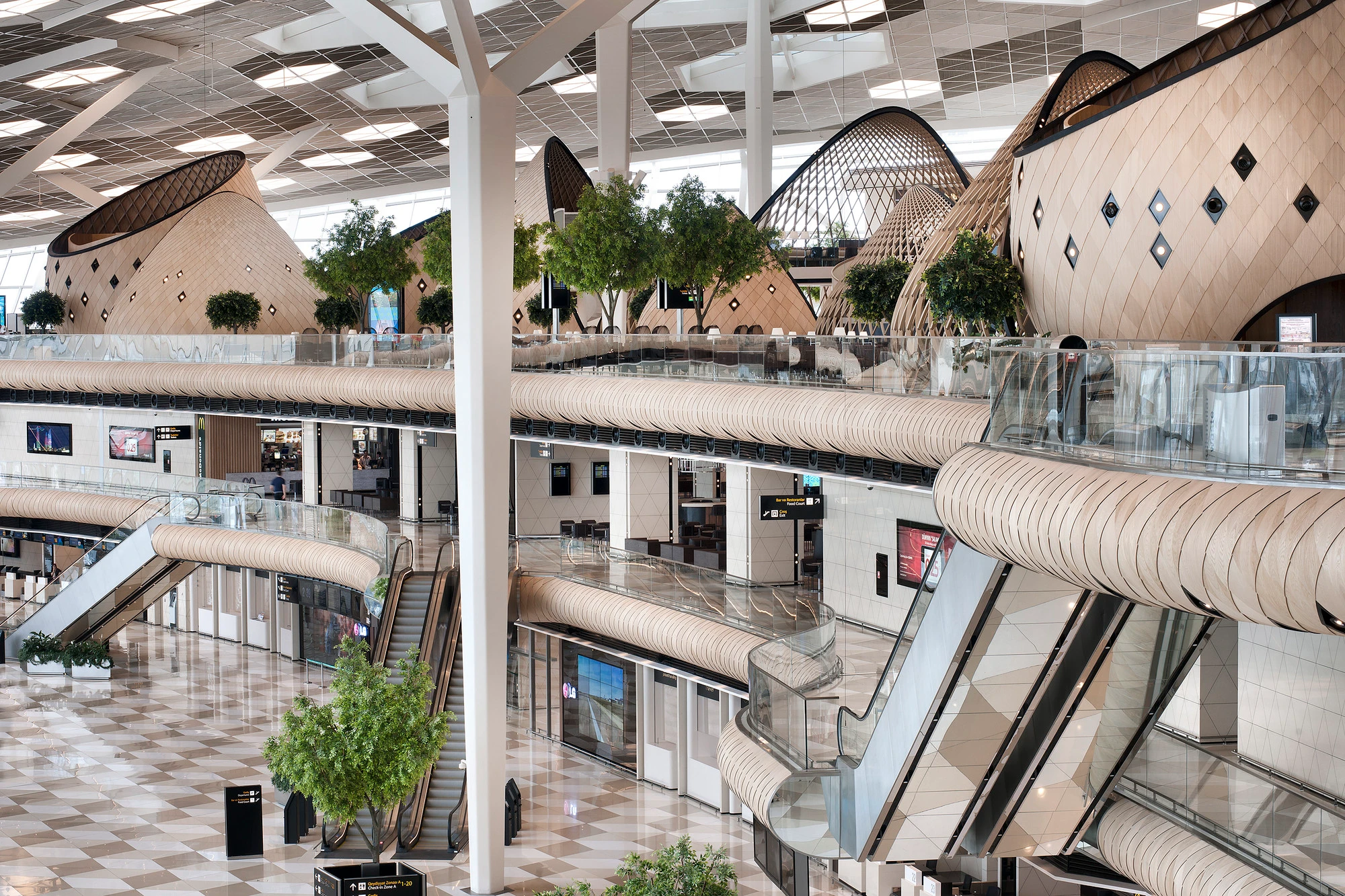
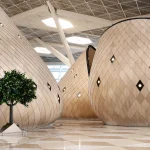
Encompassing all passenger areas, the terminal incorporates custom-designed cocoons that create a sense of welcome and discovery while offering opportunities for gathering or retreat. Custom-designed furniture and lighting arrangements subvert the typical airport typology, while spaces adorned with tactile natural materials such as wood, stone, and textiles are illuminated with soft, warm light. Four exclusive “Salam Lounges,” designed specifically for business-class passengers, provide a refined hospitality experience and elevate passenger comfort to a premium level.
7. Zayed International Airport
Location: Abu Dhabi, UAE
Architect: KPF
Year: 2023
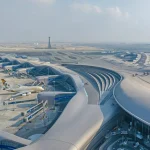
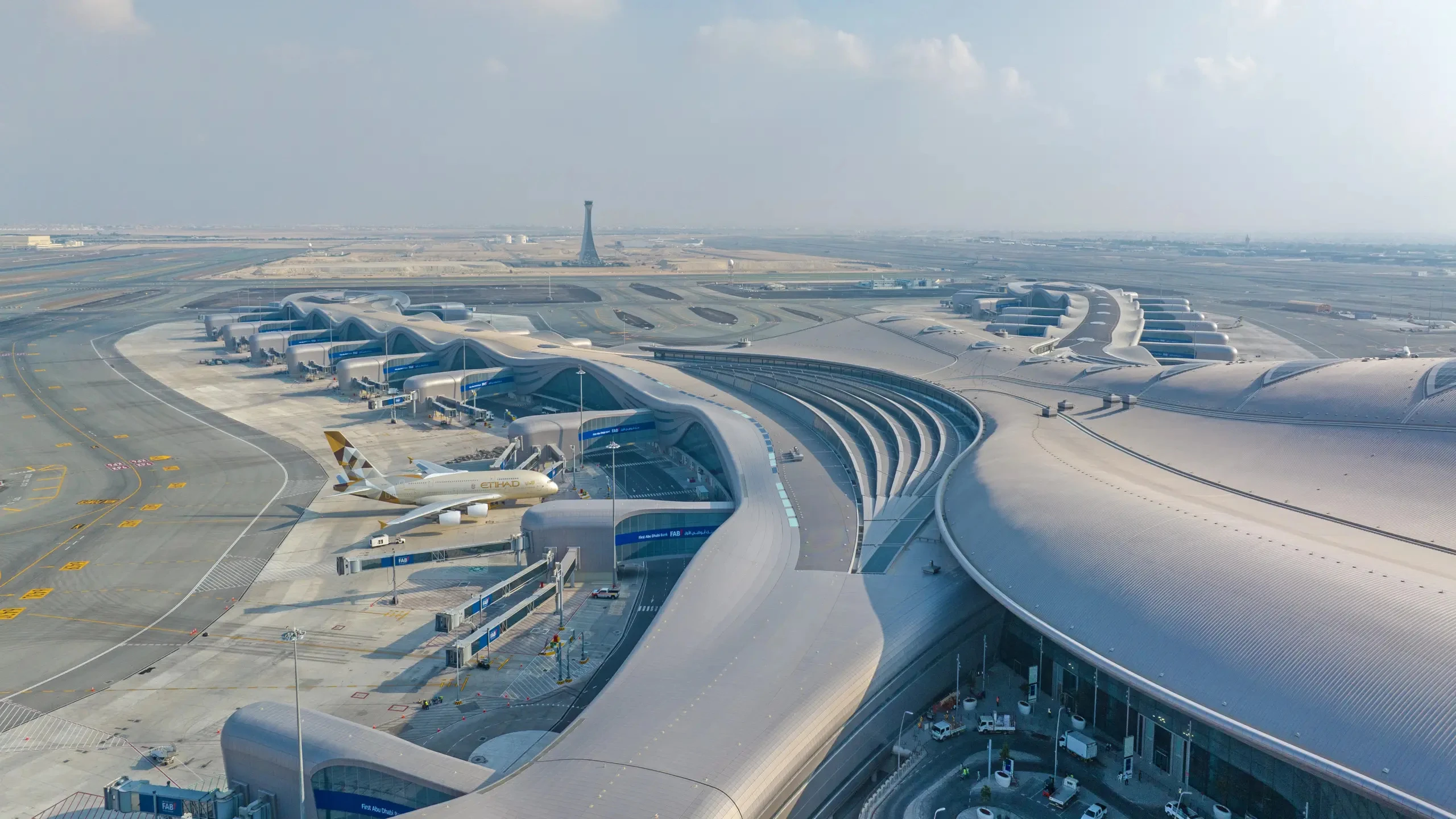
With its structure reminiscent of the traditional architectural texture of the Arab world and reflecting the country’s culture, Zayed International Airport is a terminal designed as a gateway to Abu Dhabi. Elevated above road level and appearing as though it stands on its own plateau, the building dominates the horizon as the most monumental structure in the landscape, with its silhouette standing out prominently against the sky.
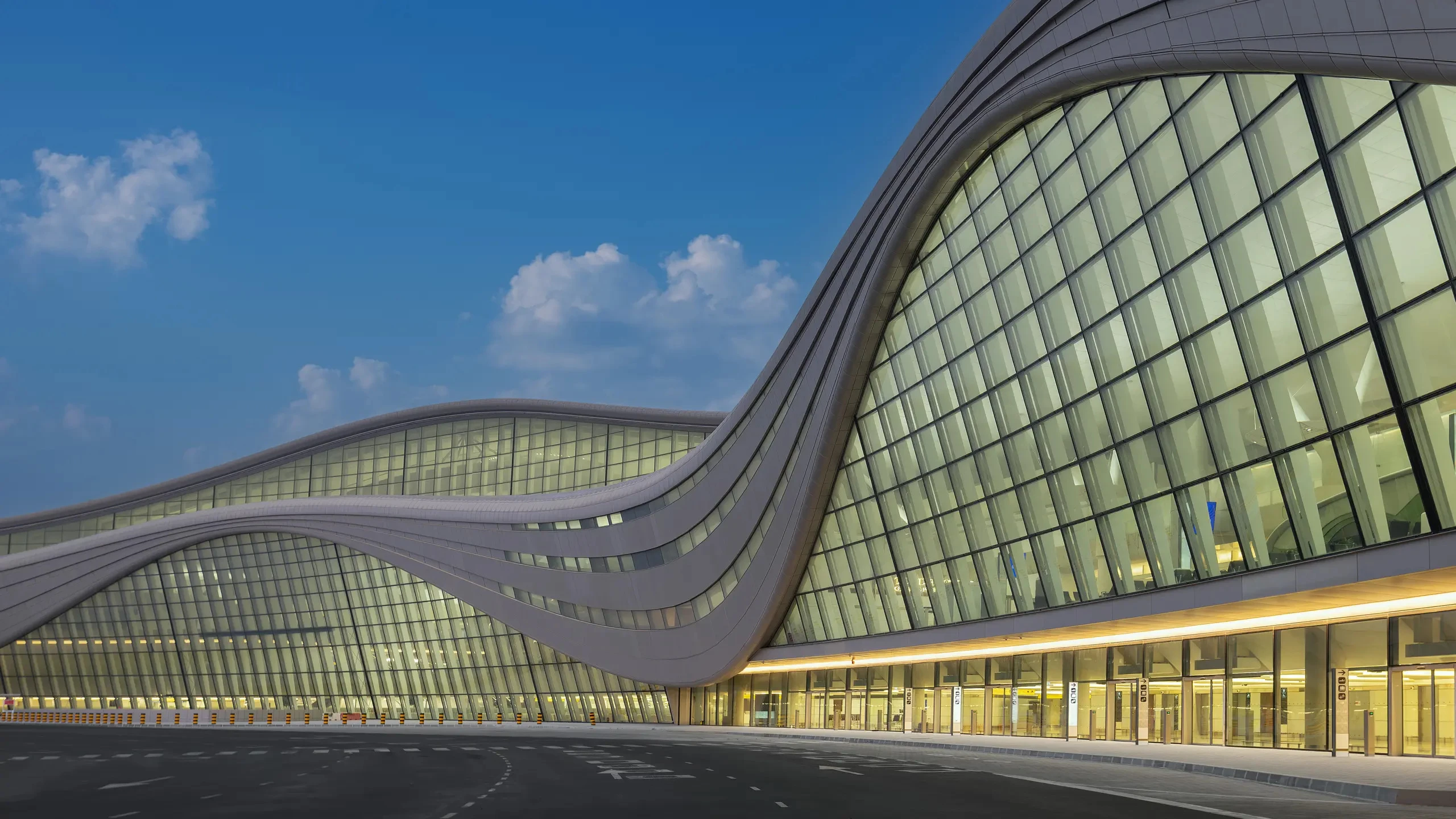
The terminal’s X-shaped layout demonstrates maximum programmatic efficiency by reducing the average walking distance between points for departing, arriving, or transiting passengers. In harmony with the plan, the roof visually evokes an iconic gateway opening toward the region while functionally creating a vast column-free interior space. Creating a seamless experience within the airport, the roof is a single element that establishes a sense of place and aids in wayfinding. Inspired by traditional Islamic architecture, Sana Al Nour directs light and air from the departure hall to the arrival hall.
8. Kansai International Airport
Location: Osaka, Japan
Architect: RPBW
Year: 1994
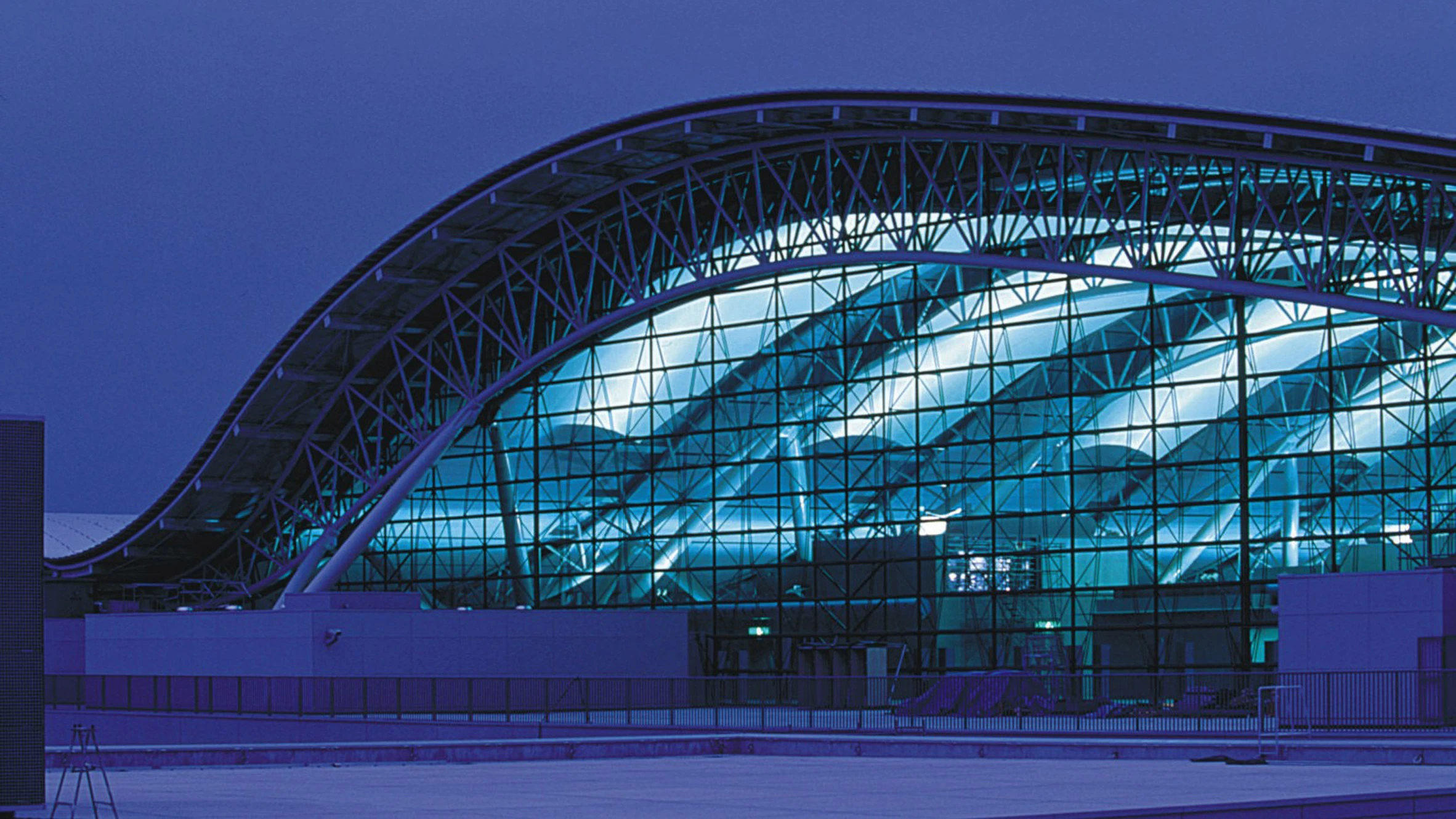
Designed by Renzo Piano, Kansai International Airport reflects Japanese engineering innovation through its location on a specially constructed artificial island in Osaka Bay. The world’s first ocean airport, Kansai, was designed to withstand Japan’s frequent earthquakes with its wing-like curved roof canopy. Viewed from above, the airport resembles a glider resting on the island, with the main terminal forming the fuselage and the boarding gates extending like wings.
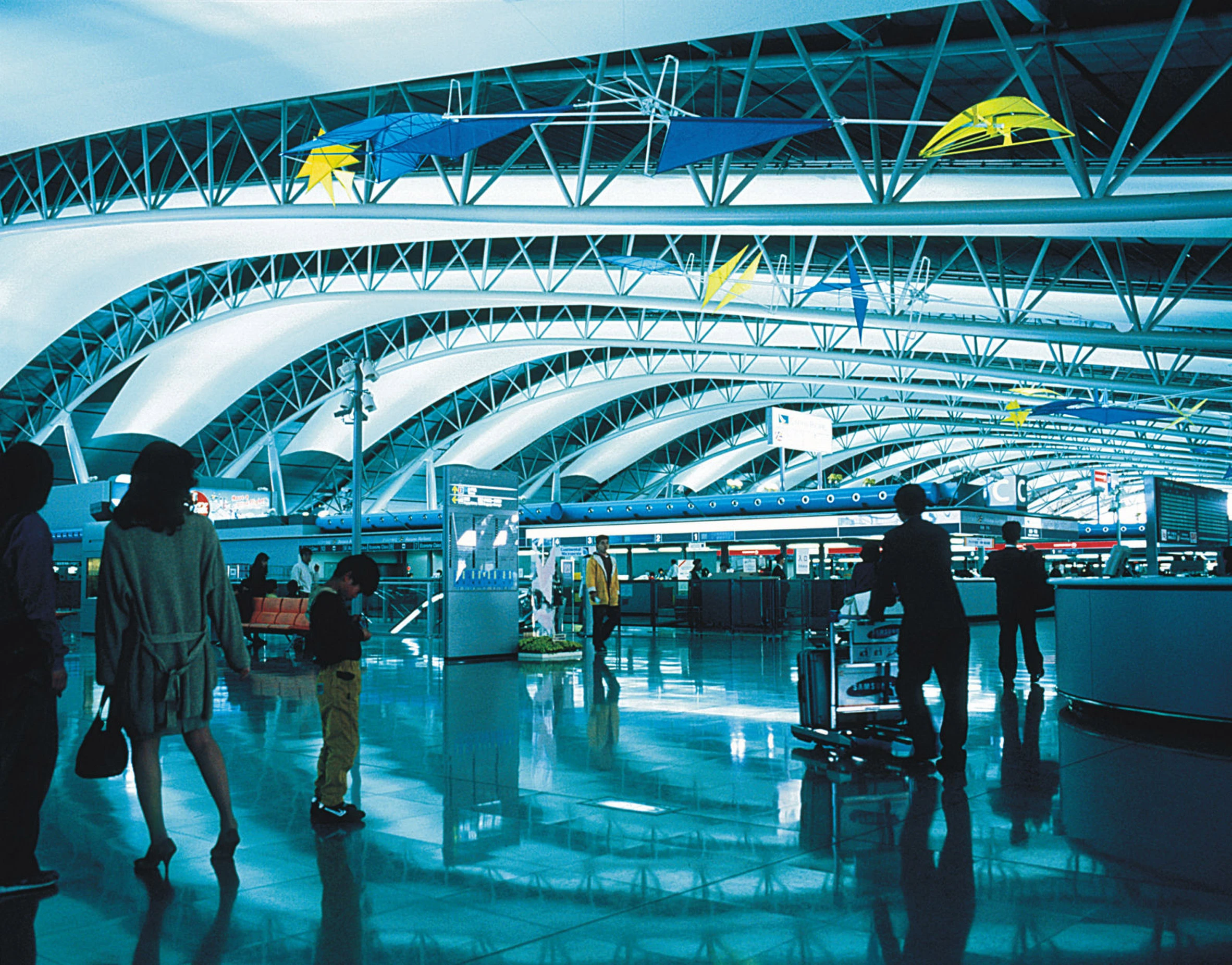
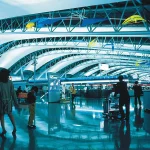
The open departure level of the Main Terminal Building offers unobstructed views of aircraft thanks to its seamless lines of sight. This level, a key element of the project, is covered by a wide-span, undulating roof with an asymmetrical form. Beneath the roof, blade-like reflectors serve two purposes: they direct airflow while also reflecting natural light entering through the skylights above.
This integration of structure and function enhances both energy efficiency and spatial openness. Contributing to the dynamic atmosphere, movable sculptures by artist Susumu Shingu, fixed to the ceiling, remain in constant motion, visually demonstrating the movement of air within the terminal.
9. Barajas International Airport
Location: Madrid, Spain
Architect: Estudio Lamela
Year: 2005
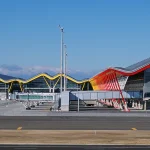
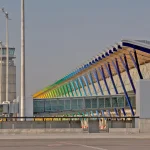
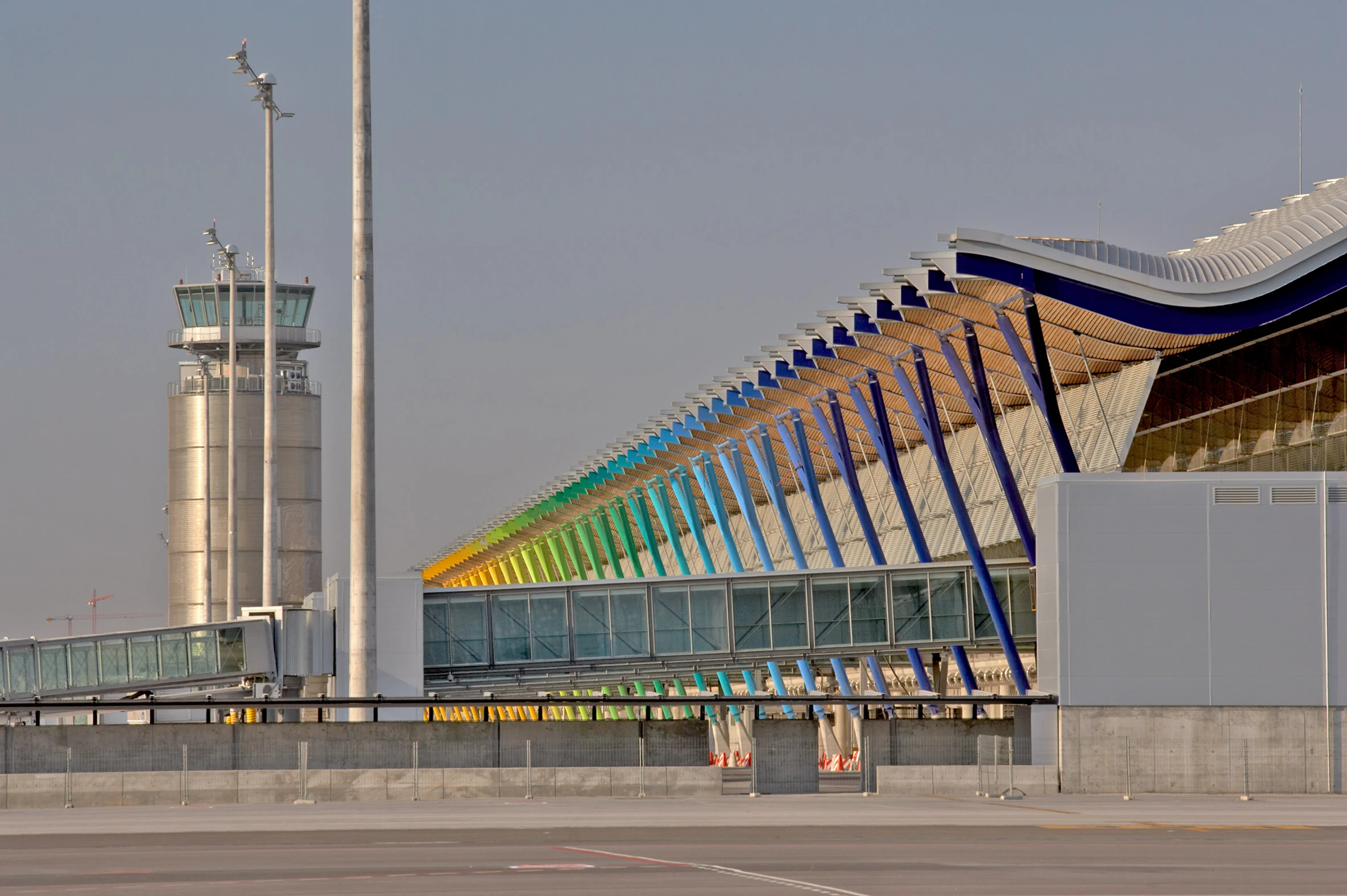
Reflecting Spanish culture through its use of color, rhythm, and light, the Barajas International Airport terminal makes Madrid a significant European hub. The building’s clear, modular design creates a repeating wave pattern formed by large wings constructed from prefabricated steel. The large roof, supported by central ‘trees,’ is highlighted by skylights that provide carefully controlled natural light throughout the terminal’s upper levels.
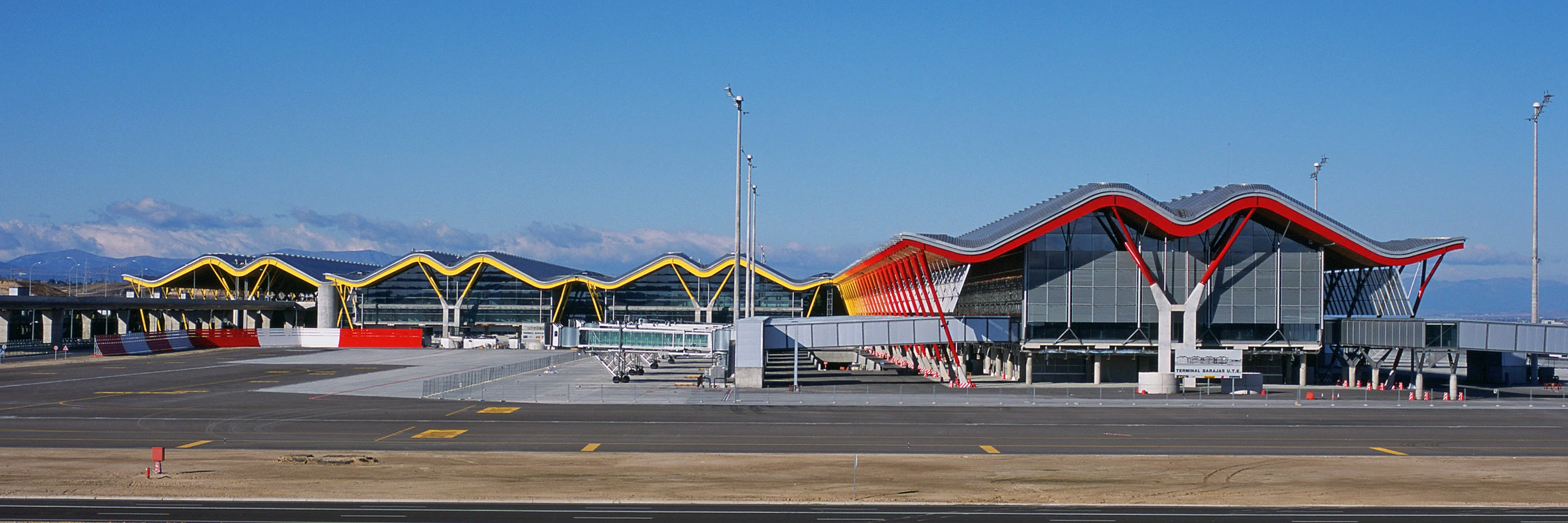
In the new terminal, clearly organized for arriving and departing passengers, light-filled ‘canyons’ separate parallel floors housing the various stages of passenger processing. These stages extend from the arrival point, through check-in, passport and security checks, to the departure halls, and finally to the aircraft. A simple material palette and restrained detailing strengthen the architectural character of the terminal. Inside, the roof is clad with bamboo strips, creating a smooth and seamless appearance. In contrast, the structural “trees” are painted in graduated colors, forming a continuous landscape of shifting tones that extends for kilometers throughout the terminal interior.
10. Incheon International Airport
Location: Incheon, Seoul, South Korea
Architect: Fentress Architects
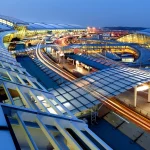
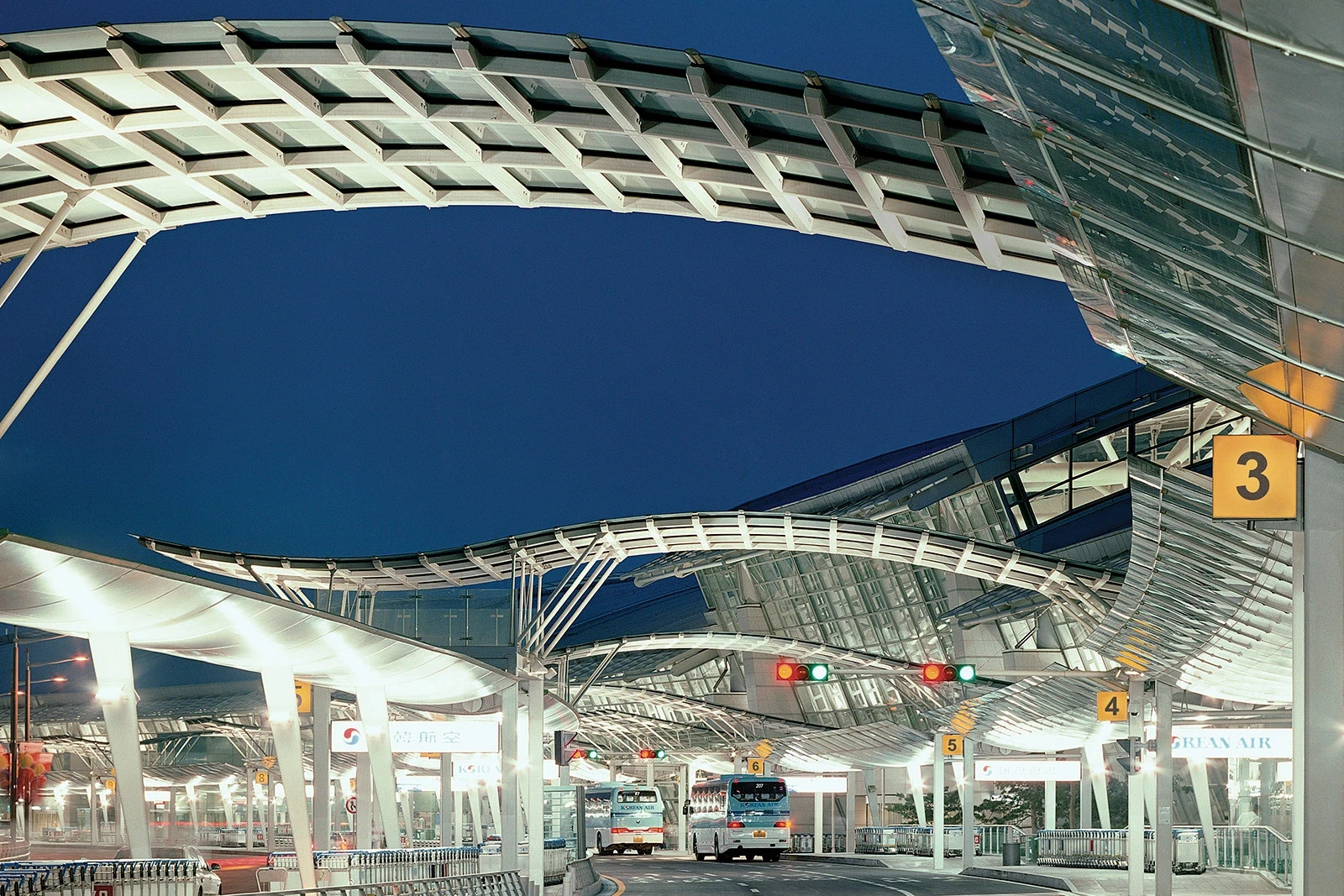
Incheon International Airport, South Korea’s showcase on a global scale, is built on a light and fluid roof form inspired by traditional Korean architecture. Designed by Fentress Studios, the Passenger Terminal is constructed in a curved form as a welcoming gesture to arriving passengers. This form draws inspiration from both the aerodynamic shapes of aircraft and the rolling form of waves crashing on the shore.
Representing a modern interpretation of a traditional Korean temple, the terminal’s soft catenary curve reflects the elegant lines characteristic of Korean architecture. Furthermore, the steel pylons and cables supporting the roof echo the silhouettes of ships in Incheon Bay, paying homage to Korea’s rich maritime history and powerful steel industry.
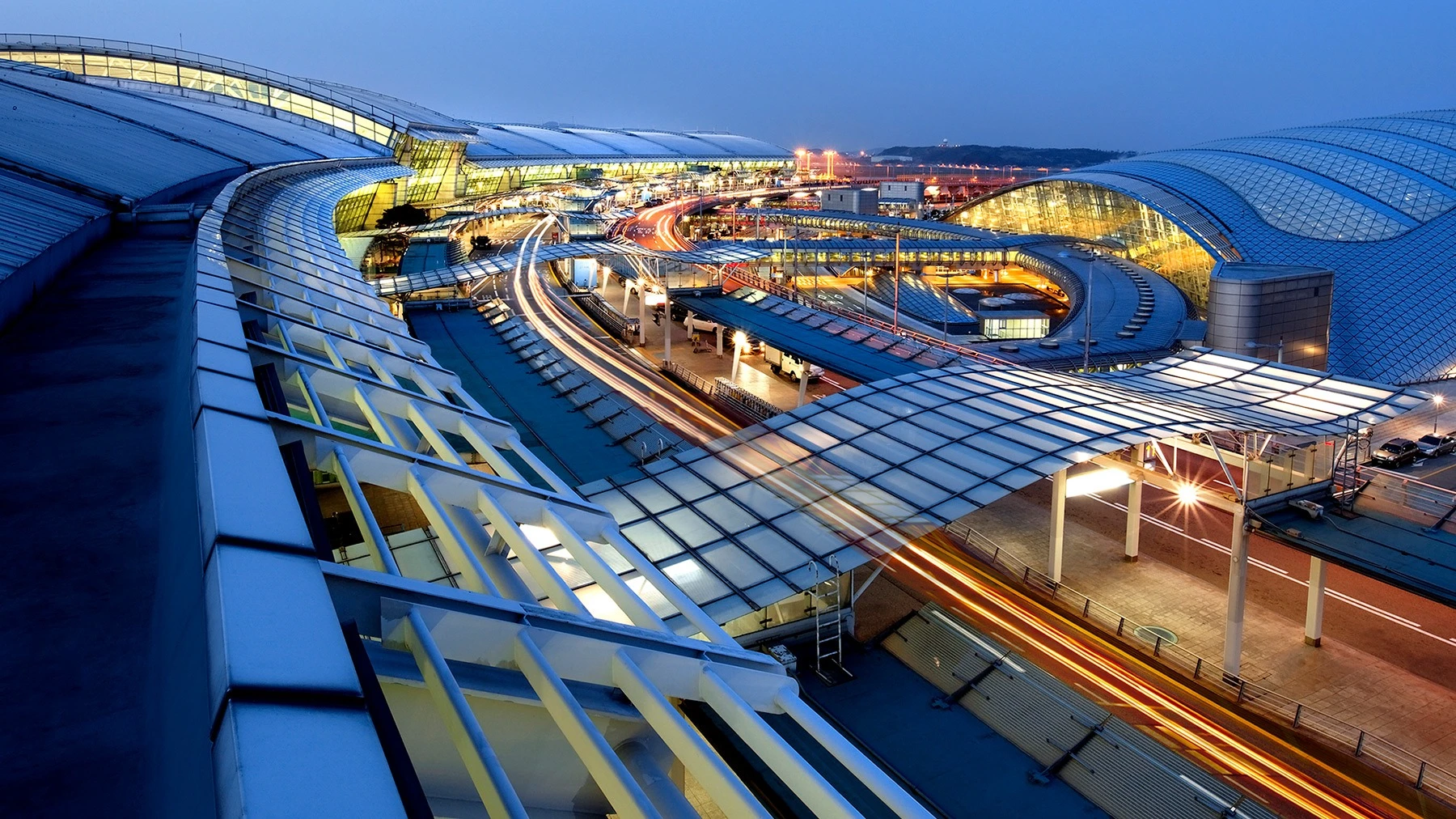
At the heart of the ICN Passenger Terminal, the Great Hall functions as a vibrant hub for transportation, passenger amenities, and airport operations. Carefully selected local wood and granite materials, ample seating, and landscaping inspired by traditional Korean gardens deepen the sense of comfort and openness. Furthermore, abundant natural daylight, cultural events, luxury amenities, and high-tech services offer passengers a pleasant travel experience.
These airports transform travel into cultural storytelling, blending local heritage, materials, and traditions with contemporary design. Each terminal becomes a gateway that introduces visitors to the identity, spirit, and creativity of its nation.