
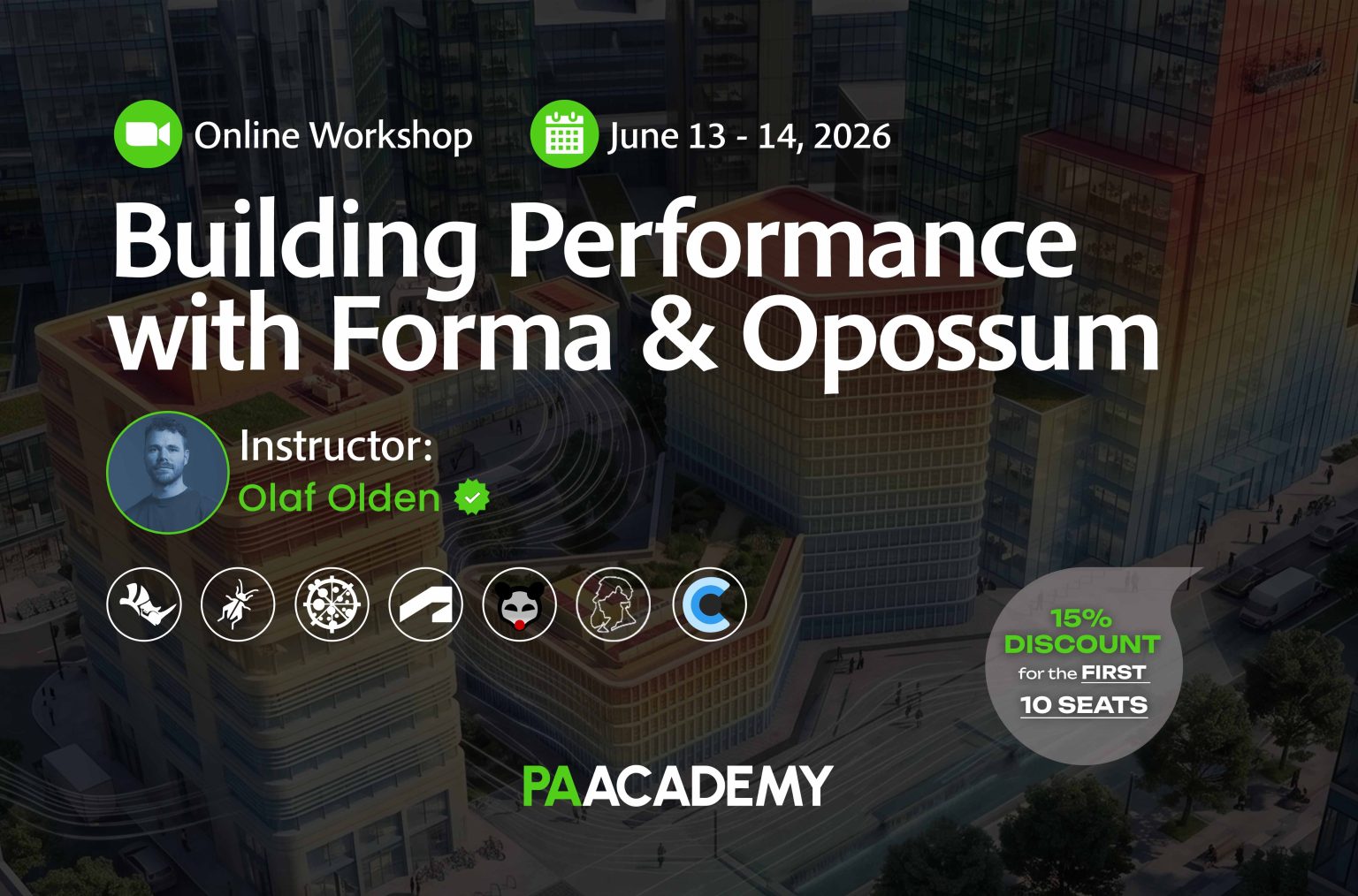
Topic: Building Performance with Forma & Opossum
Date: June 13 – 14, 2026
Time: 14:00 – 18:00 GMT
Format: Online on Zoom
Duration: 2 Sessions (8 Hours)
Registration Deadline: June 12th, 2026
Total Seats: 50 seats
Difficulty: Beginner – Intermediate
Language: English
Certificate: Yes
General Registration: 100 EUR
Join free: with Full Access membership
Fee for Digital Members: 85 EUR (15% discount available only for Digital Members)
Organized By: PAACADEMY
Tutor: Olaf Olden
Recordings: Recordings will be available for all participants afterward indefinitely.
Introduction to Building Performance with Forma & Opossum:
This workshop introduces a comprehensive workflow that bridges the gap between rigorous environmental data, advanced parametric modeling, and final aesthetic presentation. Utilizing a powerful suite of tools, including the Autodesk Forma Rhino plugin, Ladybug, Honeybee, and Cyclops, the process focuses on three main pillars of modern architectural design: operational carbon, embodied carbon, and a healthy work environment.
The core of this approach relies on an advanced Grasshopper script that leverages plugins like Telepathy, Pufferfish, and Wombat for highly optimized data management.
Crucially, this robust data structure automatically generates a precise Bill of Quantities (BOQ). We will use this BOQ for detailed embodied carbon mapping, allowing us to accurately account for upfront carbon emissions early in the design phase.
Participants will explore dual evaluation strategies: generating a brute-force parametric model to navigate via an in-house Design Explorer, and running targeted, multi-criteria optimizations using Galapagos and Opossum to balance human-centric comfort with these strict environmental targets.
Methodology:
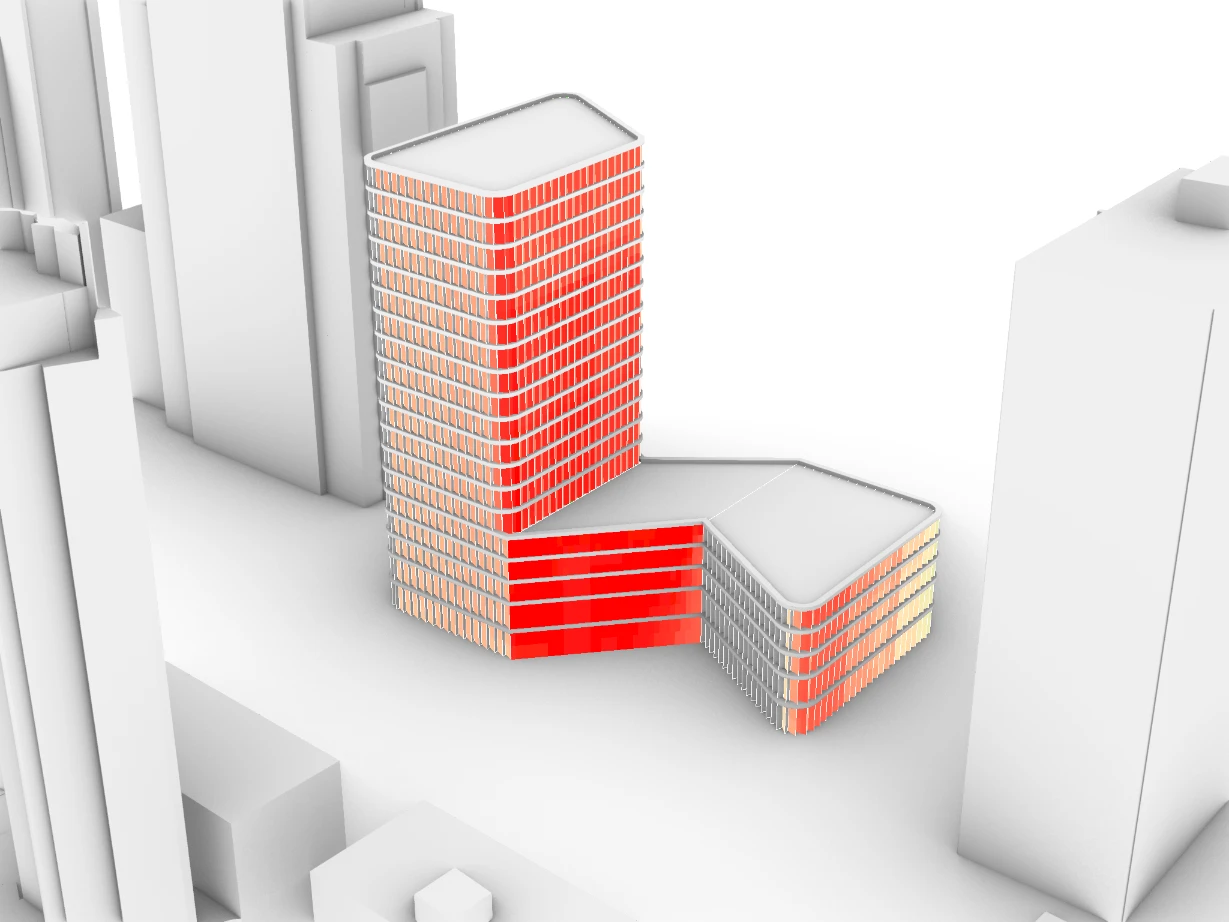
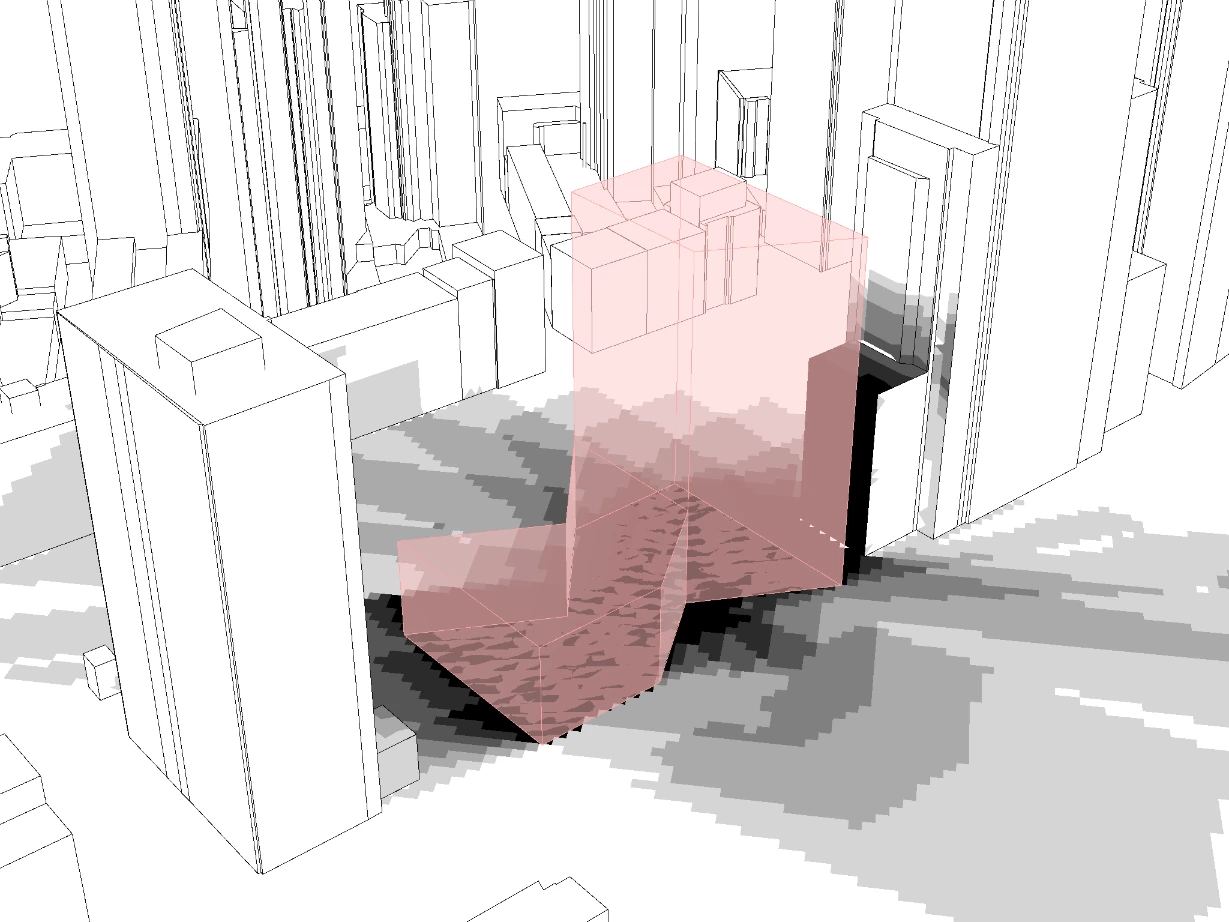
In this workshop, we will focus on an office building typology, emphasizing the balance between human-centric comfort and building performance. Set within an existing urban context, the design will prioritize data-driven metrics without sacrificing architectural articulation.
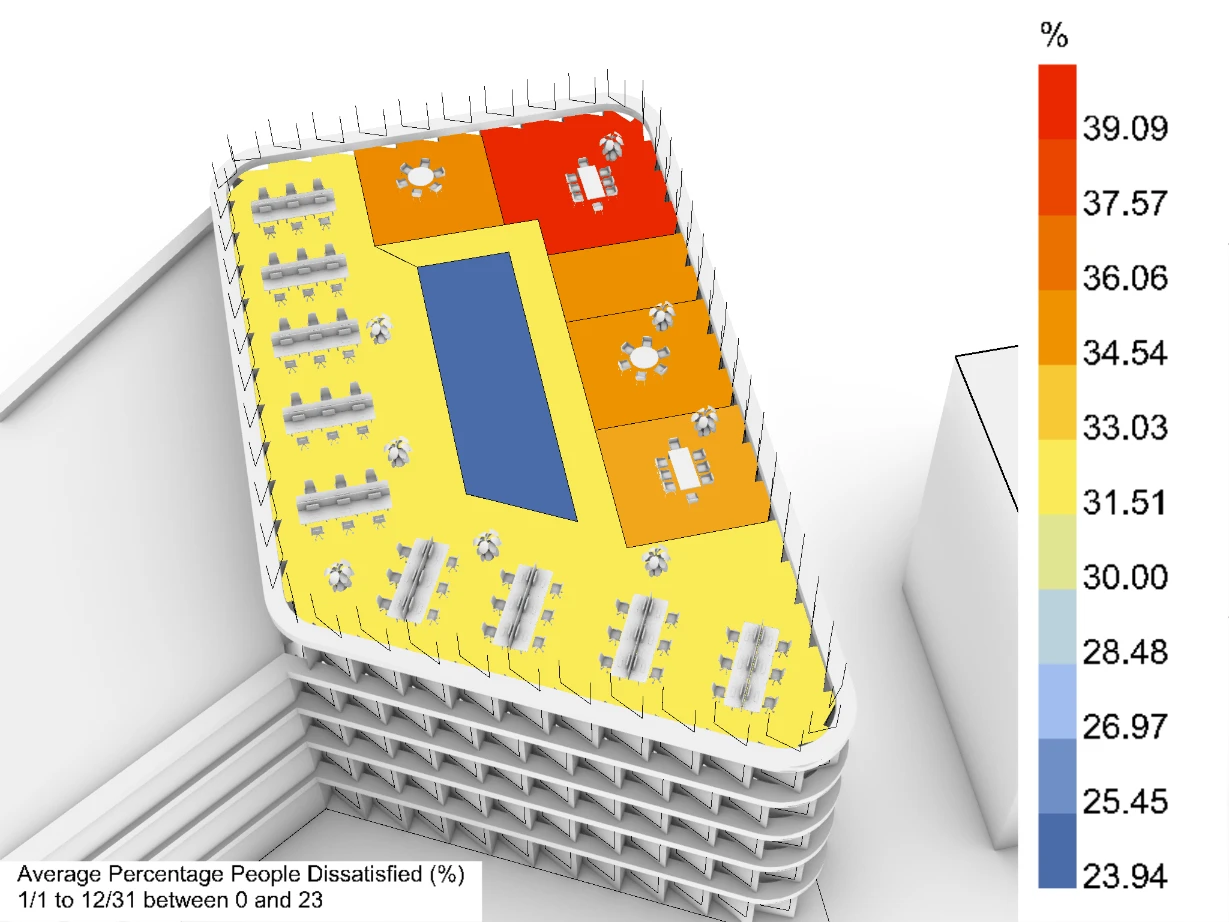
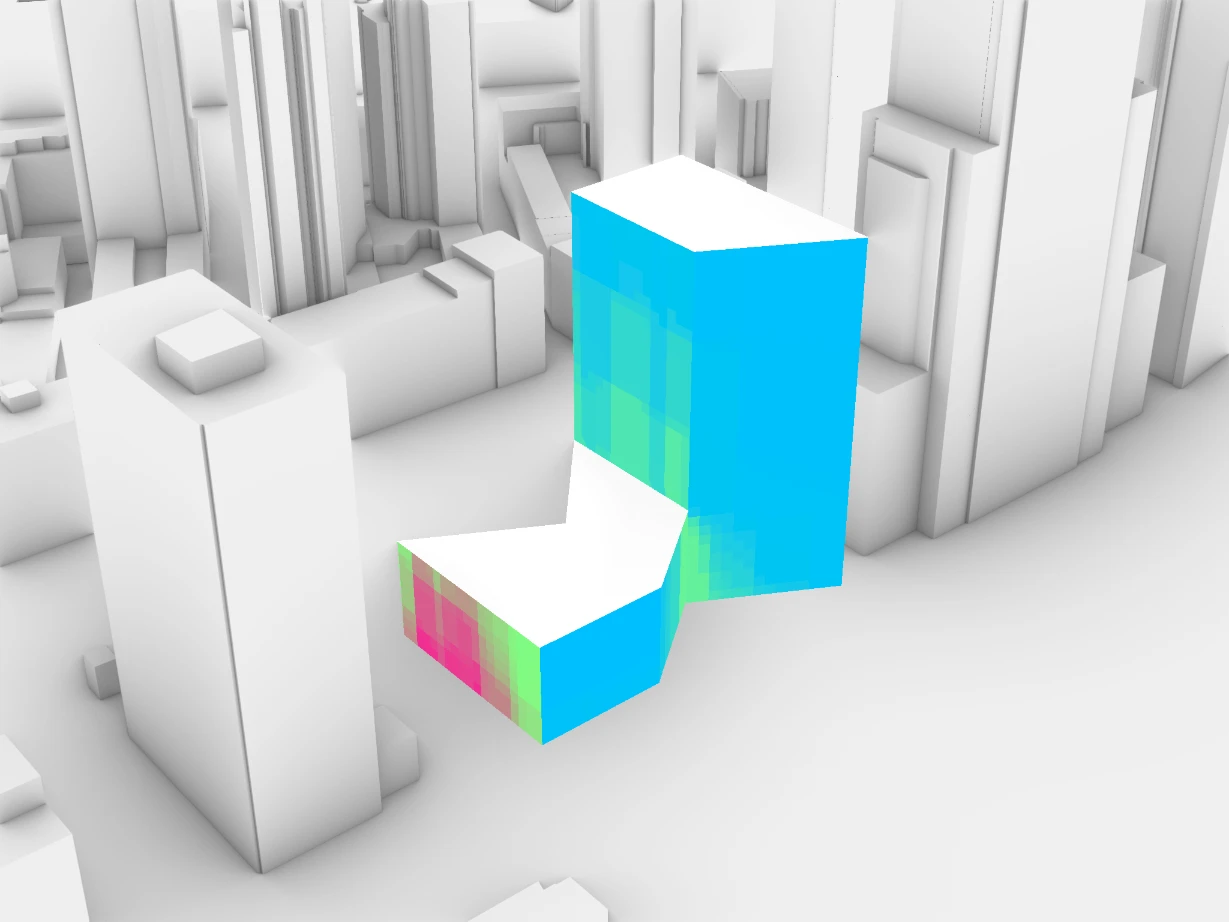
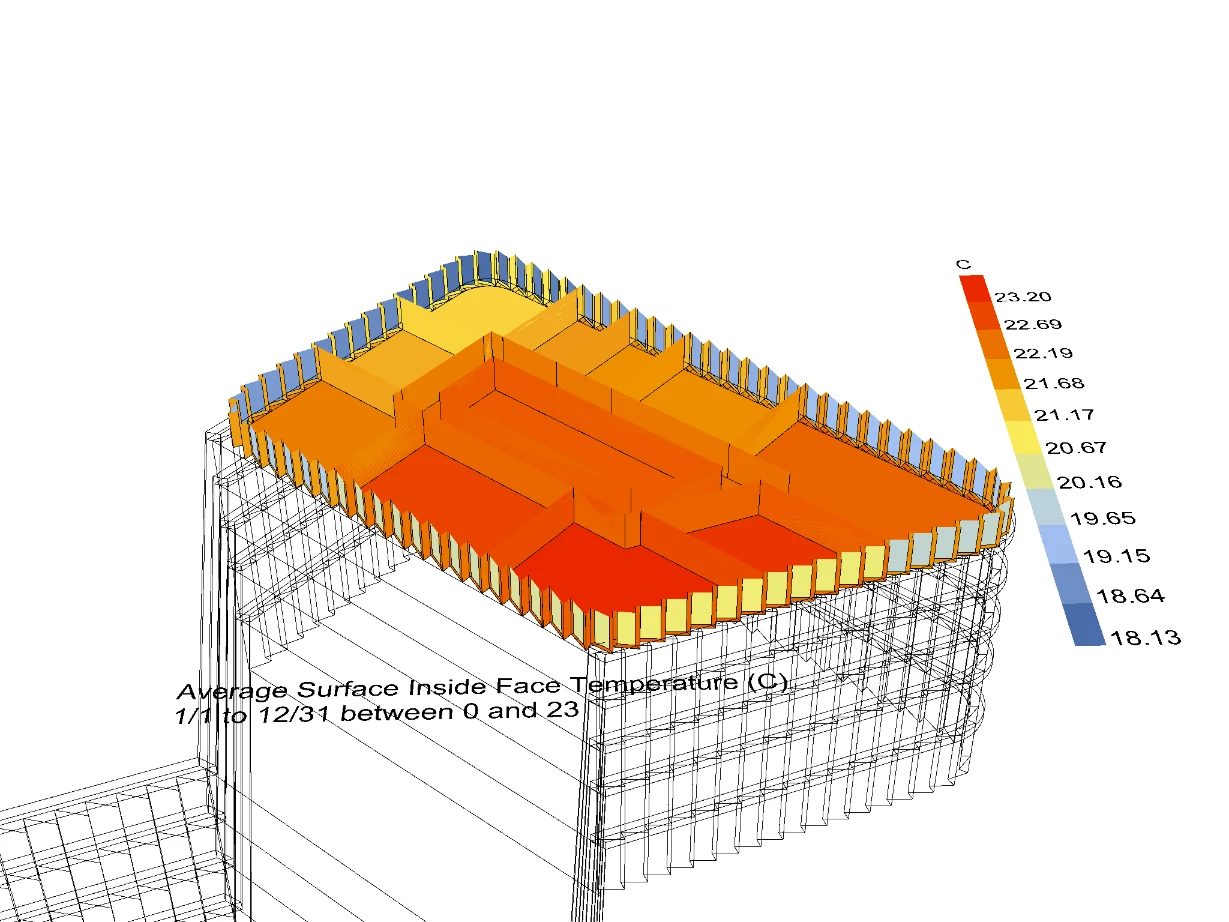
We will start with weather data analysis using Ladybug, followed by rapid, early-stage site context evaluation utilizing the Forma Rhino plugin for wind and microclimate studies. Once the baseline is established, we will use Cyclops to run interactive daylight and solar hours simulations. To assess deeper building performance, Ladybug and Honeybee will be utilized to configure the building’s energy setup and calculate thermal comfort.
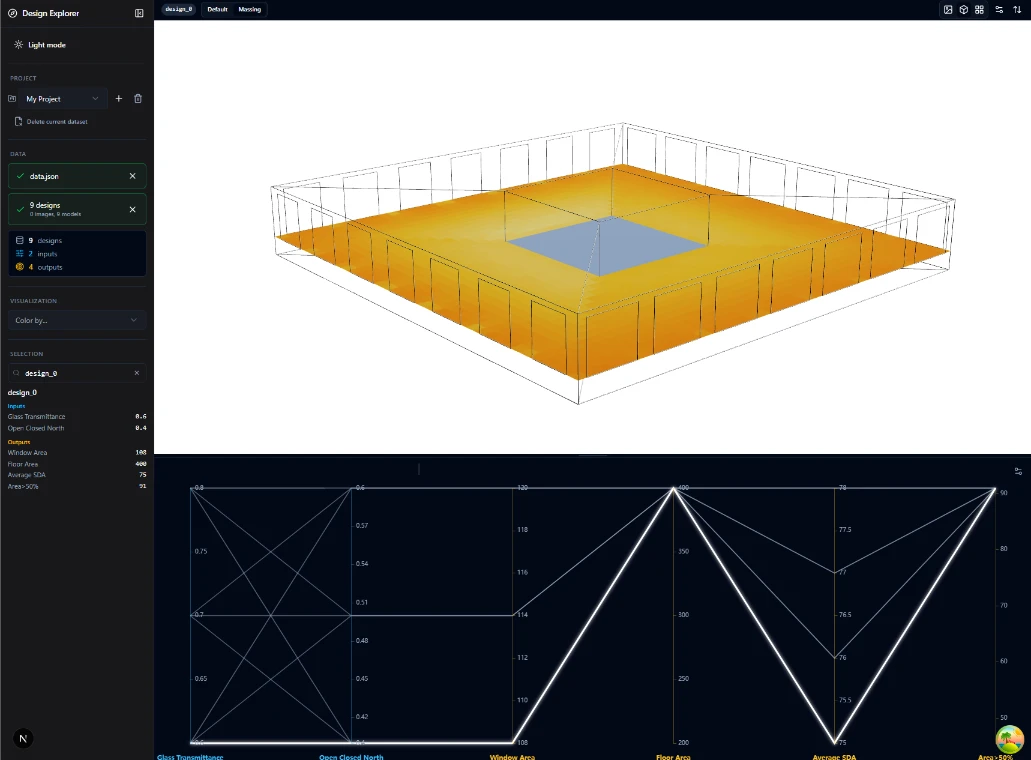
To navigate the massive amount of data generated by these simulations, we will set up an advanced data management framework. This will allow us to generate a brute-force dataset of design iterations, which participants will analyze using a custom, in-house Design Explorer. Finally, we will use Galapagos for single-objective optimization and Opossum for multi-objective criteria, iteratively refining the building before blending the technical outputs with AI-generated visual aesthetics.
Participants will work individually throughout the workshop. A robust parametric framework will be provided, utilizing Telepathy, Pufferfish, and Wombat to demonstrate best practices for data management and script optimization. This workflow, along with its logic, will be explained during the introductory session.
Once the performance scripts (Forma, Cyclops, Honeybee) are in place, participants will explore two distinct methodologies for design selection: navigating a brute-force iteration space using the Design Explorer, and utilizing evolutionary solvers (Galapagos and Opossum) for algorithmic optimization.
Key Learning Topics:
- Perform weather, wind, and microclimate analysis using Ladybug and the Forma Rhino plugin.
- Run daylight and solar simulations using Cyclops.
- Develop energy models and thermal comfort analysis using Ladybug & Honeybee.
- Manage Grasshopper data structures with Telepathy, Pufferfish & Wombat to generate a BOQ and map embodied carbon.
- Generate and evaluate parametric design sets using an in-house Design Explorer, with optimization via Galapagos & Opossum.
- Integrate simulation results with AI rendering tools for final visual synthesis.
Program:
Day 1
- Introduction: Overview of goals, structure, and PAacademy introduction.
- Weather & Context Analysis: Weather data study using Ladybug and wind/microclimate analysis with Forma Rhino plugin.
- Data Management & Carbon Mapping: Grasshopper logic using Telepathy, Pufferfish & Wombat to generate a BOQ and calculate embodied carbon.
- Daylight & Solar Studies: Cyclops setup for daylight and solar performance analysis.
- Energy & Comfort Modeling: Using Ladybug & Honeybee for energy simulation, thermal comfort, and operational carbon.
- Assignment & Q&A
Day 2
- Assignment Review
- Brute-Force & Design Explorer: Large-scale iteration generation and filtering using the in-house Design Explorer.
- Optimization Strategies: Galapagos (single-objective) and Opossum (multi-objective) for performance-driven design.
- AI Rendering & Visualization: Translating optimized results into presentation-ready AI-generated visuals.
- Homework & Wrap-up
Software:
- Rhinoceros
- Grasshopper
- Ladybug
- Opossum
- Forma
- Wallacei
- Cyclops
Workshop Notes:
- Software Installation is NOT a part of the workshop! Students must have all the software installed before starting the workshop.
Instructor:
Olaf Olden
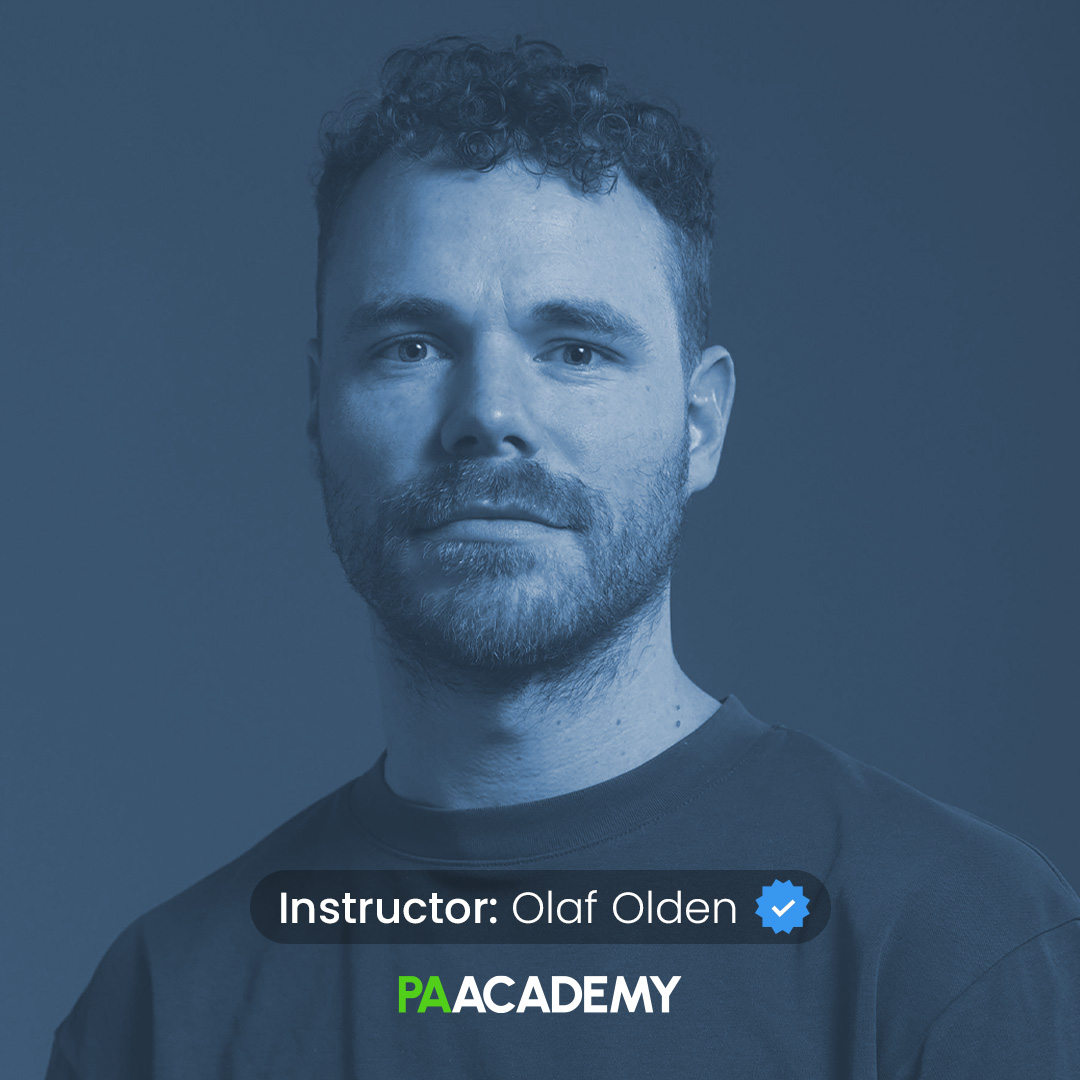
Olaf Olden is a sustainability technologist whose work explores the intersection between sustainability and parametric design. He completed his master’s degree at TU Delft in 2021, following his initial studies at the University of Applied Sciences in Arnhem. Driven by a longstanding goal to contribute to a more sustainable built environment, Olaf has shaped his career around this mission.He began as a sustainability consultant, focusing on the social and environmental performance of buildings, public spaces, and BREEAM certification processes.
This experience led him to a similar role at MVRDV, where he further developed his expertise. A pivotal chapter in his professional journey was his time at OMRT, where he gained in-depth experience with parametric design, a central pillar of his work today.
Currently, Olaf works as a Sustainability Technologist at UNS, where he develops practical tools that enable architects to embed sustainability into their design processes. He also shares his knowledge as a teacher at TU Delft and through his own company, MisterMetric. Alongside this, he runs a YouTube channel under the same name, aiming to make parametric design and sustainability concepts more accessible to a broader audience. Through all of these efforts, he hopes to contribute to the conversation about how technology can drive a more responsible future for architecture.
Important Notes:
- The “Building Performance with Forma & Opossum” Studio workshop by PAACADEMY will start at 14:00 (GMT) on Saturday, June 13th, 2026.
- Total sessions: 2 Sessions (8 Hours).
- The teaching duration per session will be 8 hours.
- Students will have time for a break between teaching hours.
- The workshop will be recorded, and videos will be available for participants just a day after the class for an unlimited time.
- PAACADEMY will provide a certificate of attendance.
- The studio has limited seats. Tickets are non-transferable & non-refundable. Please read carefully before you register.
Topic: Building Performance with Forma & Opossum
Date: June 13 – 14, 2026
Time: 14:00 – 18:00 GMT
Format: Online on Zoom
Duration: 2 Sessions (8 Hours)
Registration Deadline: June 12th, 2026
Total Seats: 50 seats
Difficulty: Beginner – Intermediate
Language: English
Certificate: Yes
General Registration: 100 EUR
Join free: with Full Access membership
Fee for Digital Members: 85 EUR (15% discount available only for Digital Members)
Organized By: PAACADEMY
Tutor: Olaf Olden
Recordings: Recordings will be available for all participants afterward indefinitely.