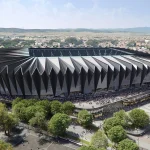
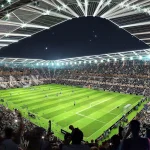
The city of Thessaloniki’s PAOK FC is set to be replaced with a brand-new, world-class stadium. This design matches modern sports architecture with community space, heritage, and urban renewal. The newly unveiled project aims to deliver around 40,000 seats, though many official reports currently list 33,500-35,000 seats.
Vision Behind the New PAOK FC Stadium Project
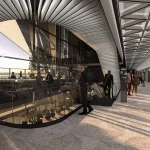
The new stadium to replace the aging ground known as the old “Toumba Stadium” is a venue for football. Designed by global firm Populous in collaboration with project managers SALFO, the project is visualized as a social and cultural landmark deeply embedded in the city’s fabric. The aim is to transform the historic club site into a lively precinct even on non-match days. The design includes green corridors, public plazas, pedestrian zones, and communal spaces that invite locals and visitors alike.
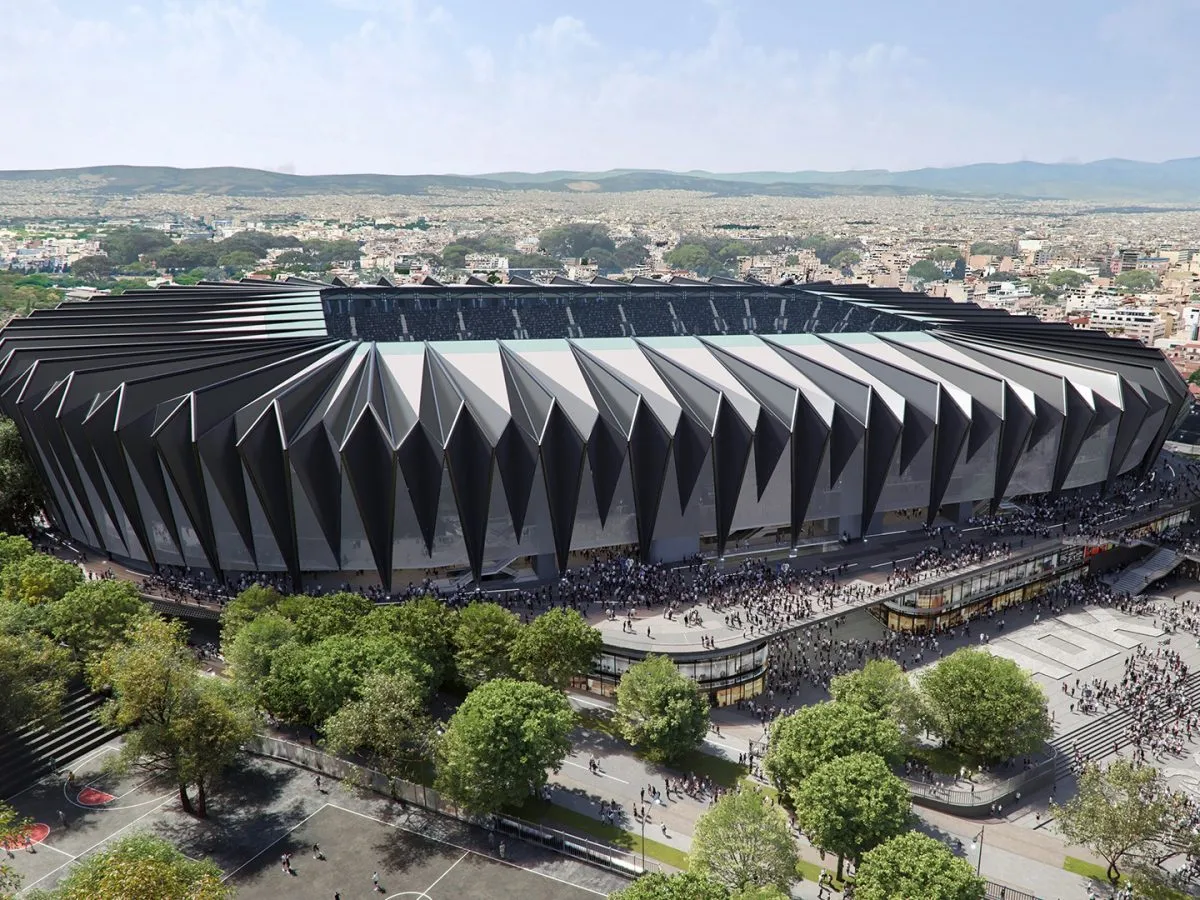
A green corridor running north to south will traverse the site, linking parks, plazas, and open-air spaces. The existing street nearby, Kleanthous Street, will be partially relocated underground. This move frees up ground-level space for pedestrians and creates a public realm, effectively turning the stadium surroundings into a welcoming civic zone rather than just parking lots and traffic lanes.
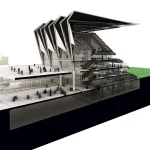
Redevelopment lies on a 360-degree raised platform or “podium.” The stadium will sit atop this podium, allowing multiple access points and facilitating crowd separation on event days. On non-match days, it becomes a base for plazas, shops, and community spaces.
The “PAOK Plaza”
The project introduces PAOK Plaza, a civic square that will serve as the main entrance to the stadium complex. The plaza will host:
- A club museum celebrating PAOK’s legacy
- The official club store
- Cafés, bars, and communal gathering spots
- Space for potential commercial development, blending everyday urban life with match-day energy
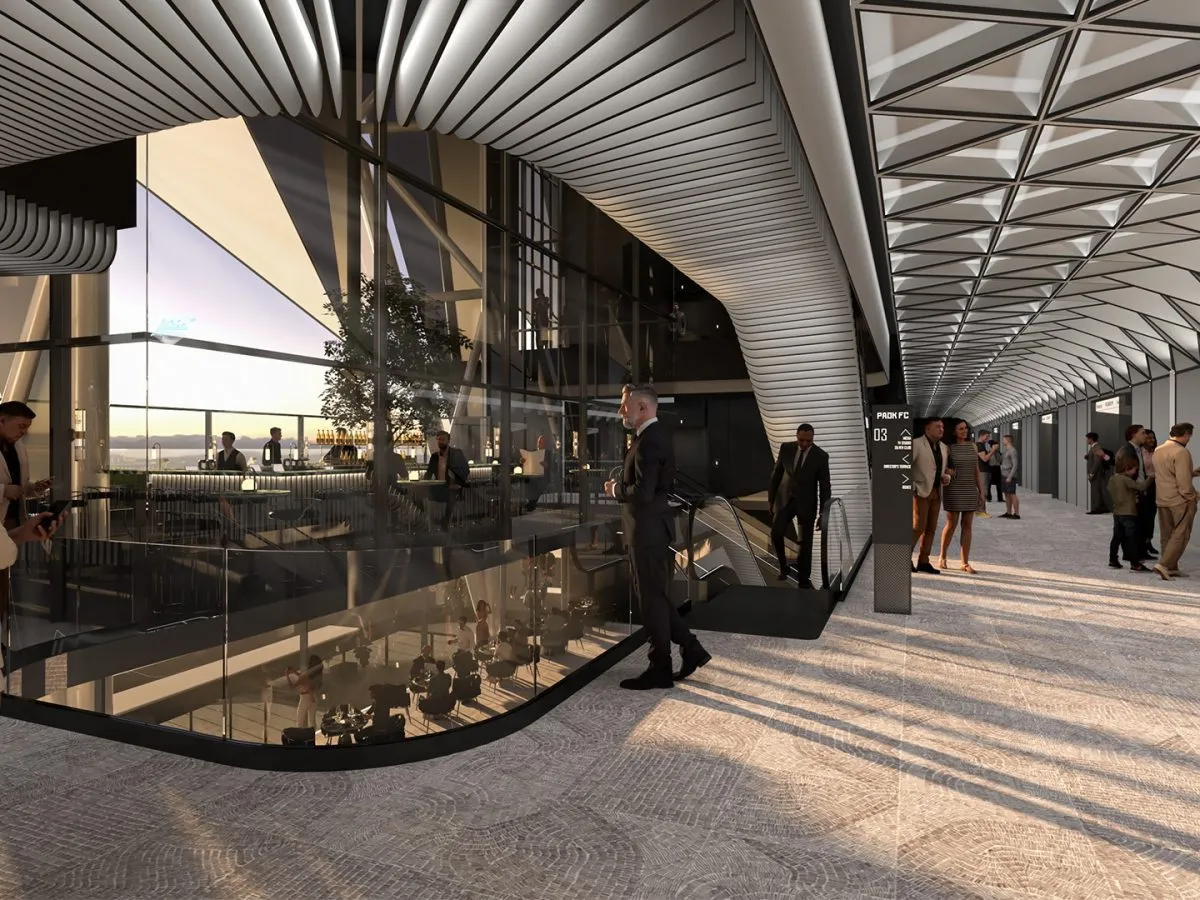
This plaza concept aims to make the stadium a place for people even when football isn’t on. It’s about creating a connection between city life and the spirit of sport.
“The Eagle’s Embrace”
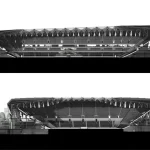
The idea behind the stadium’s design draws directly from the club’s emblem, the eagle symbolizing strength, identity, and unity. The structure is meant to feel like the eagle’s wings unfolding over the stands, embracing both city and fans.
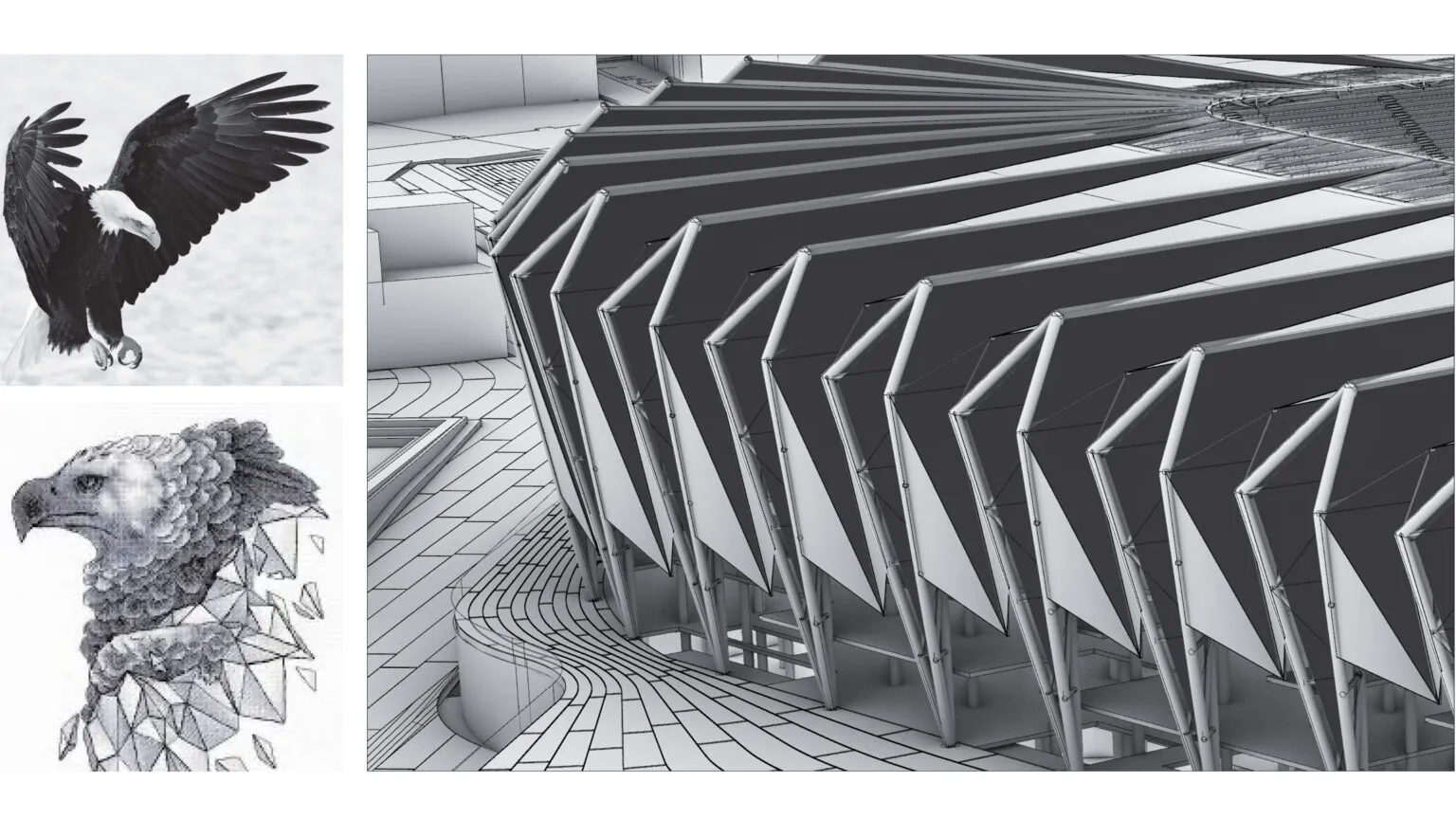
Visually, that translates into a sweeping façade of metal ribs and rhythmic architectural lines, giving the stadium a sculptural, living-organism quality rather than a static concrete box. This symbolism doesn’t come at the cost of function. On the contrary, it channels energy, movement, and emotion, bringing fans, city, and club heritage together in one bold design.
Inside the Stadium
The seating is crafted to bring spectators as close to the action as possible. Instead of multiple layers and spaced-out tiers, the bowl will feature a compact layout that creates a continuous “fan wall.” This not only enhances sightlines but also amplifies crowd energy and acoustics, capturing the intense atmosphere that fans of PAOK are known for.
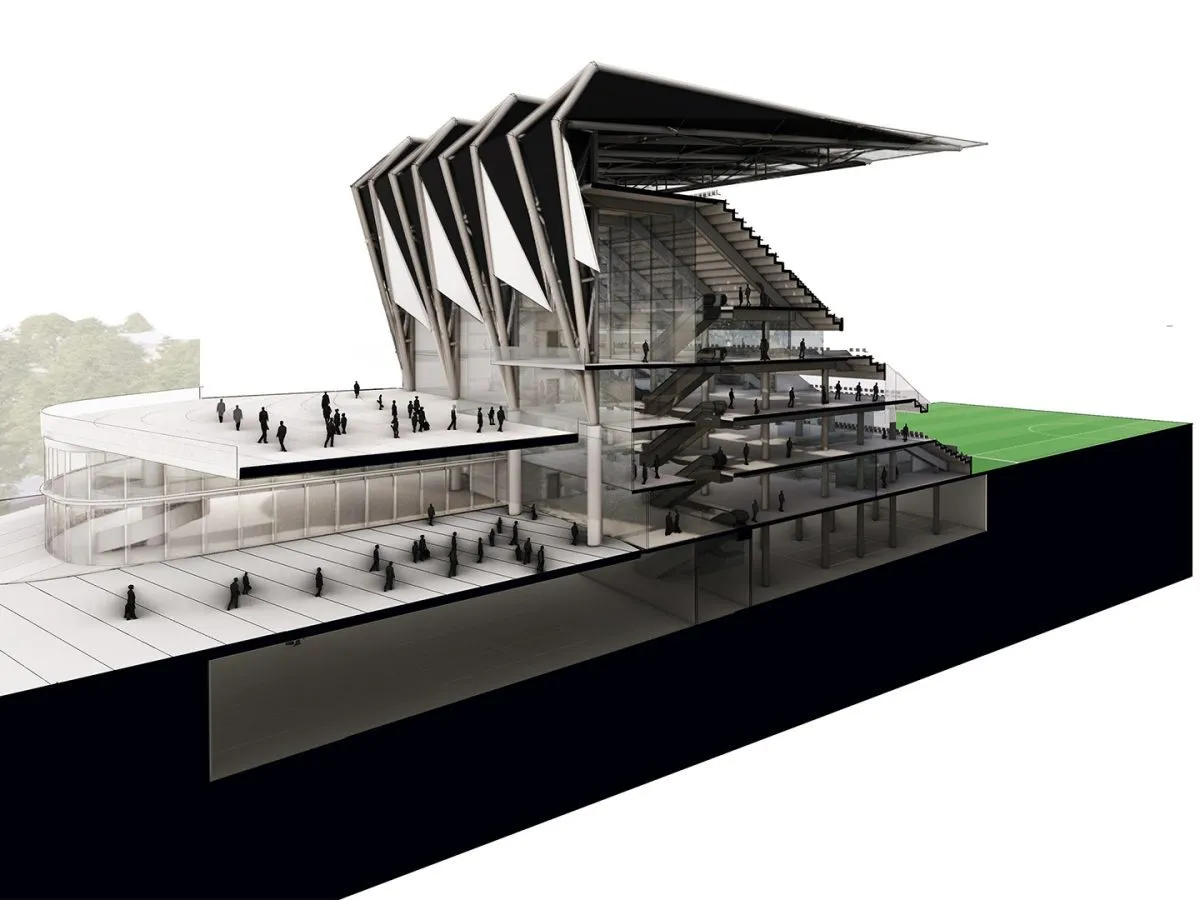
The West Stand is designated for premium hospitality and includes skyboxes and VIP seating. The design positions pitch-facing boxes above lower-tier seating so that the premium sections enjoy proximity to the field without disrupting the unity of the crowd.
At the north end, the iconic stand for die-hard fans, the new “Kop Stand,” pays homage to the legendary “Gate 4.” This stand will house the most passionate supporters and aims to recreate the electrifying vibe associated with historic home matches.
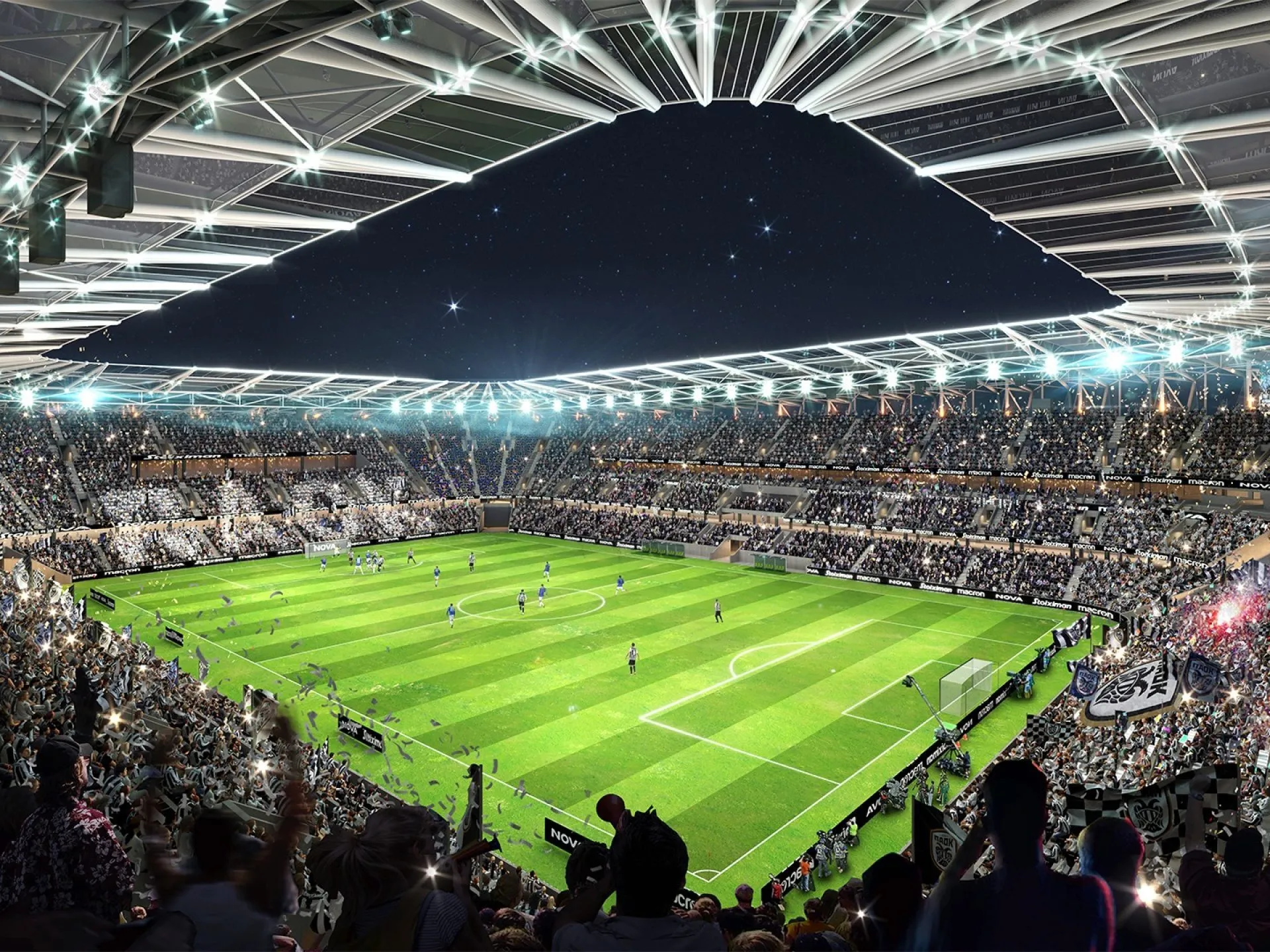
Importantly, the new facility is being designed to meet international standards compliant with European competition requirements (UEFA), ensuring it can host top-level football matches.
While the designs and visualizations have been publicly revealed in 2025, there is no confirmed completion date yet. Previous hopes for finishing by 2026, timed with the club’s 100th anniversary, now seem unlikely.
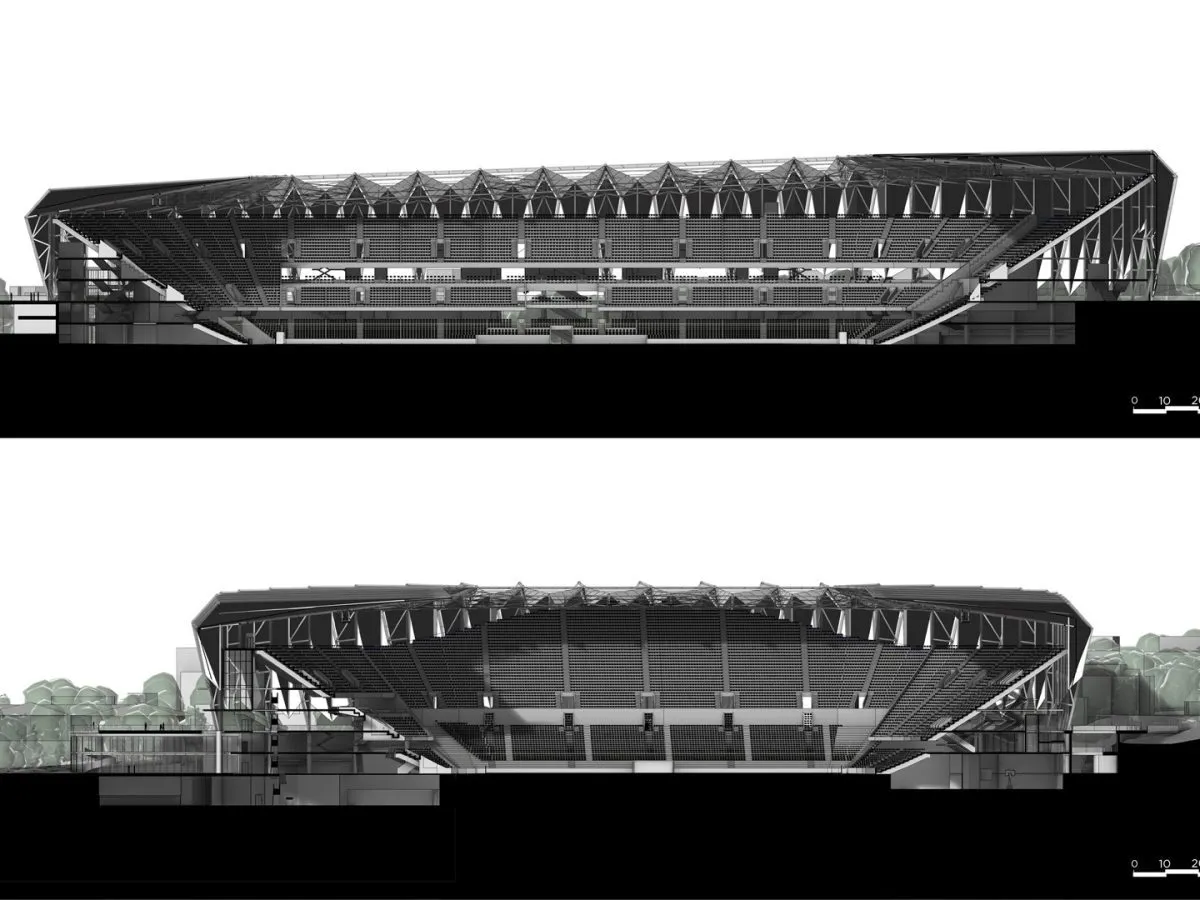
The proposed new PAOK FC stadium in Thessaloniki represents a bold vision for sports, community, and city identity. It features the ‘Eagle’s Embrace’ design, public plazas, green corridors, modern amenities, and fan-centric stands.
Image credit: Populous