










Stadiums today transcend their original role as mere arenas for sport, emerging instead as powerful expressions of architectural vision and cultural identity. They are sites where engineering ambition meets artistic experimentation, spaces that mirror the evolving relationship between technology, sustainability, and human gathering. From structures carved into ancient quarries to those assembled from industrial remnants like shipping containers, these designs challenge conventional typologies and reimagine the spectacle of collective experience.
This list highlights the 10 most unique and weird stadiums in the world, known for their unconventional designs, record-breaking capacities, and bold architectural ideas. Each of these arenas stands out for different reasons, some for their scale and symbolism, others for their sustainability or structural choices. Whether carved into rock, wrapped in solar panels, or designed to be dismantled, these stadiums prove that sports architecture can be both functional and fascinating.
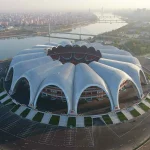
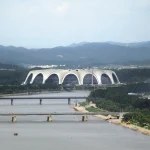
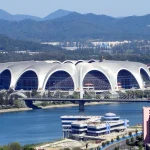
1. Rungrado 1st of May Stadium—Pyongyang, North Korea
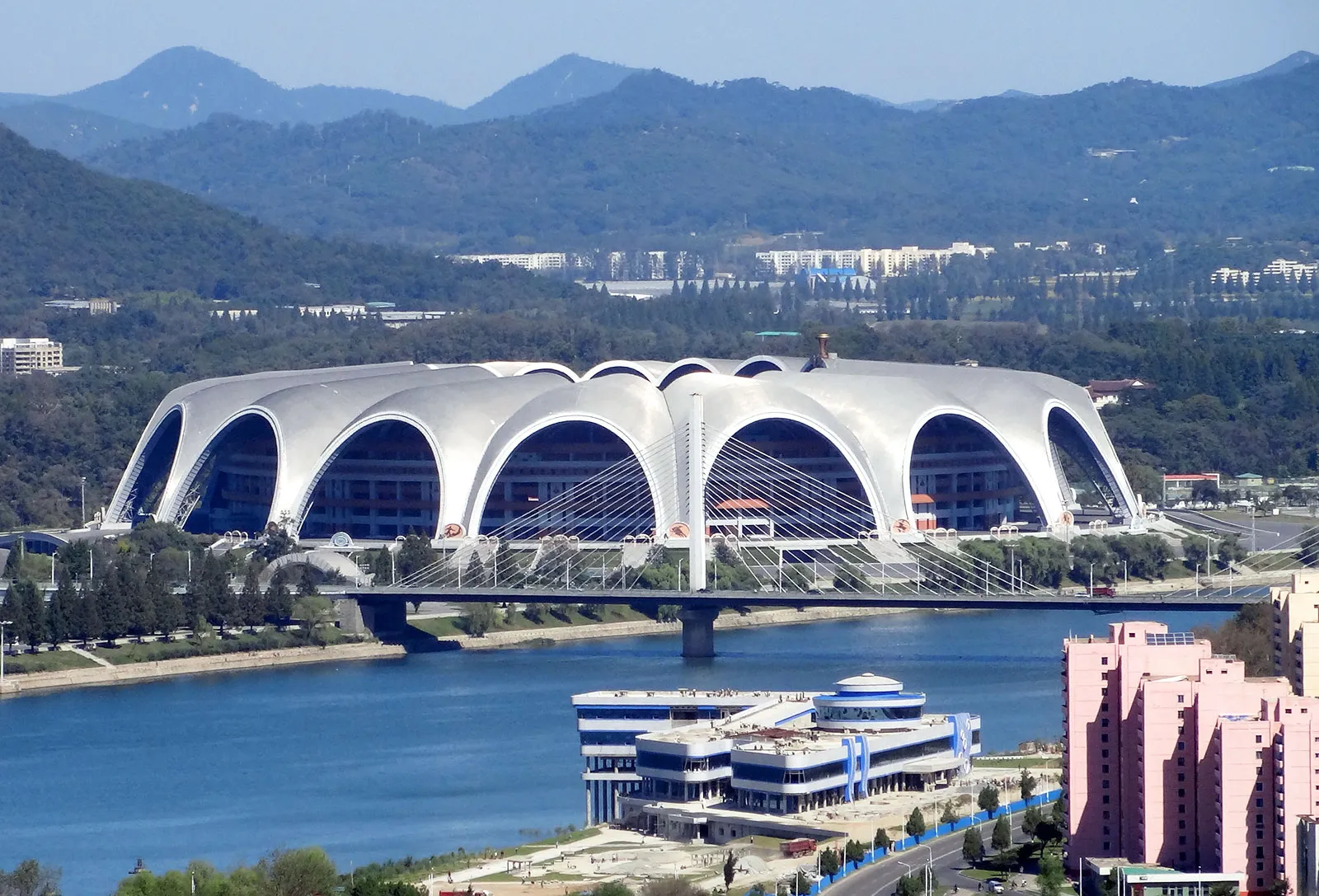
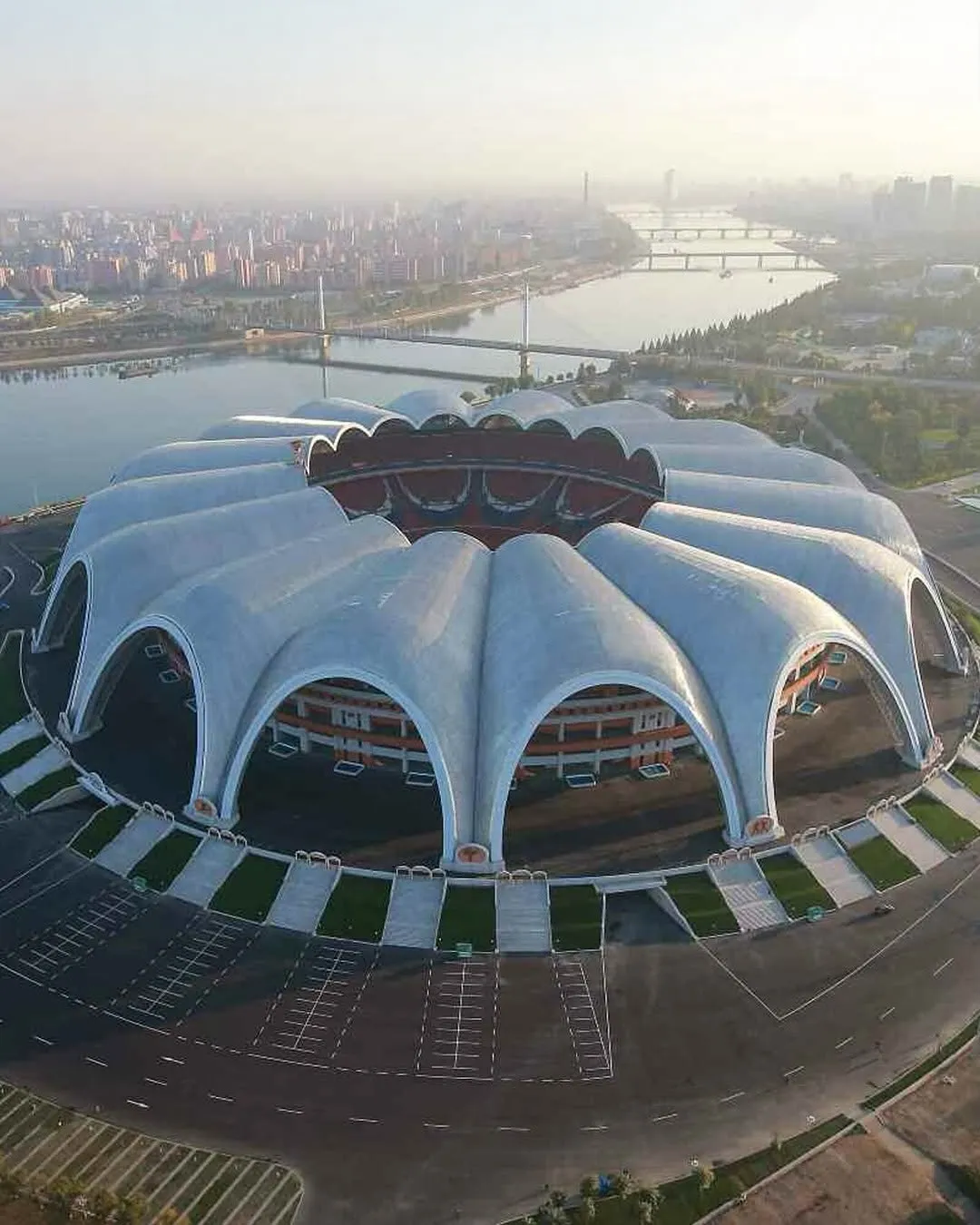
Capacity: Officially ~114,000, originally up to 150,000.
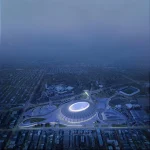
The stadium sits on Rŭngrado Island in the Taedong River, with a roof composed of 16 concrete arches arranged in a ring, giving a petal-like form. It was built not for football or athletics but for large-scale and national spectacles. Completed in 1989, the total floor area covers over 207,000 m²; eight stories high, the roof arches reach a height of ~60 m. The 2014-15 renovation replaced many bench seats with individual seating, reducing capacity from earlier claims.
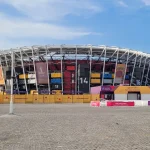
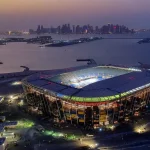
2. Stadium 974 (Ras Abu Aboud)—Doha, Qatar
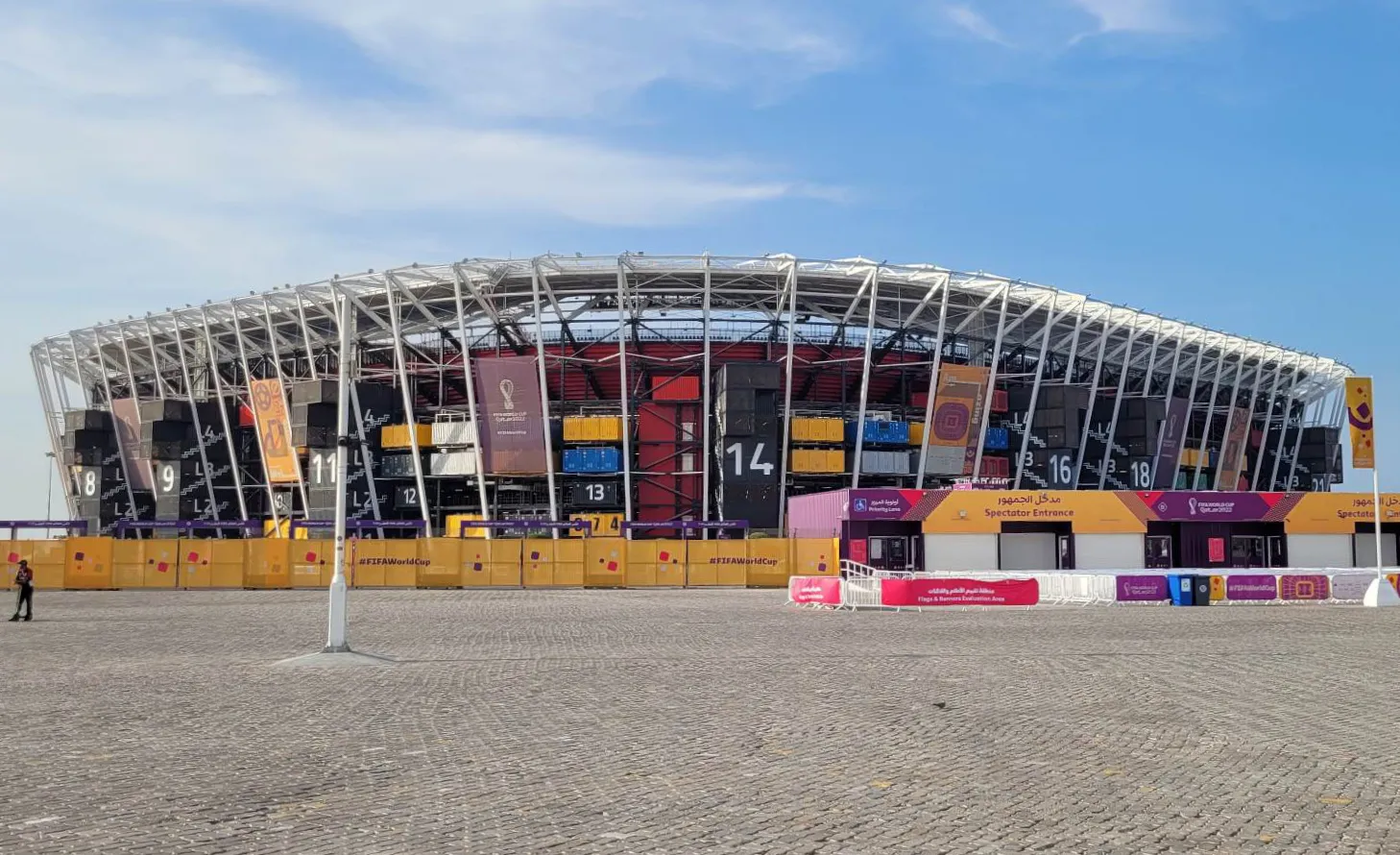
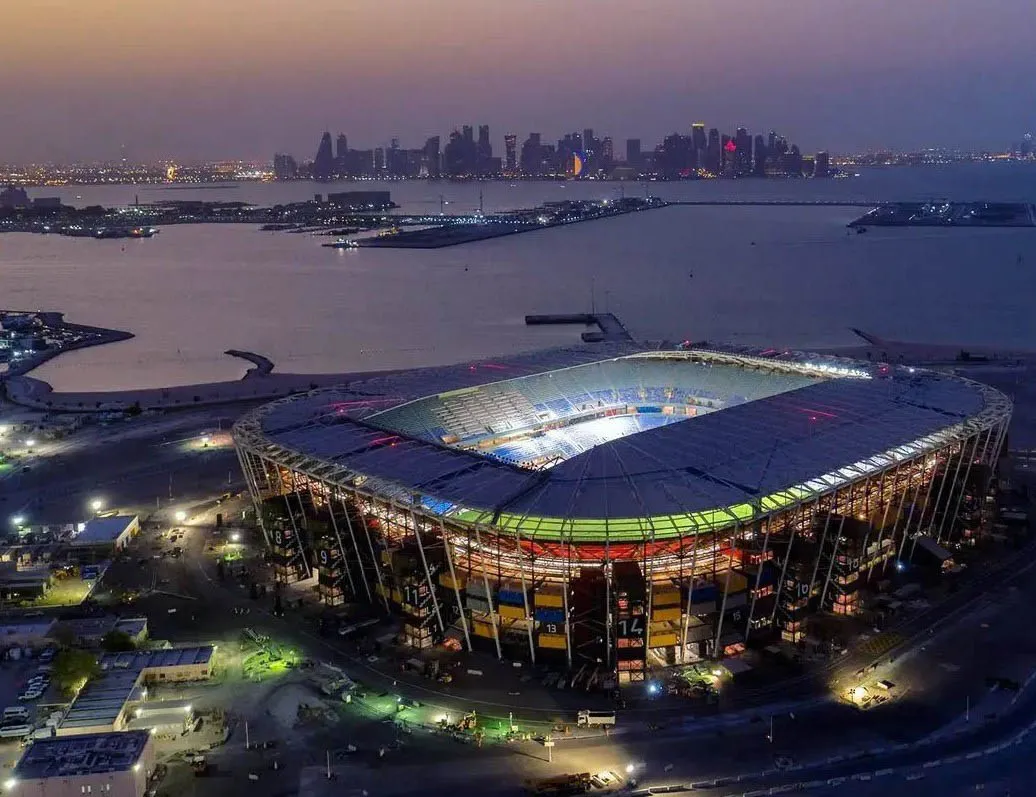
Capacity: ~44,089 (for 2022 FIFA World Cup matches)
The first fully modular, semi-temporary stadium in World Cup history, constructed using 974 recycled shipping containers (a nod to Qatar’s dialing code “+974”). Its façade and structure were designed to be dismantled and relocated after the tournament. Designed by Fenwick Iribarren Architects with Schlaich Bergermann Partner and Hilson Moran. Built on a waterfront site in Ras Abu Aboud, the container-based modular system allowed for rapid construction and reduced waste.
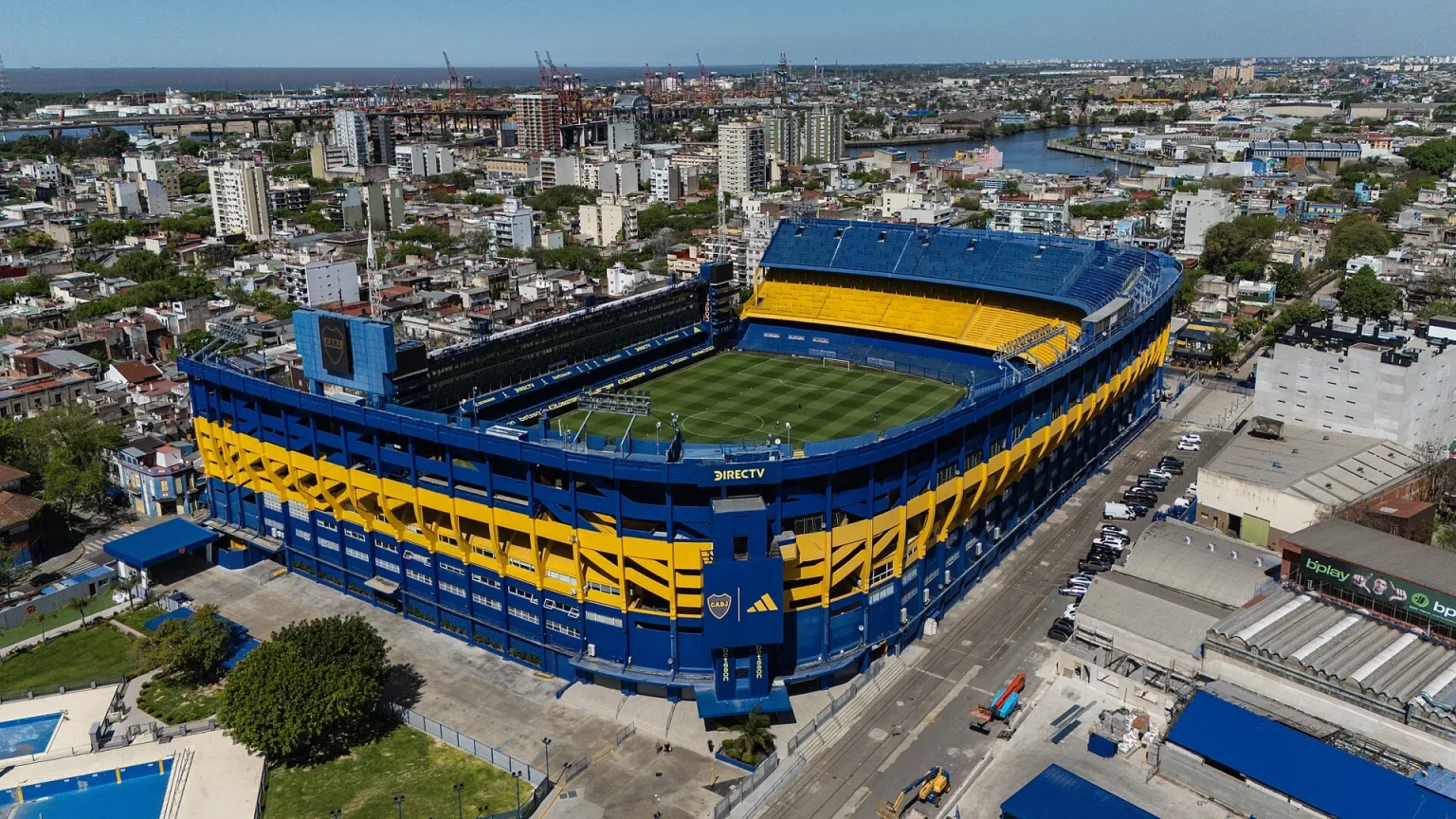
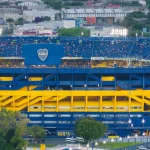
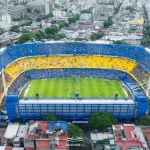
3. Estadio Alberto J. Armando (“La Bombonera”)—Buenos Aires, Argentina
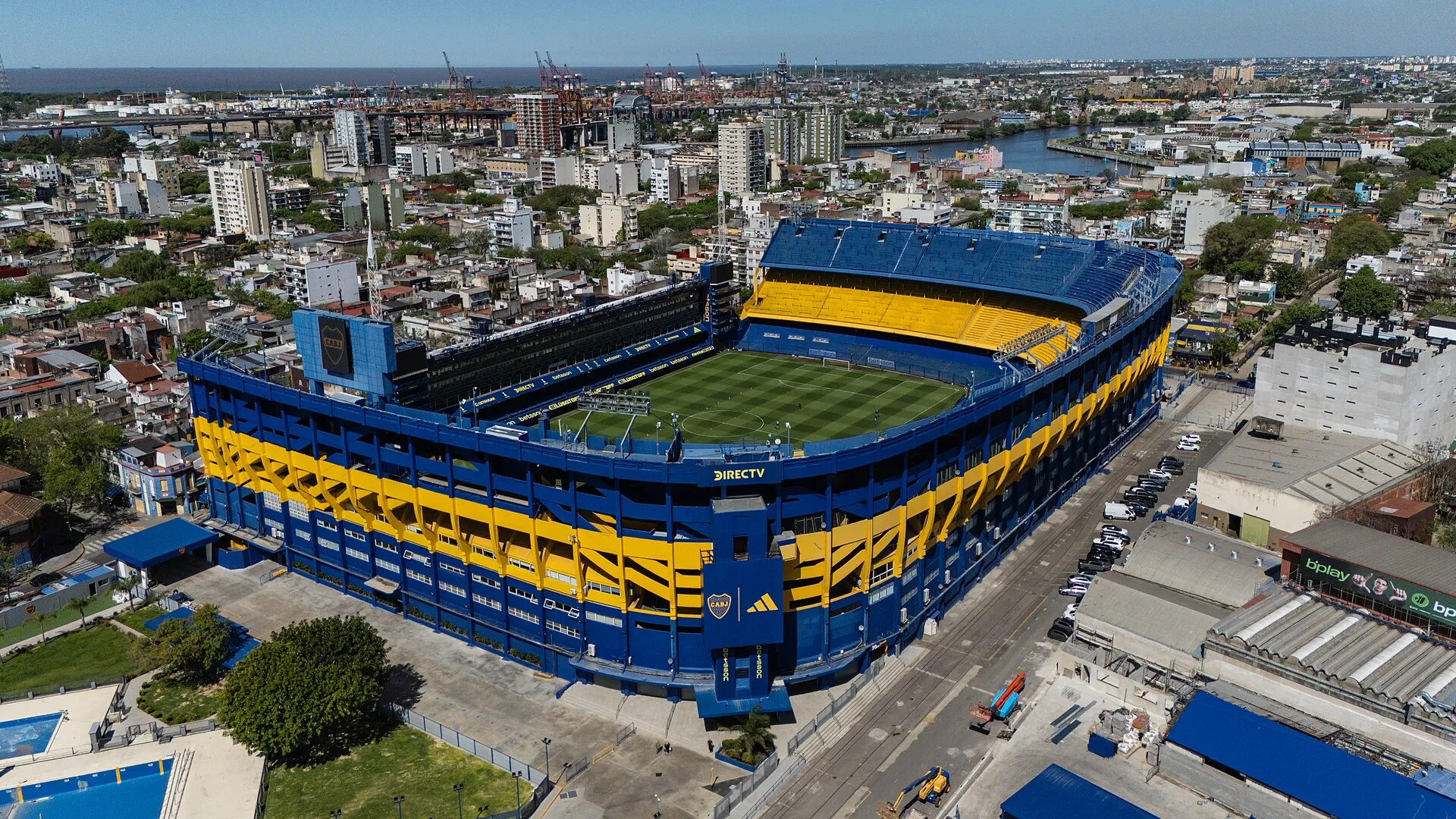
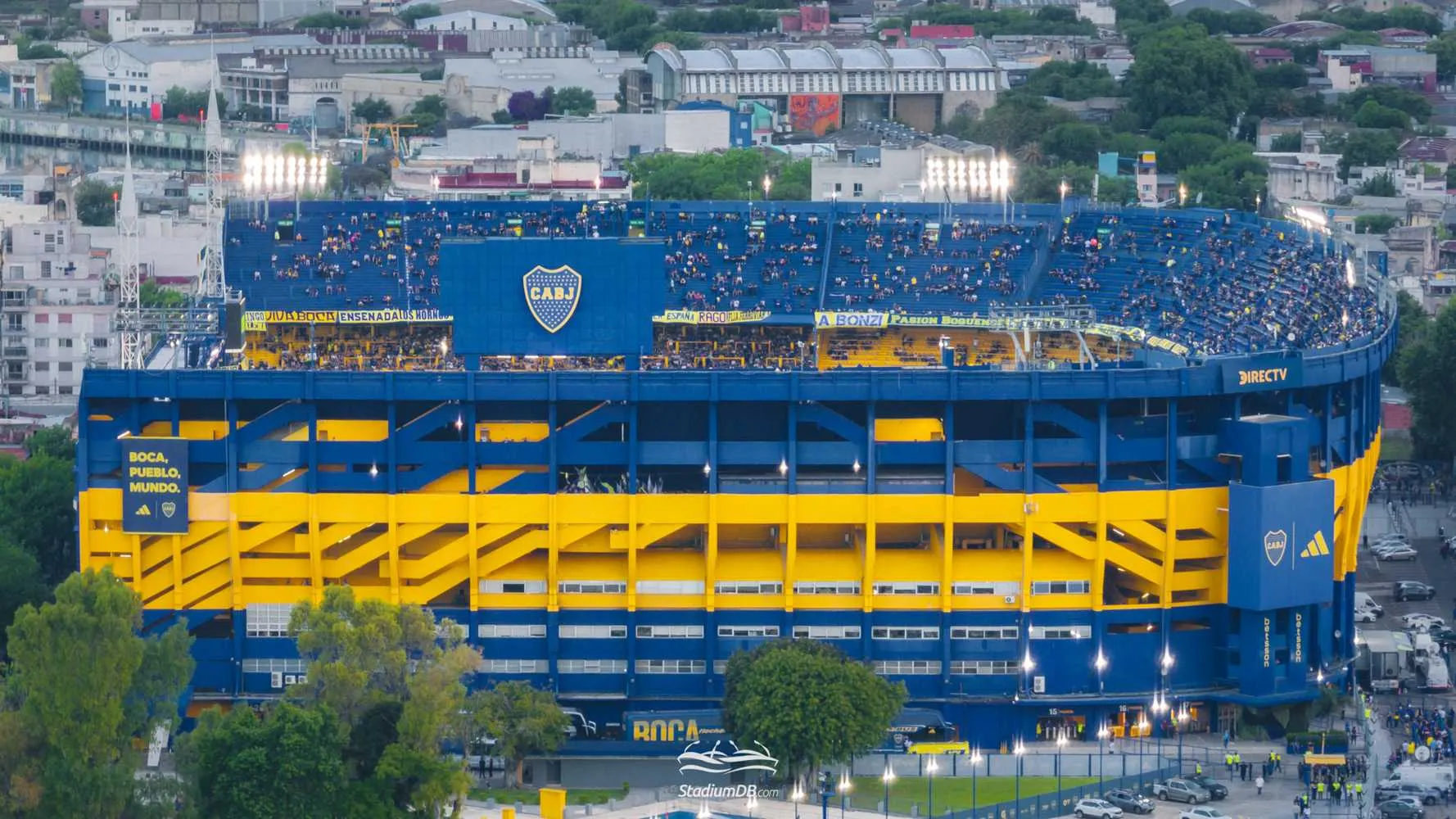
Capacity: Approximately 56,000; earlier reports widely noted ~49,000.
The stadium has a distinctive asymmetry: three sides of steep stands and the fourth side relatively flat, creating an unusual “shoebox” geometry. This results in spectators being very close to the pitch and a highly intense atmosphere. Opened in 1940, designed by Viktor Sulčič, José Delpini, and Raúl Bes, with crowd experience prioritized. Modernization plans aim to increase capacity to 71,000-83,000 and add VIP boxes without altering the core identity.
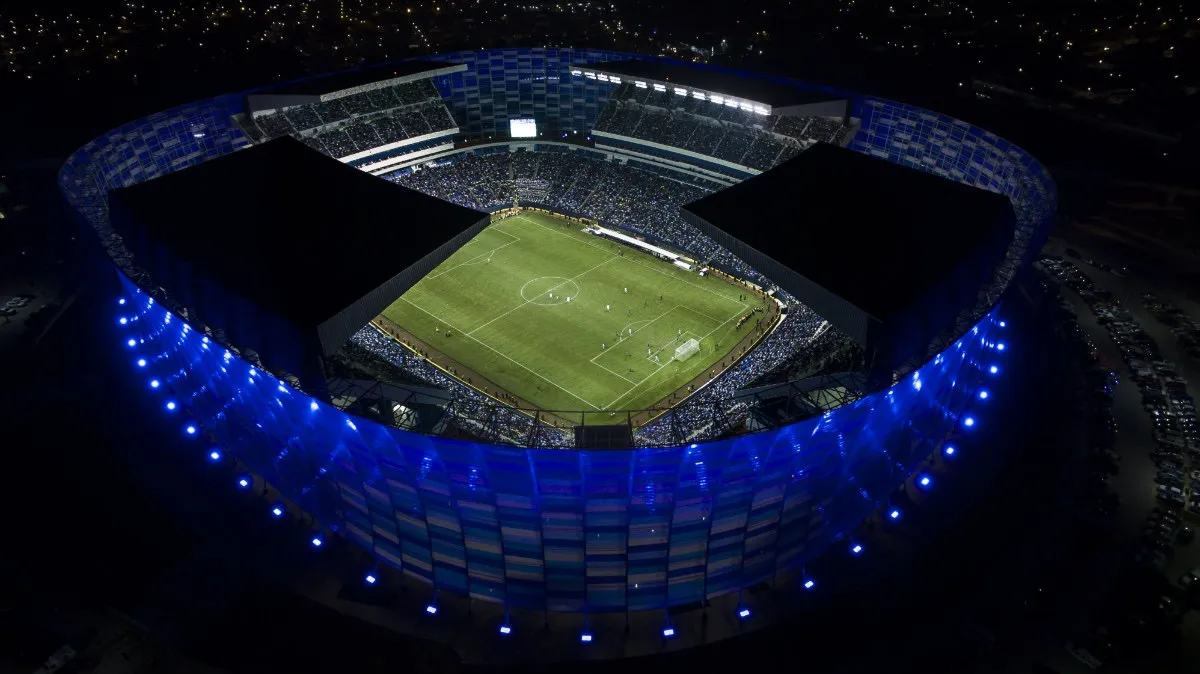
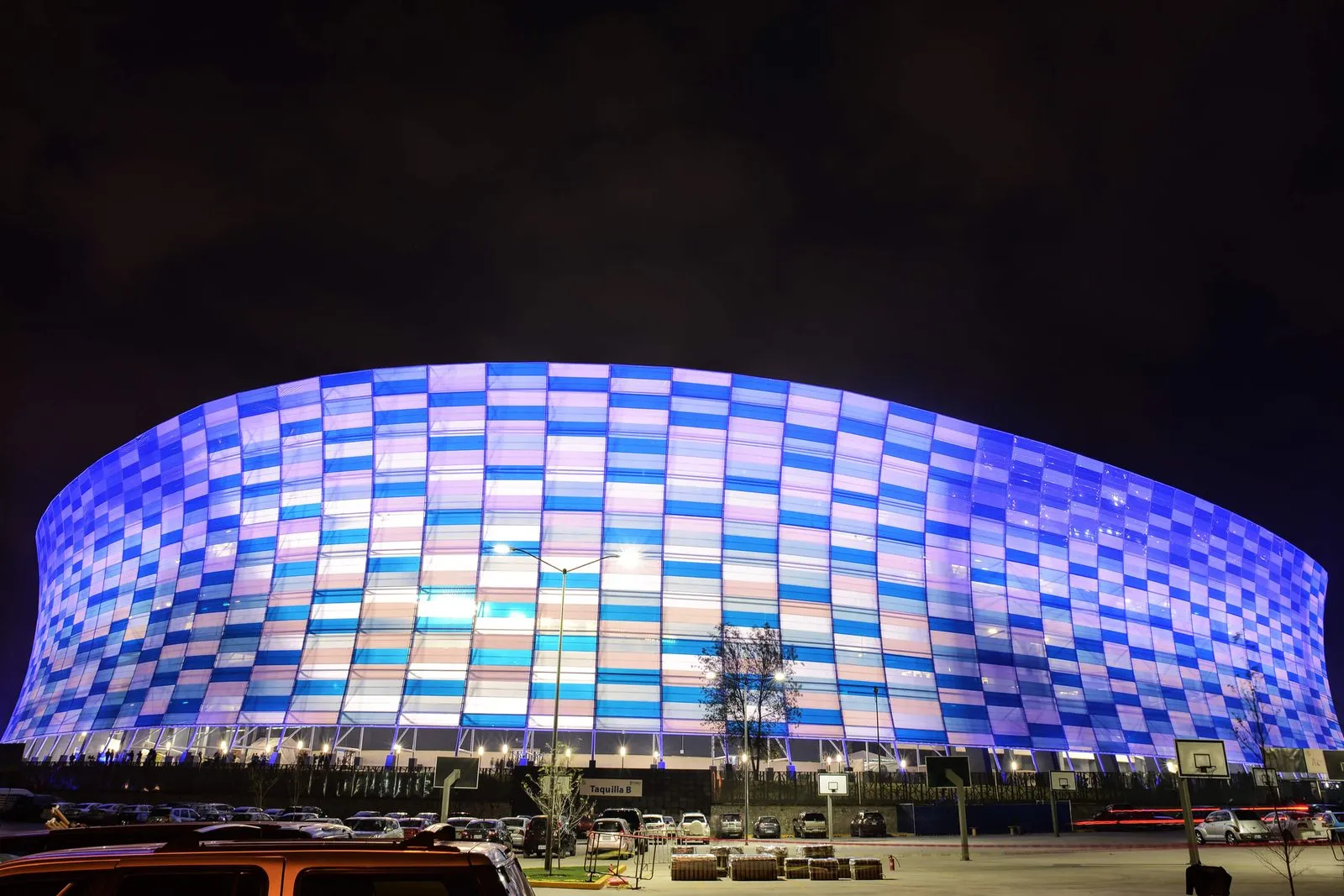
4. Estadio Cuauhtémoc—Puebla, México
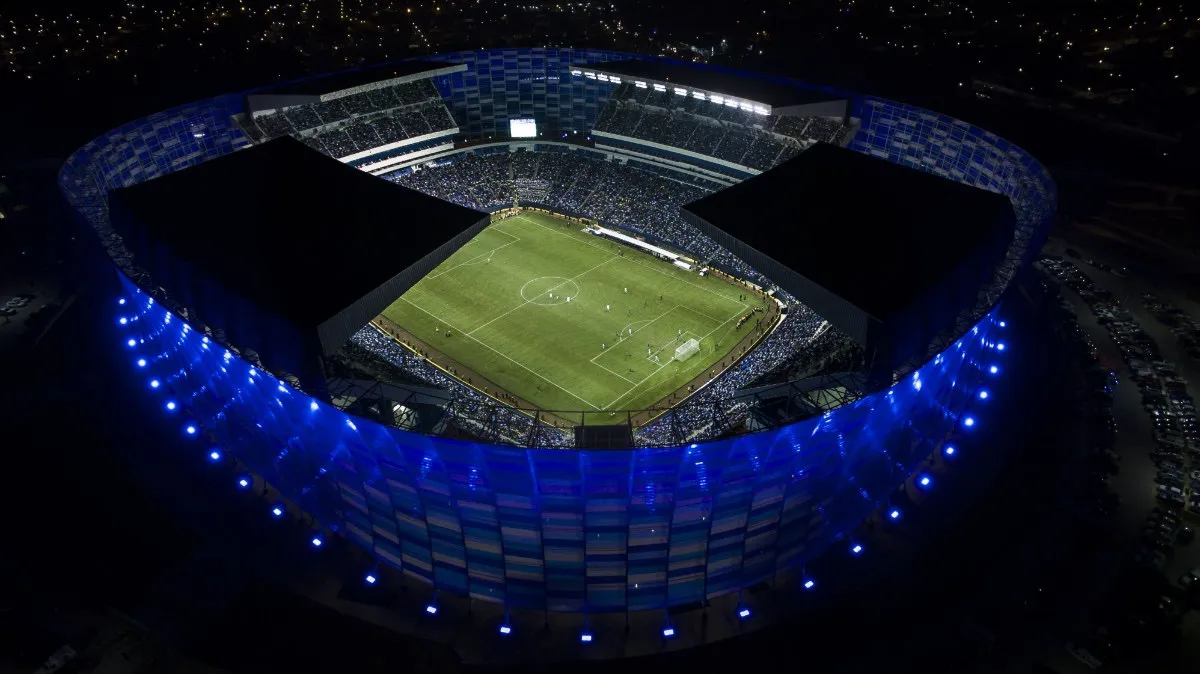
Capacity: ~51,700 (post-renovation)
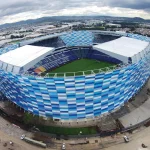
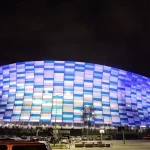
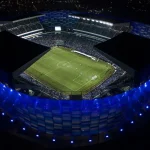
The stadium’s entire façade is wrapped in a translucent ETFE skin referencing local Talavera tile colors. The façade acts as a functional cladding. Originally opened in 1968, modernized in 2014-15. The renovation included a new upper tier and ~30,000 m² of ETFE cladding, which supports LED lighting at night.
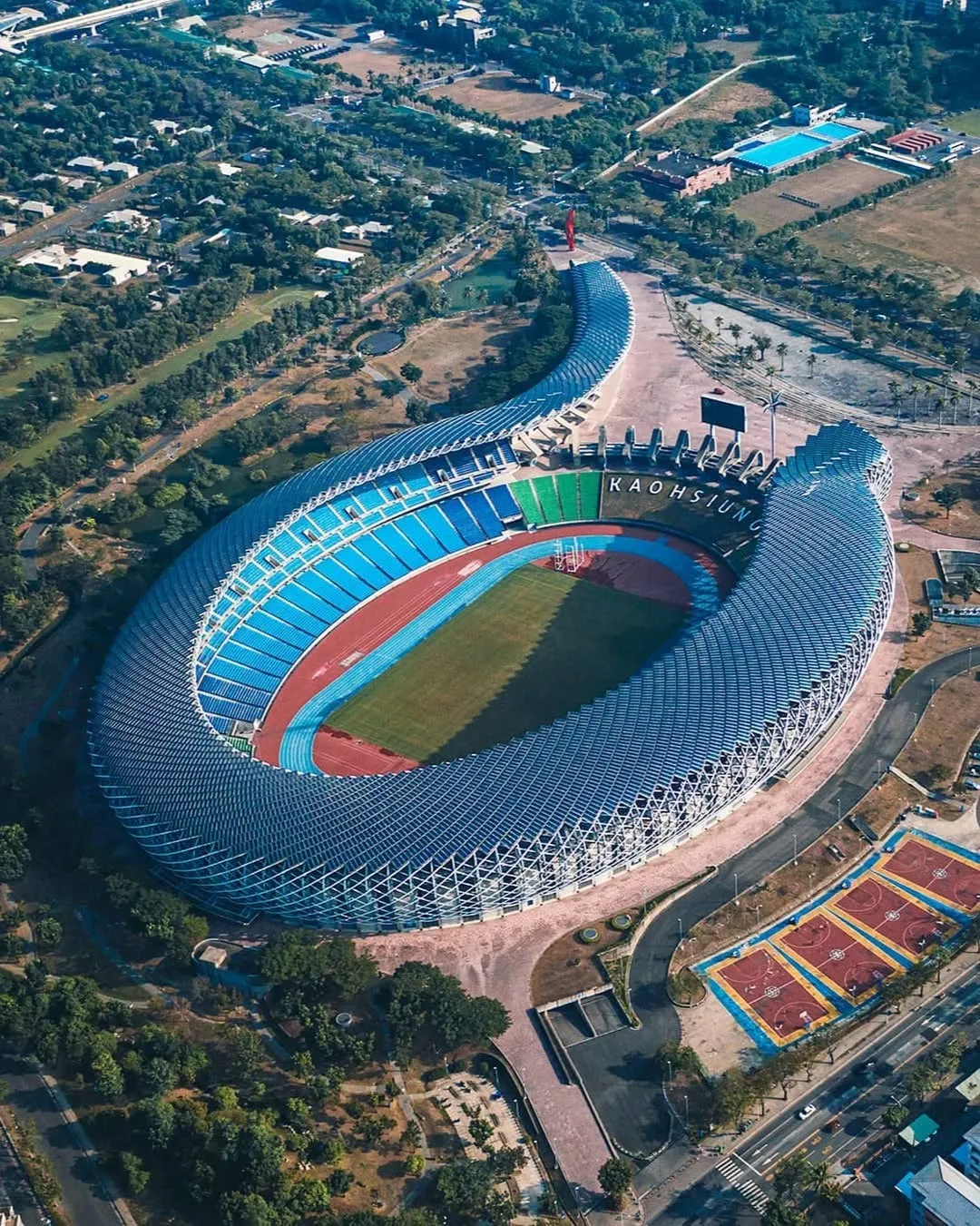
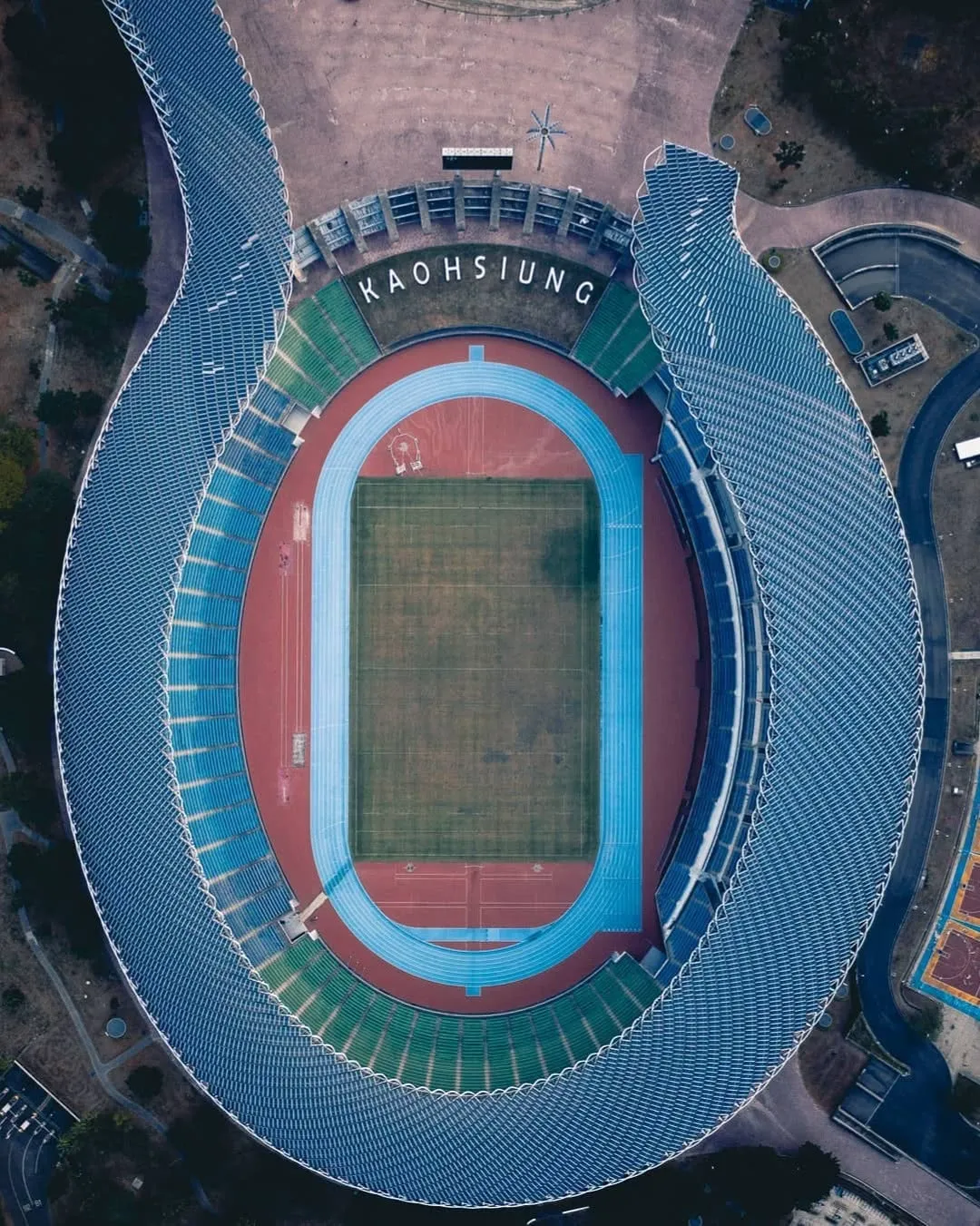
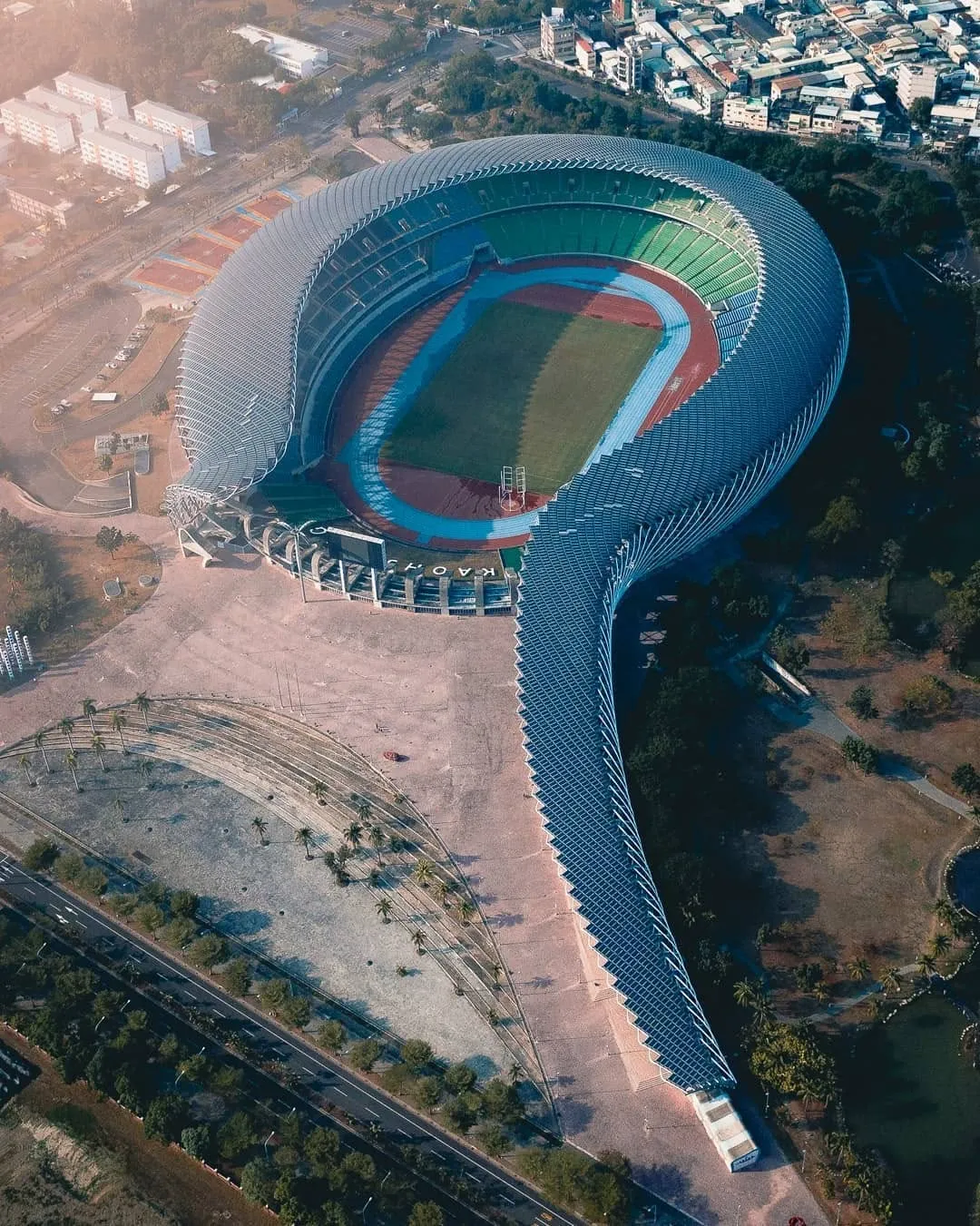
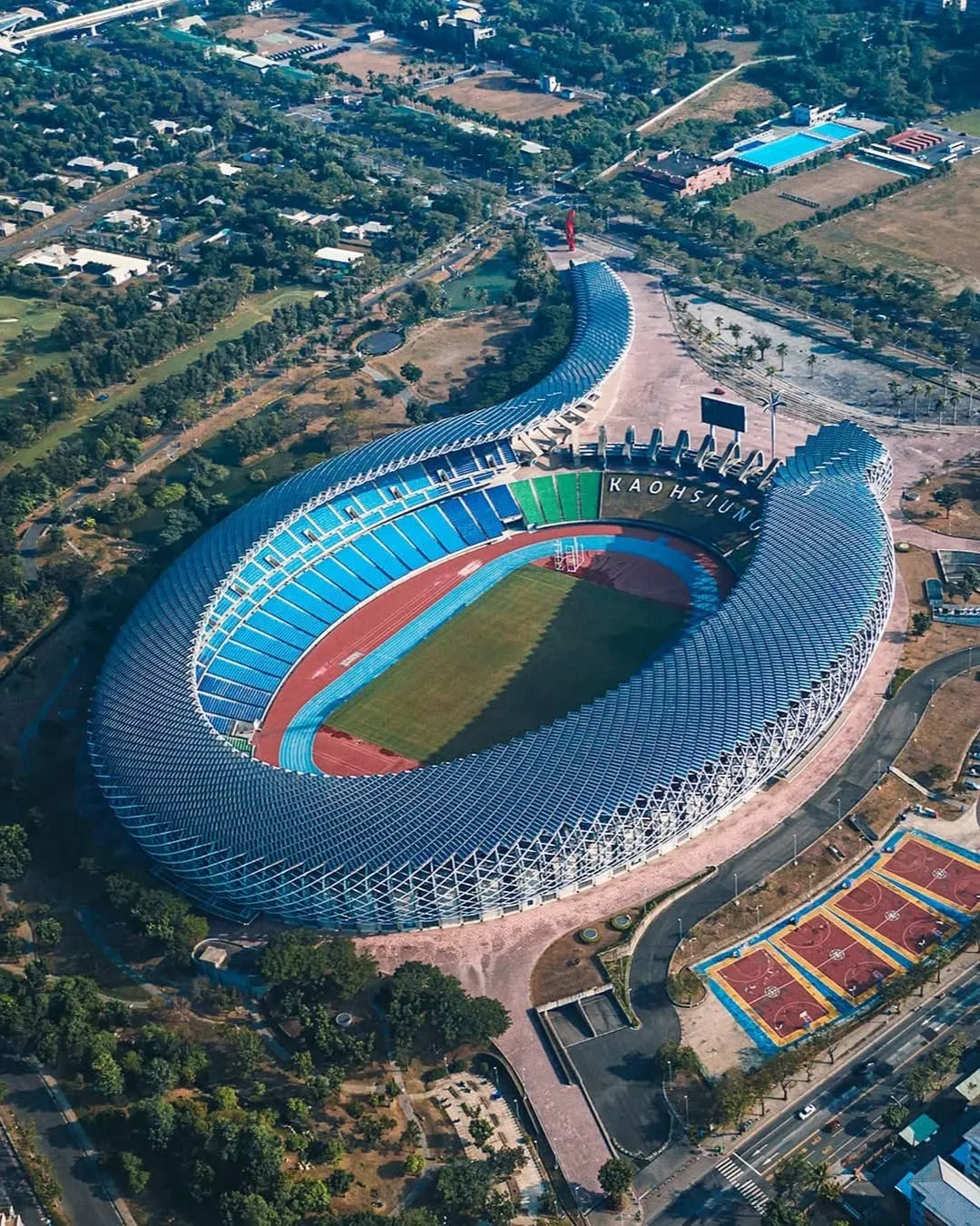
5. Kaohsiung National Stadium (World Games Stadium)—Kaohsiung, Taiwan
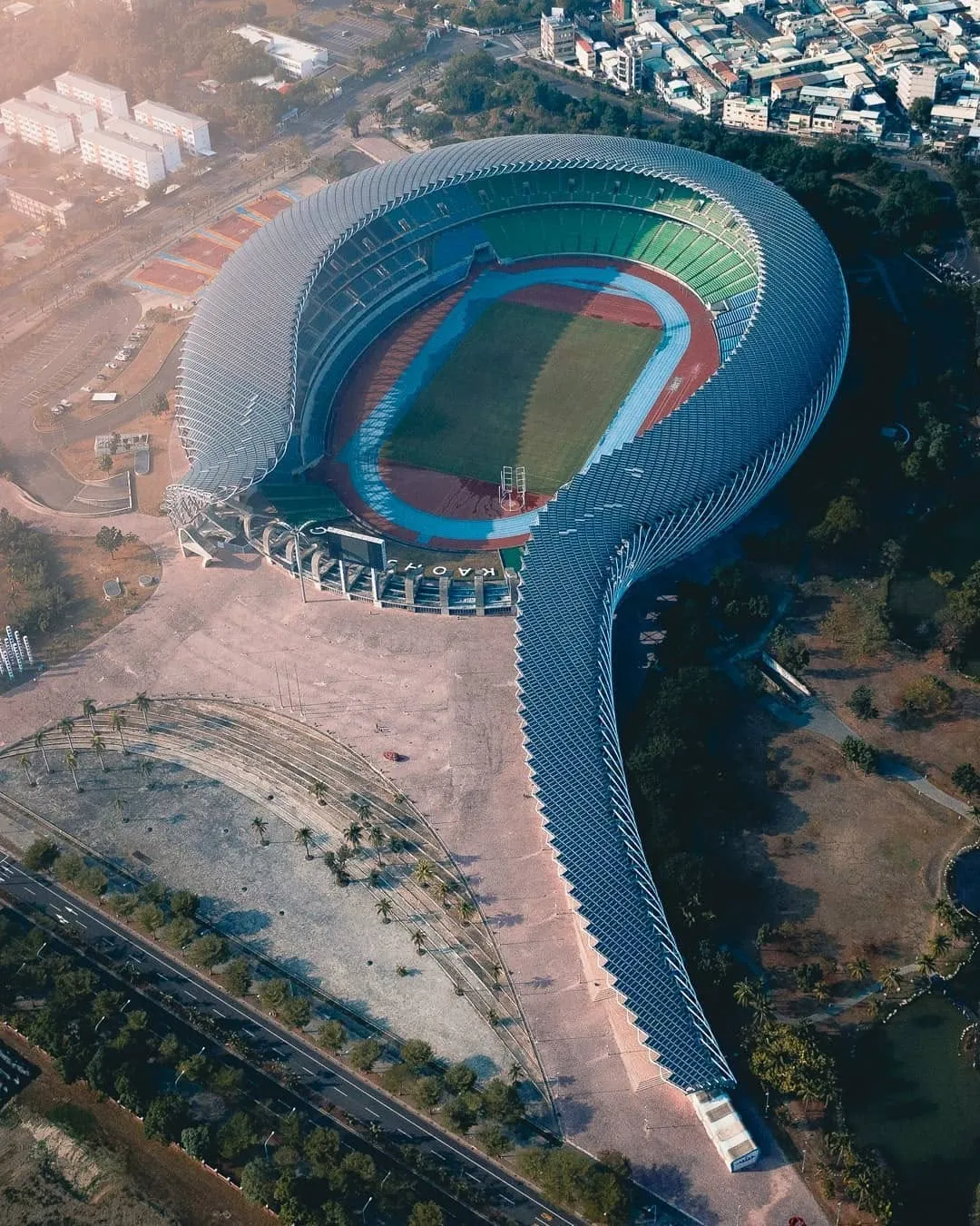
Capacity: ~55,000 (some sources list ~40,000 permanent seats + temporary)
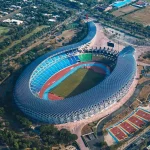
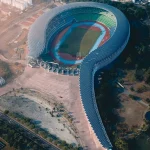
Its design is reminiscent of a dragon or spiral form, integrating a large-scale photovoltaic (solar) roof array (8,844 solar panels) capable of generating ~1.14 GWh annually, covering the majority of its energy needs. Designed by Toyo Ito, it opened in 2009 for the World Games. The roof doubles as a solar farm and rainwater collector, reflecting sustainability and design innovation.
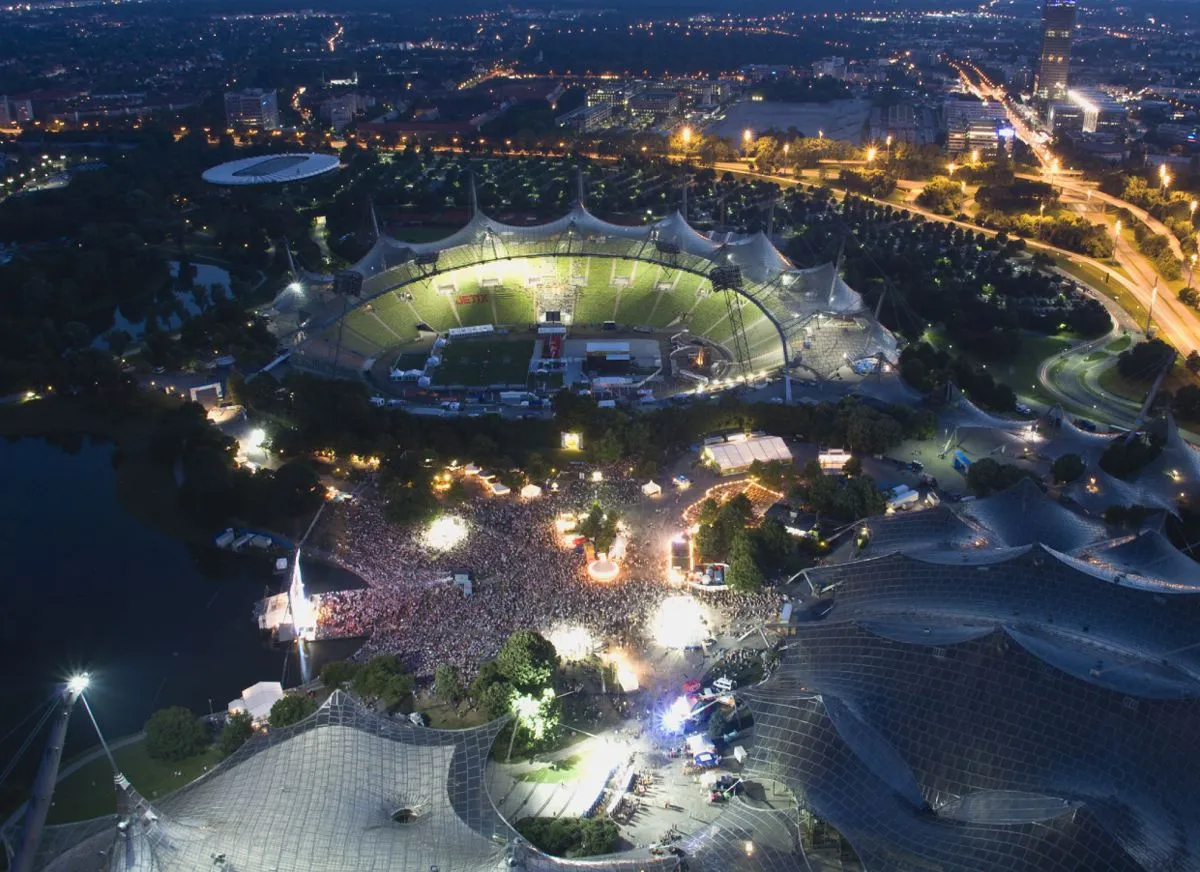
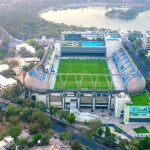
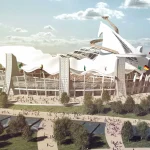
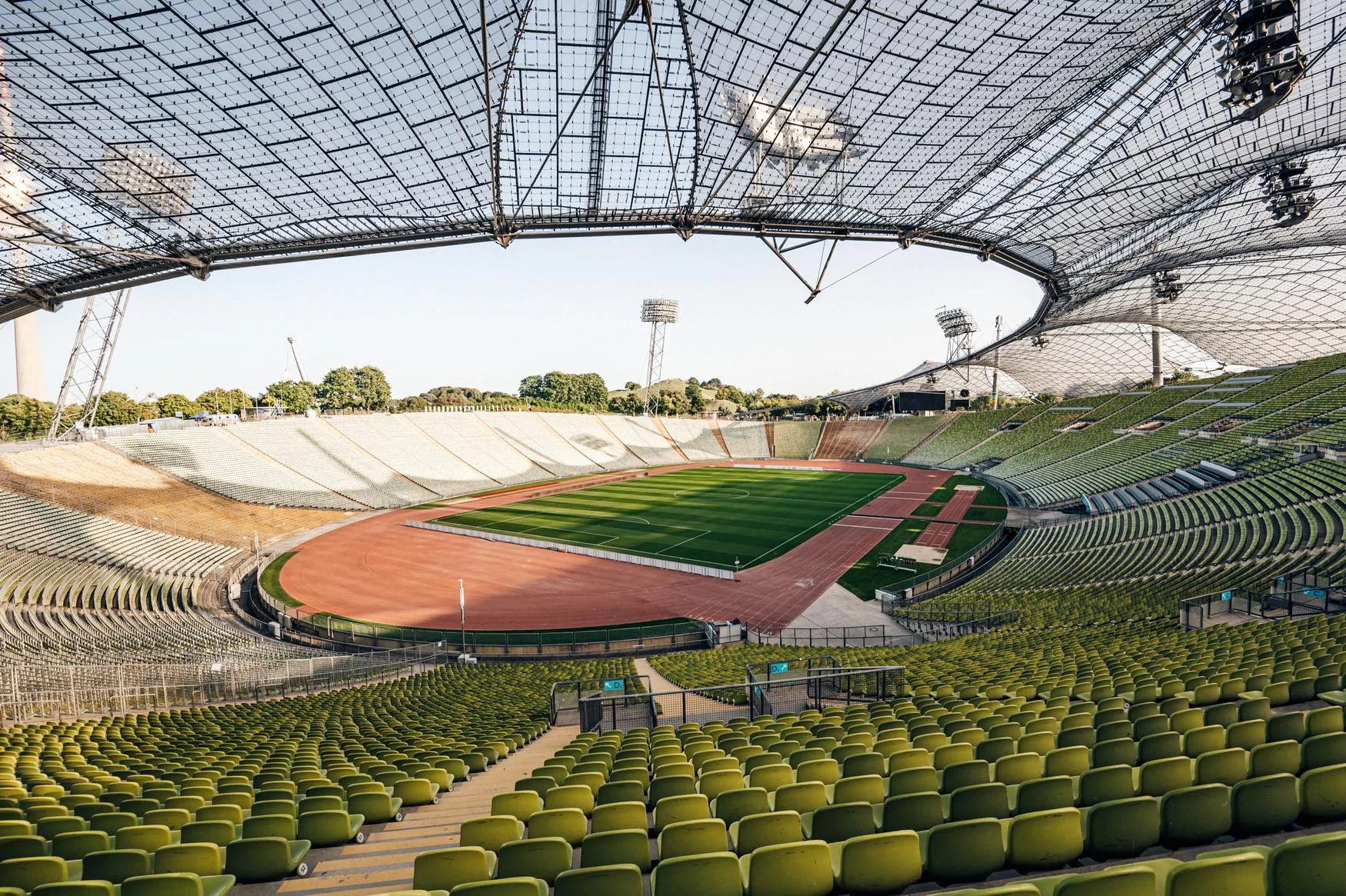
6. Olympiastadion (Munich)—Munich, Germany
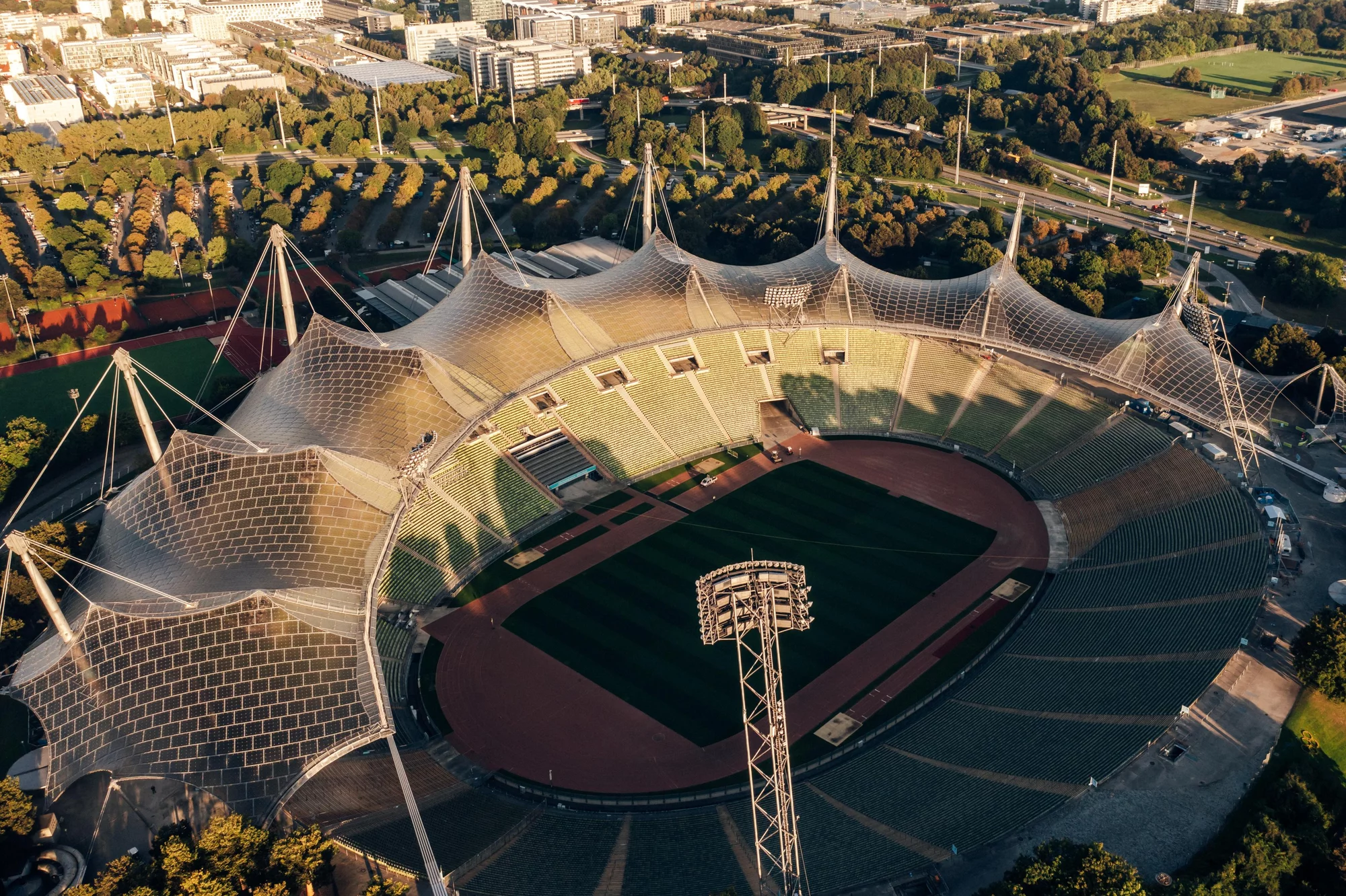
Capacity: ~63,000-70,000 seats
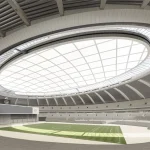
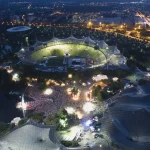
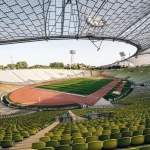
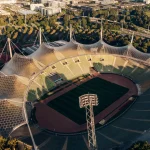
Built for the 1972 Olympics, the stadium’s pioneering roof is a tensile cable-net structure with an acrylic-glass canopy, a radically lightweight, tent-like design that contrasted with heavy Olympic stadiums of the era. Architects included Günter Behnisch and Frei Otto. The design emphasized openness, integration with the landscape, and structural innovation. Over time, the venue has been used for concerts and athletics rather than as a full-time club stadium.
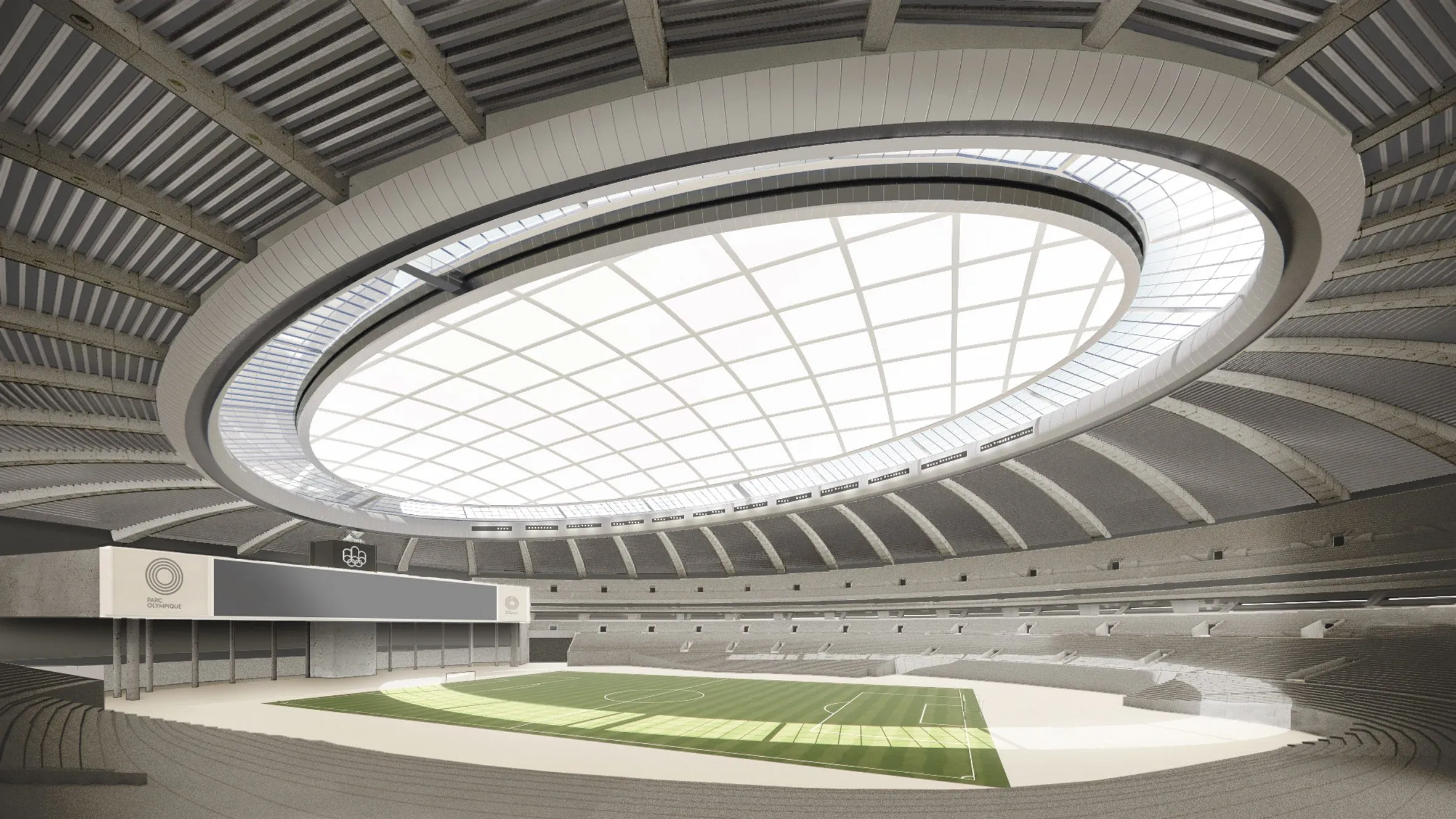
7. Olympic Stadium (Montreal) (“The Big O”)—Montreal, Canada
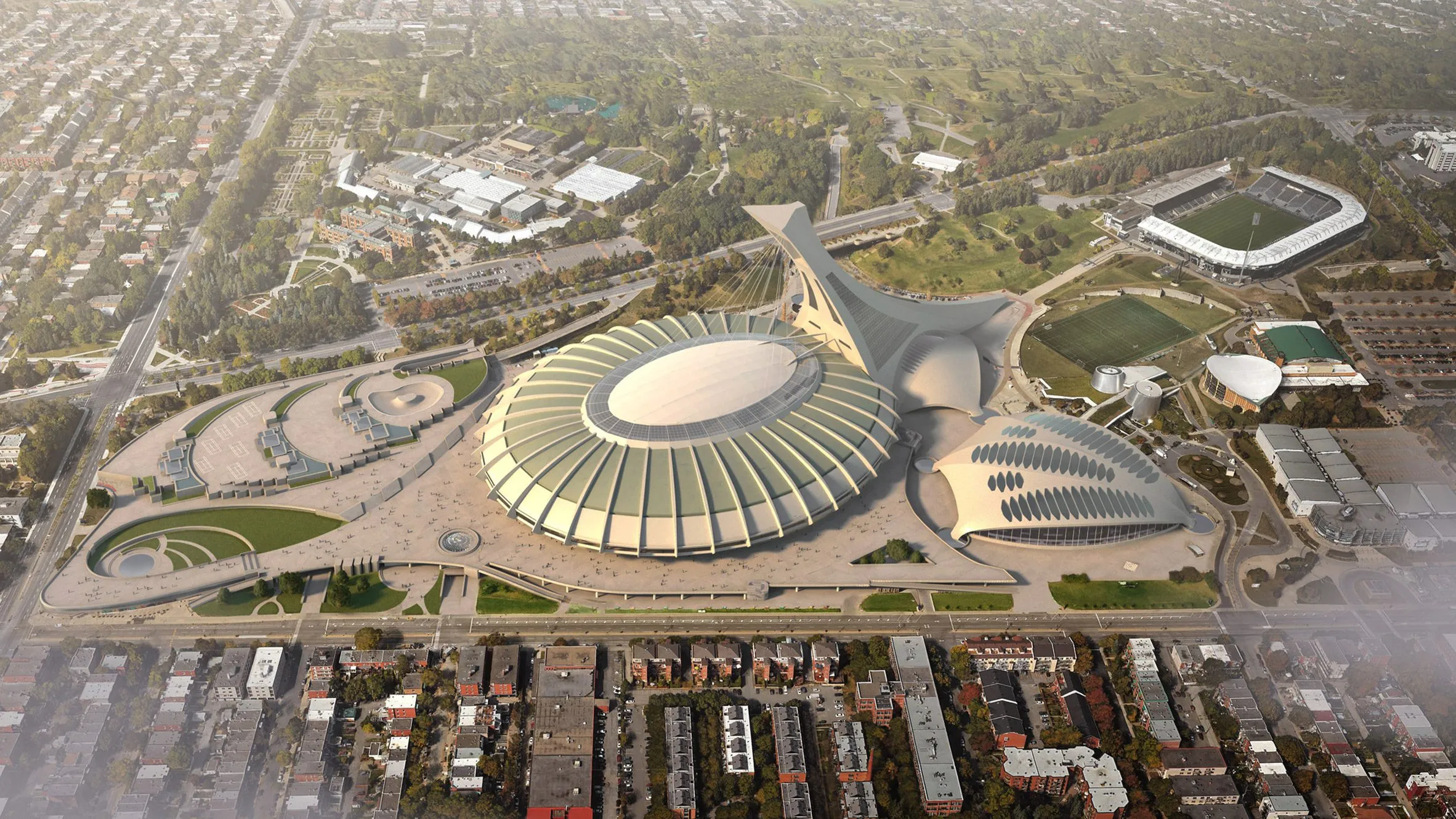
Capacity: Around 56,000 permanent seats for many uses
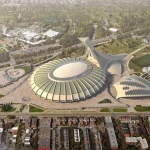
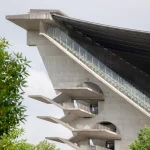
A massive concrete stadium topped by an inclined tower (≈165 m high, at approx. 45° lean), which housed the cables for its failed retractable roof. The combination of the tower and the dome gives it a striking and unconventional shape. Designed by Roger Taillibert, construction was completed in the mid-1970s for the 1976 Olympics. The roof and tower became symbolic of engineering, costly and complicated, and the venue remains visually distinctive.
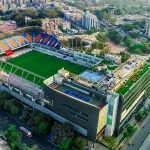
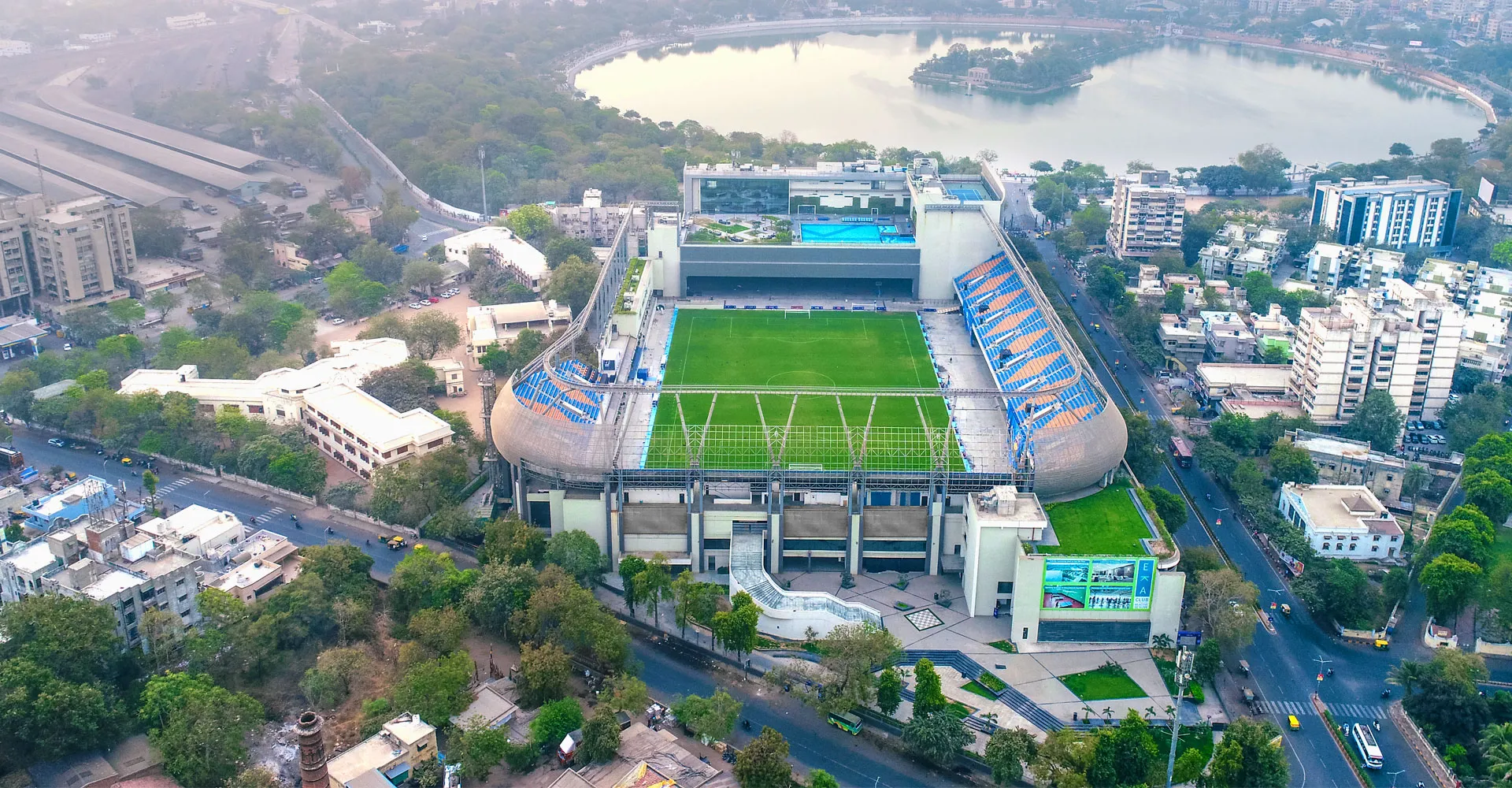
8. EKA Arena by TransStadia (formerly The Arena by TransStadia)—Ahmedabad, India
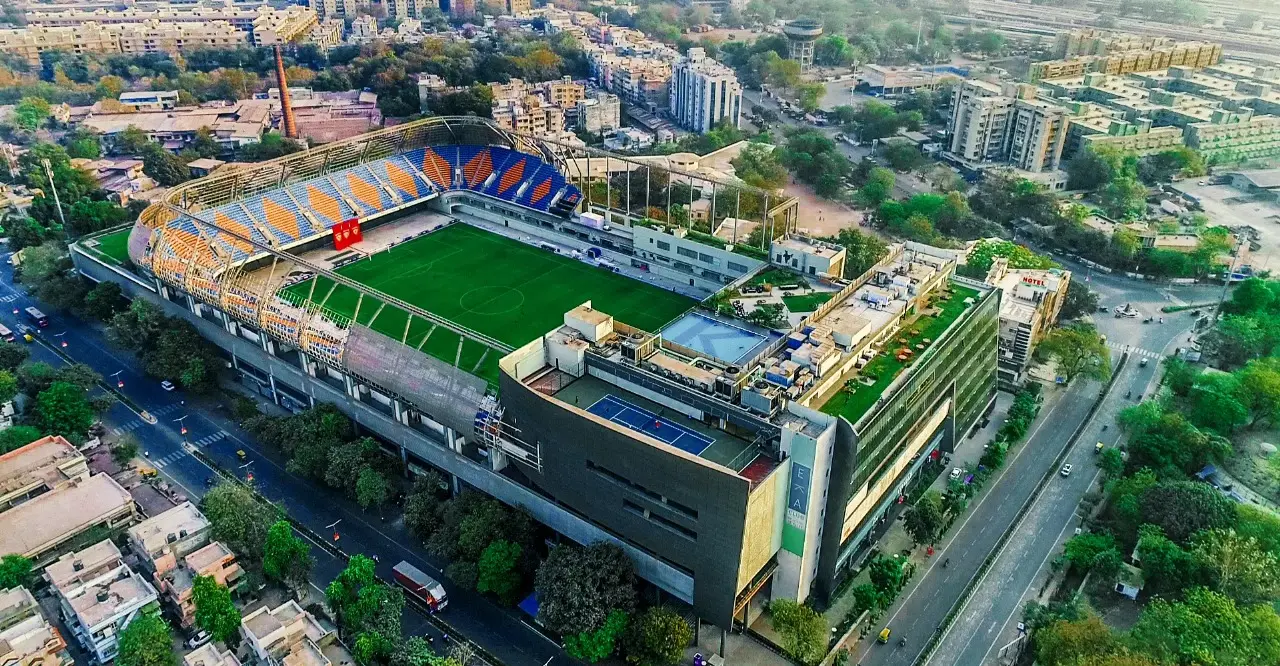
Capacity: 20,000 (with ~10,870 permanent seats; temporary on-pitch seating can increase capacity)
A multi-purpose, modular stadium built under a public-private partnership, designed to allow temporary seating configurations and flexible use (sports events, concerts, and other gatherings). This flexibility is uncommon in large modern stadiums in India. Opened October 2016, designed by Holmes Miller and DSP Design Associates. It forms part of a broader move toward commercially viable, multi-use stadia rather than single-purpose monuments.
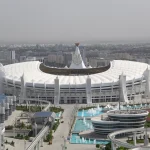
9. Ashgabat Olympic Stadium (Saparmurat Turkmenbashy Olympic Stadium)—Ashgabat, Turkmenistan
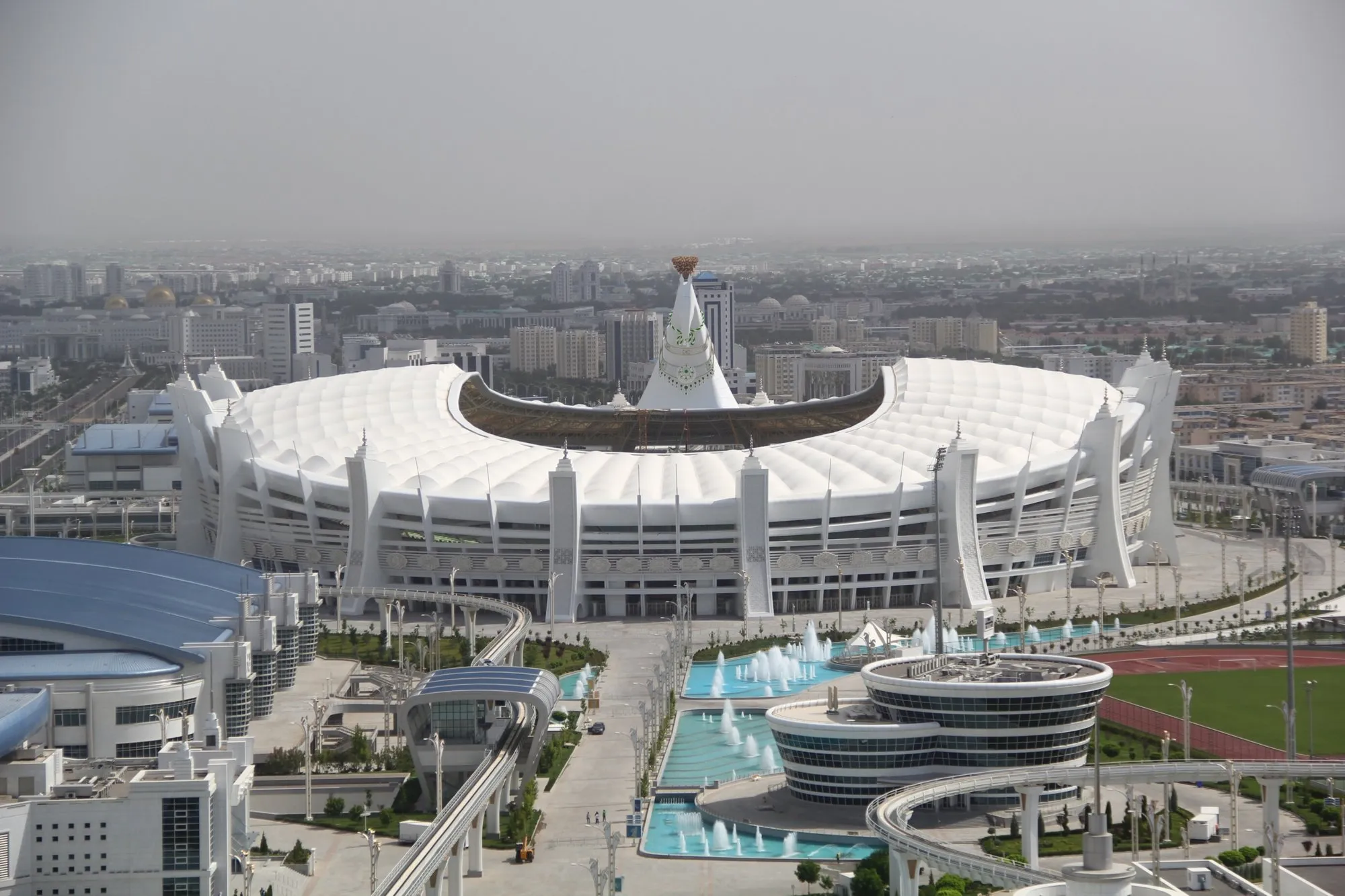
Capacity: ~45,000 seats
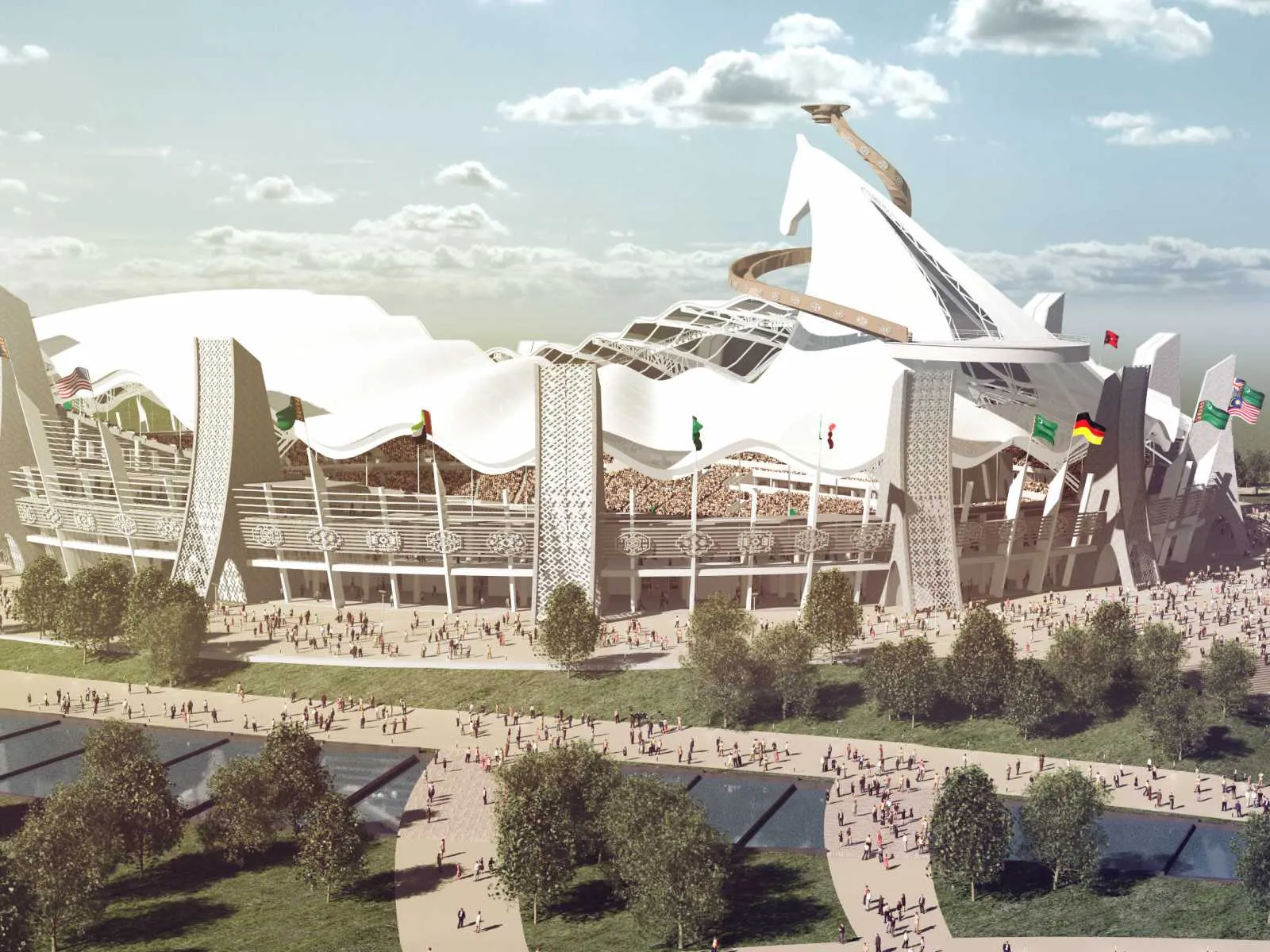
The stadium belongs to a wider “white marble sports city” aesthetic. The north facade features a stylized Ahal-Teke horse motif recognized as the world’s largest horse symbol by Guinness. The scale and visual excess align more with a ceremonial complex than a standard sports arena. Rebuilt 2013–2017 by AFL Architects and Arup; the renovated version opened in 2017. The stadium is part of a large Olympic-town-style complex, and its form and material choices strongly project national identity.
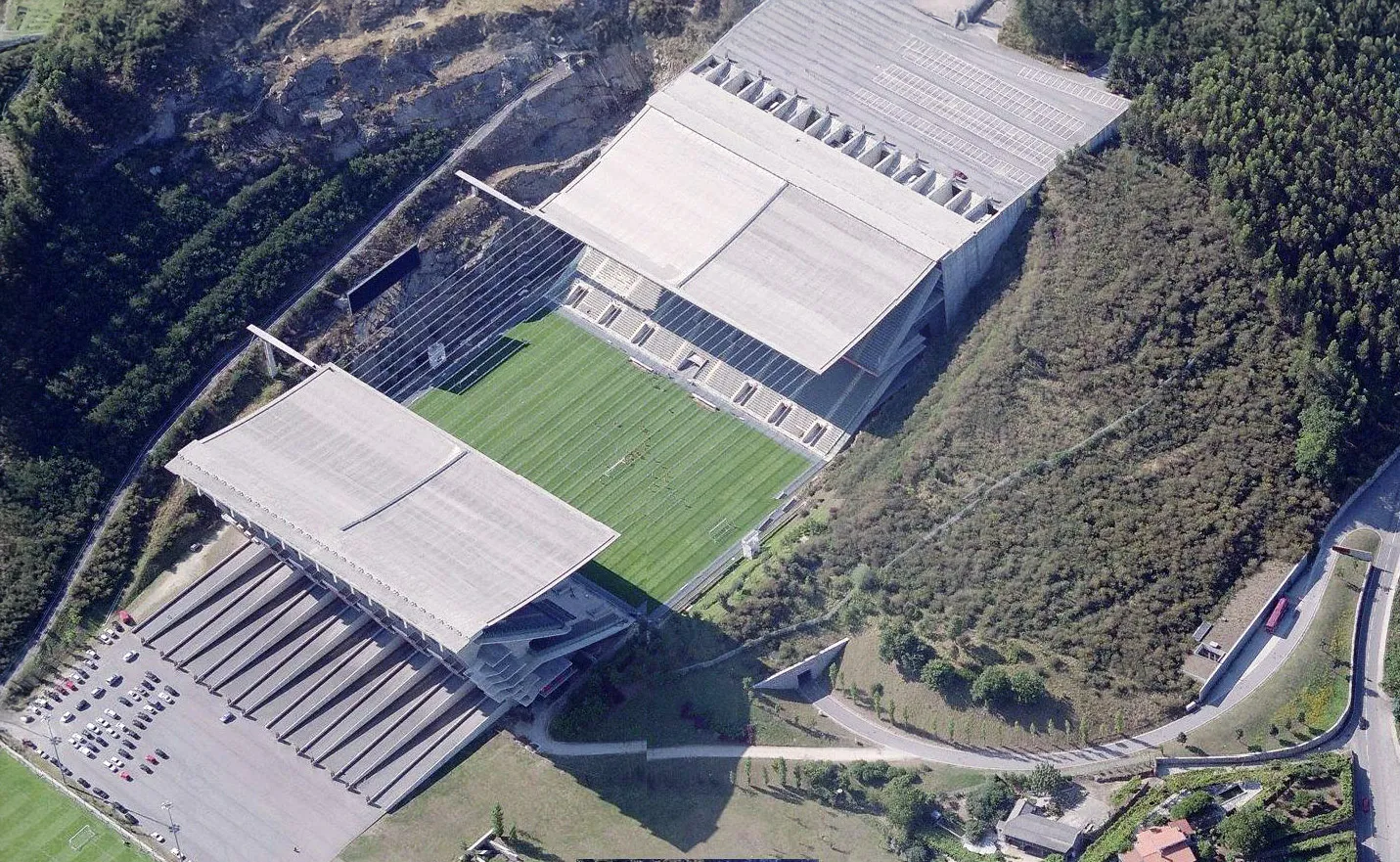
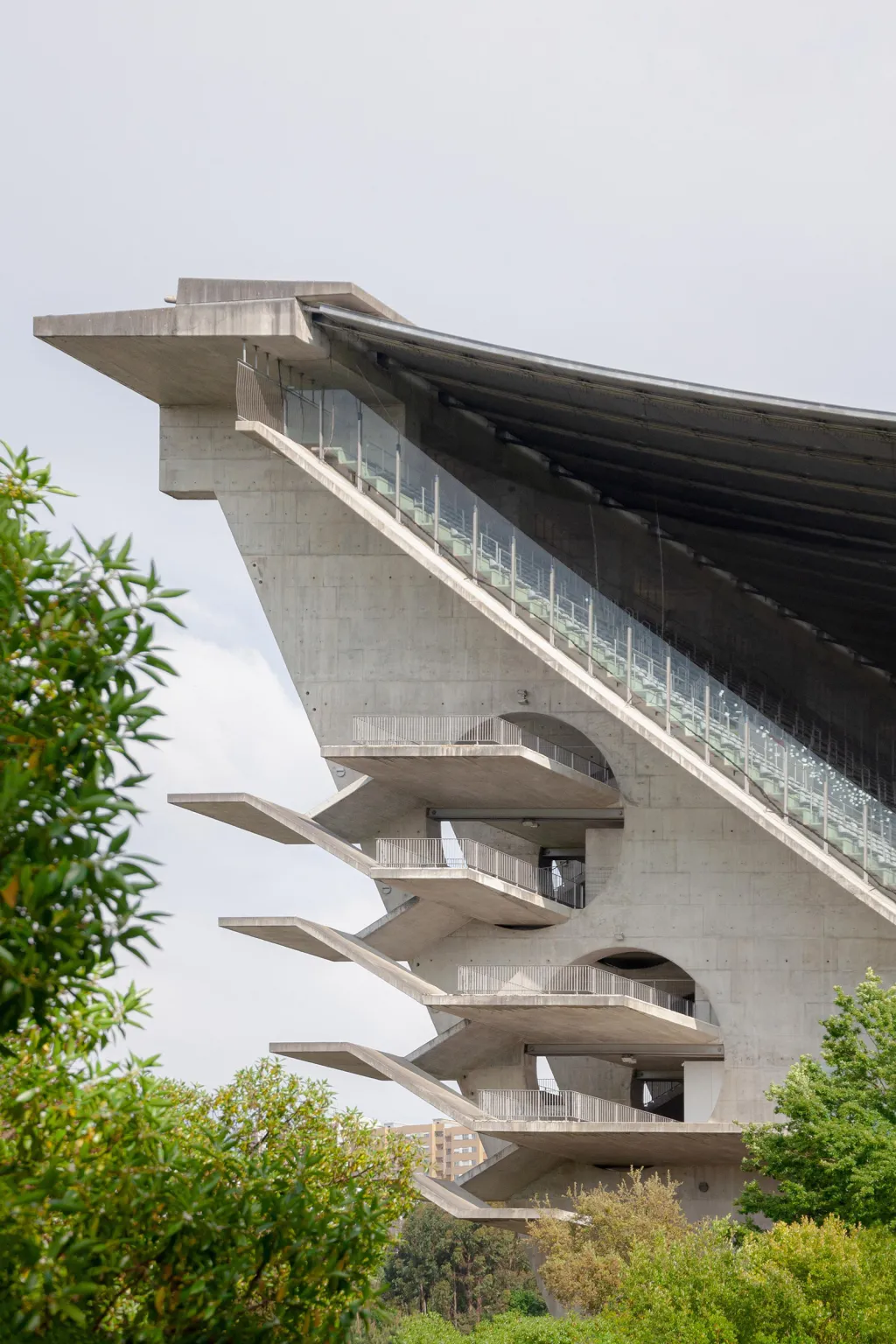
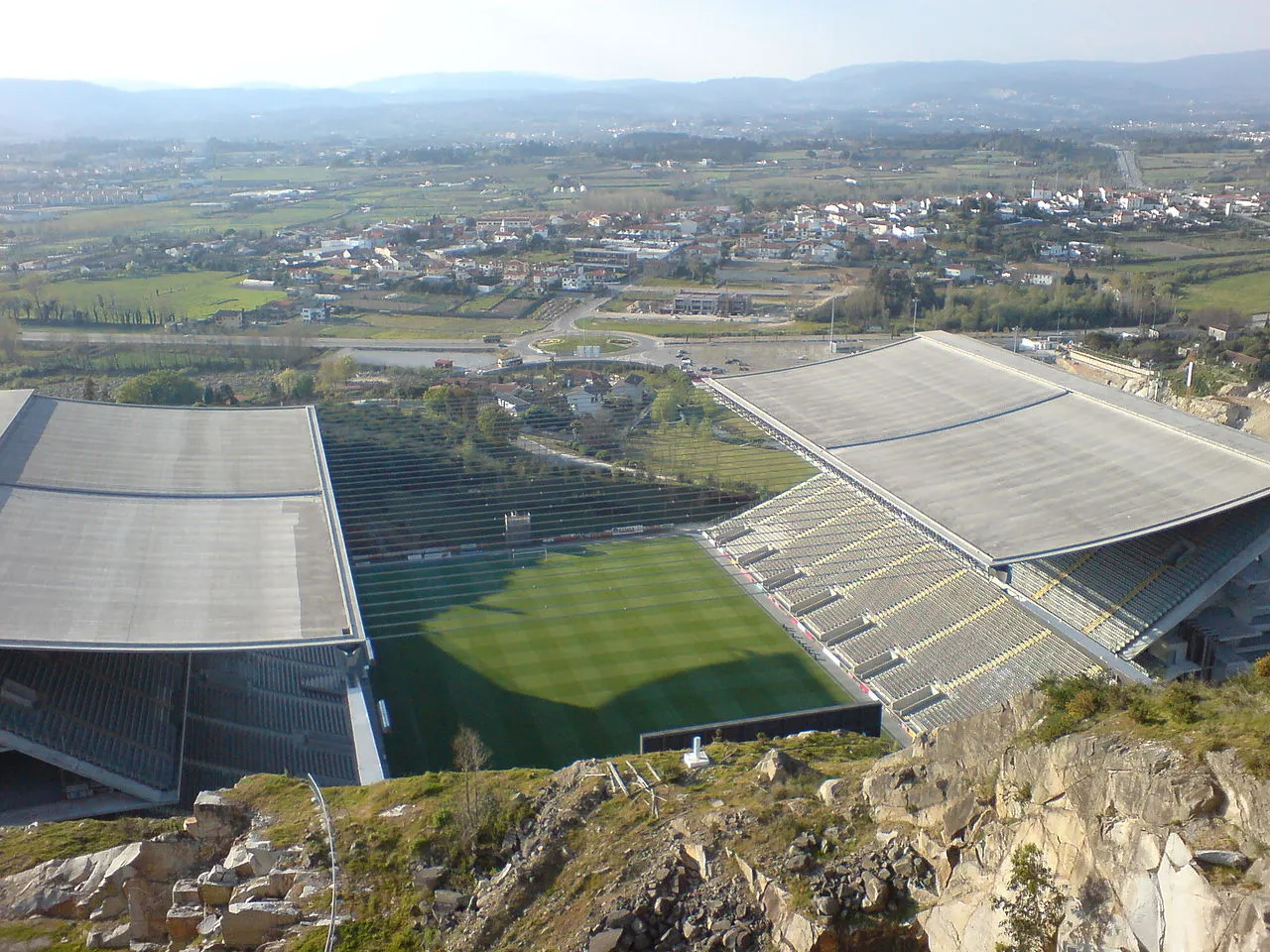
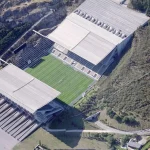
10. Estádio Municipal de Braga—Braga, Portugal
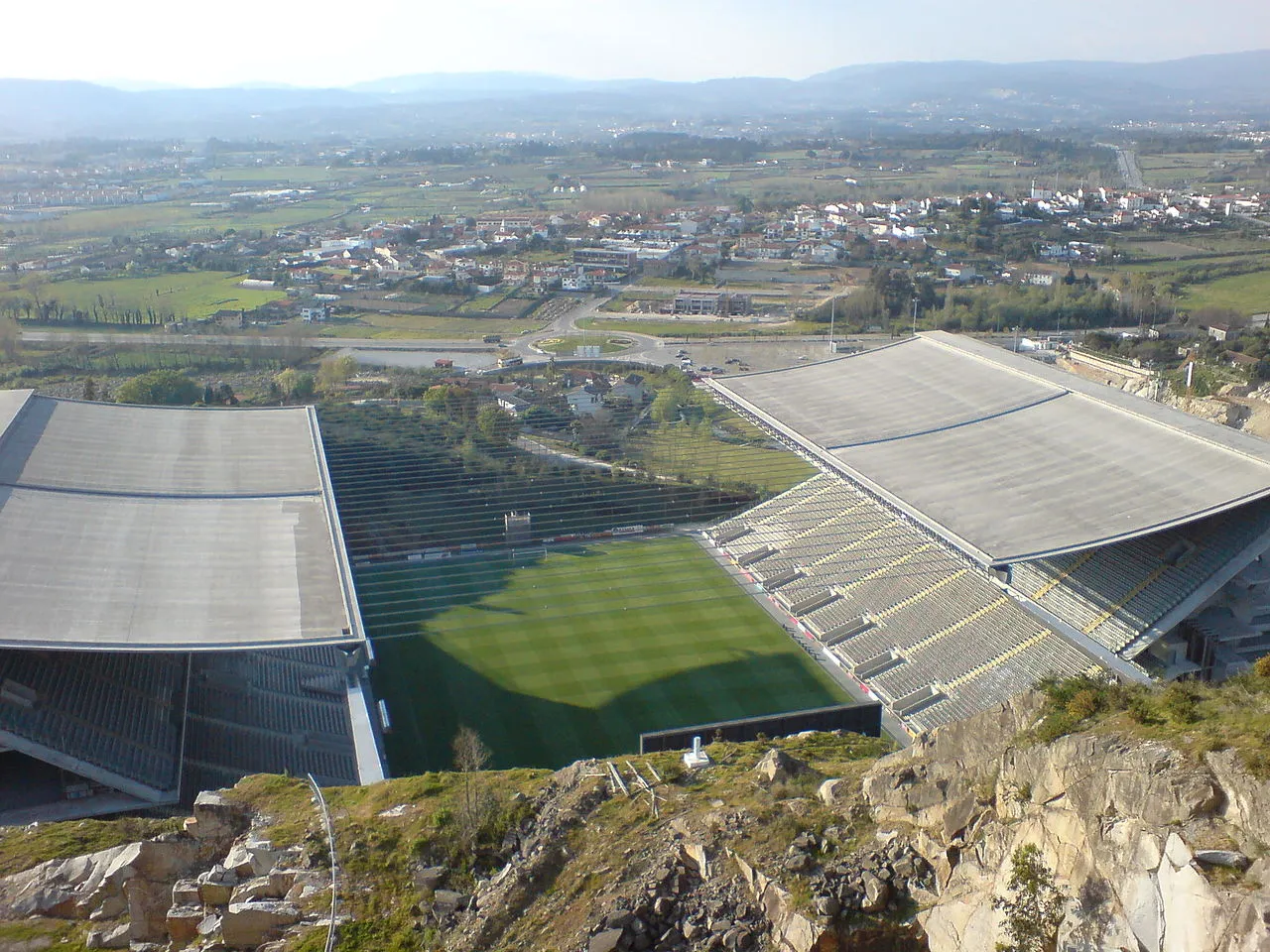
Capacity: ~30,000 for football matches. (Built into a quarry.)
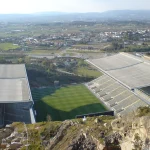
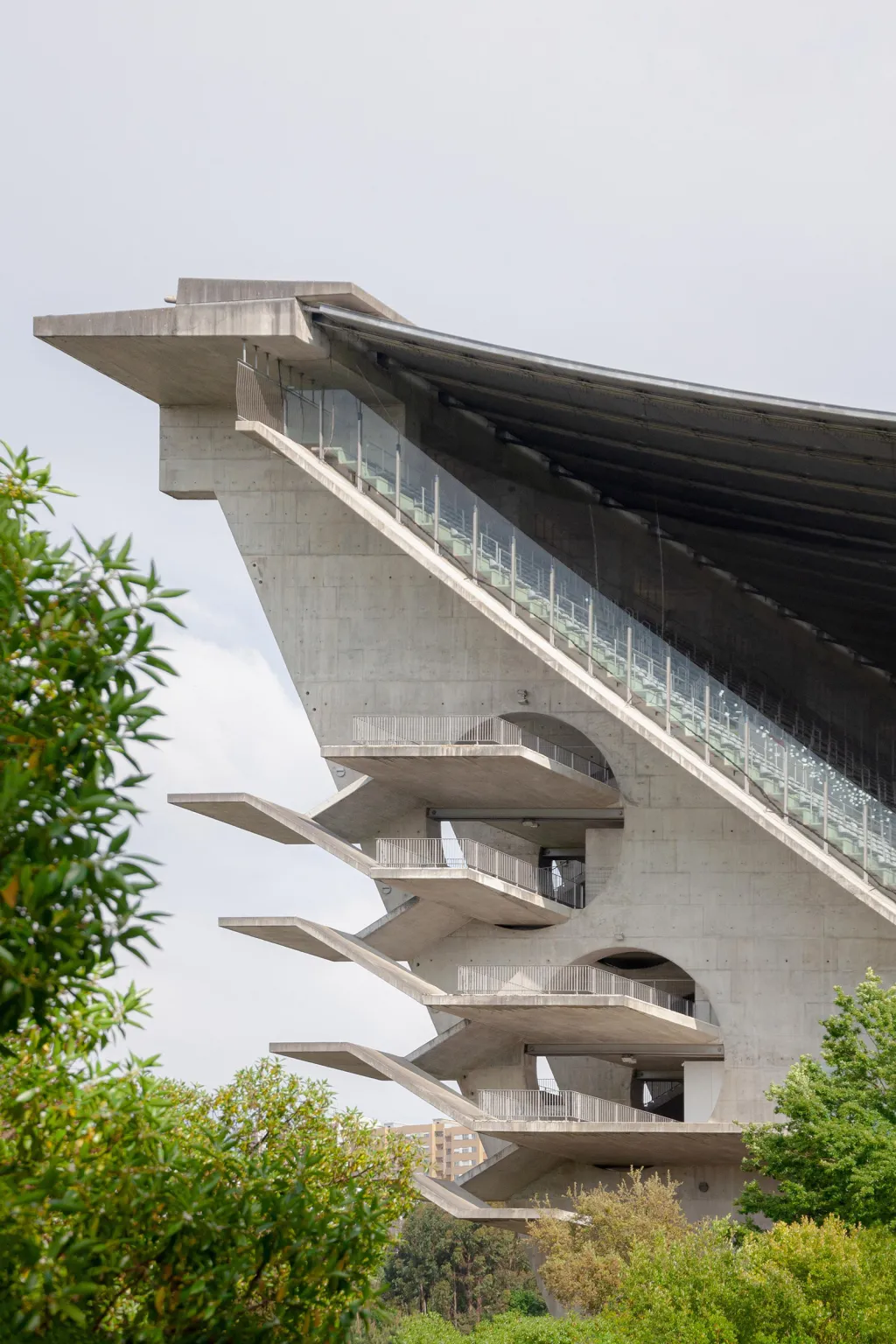
The stadium is carved into the side of a rock quarry, giving one stand a bare rock face. The venue is integrated directly into a former quarry, so one side is the rock wall, giving a dramatic, non-standard stadium experience. Designed by Eduardo Souto de Moura, it opened in 2003. It ranks among “weird & unique” because of its integration with the landscape rather than purely architectural novelty.


.webp)