




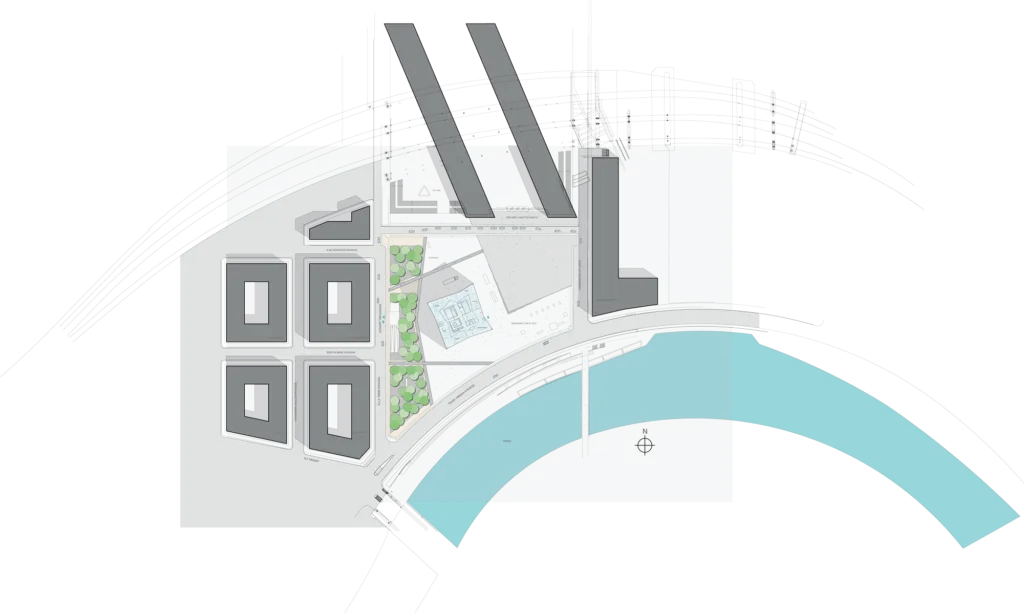


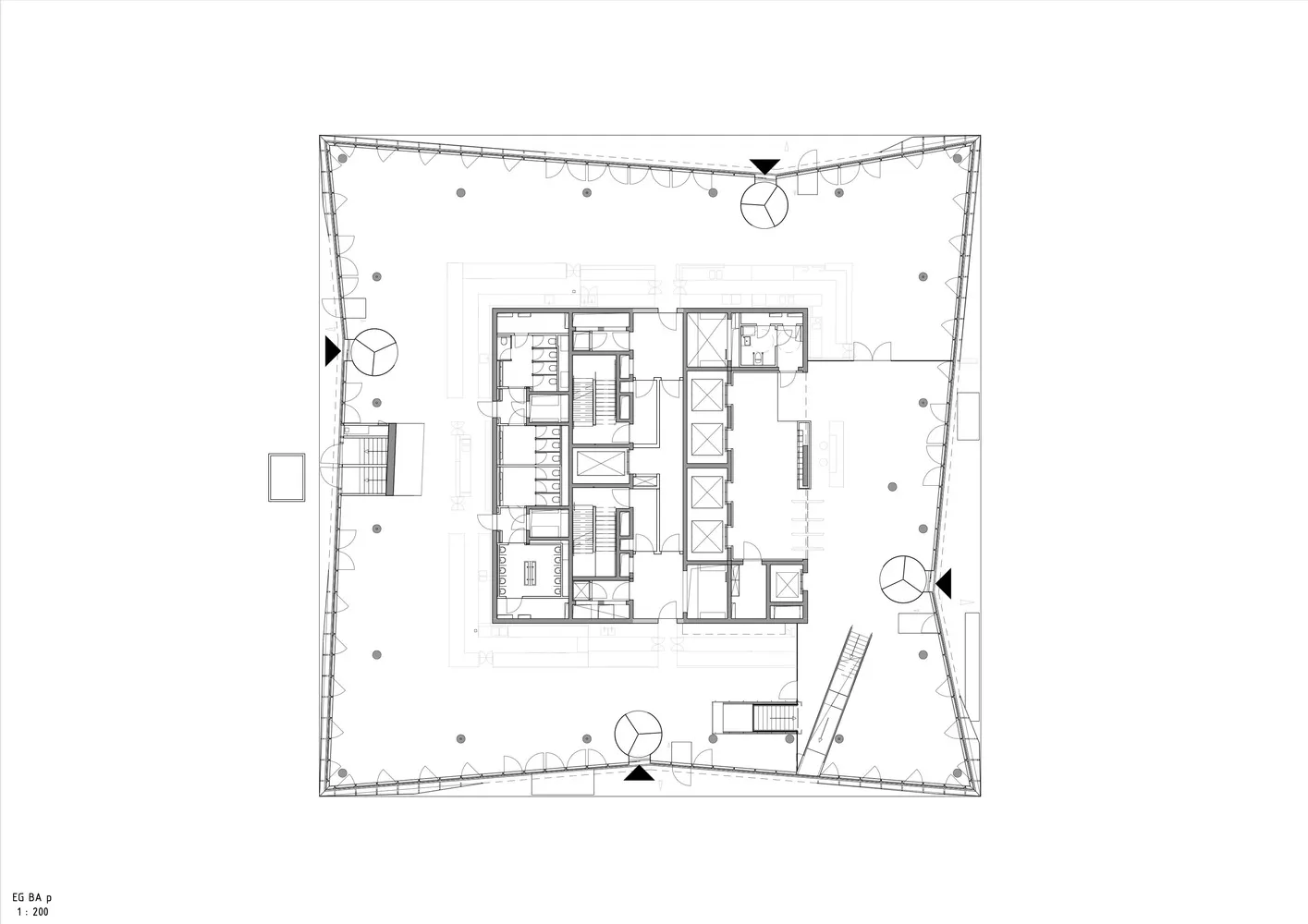
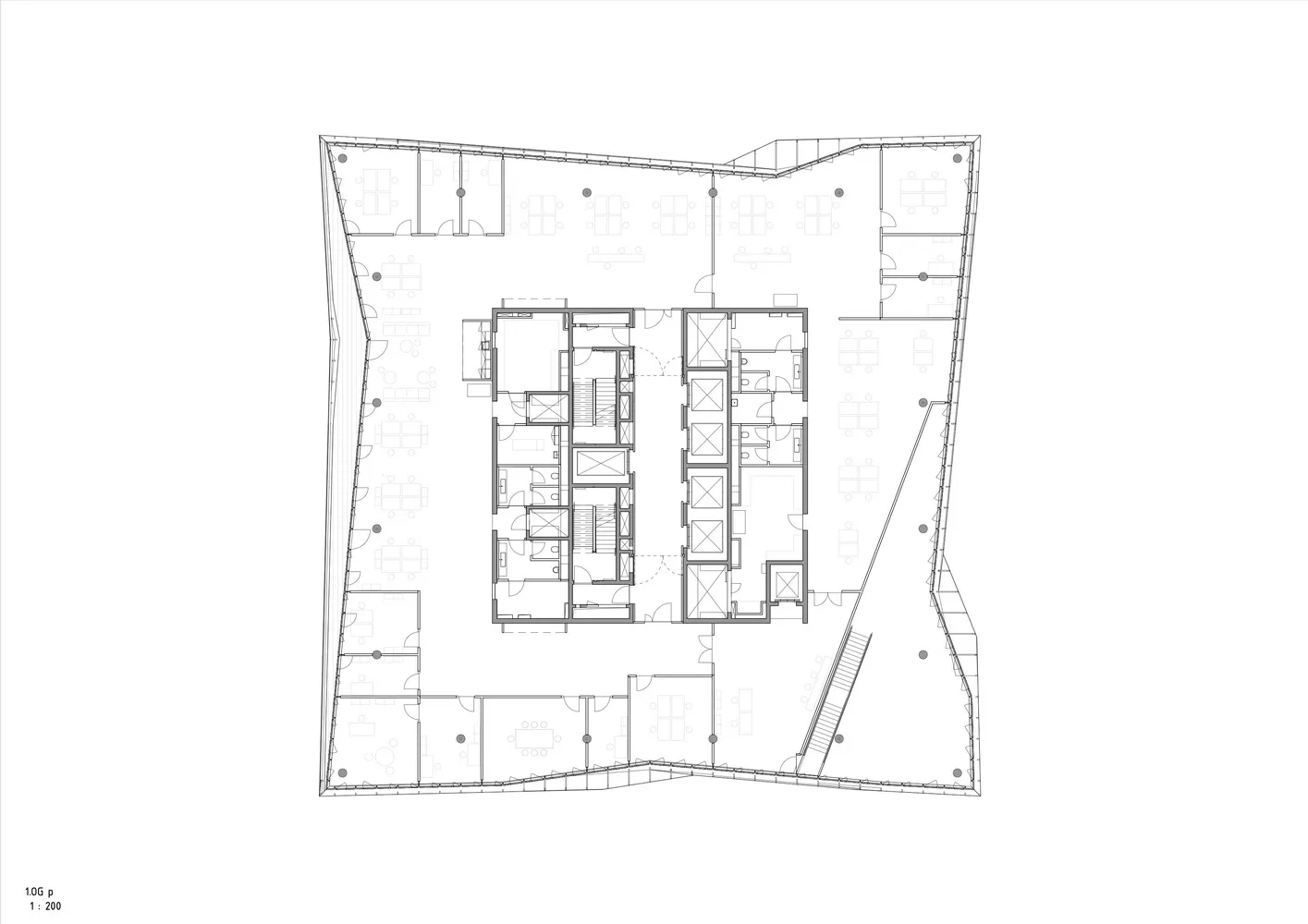
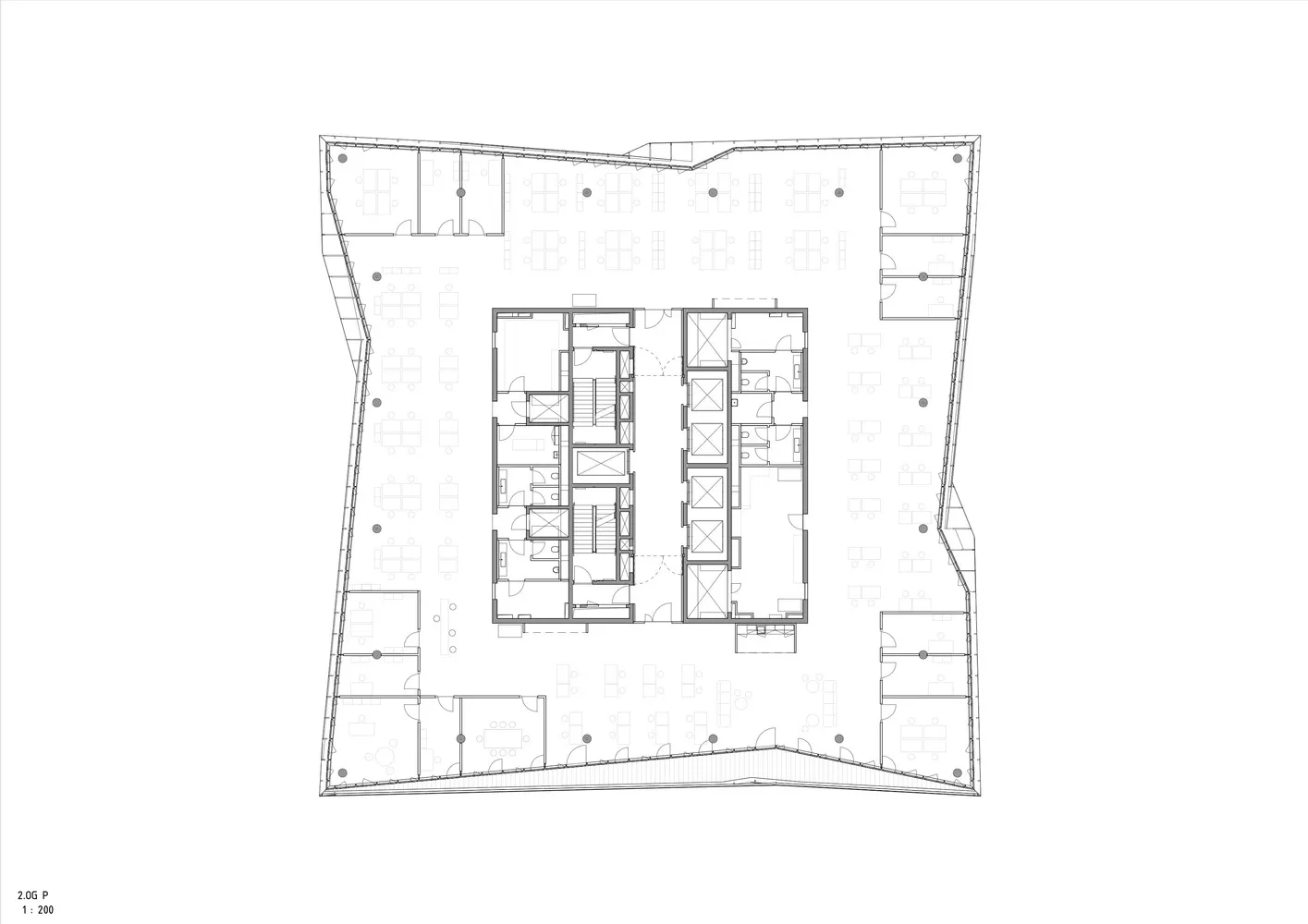
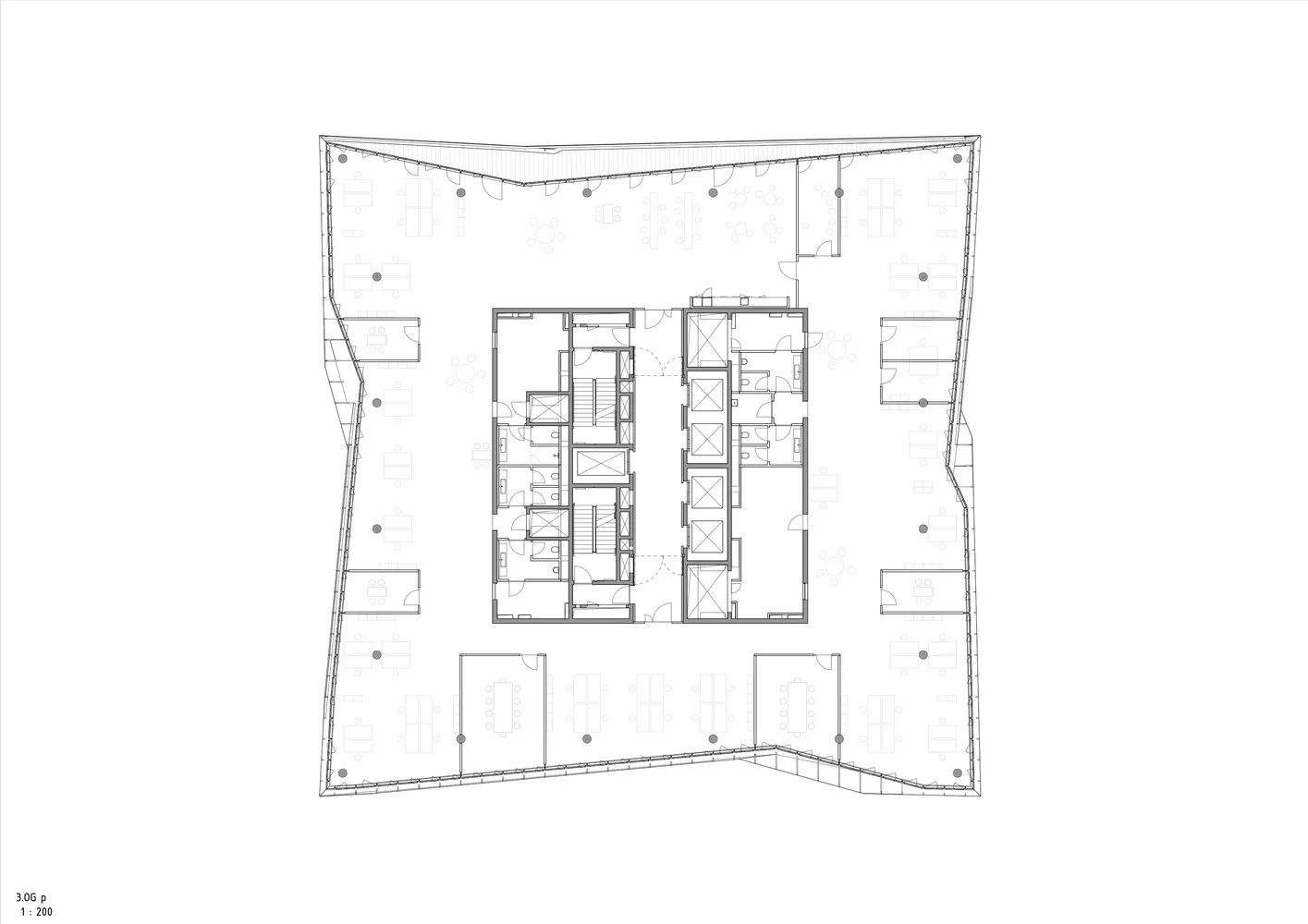
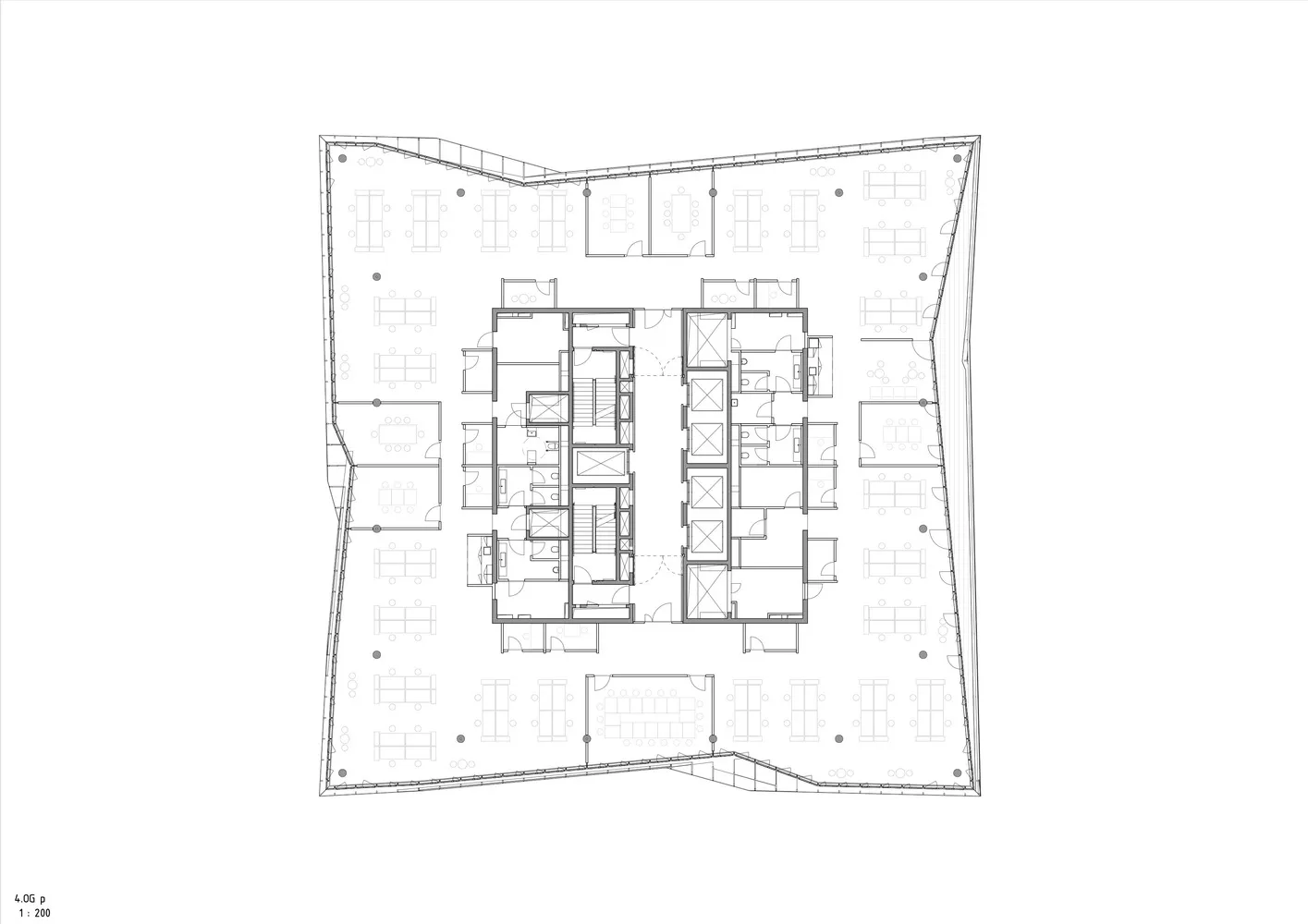
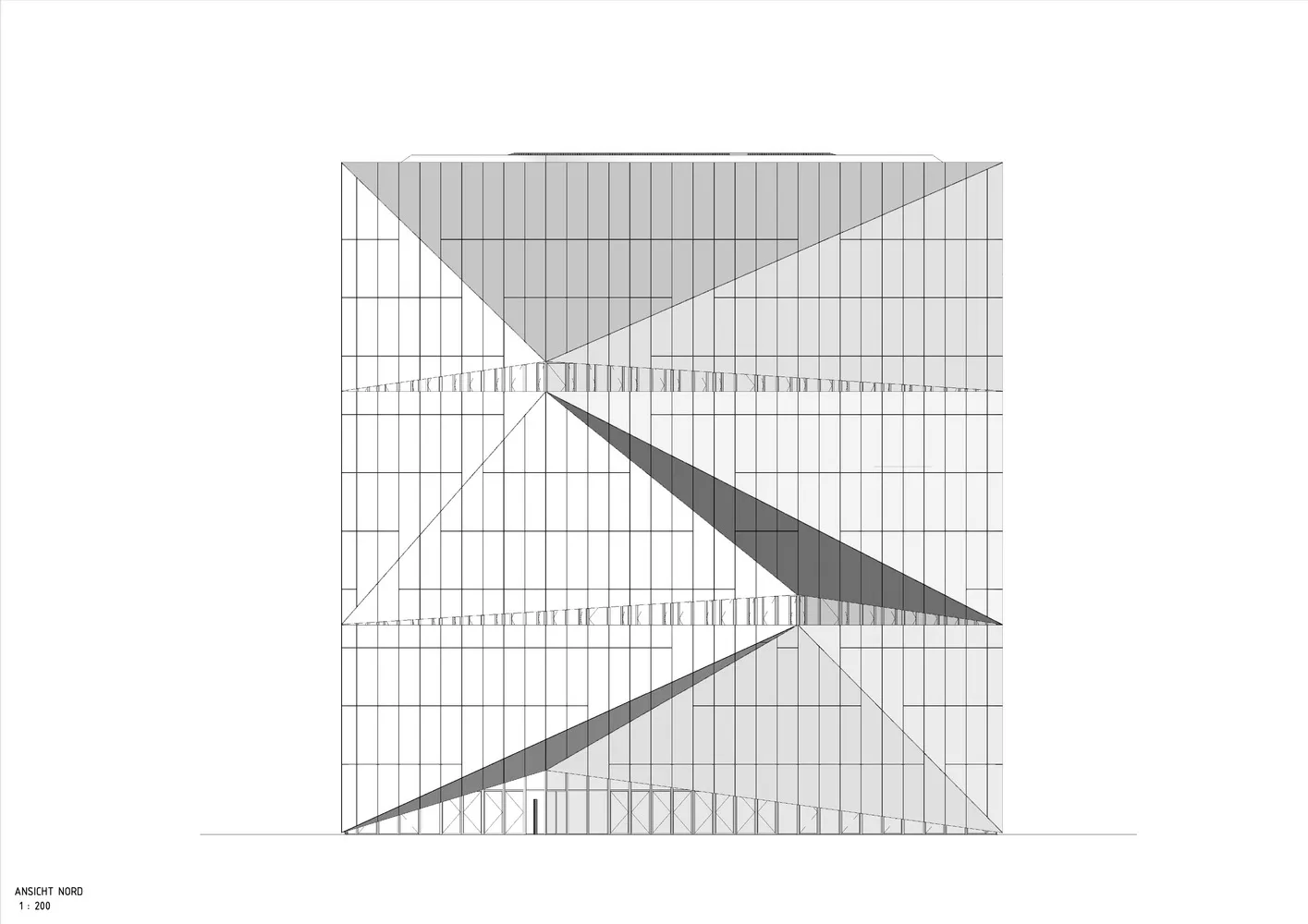
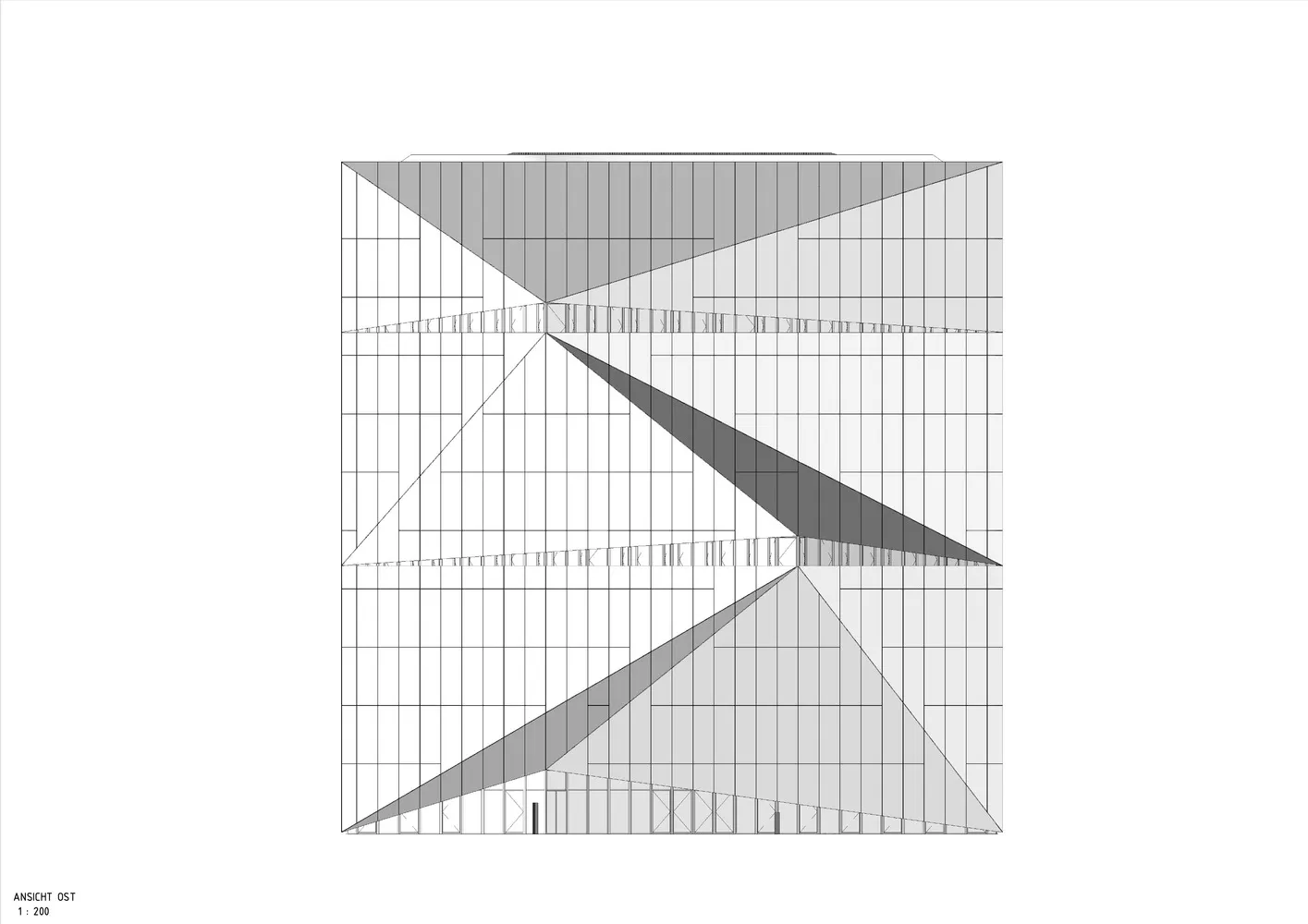
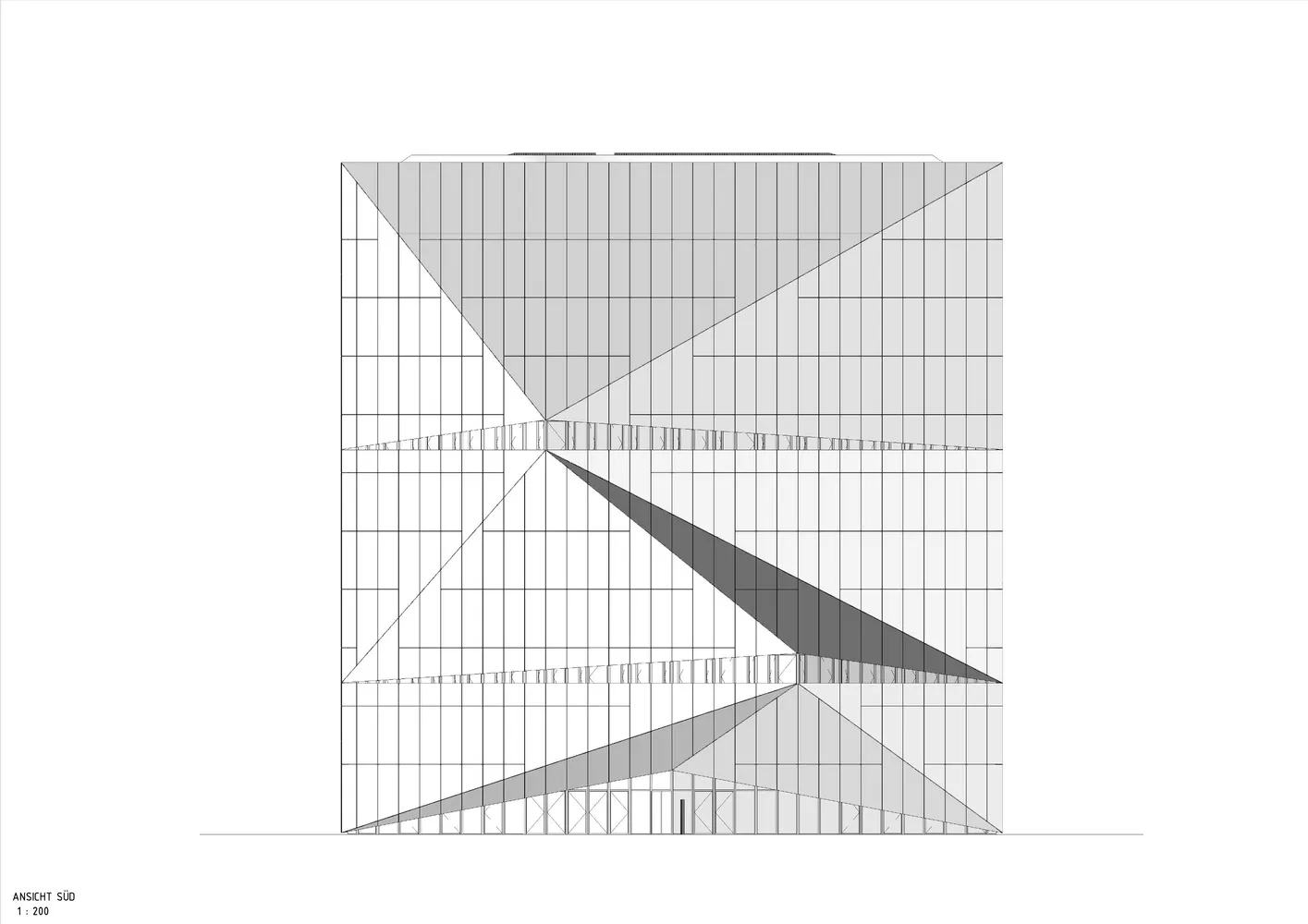
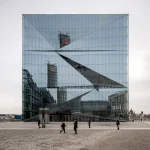
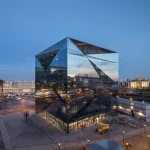
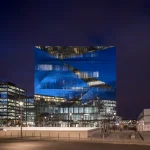
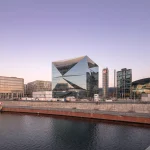
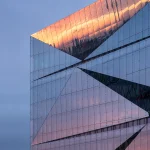
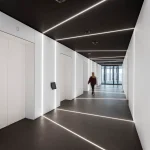
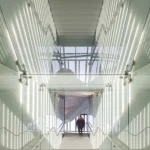
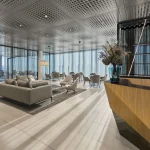
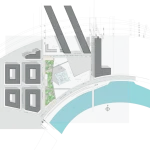
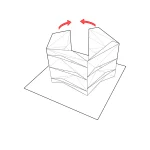
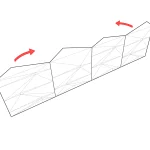
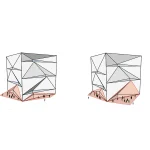
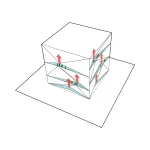
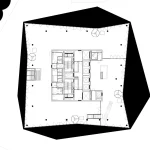
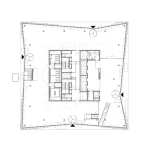
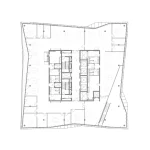
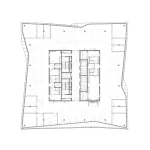
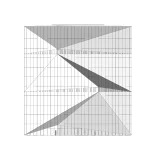
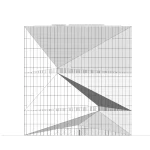
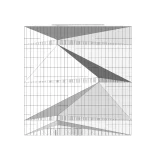
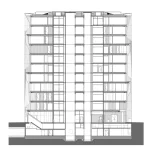
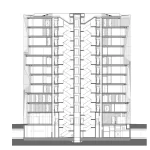
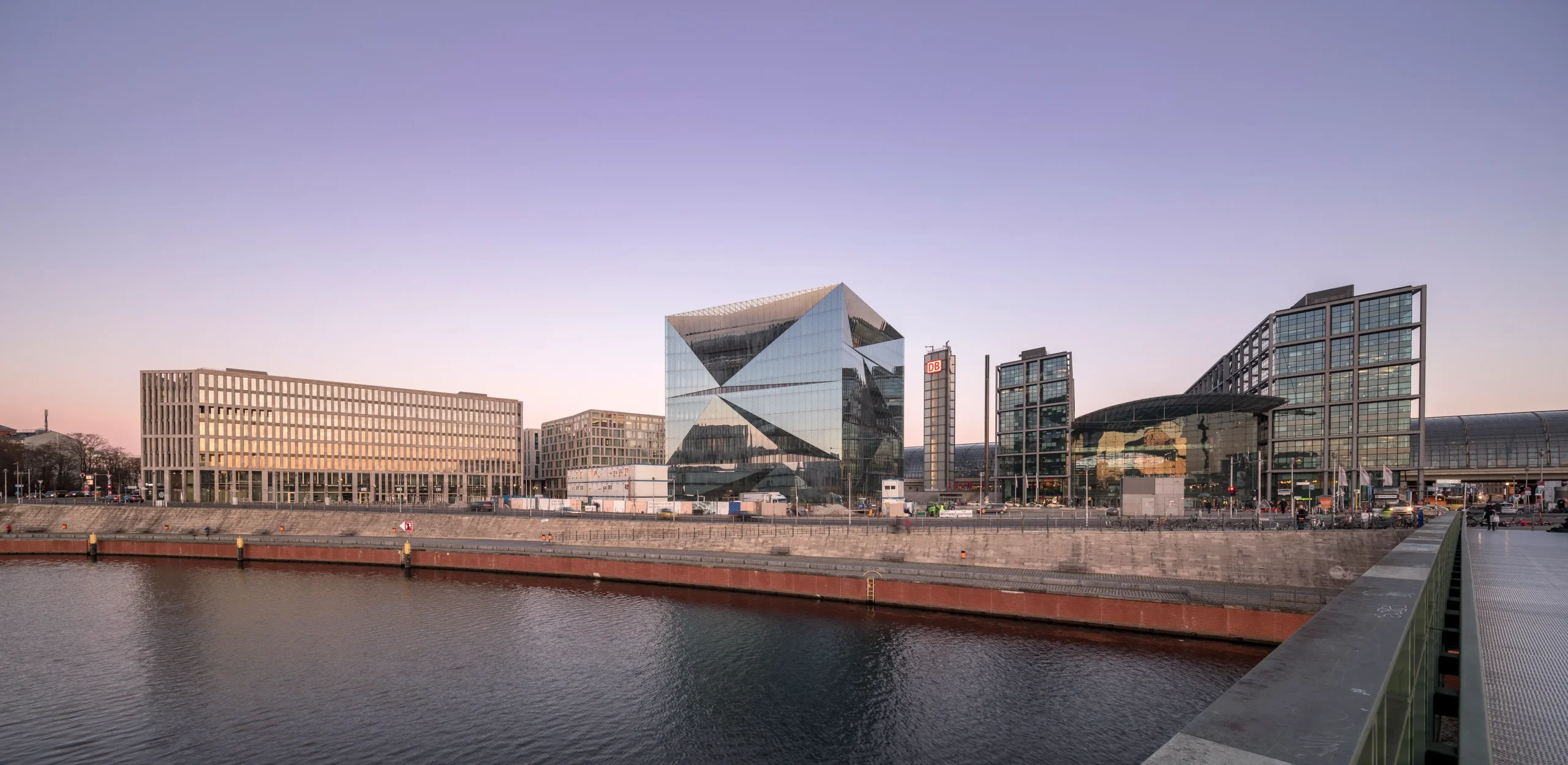
The setting was the public square, Washington Platz, a historically significant site located very close to Berlin’s central train station and a crucial part of the Europacity urban development. The client was CA Immo, an organisation known for developing and managing office properties in European cities, and wanted a building that they could lease to office tenants in Washington Platz. The brief was to design a structure that was open on all sides to exposure and to create an icon that engaged the public and complemented the new Railway Station.
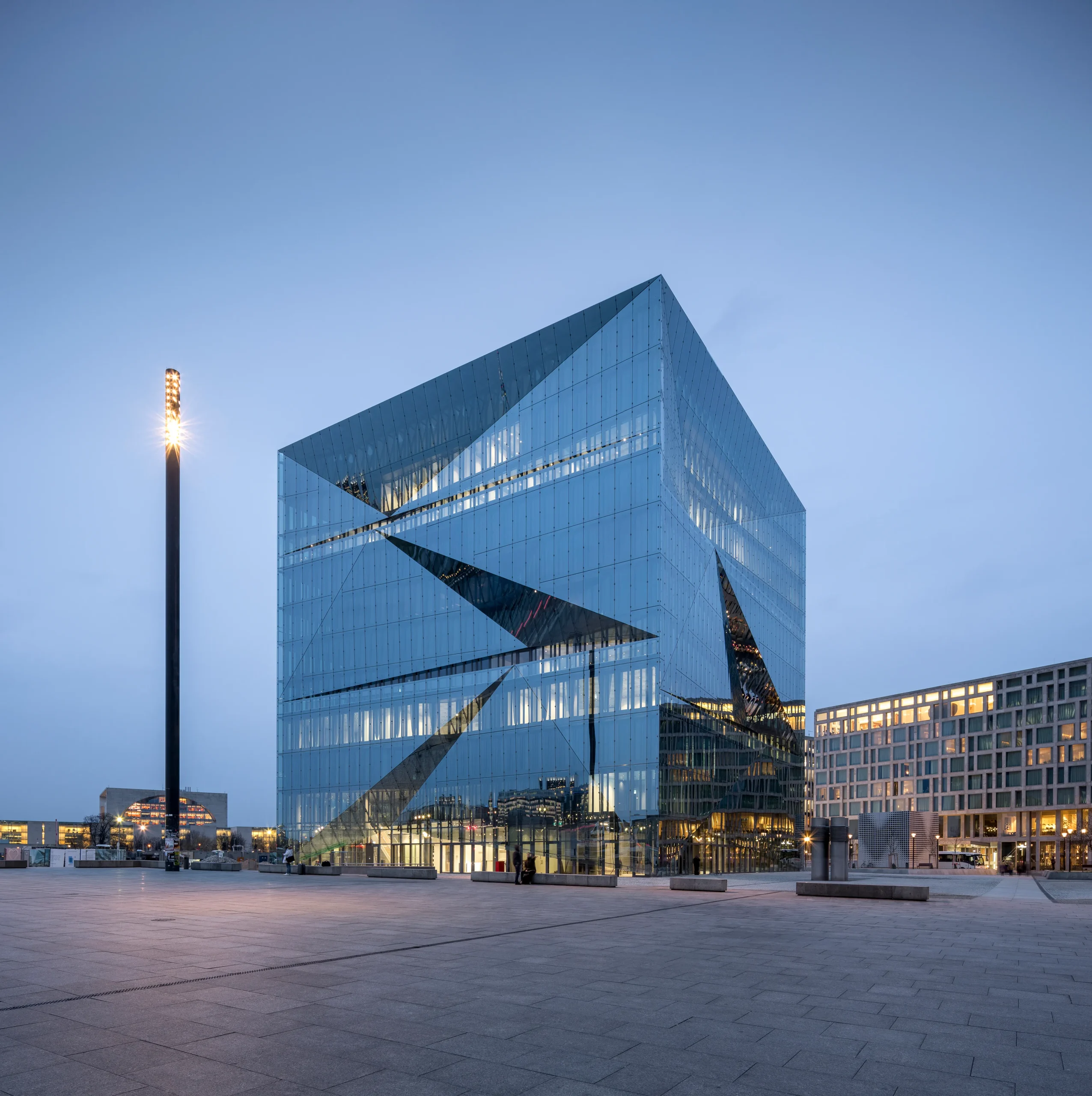
A structure that met the needs and demands of 21st-century office culture, characterised by flexibility and digitization, without compromising on the quality and sustainability of the built form. The result was the Cube, designed by the Danish architectural firm 3XN and opened in 2020, a sculptural form that redefined the public space of the square.
Design Concept and development
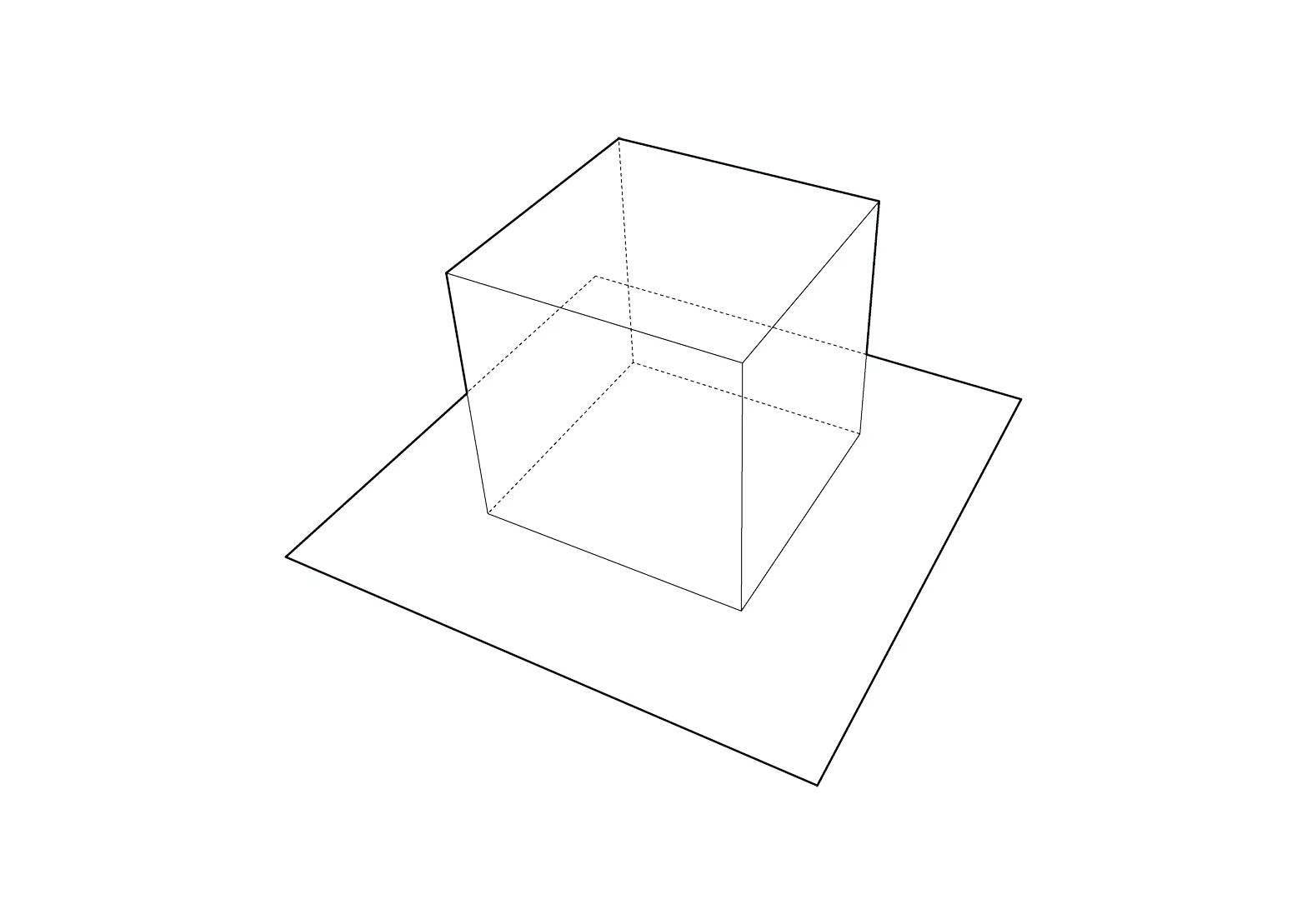
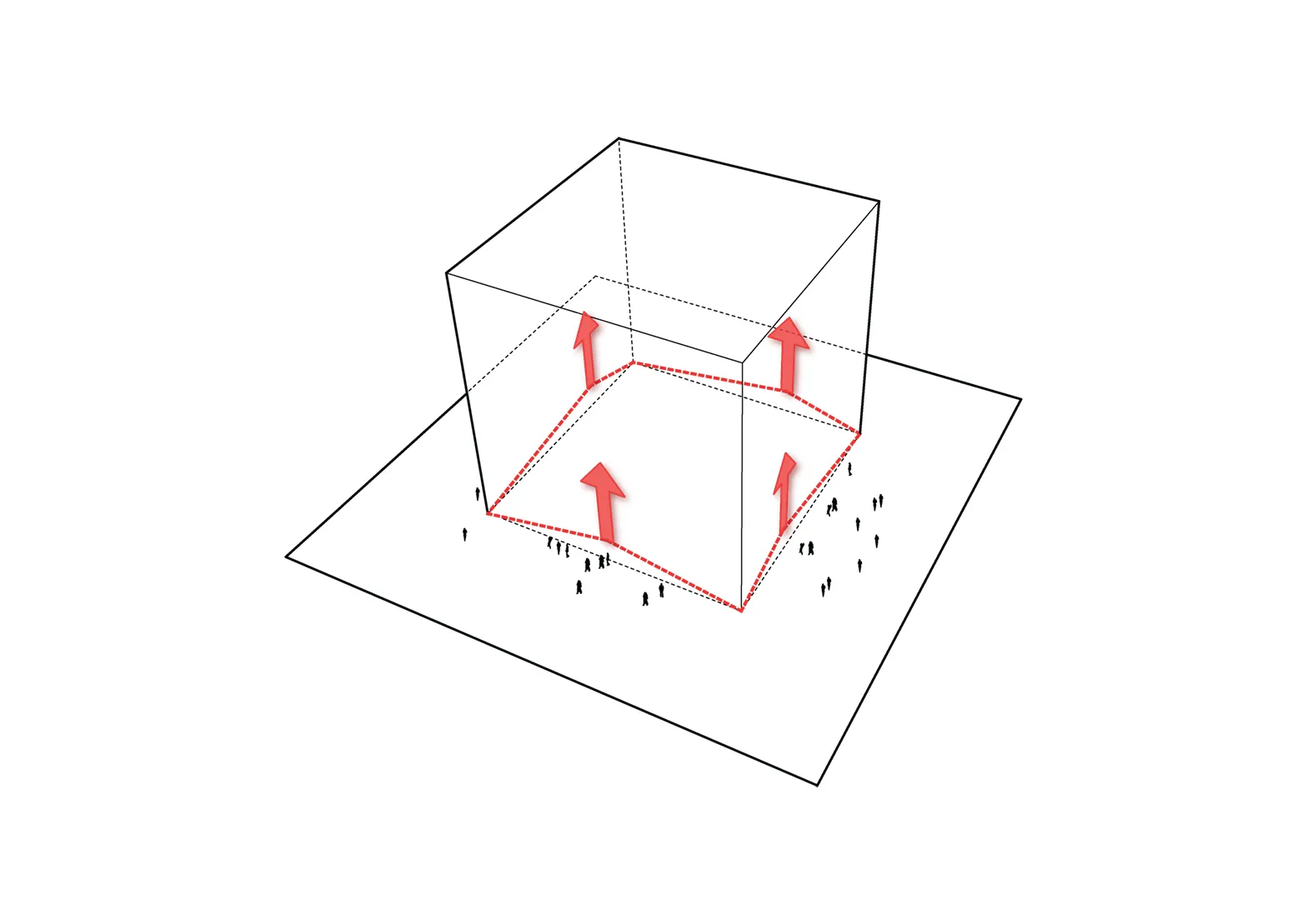
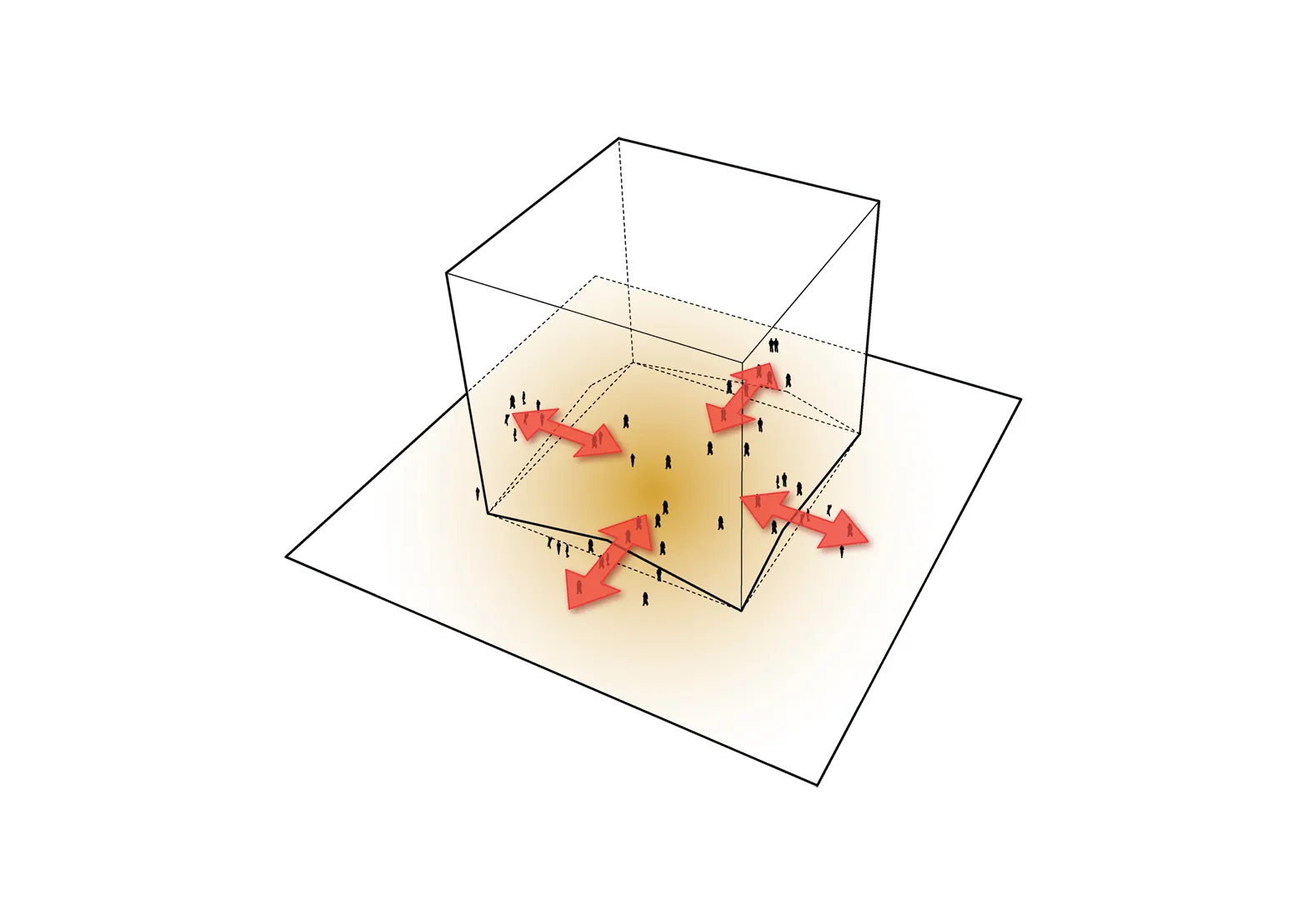
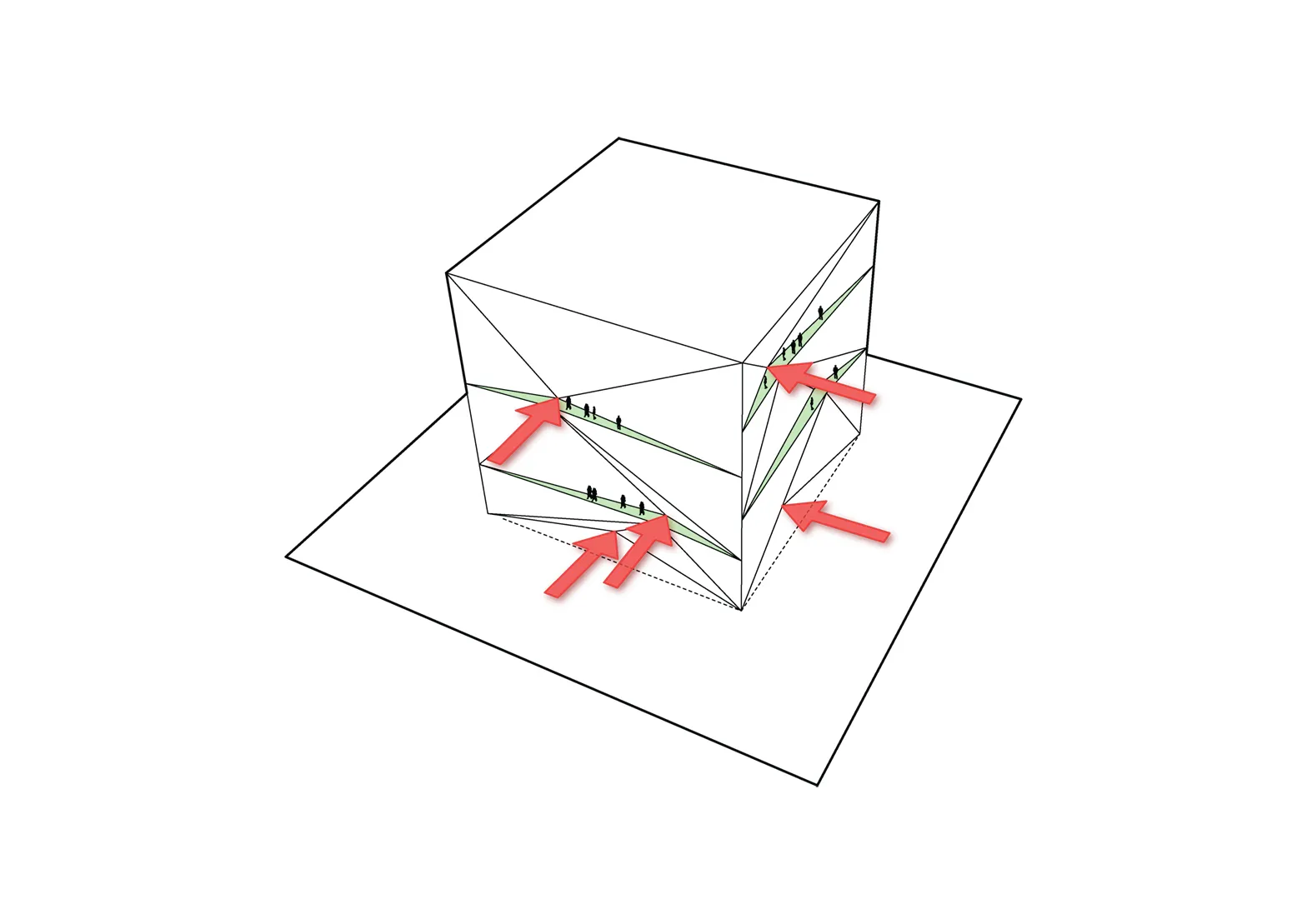
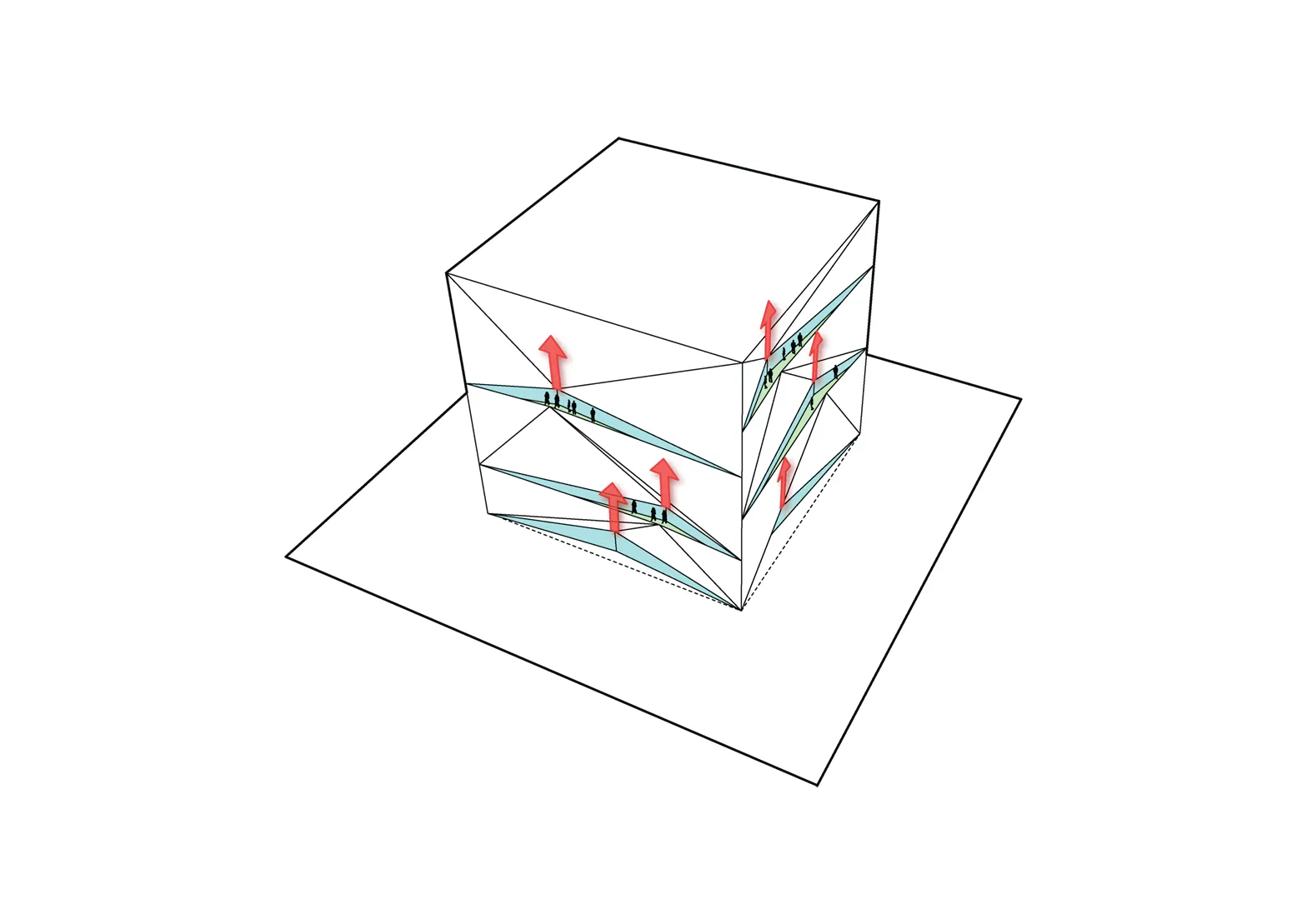
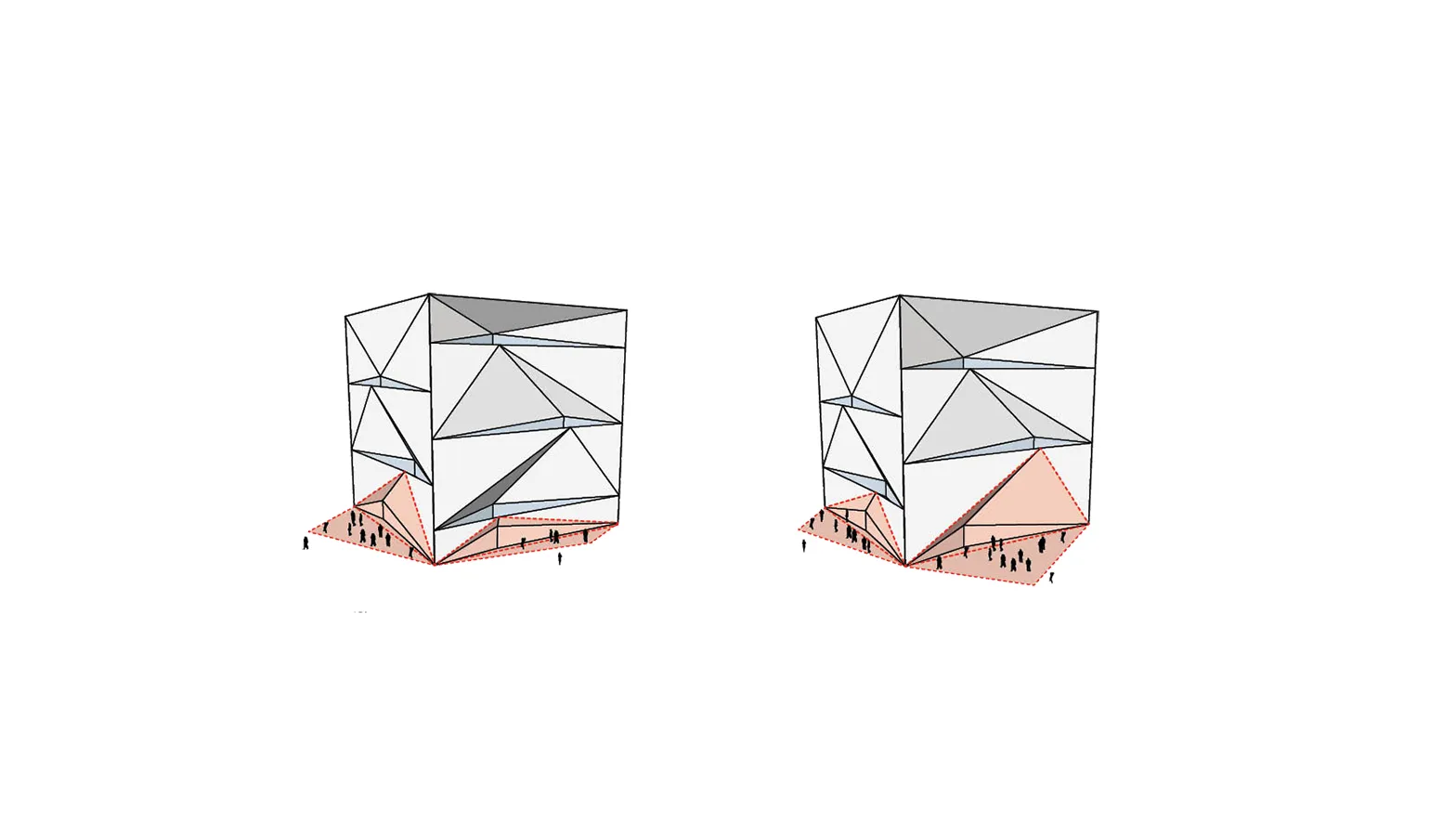
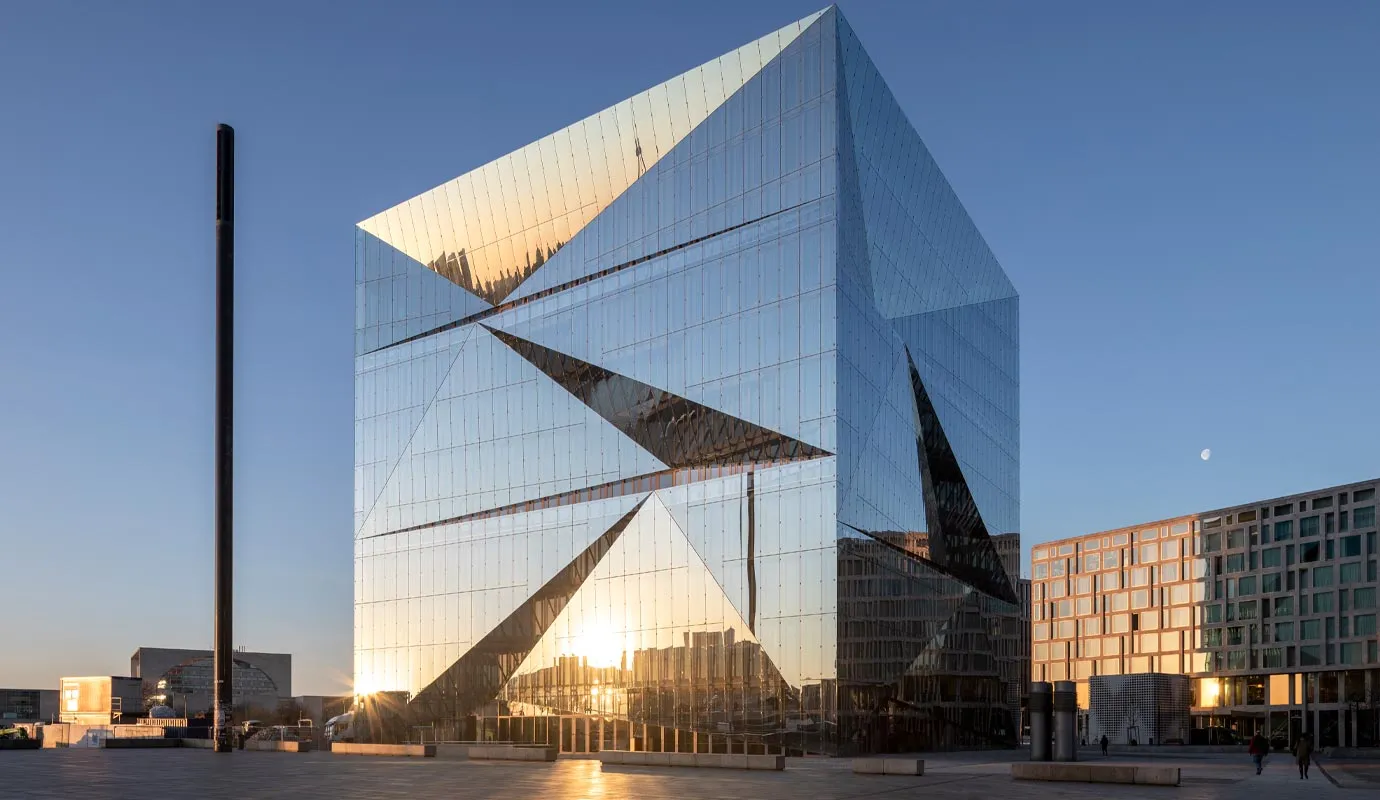
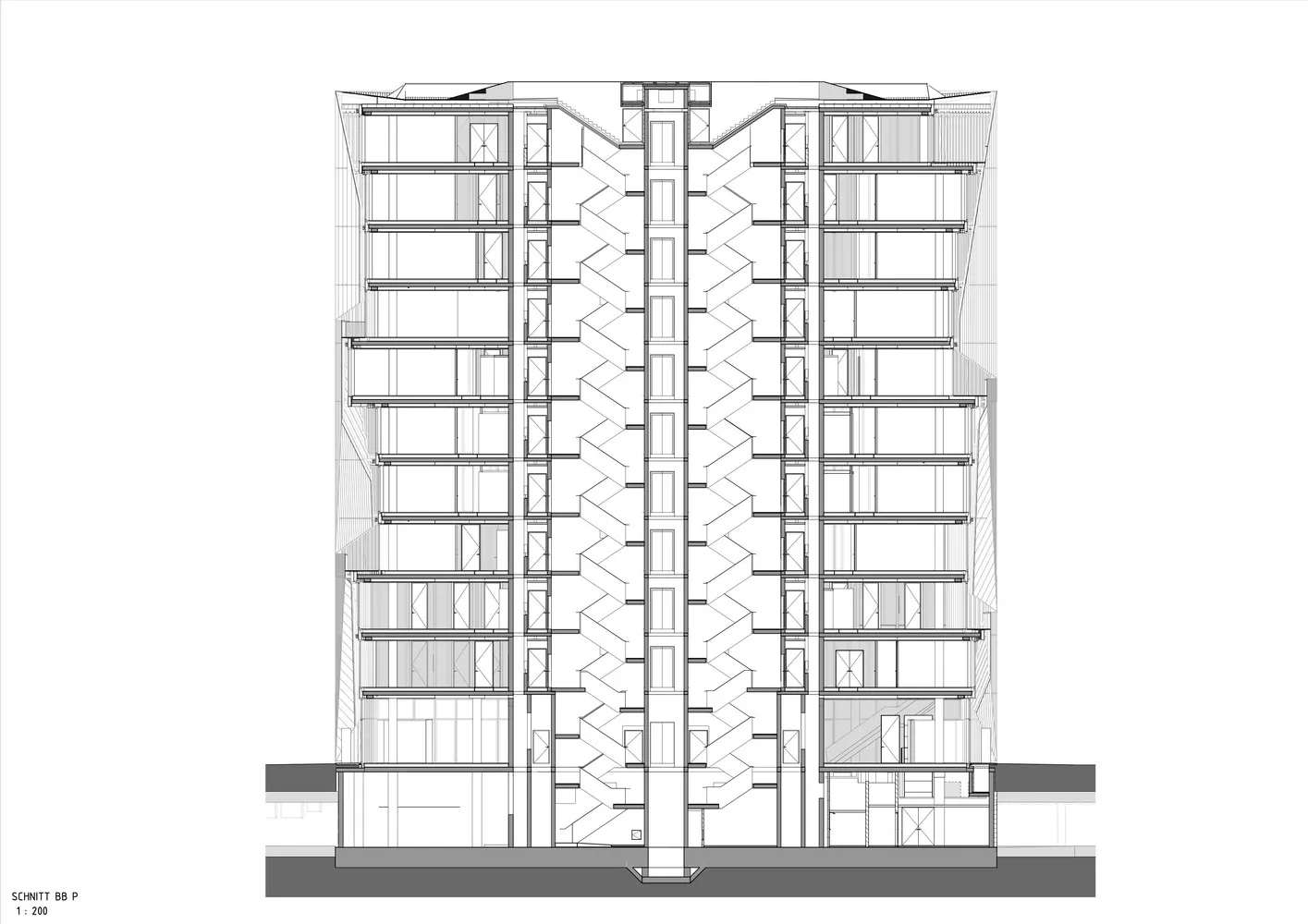
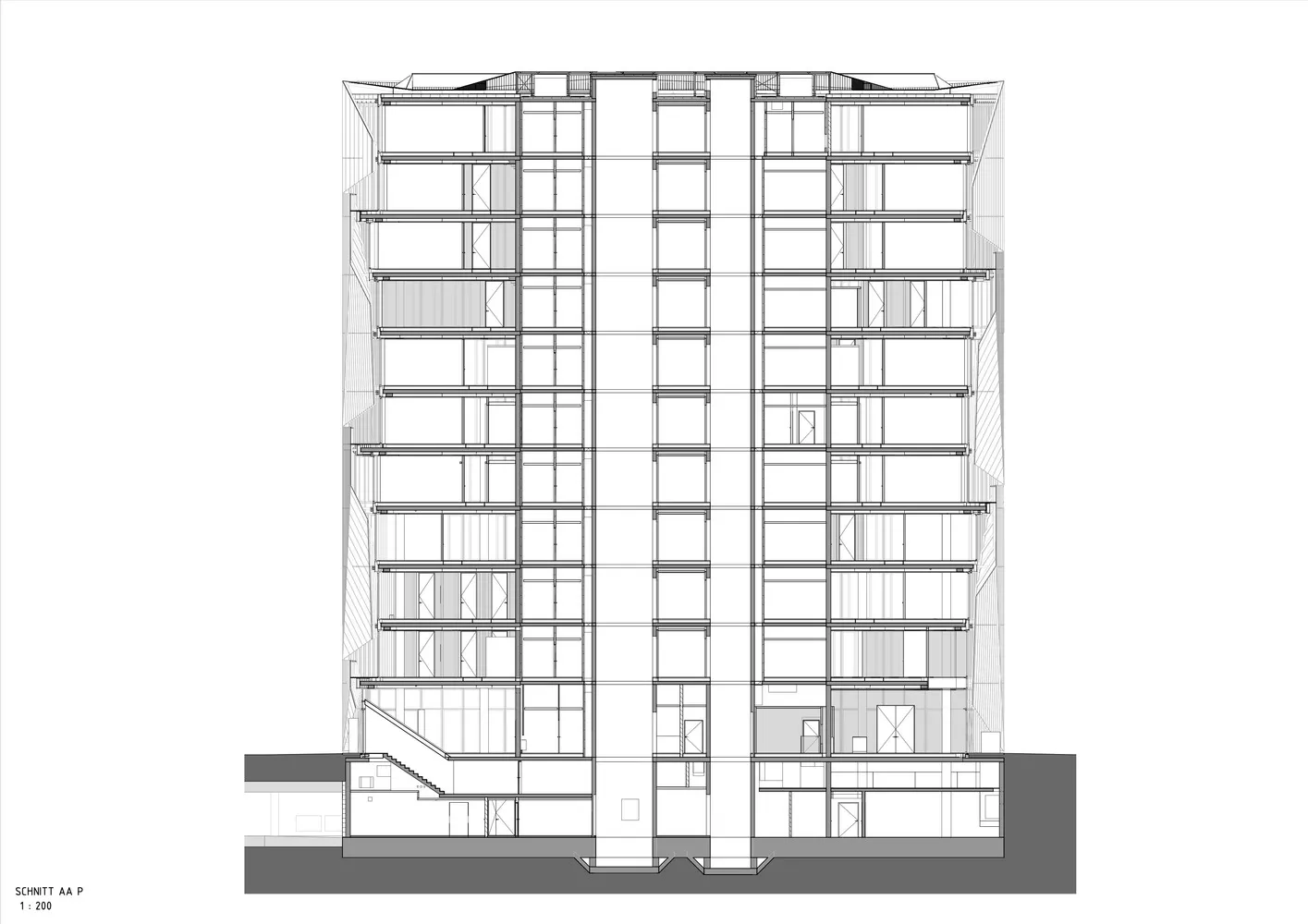
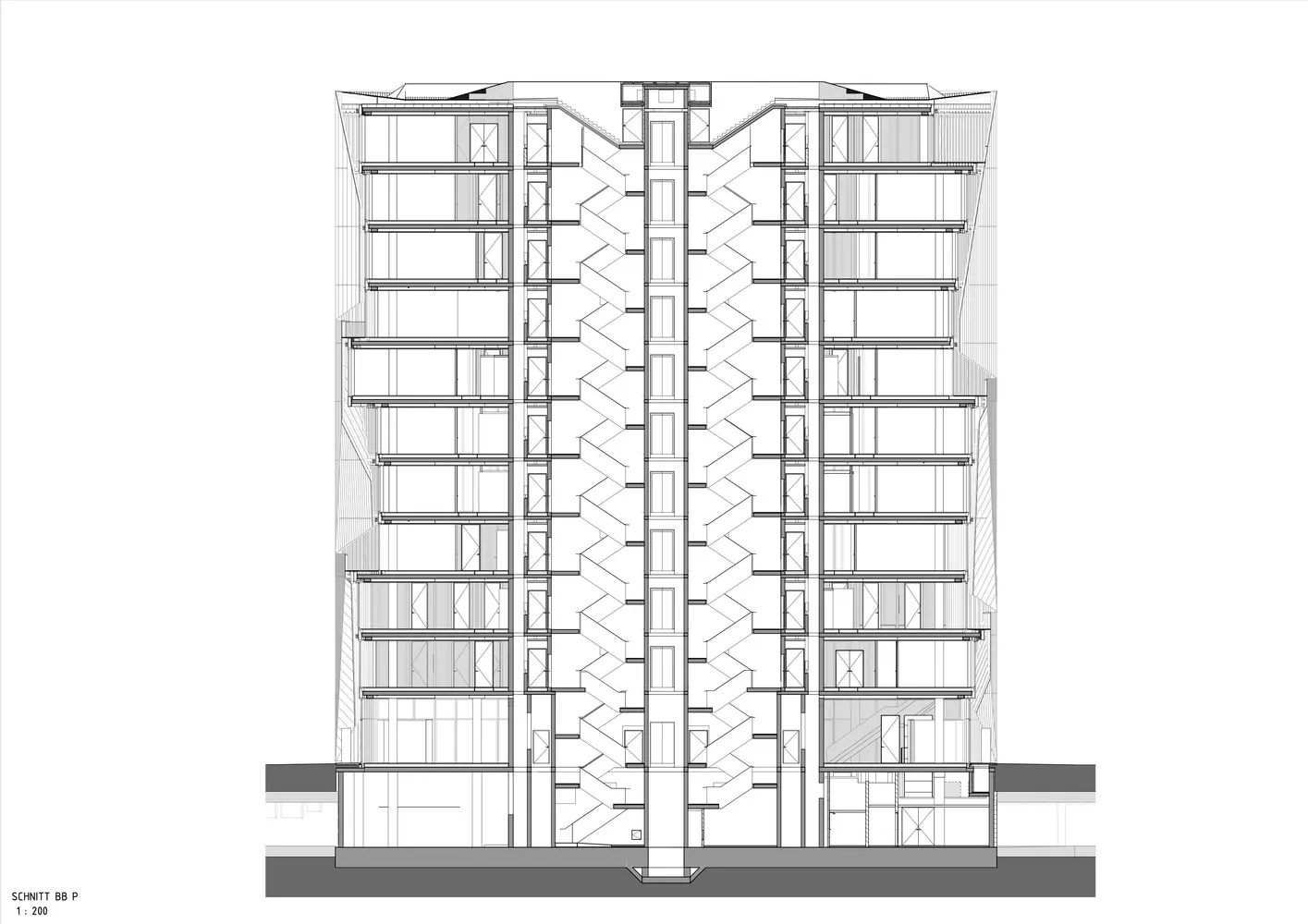
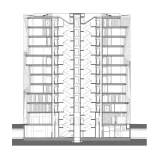
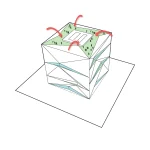
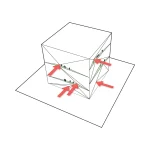
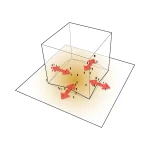
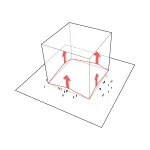
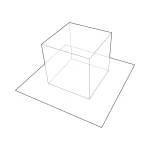
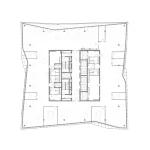
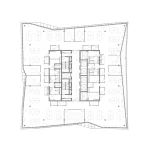
The form of the structure was derived from a cube measuring 42.7 m, which gave it 11 stories, including the rooftop terrace. The cube was then reinterpreted to understand how the form can interact with its surroundings and how the built form enables people to interact with the exterior environment.
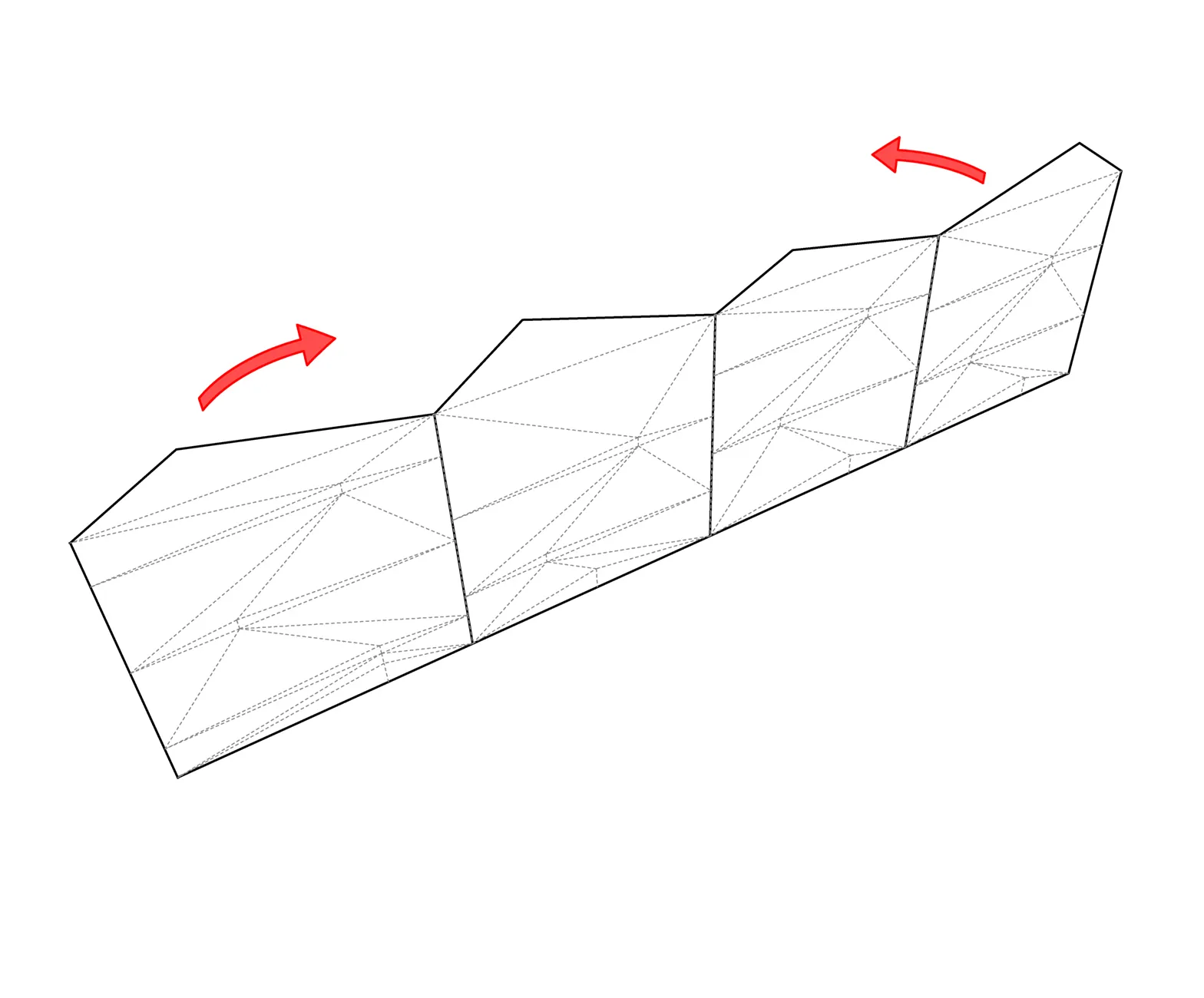
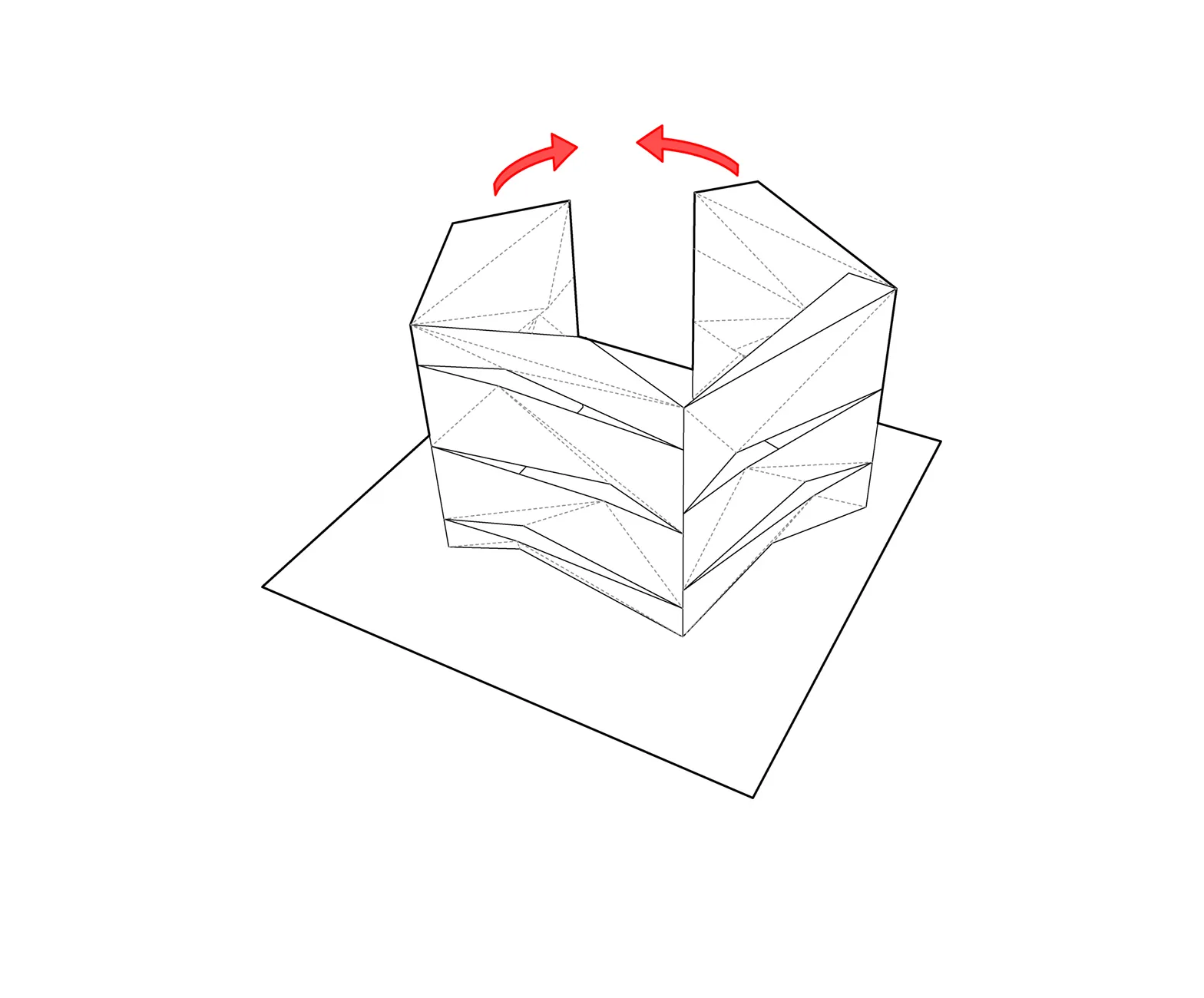
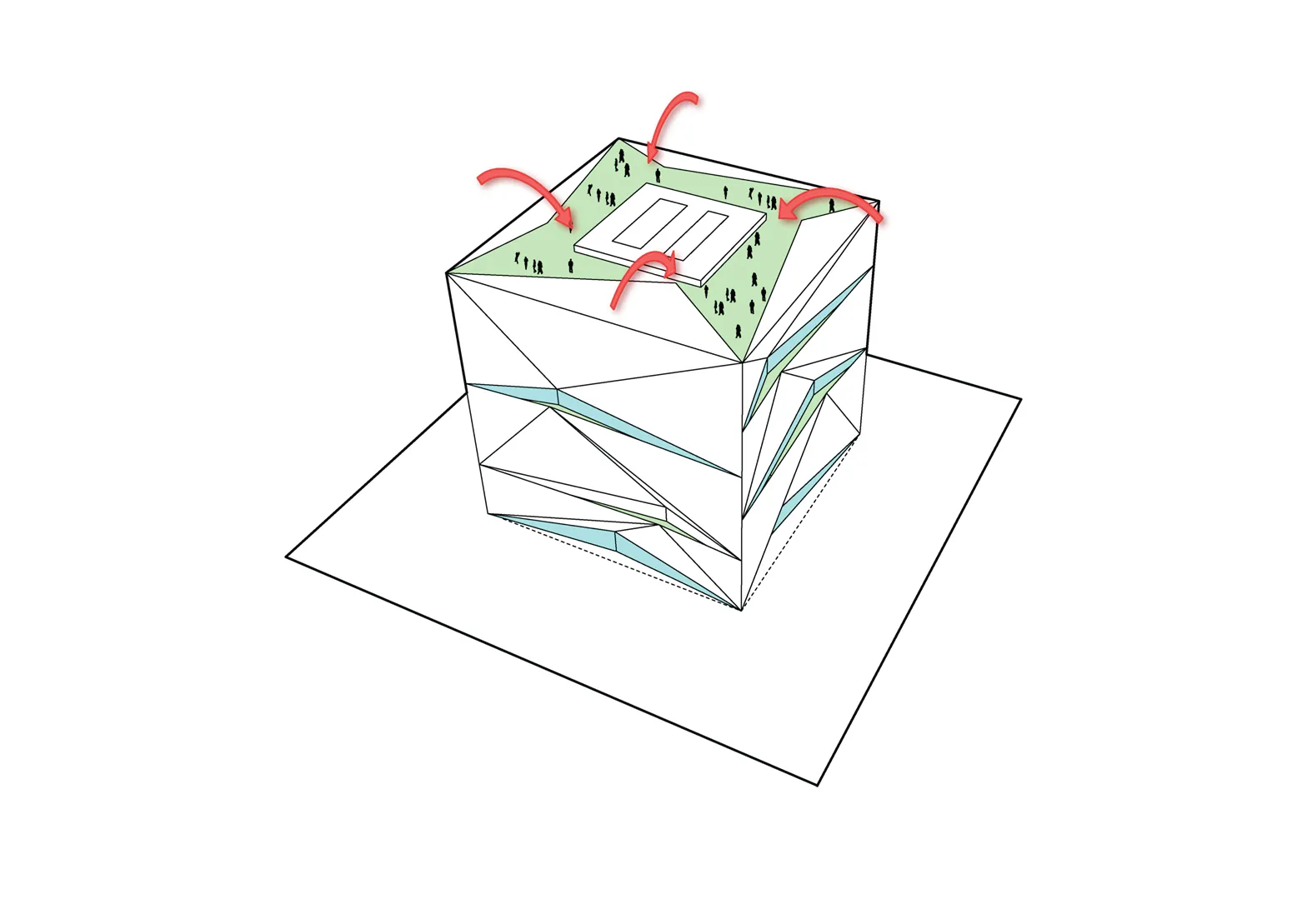
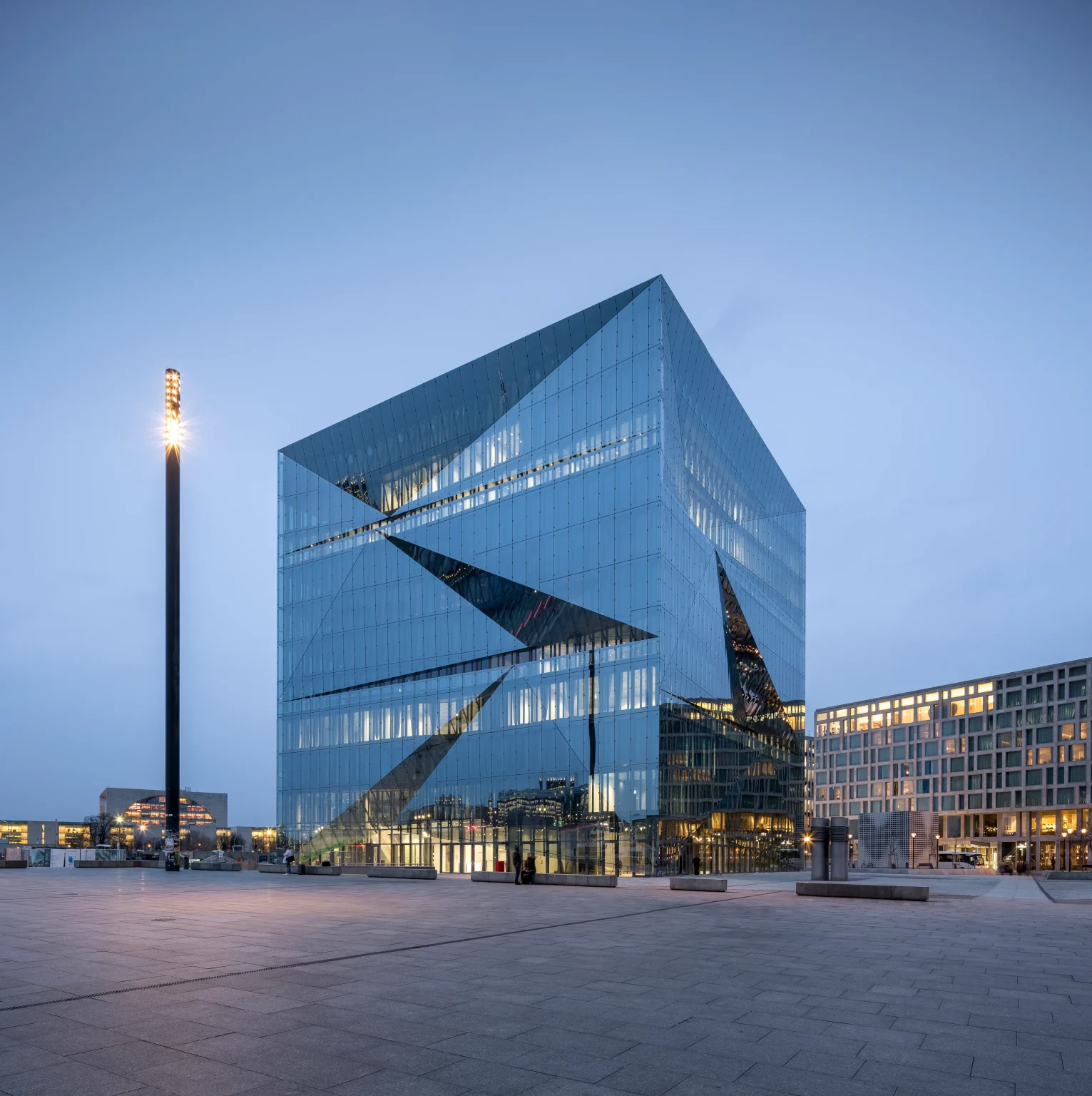
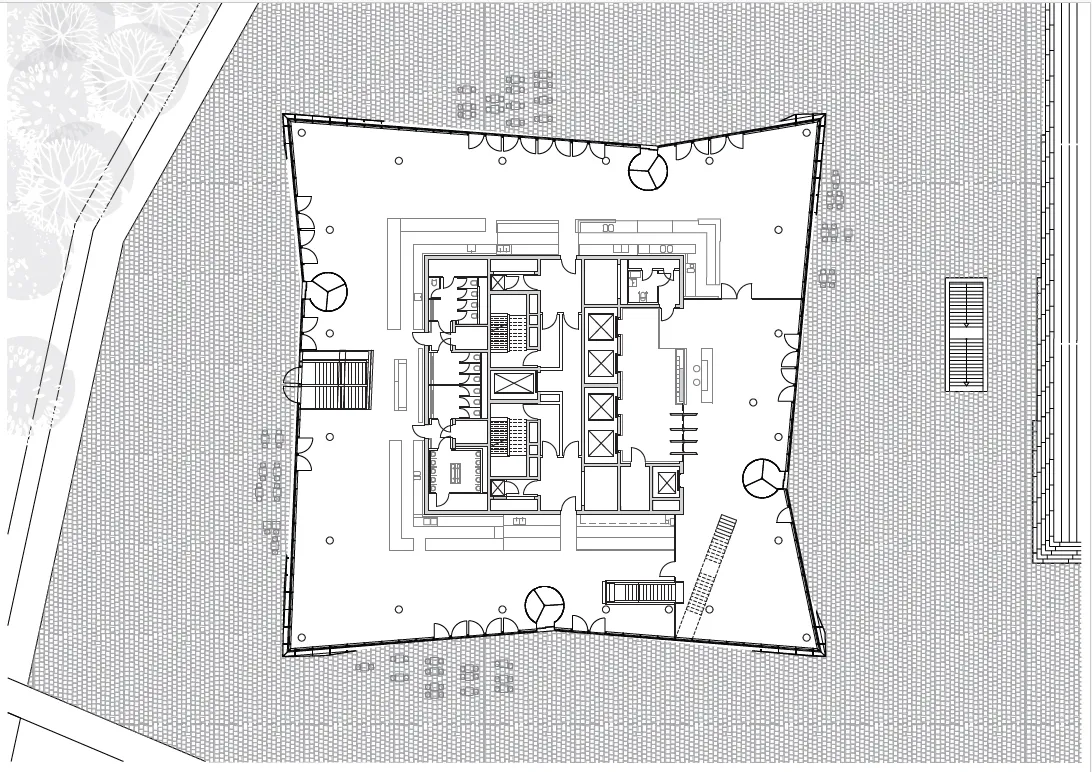
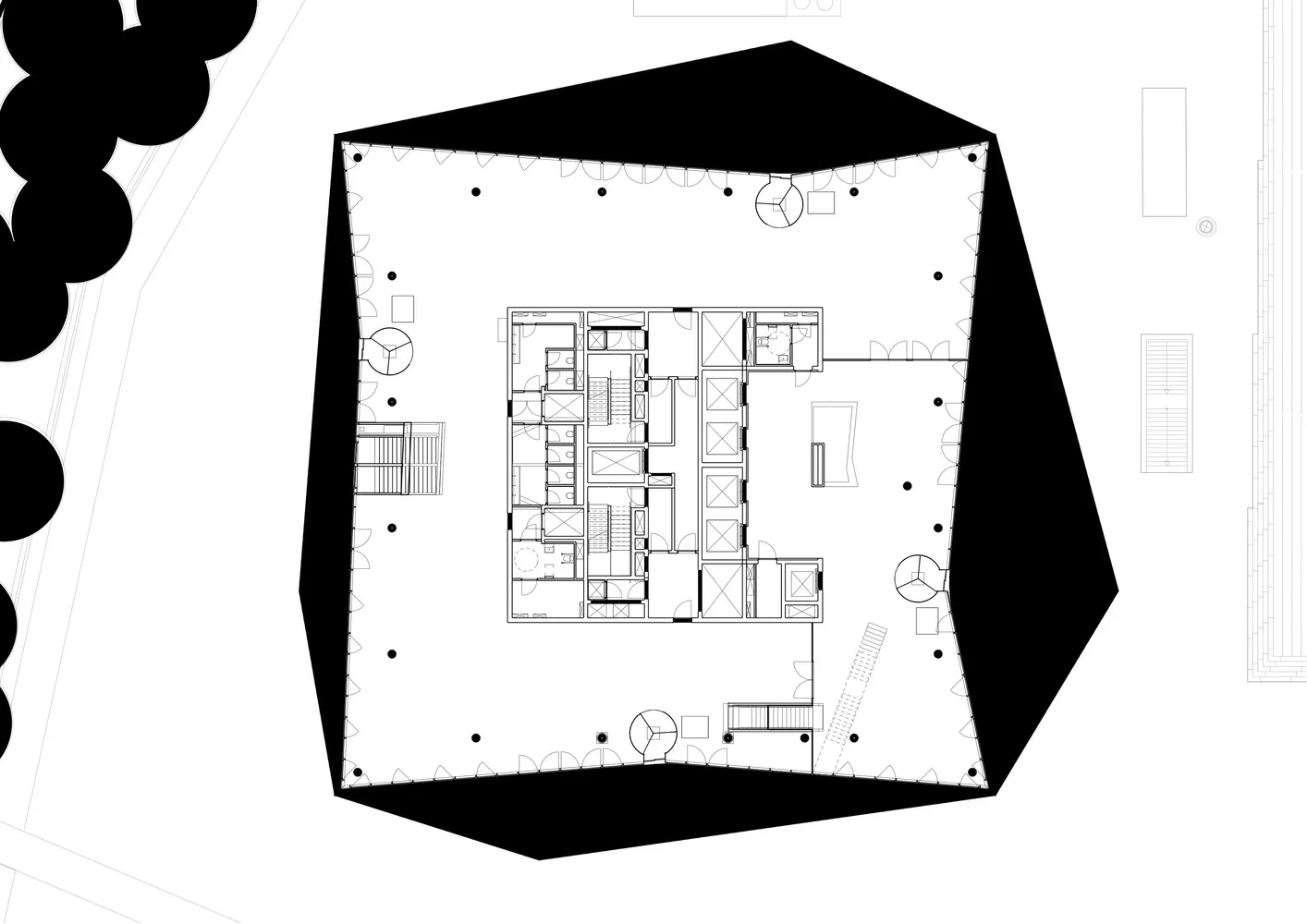
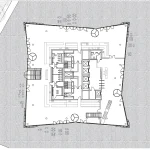
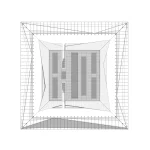
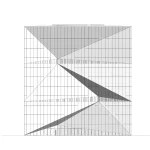
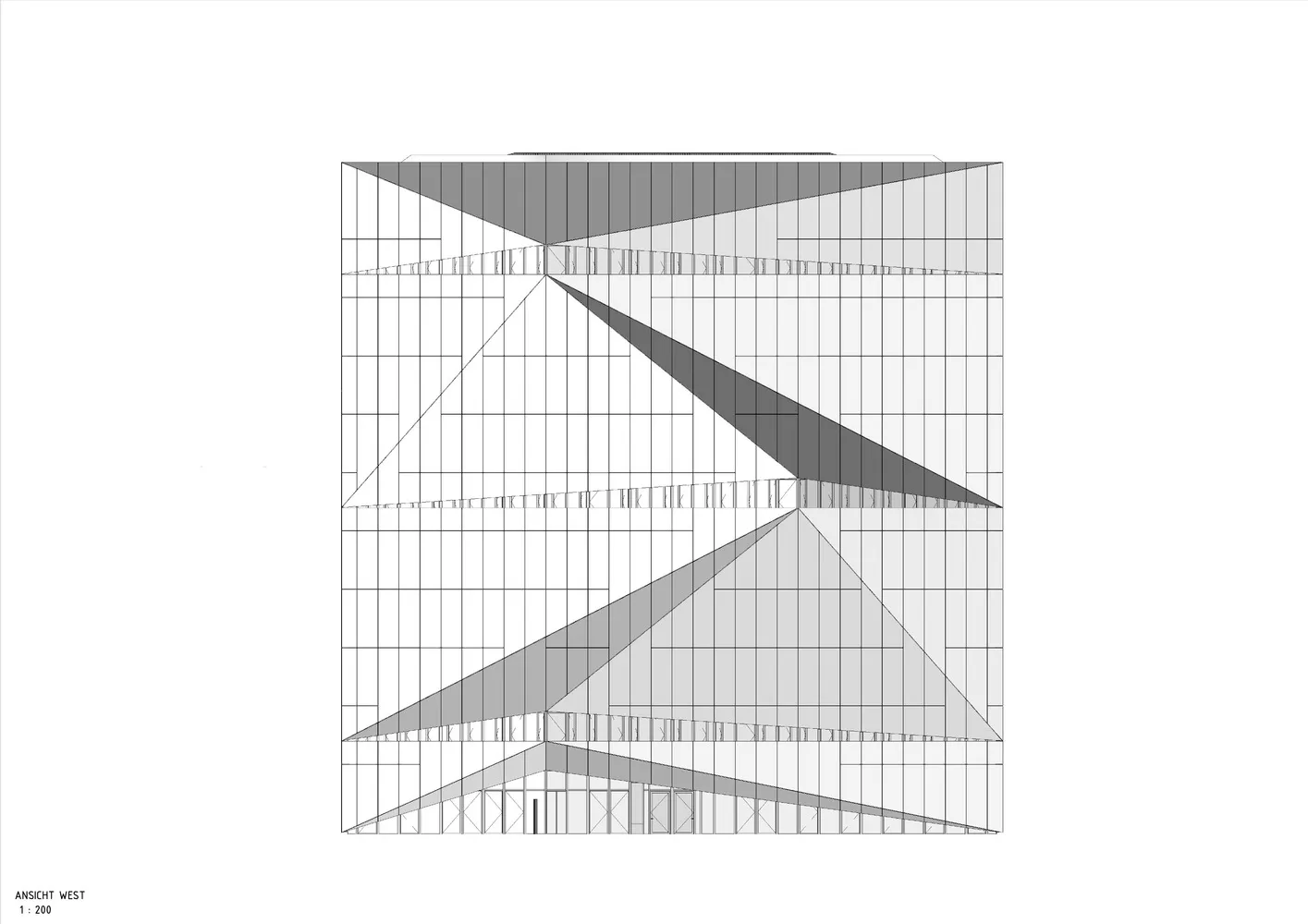
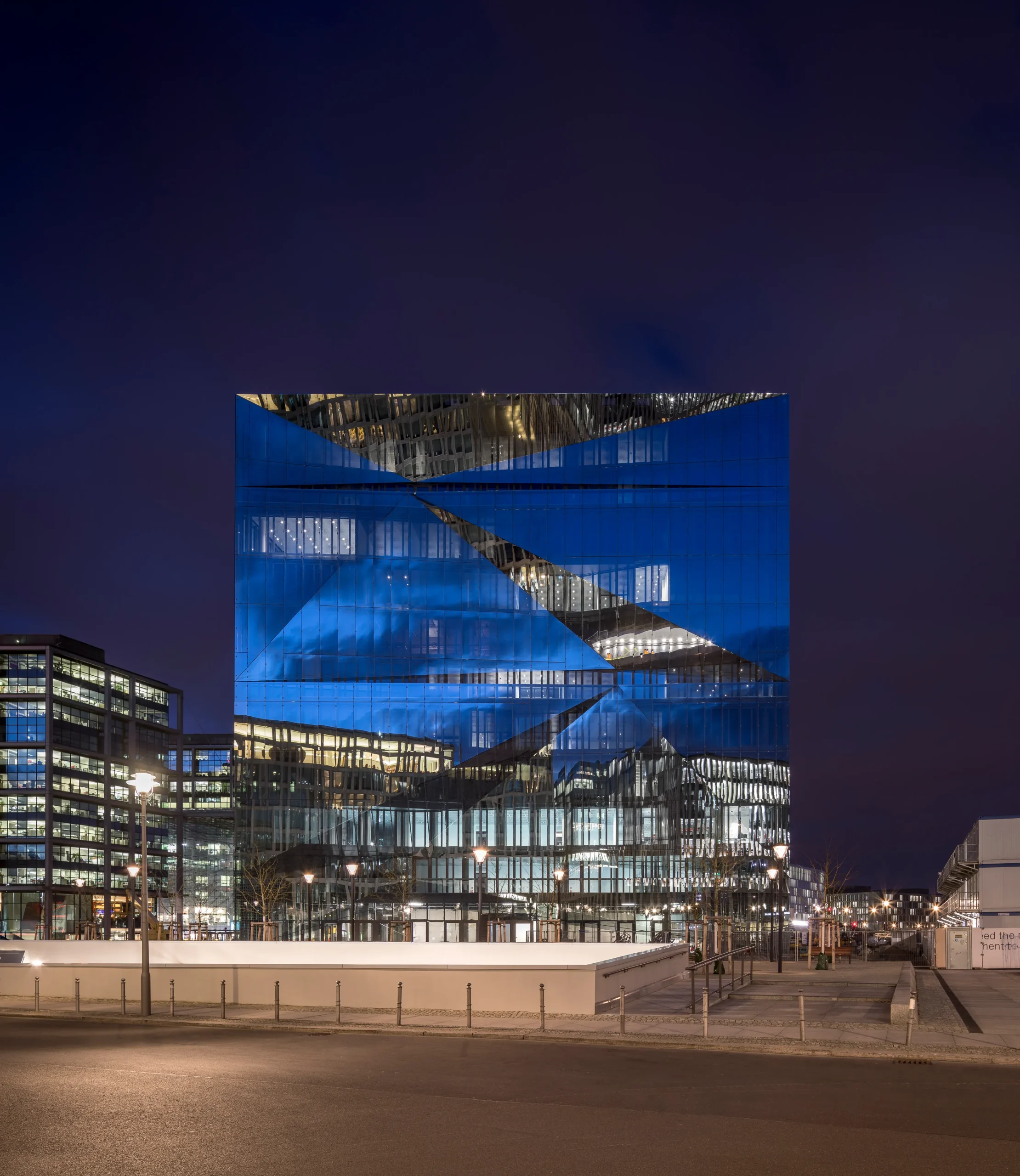
The form was thus pushed inside at the various levels to form accessible platforms, without disturbing the external limits of the cube. This gave rise to triangular patterns on the façade, creating generous balconies in the form of platforms, which became the intermediary between the closed and the open. It also helped to allow access for the people at the ground level, creating an extended and semi-public community space, and articulating the structure to actively engage with the public square, despite being a private office building.
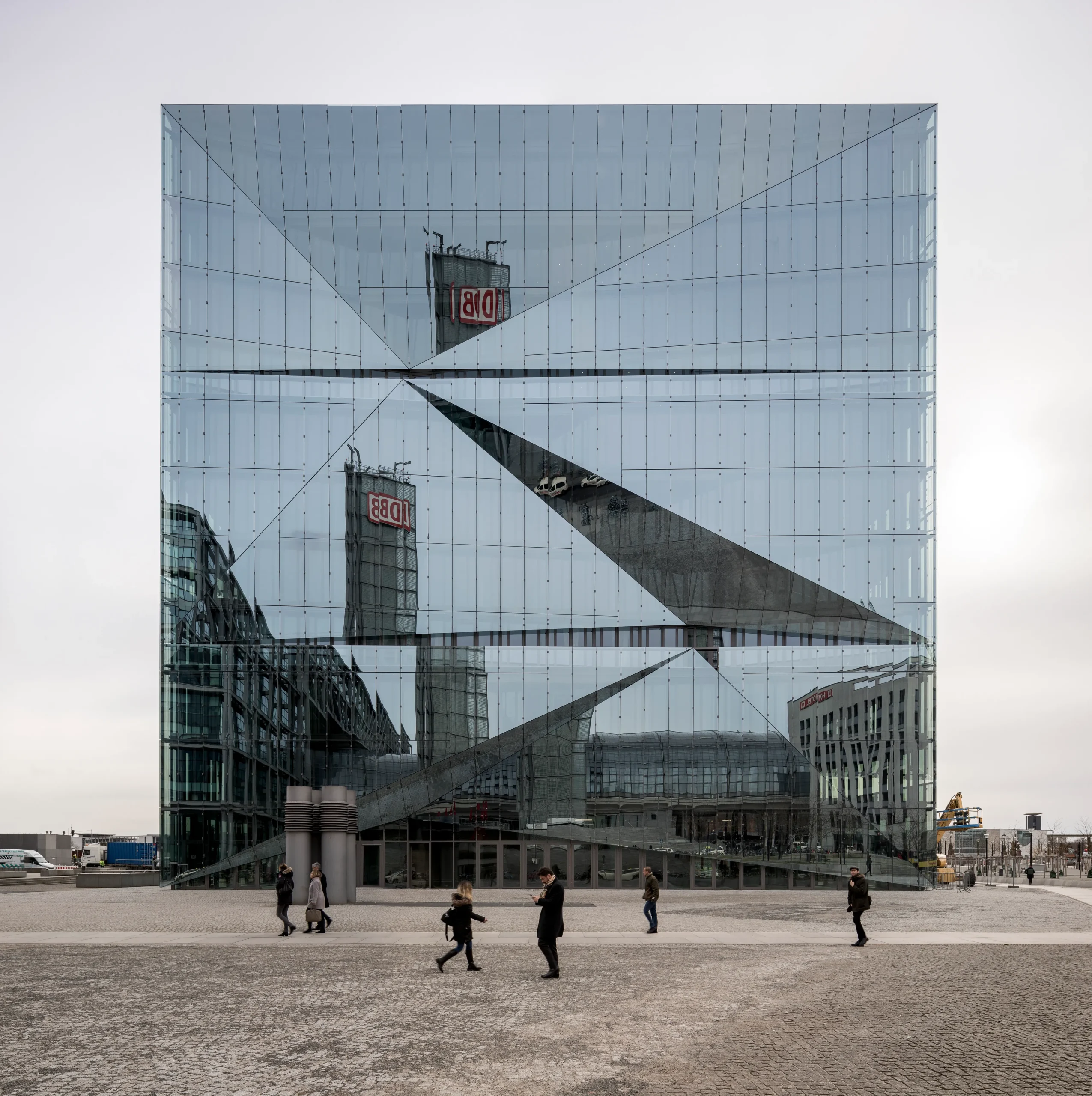
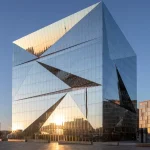
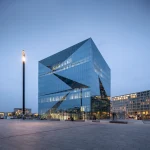
These triangular patterns were carefully designed, and by using reflective glass cladding, the façade creates dramatic effects of light and shade. The façade that was wrapped around to form the cube was aligned with the context, ensuring it reflected the surrounding built fabric to its maximum advantage and paid homage to its historical significance, while simultaneously doubling as a huge sculpture on the public square.
The shapes and reflective glass are effective in enabling interaction between the built and unbuilt environments, subtly facilitating social interaction. The terrace was treated like the fifth façade of the cube, adding another layer of gathering space.
Distinctive features
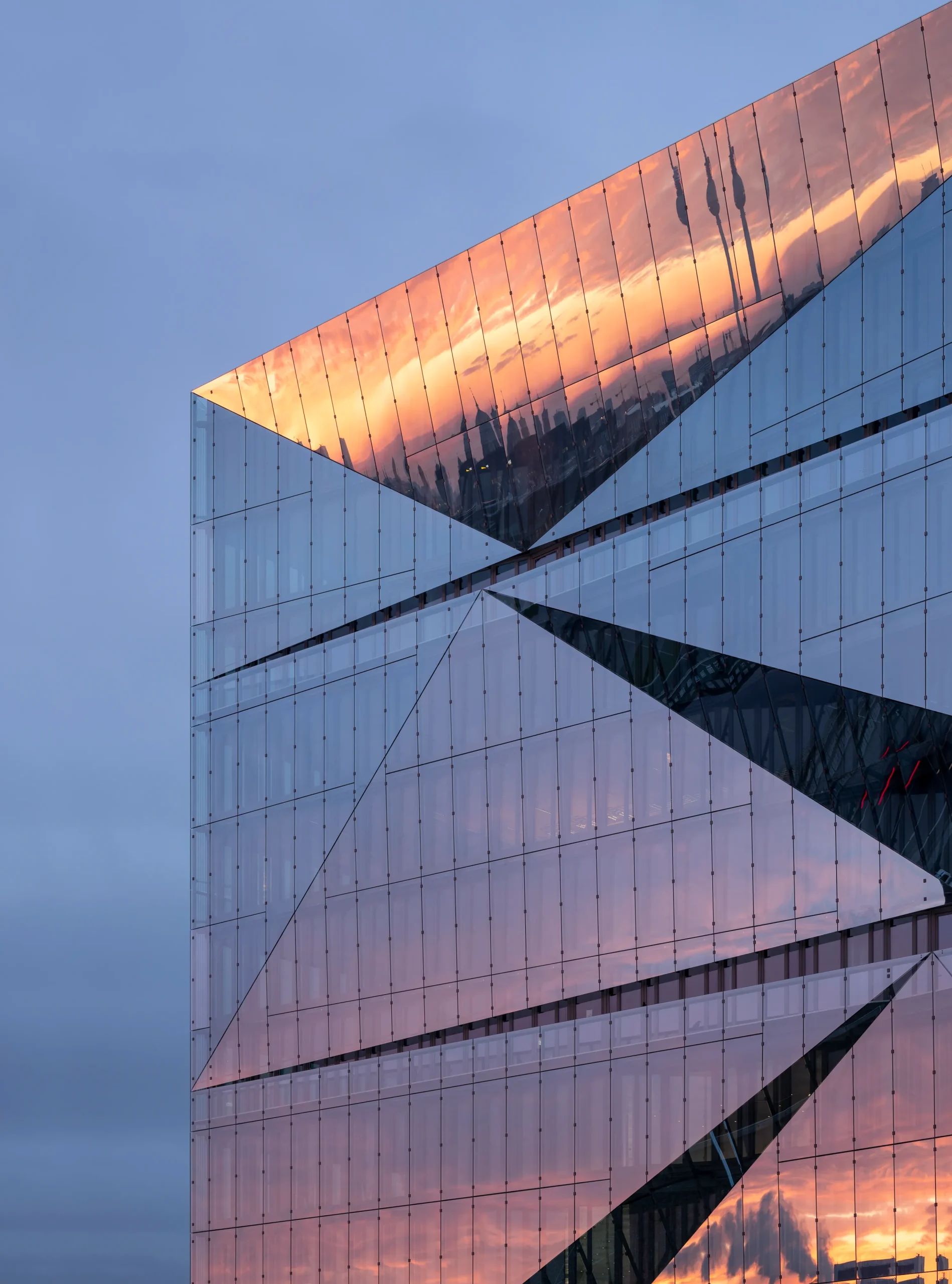
Façade — The façade is the most prominently visible feature of the Cube, characterized by its triangular patterns that make it a distinguished sculpture. By creating triangular configurations on the facades, the play of shadow and light is fascinating to the public, creating public interaction at the street level on the public square.
The lower-level façade is pushed inside along the square, inviting people into the semi-public space that houses a food market, exhibition spaces, and a children’s reading corner, activities that can also spill out into the public square.
Glass walls — The external façades are all clad with various shapes of glass, forming a double-skin façade. The outer layer of the façade is reflective and faceted, which creates a myriad of reflective images depending on the viewing angle, weather, or time of day, keeping the public engrossed. The inner layer is clad with thermally insulated glass to manage the temperature within the building.
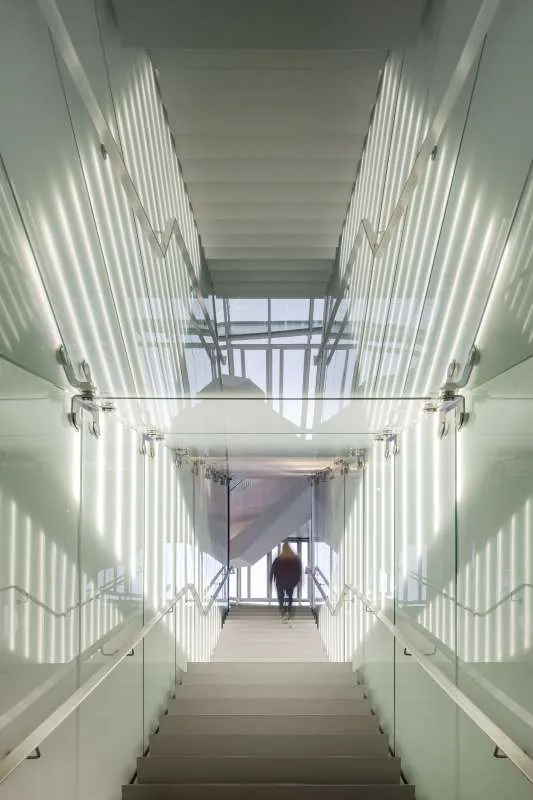
Although glass is not considered a sustainable material, a pioneering application of solar coating on the outer layer generates energy, and the insulation on the inner layer keeps the tenants comfortable. This is apart from providing natural light through the transparent material, natural ventilation through the platforms and double-glazed skin, and ample views of the surrounding Washington Platz.
Platforms — When the external façade of the cube was warped inward and outward, it formed triangular patterns on the vertical face and simultaneously formed balconies of different shapes and dimensions. These were also triangular but generous platforms for occupants to break out into from their closed office spaces. Using a cube shape allowed for designing a flexible external profile while also allowing adaptability in the office spaces according to tenant needs, a significant feature of sustainability.
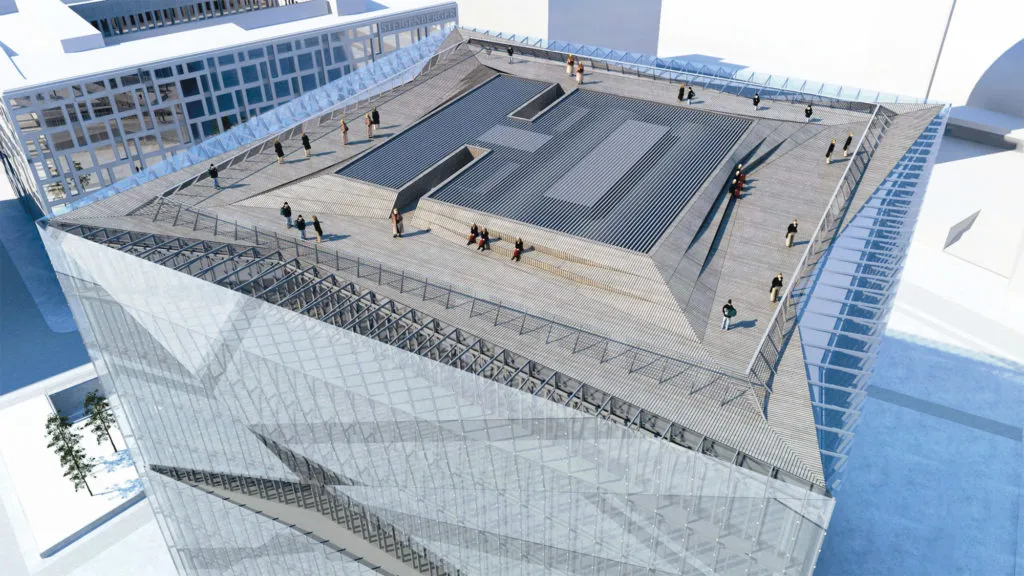
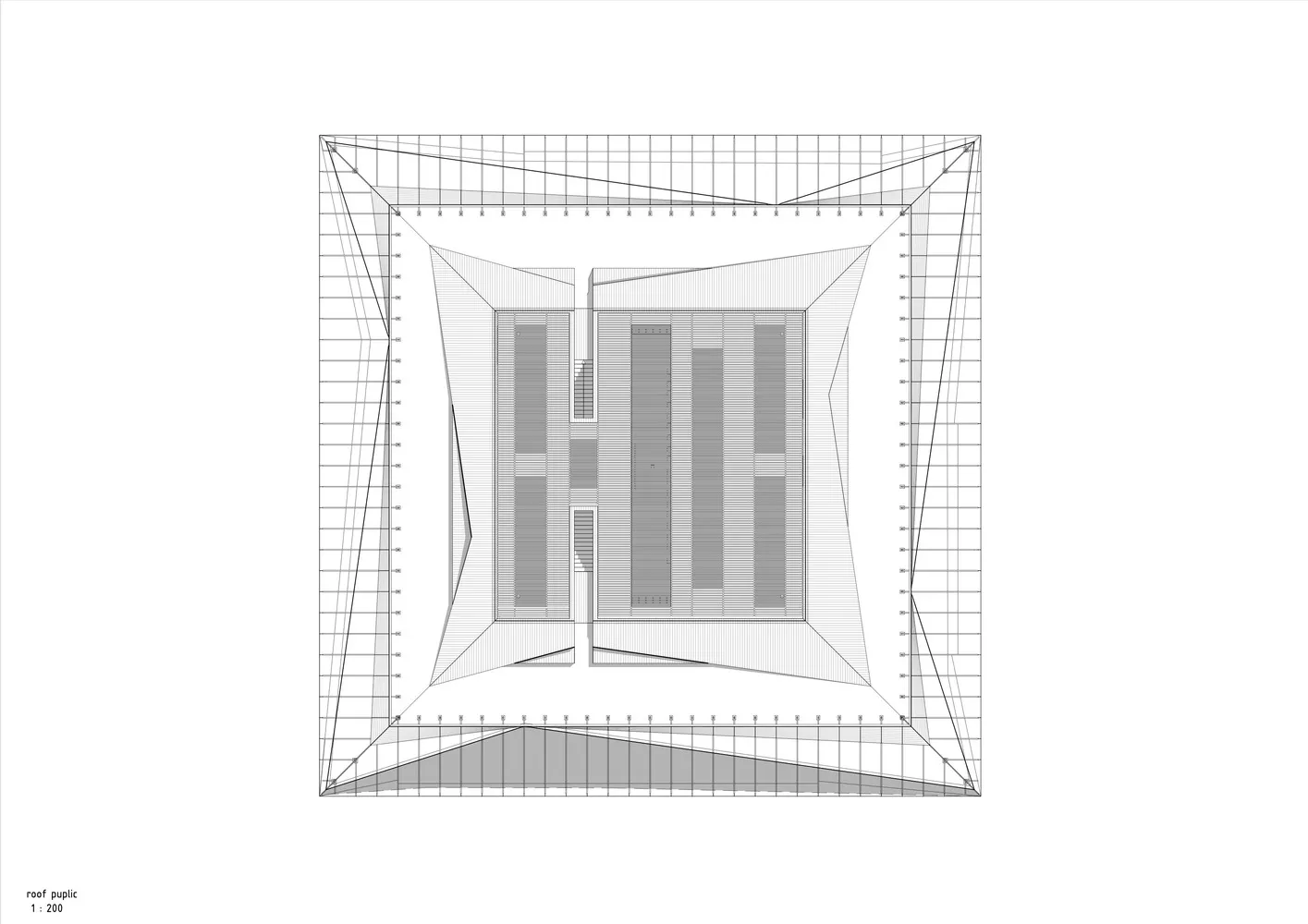
Rooftop terrace — As the façades were wrapped to form the cube, the terrace was also designed with equal attention and considered as an extension of the vertical façades. It became the fifth façade of the building and serves interactive purposes. This roof was designed to serve as a common space for all tenants to gather for events or breakout sessions. The horizontal surface was also used to accommodate solar panels to generate energy.
Sustainability aspects
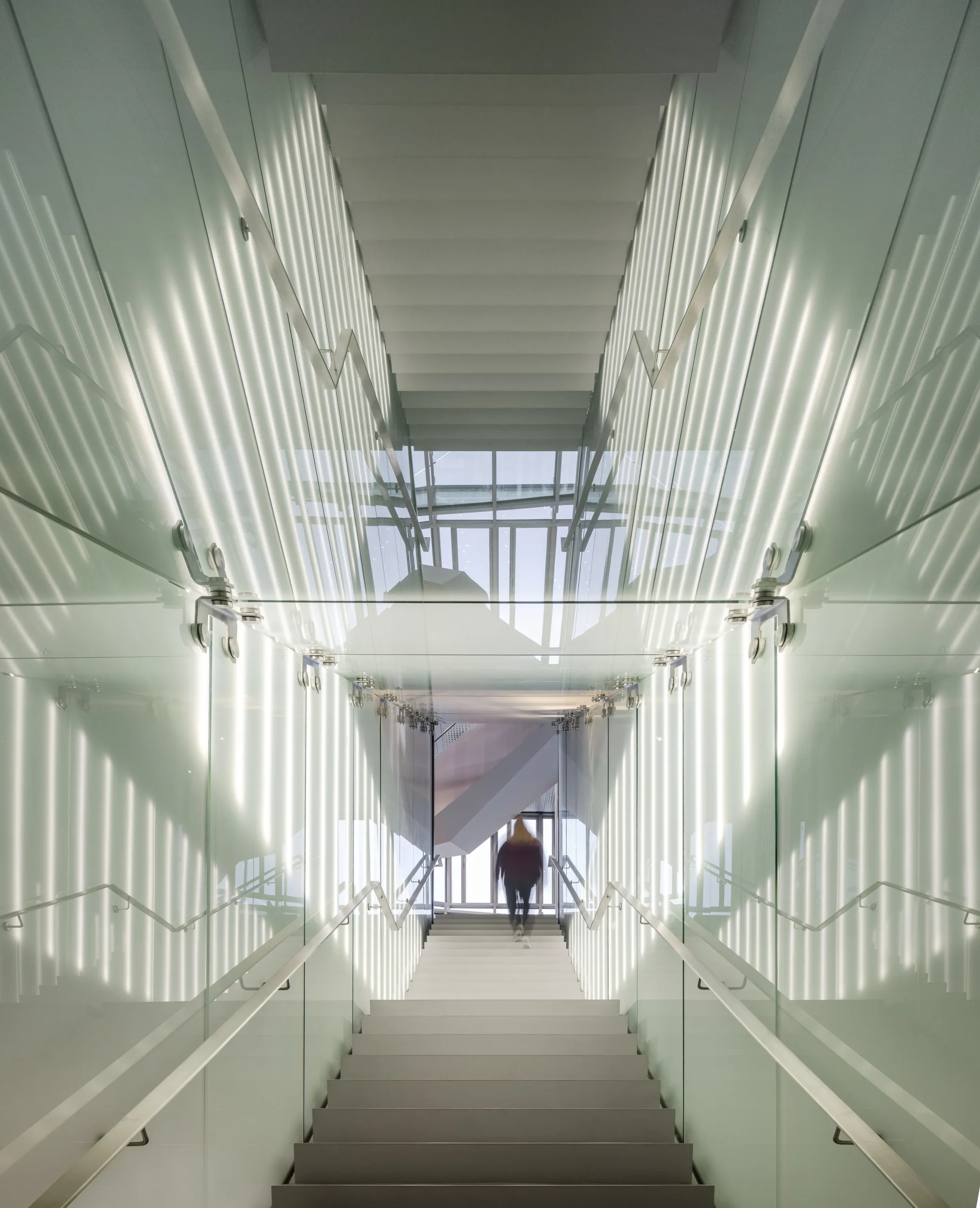
Double-skin façade — The office building’s envelope consists of a double façade, both of which are made of glass. Glass is not a sustainable material, but in the Cube, it is used as a double layer or skin with an external reflective façade with solar-control coatings and solar-absorbing layers that facilitate energy generation from heat and an internal skin with thermal insulation to protect against the heat.
The spaces created between the two skins are efficient in reducing heat gains and increasing the flow of natural ventilation, and the material ensures that users benefit from natural daylight.
Smart energy management — The building features an app that enables users to interact with it, allowing them to customize their workplace settings according to their comfort and preferences. The Cube is fitted with a ‘digital brain,’ a smart management system that stores and modifies the spaces according to the users. This includes features such as indoor heating and cooling, adjustable lighting settings, parking preferences, access control settings, seat selection, and any other aspects that enhance the user’s comfort.
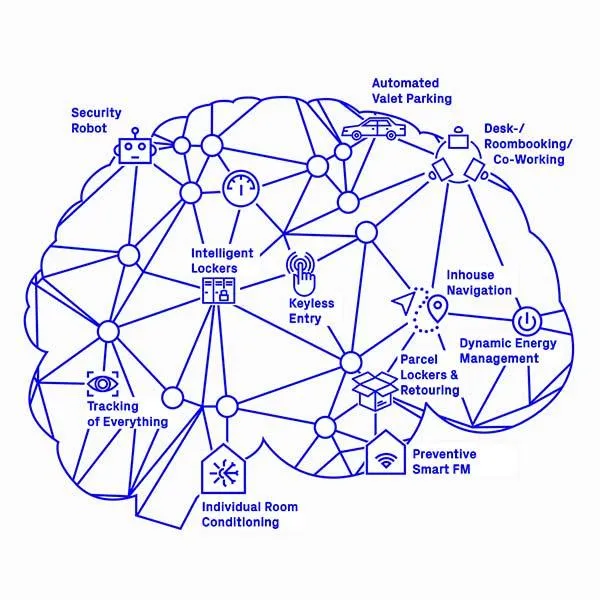
This adaptation to the user’s desires and needs helps to optimize the energy flow and consumption, making the building eco-friendly while keeping its users happy.
Energy generation – The double-skin façade reduces energy consumption by creating a buffer that facilitates passive cooling in summer and heating in winter. It also allows natural ventilation into the office spaces. This enables the building to reduce its dependence on artificial heating and cooling systems, thereby reducing costs.
The glazed façades also provide sufficient daylight for the workspaces. The solar coatings on the external glass façade and the solar panels on the rooftop generate enough energy through a suite of solutions that facilitate energy capture from the heat accumulated. This energy can generate up to 50% of the building’s energy needs. The in-house app optimizes energy consumption by catering to every individual’s needs and desires. Today, the structure functions at 25% more efficiently in terms of energy than the standards required by the German Energy Saving Ordinance.
Awards and certifications
- International Architecture Award 2021 – in the ‘Corporate Office Buildings’ category
- German Design Award 2020 – Gold award for Excellent Architecture
- AIA International Design Award 2020 – Merit award for Open International Architecture
- Blueprint Awards 2020 – Best Non-Public Project
- Berlin Design Awards 2017 – Gold Winner
- WiredScore Platinum – certified for achieving “best in class” standards in digital connectivity and smart technologies.
- DGNB Gold – Gold certification by the German Sustainable Building Council for its balanced approach to ecological, social, and economic sustainability.