


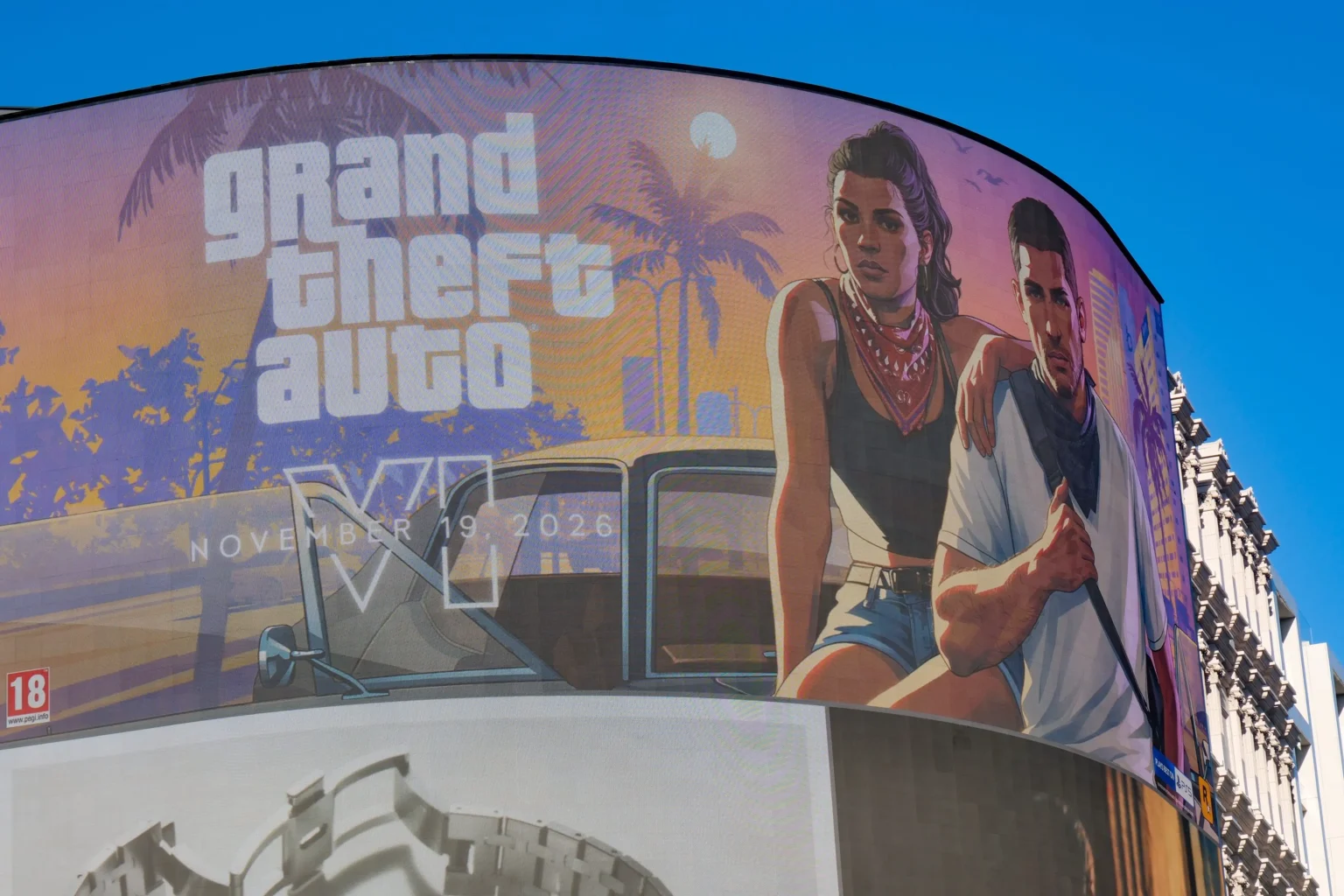







A city is more than streets and towers. It is the way light hits a faded hotel sign at dusk, the smell of salt water mixed with exhaust, and the quiet difference between a canal house and a glass tower across the bay. Grand Theft Auto VI returns to a Miami-inspired Vice City inside the larger fictional state of Leonida. After more than a decade of research that began with field trips in 2015, Rockstar Games has constructed an urban environment that treats architecture as both scenery and system for GTA 6. The result is a place that looks familiar yet operates by its own rules, where buildings, neighborhoods, and daily activity feed into one another.
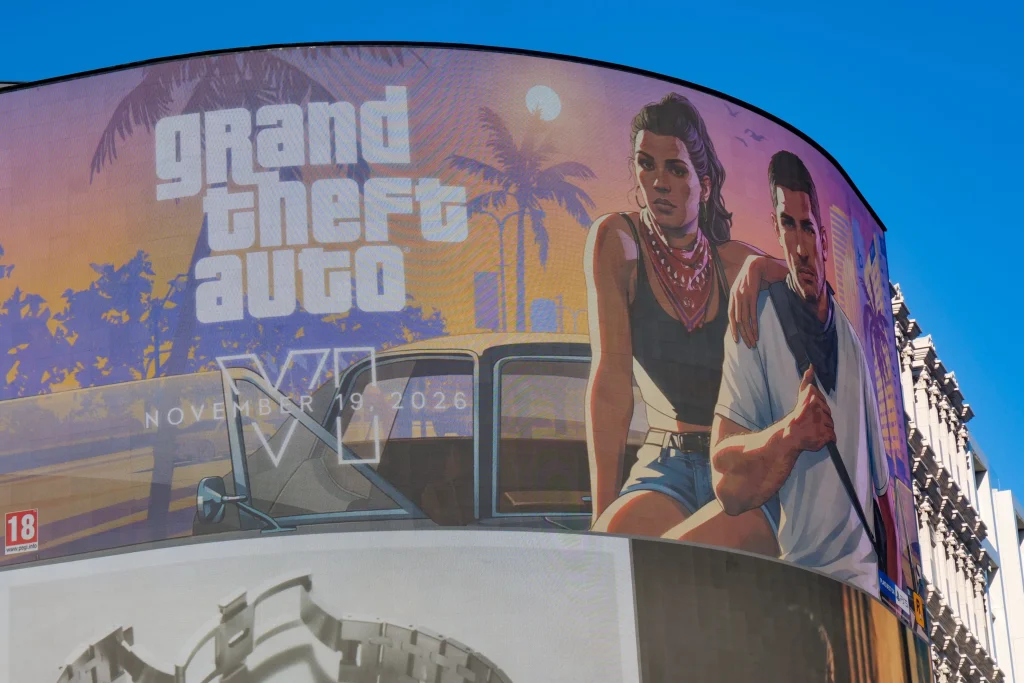
Rockstar’s process started with the place rather than the story. A small group of developers traveled through South Florida in 2015, moving from Miami into the Keys and across the Everglades. They returned repeatedly over the years, riding with police, speaking with locals, and documenting neighborhoods at different hours. The goal was to absorb the extremes of wealth and struggle: the coastal resorts, the inland commercial strips, and the wetlands just beyond the city edge.
These trips informed the decision to expand beyond a single city. Leonida contains multiple regions, with Vice City as its densest core. The map is reported to be roughly twice the size of the previous Grand Theft Auto entry, yet the studio has stressed density over pure scale. Interiors received particular attention so that buildings feel complete from the street to the upper floors.
Art Deco Memory and Modern Glass
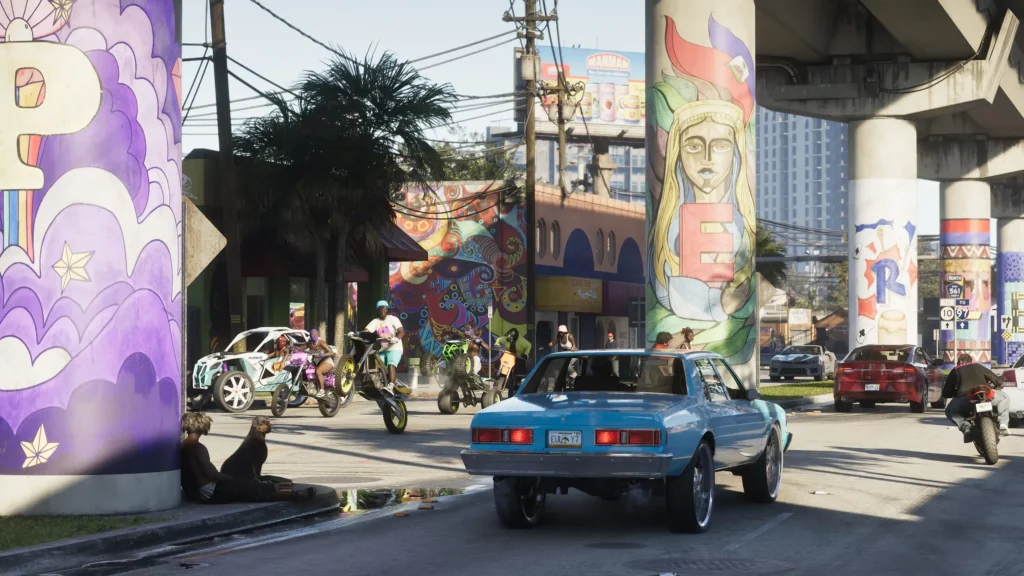
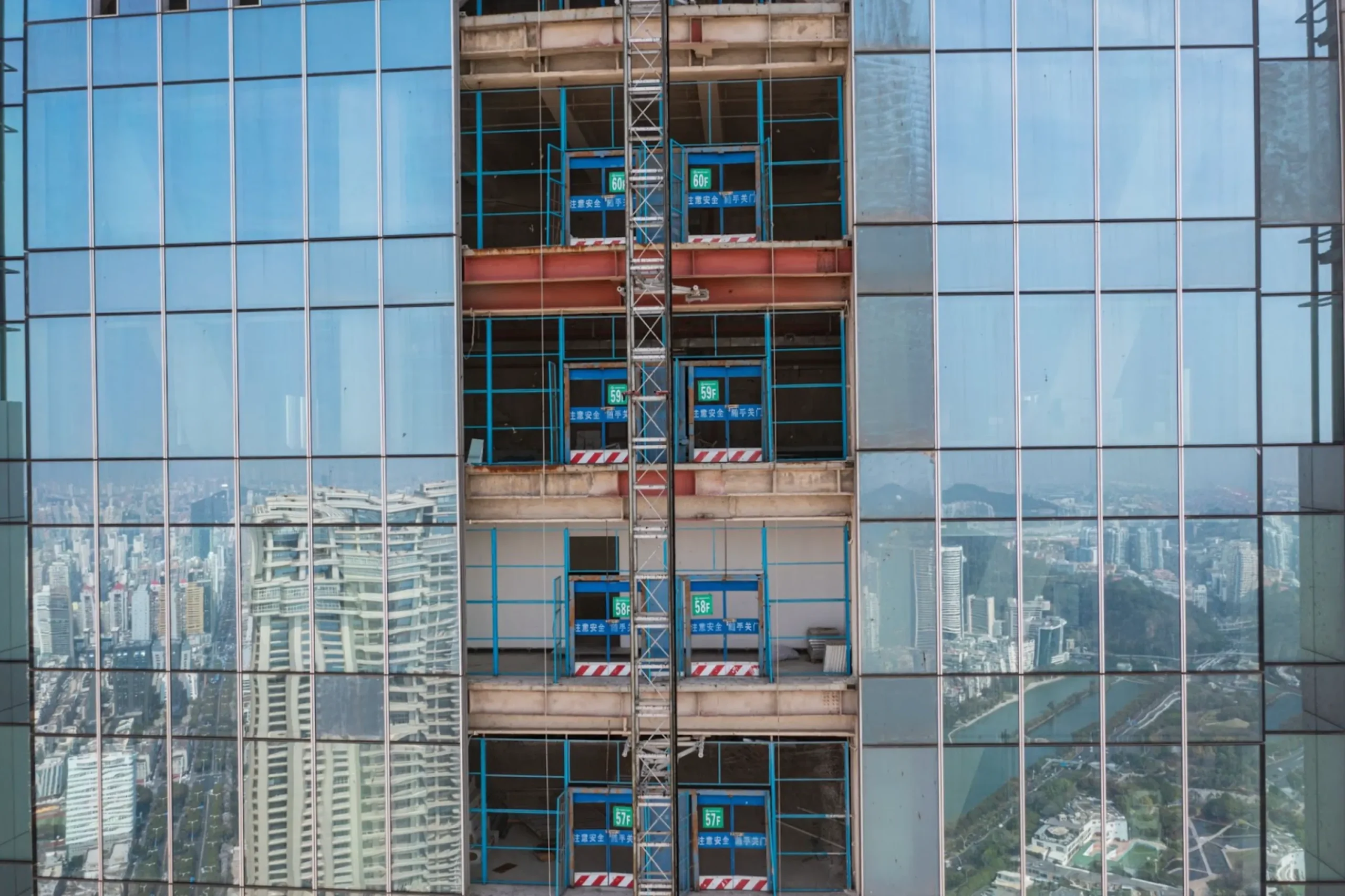
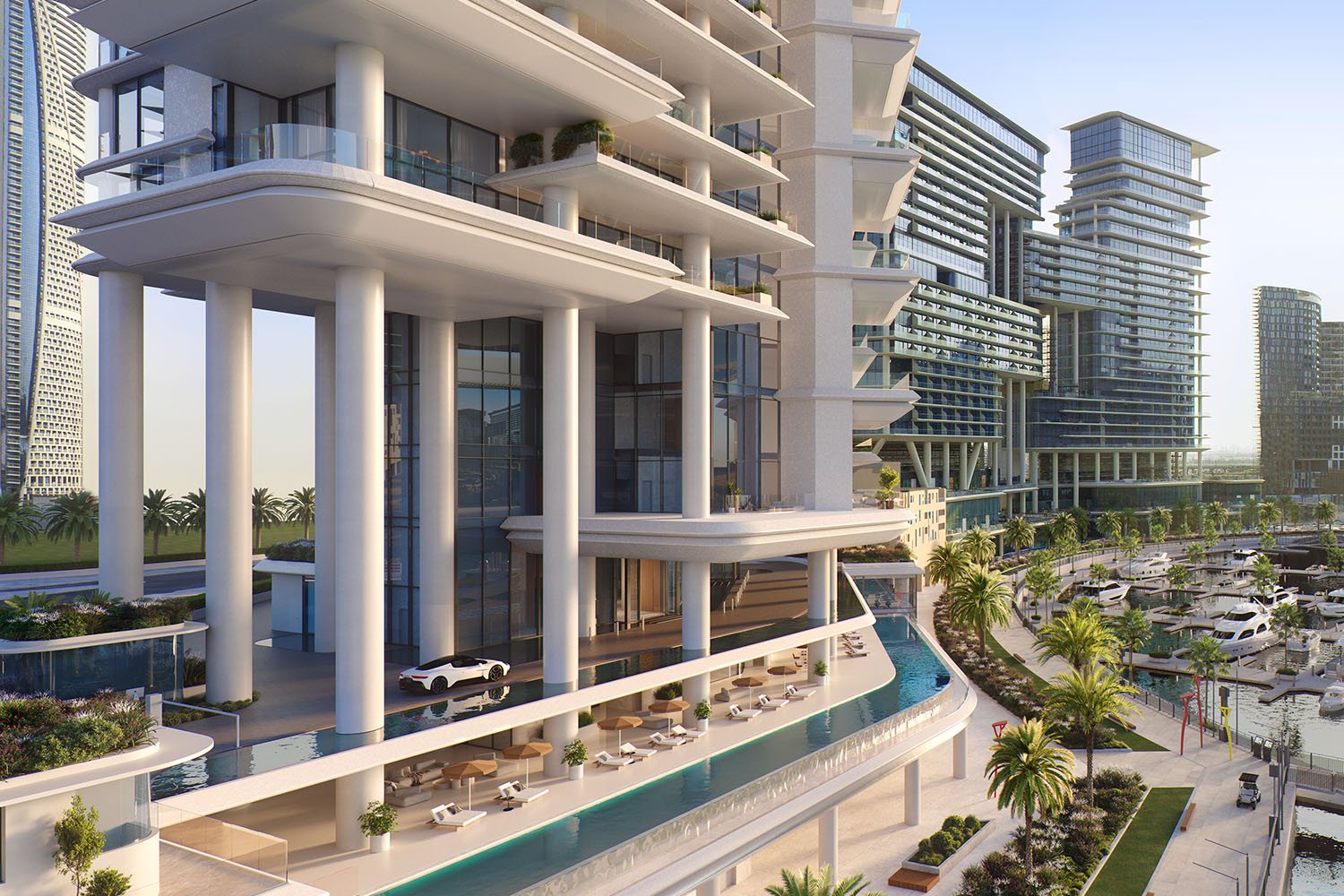
Vice City draws heavily on Miami’s architectural history. Art Deco hotels along the beach appear under new names while keeping recognizable profiles. One example noted by local preservationists is the Hotel Victor on Ocean Drive, reimagined as Hotel Dixon in a nod to the original architect Lawrence Murray Dixon. Elsewhere, contemporary glass towers rise along the waterfront, reflecting the more recent skyline that faces Biscayne Bay.
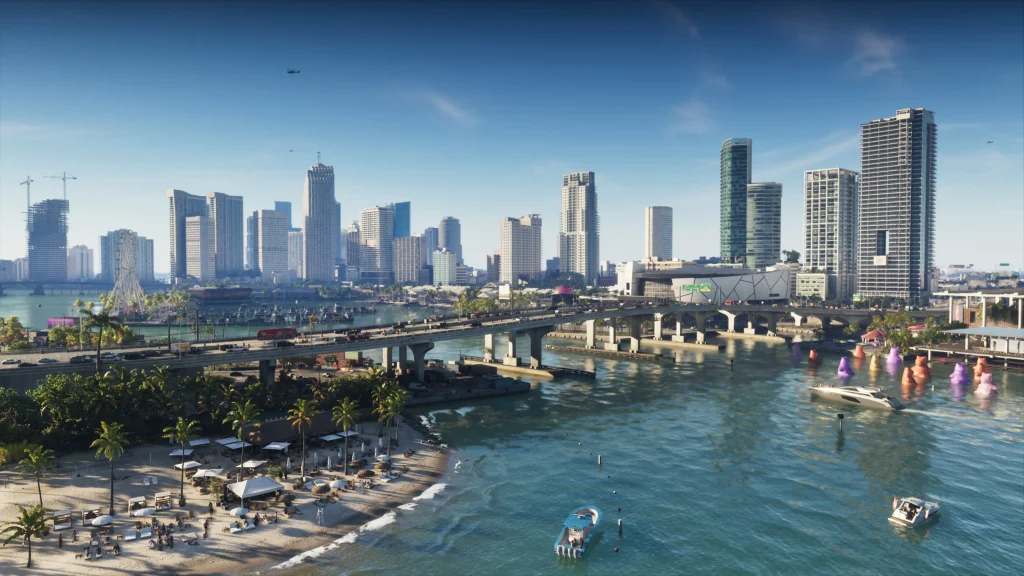
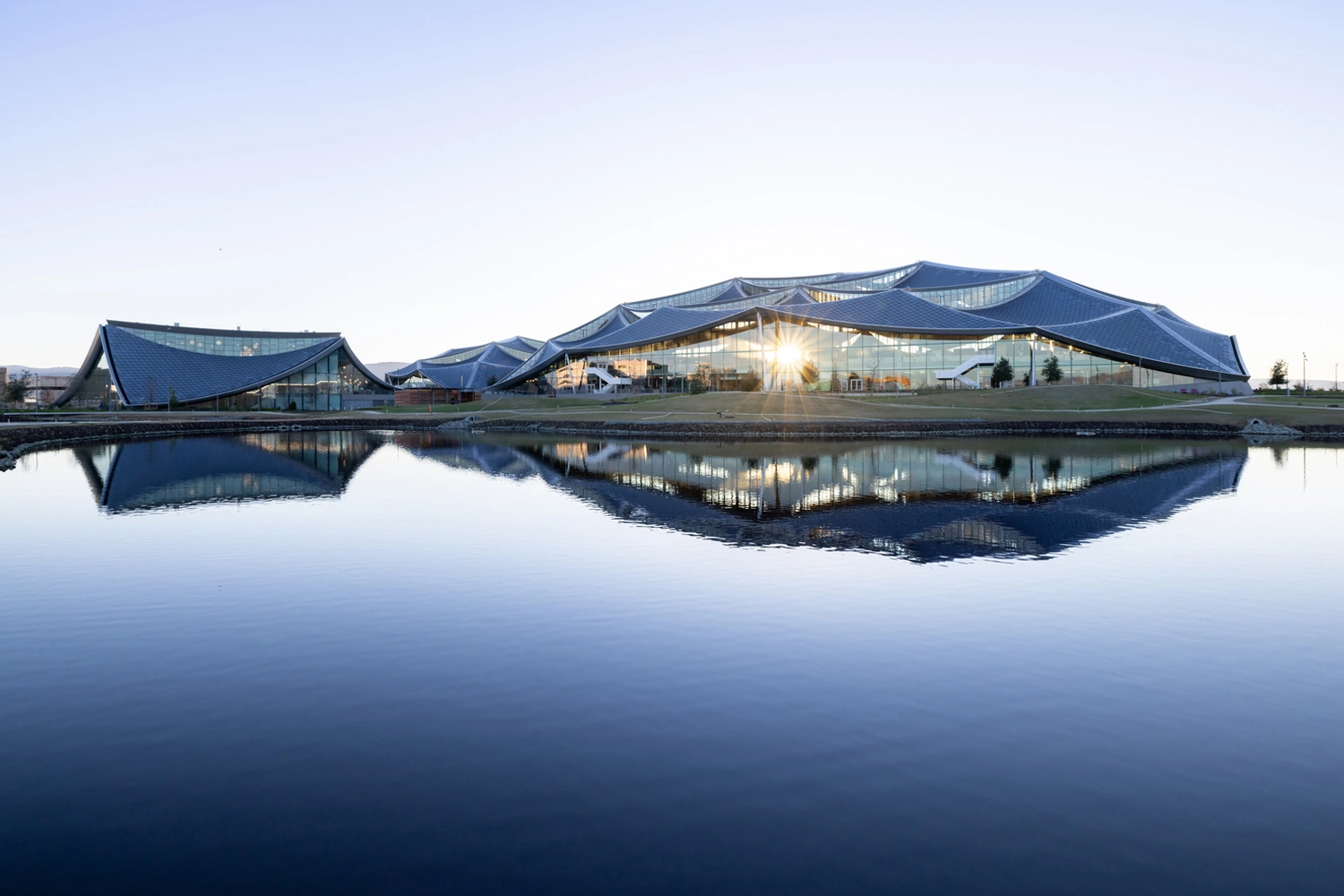
The contrast between eras is deliberate. Low-rise residential streets, canal-side houses, and older commercial blocks sit near newer high-rises. Scale changes signal shifts in character. A gas station under a glowing tire sign can look out toward distant towers. A marina filled with boats opens onto a dense cluster of buildings. These juxtapositions give each district a distinct visual identity without relying on simple zoning labels.
GTA 6’s Computational Density and Systemic Detail
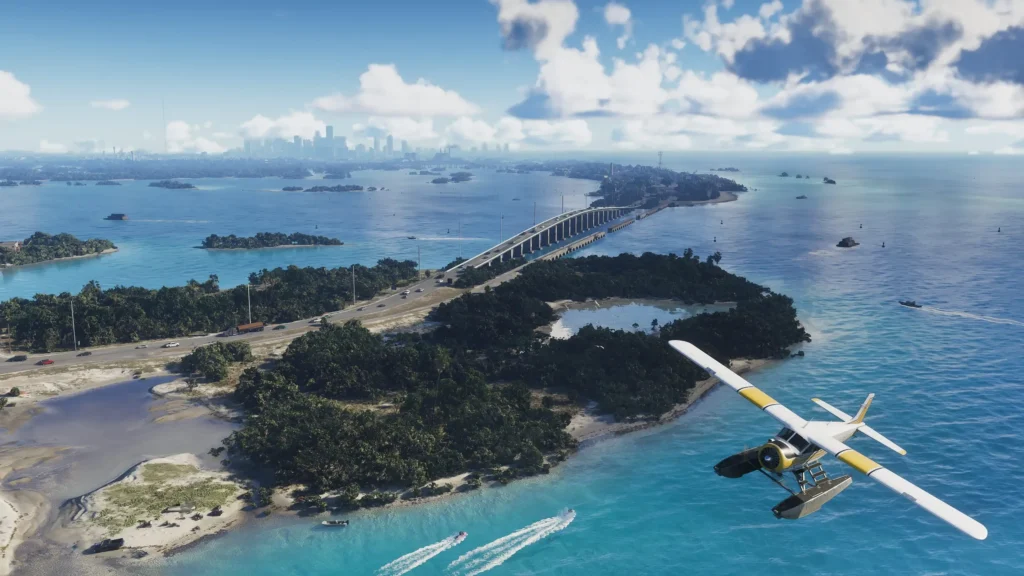
From a computational design perspective, the city functions as a layered system rather than a static model. Rockstar’s designers describe a handcrafted quality applied across rooftops, alleys, and interiors until the buildings feel real both inside and out. Interconnected systems allow events in one area to influence others. Sound changes with location: refrigerators in older convenience stores produce different noise than those in newer shops. Conversations carry differently depending on wind and distance.
NPC behavior and appearance also vary by neighborhood. Clothing, gait, speech, and even body types reflect the specific character of each district. This level of variation requires careful rule sets and data that respond to the player’s movement through the environment. The architecture is not merely background. It supplies the spatial framework that makes these systemic differences readable and consistent.
Streets, Canals, and the Edges of the City
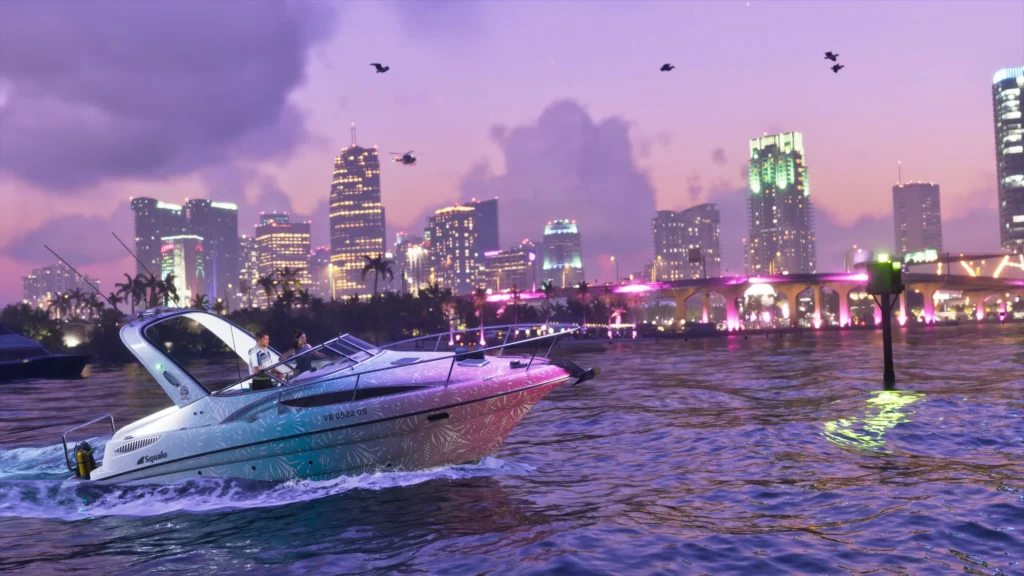
At street level, the environment carries a different texture. Residential canals cut through low-rise blocks. Bridges connect opposite sides of the water. Inland commercial strips feel more utilitarian, while the beachfront retains its tourist density. Aerial views reveal large resort pools with curved edges and planted islands, surrounded by ordered rows of lounge chairs. These patterns echo real Florida resort design while remaining rearranged for gameplay flow.
Beyond the city, the map opens into wetlands, keys, and national park terrain. Early research flights over the Everglades helped shape the transition from urban density to open landscape. The result is a continuous territory in which architecture and natural systems sit in clear relation to one another.
Visual Design as Urban Narrative

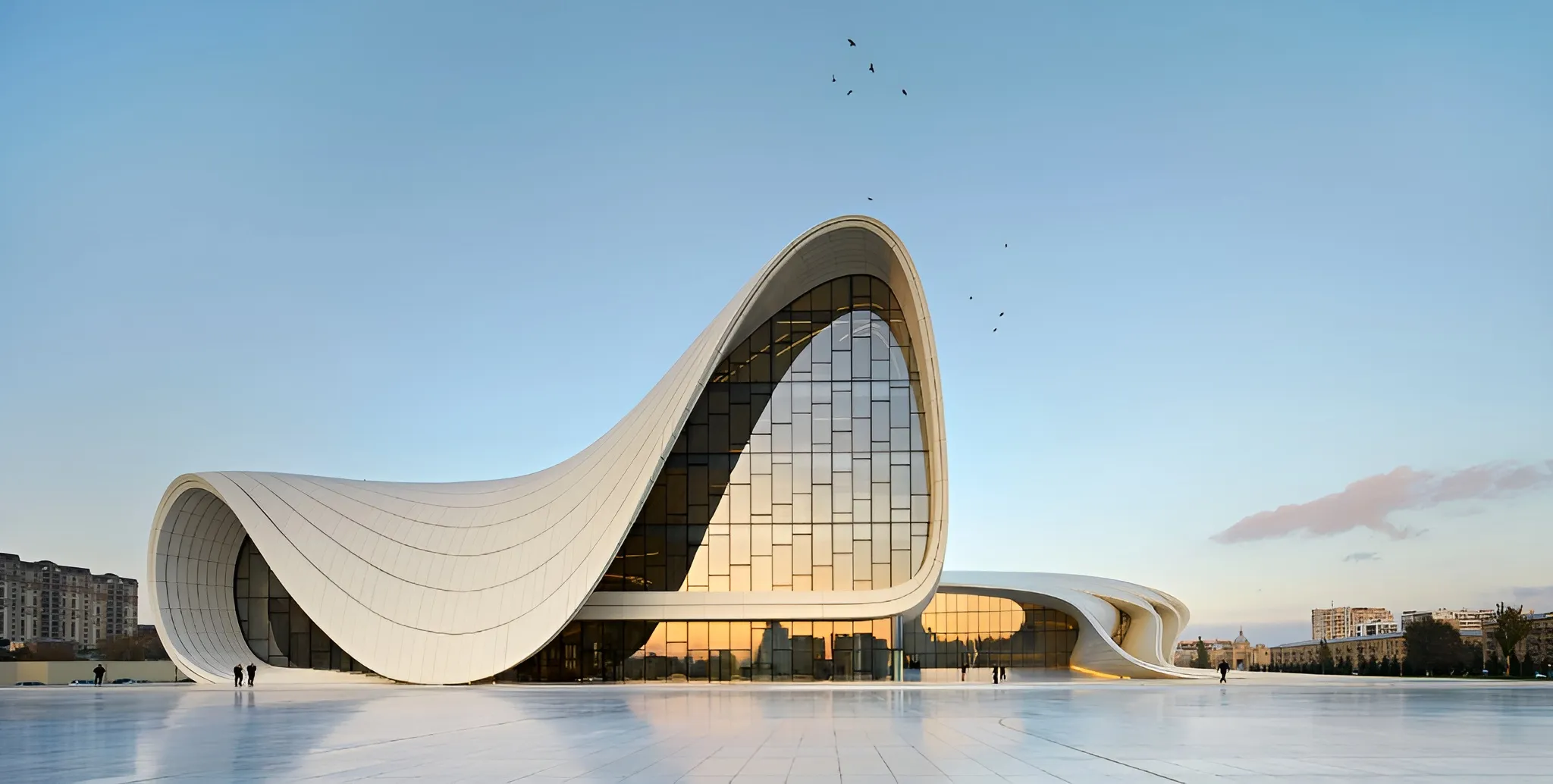
The visual language of Vice City tells a story of layered growth. Pastel Art Deco facades, neon signs, modern glass, and weathered commercial buildings coexist without hierarchy. Rockstar has rearranged real references so that the geography serves the game while still reading as a coherent Florida-inspired place. Specific buildings appear under fictional names, their positions adjusted to support narrative and free-roaming movement.
This approach treats architecture as cultural memory. The hotels recall an earlier Miami. The towers mark more recent ambition. The canals and low-rise streets carry the everyday life that sits between those poles. Players move through a city that feels observed rather than invented from scratch.
All in All
GTA 6’s Vice City is the product of long observation and careful construction. Field research that began in 2015 supplied the textures, proportions, and social contrasts of South Florida. Computational systems then organized those details into a dense, responsive environment where architecture, sound, and human activity reinforce one another.
The result is a city that rewards close looking. Hotel signs, canal bridges, marina edges, and the shift from low-rise streets to glass towers all carry information about the place. In the hands of Rockstar’s designers, architecture becomes both the stage and the script. Vice City does not simply look like Miami. It behaves like a living urban system built from years of attention to the real one.