
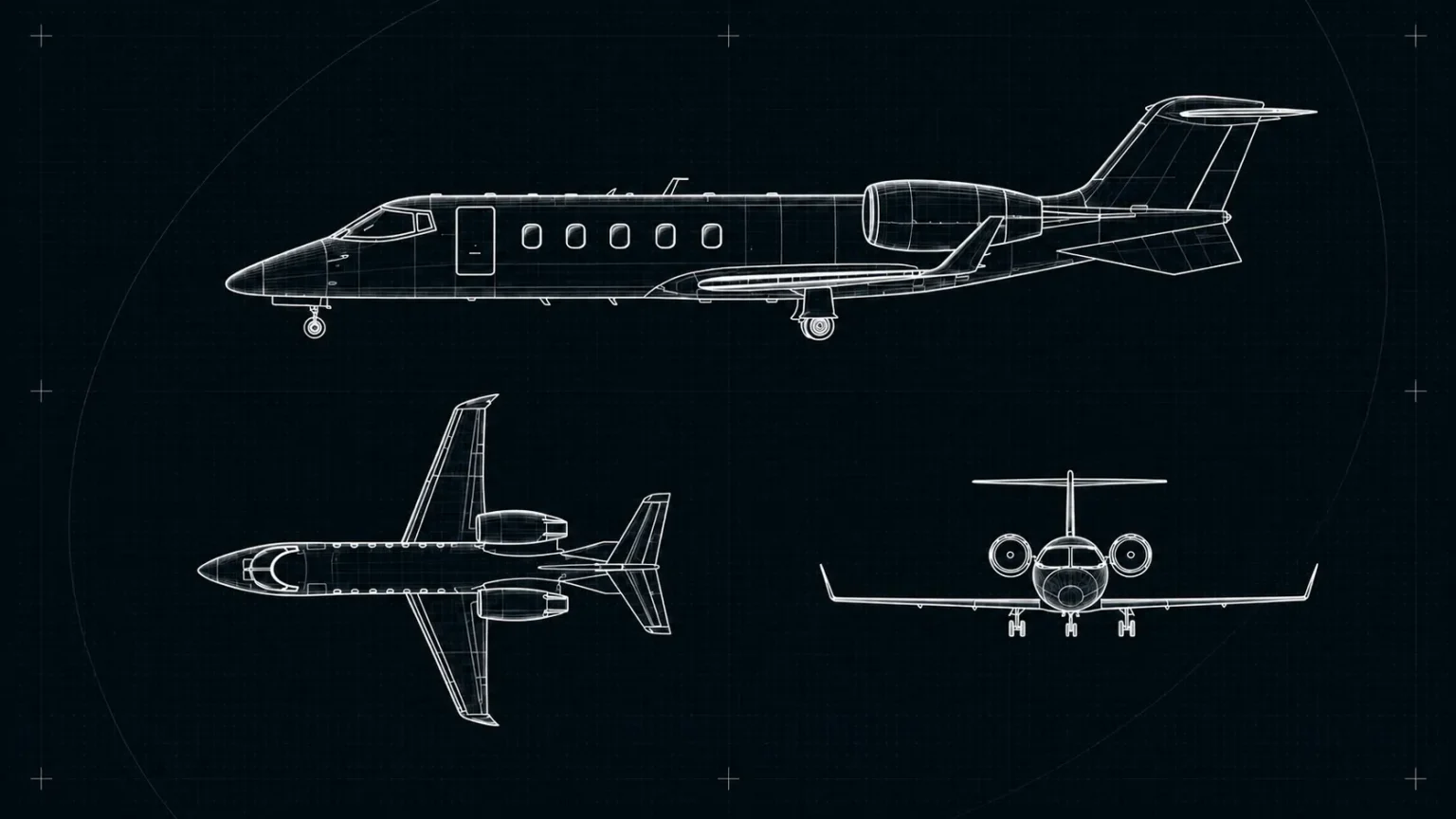

On November 1, 2026, a tragic aviation accident claimed nine lives. A business jet carrying nine people (two flight crew and seven passengers), including tech entrepreneur Adam Robinson, crashed in Florida while traveling from Austin-Bergstrom International Airport to North Eleuthera, Bahamas. We’ll examine the Learjet 60’s design, materials, aerodynamics, and engineering innovations to better understand the aircraft involved in this tragedy, while recognizing that the cause remains under investigation.
What Happened?
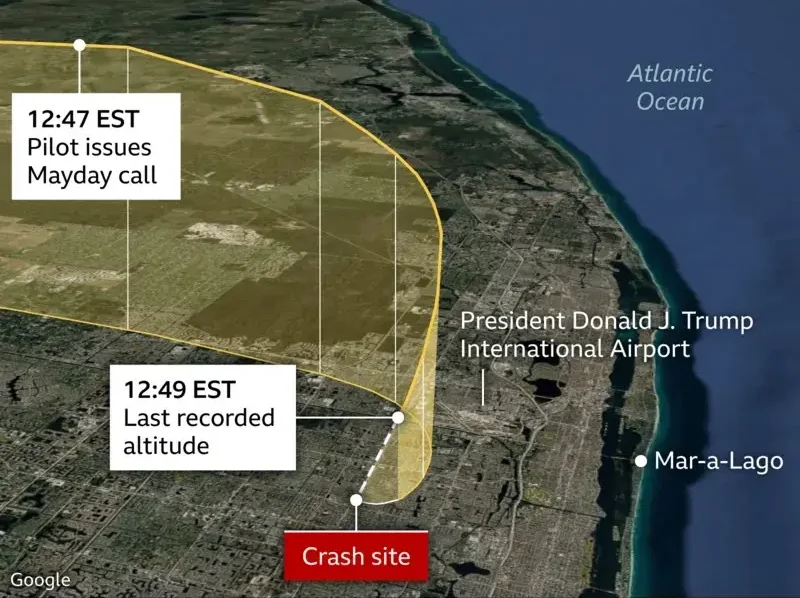
The Learjet 60 departed Austin-Bergstrom International Airport at approximately 10:37 am Eastern Time, heading to North Eleuthera, Bahamas. At around 12:47 pm, the crew reported manageable icing conditions and moderate turbulence while flying at 35,000 feet.
The pilots requested permission to climb to 37,000 feet due to precipitation, which air traffic control approved. Less than 30 seconds later, the aircraft transmitted that it was descending, followed by a Mayday call. The crew subsequently reported an overspeed condition and a rapid descent.
Shortly afterward, the aircraft crashed in Greenacres, Florida, leaving a large crater and debris scattered across the area. All nine people aboard lost their lives, including founder of tech companies Retention and RB2B Adam Robinson, his wife -who ran the communications agency Influential PR and owned Helen Sharp Ceramics- Helen Sharp, and their two young children.

What Are Investigators Examining?
The exact cause of the crash has not been determined. Although the crew reported icing, turbulence, and precipitation, their role in the accident remains unclear. The National Transportation Safety Board (NTSB), with assistance from the Federal Aviation Administration (FAA) and aircraft manufacturer representatives, is investigating the circumstances surrounding the crash. Investigators are examining weather conditions at cruising altitude, the crew’s actions, air traffic control communications, and possible mechanical or structural issues.
While the investigation continues, understanding the Learjet 60’s design and engineering provides a broader perspective on the aircraft involved. From its aerodynamic structure and material choices to the computational technologies behind its development, the aircraft reflects decades of innovation in aviation performance and safety. The following sections examine its design history, technical features, and structural systems to better understand how engineering decisions influence aircraft performance and safety.

The Aircraft’s Design Philosophy and History
As mentioned earlier, the aircraft involved in the accident was a Learjet 60, which is a mid-size cabin, medium-range business jet. Developed after Bombardier acquired Learjet in 1990, the aircraft evolved from the Learjet 55 and entered service in 1993, continuing the manufacturer’s focus on high-speed business aviation.
The aircraft’s development centered on refining an existing platform instead of creating an entirely new design. Its extended fuselage provided additional cabin space, while aerodynamic improvements and more efficient engines supported its performance objectives. So the established aircraft architecture is progressively improved through many parameters.
Technical Features
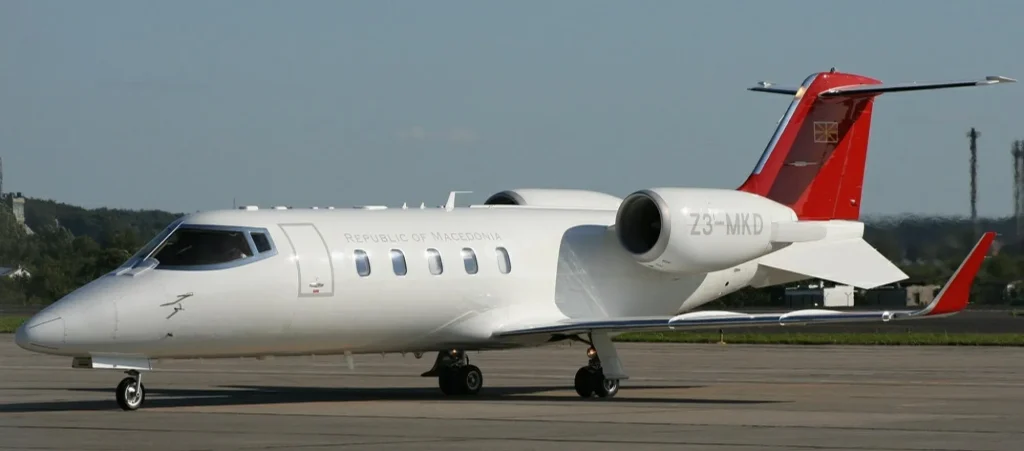
The Learjet 60 is an all-metal, pressurized aircraft with a low-wing configuration and two rear-mounted Pratt & Whitney Canada PW305A turbofan engines. Each engine produces approximately 4,600 pounds of thrust, giving the aircraft considerable climbing capability. Its design combines a compact airframe with powerful propulsion to support high-altitude, high-speed business travel.
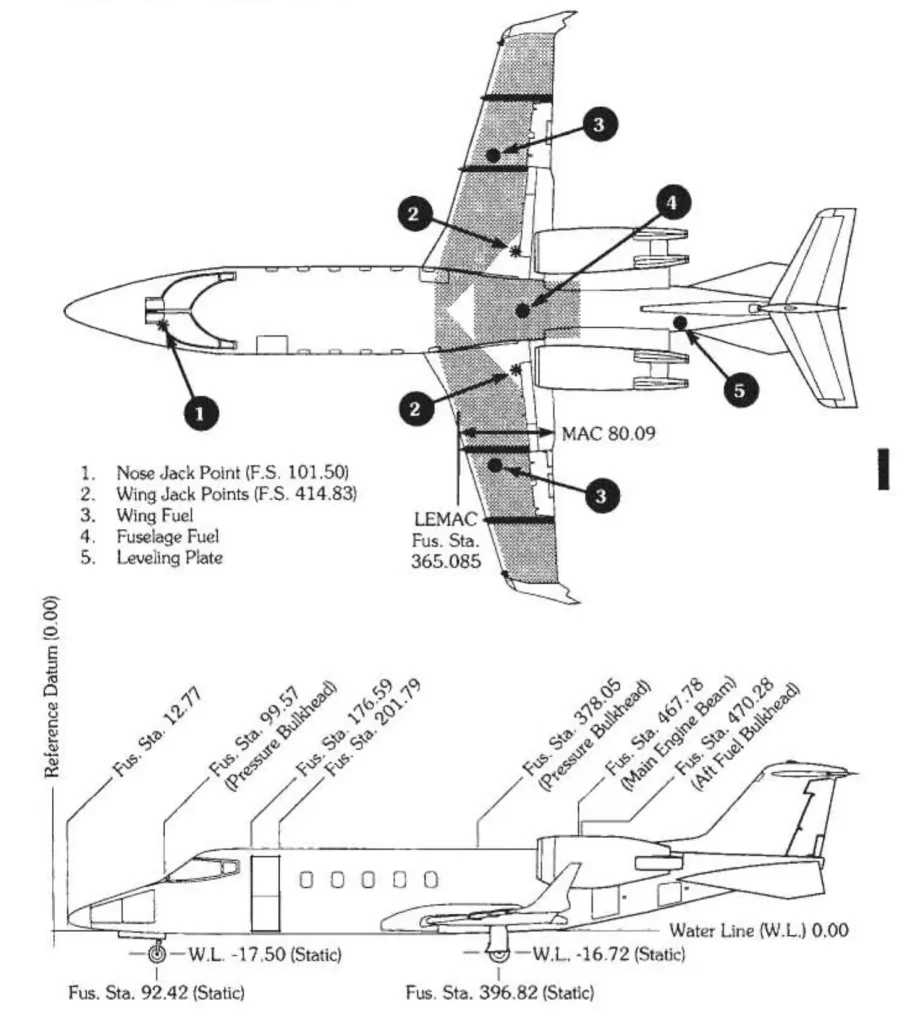
One of the Learjet 60’s key engineering developments involved computational aerodynamics. NASA and Learjet engineers used TRANAIR, a computational fluid dynamics (CFD) program, to refine the wing’s geometry, reduce drag, and improve aerodynamic performance. These modifications were later evaluated through wind-tunnel experiments and flight testing.
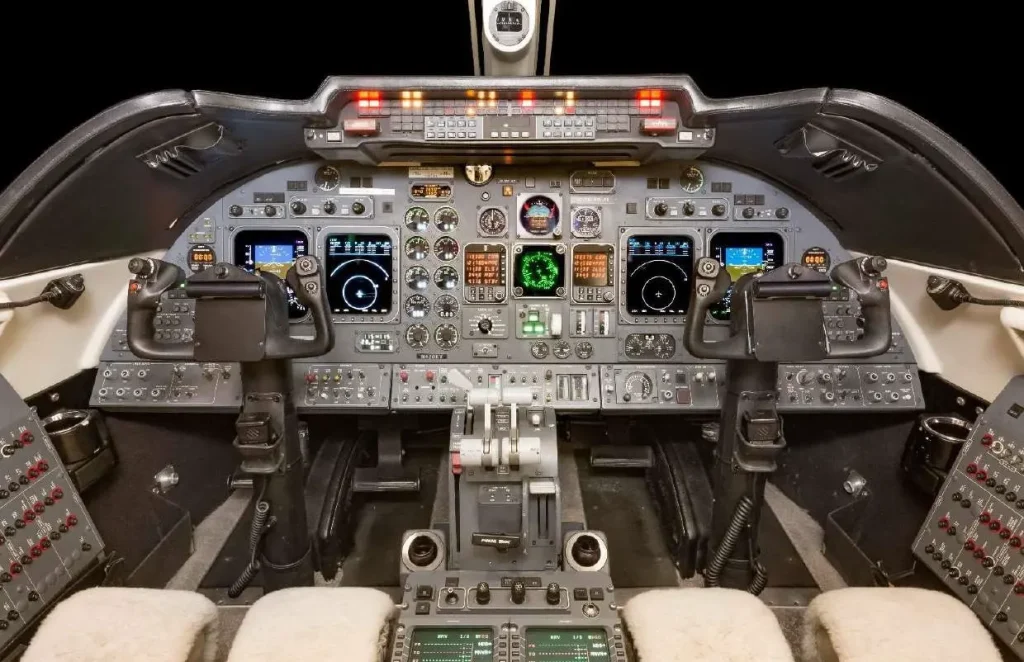
The Learjet 60 uses a combination of mechanical, hydraulic, and electrical systems to control its movement. Its primary flight controls operate through cables, pulleys, bell cranks, and push-pull tubes, transmitting the pilots’ inputs to the aircraft’s control surfaces. Engine-driven hydraulic pumps power the landing gear, brakes, wing flaps, and spoilers. Meanwhile, electrically operated trim systems adjust the aircraft’s balance during flight, including changes to the horizontal stabilizer’s angle.
The Learjet 60 also features Rockwell Collins Pro Line 4 avionics for flight instrumentation and navigation, alongside pressurized cabin systems that regulate temperature and comfort at high altitudes. Together, these systems contribute to the aircraft’s overall performance and efficiency. However, their role in the recent accident remains undetermined.
Understanding the Bigger Picture
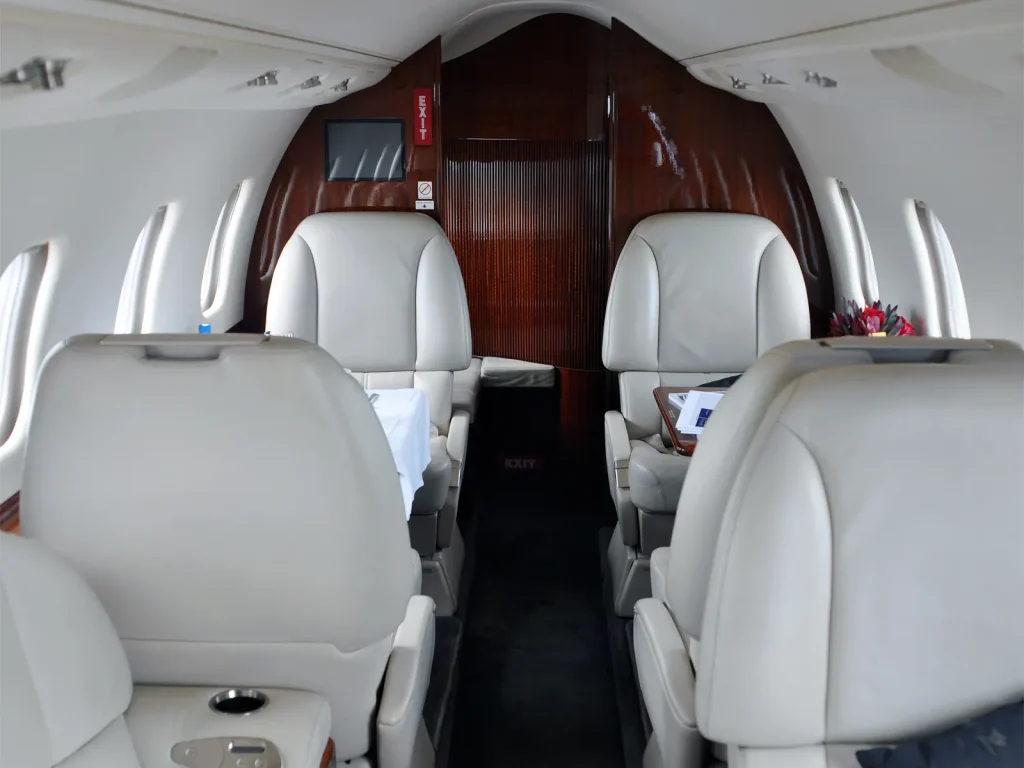
The aircraft involved in the accident, the Learjet 60, shows how aerodynamic design, material selection, and engineering technologies work together to shape an aircraft’s performance and safety. From computational design to its structural and flight control systems, each element reflects the technical considerations behind modern aviation.
Understanding these features may provide a broader perspective on the aircraft, while investigators continue working to determine the circumstances of the recent tragedy. But until the investigation is finalized, this information must remain only a tool for understanding part of the overall situation.