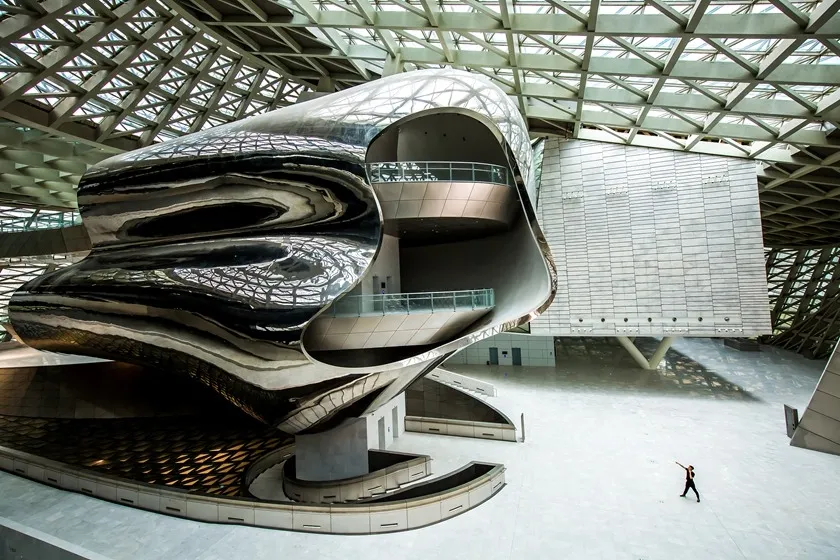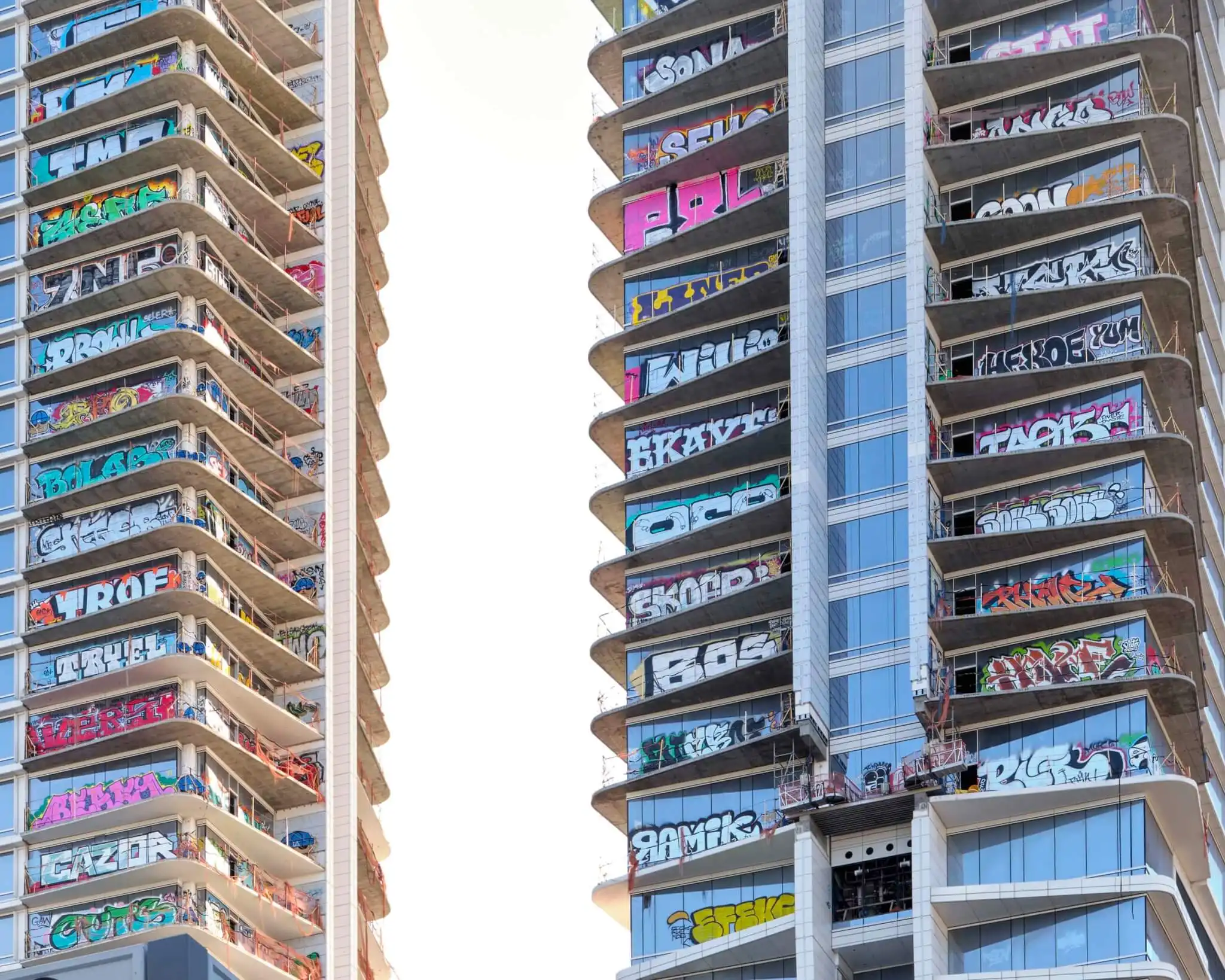



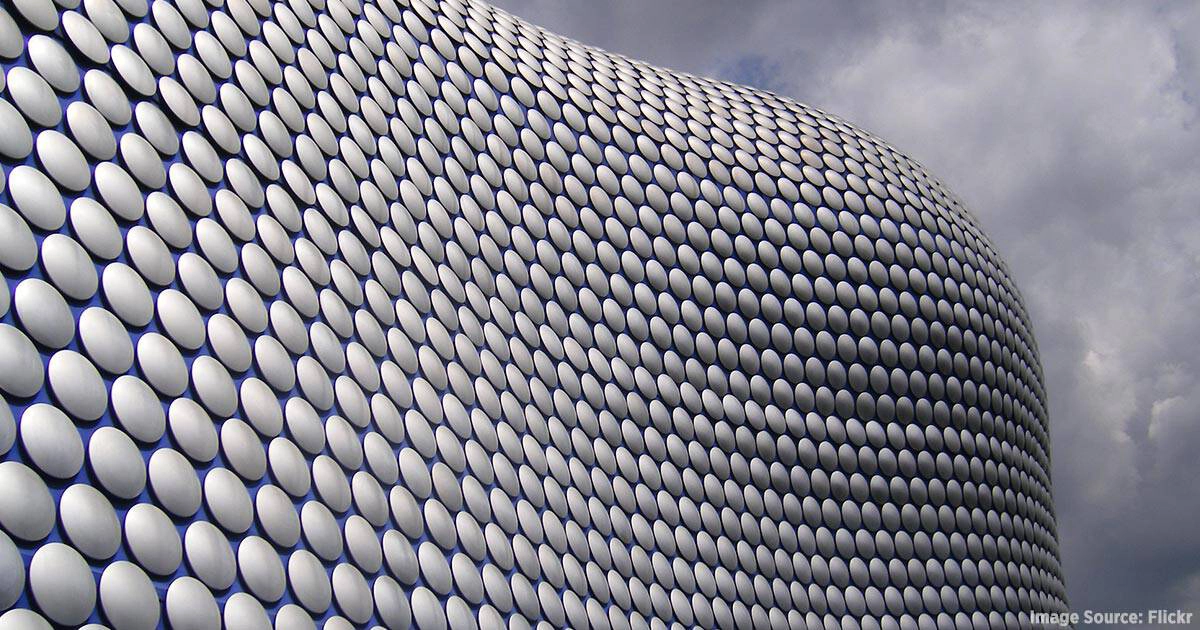


The question of whether beauty can justify complexity sounds deceptively simple. In contemporary architecture, however, it opens onto a much more difficult problem: when does complexity become meaningful, and when is it merely expensive visual theatre?
Architecture has always negotiated between beauty and practical necessity, but digital design, advanced fabrication, parametric modeling and increasingly sophisticated building systems have dramatically expanded what architects can make. The result is an architectural culture in which complexity is often treated as evidence of innovation.
Curves become computational achievements, irregular façades become signs of freedom, and intricate structures are celebrated because they appear almost impossible to construct. Humanity, apparently, has decided that if a building requires twelve software packages to draw, it must be important.
But contemporary architecture should ask a more uncomfortable question. Is complexity valuable because it produces beauty, or do we sometimes call complexity beautiful simply because we have invested so much effort in producing it?
Beauty Is Not the Opposite of Complexity
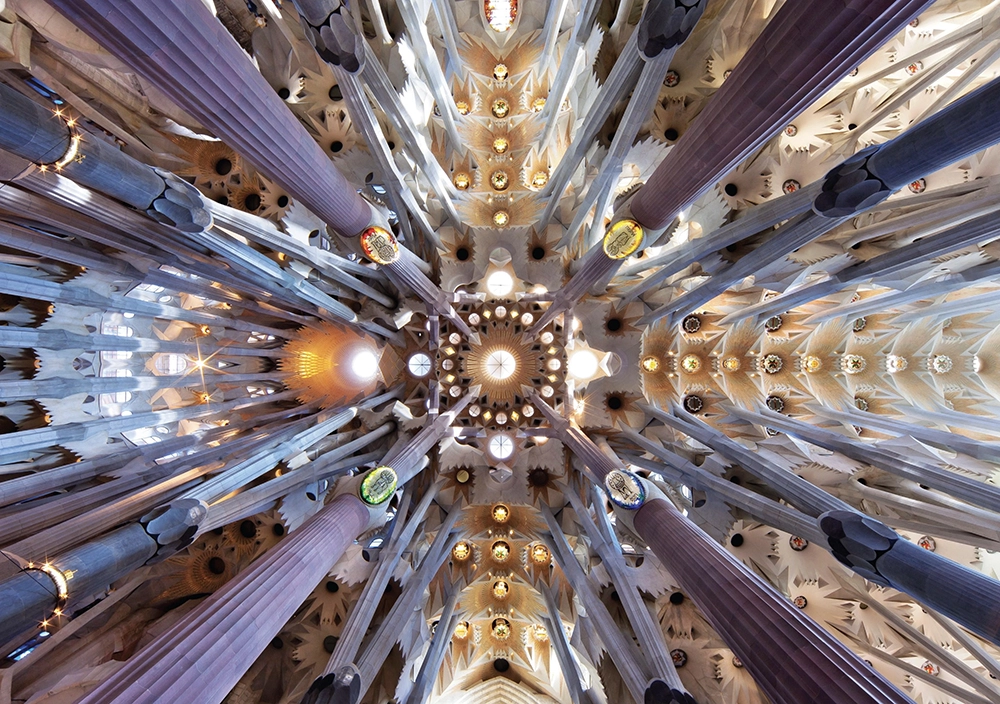
Beauty in architecture has never depended on simplicity alone. Gothic cathedrals, Islamic geometric ornament, Baroque churches and traditional timber structures can be extraordinarily complex. Their complexity, however, is usually organized by a comprehensible logic. Structure, ornament, light, proportion and ritual often reinforce one another.
The problem with some contemporary architecture is therefore not complexity itself. It is unnecessary complexity.
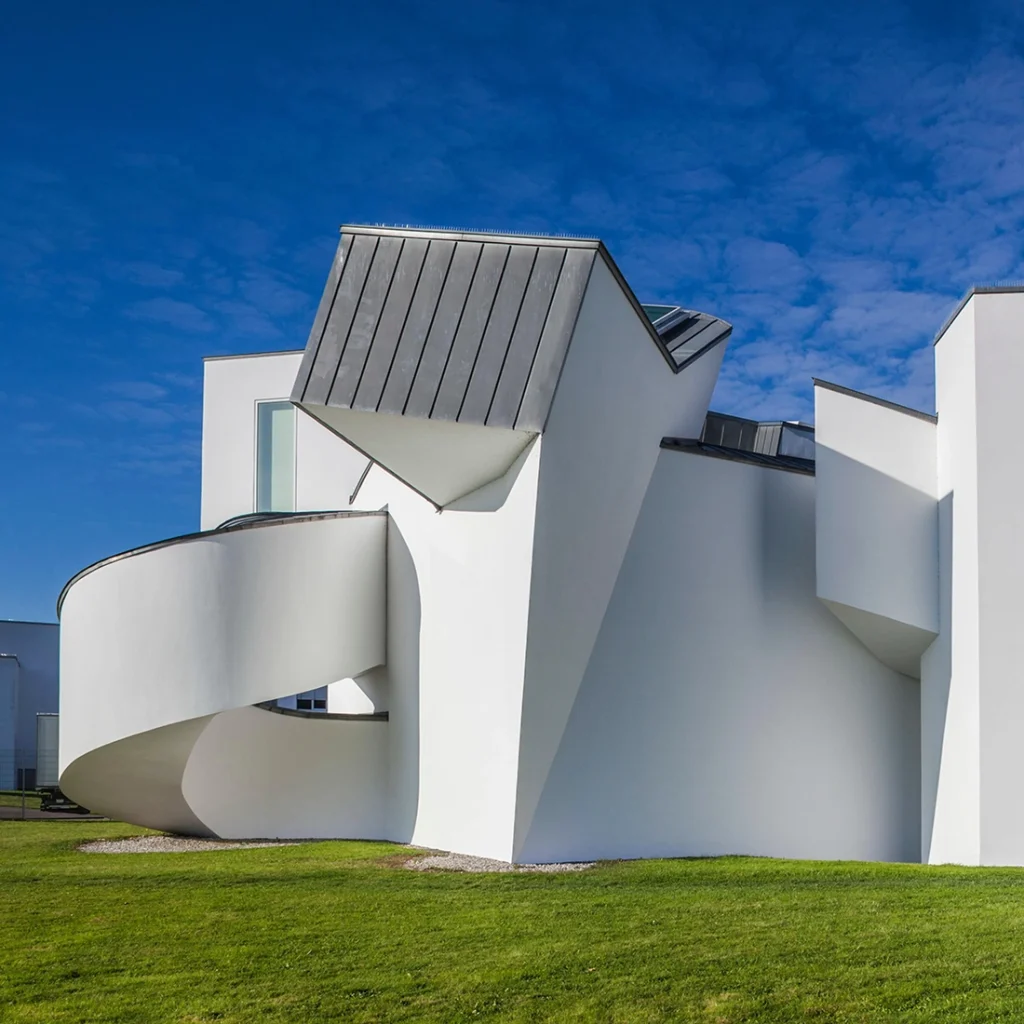
Digital technologies have allowed architects to generate forms that would have been extremely difficult to imagine or construct several decades ago. Frank Gehry’s architecture, for example, demonstrated how fragmented geometries could become a coherent architectural language.
The Guggenheim Museum Bilbao transformed the relationship between structure, surface and urban identity. Yet the significance of such work does not lie simply in its unusual geometry. Its importance comes from the way its form interacts with movement, light, material and the city.
This distinction matters. A complicated form can be architecturally intelligent. A simple form can be intellectually empty. Complexity deserves neither automatic admiration nor automatic criticism.
The Digital Seduction
Contemporary architecture increasingly operates through digital systems capable of producing almost infinite formal variations. Parametric modeling can manipulate thousands of relationships simultaneously. Computational design can optimize structural performance, environmental conditions and fabrication processes. Artificial intelligence is beginning to expand this field even further.
These tools are not inherently problematic. The danger emerges when the capacity to generate complexity becomes confused with a reason to generate it.
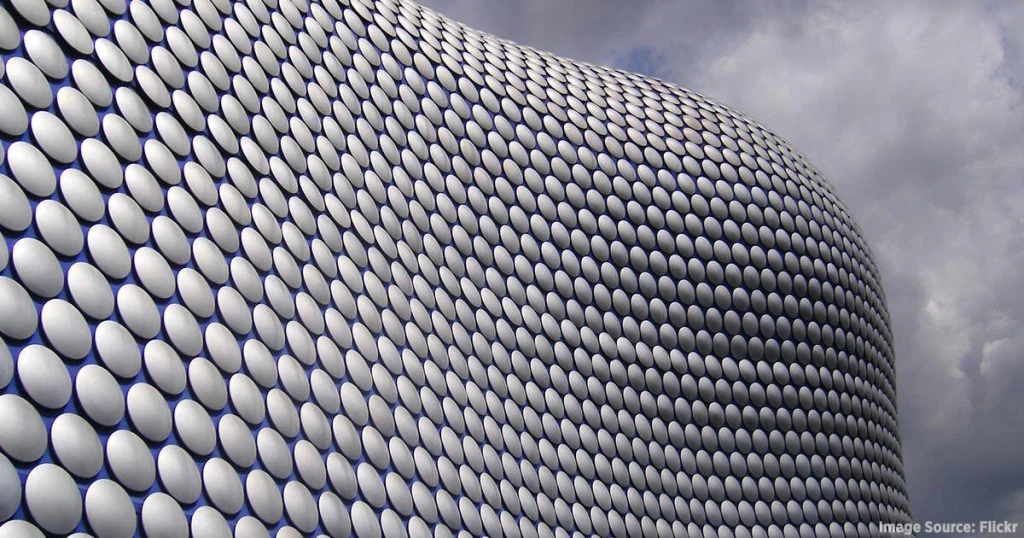
A parametric façade may respond meaningfully to solar radiation, ventilation and interior conditions. Alternatively, it may simply produce an elaborate pattern because the software makes elaborate patterns easy. The difference between these two approaches is not visible in a spectacular rendering. It becomes apparent only when the building is occupied.
This is one of the central weaknesses of image-driven contemporary architecture. A complex building can look convincing in a photograph while failing as an environment. Architecture, inconveniently, cannot remain permanently in rendering mode. People have to enter it, maintain it, clean it, heat it, cool it and pay for it.
When Form Becomes an Argument
There is a recurring tendency in contemporary architectural culture to treat formal complexity as an argument in itself. A building looks unconventional, therefore it must represent unconventional thinking. This assumption is particularly visible in landmark architecture, where visual distinctiveness has become part of a city’s economic and cultural strategy.
Buildings designed as urban icons are expected to attract attention, visitors and investment. The architecture becomes a form of communication. The more recognizable the silhouette, the more valuable it may appear within a global competition for cultural visibility.
This has produced extraordinary buildings, but it has also created a strange architectural economy in which photogenic complexity can become a substitute for architectural depth.
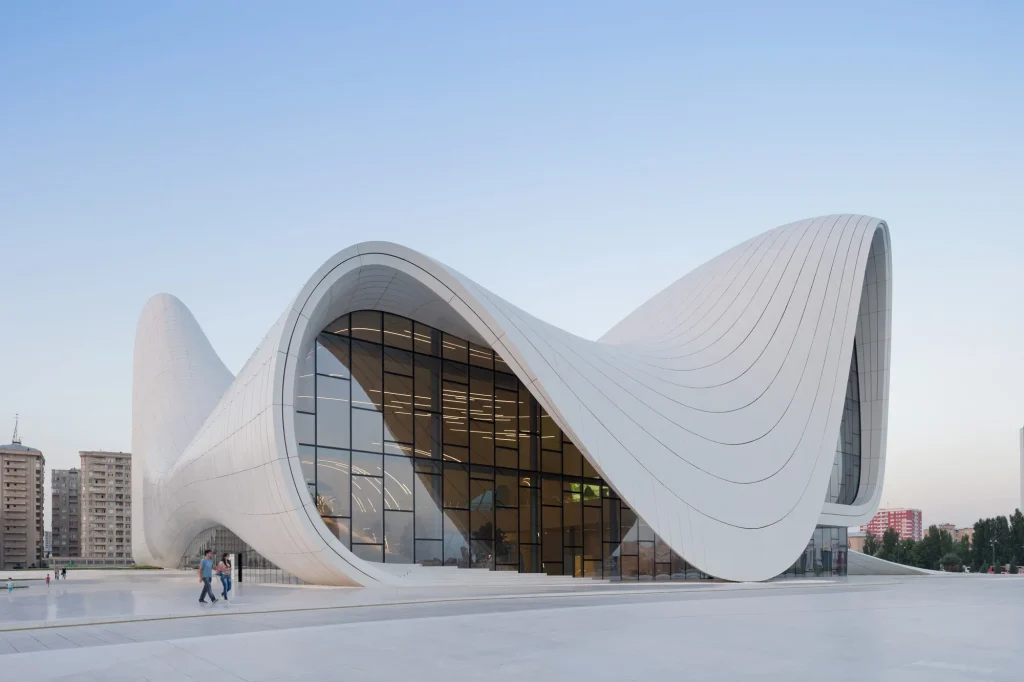
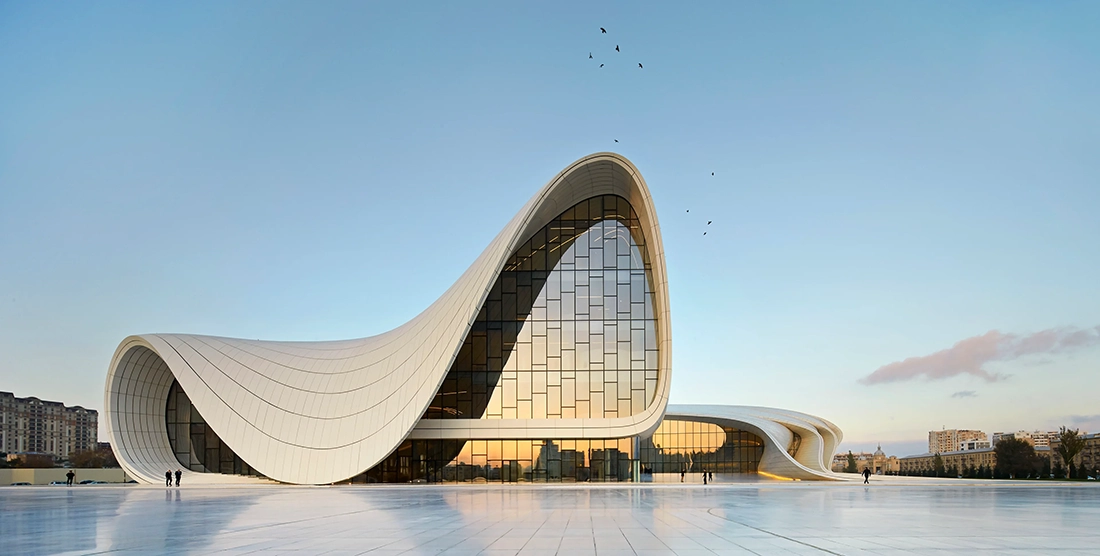
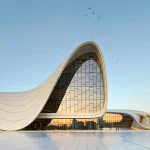
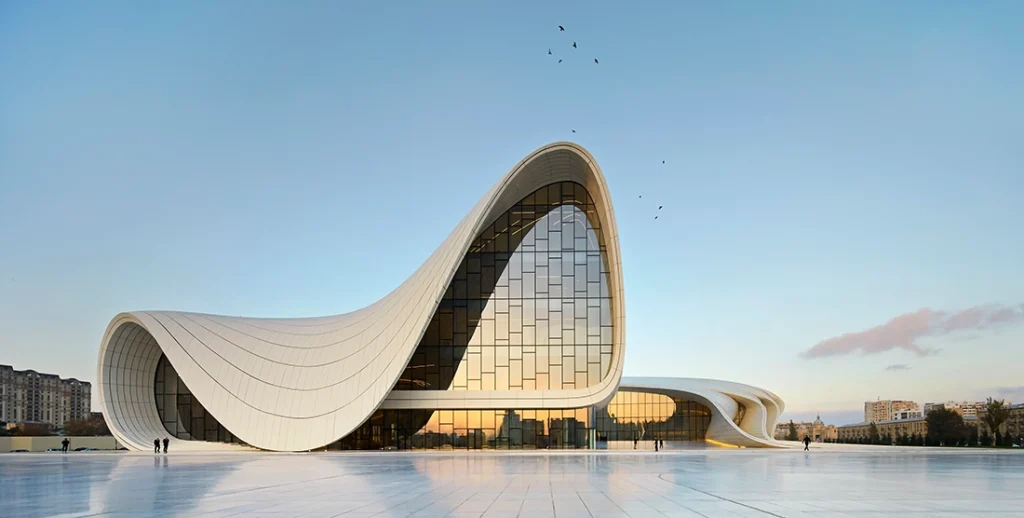
Zaha Hadid’s work provides an important example because her architecture radically expanded perceptions of spatial continuity and movement. Projects such as the Heydar Aliyev Center demonstrate how complex geometry can produce a powerful relationship between structure, landscape and public space. Yet the broader lesson is not that fluid architecture is inherently successful. It is that formal ambition must be evaluated through the total architectural experience rather than through visual novelty alone.
A building should not have to perform acrobatics merely to prove that architecture is still alive.
The Cost of Complexity
Every architectural decision has consequences. Complexity affects not only construction budgets but also material consumption, structural requirements, energy use, maintenance and future adaptability.
A highly irregular building envelope may require customized components. A geometrically complicated structure may demand specialised engineering. Unique details can create difficulties when components deteriorate or need replacement. The building may therefore become dependent on an elaborate technical ecosystem long after the architect has moved on to the next project.
This introduces an ethical dimension to architectural beauty. If an elaborate form consumes significantly more resources than a simpler alternative while providing little additional social or environmental value, can its beauty really justify its complexity?
There is no universal formula for answering this. Architecture cannot be reduced to carbon calculations or construction costs. Cultural value matters. Symbolic meaning matters. Public experience matters. Cities sometimes need buildings that express collective ambition rather than merely satisfy functional requirements.
But those arguments should be demonstrated rather than assumed. Complexity should have to earn its existence.
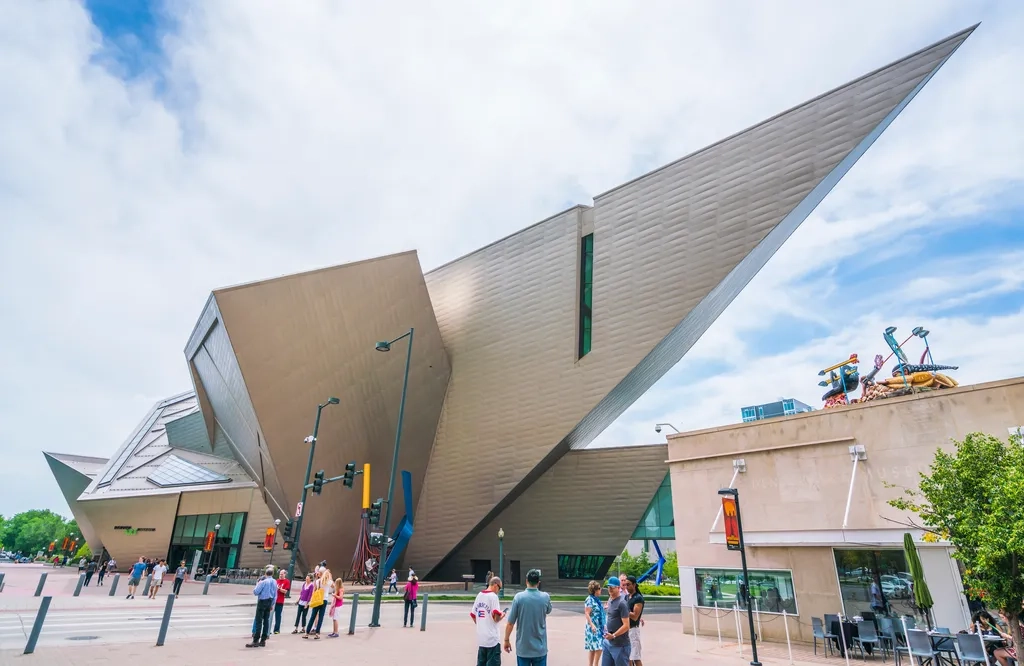
Complexity as Performance
The most convincing contemporary buildings are often those in which complexity operates beneath the surface rather than announcing itself.
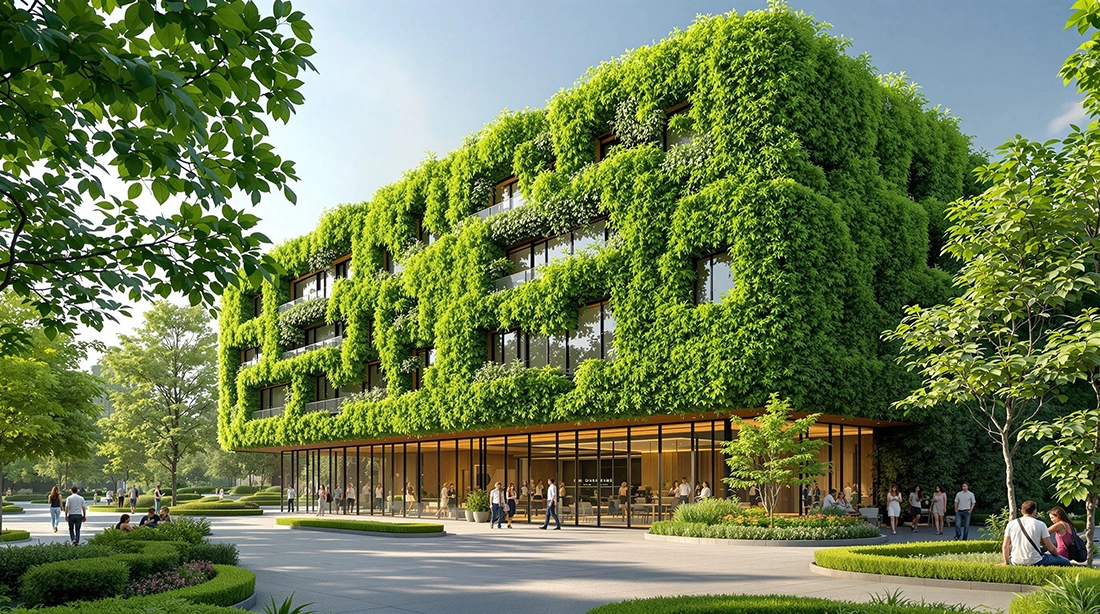
A building may appear calm while containing sophisticated environmental systems, responsive façades, advanced structural strategies and carefully coordinated digital fabrication. In such architecture, technology does not necessarily become the visual subject. Instead, it supports the architectural experience. This approach challenges the assumption that technological sophistication must produce visual extravagance.
Peter Zumthor‘s architecture offers a useful counterpoint. His buildings are often materially rich and spatially sophisticated without depending on spectacular geometry. The complexity is experiential. It exists in the relationship between material, sound, temperature, light, proportion and movement.
SANAA similarly demonstrates how apparent simplicity can conceal considerable conceptual and technical complexity. The architecture may appear almost weightless, yet its spatial organization can be highly nuanced. This suggests a more useful definition of architectural complexity: not the number of parts a building contains, but the number and quality of relationships those parts establish.
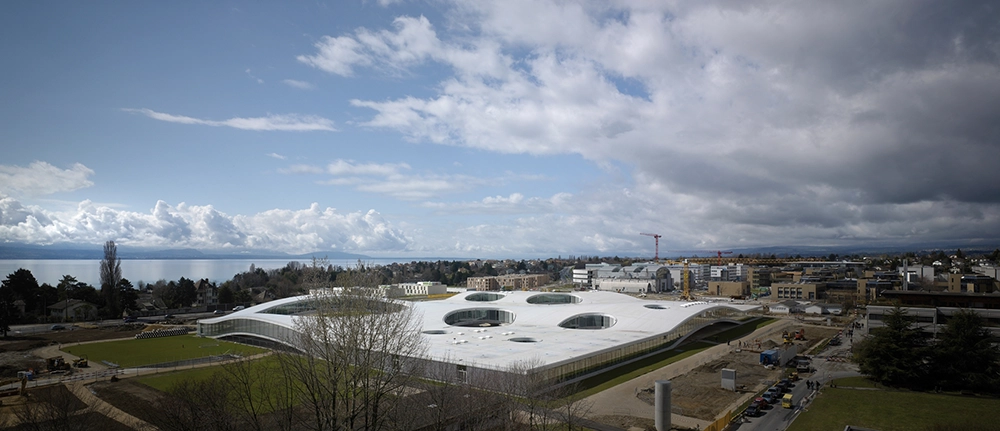
Beauty and the Experience of Space
Architecture is ultimately experienced through the body. We do not inhabit façades from a distance. We walk through thresholds, encounter ceilings, hear footsteps, feel materials and perceive changing light.
This makes architectural beauty fundamentally different from visual spectacle. A building can possess an extraordinary exterior while offering monotonous interior spaces. Conversely, an apparently restrained building can produce a deeply memorable spatial experience.
Contemporary architecture sometimes privileges the external image because it is easier to circulate photographs than experiences. A façade can be captured in three seconds. The qualities of acoustic intimacy, spatial sequence or thermal comfort require occupation.
The growing dominance of social media has intensified this condition. Architecture is increasingly consumed through images detached from scale and context. Buildings become backgrounds for photographs, and visual recognisability becomes a form of cultural currency.
The result is a subtle shift in architectural priorities: buildings are increasingly designed not only to be inhabited, but to be photographed. That is a dangerous criterion for architecture.

The Environmental Question
The climate crisis makes the debate even more urgent. Contemporary architecture can no longer evaluate complexity exclusively through aesthetics, technology or economics. A building’s environmental performance is part of its architectural meaning.
Complexity may sometimes improve performance. Responsive façades, adaptive shading, mixed-mode ventilation, passive environmental strategies and digitally optimized structures can respond to changing conditions more effectively than conventional systems.
But complexity can also increase environmental burdens. More materials, more specialized components and more complicated construction processes can increase embodied energy and reduce adaptability. The important question therefore is not whether sustainable architecture should be simple. It is whether architectural complexity produces measurable environmental and social value.
A sophisticated building that consumes fewer resources over its lifetime may be more responsible than a visually simple building with poor performance. Conversely, a sculptural structure requiring enormous quantities of material cannot become sustainable simply because its architect adds photovoltaic panels to the roof.
Greenwashing, unfortunately, has discovered architecture too.
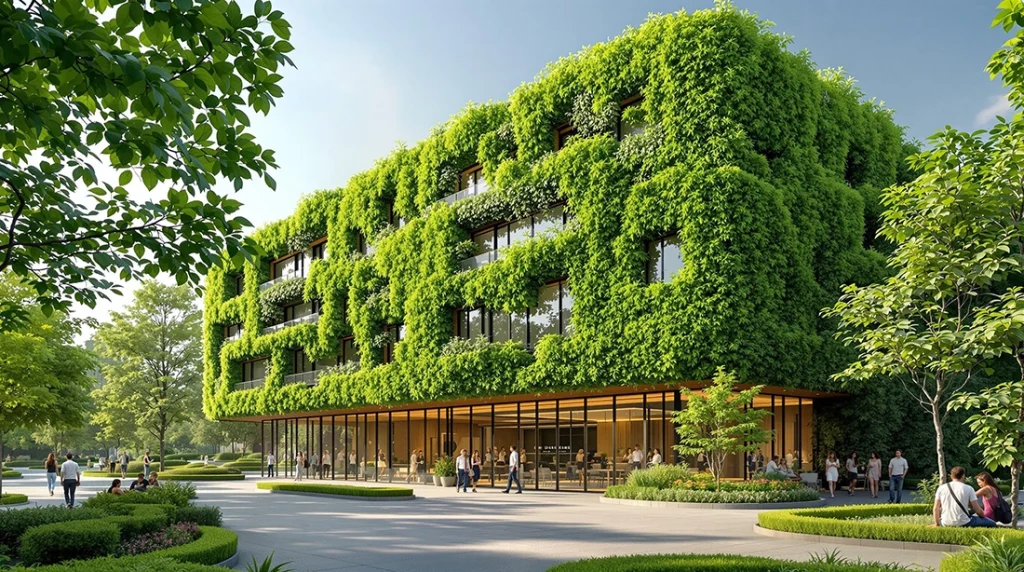
The Problem of Maintenance
One of the least glamorous dimensions of architectural complexity is maintenance. Yet it may be one of the most revealing. Architecture is not finished when the ribbon is cut. It begins its second life at that moment.
Complicated façades, inaccessible surfaces, customized mechanical systems and unconventional structural components may become difficult to maintain. As buildings age, the relationship between architectural ambition and technical practicality becomes increasingly visible.
This raises an important temporal question: Can a building remain beautiful when its complexity begins to decay?
Durability changes our understanding of beauty. A material that ages gracefully may possess greater architectural value than a technically perfect surface that requires constant replacement. A flexible building capable of adapting to new uses may ultimately be more sophisticated than one whose complexity locks it into a single program.
In this sense, simplicity can itself be a form of advanced thinking.
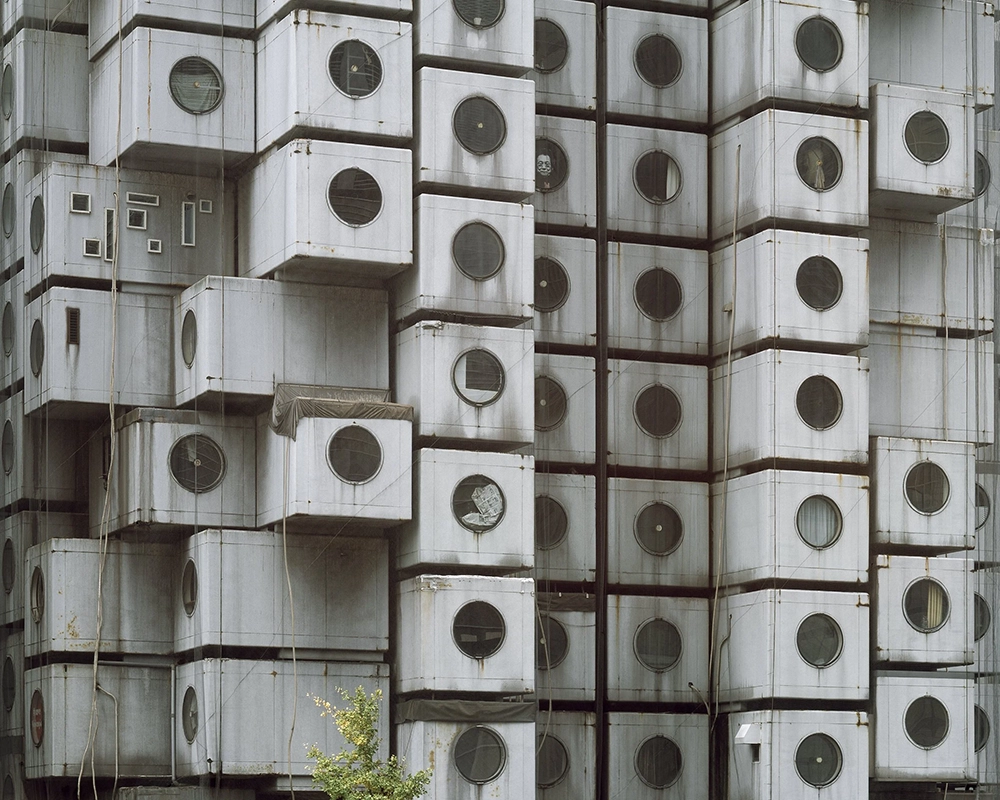
Complexity and Social Value
There is also a political dimension to architectural complexity. Monumental buildings often consume significant public or institutional resources. When complexity is financed through public money, its justification cannot rest solely on artistic ambition. The question becomes one of collective value.
Does the building create genuinely useful public space? Does it improve accessibility? Does it strengthen civic identity? Does it accommodate changing patterns of use? Does its symbolic value correspond to the needs of the community?
These questions do not eliminate beauty from architecture. They expand its definition. Beauty can exist in generosity, accessibility, adaptability and public usefulness just as much as in geometry.
A magnificent building that excludes the public may be visually impressive but socially limited. A less spectacular building that creates meaningful civic life may possess a different and arguably deeper form of beauty.

Toward a More Intelligent Complexity
The future of contemporary architecture should not be a return to simplistic minimalism. Nor should it celebrate complexity for its own sake. What is needed is intelligent complexity.
Intelligent complexity begins with necessity. It asks what a building must accomplish before deciding what it should look like. It uses computational tools to discover relationships rather than merely produce shapes. It treats structure, climate, material, program and social life as interconnected systems.
This does not mean that every architectural decision must be rationalized through performance metrics. Architecture requires imagination, ambiguity and cultural expression. Some buildings deserve to be strange. Some deserve to be extravagant. Some forms exist precisely because architecture is also an artistic discipline.
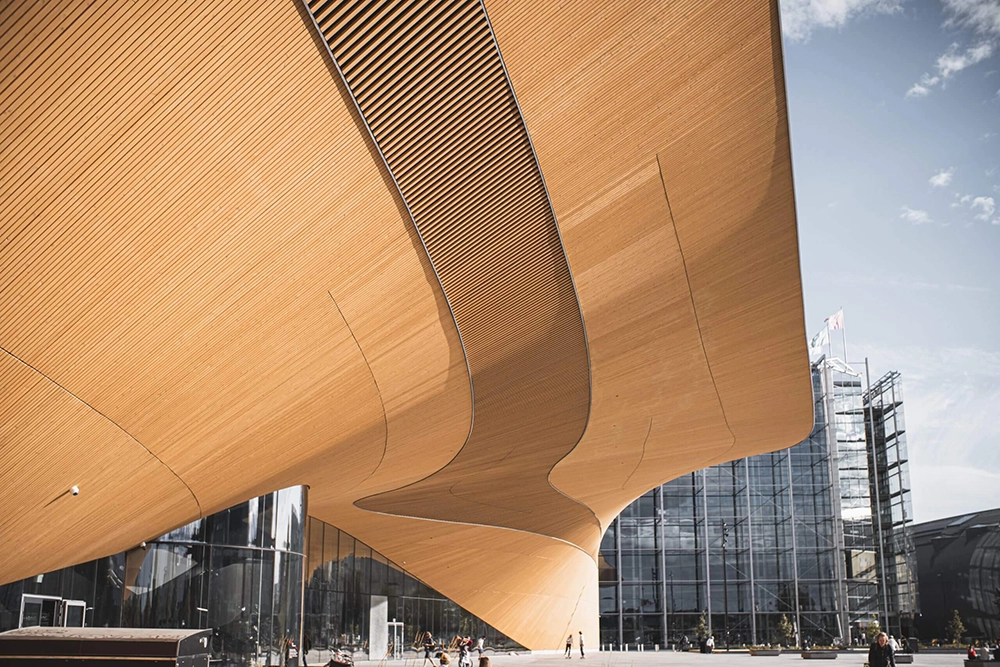
But artistic freedom does not eliminate responsibility. The strongest contemporary architecture is often found where complexity and restraint are not opposites. They become complementary conditions. A building can be technically sophisticated while visually quiet, environmentally advanced while materially expressive, structurally complex while spatially legible.
Beauty Must Defend Itself
So, can beauty justify complexity? Sometimes. But beauty alone should not receive a diplomatic passport that allows every unnecessary complication to cross the border.
Complexity becomes defensible when it produces something that simplicity cannot: a richer public experience, a meaningful response to context, better environmental performance, structural innovation, cultural significance or greater adaptability. When complexity merely produces an impressive image, it becomes difficult to distinguish architecture from spectacle.
The deeper challenge for contemporary architects is therefore not to choose between beauty and complexity. It is to establish a credible relationship between them. Beauty should not be the excuse for complexity. Complexity should become the instrument through which a richer conception of beauty is achieved.
The most compelling architecture of the future may consequently not be the building with the most complicated form, the most advanced software or the largest collection of technological systems. It may be the building in which every layer, however sophisticated, feels inevitable once experienced.
That is perhaps the highest form of architectural intelligence: to make complexity necessary, and then make necessity beautiful.