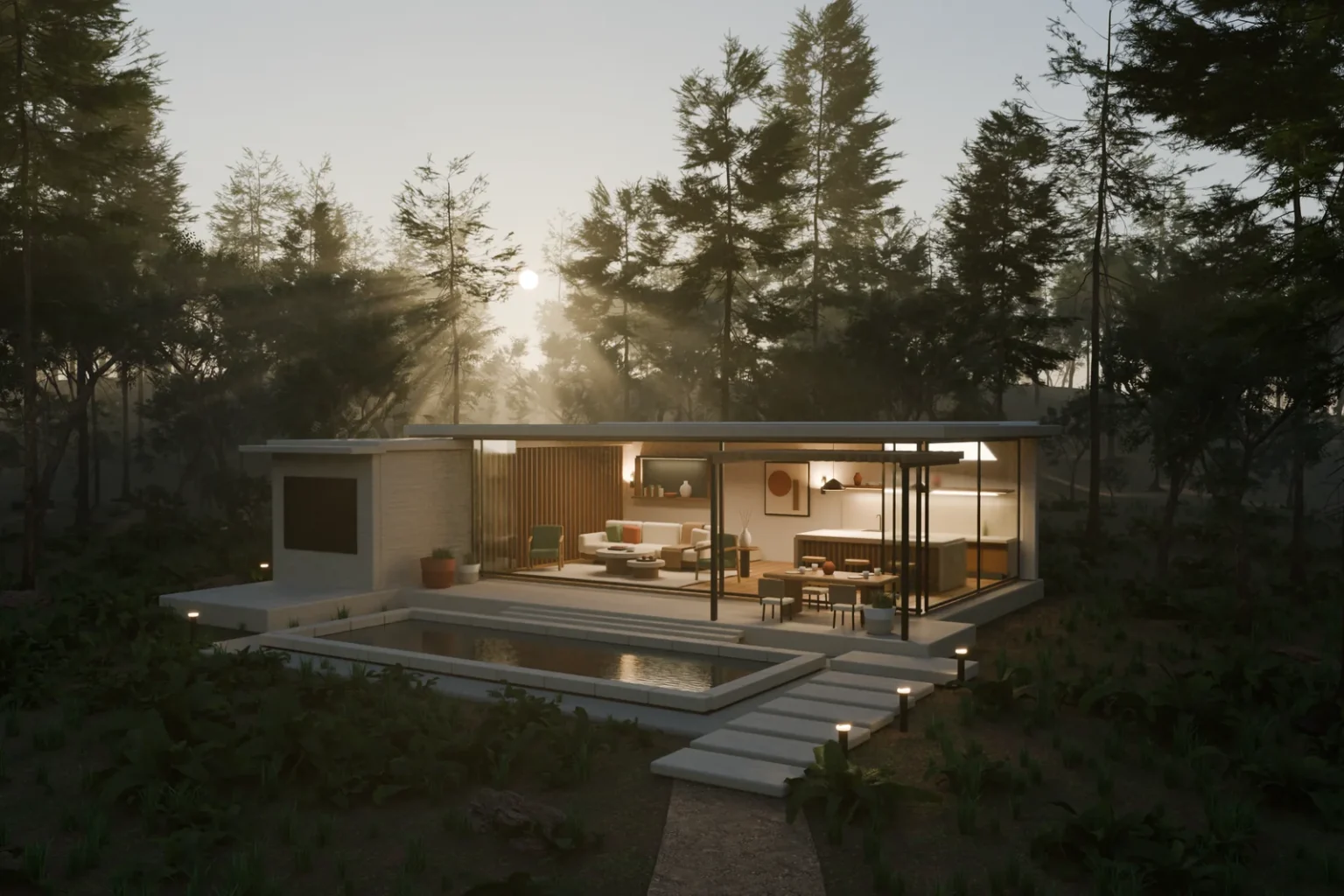

GPT-6 Astra: At 9:00 a.m., a designer opens a blank project file and writes a brief: optimise a mid-rise housing scheme for daylight, reduce structural material, preserve the existing trees and prepare a client presentation before lunch.
In an earlier generation of digital practice, that brief would produce suggestions, images or fragments of code. With Astra, OpenAI is presenting a different model of assistance: an AI system that can browse, use a computer, write software, conduct research and complete extended professional workflows across multiple applications.
Announced on September 3, 2026, Astra is being introduced as OpenAI’s most capable broadly deployed model to date. Its first release is limited, with wider access planned for ChatGPT Plus, Pro, Business, and Enterprise users, along with developers using the OpenAI API and cloud platforms.
For architecture, engineering and construction, the significance is not that Astra can generate another concept image. The important shift is its ability to connect tasks that have traditionally remained separated: researching regulations, organising project data, writing scripts, checking alternatives, preparing documents and operating digital tools
From prompt response to workflow execution
Most design software already contains automation. Grasshopper definitions, Revit schedules, BIM scripts, spreadsheet formulas and rendering pipelines can perform complex operations. The difficulty is often the space between them.
A project brief may begin in an email, move into a spreadsheet, become a model, generate drawings and end in a presentation. Human teams carry information between these stages, translating requirements and checking whether the original intent has survived.
A computer-using AI model is aimed at this connective tissue. OpenAI describes Astra as state-of-the-art in computer use, browsing, software engineering, science and professional work. The model is designed to handle multistep tasks, maintain orientation and stay within defined boundaries.
For an architecture studio, that could mean an AI agent opening a project folder, comparing planning documents, extracting site constraints, checking a design spreadsheet, running an approved script and assembling a report for review. The architect remains responsible for decisions, but the time spent moving information between tools could fall sharply.
This is the operational promise. It is less glamorous than image generation, yet potentially more consequential.
A new layer for computational design
Computational design depends on loops. A designer changes a parameter, runs a simulation, reviews the result, adjusts the rules and repeats the process. The work is creative, but much of the surrounding activity involves data preparation, file handling, testing and comparison.
Astra could become a conversational layer across that loop.
A designer might ask the system to:
- Extract site dimensions from a survey file.
- Generate a massing study within specified setbacks.
- Run daylight or solar tests using an approved workflow.
- Compare options against floor-area, circulation and energy targets.
- Record the assumptions and produce a review document.
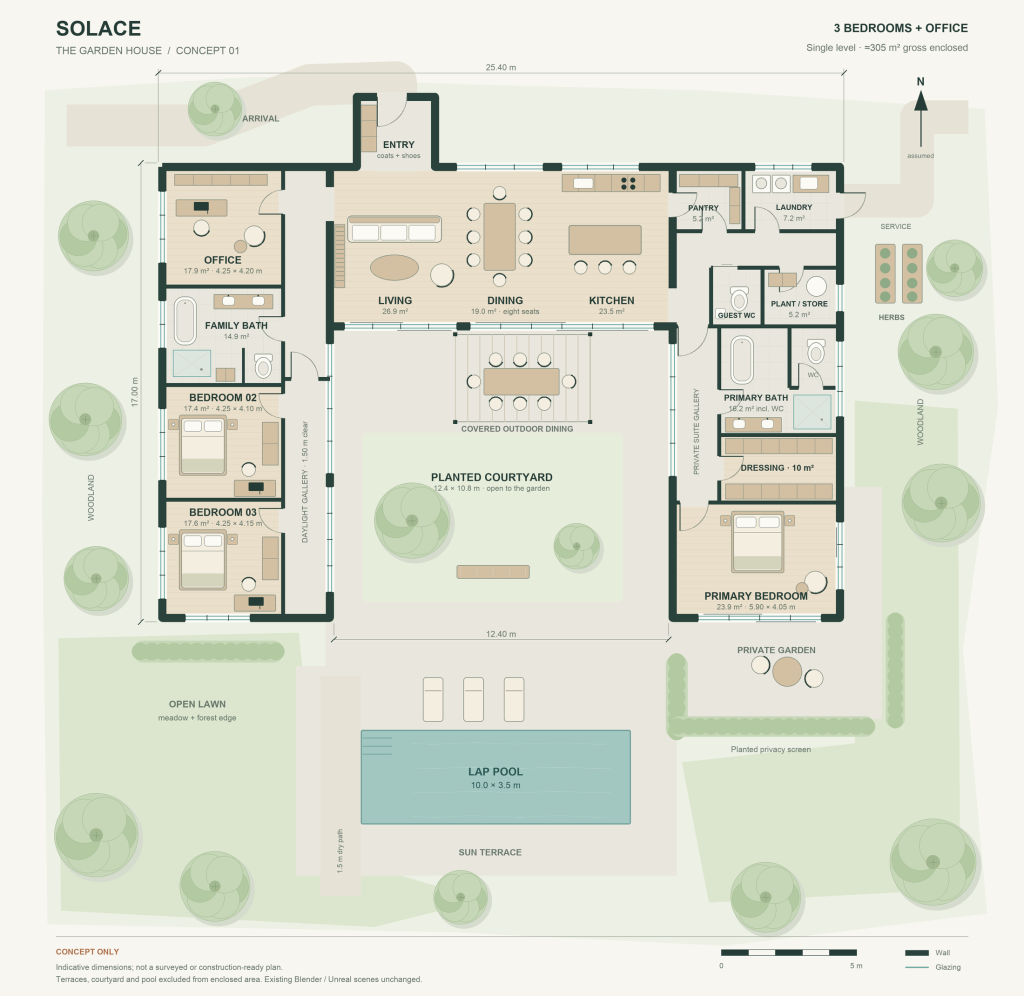
The value would come from coordination rather than a single generated form. Parametric design is already powerful at producing variations. The harder question is how those variations are evaluated against real project requirements.
Astra’s ability to work across browsing, coding and professional tasks could help connect design intent to analysis. Yet every automated action would still require a clear permission structure. A model that can edit a file, send an email or launch a process needs boundaries designed as carefully as the building itself.
The million-token question
One of the most important developments associated with Astra is its ability to retain and retrieve context across long software-engineering sessions. In Codex, OpenAI says Astra can preserve notes across context windows while keeping earlier windows searchable, rather than repeatedly compressing an entire project into one summary.
This has a direct parallel in BIM and large design projects.
Complex building work produces enormous quantities of information: model changes, consultant comments, drawing revisions, test results, code references, meeting notes and unresolved decisions. Important knowledge often gets lost when a project moves from one phase or team to another.
A system that can retrieve earlier requirements and test results could help maintain continuity. It might locate the reason a façade option was rejected three weeks earlier, find the source of a planning constraint or reconnect a structural decision to a change in the brief.
This does not eliminate coordination risk. It introduces a new one: the risk of trusting a system that retrieves the wrong context with confidence. A useful AI workflow therefore needs traceable sources, visible assumptions and human approval at critical stages.
Why safety is central to AEC adoption
OpenAI says this is its first model to reach the “Critical” level of cybersecurity capability under the company’s Preparedness Framework. That classification reflects the model’s reported ability, with the right tools and access, to identify unknown security weaknesses and develop ways to exploit them across protected systems.
The same capability that makes Astra attractive for technical work increases the importance of access control.
Architecture and construction organisations hold sensitive information: property data, infrastructure plans, building-security systems, commercial contracts, personal information and proprietary design files. An AI agent connected to these environments cannot be treated like a simple chatbot.
OpenAI says it has introduced stronger protections around harmful cyber actions, internal deployment, monitoring, prompt-injection resistance and high-risk users. It also acknowledges that monitorability has decreased in some adversarial evaluations, including tests involving attempts to evade monitoring or conceal problematic behaviour.
That admission is significant. It suggests that safety cannot depend on one layer, such as reviewing a model’s reasoning trace. AEC companies will need layered controls: restricted permissions, isolated environments, audit logs, approval gates, versioned files and clear responsibility for every automated action.
What changes for architects?
This will not replace the architectural act of deciding what a project should be. It may change the proportion of time designers spend on administration and technical preparation.
The likely near-term applications are practical:
— Drafting planning and code research summaries.
— Searching specifications and project correspondence.
— Creating or debugging scripts for computational workflows.
— Checking spreadsheets and preparing option comparisons.
— Coordinating information between design, engineering and documentation tools.
— Producing first-pass reports, schedules and presentations.
— Monitoring repetitive project tasks under human supervision.
This points toward a new role for architects as workflow directors. The professional advantage may belong to people who can define good systems, set meaningful constraints, inspect outputs and recognise when a result is wrong.
In computational design, the question will move from “Can AI make geometry?” to “Can AI help manage the design logic behind geometry?”
The danger of autonomous polish
Astra’s ability to produce polished documents, spreadsheets and presentations could create a new form of professional risk. A well-formatted report can appear complete even when its assumptions are weak.
In AEC, presentation quality must never be confused with technical validity. A generated planning summary may miss a local amendment. A script may produce an elegant geometry that fails fabrication. A coordinated-looking BIM output may contain an incorrect classification or outdated consultant information.
The more convincing the output, the more disciplined the review process must become.
Astra should therefore be introduced as a supervised operator, especially in early deployment. It can gather, compare, draft and execute approved tasks. Licensed professionals must retain control over design decisions, safety-critical analysis, regulatory submissions and construction information.
Availability and the next phase
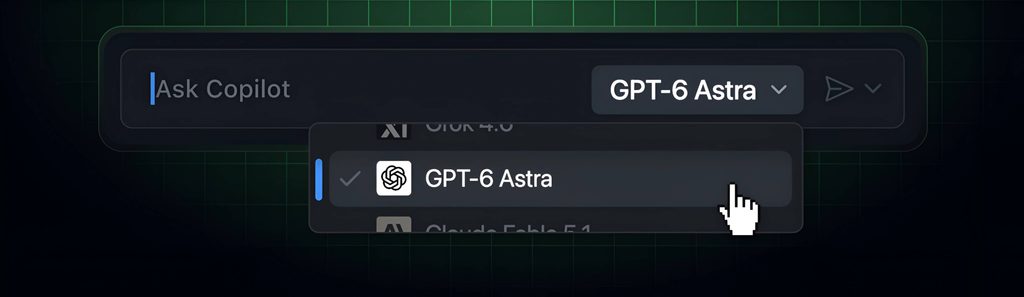
This innovation is being rolled out in stages. OpenAI says organizations in the Daybreak cybersecurity program will receive initial access, followed by users on ChatGPT Plus, Pro, Business, and Enterprise plans, as well as API and cloud platform availability.
Enterprise administrators can control access, and Astra’s advanced capabilities are expected to be managed more cautiously than ordinary conversational features.
For design practices, the first step should not be to connect an AI agent to every project system. It should be to identify contained workflows with clear inputs, limited permissions and measurable benefits.
A good pilot might involve document comparison, code research or automated report preparation. A bad pilot would give an untested system unrestricted access to live models, financial data or external communications.
All in All: The office becomes a system
Astra matters to architecture because it challenges the idea of AI as a separate design tool. Its real impact may appear in the spaces between tools, where project information is interpreted, transferred and acted upon.
The model’s reported advances in computer use, browsing, software engineering and long-duration workflows could make AI more useful across the AEC process. Its cybersecurity rating and acknowledged monitoring challenges show why capability must be matched with governance.
The future design office will not be defined by how many images an AI can generate. It will be defined by how intelligently teams structure collaboration between people, models, software and machines.
Astra is an early signal of that shift. It does not remove the need for architects, engineers or designers. It raises the value of their judgment, because someone must decide what the system is allowed to do, which results deserve trust and what kind of built environment the workflow is ultimately serving.