As extreme heat becomes an increasingly serious occupational hazard, Japanese companies are exploring unconventional cooling technologies that go beyond fans and portable air conditioners. One of the latest innovations attracting global attention is the Do Hiemon Box, a human-sized cooling booth designed to rapidly lower body temperature after prolonged exposure to heat.
Developed by Japanese refrigeration and vending machine manufacturer SDRS and distributed by industrial equipment supplier TRUSCO Nakayama, the product is less of a refrigerator in the traditional sense and more of a mobile recovery station for workers operating in high-temperature environments.
A Cooling Booth Inspired by Japan’s Vending Machines
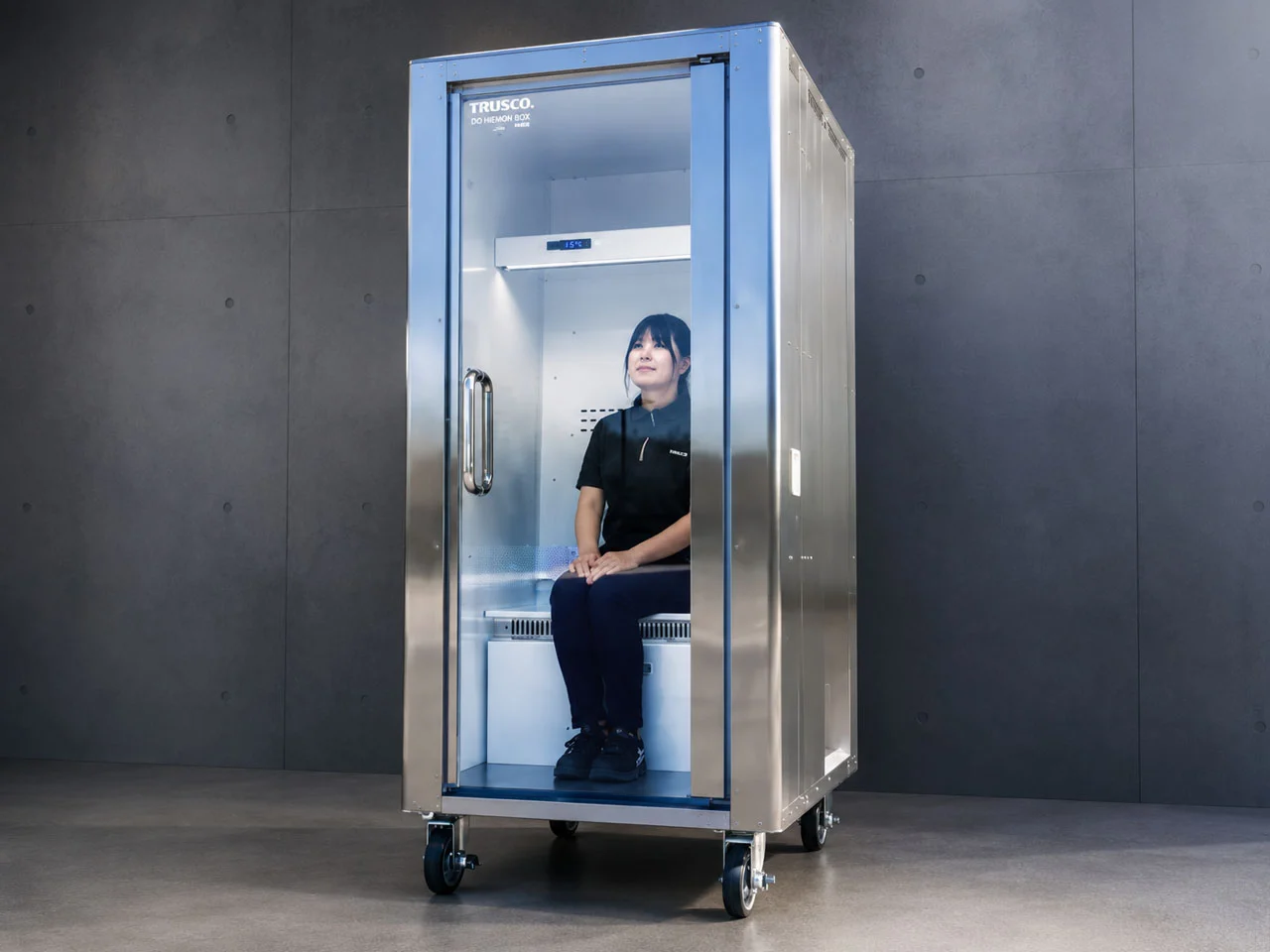
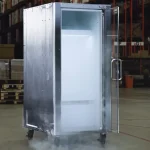
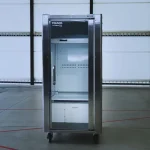
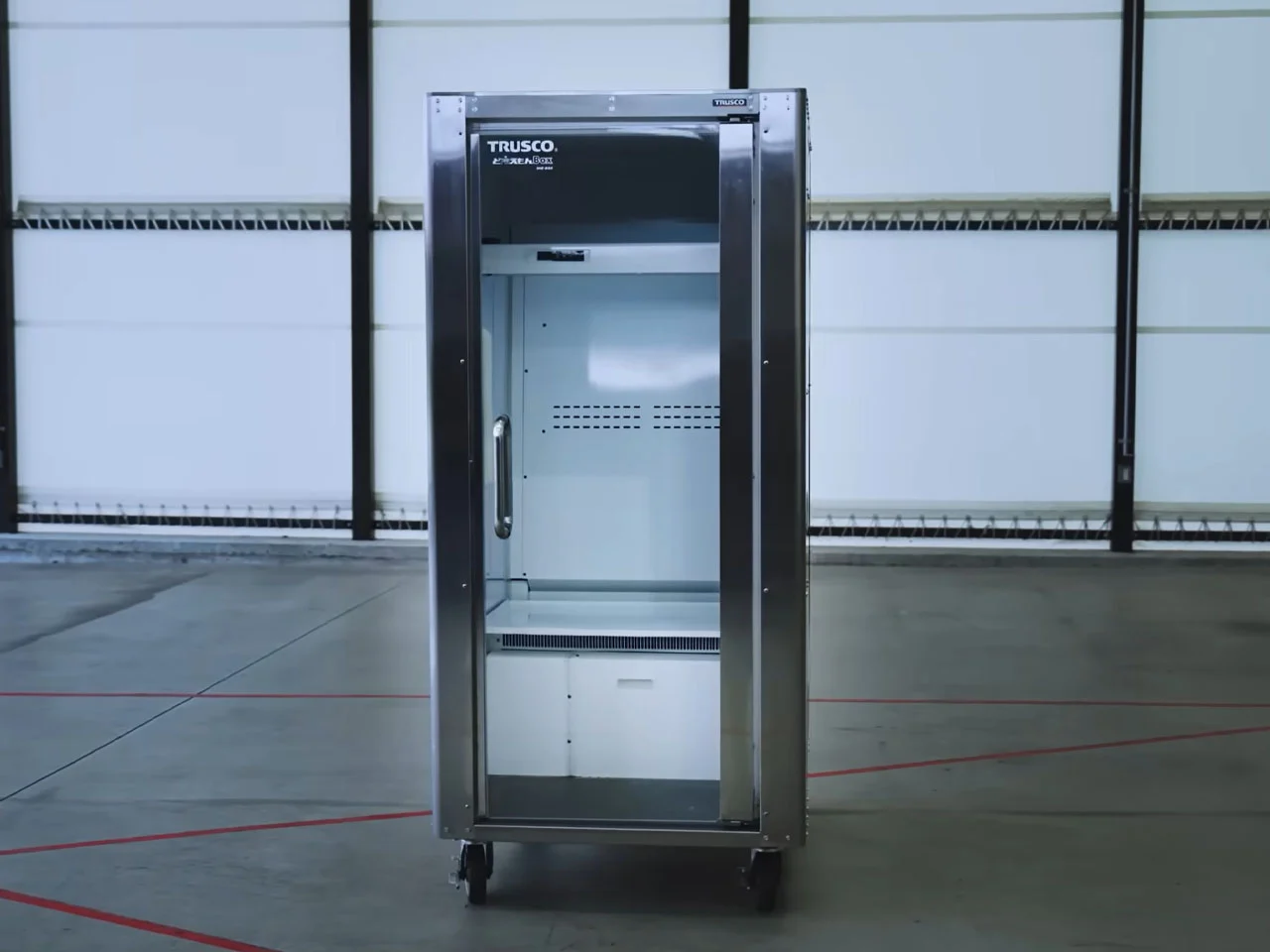
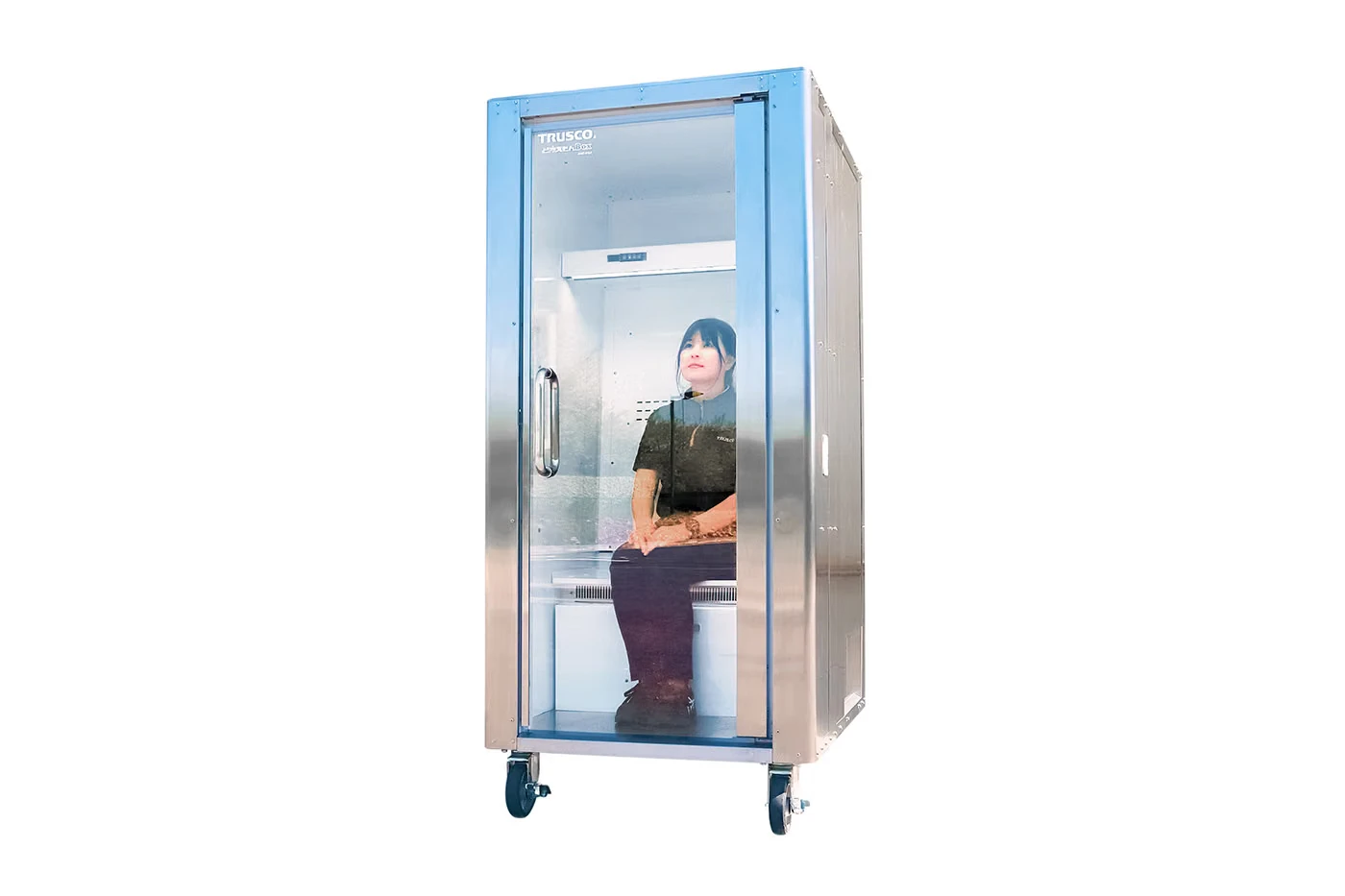
At first glance, the Do Hiemon Box resembles an oversized refrigerated vending machine. The design inspiration is intentional: Japan’s ubiquitous refrigerated vending machines are engineered to maintain stable temperatures efficiently, and SDRS has adapted similar cooling technology into a booth large enough for one person.
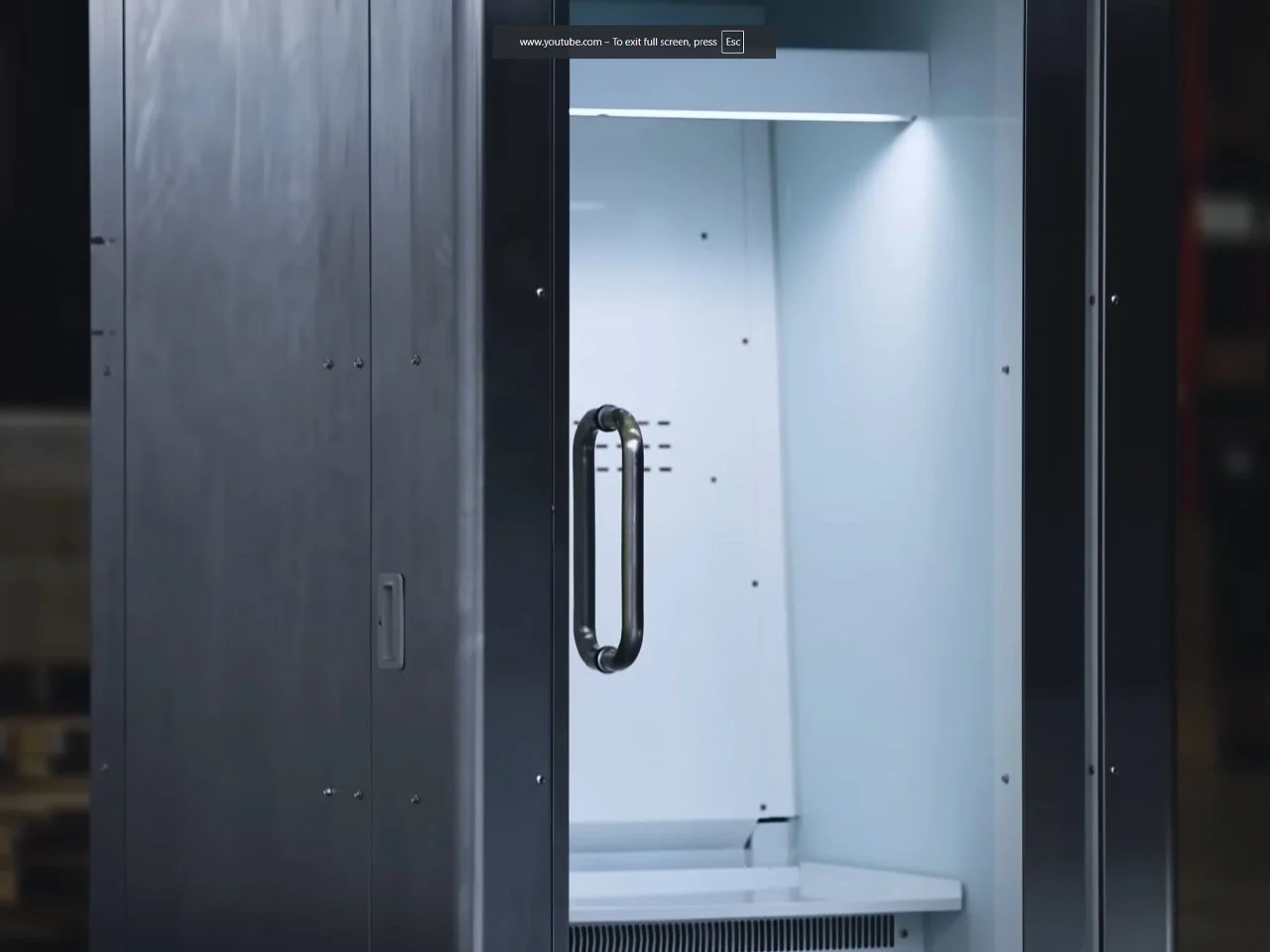
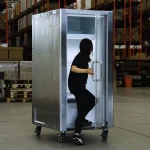
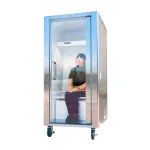
The system focuses on rapidly reducing an individual’s body temperature. Users step inside, sit on an integrated chair, and receive targeted streams of chilled air directed toward the head, neck, shoulders, and back—the areas most effective for dissipating body heat.
How the Do Hiemon Box Works
The booth maintains an internal ambient temperature of approximately 15°C, while colder air around 5°C is blown through strategically positioned vents. According to SDRS, users can begin feeling noticeably cooler within five minutes, while a session of around 10 minutes may help alleviate symptoms associated with heat exhaustion after prolonged outdoor work.
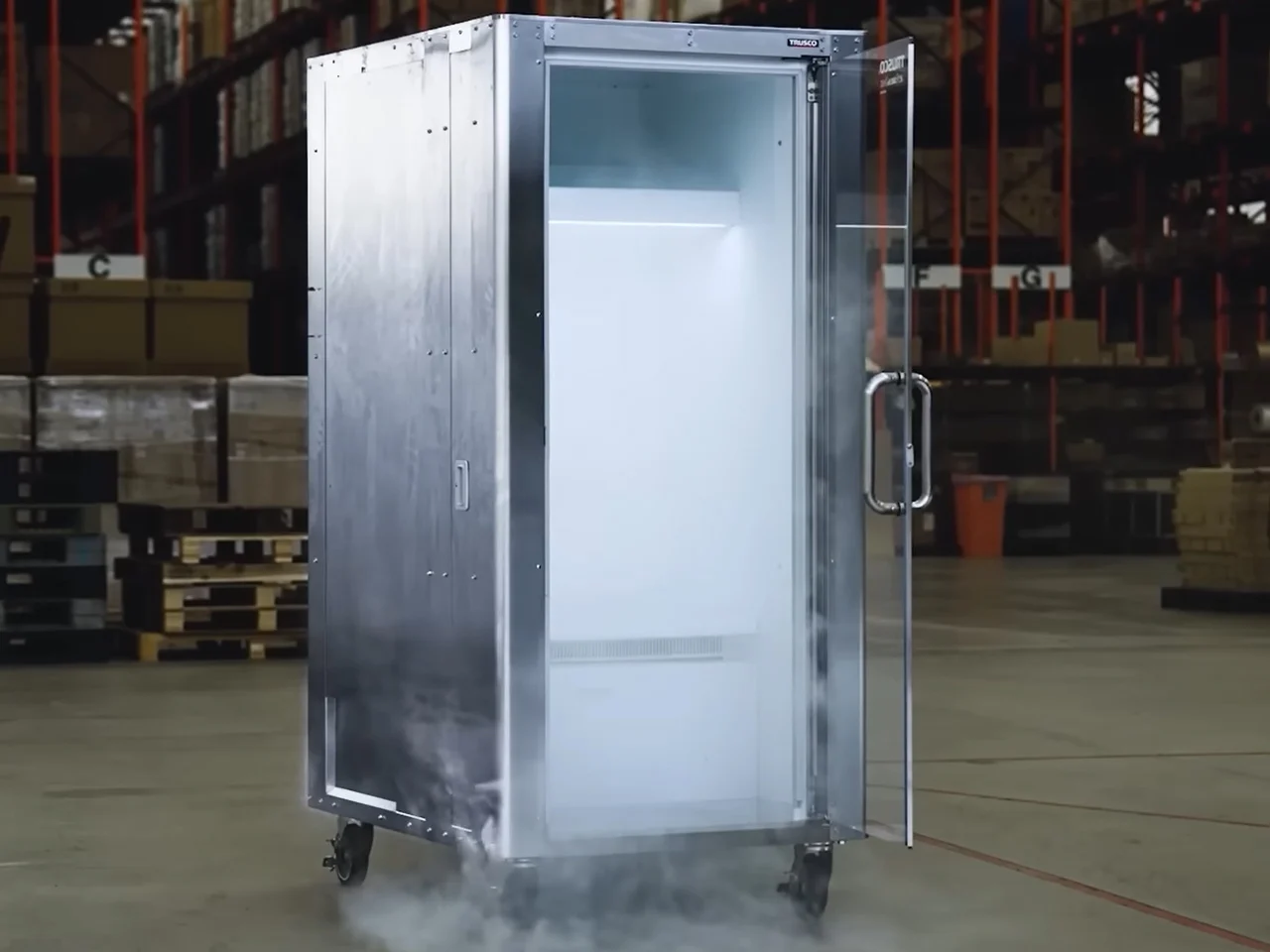
To ensure safe operation, the booth includes:
- Three adjustable cooling modes with different airflow patterns
- Automatic shut-off after 20 minutes to prevent excessive cooling
- Built-in seating for comfortable recovery
- Transparent front panel for visibility
- Lockable caster wheels, allowing the unit to be relocated as needed
Built for Construction Sites, Factories, and Outdoor Events
The Do Hiemon Box is intended primarily for industrial and commercial settings where workers are regularly exposed to high temperatures.
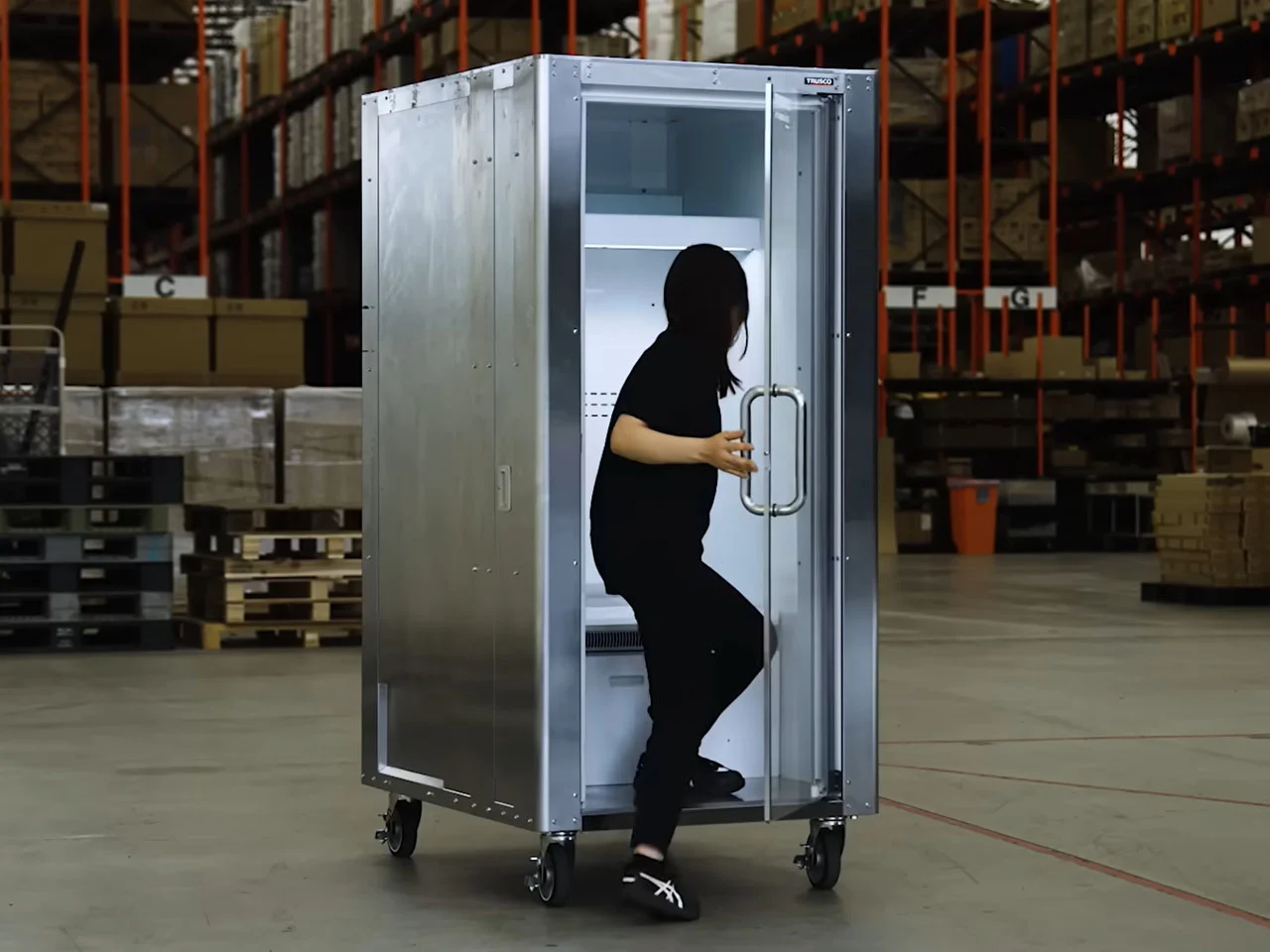
Potential applications include:
- Construction sites
- Manufacturing facilities
- Warehouses
- Logistics centers
- Outdoor festivals and sporting events
- Public works and maintenance operations
Because the unit requires no permanent installation and operates from a standard electrical outlet, businesses can deploy it wherever temporary cooling stations are needed.
Energy-Efficient Alternative to Spot Cooling
One of the product’s notable selling points is energy efficiency. SDRS says the booth consumes roughly 0.51 kWh, approximately half the electricity required by a conventional spot air conditioner. Operating costs are estimated at 16 yen per hour, making it a practical solution for employers looking to provide rapid cooling without significantly increasing electricity consumption.
Developed in Response to Rising Heat Risks
Japan has experienced increasingly severe summers, with recurring heatstroke warnings and record-breaking temperatures placing pressure on employers to improve worker safety. The Do Hiemon Box reflects a growing shift toward dedicated heat mitigation technologies rather than relying solely on hydration breaks and shade.
Instead of replacing conventional cooling systems, the booth serves as a recovery station that allows overheated workers to quickly reduce their core temperature before returning to work, helping minimize the risk of heat-related illnesses.
Price and Availability
The Do Hiemon Box is currently available in Japan through TRUSCO Nakayama’s industrial distribution network. The standard unit is priced at approximately 1.5 million yen (around US$9,000–10,000, depending on exchange rates), positioning it as an investment for businesses and public facilities rather than individual consumers. One unit has also been installed at Maebashi City Hall for public use during periods of extreme heat.
A Glimpse Into Climate-Responsive Workplace Technology
While its refrigerator-like appearance has generated viral attention online, the Do Hiemon Box represents a broader trend in climate-adaptive workplace technology. As heatwaves become more frequent worldwide, industries are increasingly exploring specialized cooling infrastructure to protect workers in environments where conventional air conditioning is impractical.
The Do Hiemon Box highlights how targeted cooling systems could become an important component of occupational safety in an era of rising global temperatures.
Image credit: © Trusco Nakayama