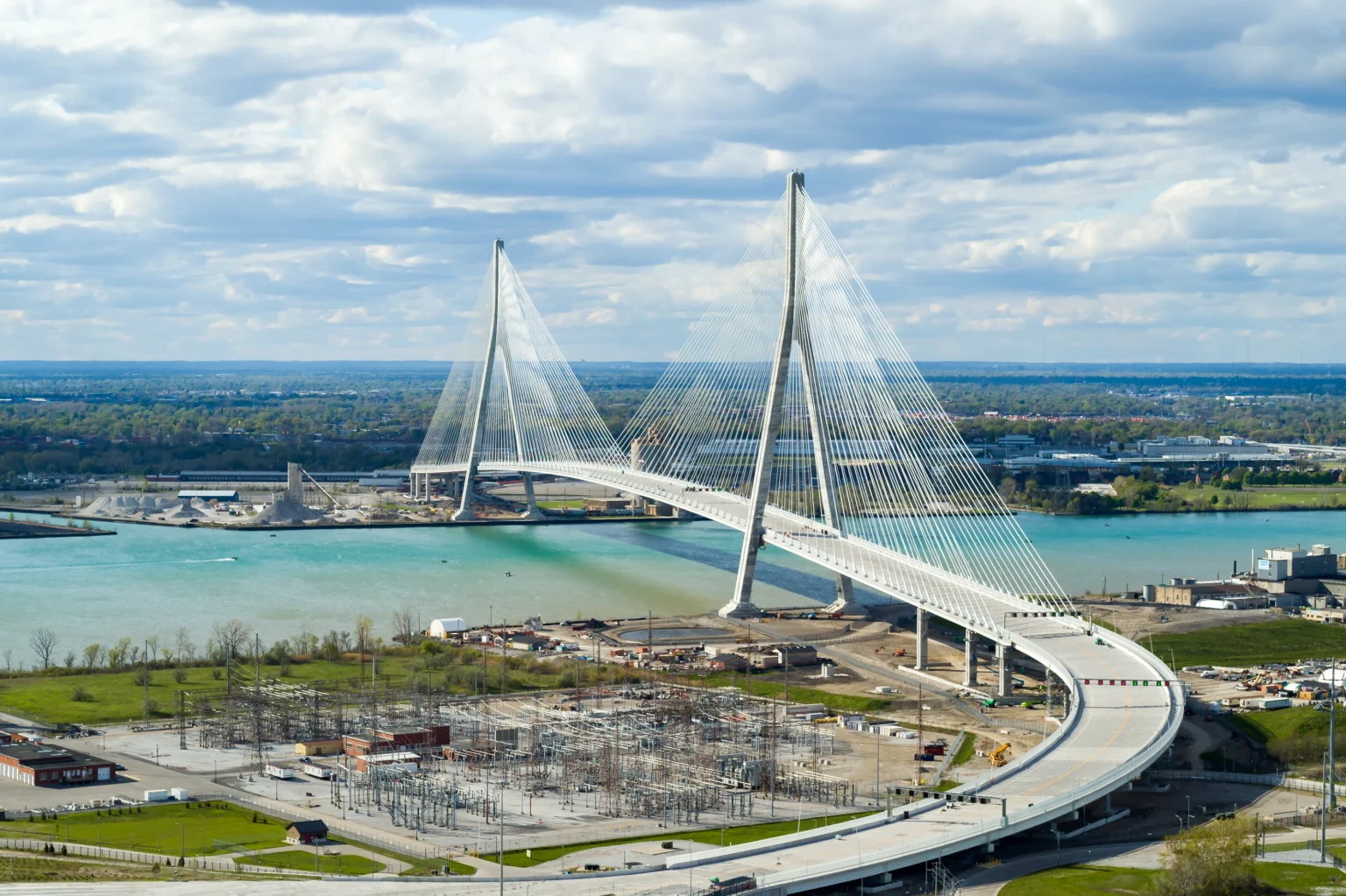
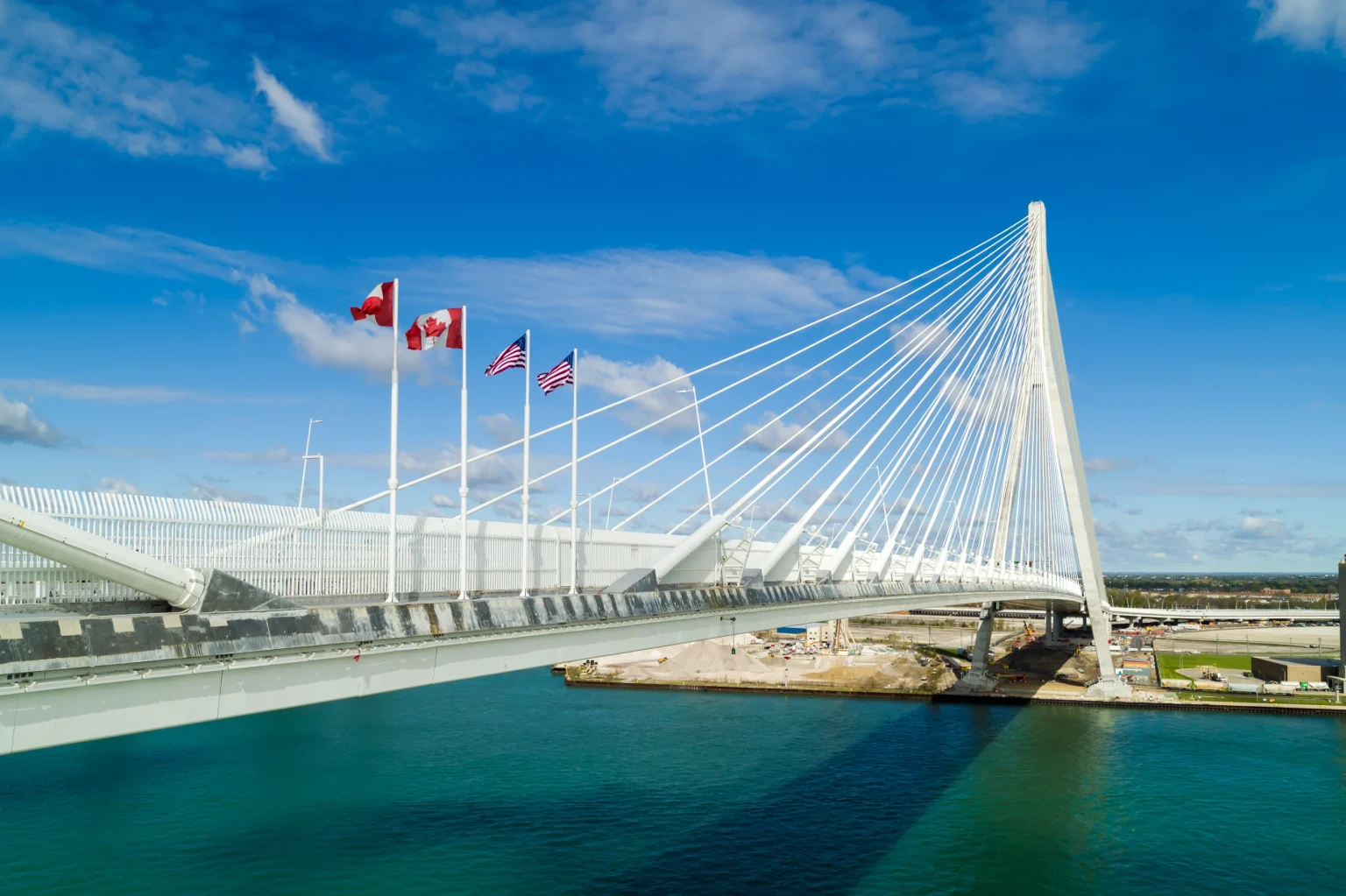














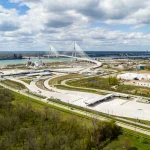




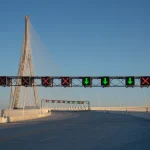
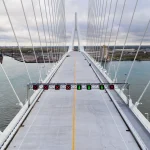



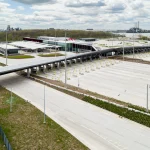
The US-Canada bridge connecting Detroit, Michigan, and Windsor, Ontario, has officially opened to traffic, marking the completion of one of North America’s largest cross-border infrastructure projects. The Gordie Howe International Bridge, which welcomed its first vehicles on July 27, is expected to ease congestion at one of the continent’s busiest commercial crossings while improving the movement of goods between the United States and Canada.
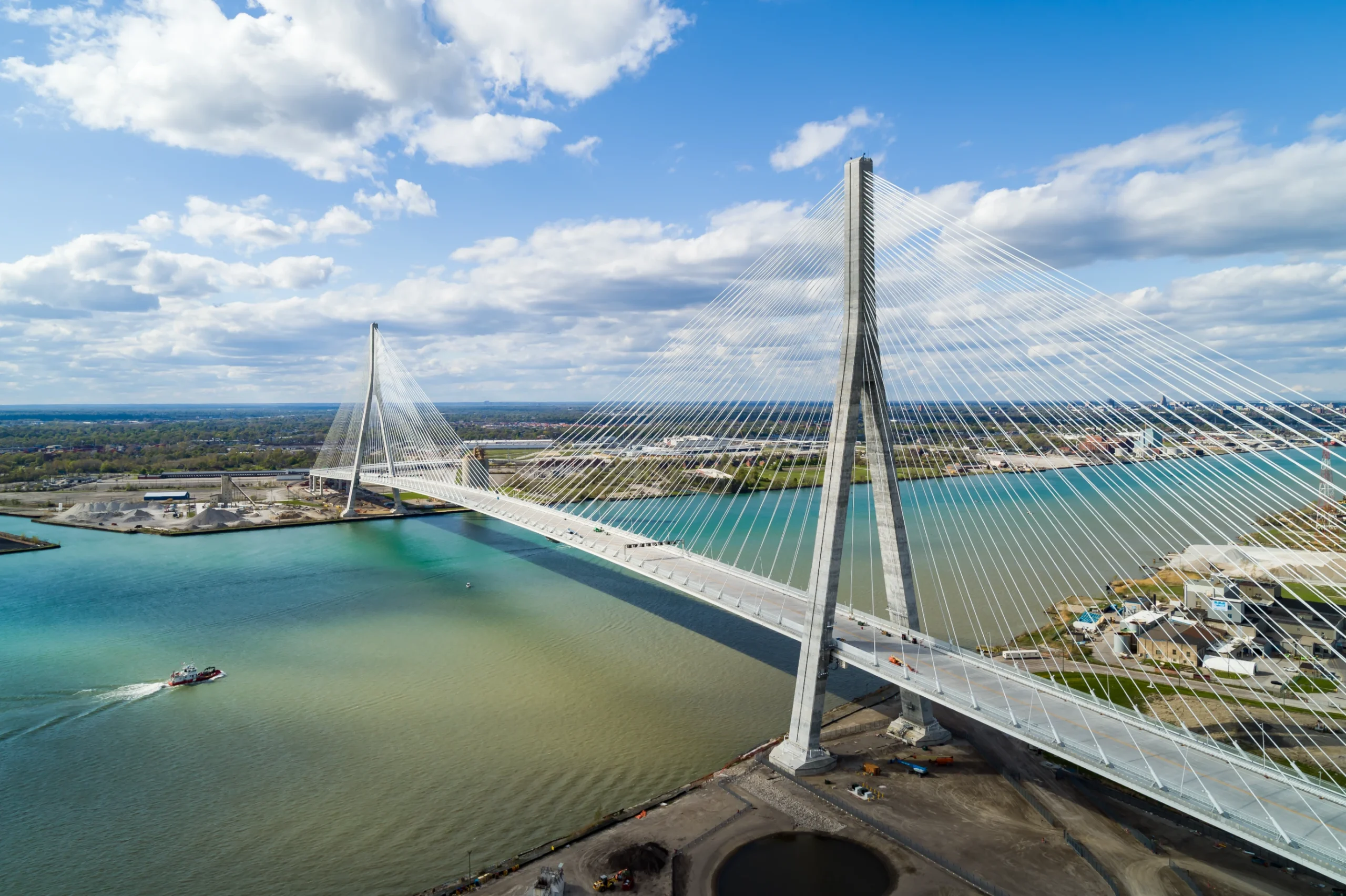
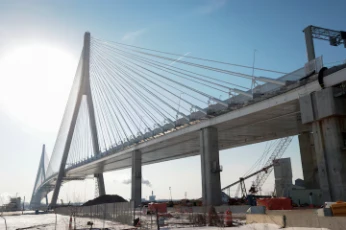
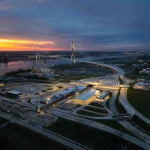
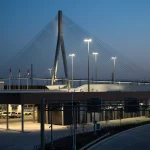
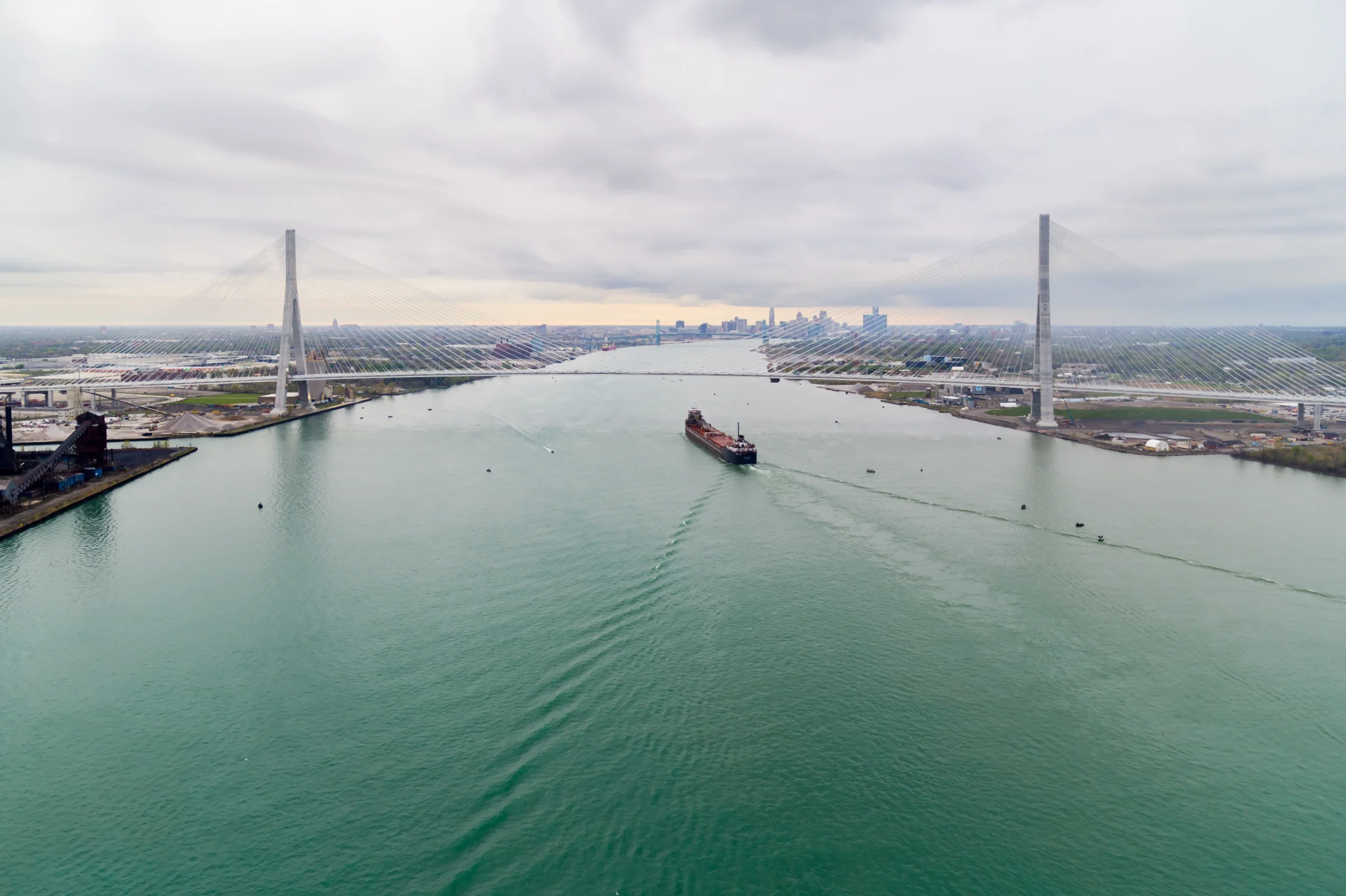
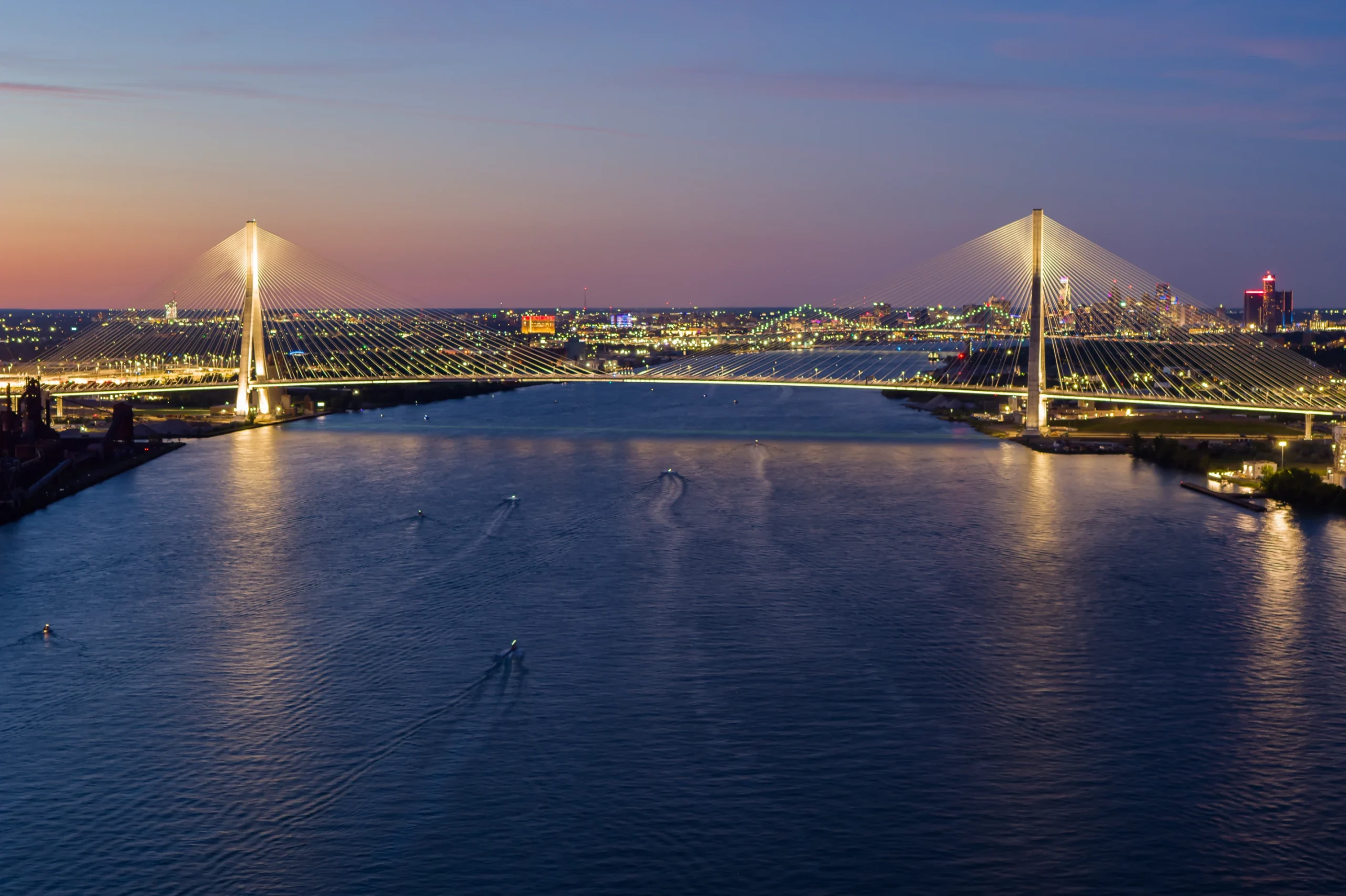
Stretching approximately 2.5 kilometers (1.5 miles) across the Detroit River, the six-lane cable-stayed bridge is the longest cable-stayed bridge in North America, with an 853-meter main span. It links Interstate 75 in Michigan directly to Ontario Highway 401 through a dedicated freeway connection, providing a faster alternative to the nearly century-old Ambassador Bridge, which has long handled a significant share of cross-border commercial traffic.
The bridge is viewed as a major upgrade for North American supply chains, particularly the automotive industry, where components frequently cross the border multiple times before final assembly. Roughly a quarter of all truck trade between the United States and Canada passes through the Detroit-Windsor corridor, making the new crossing a strategically important addition to regional transportation infrastructure.
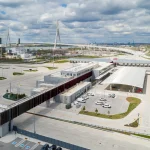
Named after legendary Canadian hockey player Gordie Howe, the project has been years in the making. Construction began in 2018 under the Bridging North America consortium after decades of planning and political negotiations. The bridge was funded by the Canadian government, with the overall project valued at approximately CA$6.4 billion (US$4.7 billion), including customs facilities and connecting road infrastructure.
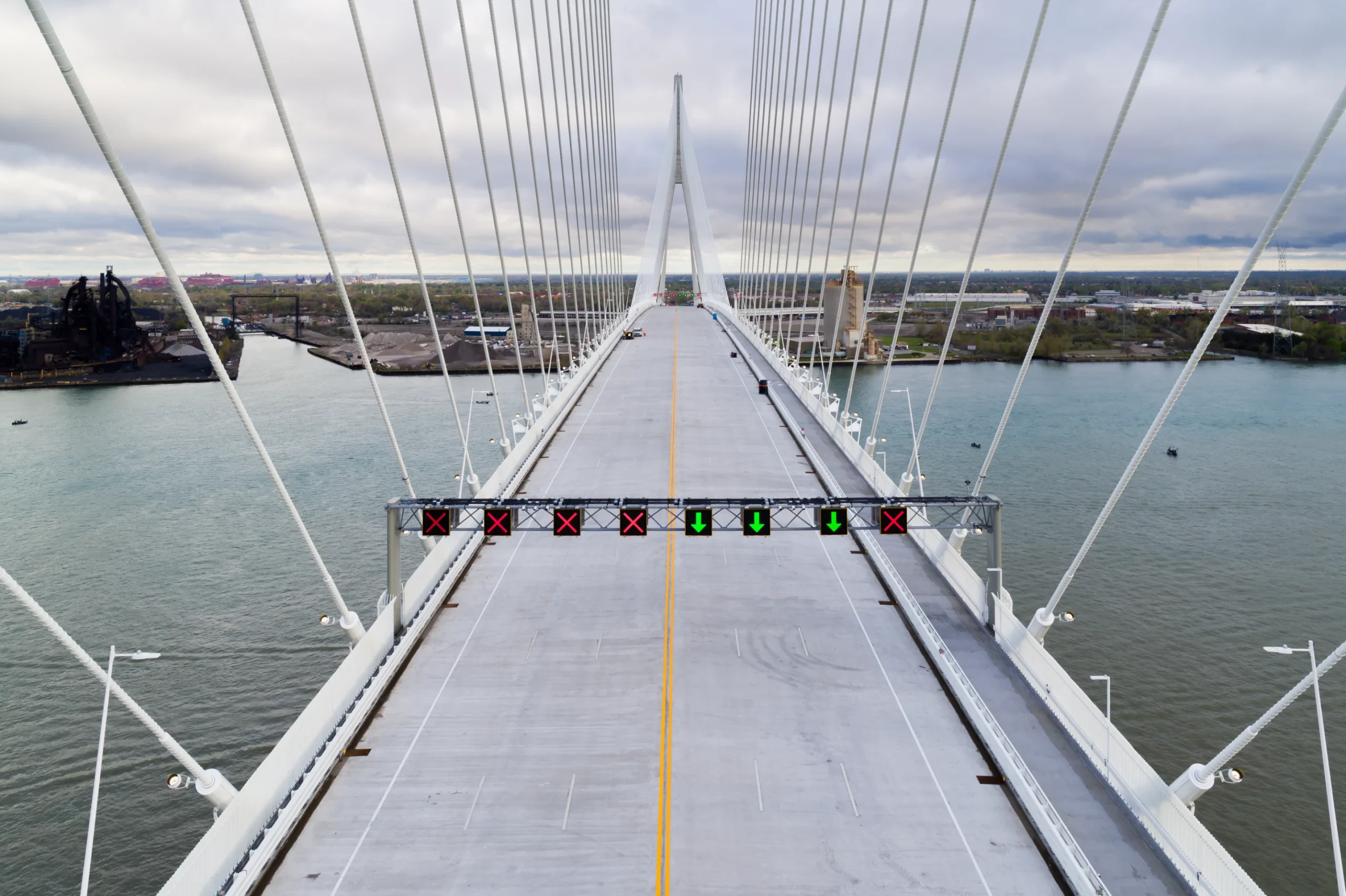
Although the opening represents a milestone in cross-border cooperation, it also arrived amid strained diplomatic relations between the neighboring countries. Earlier this year, disputes over tariffs and bridge revenue-sharing delayed the inauguration, while a planned joint ribbon-cutting ceremony was abandoned. Canadian officials instead held their own opening event in Windsor, and U.S. officials did not participate following heightened trade tensions between the two governments.
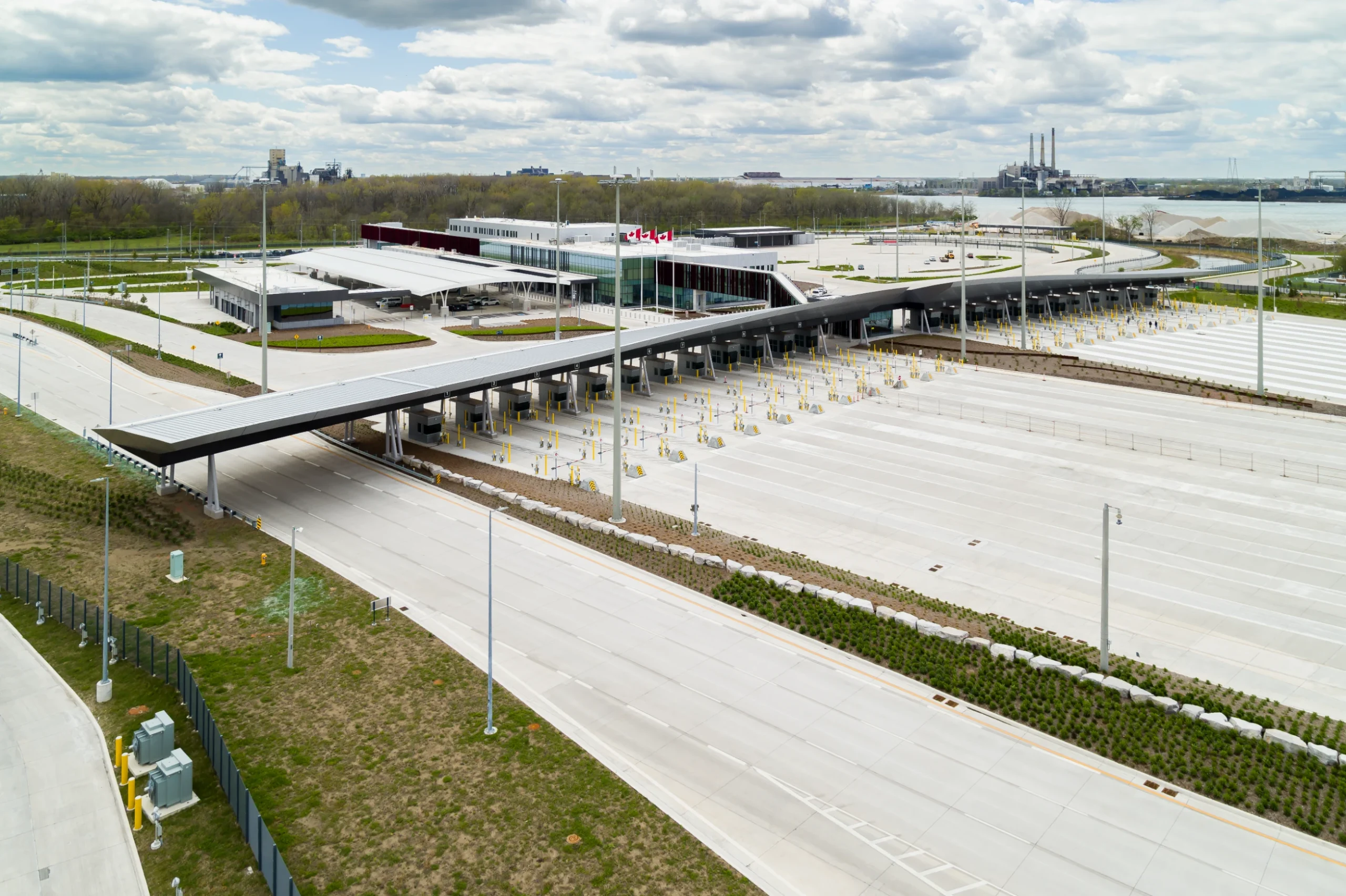
During the Canadian ceremony, officials emphasized that the bridge represents long-term economic cooperation despite political disagreements. Ontario Premier Doug Ford described the crossing as an investment in future trade and regional prosperity, while Canadian leaders stressed that the infrastructure would benefit businesses and communities on both sides of the border.
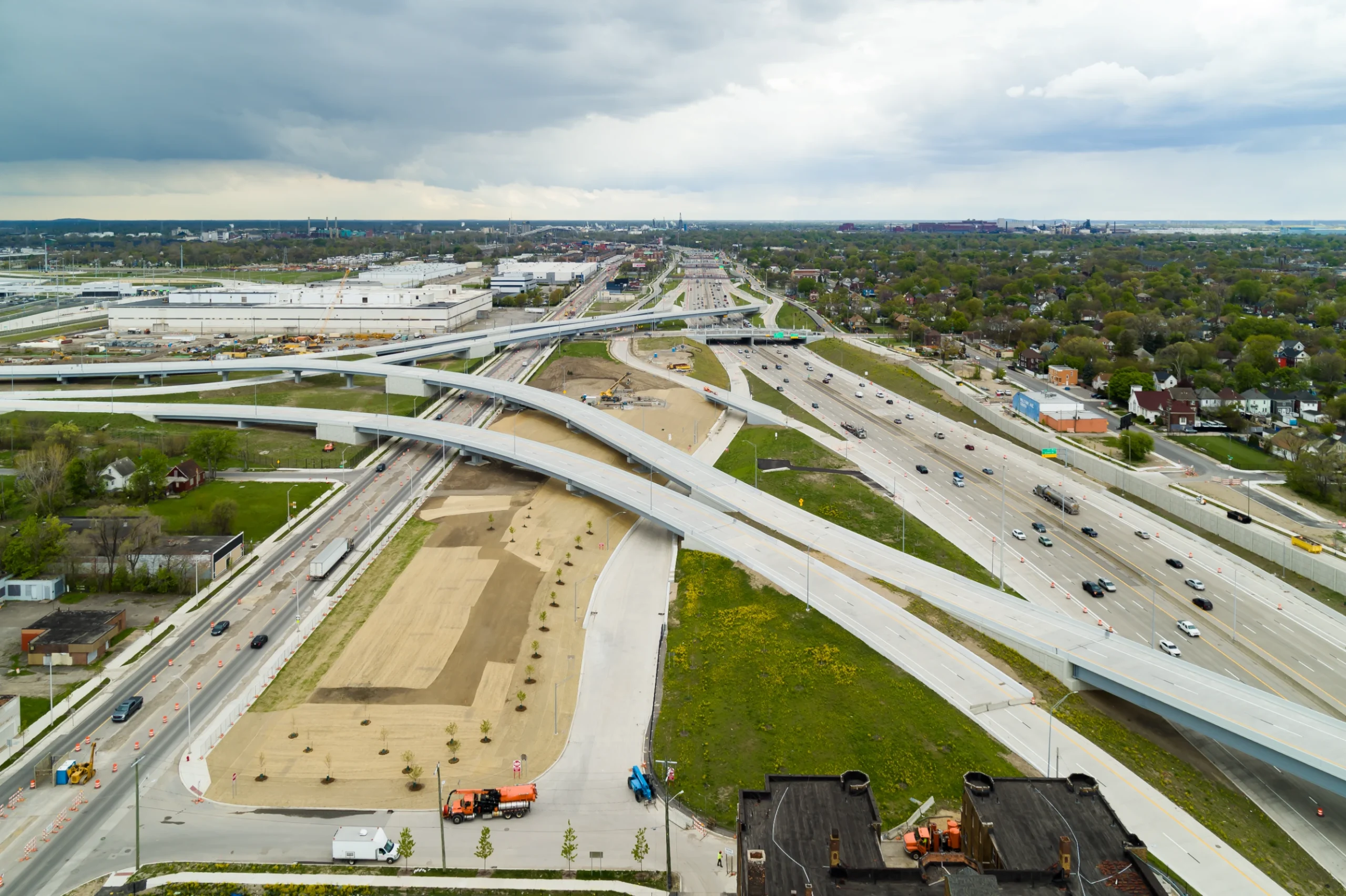
The first ceremonial crossing included members of Gordie Howe’s family, honoring the hockey icon whose name the bridge bears. Regular traffic began shortly afterward, with border agencies reporting smooth operations on the opening day while reminding travellers to carry appropriate travel documents.
The new crossing offers lower tolls than nearby alternatives. Passenger vehicles pay US$5.75 (CA$8) per trip, while commercial vehicles are charged US$8.75 (CA$12) per axle. Electronic pass users receive a 25% discount, and the bridge also features a shared pedestrian and cycling path, which opened shortly after vehicle traffic began.
With its direct highway connections, modern customs facilities, and expanded capacity, the US-Canada bridge is expected to improve freight efficiency, reduce border congestion, and strengthen economic links between the two countries for decades to come. While political disagreements surrounded its final approval, the opening ultimately delivers a long-planned transportation corridor designed to support one of the world’s most significant bilateral trading relationships.
Image credit: Windsor-Detroit Bridge Authority