




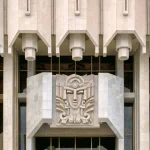
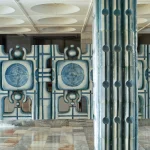
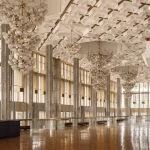
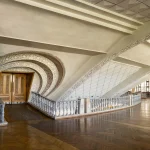




The recognition of Tashkent’s modernist architecture as a UNESCO World Heritage Site marks a defining moment for Uzbekistan and also for the global understanding of twentieth-century architecture. At the 48th session of the UNESCO World Heritage Committee in Busan, South Korea, ten buildings constructed between the 1960s and the early 1990s were collectively inscribed under the title “Tashkent Modernist Architecture: Modernity and Tradition in Central Asia.” The designation acknowledges an architectural movement that evolved beyond the conventional narrative of Soviet Modernism, demonstrating how international modernist principles were transformed through Uzbekistan’s climate, craft traditions, seismic realities, and cultural identity.
The inscription is significant on multiple levels. Uzbekistan becomes the first country in Central Asia to receive UNESCO World Heritage recognition for its twentieth-century architecture, while the selected buildings now represent the youngest-constructed properties on the World Heritage List. More importantly, the decision expands the geographical understanding of modernism itself. Rather than viewing twentieth-century architecture solely through European or North American precedents, UNESCO has recognized Tashkent as a place where modern architecture developed along its own trajectory, one shaped by local traditions, environmental conditions, and social ambitions.
A City That Reimagined Modernism
Although modern architecture had begun appearing across Central Asia during the 1930s, the decades following the Second World War witnessed a more experimental and regionally expressive phase. Tashkent became its most ambitious laboratory. Contrary to popular assumptions, this transformation did not begin solely after the devastating earthquake of 26 April 1966. Urban planners had already envisioned a new metropolitan future for the Uzbek capital. Still, the earthquake accelerated reconstruction at an unprecedented scale, allowing architects, engineers, artists, and planners to reshape the city almost entirely within a single generation.
Entire districts were rebuilt with broad boulevards, expansive civic squares, landscaped public spaces, cultural institutions, housing developments, transportation infrastructure, research facilities, and public monuments. Yet the rebuilding process did not simply import Soviet planning models. Architects working in Tashkent consciously adapted international modernism to local environmental and cultural conditions, producing an architectural language unlike any other within the Soviet Union.
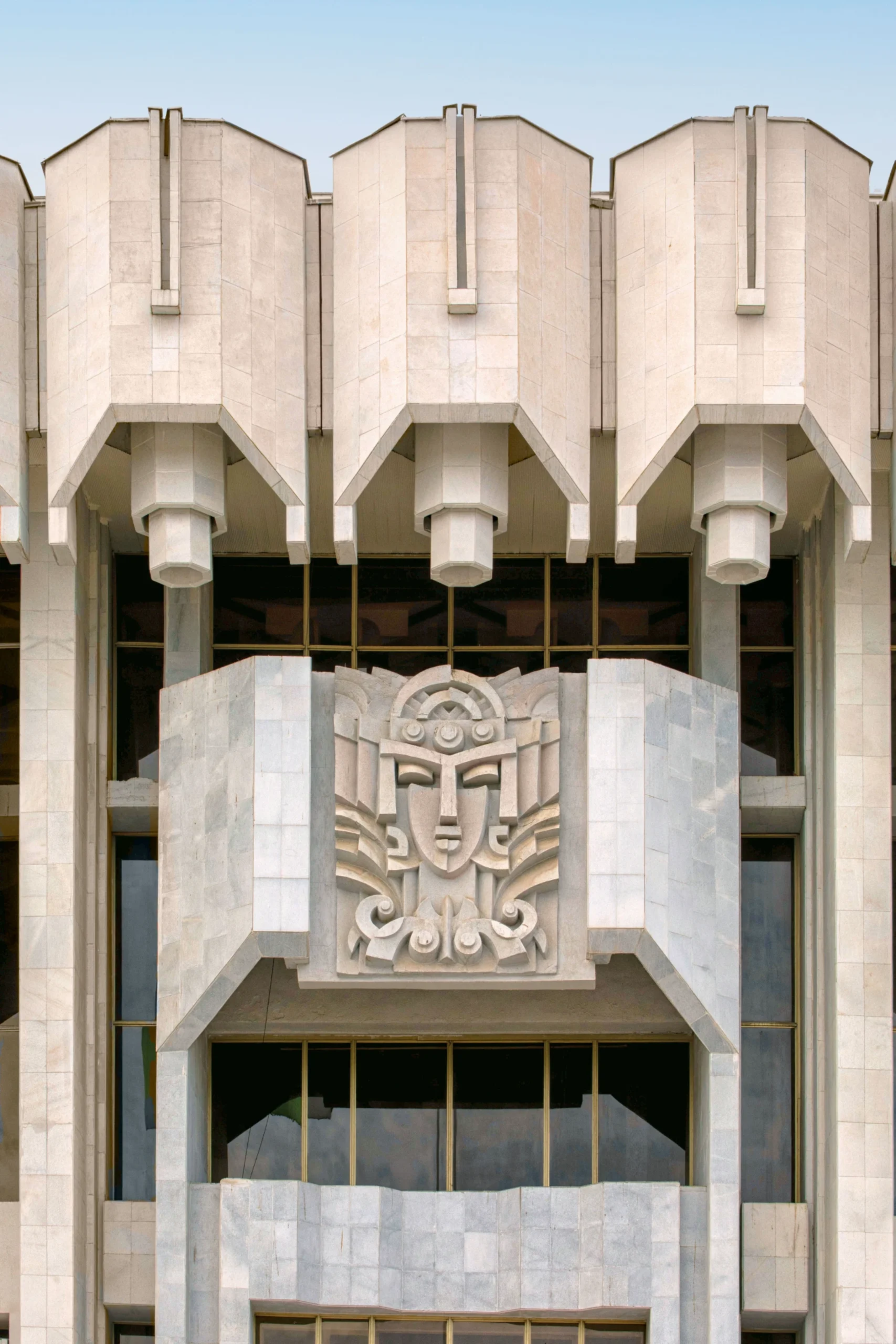
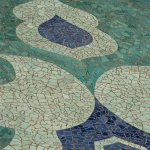
Climate played a decisive role in these experiments. Deep loggias, perforated façades, shaded courtyards, and carefully positioned water features moderated the city’s intense summer temperatures while maintaining naturally ventilated interiors. Reinforced concrete and prefabricated construction systems were engineered to withstand seismic activity, transforming structural necessity into expressive architectural form. Meanwhile, ceramic mosaics, carved stone, ornamental screens, geometric reliefs, and monumental artworks rooted otherwise abstract modernist compositions within Uzbekistan’s centuries-old traditions of craftsmanship.
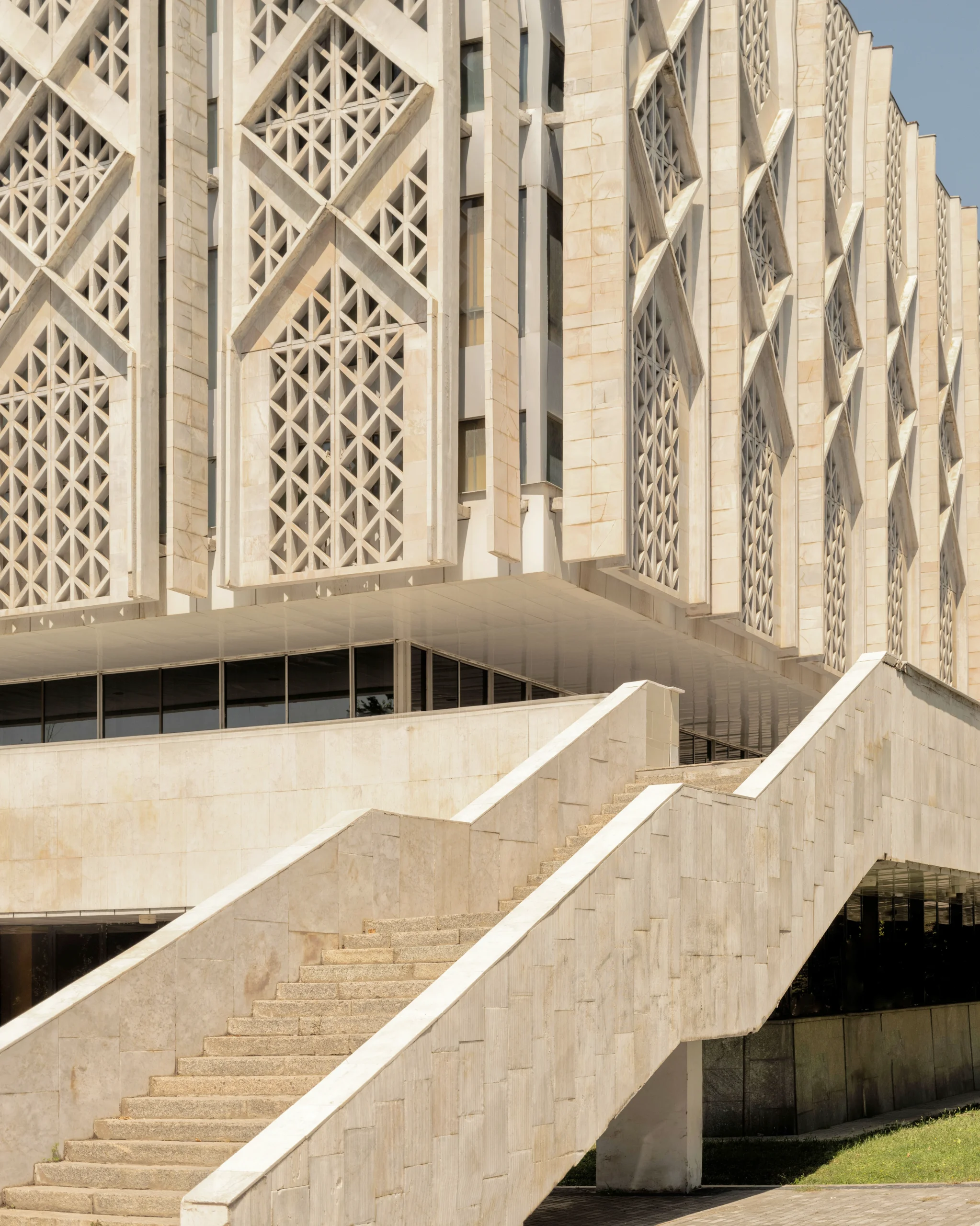
The resulting architecture resisted simple categorisation. These buildings were neither replicas of Western modernism nor straightforward Soviet prototypes. Instead, they reflected an ongoing dialogue between technological progress and inherited cultural memory, producing a distinctly Central Asian interpretation of modern architecture.
From Research Project to UNESCO Recognition
The World Heritage inscription represents the culmination of more than five years of intensive research, conservation planning, and international collaboration rather than a single nomination process. In 2021, the Uzbekistan Art and Culture Development Foundation (ACDF) initiated Tashkent Modernism XX/XXI, a multidisciplinary research programme coordinated by the Milan-based architecture studio GRACE alongside an international network of conservation specialists, historians, architects, photographers, and academic institutions. Rem Koolhaas and the late architectural historian Jean-Louis Cohen also served as close advisors to the initiative.
Instead of documenting buildings through photographs alone, researchers prepared detailed architectural “passports” for twenty-four modernist structures across Tashkent. Each passport combined archival investigation, technical surveys, construction analysis, condition assessments, historical significance, and long-term conservation recommendations. These documents later became official legal references for the protection and management of Uzbekistan’s modern architectural heritage, transforming scholarly research directly into public policy. Between 2019 and 2024, twenty-one modernist buildings were consequently added to Uzbekistan’s State Cadastre of Cultural Heritage.
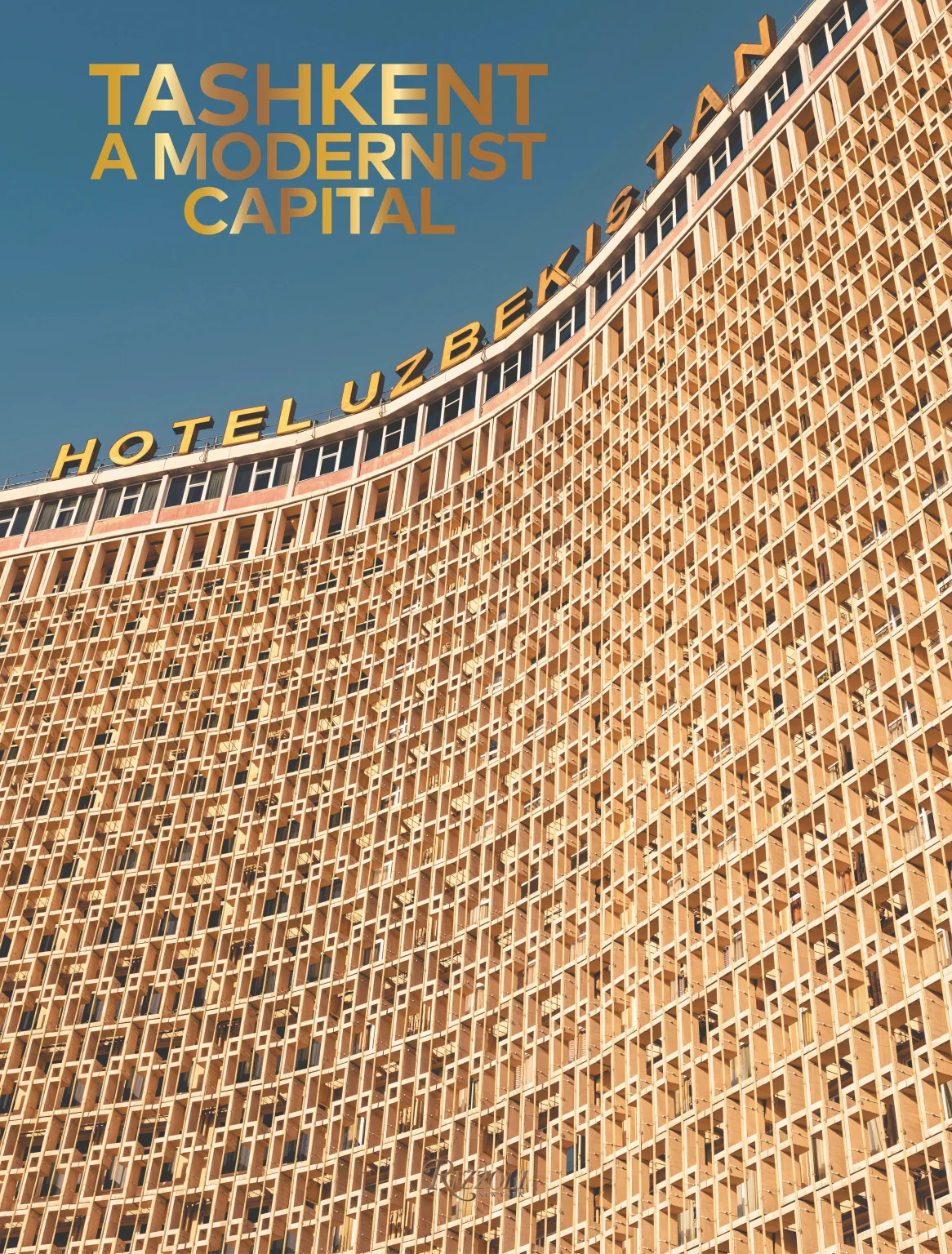
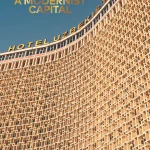
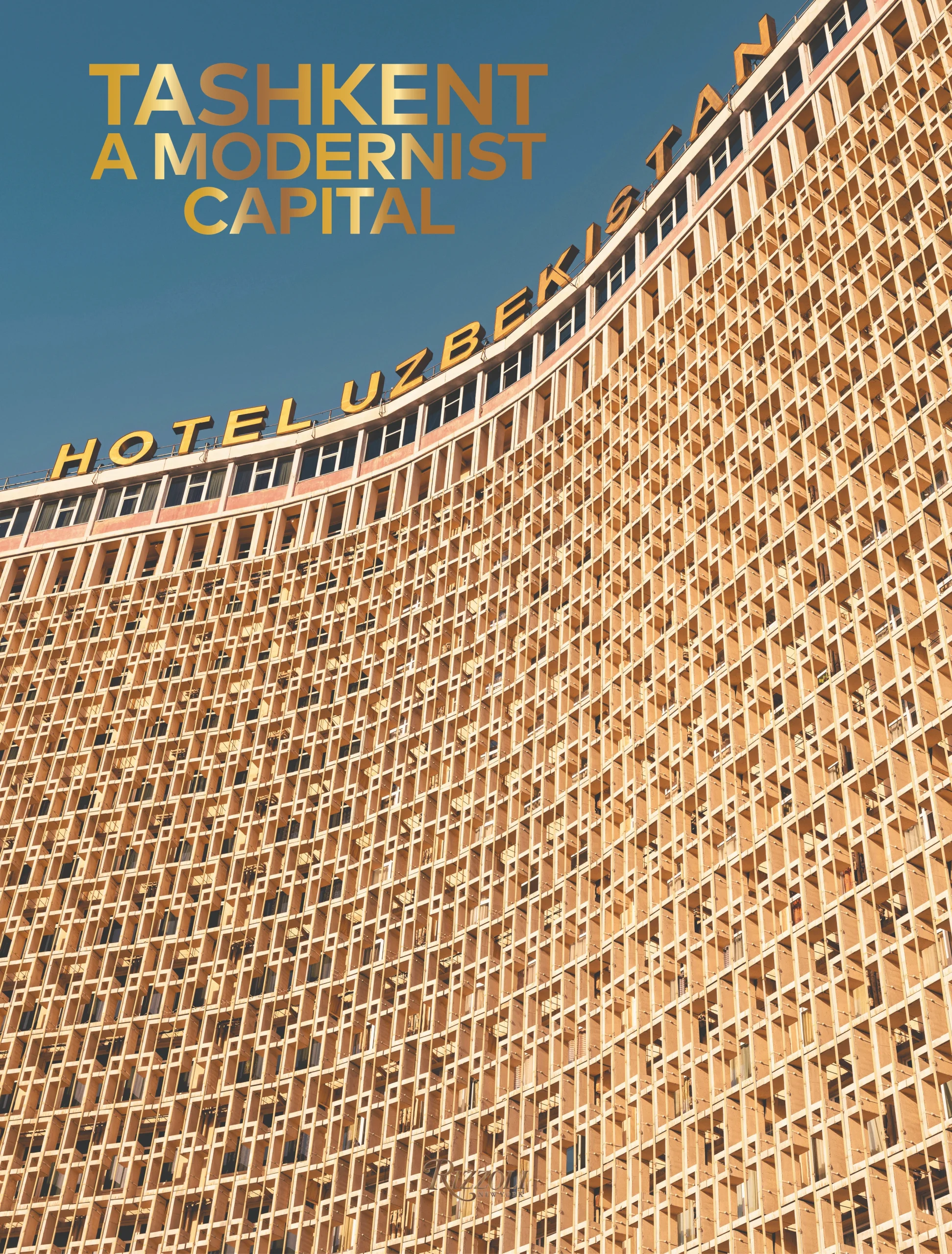
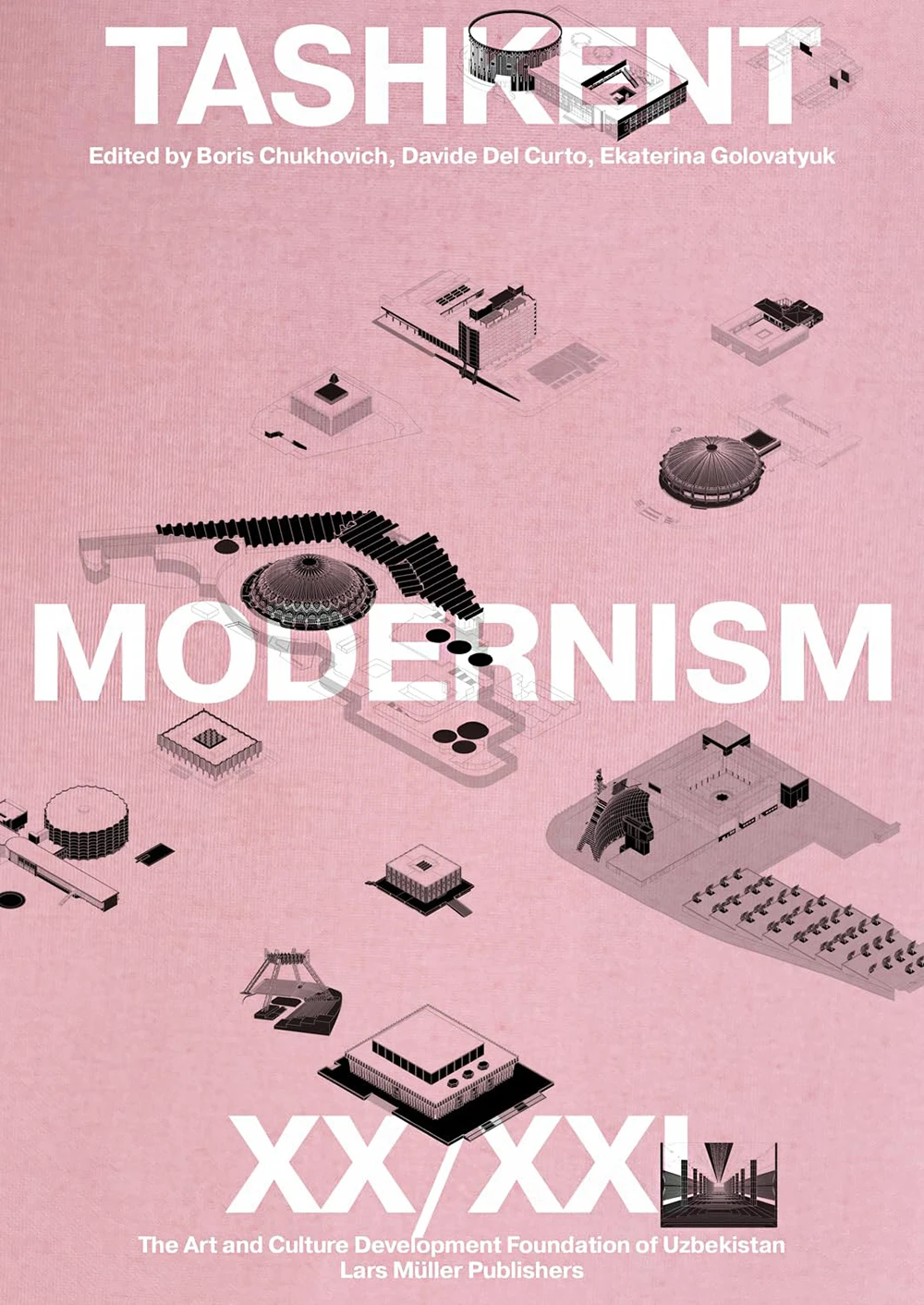
The research simultaneously expanded public awareness through exhibitions, publications, conferences, workshops, digital applications, and international exhibitions. Projects including Tashkent Modernism Index at Triennale Milano, Tashkent: Appropriating Modernism at the Sharjah Architecture Triennial, and A Matter of Radiance at the 2025 Venice Architecture Biennale positioned Tashkent within broader discussions about architectural heritage, post-war urbanism, and the global history of modernism. Publications such as Tashkent: A Modernist Capital and Tashkent Modernism XX/XXI further established the city’s architectural legacy beyond Central Asia.
Building upon this foundation, sixteen properties were first placed on Uzbekistan’s UNESCO Tentative List in February 2024 before an international expert team refined the nomination into a final serial property comprising ten buildings. The dossier addressed architectural significance, conservation strategies, management systems, buffer zones, and comparative analysis, ultimately leading ICOMOS to recommend inscription under UNESCO Criterion (iv), recognising the collection as an outstanding example of architectural and urban development representing a significant stage in human history.
The Ten Buildings That Define Tashkent Modernism
UNESCO’s inscription brings together ten buildings that collectively showcase Tashkent’s modernist transformation. Spanning housing, cultural institutions, scientific research, transport infrastructure, and public spaces, the ensemble demonstrates how architecture responded to the city’s rapid post-war reconstruction while blending modernist ideals with Uzbekistan’s climate, traditions, and urban identity.
1. Zhemchug Residential Building
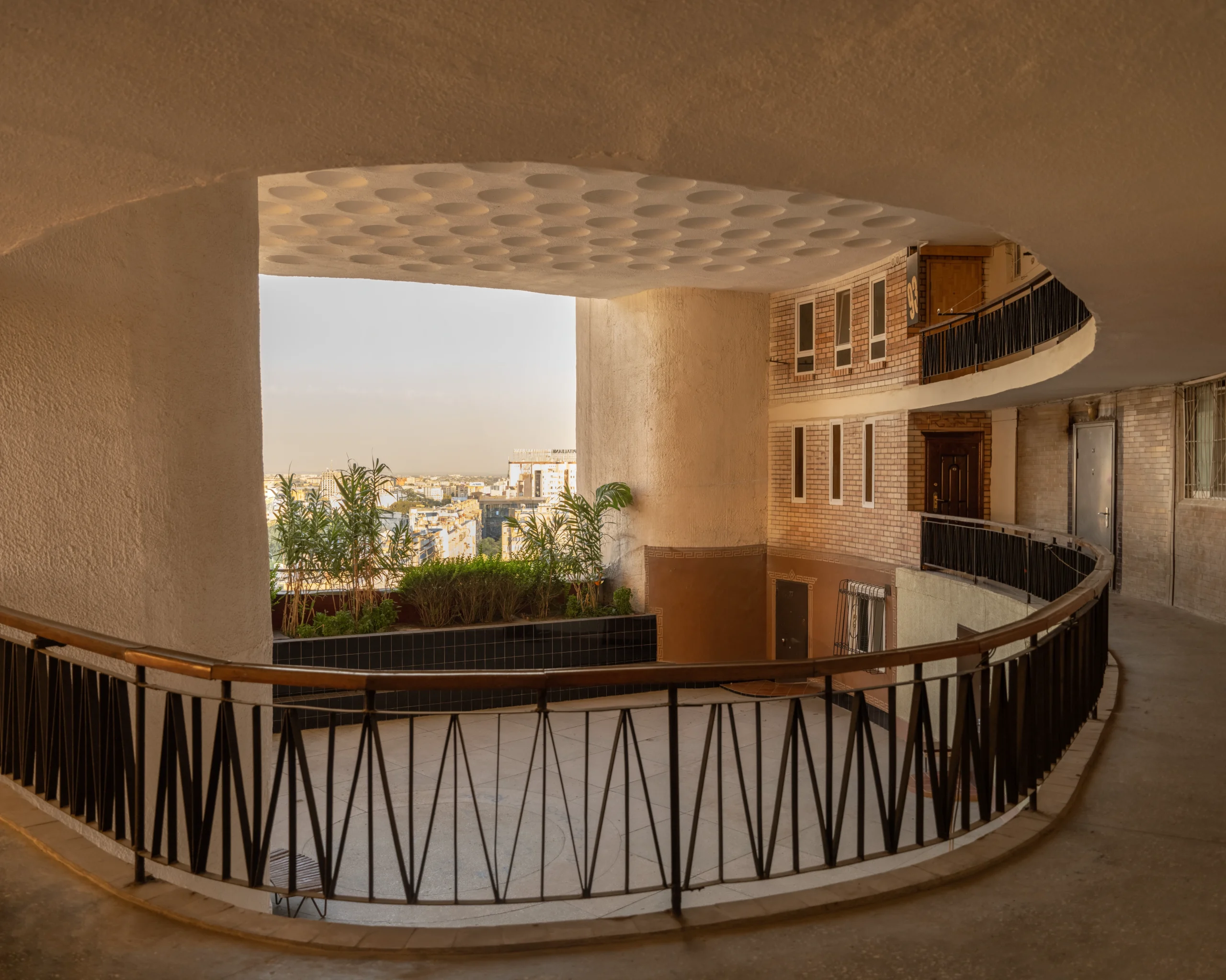
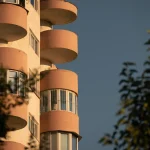
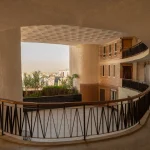
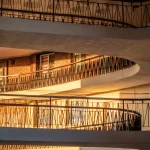
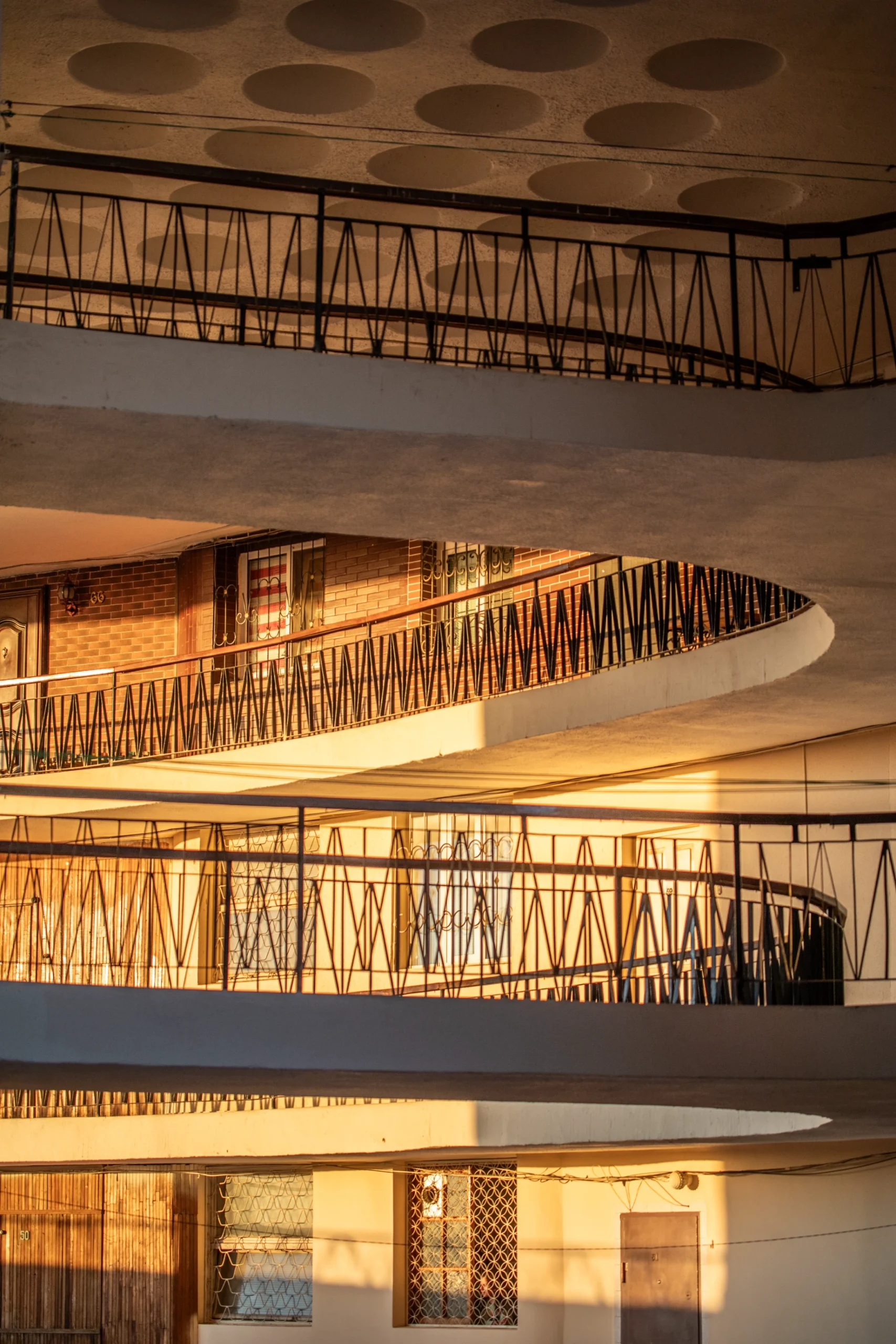
Built between 1975 and 1985, the Zhemchug Residential Building reimagined the traditional Uzbek mahalla within a sixteen-storey residential tower. Its suspended communal courtyards encouraged neighbourhood interaction, while its monolithic concrete structure reflected late modernist engineering adapted to local patterns of collective living.
2. Big Solar Furnace at Parkent
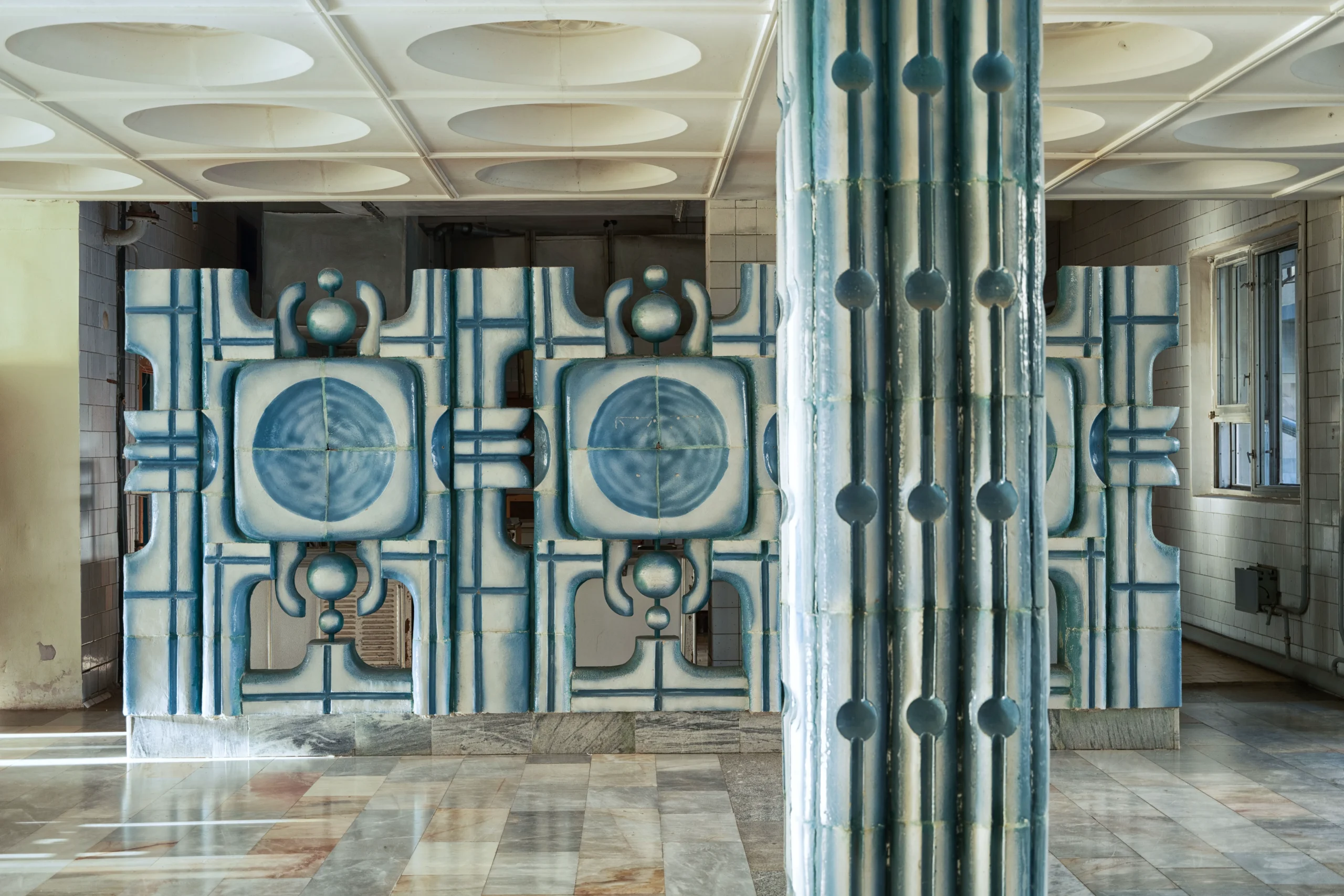
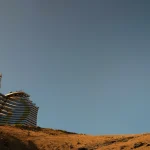
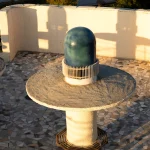
Completed between 1981 and 1987, the Big Solar Furnace at Parkent combines advanced solar research with monumental architecture. Centered around a vast parabolic concentrator for high-temperature materials testing, the complex integrates engineering, landscape, and artistic design, making it one of Central Asia’s most distinctive scientific landmarks.
3. State Museum of History
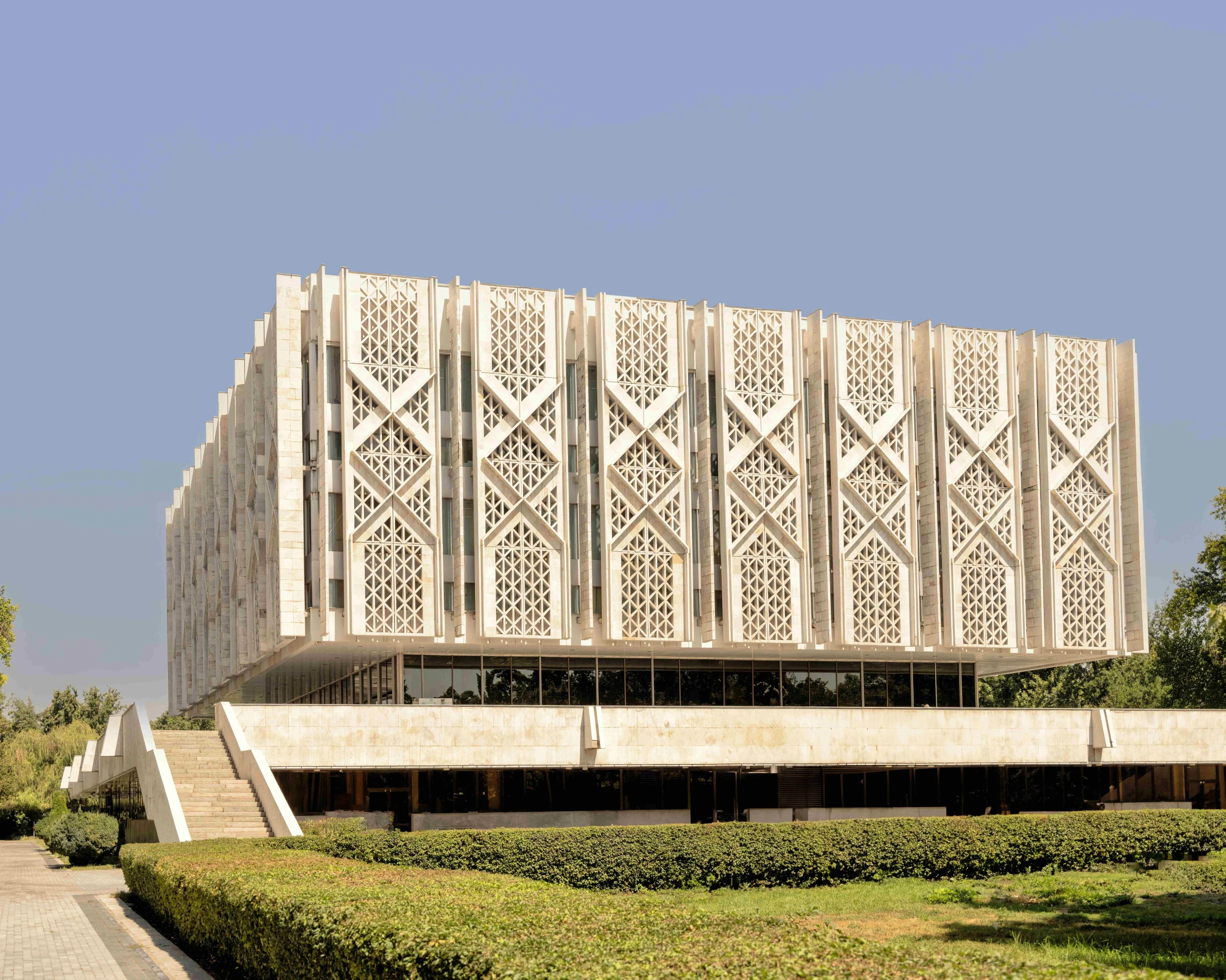
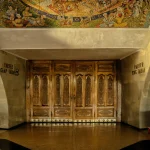
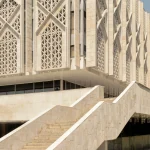
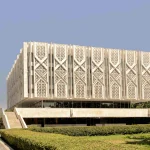
Built between 1968 and 1970, the State Museum of History was one of the Soviet Union’s earliest Lenin museums and occupies a key position between two of Tashkent’s major public squares. Its restrained modernist form integrates regional architectural references, demonstrating how civic institutions combined monumentality with Central Asian identity while contributing to the city’s reconstructed urban landscape.
4. Peoples’ Friendship Palace
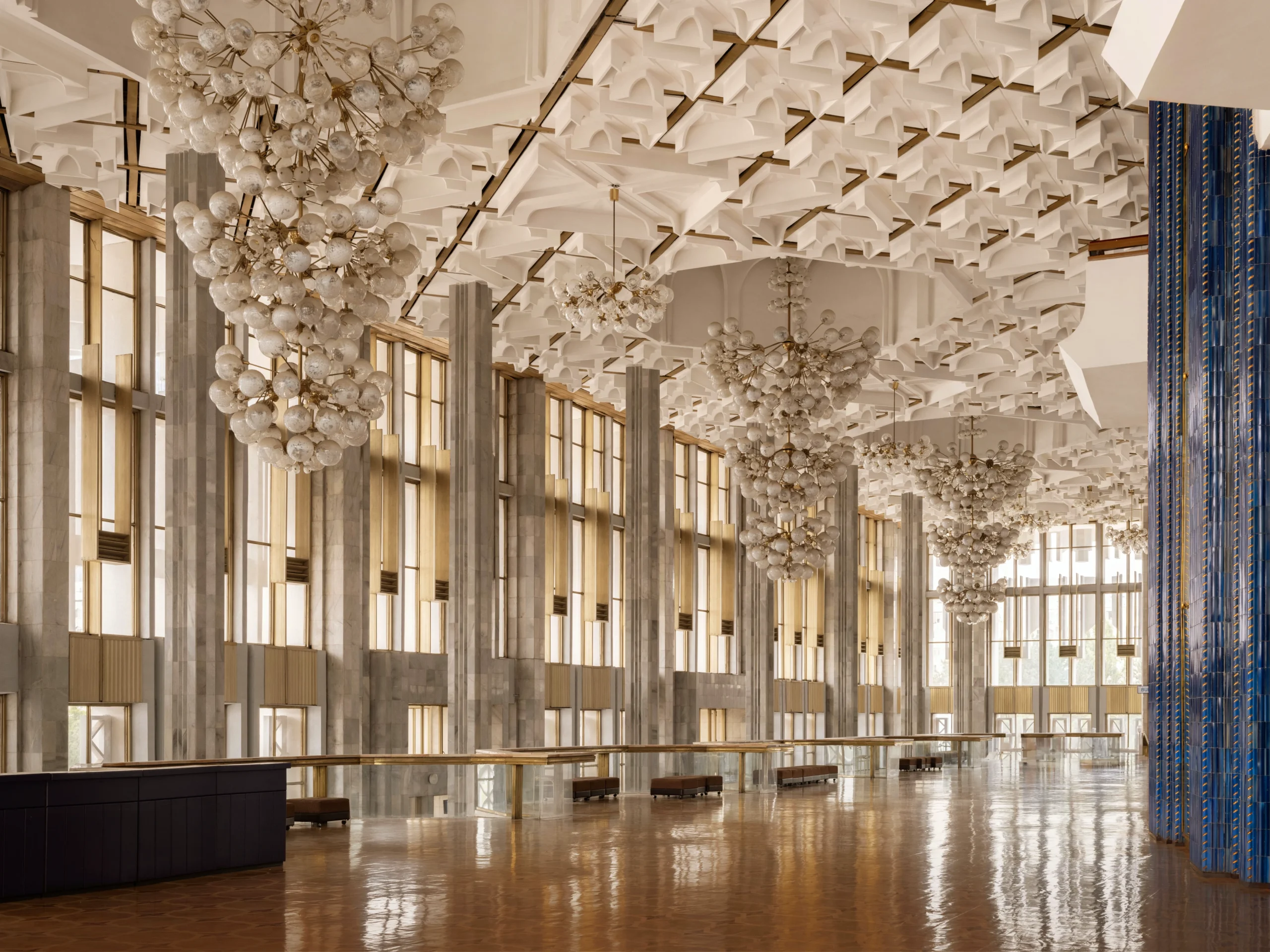
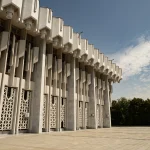
Completed in 1981, the Peoples’ Friendship Palace is Tashkent’s largest modernist congress and concert venue. Its defining lattice façade serves as an environmental system, controlling sunlight and heat while giving the monumental structure its distinctive appearance. The building exemplifies how climate-responsive design became an integral part of Tashkent’s civic architecture.
5. State Museum of Arts
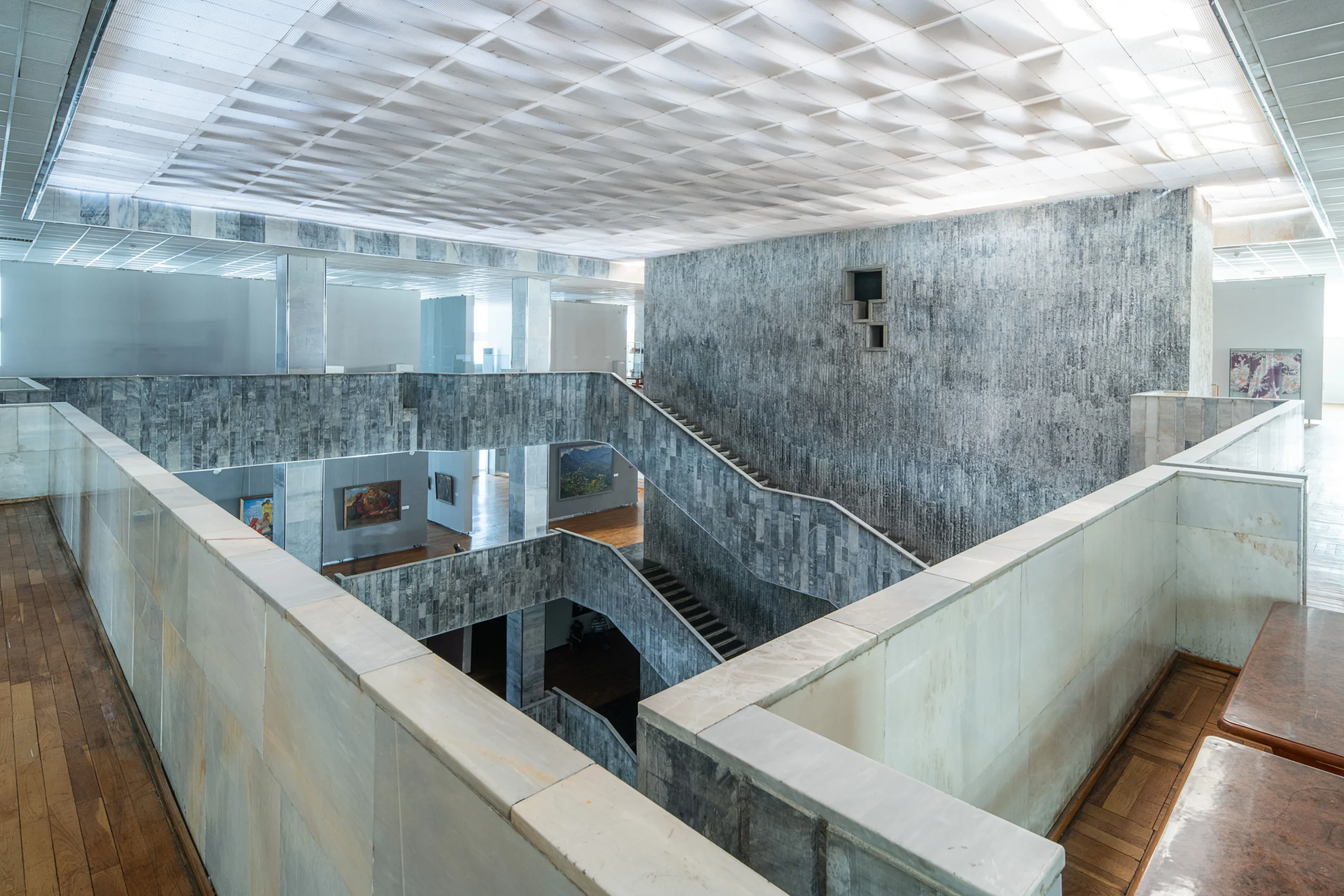
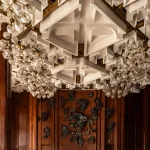
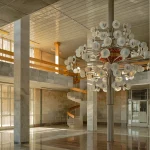
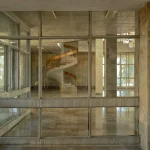
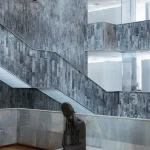
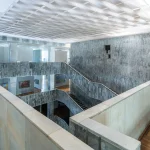
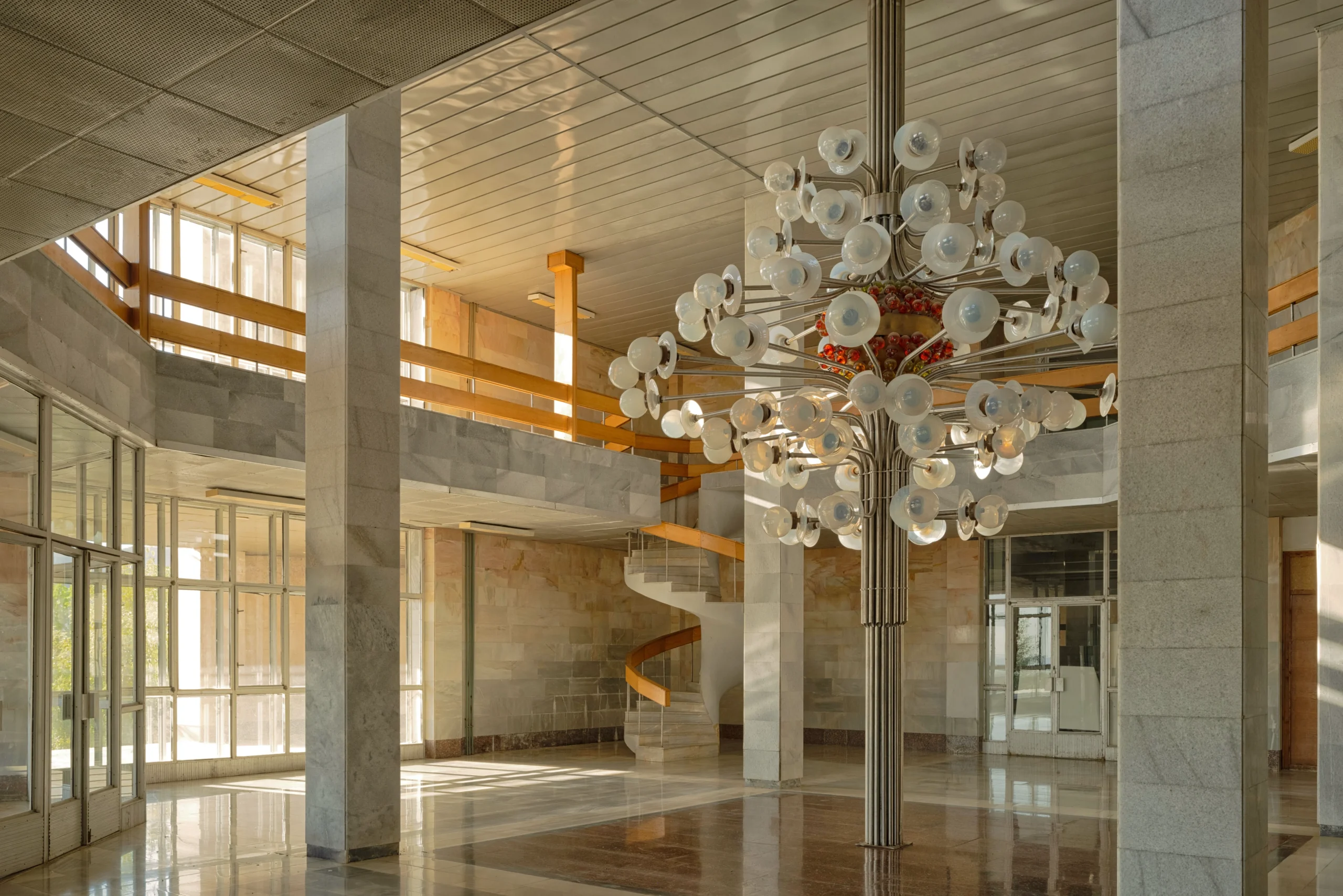
Constructed between 1967 and 1974, the State Museum of Arts combines interlocking geometric volumes with a striking four-storey atrium. Inspired by Central Asian architectural traditions, the museum blends modernist abstraction with experimental materials and natural light, illustrating how regional identity shaped contemporary museum design.
6. State Circus
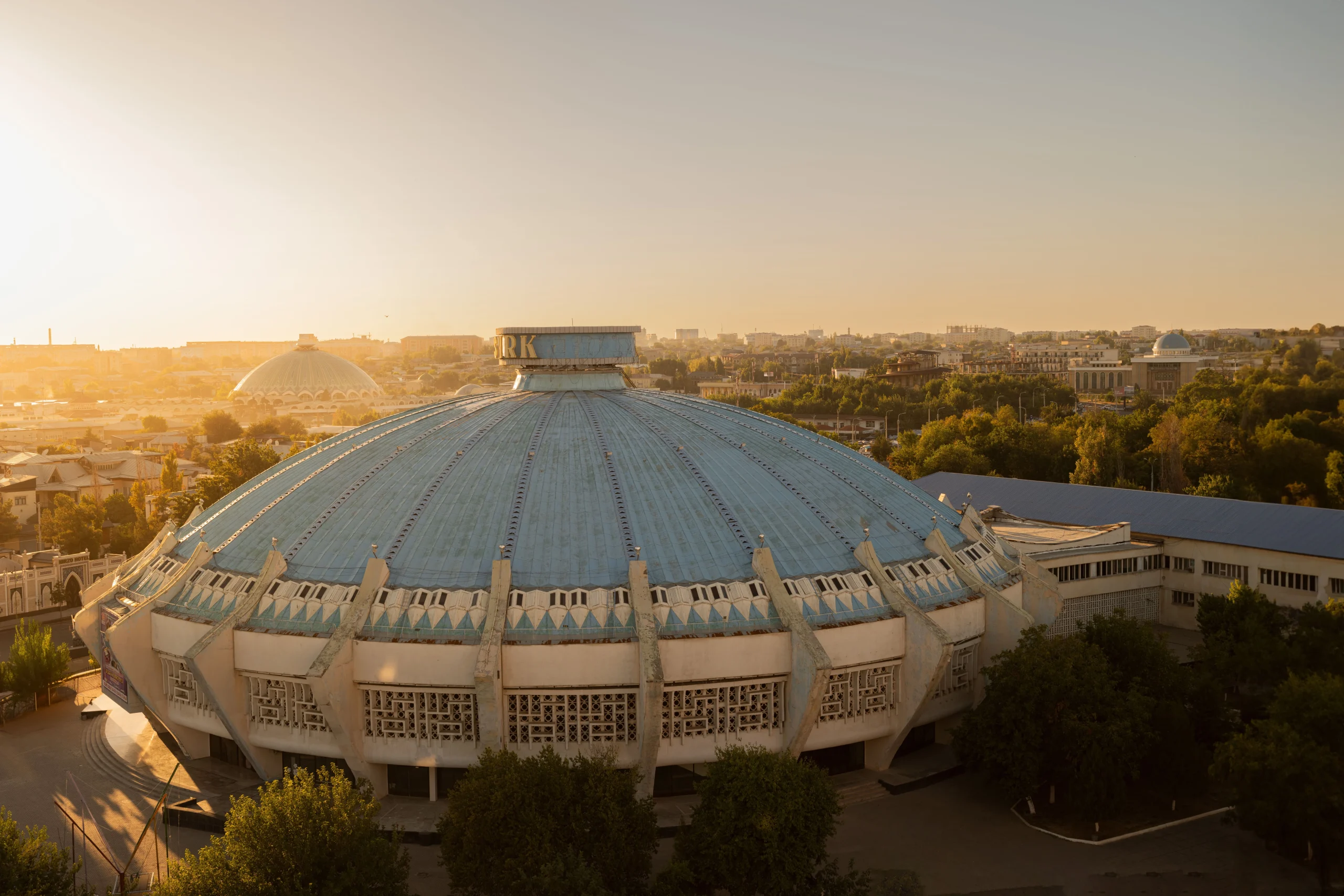
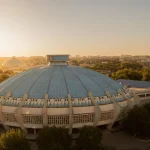
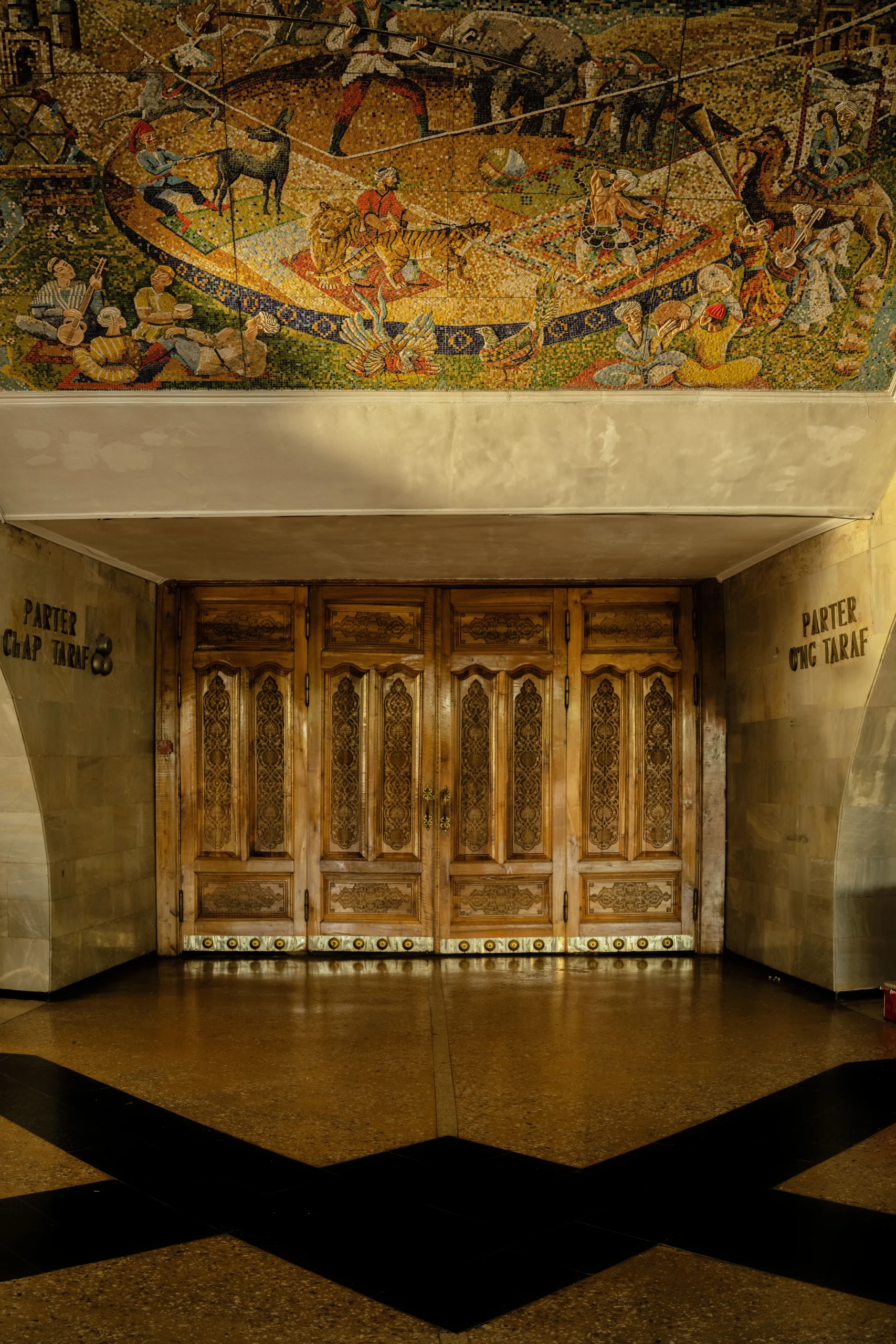
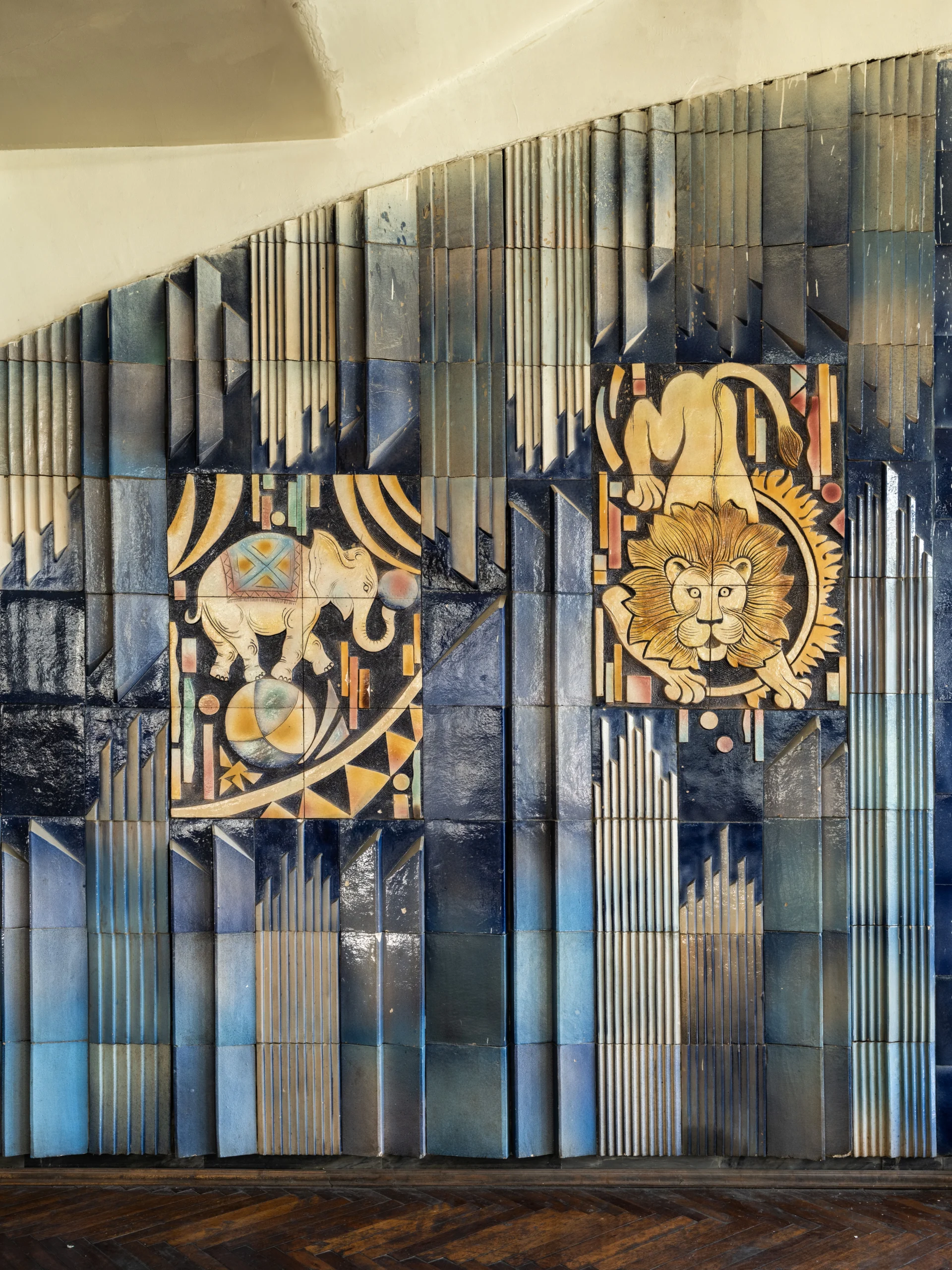
Built between 1965 and 1975, the State Circus departed from standard Soviet circus designs through a purpose-built structure tailored to Tashkent’s seismic and climatic conditions. Its steel and reinforced concrete construction creates a large column-free performance space, showcasing engineering innovation alongside civic architecture.
7. Central Exhibition Hall of the Academy of Arts
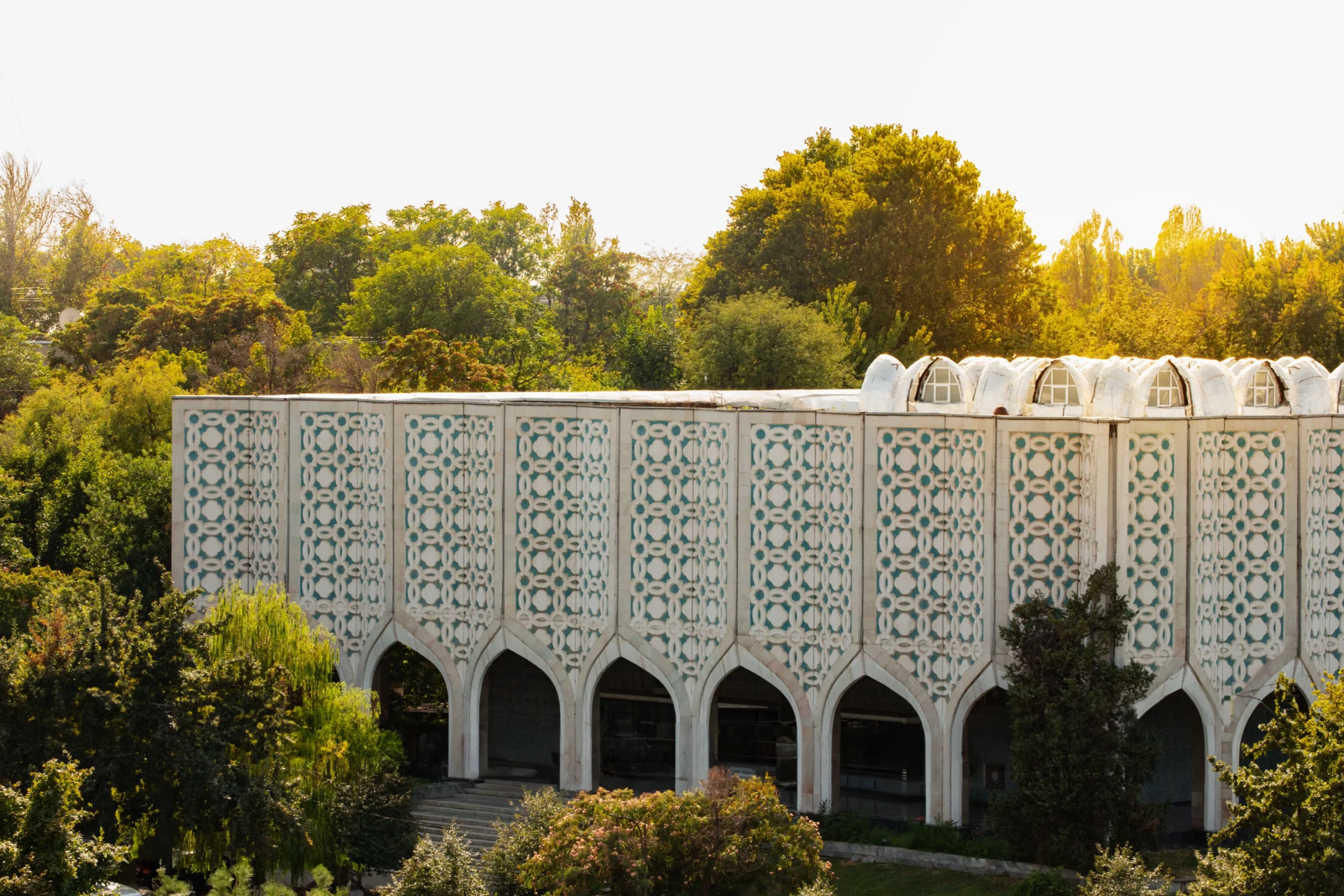
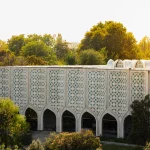
Completed in 1974, the Central Exhibition Hall stands on a civic podium and is recognised for its pleated façades decorated with geometric and floral mosaics. The building integrates monumental art into its architecture, reflecting Uzbekistan’s ceramic traditions while providing flexible exhibition spaces for contemporary cultural events.
8. Alisher Navoi Cinema Palace
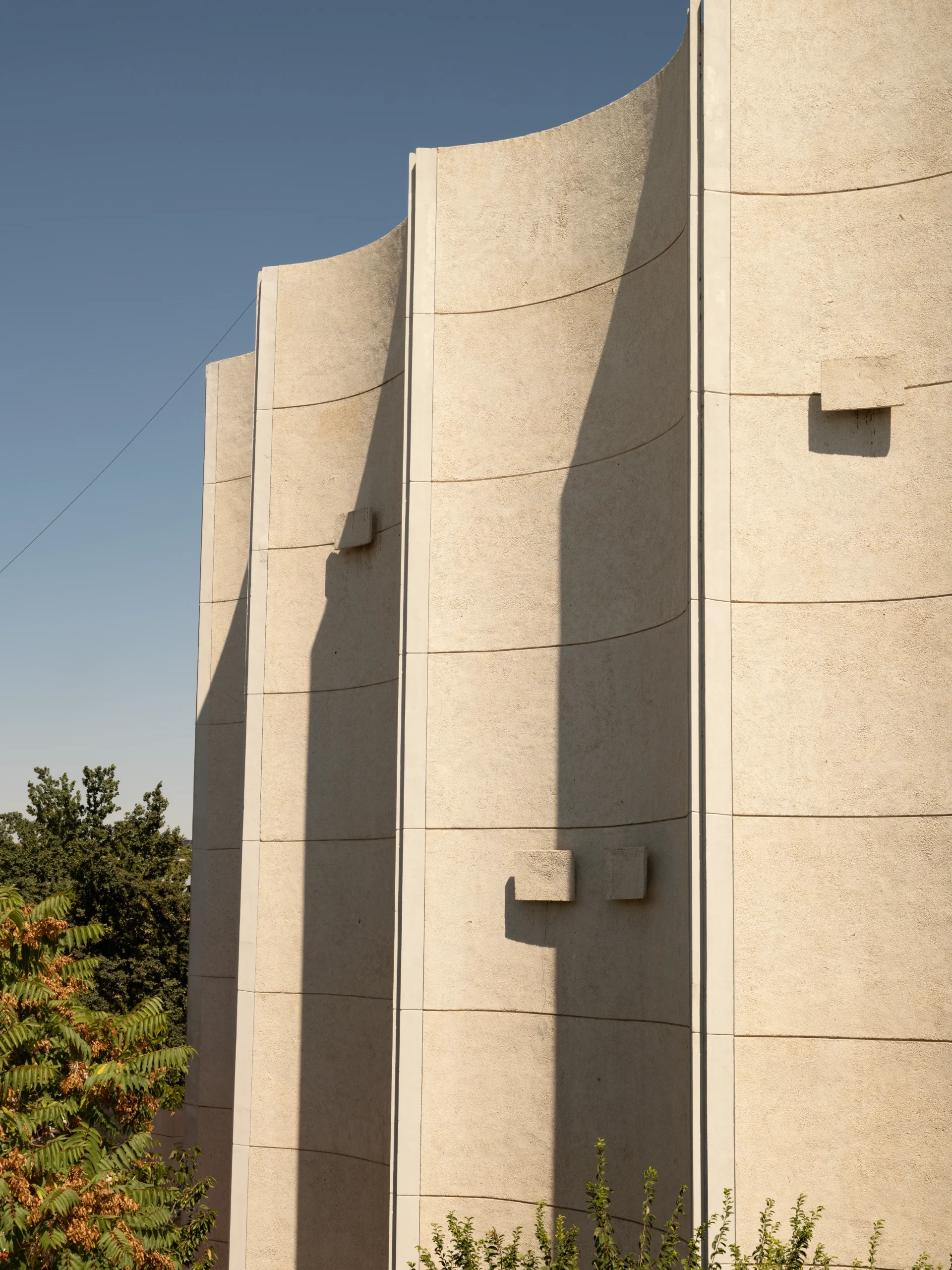
Completed in 1964, the Alisher Navoi Cinema Palace was designed for panoramic cinema technology and is distinguished by its cylindrical form and 2,300-seat auditorium. The building reflects the technological optimism of the 1960s, showing how advances in film influenced modern architectural design.
9. Chorsu Market
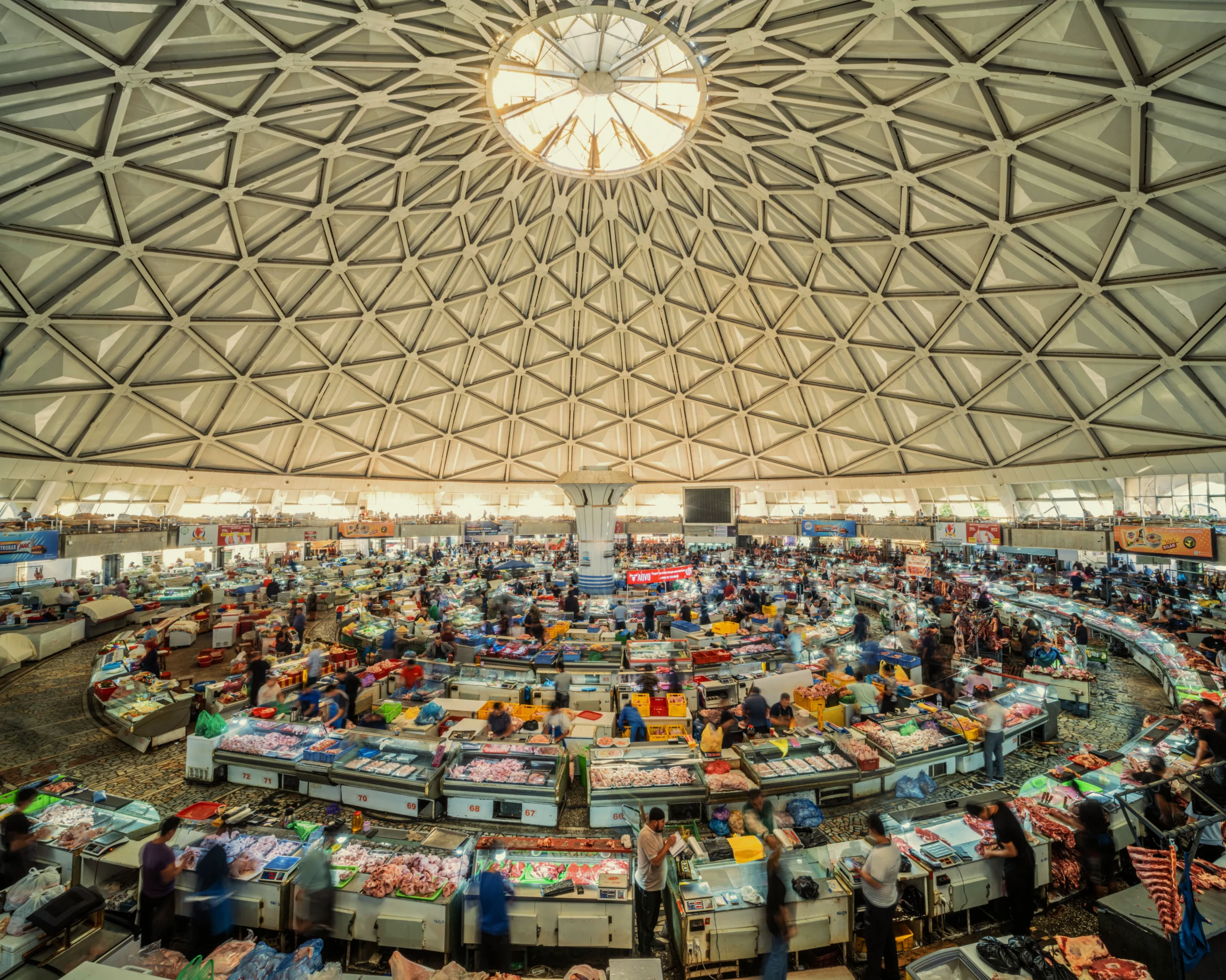
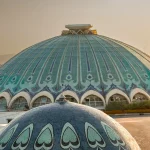
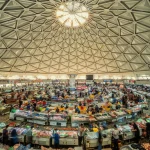
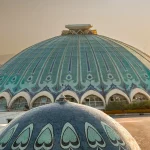
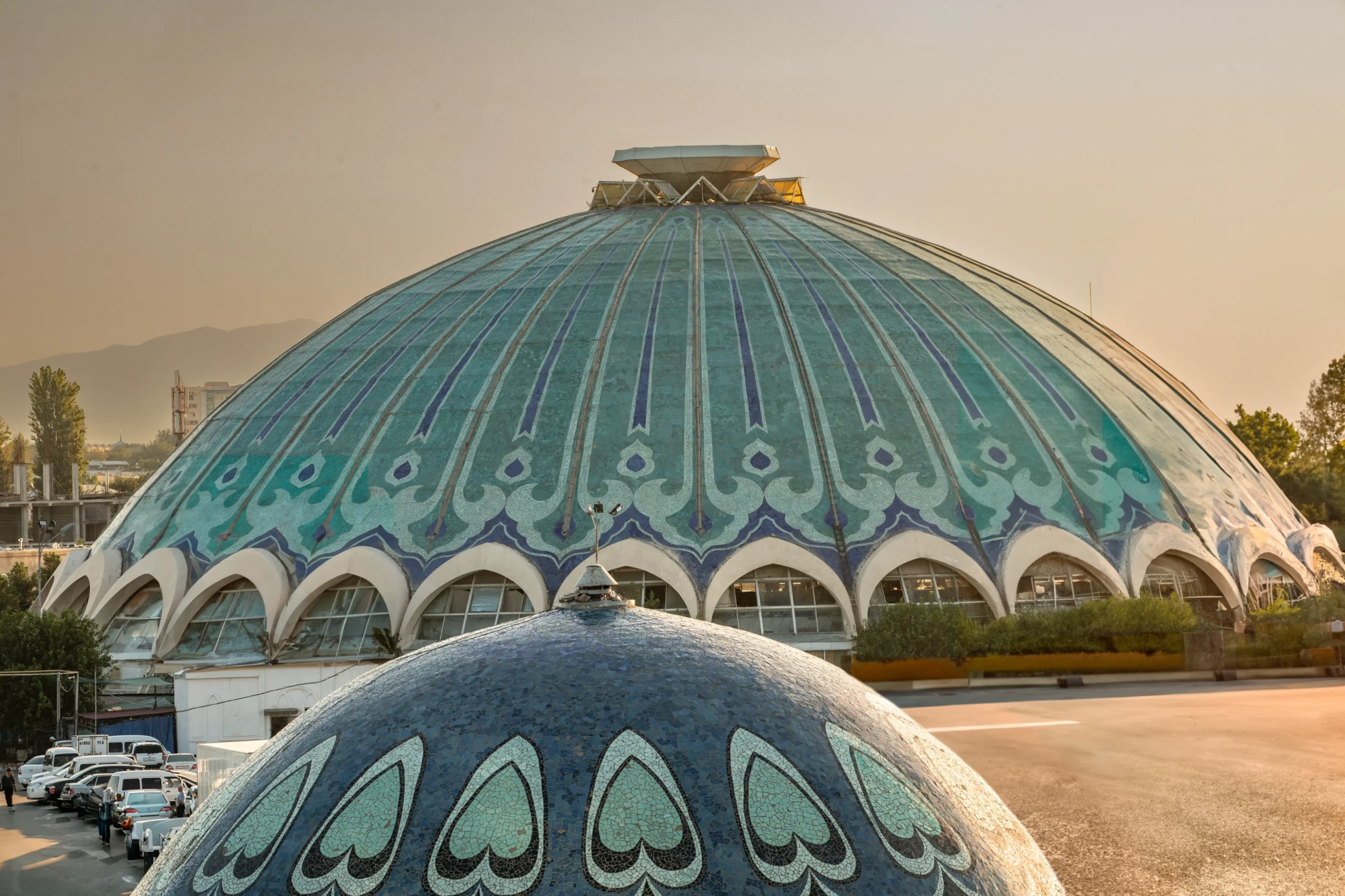
Built between 1983 and 1990 on the site of Tashkent’s historic bazaar, Chorsu Market reinterprets the traditional marketplace through a series of monumental domes. The design improves ventilation and circulation while preserving the vibrant social character of one of Central Asia’s oldest commercial centres.
10. Kosmonavtlar Metro Station
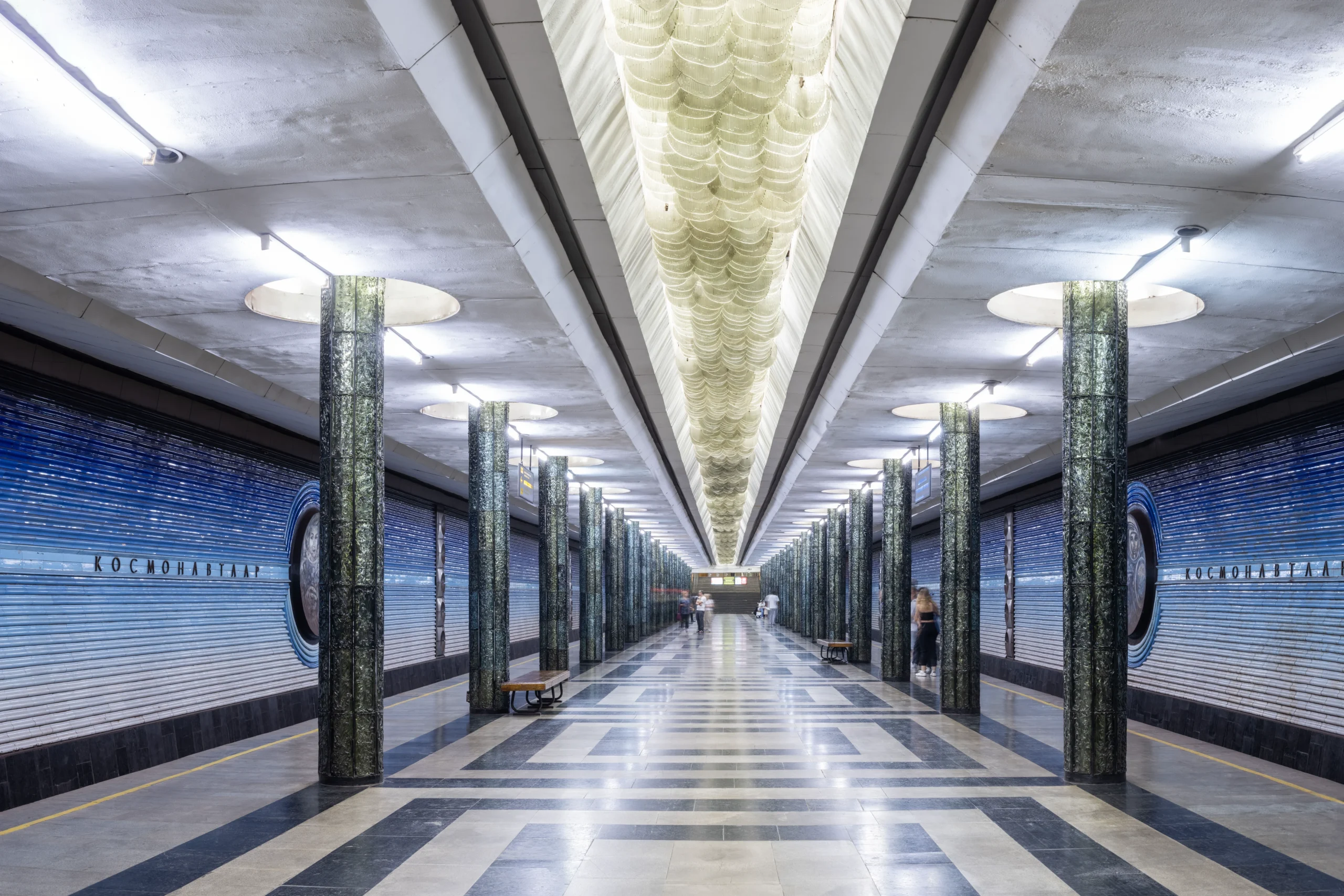
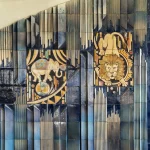
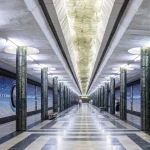
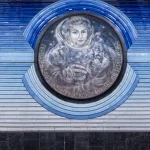
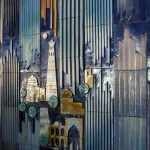
Completed in 1984, Kosmonavtlar Metro Station transforms public transport into an immersive architectural experience. Blue ceramic tiles, glass-clad columns, atmospheric lighting, and medallions honouring Soviet cosmonauts celebrate space exploration, demonstrating how Tashkent elevated infrastructure through architecture and public art.
Preserving a Modern Heritage for Future Generations
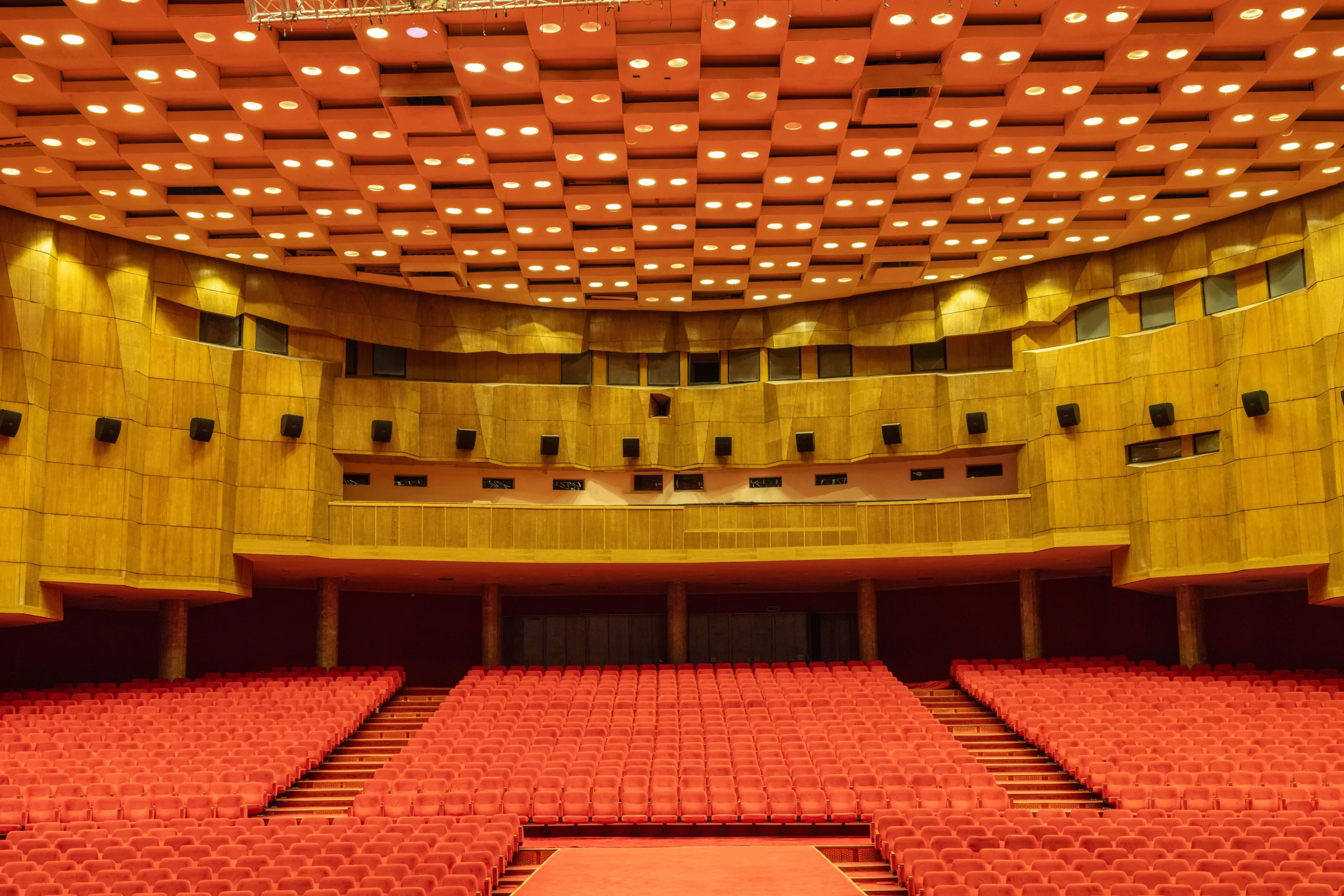
World Heritage status provides more than international recognition; it establishes a long-term framework for conservation and stewardship. The Uzbekistan Art and Culture Development Foundation will act as a joint manager within the Tashkent Modernist Architecture Expert Council, overseeing efforts to preserve the buildings’ architectural fabric, monumental artworks and their relationship to the surrounding urban landscape. Future priorities include strengthening monitoring systems, guiding sensitive adaptations and ensuring that continued use does not compromise the qualities that earned the ensemble its Outstanding Universal Value.
More broadly, the inscription reshapes the global history of modern architecture. The ten buildings demonstrate that twentieth-century modernism was never a singular movement defined exclusively by Europe or North America. In Tashkent, modern architecture emerged through a dialogue between international design principles and the environmental, cultural and social realities of Central Asia. Climate-responsive planning, seismic engineering, traditional craftsmanship and evolving urban life combined to create an architectural language that was both globally connected and unmistakably local.
By recognizing Tashkent Modernist Architecture: Modernity and Tradition in Central Asia, UNESCO has not only safeguarded ten remarkable buildings but also expanded the geographical and cultural boundaries of modern architectural heritage. The inscription invites a broader reassessment of twentieth-century architecture, positioning Tashkent alongside the world’s most influential modernist cities and acknowledging its enduring contribution to the evolution of architecture in the modern era.