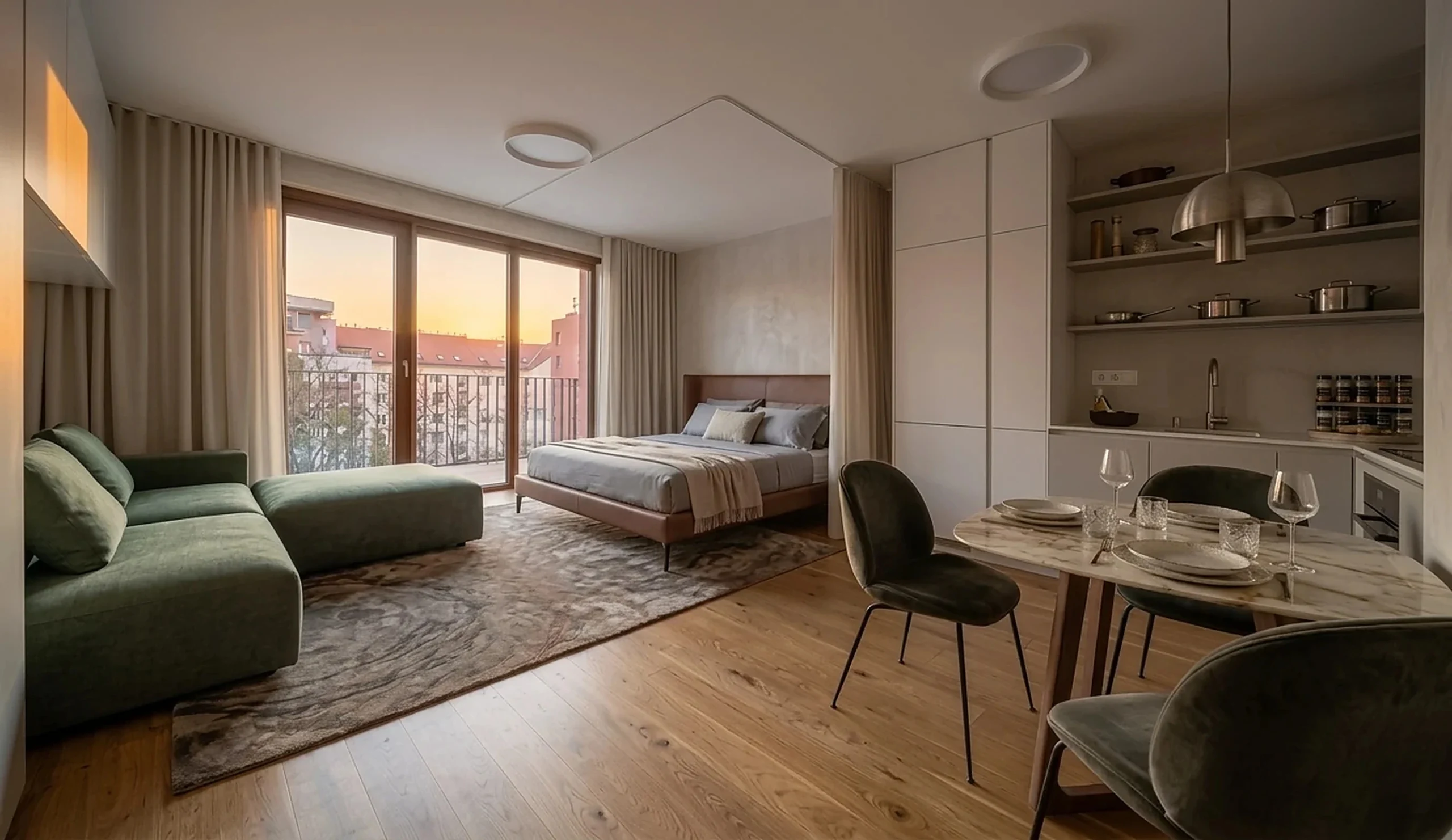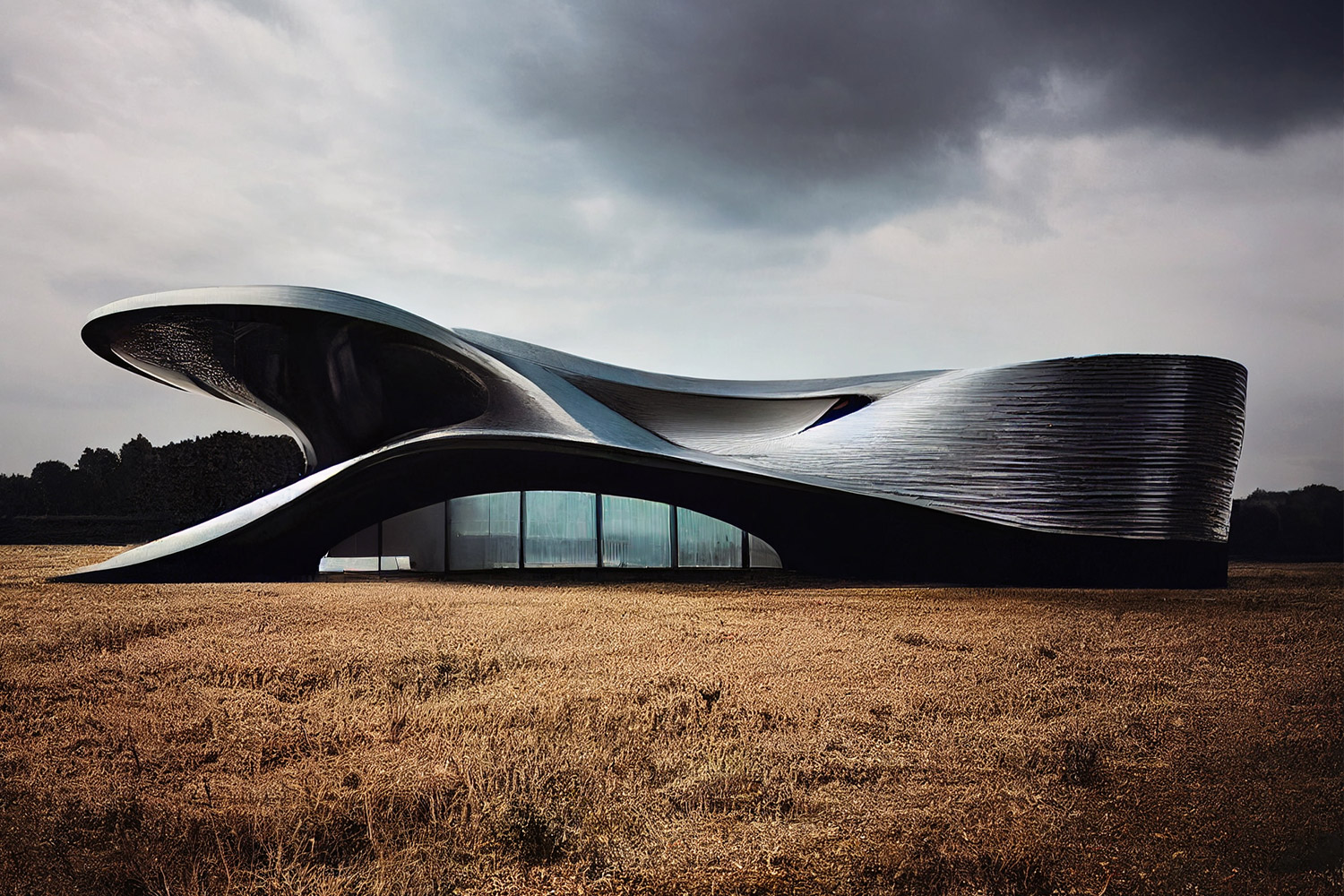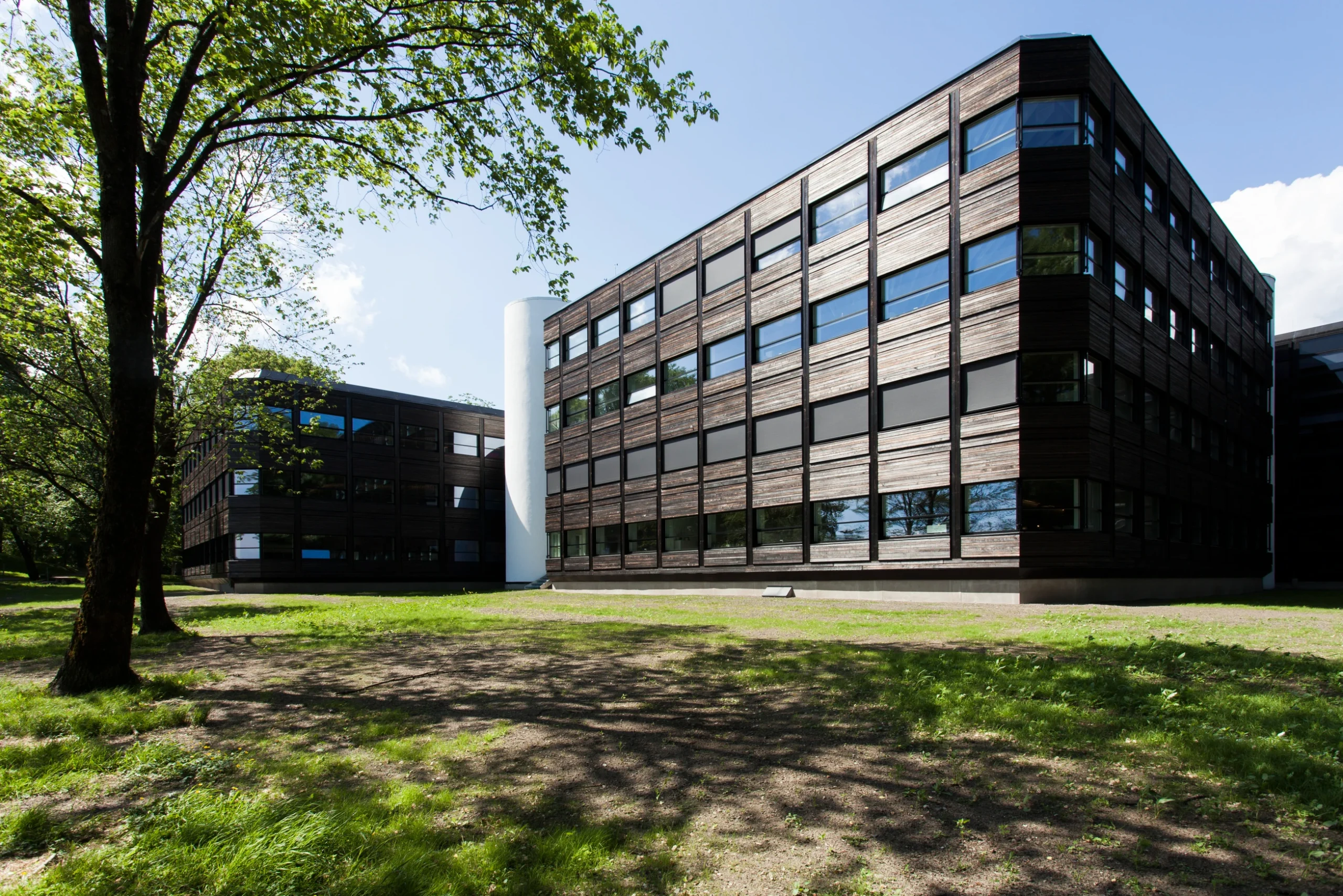

In modern architectural design, the interplay between functionality and aesthetics is more critical than ever. As architects and designers strive to create environments that are both visually appealing and comfortable to inhabit, sound management has become a central concern. One solution that has gained significant traction is the integration of acoustic panels, an innovation that not only refines auditory experiences but also elevates the visual profile of any space.
Acoustic comfort is often overlooked in the pursuit of striking interiors. Yet the impact of sound, whether it’s the subtle hum of conversation in a restaurant or the reverberating echoes in a gallery, can define the atmosphere and usability of a room. When sound waves bounce unchecked off hard surfaces, they create noise pollution and diminish the overall quality of the environment. Acoustic panels address this challenge directly, absorbing sound and reducing unwanted reverberation.

The evolution of sound-absorbing design
Traditionally, soundproofing solutions were relegated to recording studios and performance halls, frequently sacrificing style for function. However, contemporary acoustic panels have redefined expectations by merging sound absorption capabilities with cutting-edge design. These panels are now crafted from a variety of materials, including wood, fabric, and recycled composites, making them versatile for a range of architectural applications.
Today’s acoustic panels are as much about visual storytelling as they are about function. Designers can choose from geometric patterns, organic forms, or even custom finishes that complement existing themes. The rise of parametric design methodologies has enabled the creation of panels with complex patterns and undulating surfaces, turning sound control into an art form. This synergy of technology and design ensures that acoustic solutions no longer remain hidden or purely utilitarian but become integral elements of the interior landscape.
Enhancing user experience in modern architecture
In open-plan offices, collaborative workspaces, and public buildings, the challenge is to balance openness with privacy and comfort. Acoustic panels play a vital role in shaping these environments. By strategically placing panels on ceilings, walls, or even as free-standing partitions, sound can be managed to foster concentration, reduce stress, and support communication.
For example, in a bustling workspace, overhead panels can create pockets of quiet where teams can focus without distraction. In hospitality settings, wall-mounted panels help to maintain an intimate ambiance, ensuring that diners or guests can converse comfortably without raising their voices. Educational institutions and libraries benefit from the clarity and calm that these panels provide, enabling students to absorb information without interference.
The effectiveness of acoustic panels goes beyond just reducing noise levels. They contribute to overall well-being by lowering fatigue, supporting mental health, and enhancing productivity. These benefits underscore the importance of sound design as a fundamental aspect of spatial planning.
Sustainable materials and biophilic design
As sustainability becomes increasingly important, the materials and manufacturing processes behind acoustic panels are evolving. Many manufacturers now prioritize eco-friendly resources, such as responsibly sourced wood or recycled fabrics. These choices align with the broader movement towards greener architecture and responsible consumption.
Integrating natural materials does more than reduce environmental impact, it also supports biophilic design principles. Wooden acoustic panels, for example, bring a sense of warmth and connection to nature, which research suggests can improve mood and cognitive function. The tactile and visual qualities of these materials help soften the otherwise sterile feel of modern interiors, making spaces more inviting and comfortable.
Looking ahead: The future of acoustic innovation
As buildings become smarter and more adaptable, acoustic solutions will continue to evolve. Designers are experimenting with dynamic panels that adjust their properties in response to changing soundscapes. Imagine a conference room where panels shift orientation or density to accommodate different activities, or cultural venues where acoustic environments can be tailored for music, speech, or quiet reflection.
Advancements in digital modeling and fabrication allow for unprecedented customization, ensuring that acoustic panels can meet the unique demands of each project. Whether in a sculptural installation at the heart of a museum or discreetly integrated into the ceiling of a contemporary home, these panels are set to redefine how spaces are experienced.
Creating harmony through thoughtful sound design
The integration of acoustic panels has transformed the approach to interior soundscapes. By blending functional sound absorption with sophisticated design, architects and designers can create environments that are both beautiful and acoustically balanced. As awareness of the importance of sound in spatial experience grows, these panels will remain essential tools for shaping the places where people live, work, and connect. Through thoughtful selection and innovative application, acoustic panels will continue to enhance the way we experience built environments, proving that great design is about more than what meets the eye.