
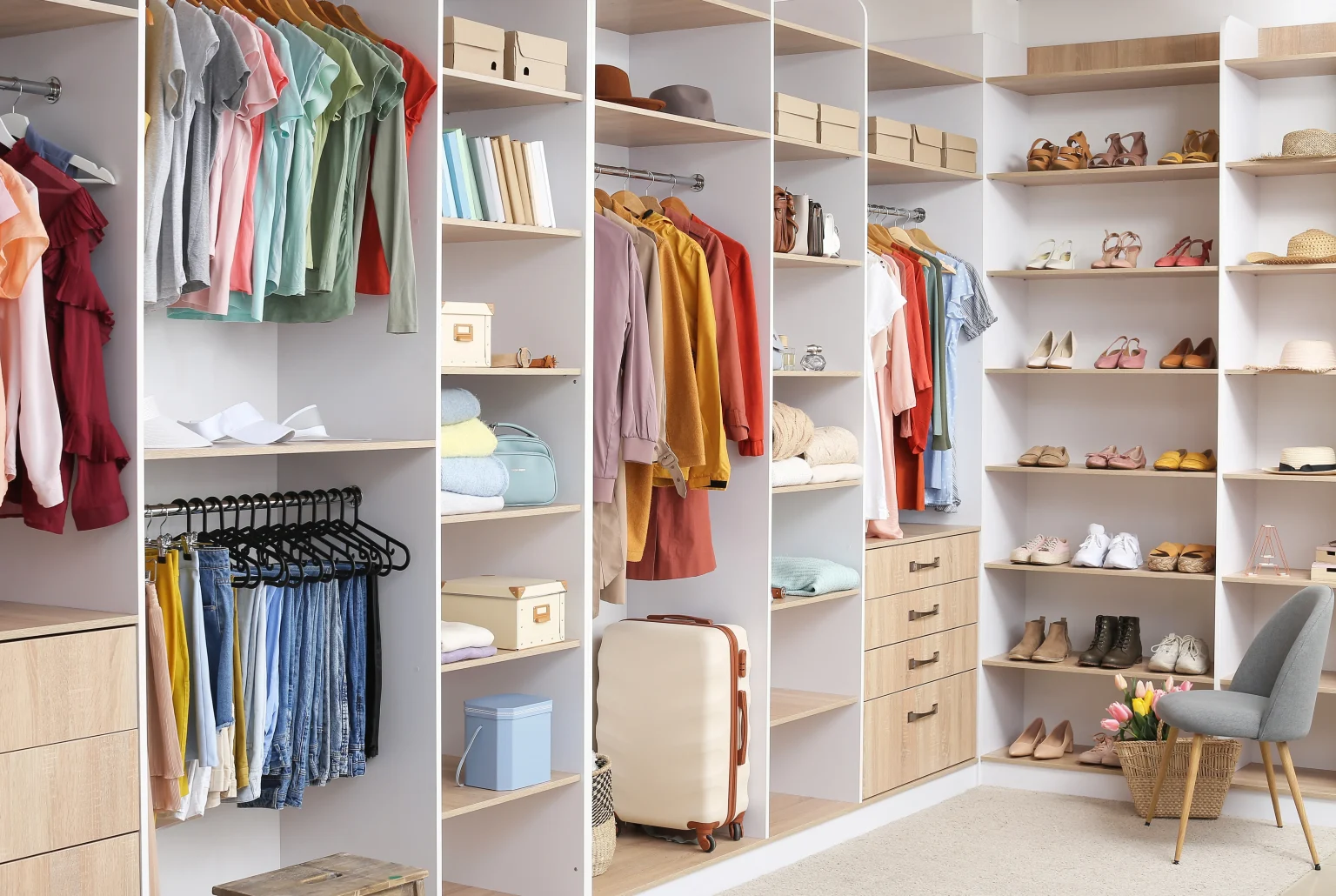

Designs come and go, but some features stay with the times. Versatility is one such example – nothing says convenience better than multi-use furnishings. It’s a testament to the art of saving space, which is rapidly becoming a luxury today, due in some cases to shifts in local zoning laws. (1)
According to a survey by the National Association of Home Builders, 21% of homeowners want floor spaces of less than 2,000 square feet. It doesn’t help that housing prices have been slow to keep up. In Colorado Springs, the Wall Street Journal reported that median square footage dropped by 14%, but prices only fell by 7%. (2)(3)
With homes getting smaller, anyone planning to give their spaces, or just their closets, a makeover needs to get creative. Fortunately, there’s no shortage of ideas for creating a custom closet that serves multiple uses.
Hire Professional Help
Of course, no plan to redesign a space goes through without answering a question as old as time: “DIY or hire a pro?” Weighing the pros and cons of each option is understandable, as home improvement can be quite the investment. (4)
| Method | Pros | Cons |
| Do-it-yourself (DIY) | Lower project price due to a lack of labor costsMore control over the redesign projectGreat for developing key trade skills | The owner is responsible for the required documentsAccess to high-quality materials may be limitedRisk of body injury and property damage |
| Professional work | Quality craftsmanship is all but assuredHandles nearly all the prep and project workCarries various kinds of liability insurance | Professional fees add to the project’s total costLimitations to sudden design changesRisk of paying for a fraudulent contractor |
While a DIY approach works in certain situations, creating the perfect closet isn’t one of them. The amount of planning that goes into this can be far more than what the average homeowner can think of. On top of that, minimizing the number of remodel efforts is in the homeowner’s best interest, cost-wise.
More importantly, experience plays a crucial role in closet renovation. A contractor with years of planning and building custom kitchen and bedroom revamps, let alone one who brings a European twist, yields dozens of ideas. Instead of a regular reach-in closet, why not a tricked-out, customized walk-in closet that’s also a place to change clothes?
Think Outside of the Shelf
Creating a multi-use closet requires thinking of other purposes its multiple compartments can serve. A closet’s purpose may be to hold one’s growing fashion collection, but modern furnishings have been designed to be capable of much more.
Take a look at your current closet and visualize the things that can fit in there. Some have fitted an entire dresser, complete with dresser drawers (the topside serving as a makeshift table) and a vanity mirror, in a large compartment. The result forgoes the need for a dresser in the room, allocating the saved space for other uses.
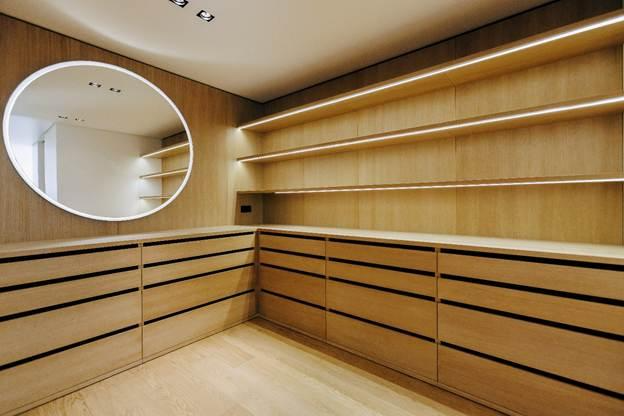
On a related note, why limit your closet to just clothes? Double-duty closets unify storage spaces of two parts of the house, such as hanging sportswear and sports equipment with household cleaners. Provided the items have their own partitions, you don’t have to worry about agent spills that risk discoloring the clothes.
The list of closet design ideas is long, if not endless; all it takes is a fresh perspective. Instead of seeing the closet for what it is, see it for what it can be for the home. If this process is too complicated, asking for expert guidance won’t hurt.
Design With Organizers in Mind
Any homeowner who expects their closet to hold all of their personal belongings, clothes and all, should know one important fact: relying on drawers alone won’t result in a more organized and versatile closet.
Despite being a staple of closets everywhere, drawers aren’t suitable for storing particular items. Jewelry is one example: necklaces can get tangled up when piled, while earrings can get lost in the pile. At least, jewelry should be put away in jewelry drawers with closet organizers to sort the pieces.
This doesn’t mean drawers are useless, but it pays to design closets with compartments that can be repurposed for other items. Simple, open closet spaces can house storage bins one day and adjustable shelving systems the next, adapting to changing storage needs. With a few KonMari closet organization tips, your dream closet will be neat and tidy.
On that note, some closet designs have incorporated parametric or modular functionality in the form of custom closet installations. Parametricism is about creating designs not just to make them look unique but also to solve practical problems. Although limited in the amount of storage space, these custom solutions offer various options.
Conclusion
Multi-use closet designs are likely to become the norm as floor space becomes scarcer. Remodeling an existing closet to such standards requires creative thinking on your (or the professional’s) part.