

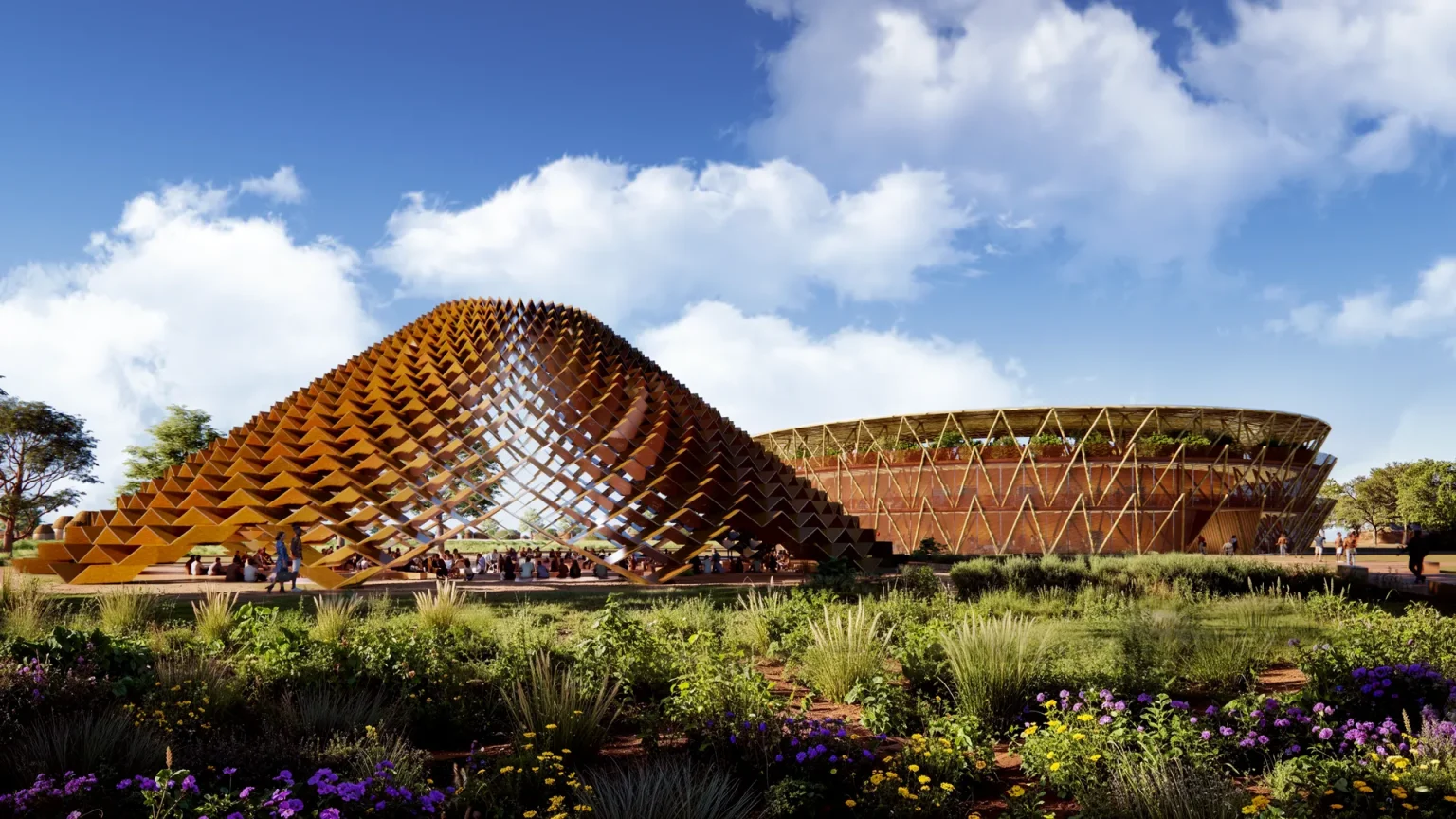


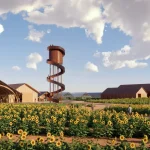
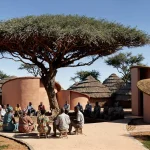
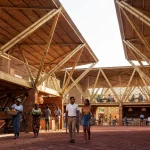
On 29 October 2026, Bjarke Ingels Group and the platform to.org announced Refugee Cities, a long-term urban proposal that treats refugee settlements as cities rather than temporary camps. The first detailed application focuses on Bidi Bidi in northern Uganda, home to roughly 230,000 people and still expanding.
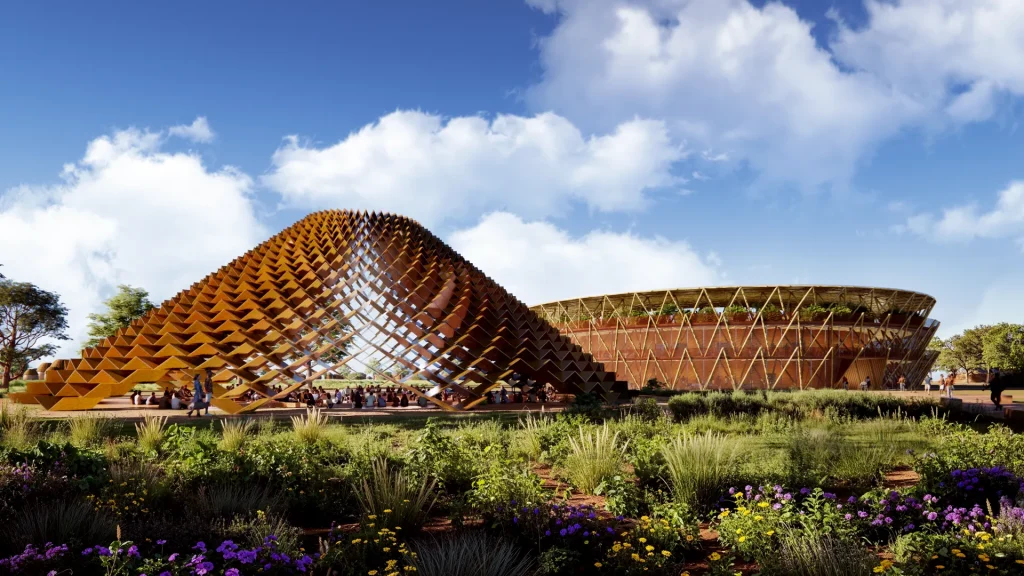
The average stay in refugee camps is around two decades. Bjarke Ingels has argued that the word “temporary” no longer describes the reality. If settlements are planned as cities, charity can become investment, and economic opportunity can be designed into the fabric from the start.
A Nested, Modular Structure
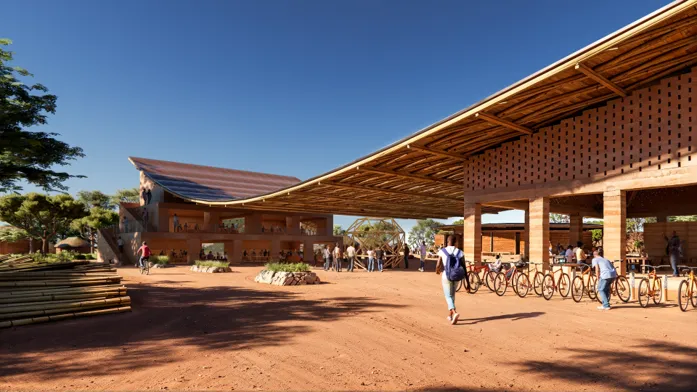
The masterplan is organized as a repeating nested system. A 250-square-meter family plot grows into a six-plot compound, then a cluster, a neighborhood and a center. Each level is organized around shared spaces for gathering, trade, and everyday life. The structure is deliberately phaseable and scalable so that growth can occur organically without requiring a complete redesign.
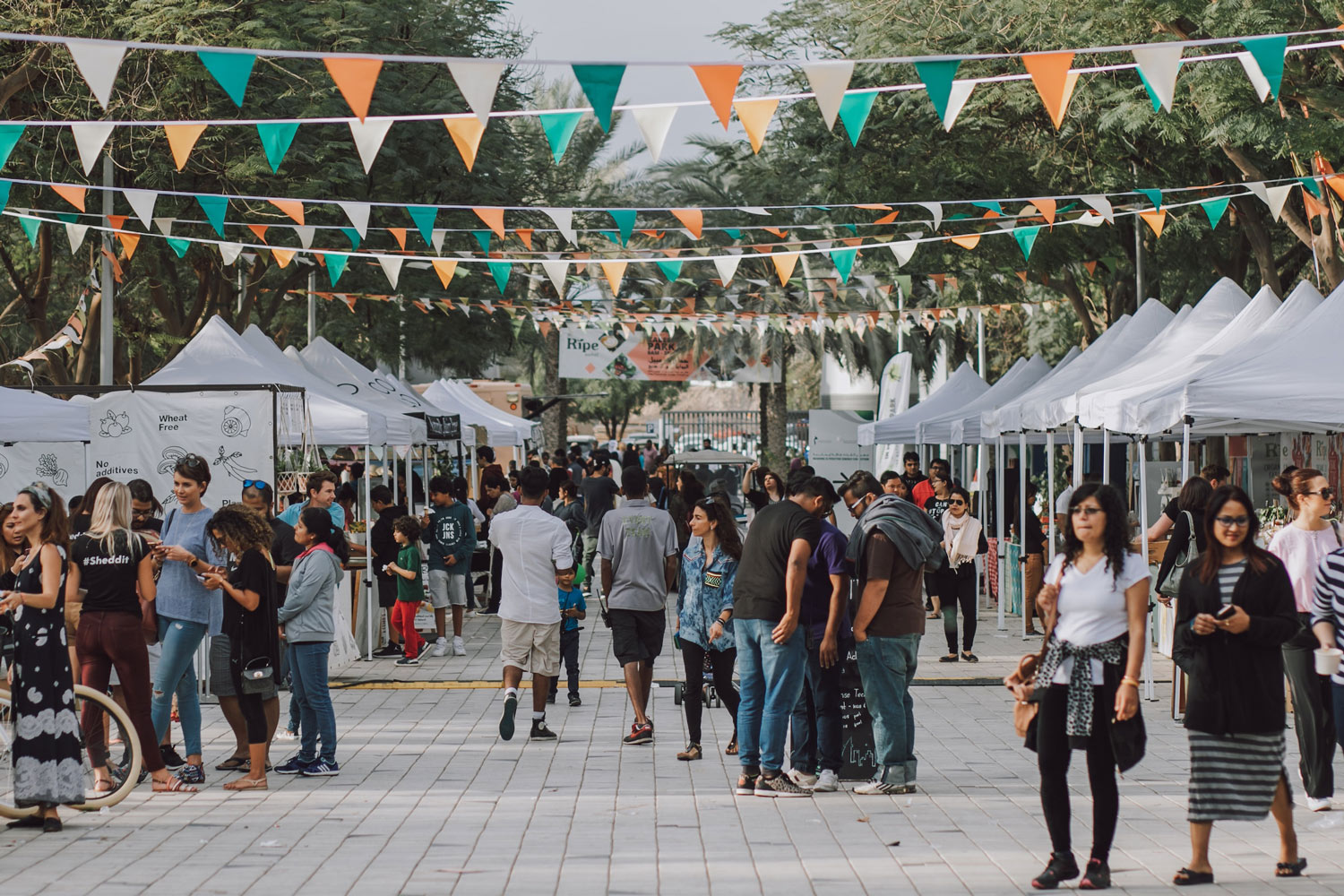
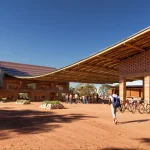
Shared infrastructure forms the core: food markets, co-working centers, arts and crafts halls, football fields, technical workshops, fitness rooftops, healing gardens, health centers and training spaces. Production facilities are intended to attract companies that can create local employment, turning the settlement into an economic node rather than a place of passive waiting.
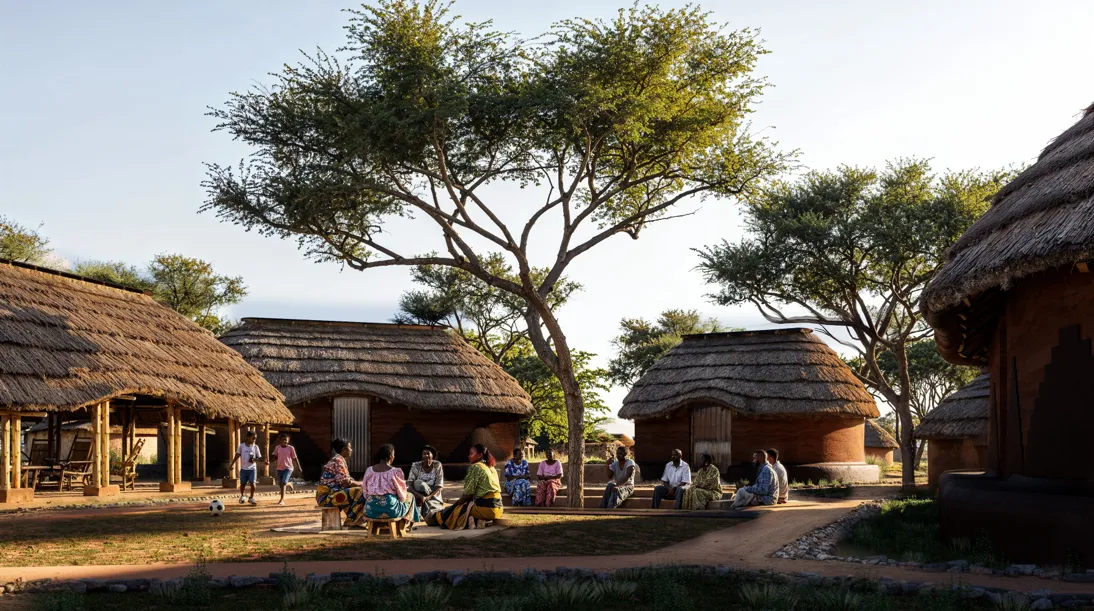
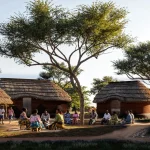
Research visits to Kakuma and Bidi Bidi in 2025, together with collaboration with LocalWorks, informed the use of local materials, construction methods, and existing housing typologies. The proposal deliberately avoids imported architectural languages and instead builds on what is already working on the ground.
Design and Computational Logic
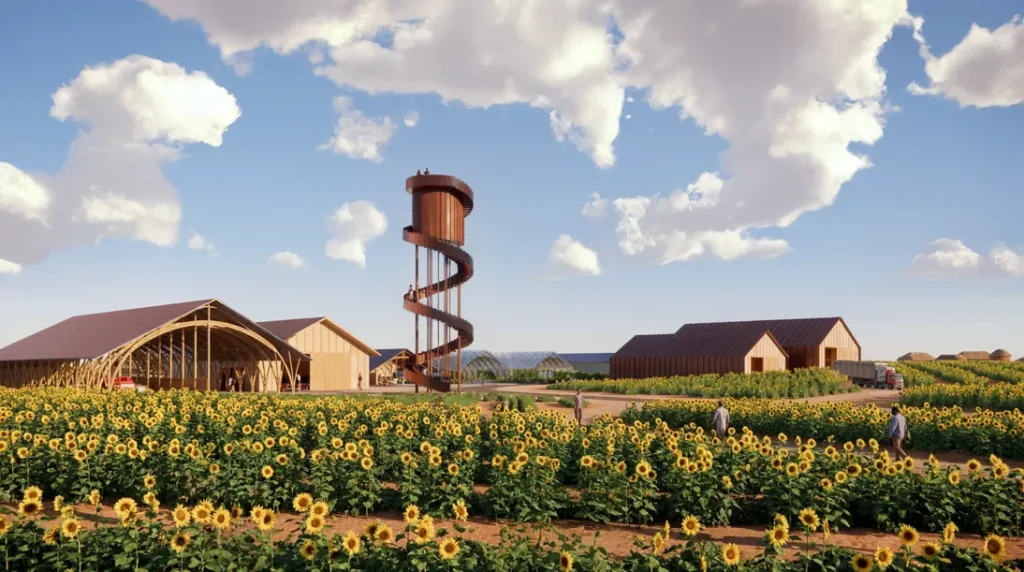
From a parametric and computational perspective, the nested system is the project’s most interesting feature. By defining clear rules for how plots aggregate into compounds and compounds into neighborhoods, the designers created a generative framework that can respond to different population sizes and site conditions. The modular logic allows the same toolkit to be applied in other settlements while still adapting to local climate, culture and available materials.
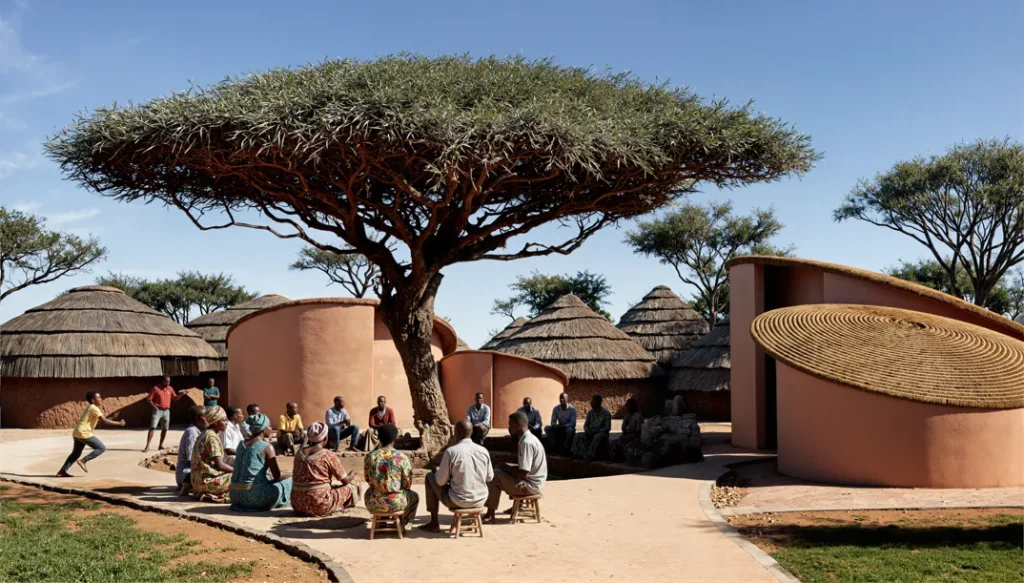
The approach also shifts the economic model. Instead of relying solely on finite philanthropy, the project seeks institutional investment that treats the infrastructure as a long-term asset. If companies locate production facilities within the city, residents gain access to work and skills that currently remain out of reach.
A Prototype Already Underway
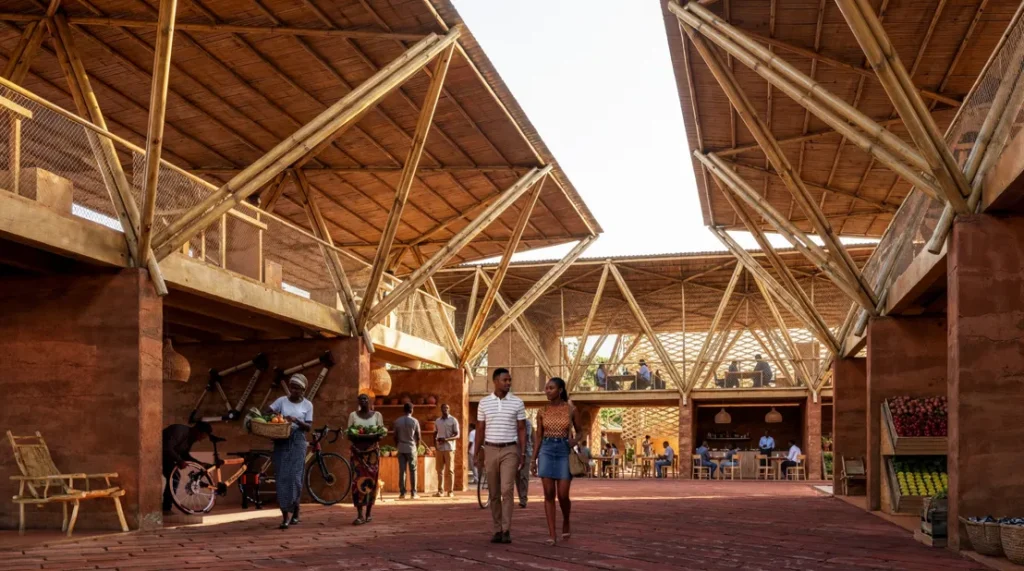
The first physical step is a prototype at the Bidi Bidi Performing Arts Center, demonstrating how the larger system might take shape. Whether the full vision can be realized will depend on funding, political will, and the ability of the modular system to remain flexible as conditions change.
Refugee Cities does not claim to solve displacement. It offers a different starting point: treat the places where people live for decades as cities worth investing in, design them to grow, and give residents economic agency from the beginning. In a world where the number of displaced people continues to rise, that shift in framing may prove as important as any single building