


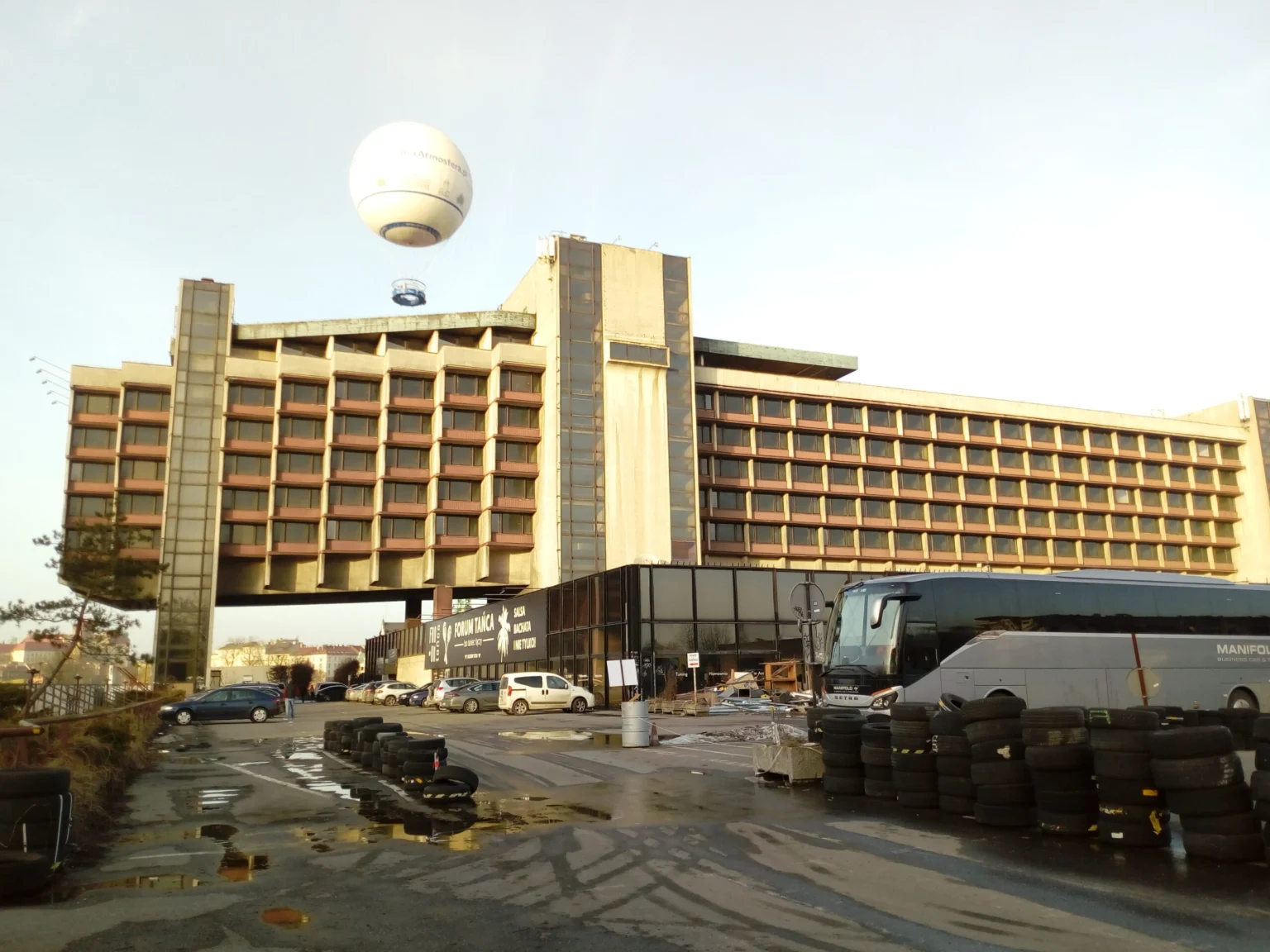


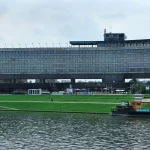
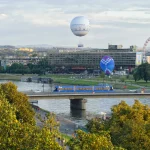
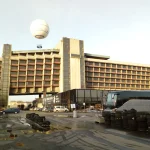
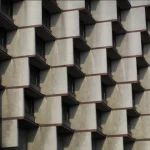
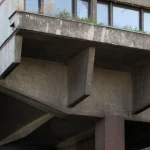
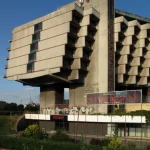
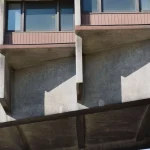
Along the bend of the Vistula River, opposite the green slopes that lead up to Wawel Castle, a long concrete form still holds its ground. Hotel Forum was designed to be one of the most modern hotels in late communist Poland. It opened in 1988 after a decade of construction and closed only fourteen years later. For more than twenty years, the main hotel floors have stood empty. Yet the building has never disappeared from the city’s consciousness.
In 2025, it was added to the register of historic monuments, a decision that recognized its architectural, historical and social value even as its future remains unresolved.
A Late Arrival That Missed Its Moment
Architect Janusz Ingarden began work on the Forum Hotel in the mid-1970s. Construction started in 1978 and dragged on through the economic difficulties of the final years of the Polish People’s Republic. When the Forum Hotel finally opened in May 1988, it offered air conditioning, a swimming pool, computerized reservation systems and conference facilities that were advanced for the time. One year later, the political system that had commissioned it collapsed. The building that was meant to symbolize modernization arrived just as that particular idea of modernity was ending.
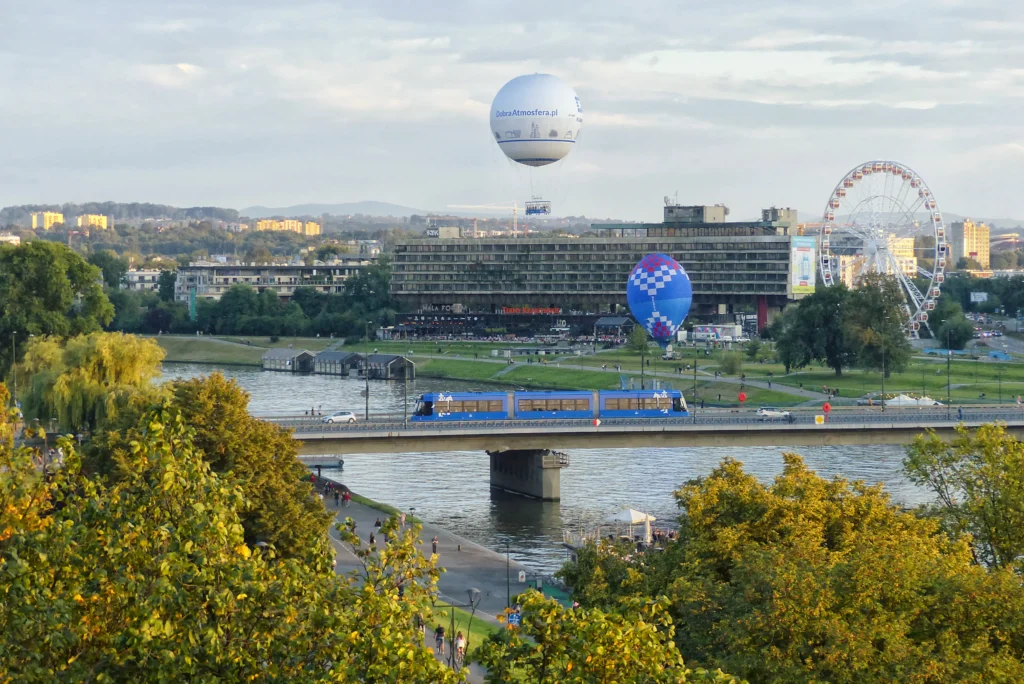
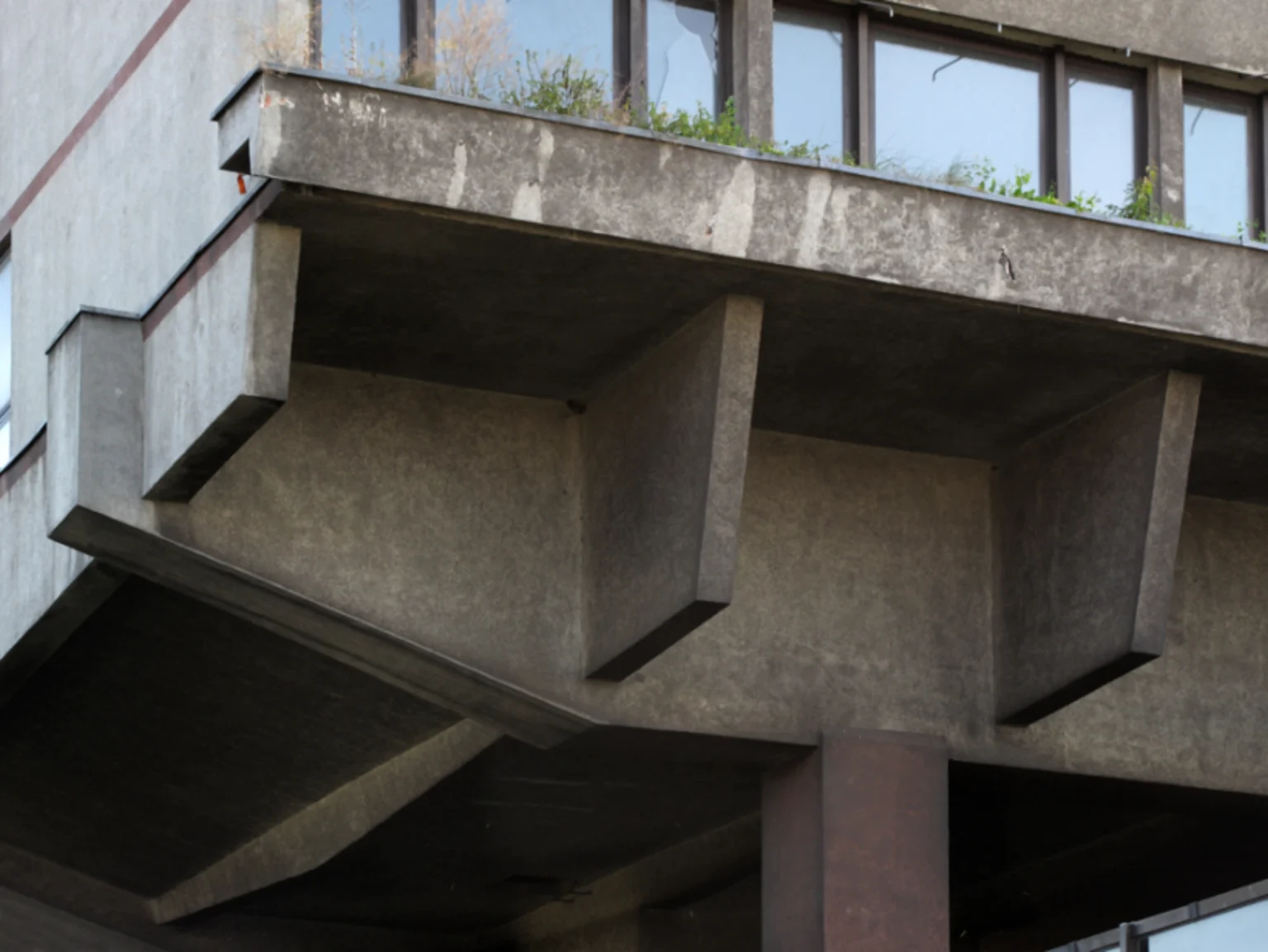
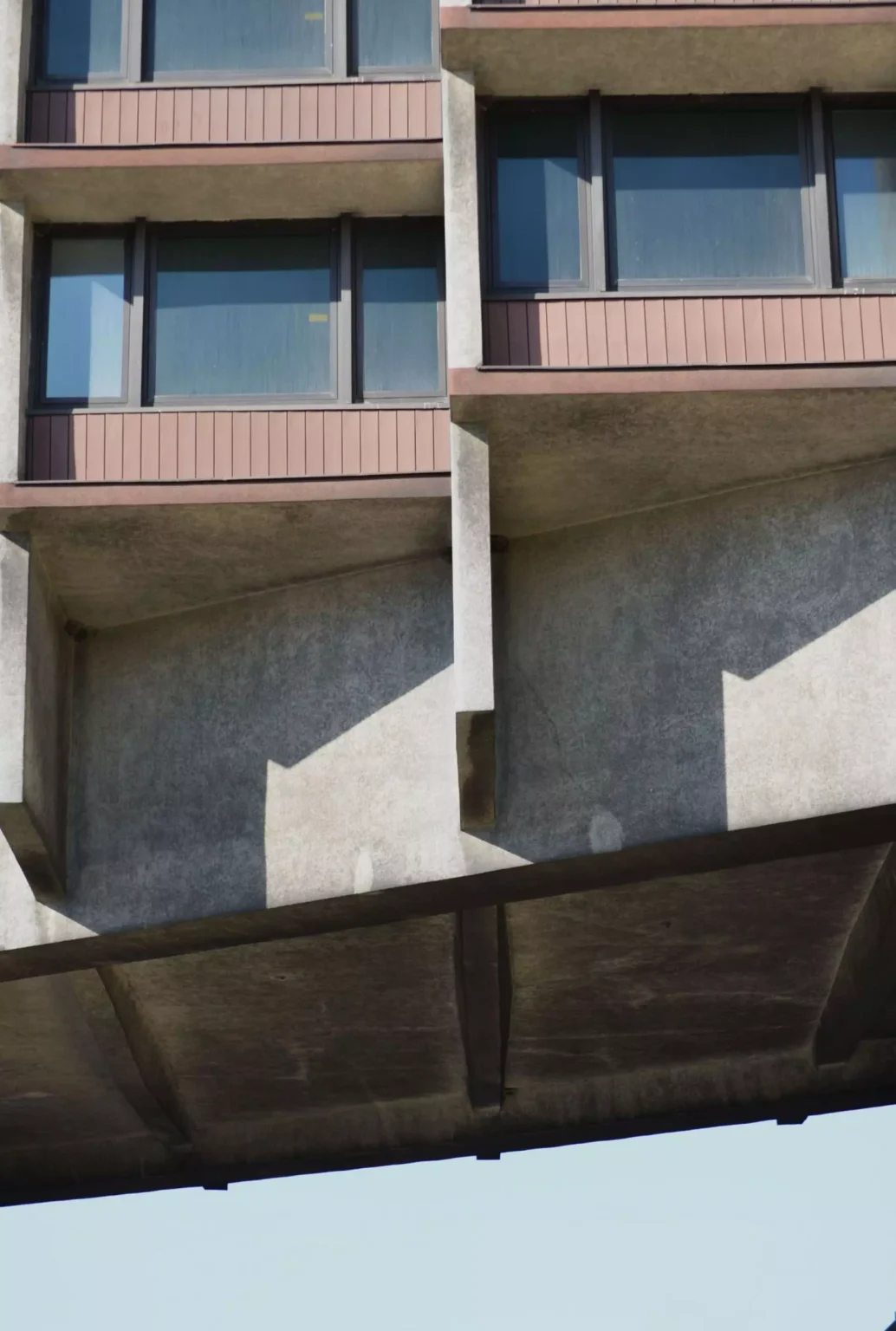
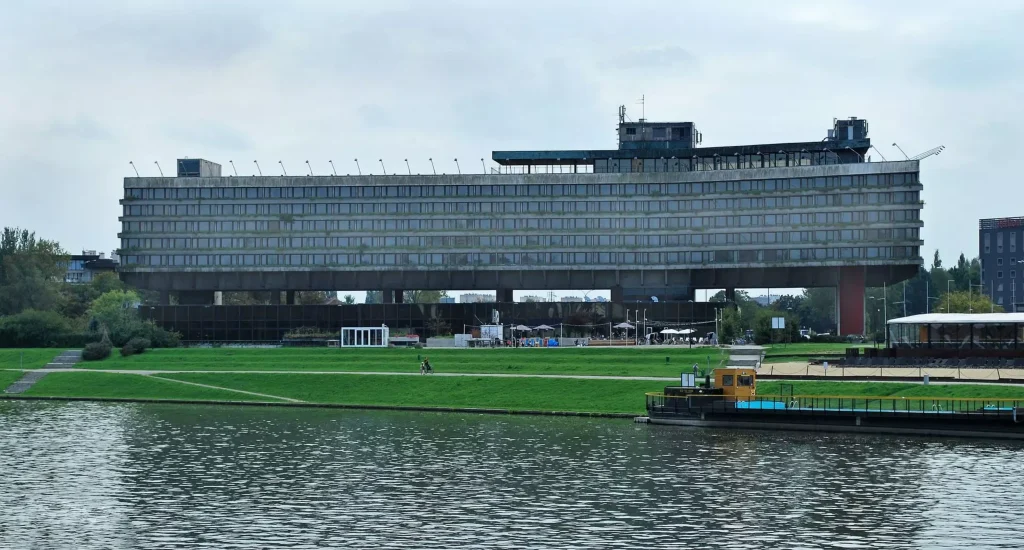
The form itself is uncompromising. A seven-story volume curves gently along the river, lifted high above the ground on pairs of massive reinforced-concrete piers. The elevation leaves the ground level largely open, allowing the landscape and the river to continue beneath the building. Above, the Forum Hotel floors present a dense grid of windows and deep horizontal bands. At the top, a recessed level once held a panoramic café. The composition is pure late modernism expressed through the heavy material language of brutalism.
Forum Hotel as Landscape Gesture
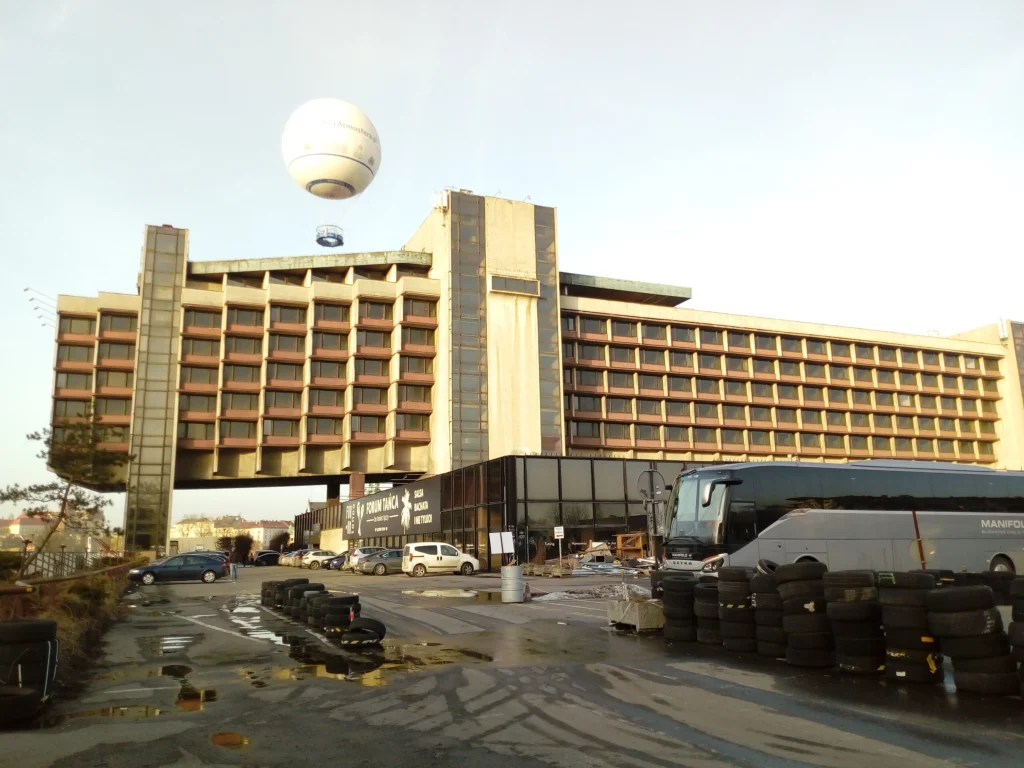
The decision to raise the main body of the hotel was both practical and expressive. It protected the lower levels from the river’s occasional high water and created a strong horizontal silhouette that reads clearly from the opposite bank and from the castle hill. The concrete piers are not merely supports. They organize the space beneath the building and give the whole composition a sense of deliberate weight and lightness at the same time. The long curved mass appears to hover, yet every part of it is grounded in the structural logic of poured concrete.
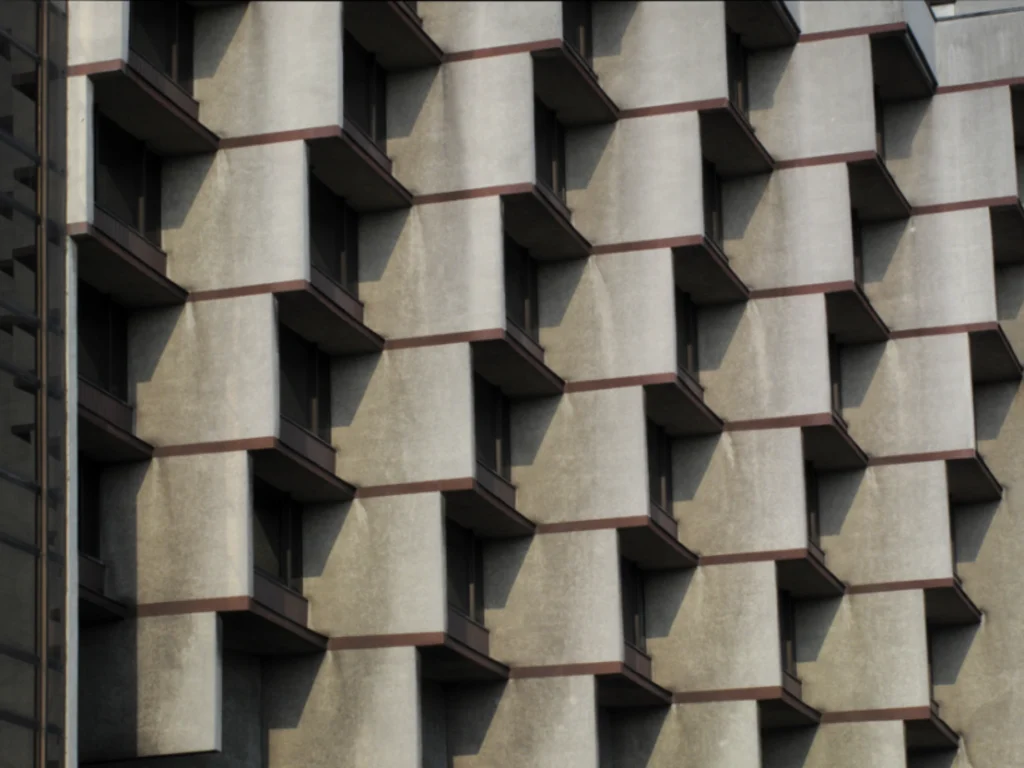
From a computational or parametric perspective, the form is relatively straightforward, yet its power comes from the precision of that simplicity. The curve is continuous. The rhythm of the window bands is regular. The relationship between the elevated volume and the open ground plane is consistent from one end of the building to the other. Small variations in the depth of the façade and the treatment of the end elevations prevent the design from becoming monotonous. The result is a building that feels both monumental and carefully controlled.
Life After Closure
Forum Hotel closed in 2002. Official reasons included structural problems related to water infiltration from the Vistula. In the years that followed, the empty hotel became a surface for large-scale advertising. For a period, it functioned as one of the longest billboards in the country, its concrete façade almost completely covered by commercial banners. Later, parts of the ground level and rooftop were reactivated for restaurants, bars and clubs. The hotel rooms themselves, however, remained abandoned.
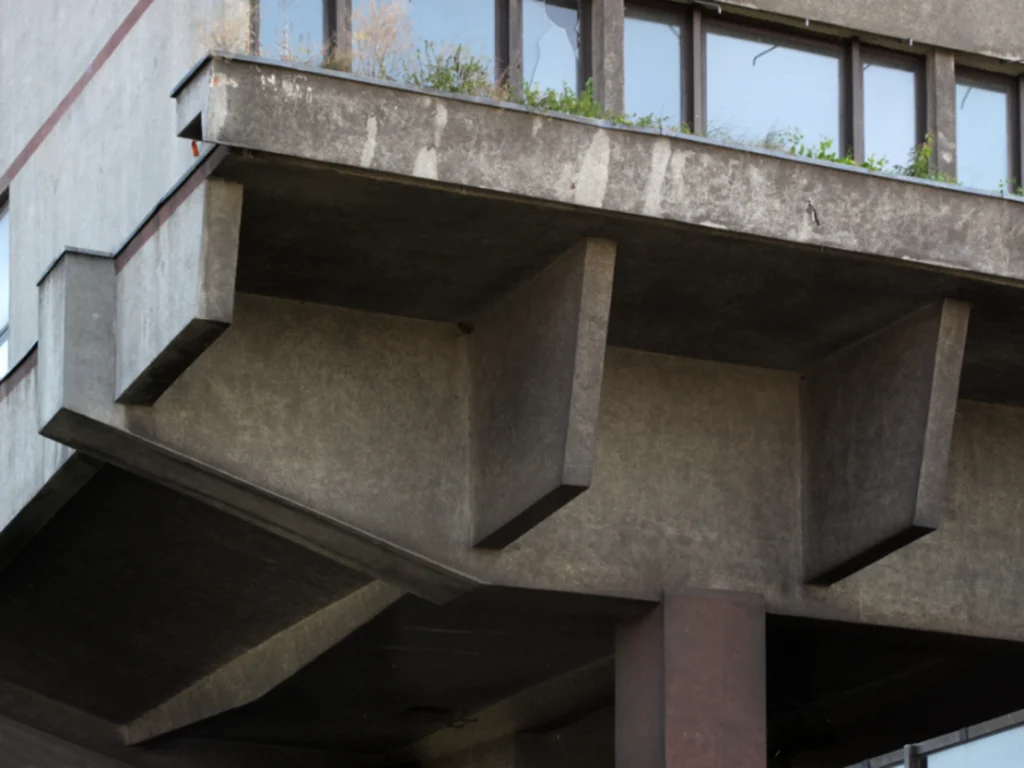
This partial occupation has created a strange dual existence. From the river, the building still presents its original profile, now weathered and marked by vegetation that has taken root on ledges and in joints. From the street side, the lower levels show signs of contemporary use while the upper floors stay dark. The contrast has made the building a favorite subject for photographers and architecture enthusiasts. It has also made the question of its future more complicated. Complete demolition would erase a major piece of late twentieth-century Polish architecture. Full restoration as a hotel would require significant investment and a clear economic rationale that has so far proved elusive.
Protection and Debate
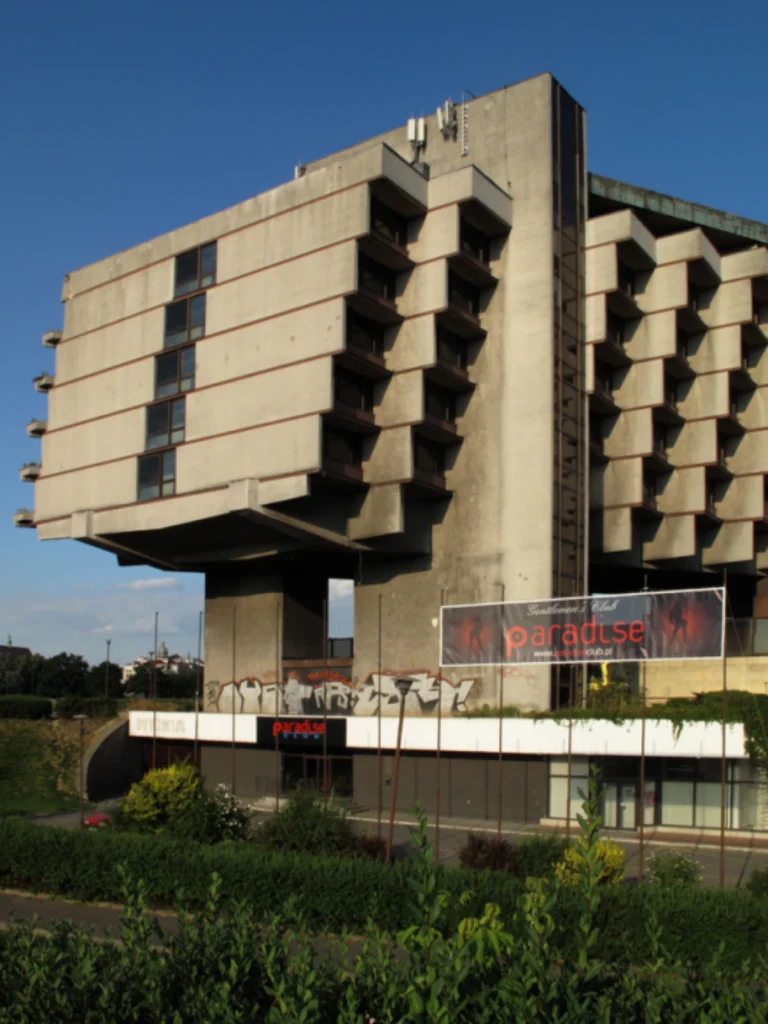
In 2025, the Provincial Office for the Preservation of Monuments added Forum Hotel to the register of historic monuments. Conservators cited its value as a testament to the modernization ambitions of the 1970s and 1980s and as a strong example of Polish brutalism. The decision was welcomed by many architects and historians, who had long argued for the building’s importance. It was met with concern by owners who saw legal protection as an obstacle to redevelopment.
The debate reflects a wider shift in attitude toward the architecture of the late communist period. For years, such buildings were widely regarded as unwanted reminders of a failed system. Increasingly, they are being reassessed as significant cultural artifacts that document a particular moment in design and social history. Forum Hotel sits at the center of that reassessment. Its location opposite Wawel makes the contrast especially sharp: one of Poland’s most important historic complexes faces one of its most uncompromising modern structures across the river.
An Unfinished Story
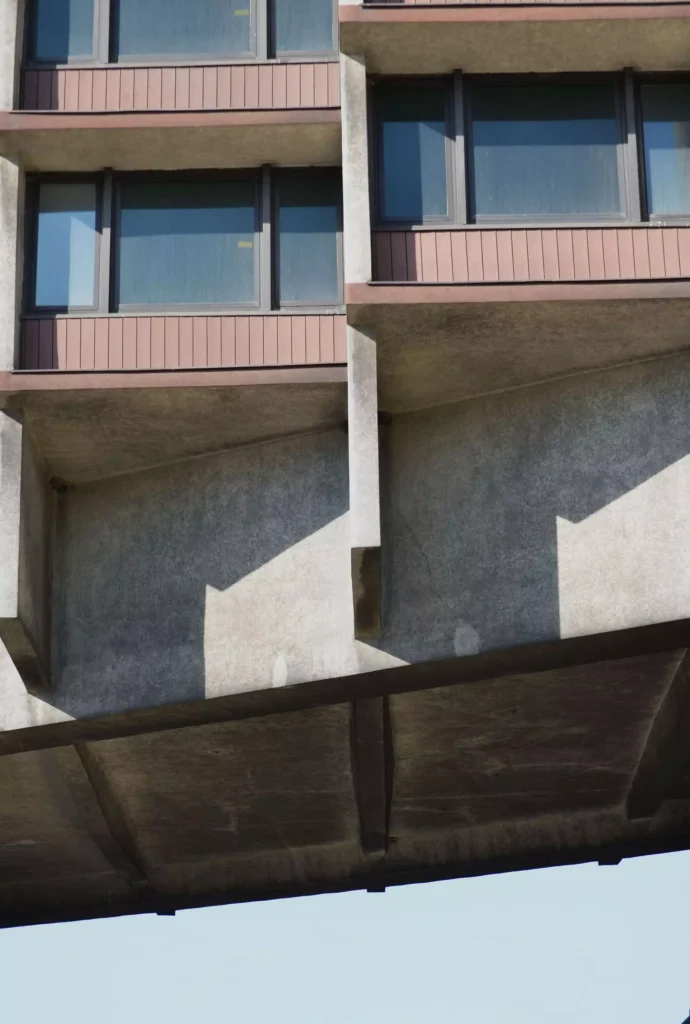
The Forum Hotel’s current state is neither pure ruin nor a functioning hotel. It occupies a middle ground that is itself revealing. The concrete has aged. Vegetation has begun to soften the hard edges. Occasional lights appear on the lower floors while the long bands of hotel windows remain dark. The structure continues to define the river edge and to organize the view from the castle. In that sense, it has never stopped performing an urban role, even when its original program disappeared.
Whether Hotel Forum will eventually be restored, adapted to a new use, or remain in its present suspended condition is still undecided. What is clear is that the building has already outlived the political and economic context that produced it. Its concrete form, once an expression of planned modernity, has become a more complicated presence: part monument, part problem, part landscape element that the city has not yet decided how to live with.
For now, it continues to stand on its heavy piers above the Vistula, a late and lasting example of an architecture that believed in the expressive power of concrete and the possibility of lifting everyday life above the ground.