

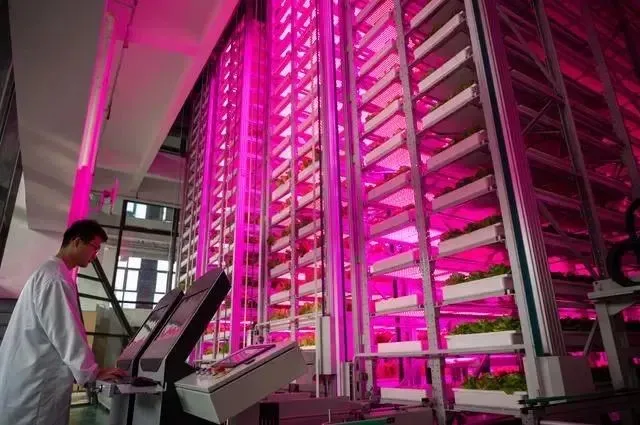
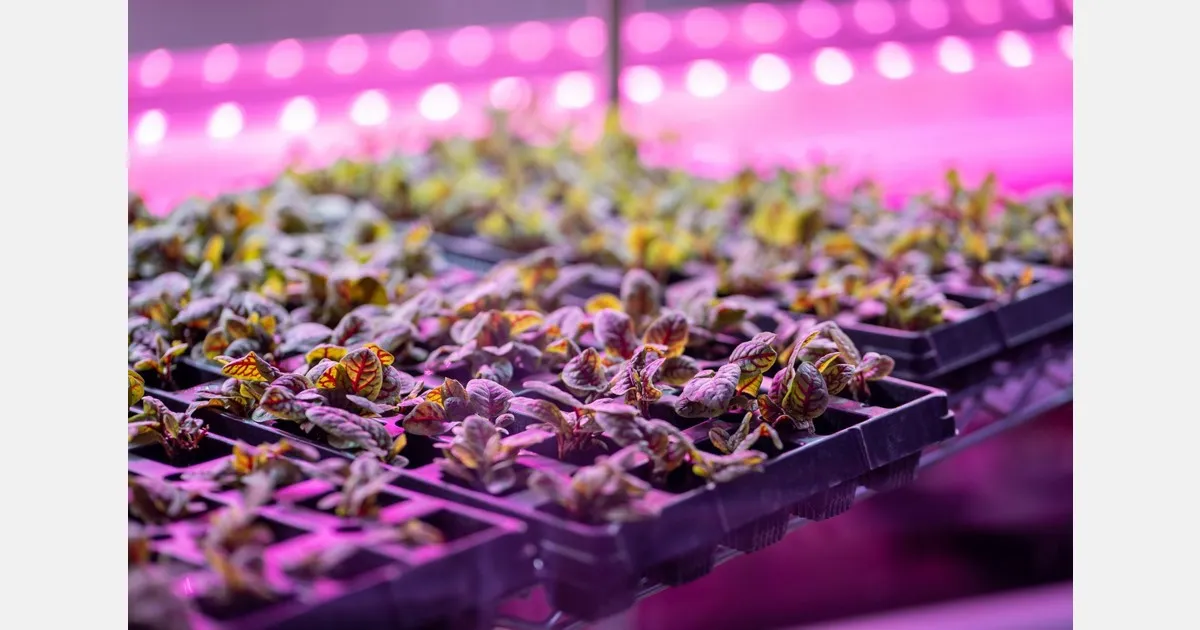
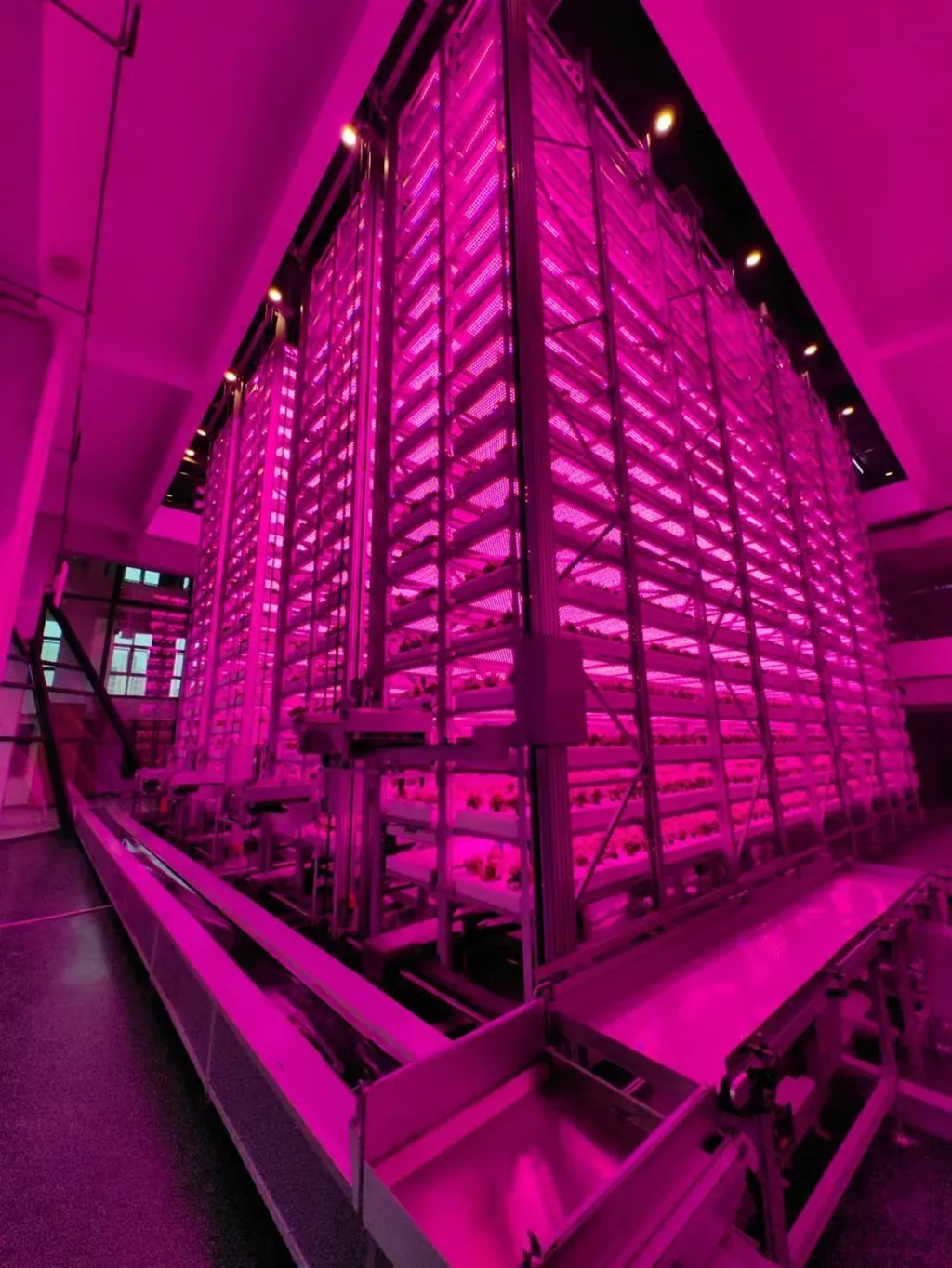
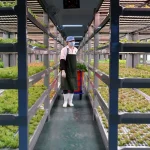
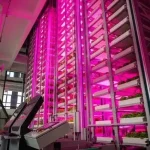
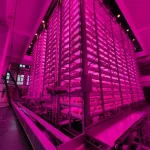
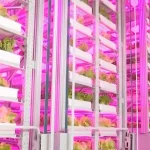
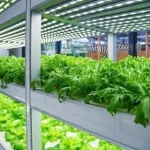
China has introduced what is described as the world’s first unmanned, 20-storey vertical plant factory facility, located in Chengdu, Sichuan Province. The facility, developed by the Institute of Urban Agriculture (IUA) under the Chinese Academy of Agricultural Sciences (CAAS), marks a significant step in facility-agriculture innovation.
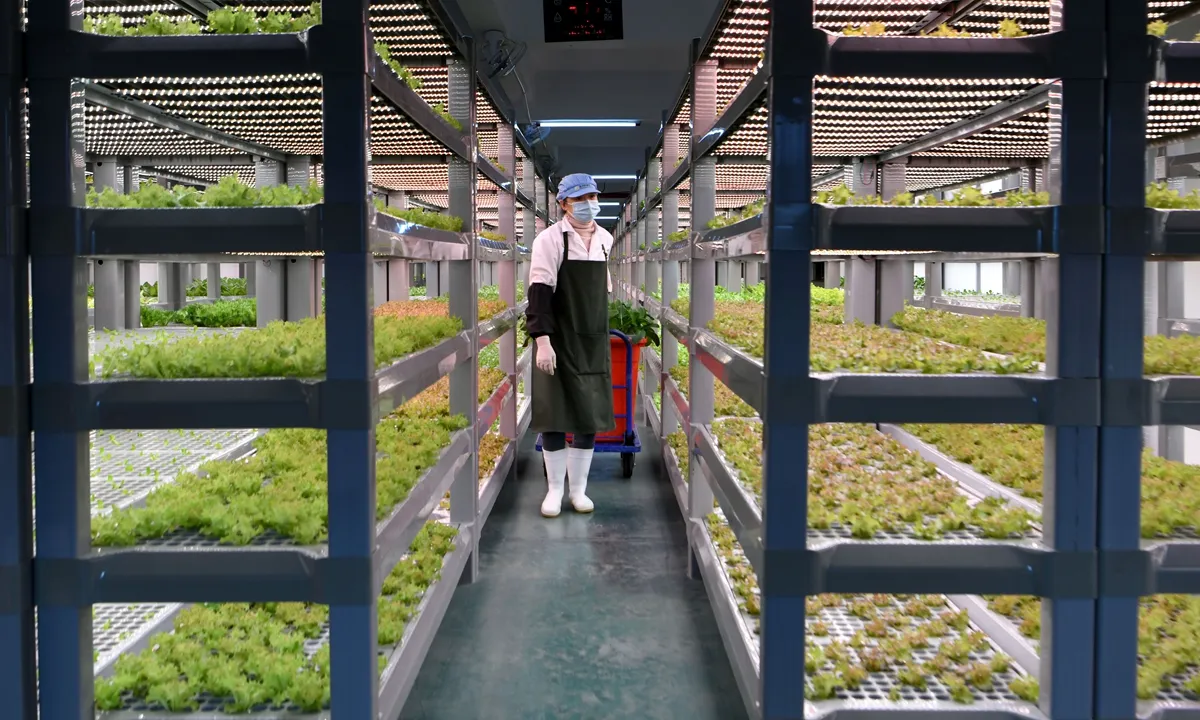
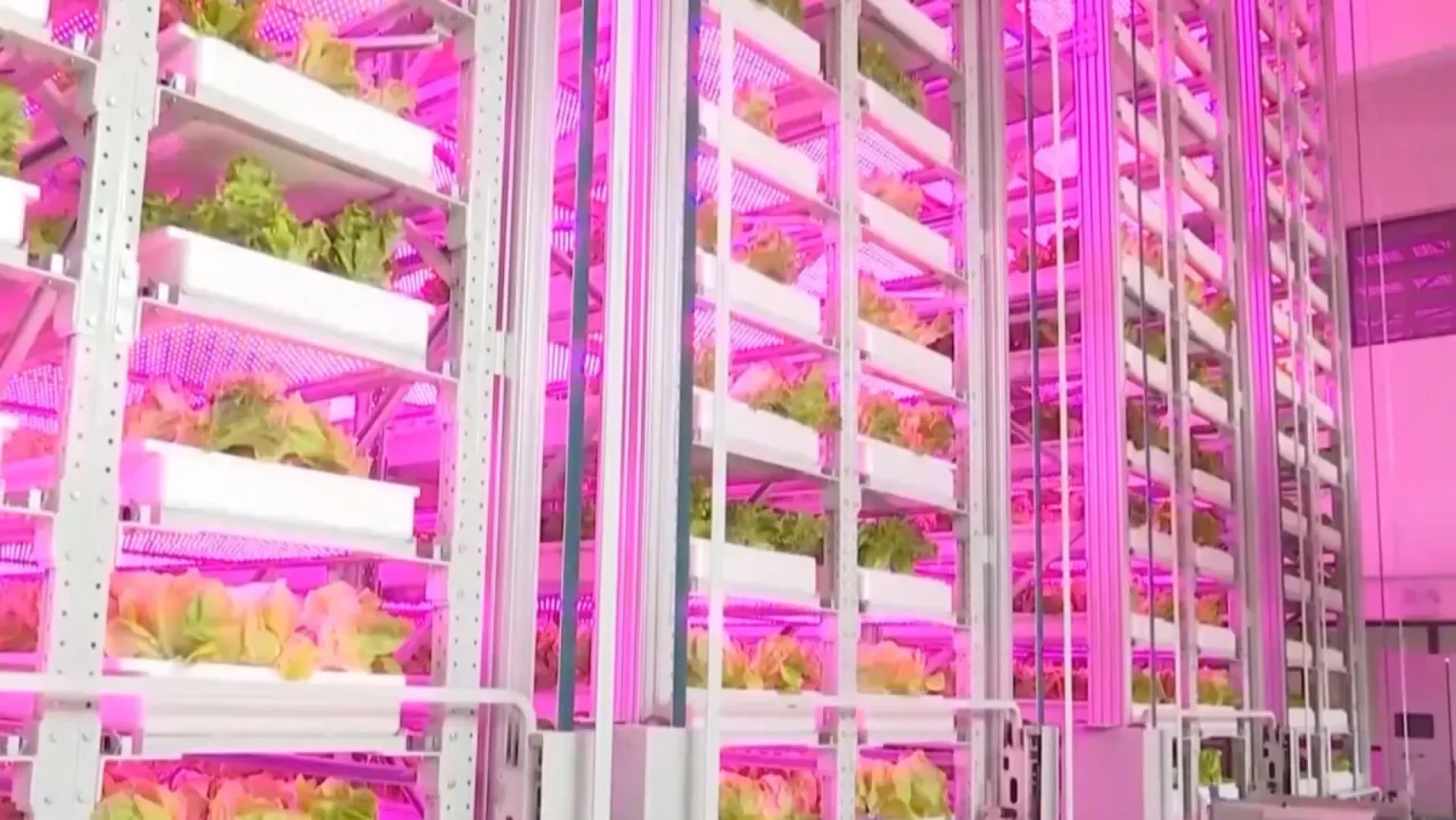
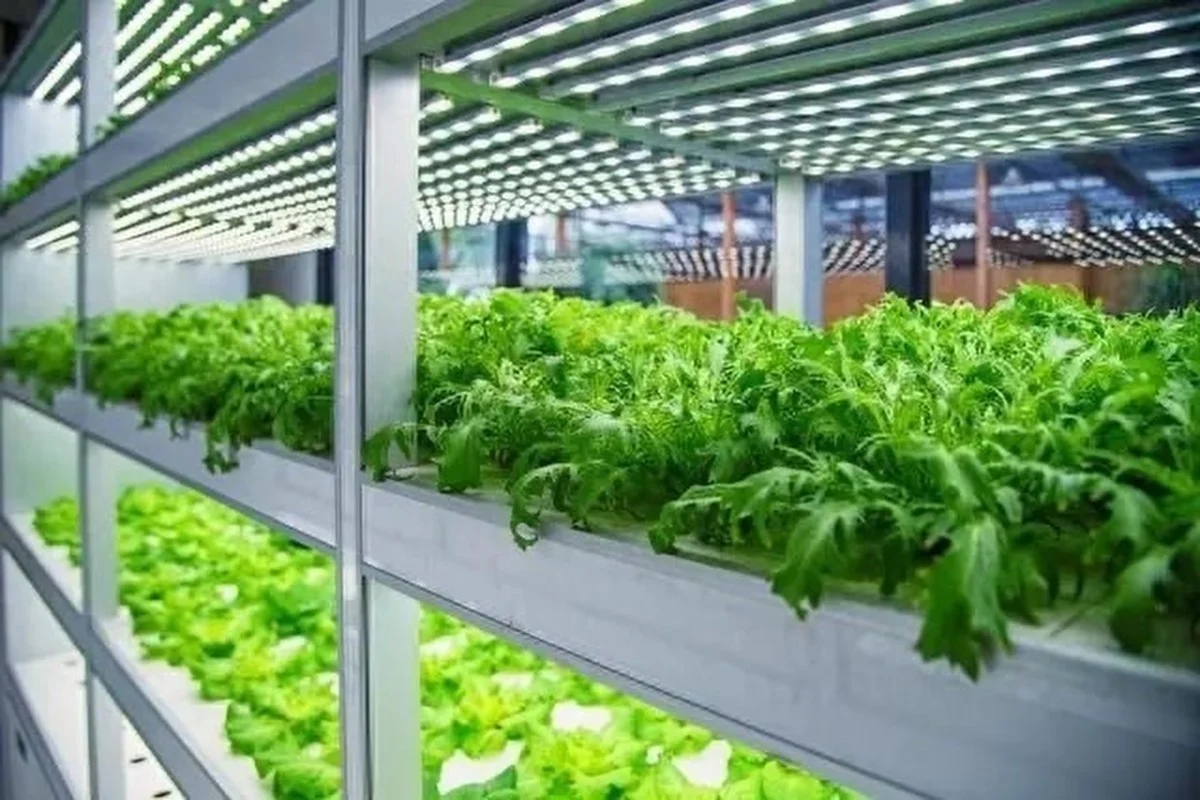
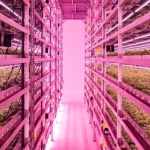
The facility utilizes a multi-tiered rack system, artificial lighting, and a fully automated control chain spanning seeding, cultivation, harvesting, and packing with no human intervention in day-to-day operations. According to the IUA, the system relies on an independently bred suite of crop varieties, a vertical 3D irrigation-cultivation platform, an automatic nutrient-supply apparatus, and an AI-based intelligent management system.
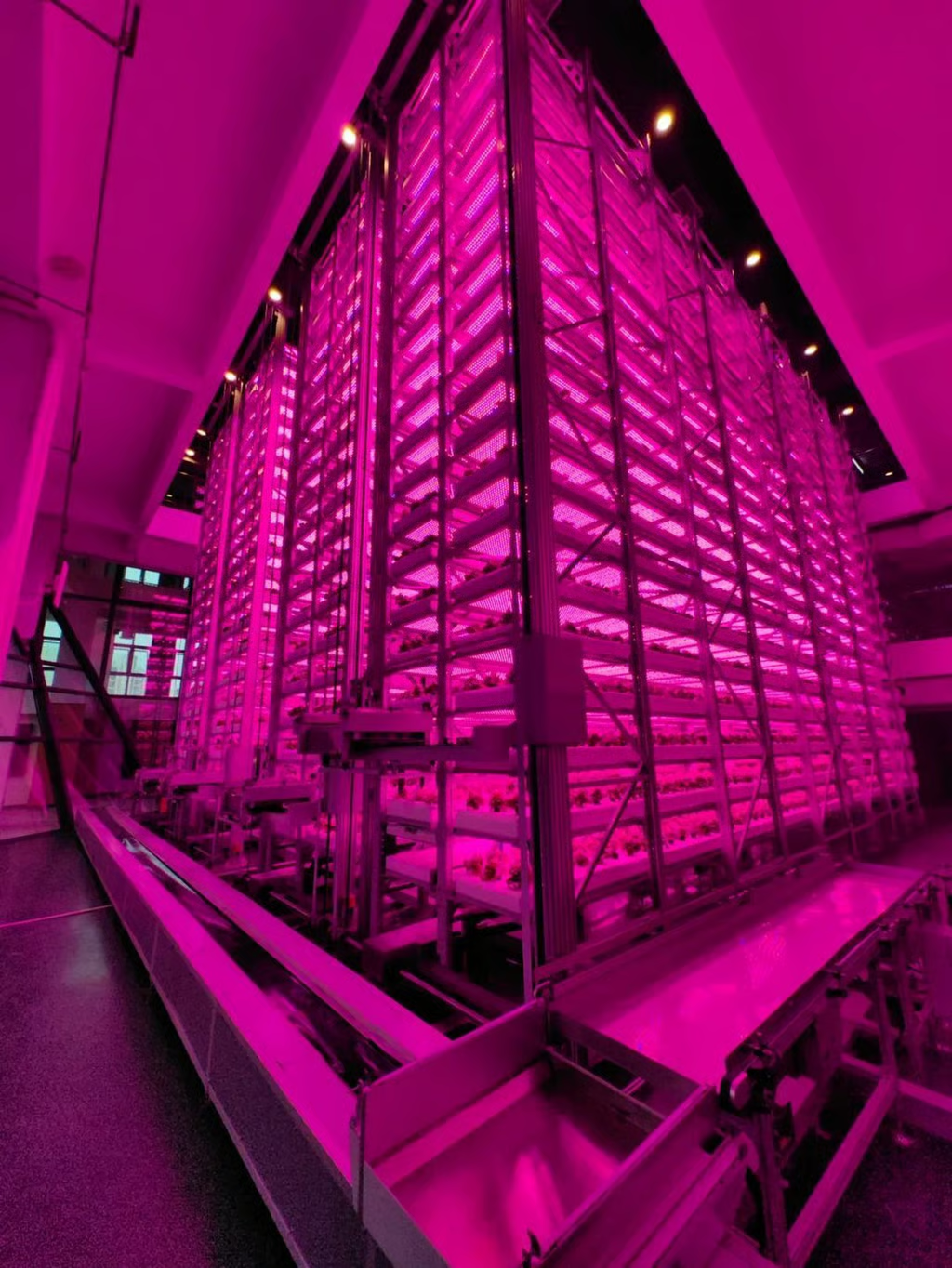
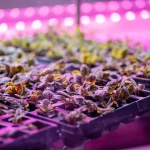
Designed to overcome limitations of land, climate, and labor, the factory can produce a harvest of lettuce every ~35 days under controlled conditions. Its annual output is estimated at over 50-60 tons, equal in yield to about 4 hectares of conventional farmland, but achieved within a compact footprint.
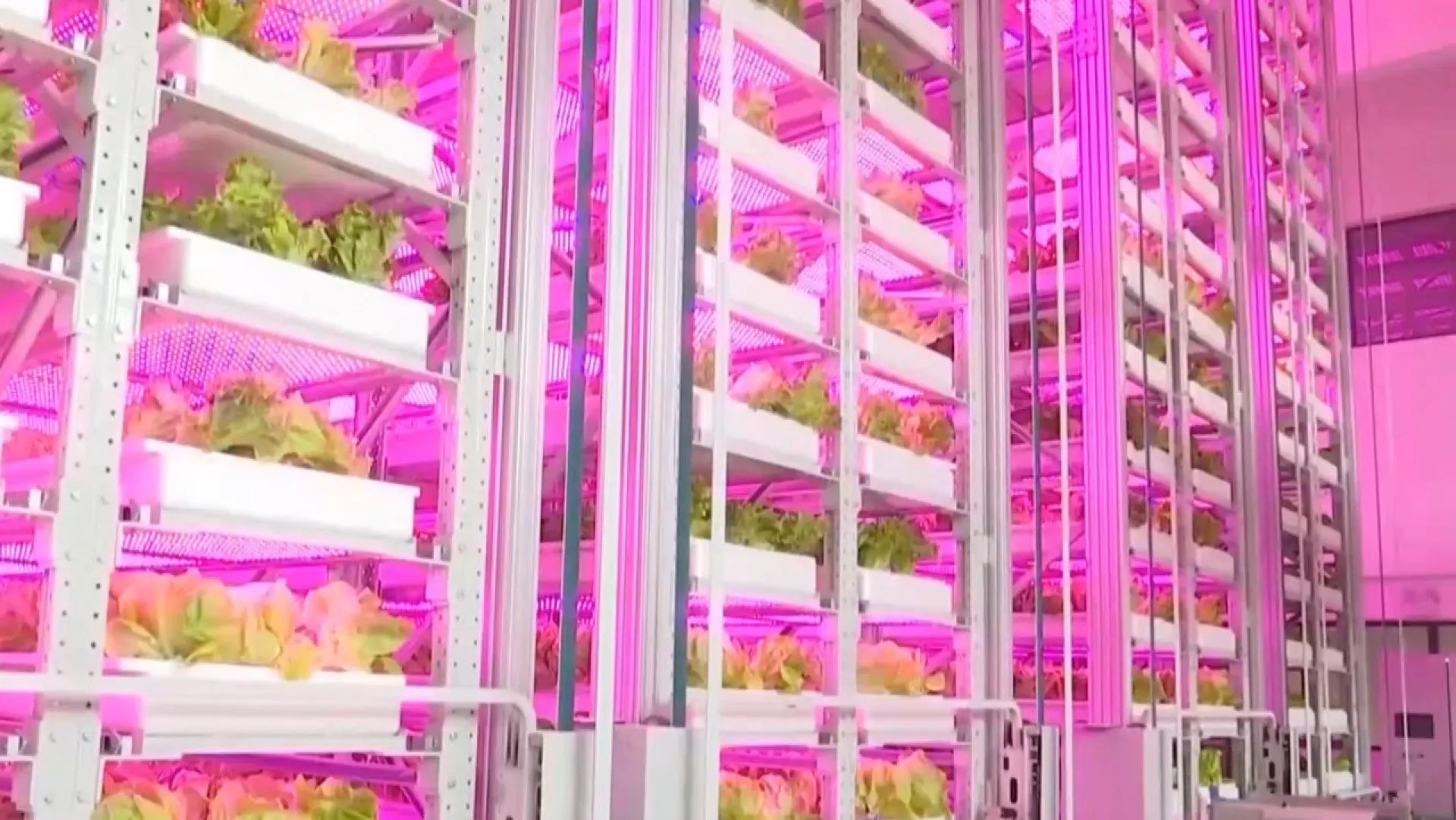
One of the technological breakthroughs reported is the so-called “plant-light formula” developed by the Chinese team, which raises light-use efficiency and addresses traditionally high energy-consumption and low-light-efficiency issues in large-scale vertical farms.
The facility occupies approximately 200 m² in footprint, yet with 20 stacked cultivation tiers, it dramatically enhances land-use efficiency, reportedly more than 120-fold compared to conventional field cultivation.
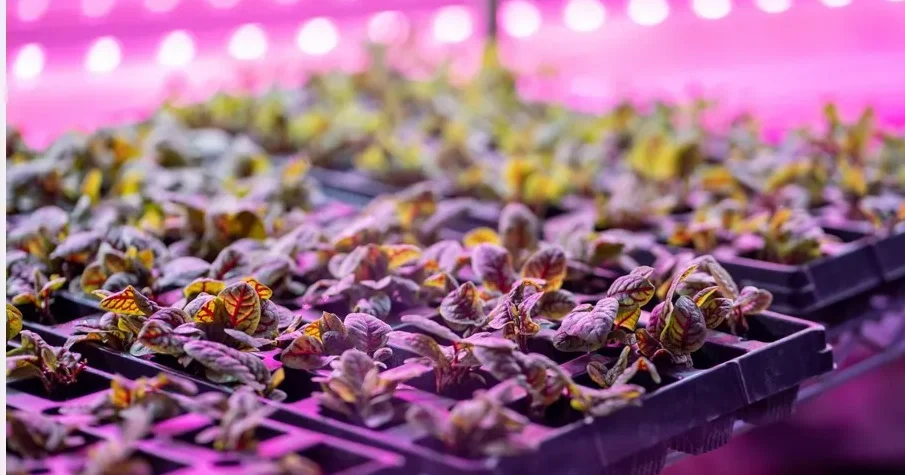
Enclosed-environment Agriculture can yield year-round continuous production, free from seasonal variation, extreme weather, and region-specific constraints. It is aimed especially at urban supply, deserts, barren land, or zones with limited arable land.
The launch of this vertical plant factory adds to China’s push to modernize agriculture and bolster food security through advanced facility agriculture. The IUA team is also reportedly engaged in exporting the “plant factory” concept, LED lighting technologies, and cultivation modules to other countries as part of global collaboration.
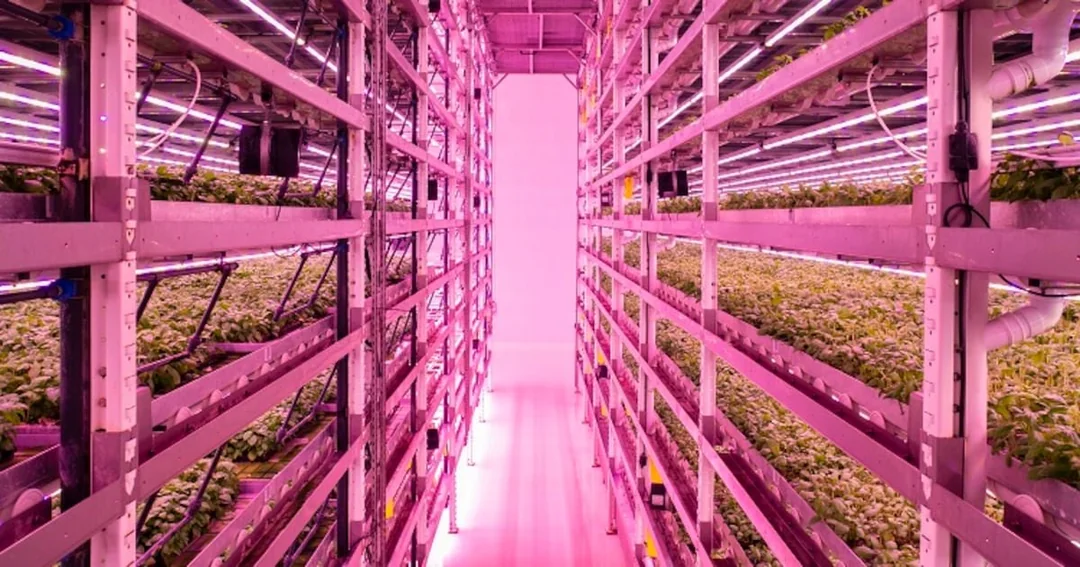
It remains to be seen how the model scales commercially, how energy consumption and operational costs balance with output, and what varieties beyond lettuce will be grown at scale. Nonetheless, the unveiling signals a new direction in high-density, tech-driven agriculture.