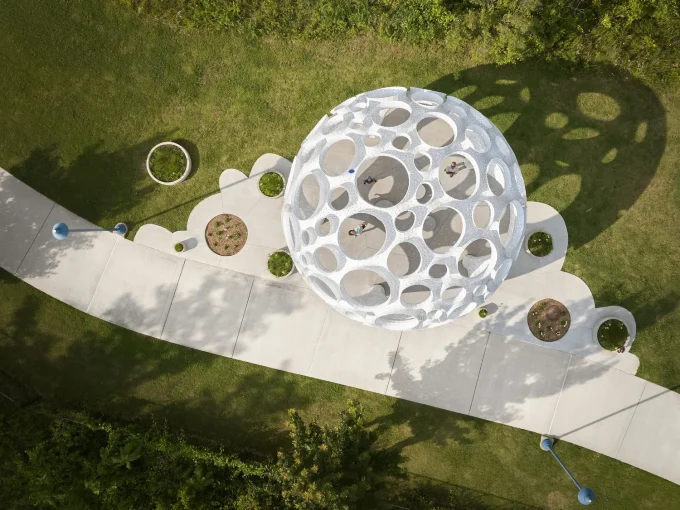





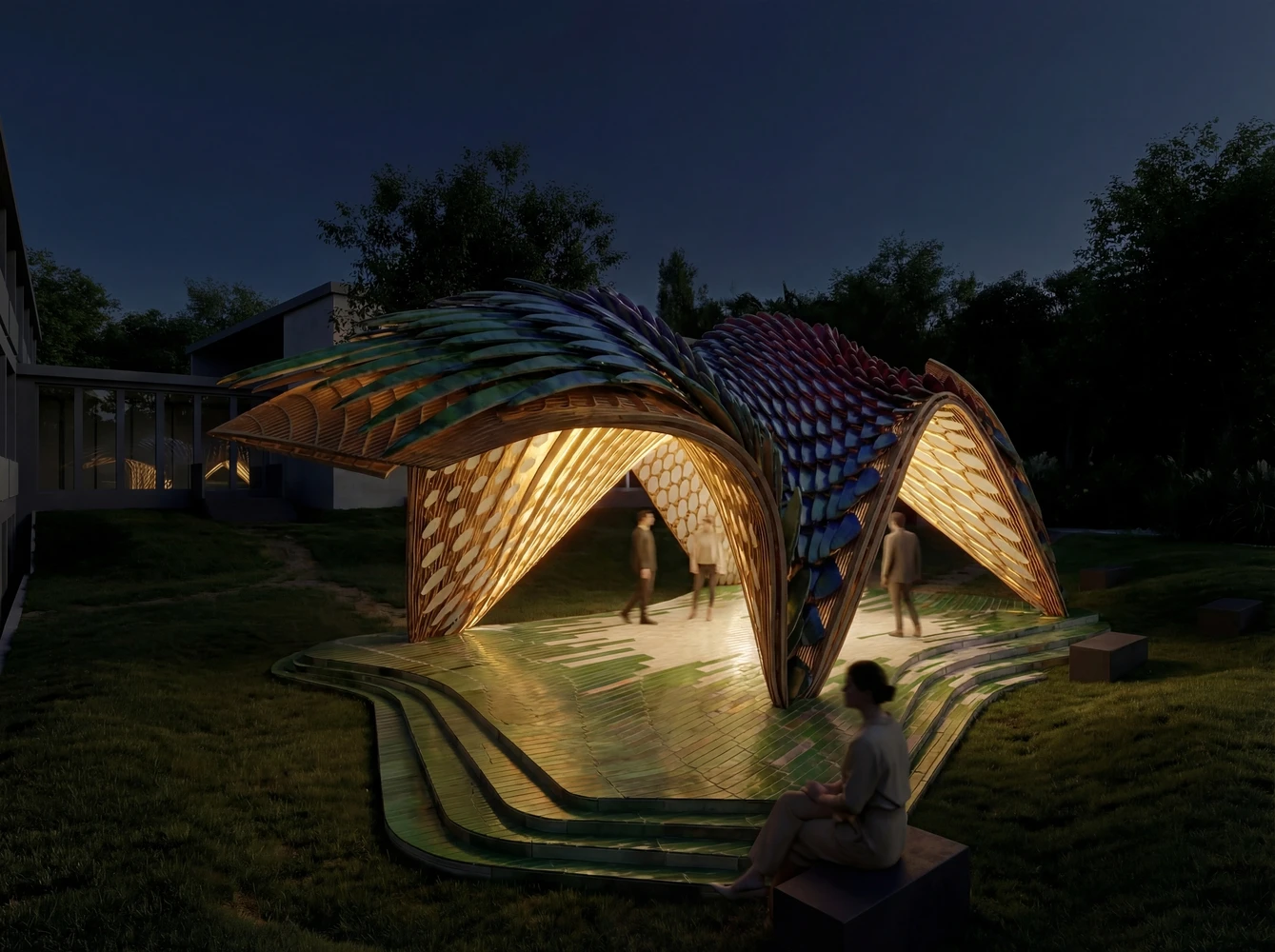
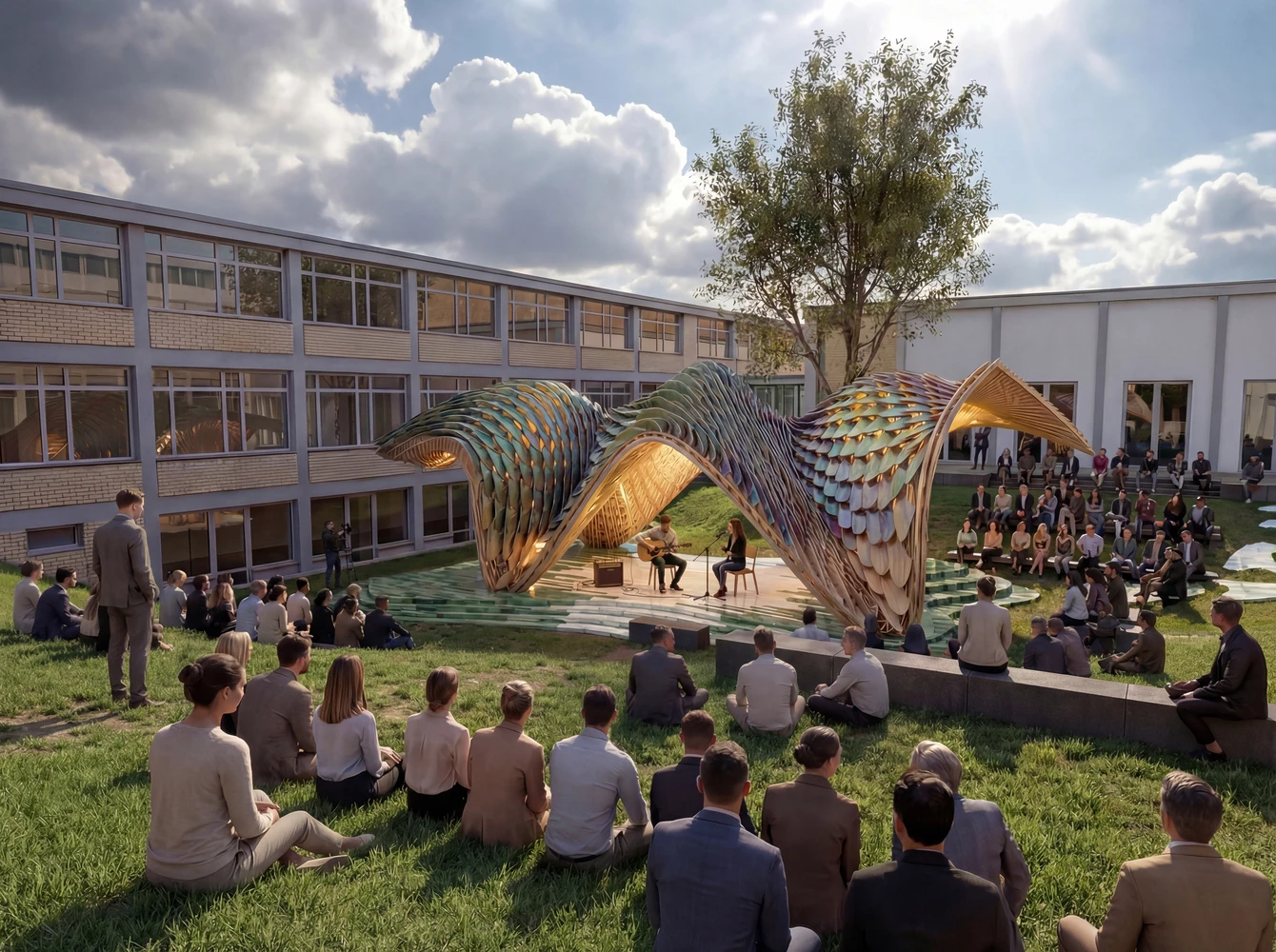


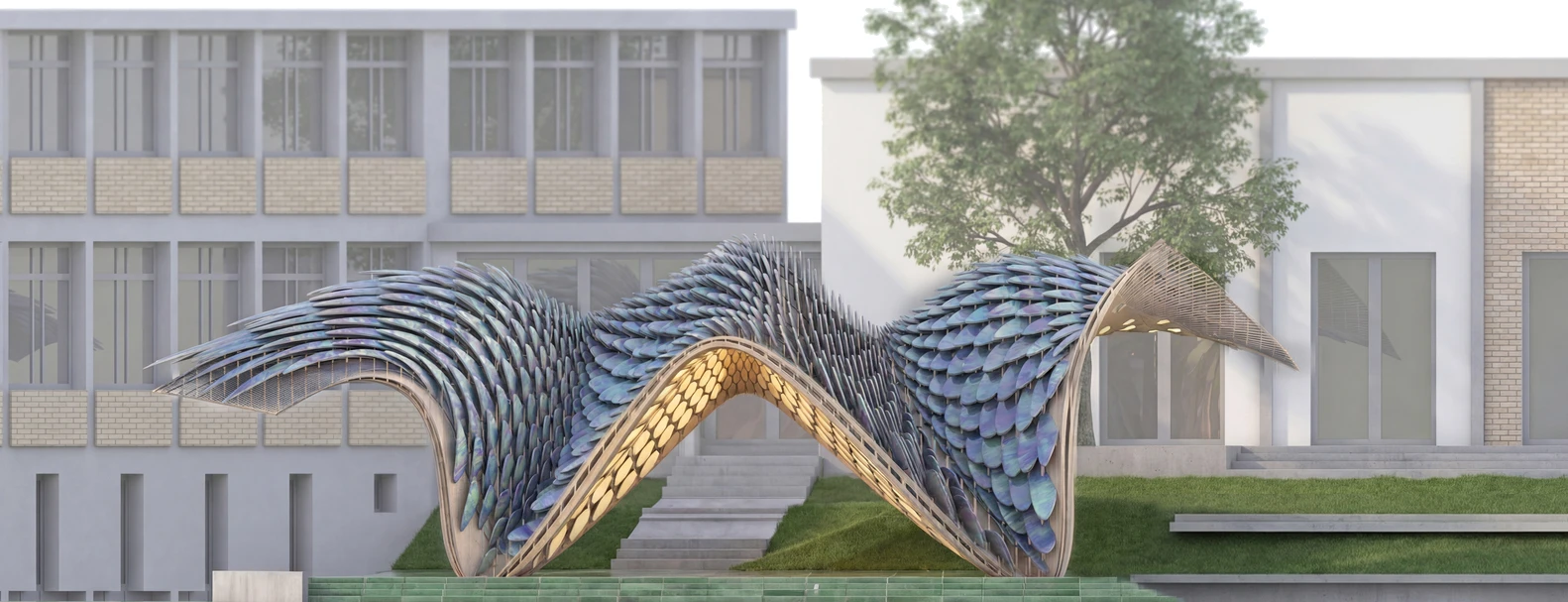
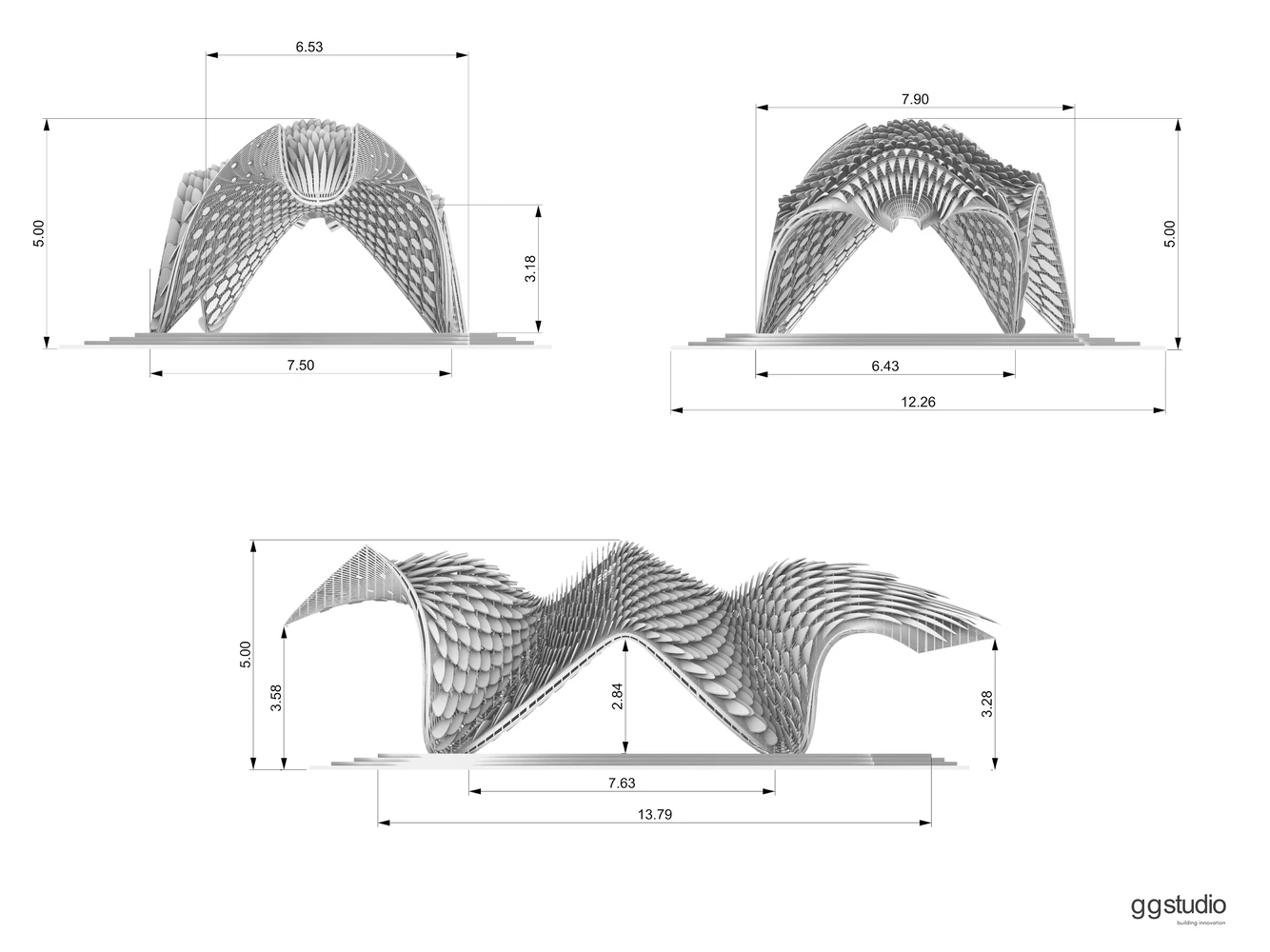
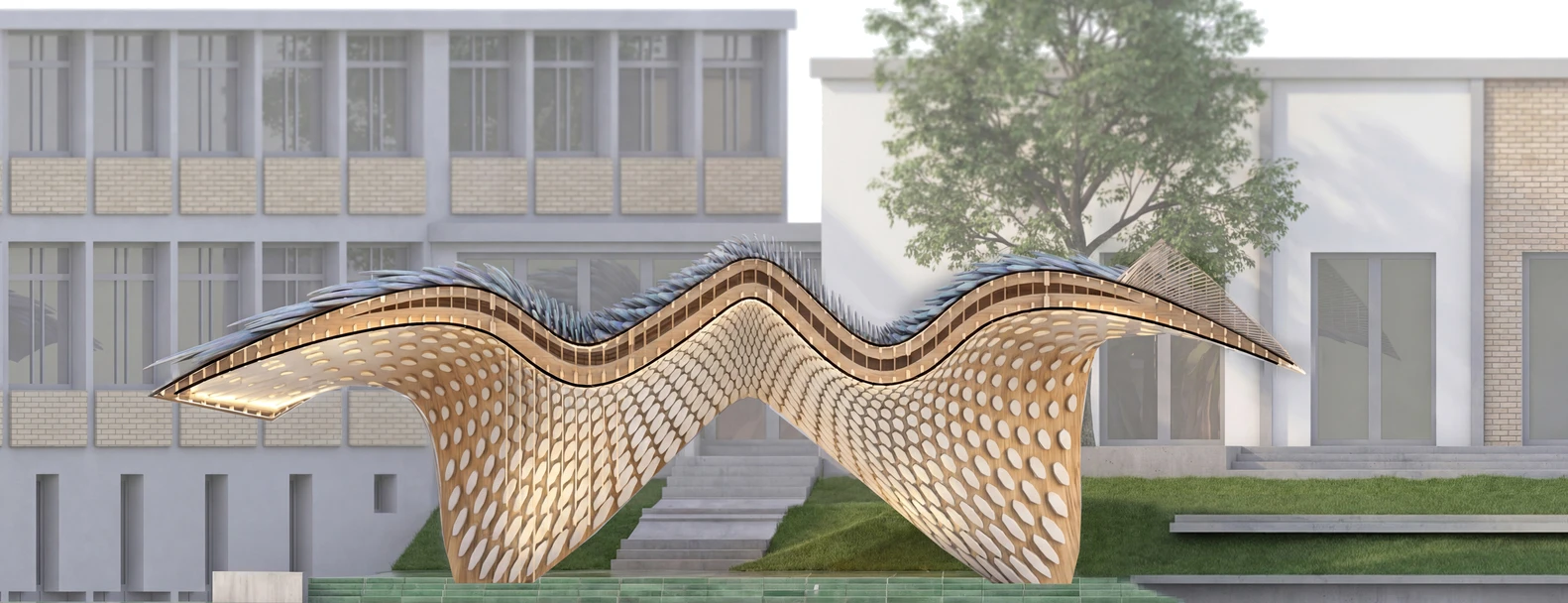
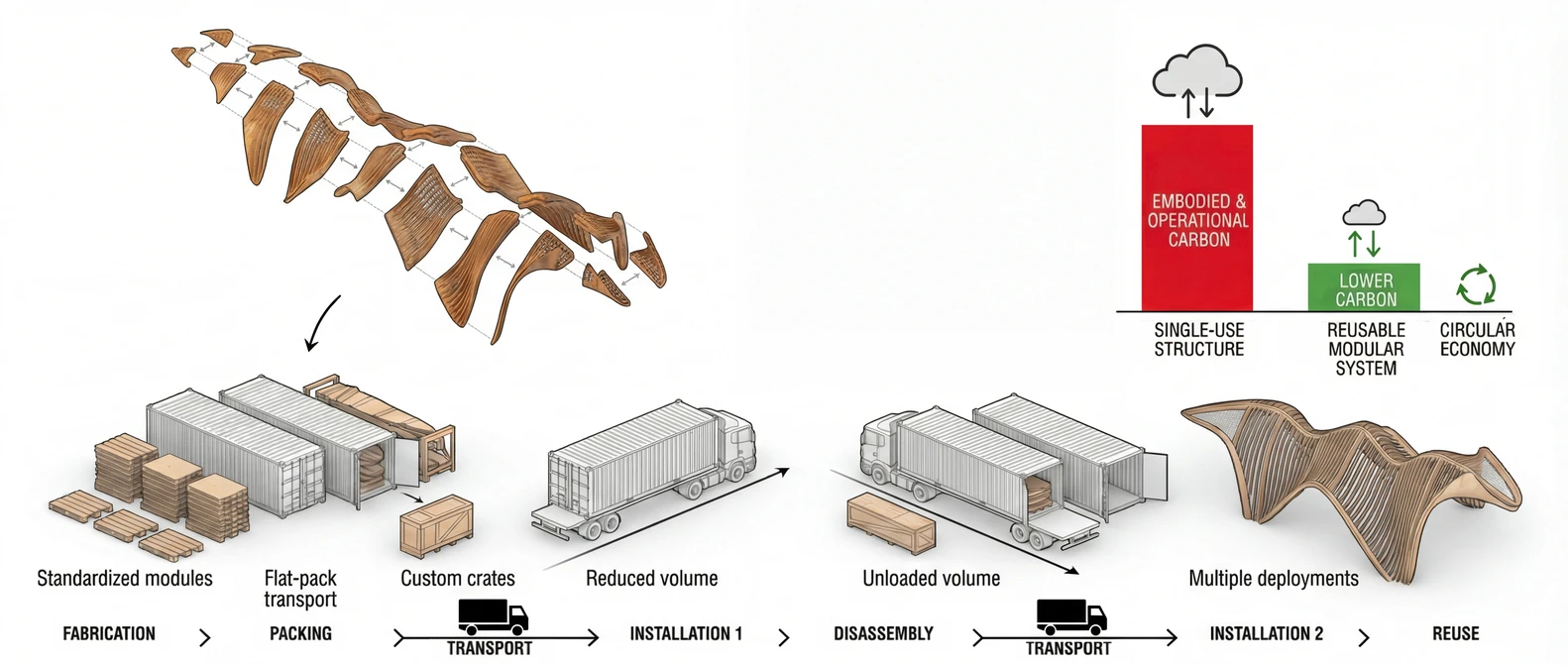
Drawing from the fluid, bold, expressive language of Antoni Gaudí, Spain’s Cultural Pavilion for World Design Capital Frankfurt RheinMain 2026 unfolds as an interesting circular structure that reimagines how temporary architecture can energize the city. Designed by architects José Ramón Tramoyeres and Javier Cortina, founders of ggstudio, and built with Volumes and Vareta (Manolo García). The project experiments with lightweight, reversible pavilion systems to reshape the urban fabric without leaving a lasting physical imprint. ICEX presents it as LIMINAL FIELD FFM, nestled within the garden of the Cervantes Institute. The pavilion operates as a dynamic spatial catalyst, inviting interaction, movement, and a renewed experience of urban public space.
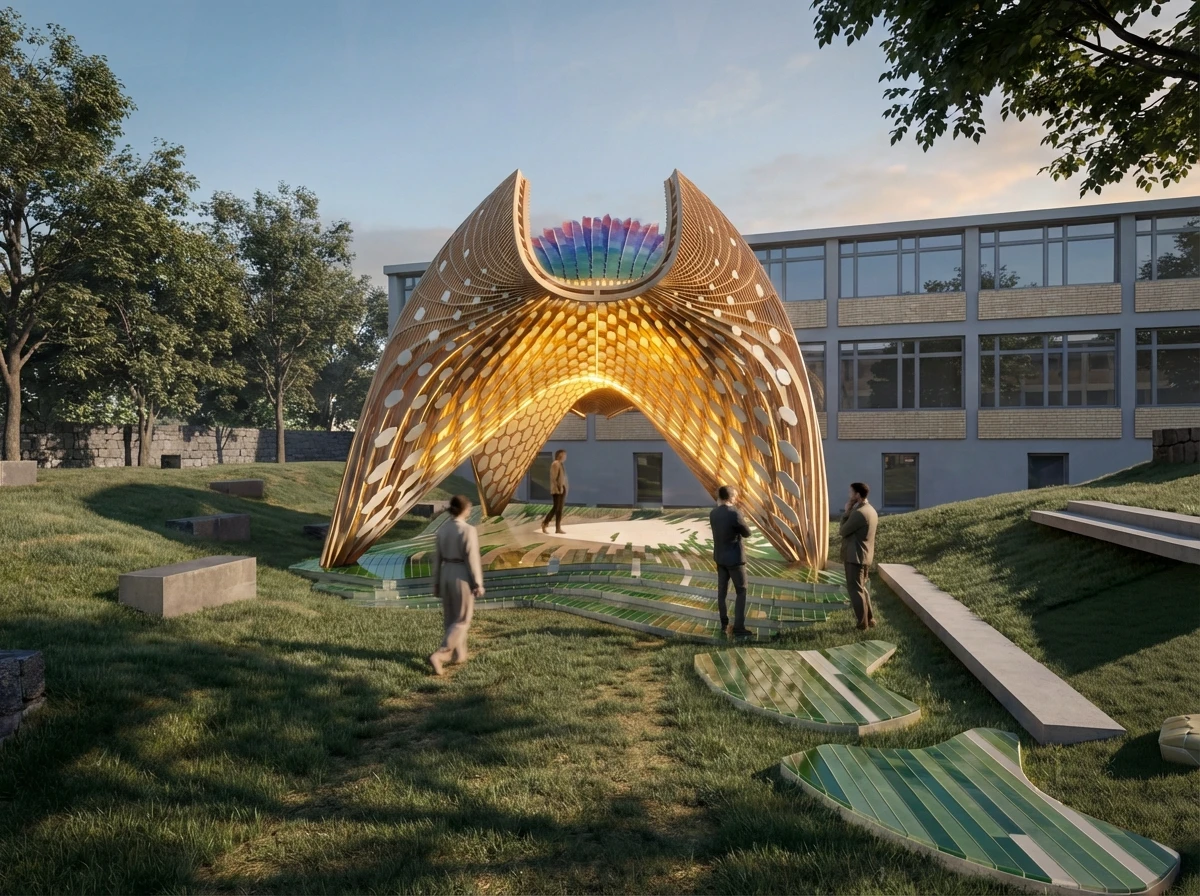
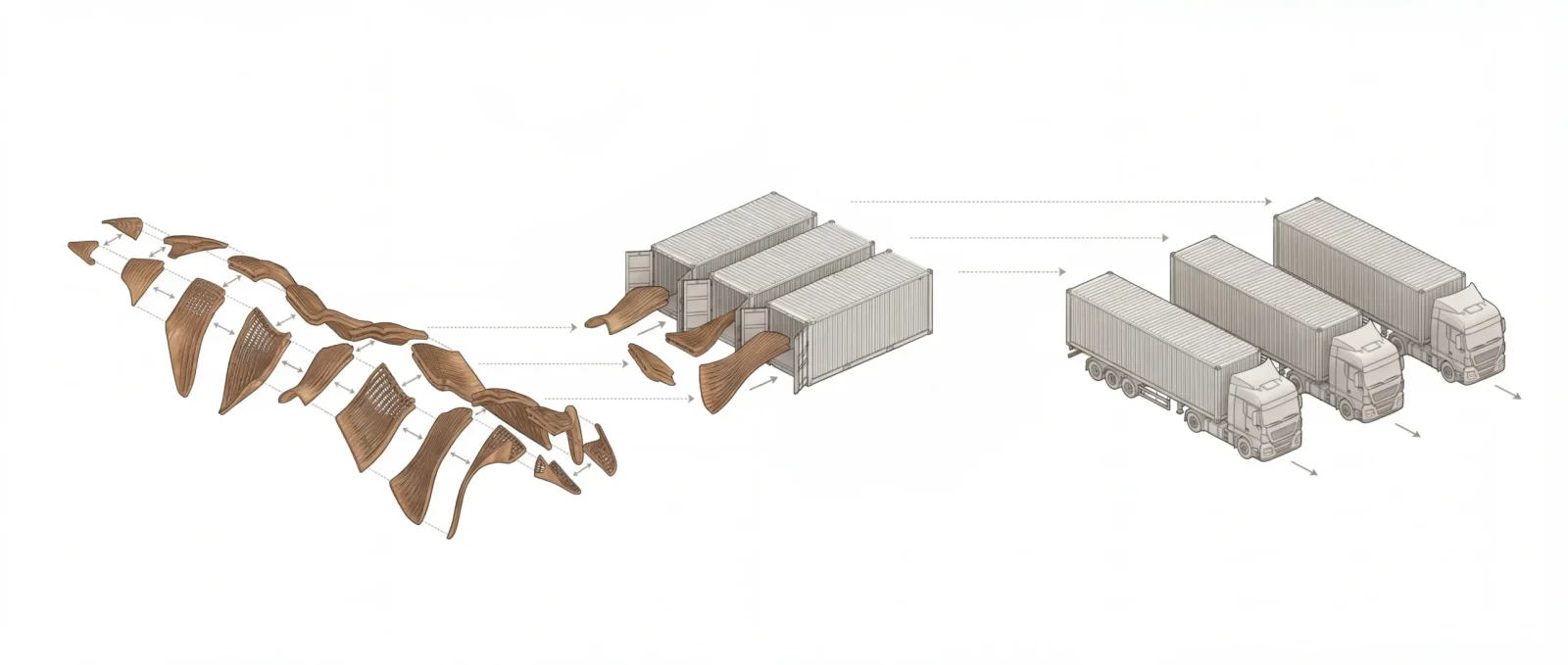
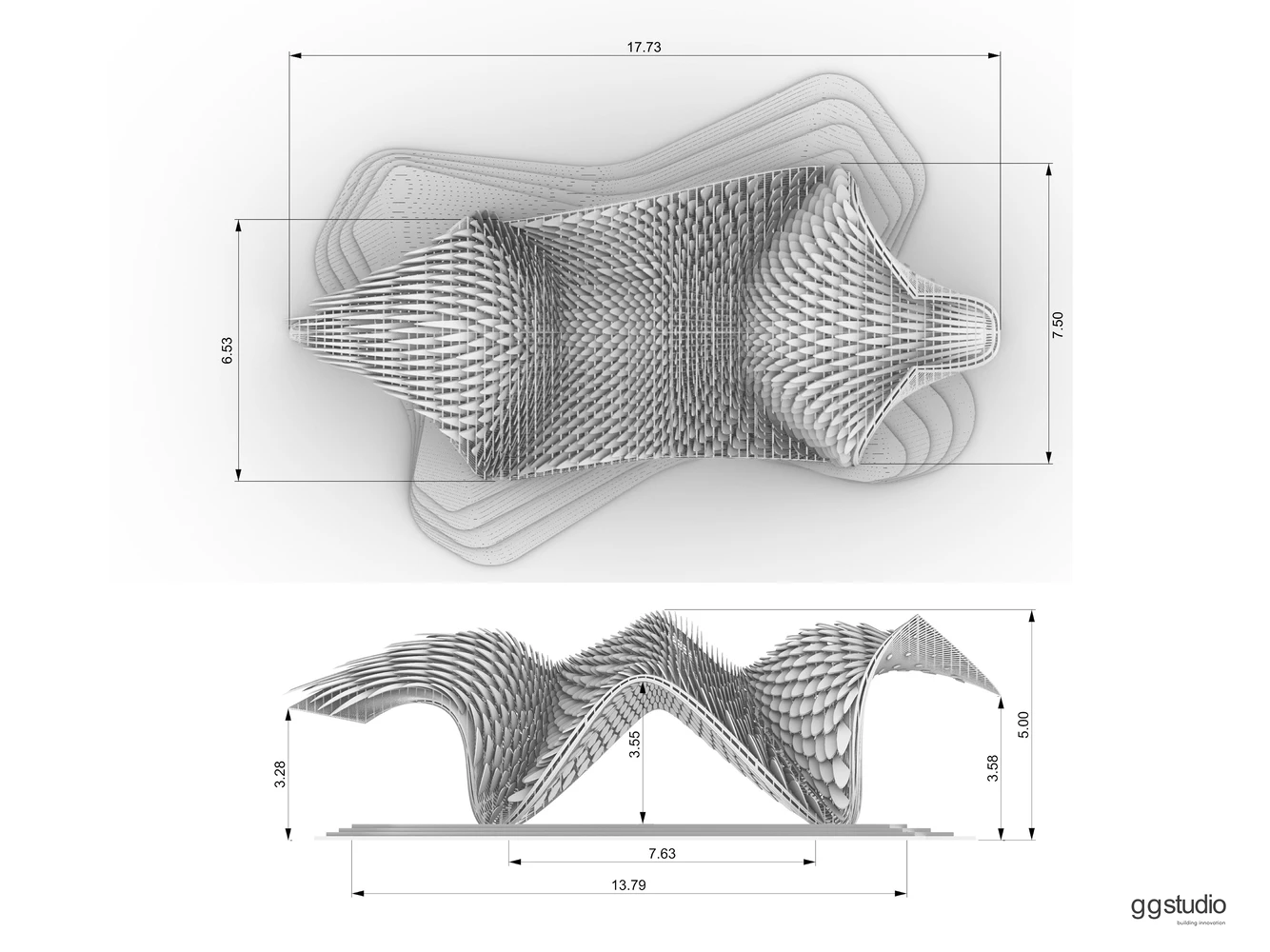
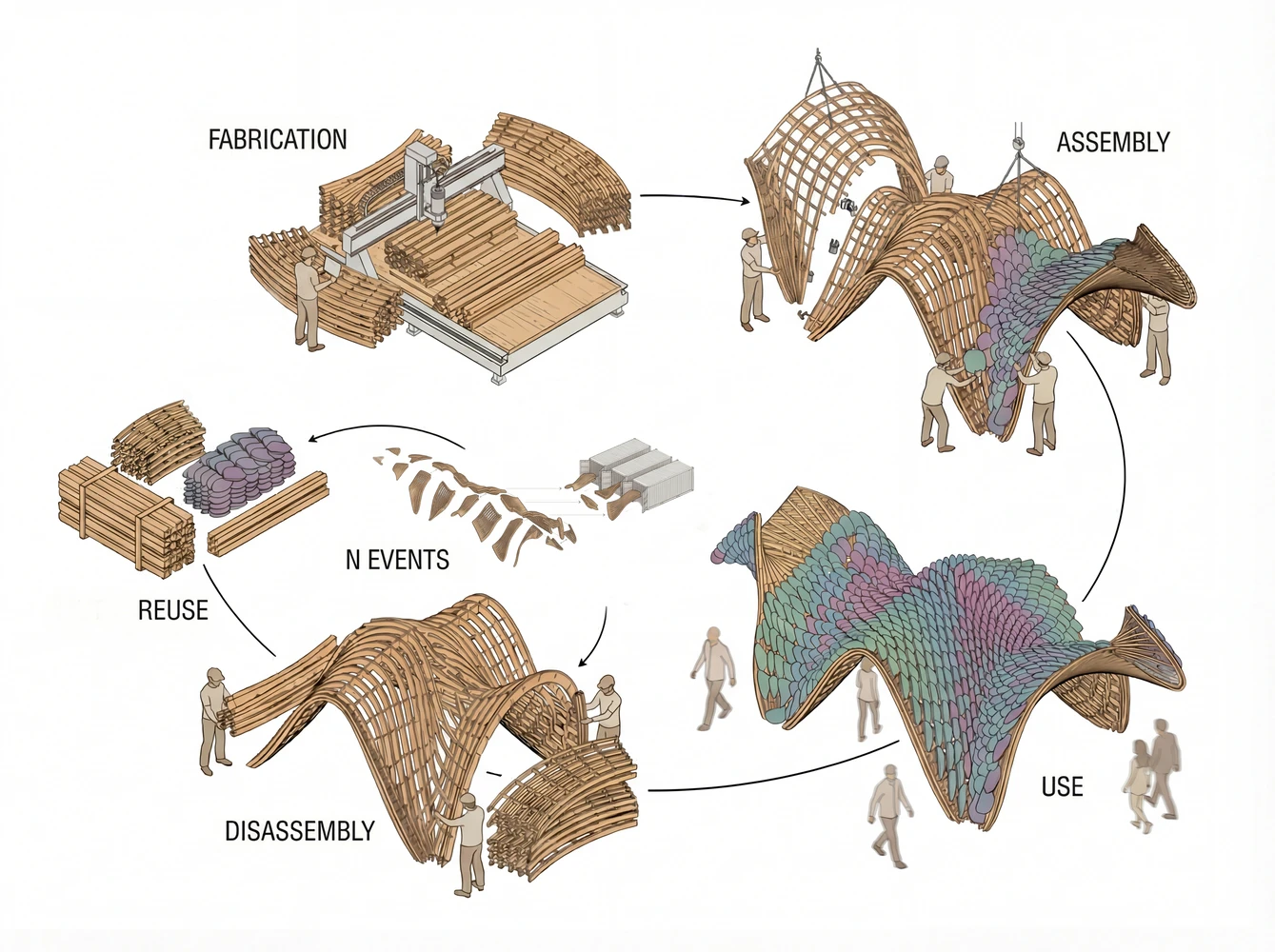
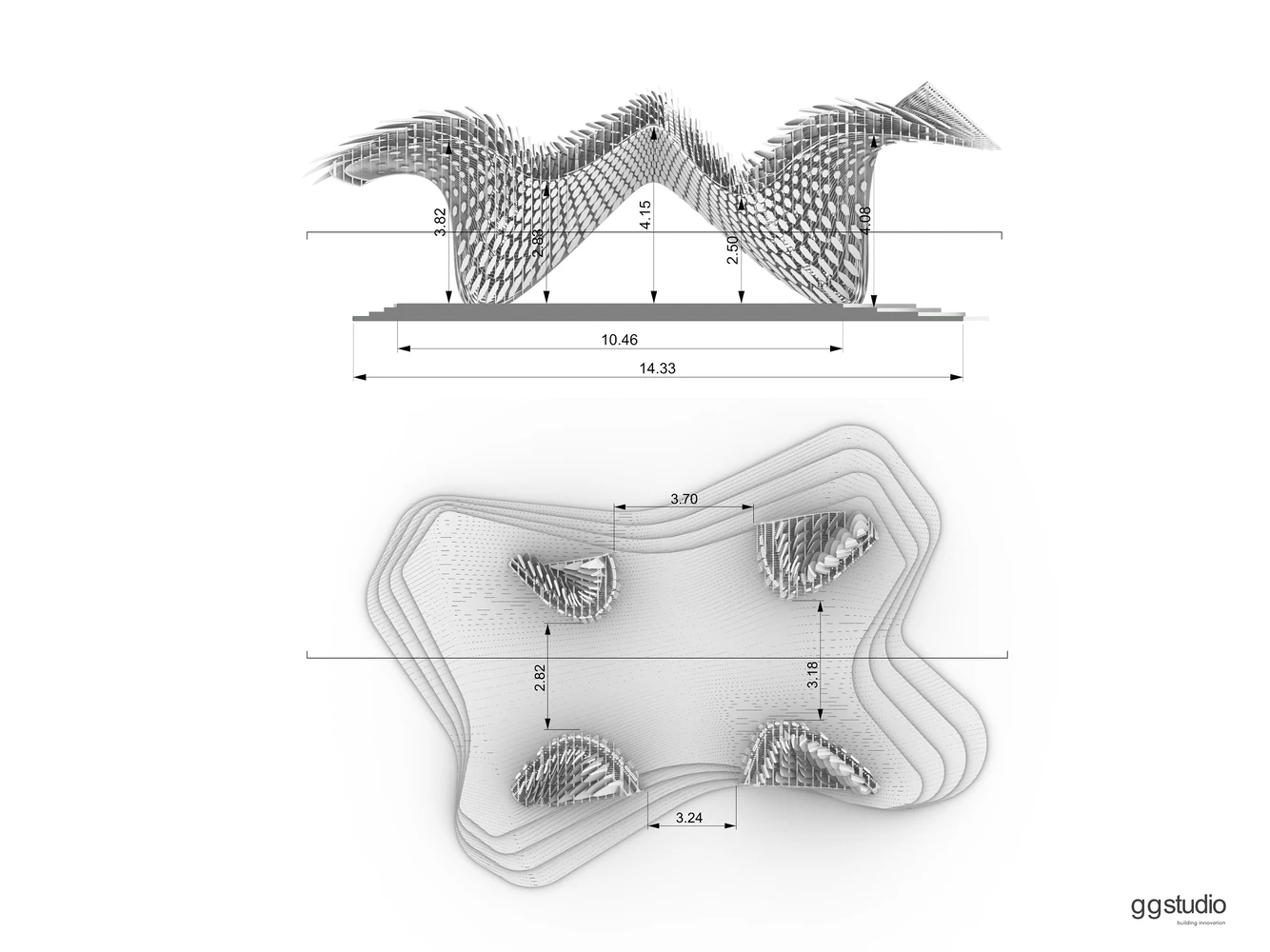
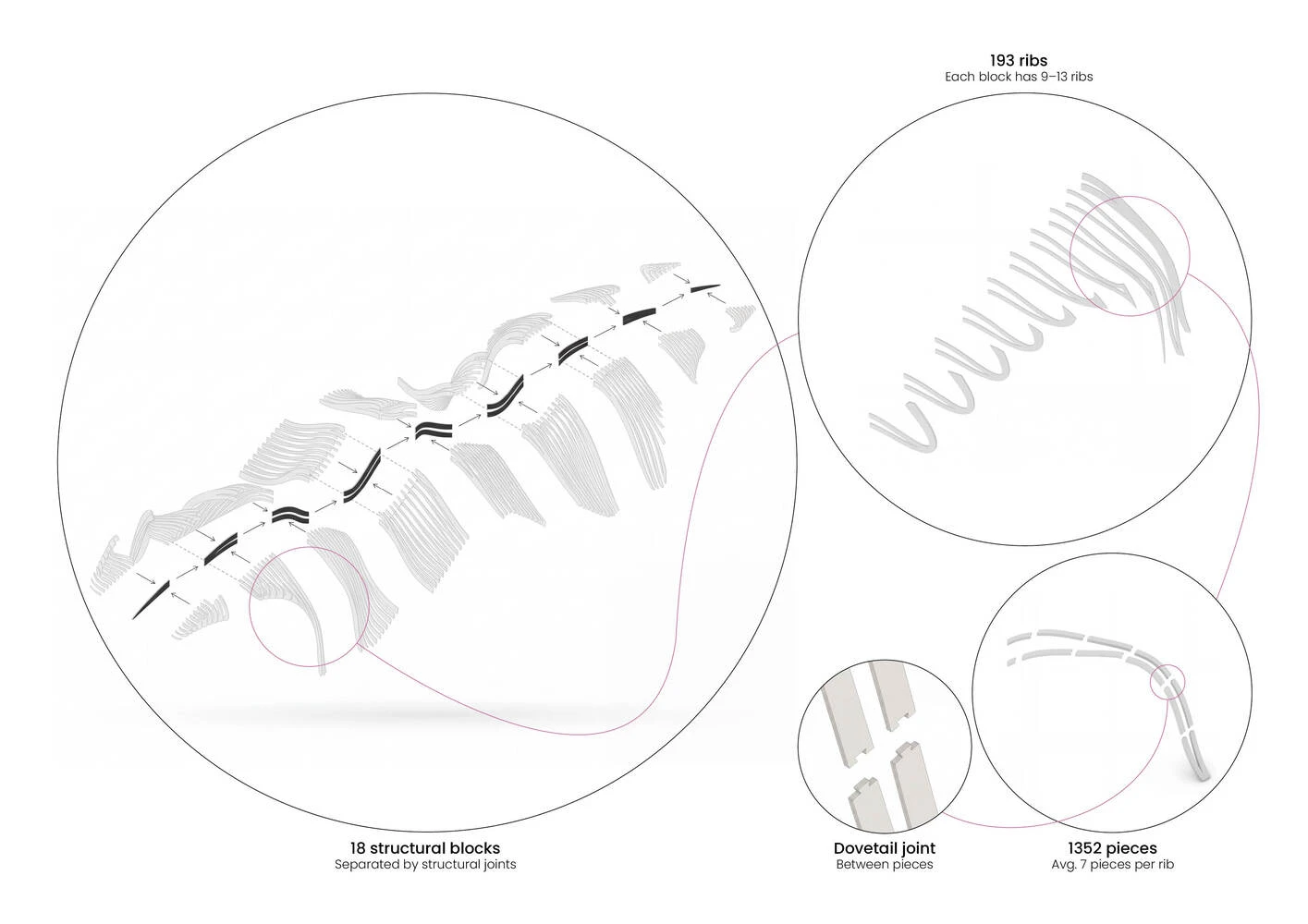
Spanning approximately 150 square meters, Spain’s pavilion presents an innovative exploration of material innovation and temporary construction. Built as a lightweight modular system, the structure is formed from timber elements assembled without permanent fixings, allowing it to rest lightly on the ground with no excavation or permanent intervention. This reversible approach enables the pavilion to be fully dismantled, restoring the site to its original condition without a lasting carbon impact.
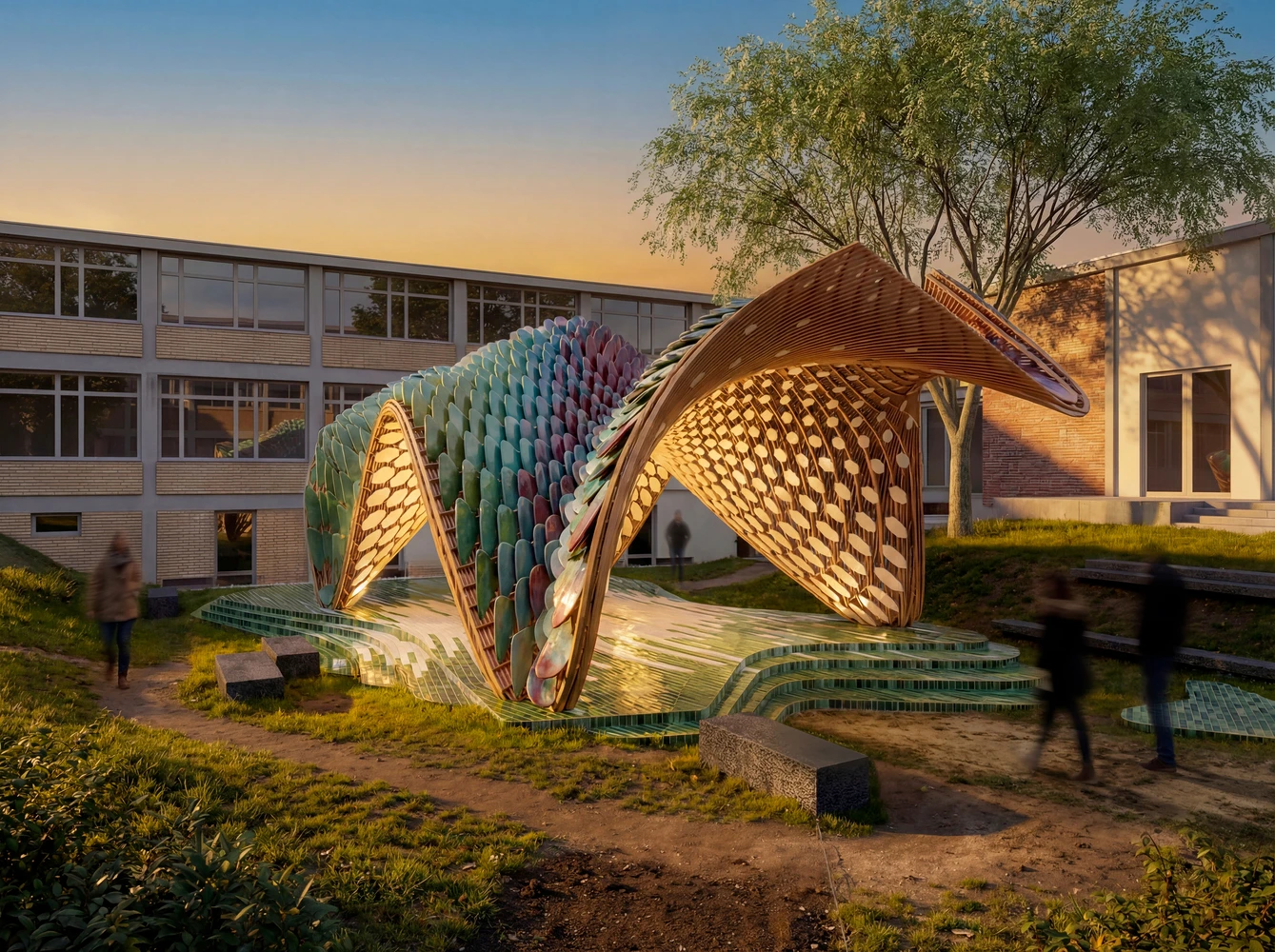
More than a temporary installation, the pavilion emerges as a bold statement on how architecture can activate public space while remaining adaptable and responsible. The geometry unfolds as a continuous spatial journey, shaping the garden through a series of inclined planes and inhabitable surfaces that form a part of the living space and scenic platform. The open structure operates as a catalyst for spatial reorganization, drawing people, primarily concentrating on cultural activity, and encouraging gathering, exchange, and interaction.

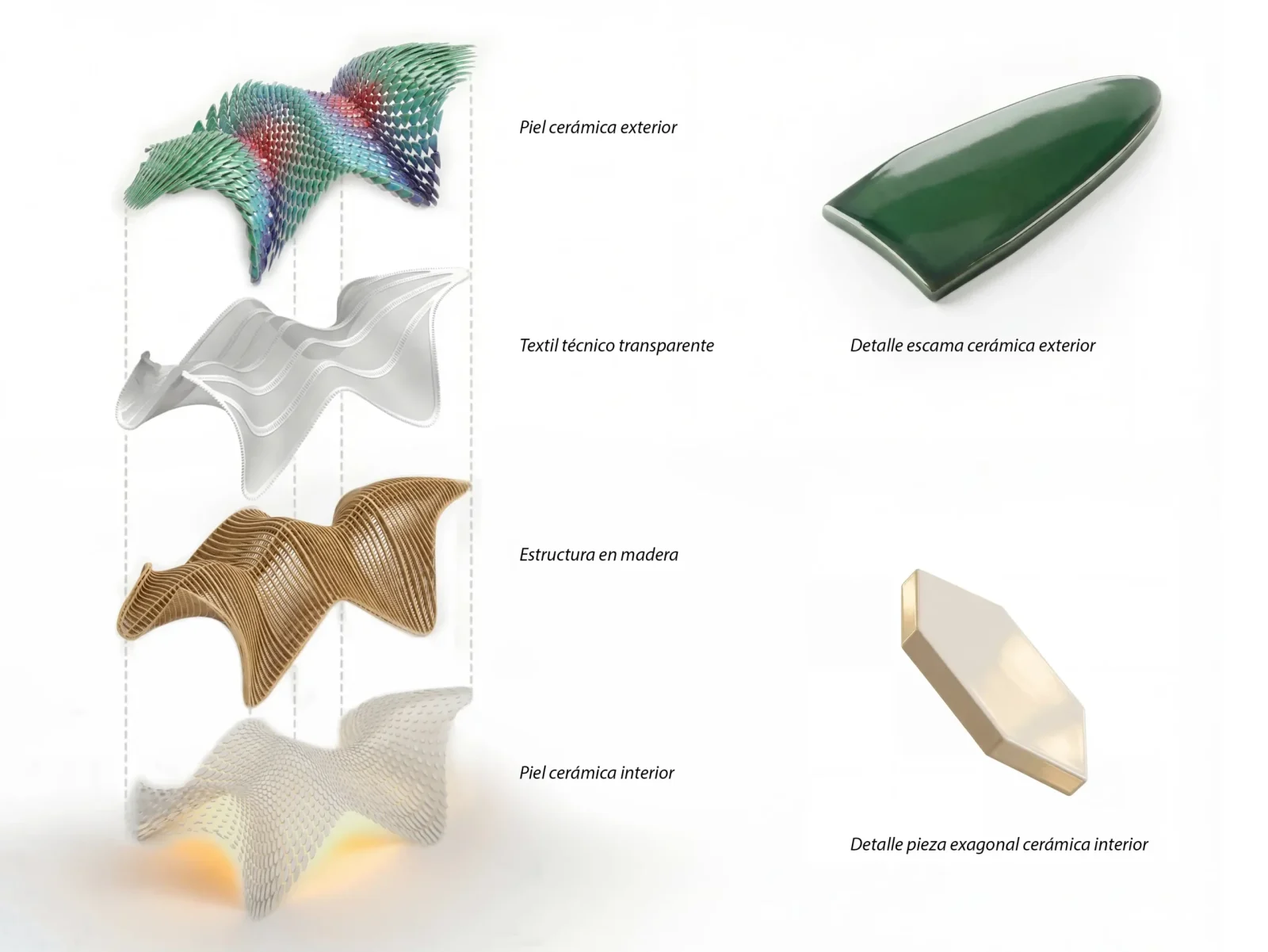
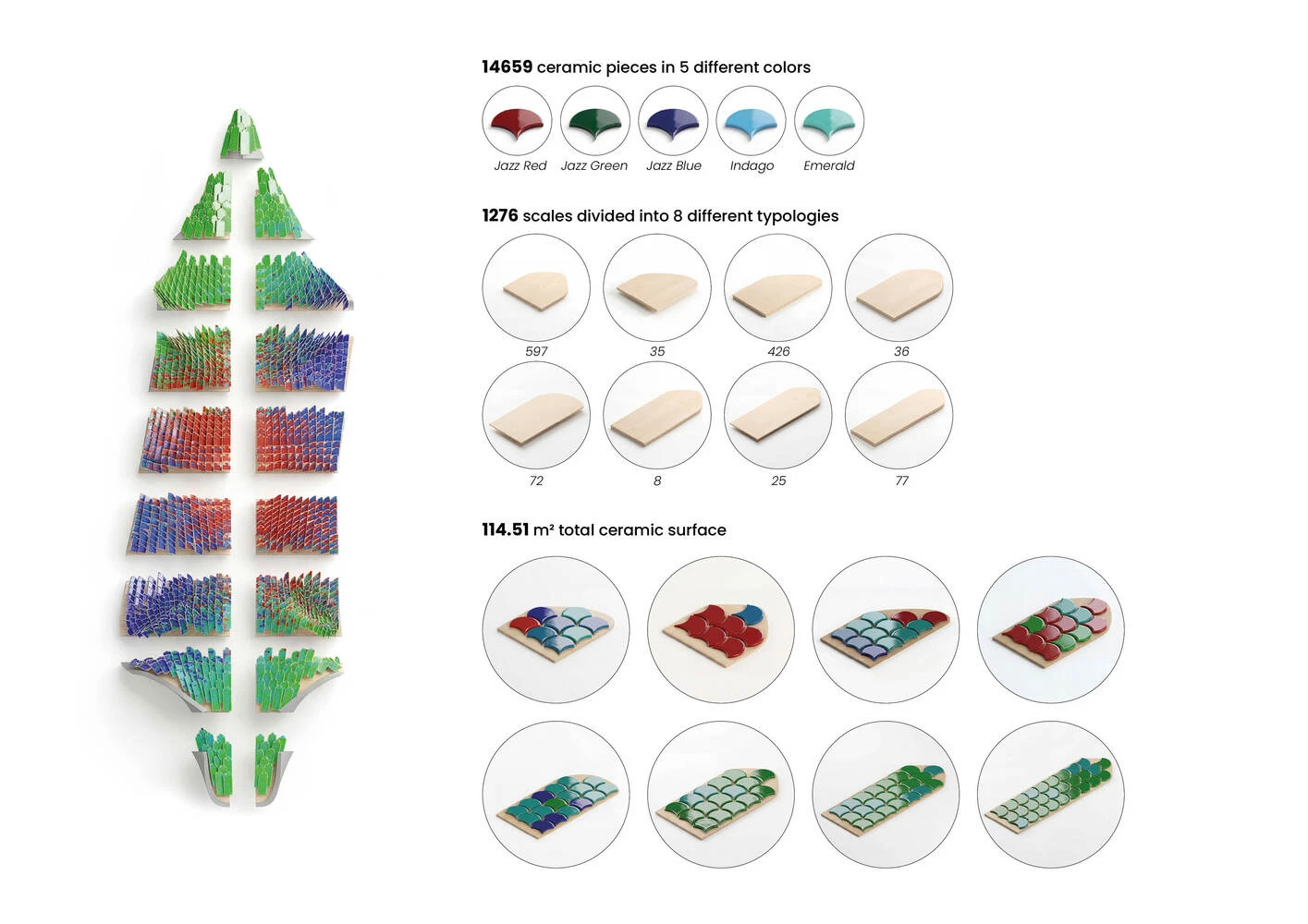
Defined by a bold interplay of timber structure and vibrant ceramic modules, the pavilion is conceived as a modular, reusable, and sustainable system that can be assembled, dismantled, and reconfigured without permanent construction. Rooted in Mediterranean materiality yet driven by technical innovation, it brings together Spanish expertise in structure, ceramics, textiles, and lighting.

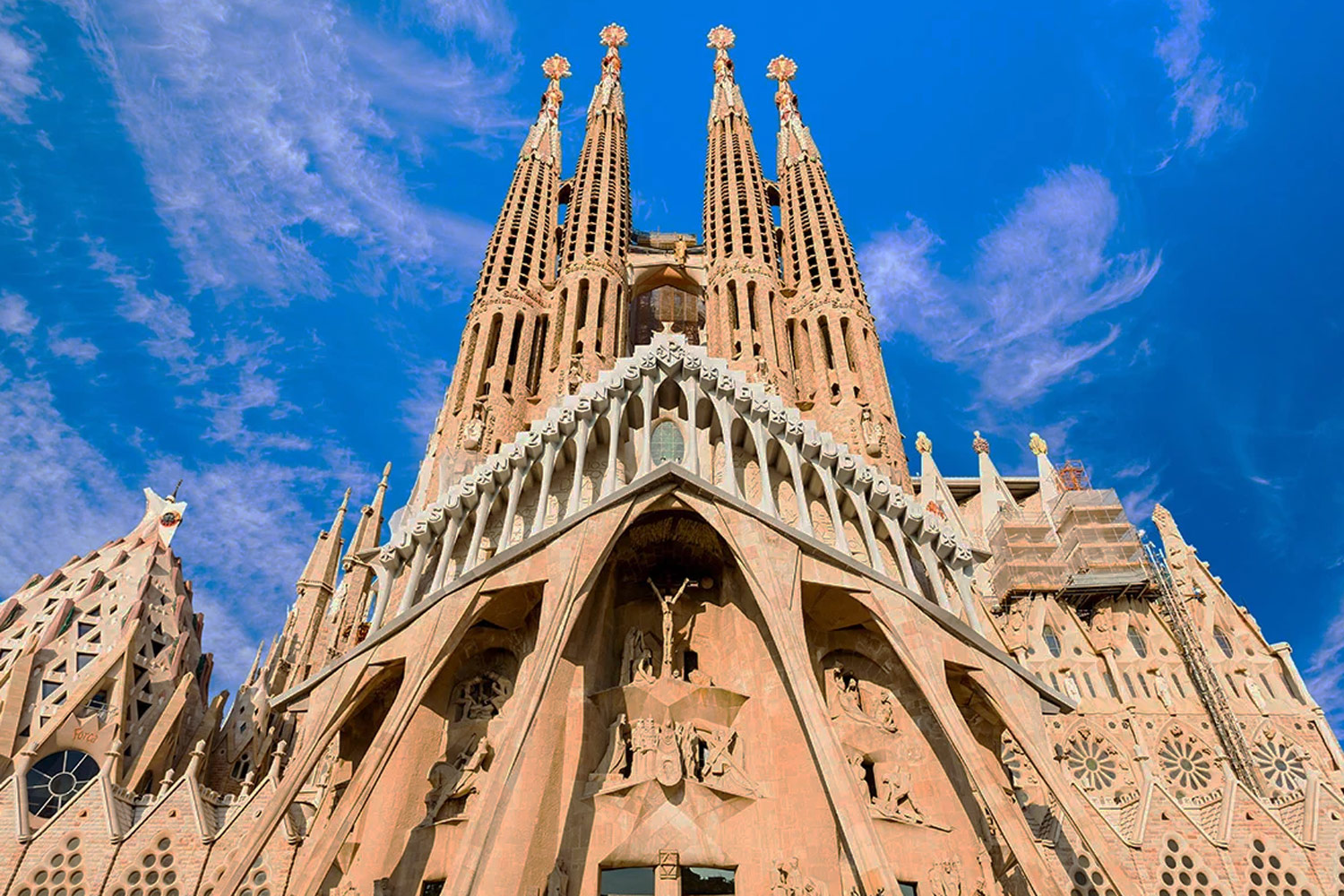
The pavilion emerges as a dynamic architecture that showcases contemporary Spanish architecture, pushing the boundaries of adaptable design. Rooted in the methodological legacy of Antoni Gaudí, the project draws not only from the form but also from the principles of structural efficiency and construction logic. Geometry, material, and structure are conceived as a unified system, translating material economy into a contemporary European context.
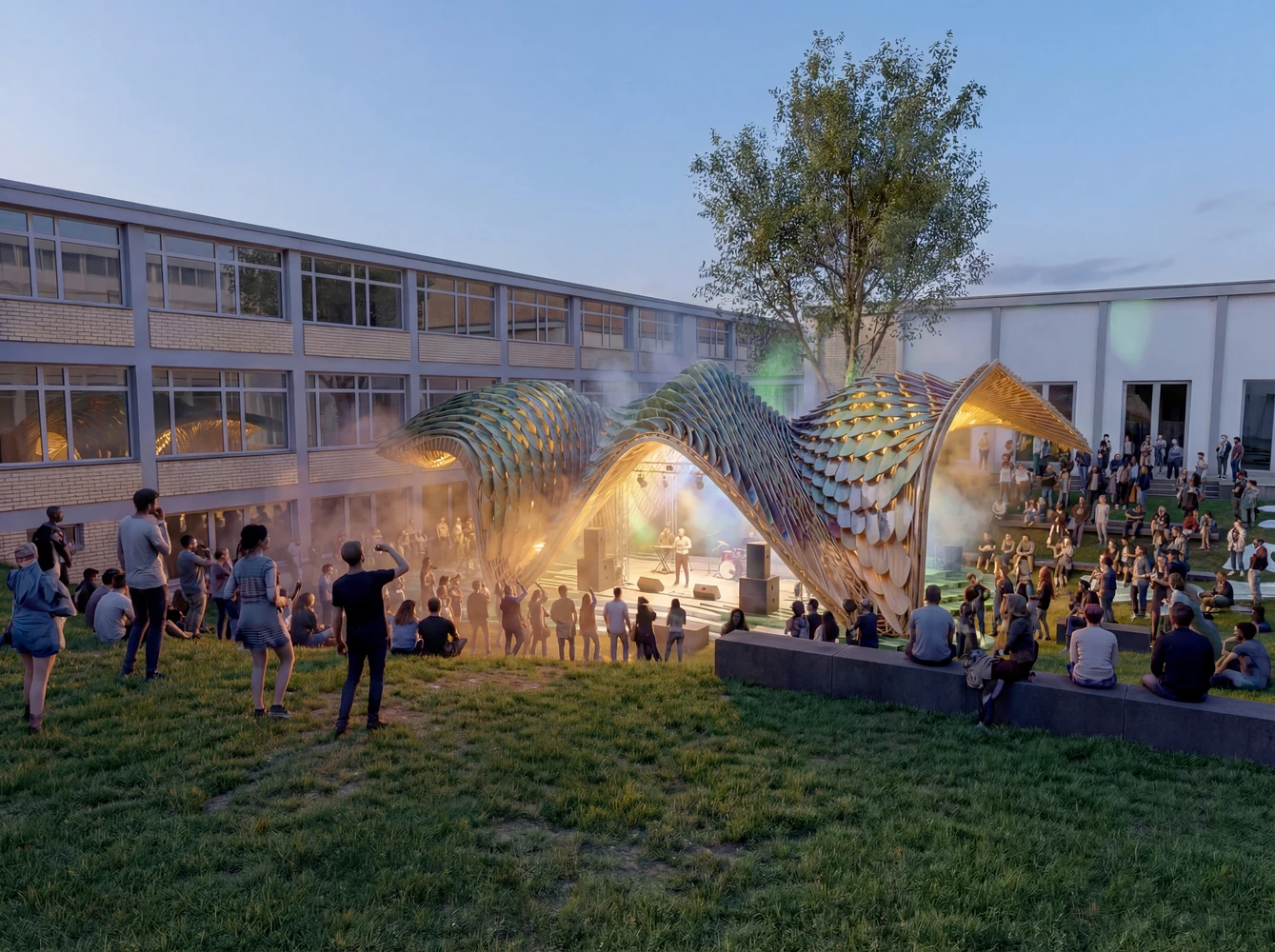
Set to open on April 29, the installation will launch with a gathering of leading voices from architecture, design, and industry, recognized as a key moment for Frankfurt’s cultural calendar. The design will also be presented on May 27, when the design takes centre stage through a dedicated event, extending the pavilion’s impact through innovation, creativity, and contemporary practice.
LIMINAL FIELD FFM Project Details
Project name: LIMINAL FIELD – FFM (For World Design Capital Frankfurt RheinMain 2026)
Location: Frankfurt, Germany
Architect: ggstudio & Built by Volumes and Vareta (Manolo García)
Year: 2026
Photography: ICEX
Explore Courses

.jpg "Ondrej Chybik - Rethinking Architecture")